
Research ArticleCell biologyOncology
Open Access |  10.1172/jci.insight.197008
EGFR-mutant transformed small cell lung cancer harbors intratumoral heterogeneity targetable with MEK inhibitor combination therapy
Atsuko Ogino,1 Amir Vajdi,2 Xinmeng Jasmine Mu,3 Navin R. Mahadevan,1,4 Kenneth Ngo,1,5 Matthew A. Booker,2 Paloma Cejas,1,6 Jeffrey J. Okoro,1 Man Xu,1,5 Benjamin F. Springer,7 Benjamin K. Eschle,7 Cameron M. Messier,1,5 Stephen Wang,1,5 Sudeepa Syamala,1,6 Rubii M. Tamen,1 Anika E. Adeni,1 Emily S. Chambers,1 Israel Canadas,8 Tran Thai,1 Camilla L. Christensen,1 Chunxiao Xu,1 Patrick H. Lizotte,1,5 Geoffrey R. Oxnard,1,12 Hideo Watanabe,9,10,11 Henry W. Long,1,6 Prafulla C. Gokhale,1,5,7 Cloud P. Paweletz,1,5 Lynette M. Sholl,4 Matthew G. Oser,1,12 David A. Barbie,1,5,12,13 Michael Y. Tolstorukov,2 and Pasi A. Jänne1,5,12
1Department of Medical Oncology, Dana-Farber Cancer Institute and Harvard Medical School, Boston, Massachusetts, USA.
2Department of Informatics and Analytics, Dana-Farber Cancer Institute, Boston, Massachusetts, USA.
3Broad Institute of MIT and Harvard, Cambridge, Massachusetts, USA.
4Department of Pathology, Brigham and Women’s Hospital, Boston, Massachusetts, USA.
5Belfer Center for Applied Cancer Science,
6Center for Functional Cancer Epigenetics, and
7Experimental Therapeutics Core, Dana-Farber Cancer Institute, Boston, Massachusetts, USA.
8Blood Cell Development and Function Program, Fox Chase Cancer Center, Philadelphia, Pennsylvania, USA.
9Catherine and Henry J. Gaisman Division of Pulmonary, Critical Care, and Sleep Medicine, Department of Medicine;
10Tisch Cancer Institute; and
11Department of Genetics and Genomic Sciences, Icahn School of Medicine at Mount Sinai, New York, New York, USA.
12Lowe Center for Thoracic Oncology, Dana-Farber Cancer Institute, Boston, Massachusetts, USA.
13Parker Institute for Cancer Immunotherapy, San Francisco, California, USA.
Address correspondence to: Pasi A. Jänne, 450 Brookline Avenue, LC4114, Boston, Massachusetts 02215, USA. Email: pasi_janne@dfci.harvard.edu. Or to: Atsuko Ogino, 360 Longwood Avenue, Boston, Massachusetts 02215, USA. Email: atsuko_ogino@dfci.harvard.edu.
Find articles by Ogino, A. in: PubMed | Google Scholar
1Department of Medical Oncology, Dana-Farber Cancer Institute and Harvard Medical School, Boston, Massachusetts, USA.
2Department of Informatics and Analytics, Dana-Farber Cancer Institute, Boston, Massachusetts, USA.
3Broad Institute of MIT and Harvard, Cambridge, Massachusetts, USA.
4Department of Pathology, Brigham and Women’s Hospital, Boston, Massachusetts, USA.
5Belfer Center for Applied Cancer Science,
6Center for Functional Cancer Epigenetics, and
7Experimental Therapeutics Core, Dana-Farber Cancer Institute, Boston, Massachusetts, USA.
8Blood Cell Development and Function Program, Fox Chase Cancer Center, Philadelphia, Pennsylvania, USA.
9Catherine and Henry J. Gaisman Division of Pulmonary, Critical Care, and Sleep Medicine, Department of Medicine;
10Tisch Cancer Institute; and
11Department of Genetics and Genomic Sciences, Icahn School of Medicine at Mount Sinai, New York, New York, USA.
12Lowe Center for Thoracic Oncology, Dana-Farber Cancer Institute, Boston, Massachusetts, USA.
13Parker Institute for Cancer Immunotherapy, San Francisco, California, USA.
Address correspondence to: Pasi A. Jänne, 450 Brookline Avenue, LC4114, Boston, Massachusetts 02215, USA. Email: pasi_janne@dfci.harvard.edu. Or to: Atsuko Ogino, 360 Longwood Avenue, Boston, Massachusetts 02215, USA. Email: atsuko_ogino@dfci.harvard.edu.
Find articles by
Vajdi, A.
in:
PubMed
|
Google Scholar
|

1Department of Medical Oncology, Dana-Farber Cancer Institute and Harvard Medical School, Boston, Massachusetts, USA.
2Department of Informatics and Analytics, Dana-Farber Cancer Institute, Boston, Massachusetts, USA.
3Broad Institute of MIT and Harvard, Cambridge, Massachusetts, USA.
4Department of Pathology, Brigham and Women’s Hospital, Boston, Massachusetts, USA.
5Belfer Center for Applied Cancer Science,
6Center for Functional Cancer Epigenetics, and
7Experimental Therapeutics Core, Dana-Farber Cancer Institute, Boston, Massachusetts, USA.
8Blood Cell Development and Function Program, Fox Chase Cancer Center, Philadelphia, Pennsylvania, USA.
9Catherine and Henry J. Gaisman Division of Pulmonary, Critical Care, and Sleep Medicine, Department of Medicine;
10Tisch Cancer Institute; and
11Department of Genetics and Genomic Sciences, Icahn School of Medicine at Mount Sinai, New York, New York, USA.
12Lowe Center for Thoracic Oncology, Dana-Farber Cancer Institute, Boston, Massachusetts, USA.
13Parker Institute for Cancer Immunotherapy, San Francisco, California, USA.
Address correspondence to: Pasi A. Jänne, 450 Brookline Avenue, LC4114, Boston, Massachusetts 02215, USA. Email: pasi_janne@dfci.harvard.edu. Or to: Atsuko Ogino, 360 Longwood Avenue, Boston, Massachusetts 02215, USA. Email: atsuko_ogino@dfci.harvard.edu.
Find articles by Mu, X. in: PubMed | Google Scholar
1Department of Medical Oncology, Dana-Farber Cancer Institute and Harvard Medical School, Boston, Massachusetts, USA.
2Department of Informatics and Analytics, Dana-Farber Cancer Institute, Boston, Massachusetts, USA.
3Broad Institute of MIT and Harvard, Cambridge, Massachusetts, USA.
4Department of Pathology, Brigham and Women’s Hospital, Boston, Massachusetts, USA.
5Belfer Center for Applied Cancer Science,
6Center for Functional Cancer Epigenetics, and
7Experimental Therapeutics Core, Dana-Farber Cancer Institute, Boston, Massachusetts, USA.
8Blood Cell Development and Function Program, Fox Chase Cancer Center, Philadelphia, Pennsylvania, USA.
9Catherine and Henry J. Gaisman Division of Pulmonary, Critical Care, and Sleep Medicine, Department of Medicine;
10Tisch Cancer Institute; and
11Department of Genetics and Genomic Sciences, Icahn School of Medicine at Mount Sinai, New York, New York, USA.
12Lowe Center for Thoracic Oncology, Dana-Farber Cancer Institute, Boston, Massachusetts, USA.
13Parker Institute for Cancer Immunotherapy, San Francisco, California, USA.
Address correspondence to: Pasi A. Jänne, 450 Brookline Avenue, LC4114, Boston, Massachusetts 02215, USA. Email: pasi_janne@dfci.harvard.edu. Or to: Atsuko Ogino, 360 Longwood Avenue, Boston, Massachusetts 02215, USA. Email: atsuko_ogino@dfci.harvard.edu.
Find articles by
Mahadevan, N.
in:
PubMed
|
Google Scholar
|
1Department of Medical Oncology, Dana-Farber Cancer Institute and Harvard Medical School, Boston, Massachusetts, USA.
2Department of Informatics and Analytics, Dana-Farber Cancer Institute, Boston, Massachusetts, USA.
3Broad Institute of MIT and Harvard, Cambridge, Massachusetts, USA.
4Department of Pathology, Brigham and Women’s Hospital, Boston, Massachusetts, USA.
5Belfer Center for Applied Cancer Science,
6Center for Functional Cancer Epigenetics, and
7Experimental Therapeutics Core, Dana-Farber Cancer Institute, Boston, Massachusetts, USA.
8Blood Cell Development and Function Program, Fox Chase Cancer Center, Philadelphia, Pennsylvania, USA.
9Catherine and Henry J. Gaisman Division of Pulmonary, Critical Care, and Sleep Medicine, Department of Medicine;
10Tisch Cancer Institute; and
11Department of Genetics and Genomic Sciences, Icahn School of Medicine at Mount Sinai, New York, New York, USA.
12Lowe Center for Thoracic Oncology, Dana-Farber Cancer Institute, Boston, Massachusetts, USA.
13Parker Institute for Cancer Immunotherapy, San Francisco, California, USA.
Address correspondence to: Pasi A. Jänne, 450 Brookline Avenue, LC4114, Boston, Massachusetts 02215, USA. Email: pasi_janne@dfci.harvard.edu. Or to: Atsuko Ogino, 360 Longwood Avenue, Boston, Massachusetts 02215, USA. Email: atsuko_ogino@dfci.harvard.edu.
Find articles by Ngo, K. in: PubMed | Google Scholar
1Department of Medical Oncology, Dana-Farber Cancer Institute and Harvard Medical School, Boston, Massachusetts, USA.
2Department of Informatics and Analytics, Dana-Farber Cancer Institute, Boston, Massachusetts, USA.
3Broad Institute of MIT and Harvard, Cambridge, Massachusetts, USA.
4Department of Pathology, Brigham and Women’s Hospital, Boston, Massachusetts, USA.
5Belfer Center for Applied Cancer Science,
6Center for Functional Cancer Epigenetics, and
7Experimental Therapeutics Core, Dana-Farber Cancer Institute, Boston, Massachusetts, USA.
8Blood Cell Development and Function Program, Fox Chase Cancer Center, Philadelphia, Pennsylvania, USA.
9Catherine and Henry J. Gaisman Division of Pulmonary, Critical Care, and Sleep Medicine, Department of Medicine;
10Tisch Cancer Institute; and
11Department of Genetics and Genomic Sciences, Icahn School of Medicine at Mount Sinai, New York, New York, USA.
12Lowe Center for Thoracic Oncology, Dana-Farber Cancer Institute, Boston, Massachusetts, USA.
13Parker Institute for Cancer Immunotherapy, San Francisco, California, USA.
Address correspondence to: Pasi A. Jänne, 450 Brookline Avenue, LC4114, Boston, Massachusetts 02215, USA. Email: pasi_janne@dfci.harvard.edu. Or to: Atsuko Ogino, 360 Longwood Avenue, Boston, Massachusetts 02215, USA. Email: atsuko_ogino@dfci.harvard.edu.
Find articles by Booker, M. in: PubMed | Google Scholar
1Department of Medical Oncology, Dana-Farber Cancer Institute and Harvard Medical School, Boston, Massachusetts, USA.
2Department of Informatics and Analytics, Dana-Farber Cancer Institute, Boston, Massachusetts, USA.
3Broad Institute of MIT and Harvard, Cambridge, Massachusetts, USA.
4Department of Pathology, Brigham and Women’s Hospital, Boston, Massachusetts, USA.
5Belfer Center for Applied Cancer Science,
6Center for Functional Cancer Epigenetics, and
7Experimental Therapeutics Core, Dana-Farber Cancer Institute, Boston, Massachusetts, USA.
8Blood Cell Development and Function Program, Fox Chase Cancer Center, Philadelphia, Pennsylvania, USA.
9Catherine and Henry J. Gaisman Division of Pulmonary, Critical Care, and Sleep Medicine, Department of Medicine;
10Tisch Cancer Institute; and
11Department of Genetics and Genomic Sciences, Icahn School of Medicine at Mount Sinai, New York, New York, USA.
12Lowe Center for Thoracic Oncology, Dana-Farber Cancer Institute, Boston, Massachusetts, USA.
13Parker Institute for Cancer Immunotherapy, San Francisco, California, USA.
Address correspondence to: Pasi A. Jänne, 450 Brookline Avenue, LC4114, Boston, Massachusetts 02215, USA. Email: pasi_janne@dfci.harvard.edu. Or to: Atsuko Ogino, 360 Longwood Avenue, Boston, Massachusetts 02215, USA. Email: atsuko_ogino@dfci.harvard.edu.
Find articles by
Cejas, P.
in:
PubMed
|
Google Scholar
|
1Department of Medical Oncology, Dana-Farber Cancer Institute and Harvard Medical School, Boston, Massachusetts, USA.
2Department of Informatics and Analytics, Dana-Farber Cancer Institute, Boston, Massachusetts, USA.
3Broad Institute of MIT and Harvard, Cambridge, Massachusetts, USA.
4Department of Pathology, Brigham and Women’s Hospital, Boston, Massachusetts, USA.
5Belfer Center for Applied Cancer Science,
6Center for Functional Cancer Epigenetics, and
7Experimental Therapeutics Core, Dana-Farber Cancer Institute, Boston, Massachusetts, USA.
8Blood Cell Development and Function Program, Fox Chase Cancer Center, Philadelphia, Pennsylvania, USA.
9Catherine and Henry J. Gaisman Division of Pulmonary, Critical Care, and Sleep Medicine, Department of Medicine;
10Tisch Cancer Institute; and
11Department of Genetics and Genomic Sciences, Icahn School of Medicine at Mount Sinai, New York, New York, USA.
12Lowe Center for Thoracic Oncology, Dana-Farber Cancer Institute, Boston, Massachusetts, USA.
13Parker Institute for Cancer Immunotherapy, San Francisco, California, USA.
Address correspondence to: Pasi A. Jänne, 450 Brookline Avenue, LC4114, Boston, Massachusetts 02215, USA. Email: pasi_janne@dfci.harvard.edu. Or to: Atsuko Ogino, 360 Longwood Avenue, Boston, Massachusetts 02215, USA. Email: atsuko_ogino@dfci.harvard.edu.
Find articles by Okoro, J. in: PubMed | Google Scholar
1Department of Medical Oncology, Dana-Farber Cancer Institute and Harvard Medical School, Boston, Massachusetts, USA.
2Department of Informatics and Analytics, Dana-Farber Cancer Institute, Boston, Massachusetts, USA.
3Broad Institute of MIT and Harvard, Cambridge, Massachusetts, USA.
4Department of Pathology, Brigham and Women’s Hospital, Boston, Massachusetts, USA.
5Belfer Center for Applied Cancer Science,
6Center for Functional Cancer Epigenetics, and
7Experimental Therapeutics Core, Dana-Farber Cancer Institute, Boston, Massachusetts, USA.
8Blood Cell Development and Function Program, Fox Chase Cancer Center, Philadelphia, Pennsylvania, USA.
9Catherine and Henry J. Gaisman Division of Pulmonary, Critical Care, and Sleep Medicine, Department of Medicine;
10Tisch Cancer Institute; and
11Department of Genetics and Genomic Sciences, Icahn School of Medicine at Mount Sinai, New York, New York, USA.
12Lowe Center for Thoracic Oncology, Dana-Farber Cancer Institute, Boston, Massachusetts, USA.
13Parker Institute for Cancer Immunotherapy, San Francisco, California, USA.
Address correspondence to: Pasi A. Jänne, 450 Brookline Avenue, LC4114, Boston, Massachusetts 02215, USA. Email: pasi_janne@dfci.harvard.edu. Or to: Atsuko Ogino, 360 Longwood Avenue, Boston, Massachusetts 02215, USA. Email: atsuko_ogino@dfci.harvard.edu.
Find articles by Xu, M. in: PubMed | Google Scholar
1Department of Medical Oncology, Dana-Farber Cancer Institute and Harvard Medical School, Boston, Massachusetts, USA.
2Department of Informatics and Analytics, Dana-Farber Cancer Institute, Boston, Massachusetts, USA.
3Broad Institute of MIT and Harvard, Cambridge, Massachusetts, USA.
4Department of Pathology, Brigham and Women’s Hospital, Boston, Massachusetts, USA.
5Belfer Center for Applied Cancer Science,
6Center for Functional Cancer Epigenetics, and
7Experimental Therapeutics Core, Dana-Farber Cancer Institute, Boston, Massachusetts, USA.
8Blood Cell Development and Function Program, Fox Chase Cancer Center, Philadelphia, Pennsylvania, USA.
9Catherine and Henry J. Gaisman Division of Pulmonary, Critical Care, and Sleep Medicine, Department of Medicine;
10Tisch Cancer Institute; and
11Department of Genetics and Genomic Sciences, Icahn School of Medicine at Mount Sinai, New York, New York, USA.
12Lowe Center for Thoracic Oncology, Dana-Farber Cancer Institute, Boston, Massachusetts, USA.
13Parker Institute for Cancer Immunotherapy, San Francisco, California, USA.
Address correspondence to: Pasi A. Jänne, 450 Brookline Avenue, LC4114, Boston, Massachusetts 02215, USA. Email: pasi_janne@dfci.harvard.edu. Or to: Atsuko Ogino, 360 Longwood Avenue, Boston, Massachusetts 02215, USA. Email: atsuko_ogino@dfci.harvard.edu.
Find articles by Springer, B. in: PubMed | Google Scholar
1Department of Medical Oncology, Dana-Farber Cancer Institute and Harvard Medical School, Boston, Massachusetts, USA.
2Department of Informatics and Analytics, Dana-Farber Cancer Institute, Boston, Massachusetts, USA.
3Broad Institute of MIT and Harvard, Cambridge, Massachusetts, USA.
4Department of Pathology, Brigham and Women’s Hospital, Boston, Massachusetts, USA.
5Belfer Center for Applied Cancer Science,
6Center for Functional Cancer Epigenetics, and
7Experimental Therapeutics Core, Dana-Farber Cancer Institute, Boston, Massachusetts, USA.
8Blood Cell Development and Function Program, Fox Chase Cancer Center, Philadelphia, Pennsylvania, USA.
9Catherine and Henry J. Gaisman Division of Pulmonary, Critical Care, and Sleep Medicine, Department of Medicine;
10Tisch Cancer Institute; and
11Department of Genetics and Genomic Sciences, Icahn School of Medicine at Mount Sinai, New York, New York, USA.
12Lowe Center for Thoracic Oncology, Dana-Farber Cancer Institute, Boston, Massachusetts, USA.
13Parker Institute for Cancer Immunotherapy, San Francisco, California, USA.
Address correspondence to: Pasi A. Jänne, 450 Brookline Avenue, LC4114, Boston, Massachusetts 02215, USA. Email: pasi_janne@dfci.harvard.edu. Or to: Atsuko Ogino, 360 Longwood Avenue, Boston, Massachusetts 02215, USA. Email: atsuko_ogino@dfci.harvard.edu.
Find articles by Eschle, B. in: PubMed | Google Scholar
1Department of Medical Oncology, Dana-Farber Cancer Institute and Harvard Medical School, Boston, Massachusetts, USA.
2Department of Informatics and Analytics, Dana-Farber Cancer Institute, Boston, Massachusetts, USA.
3Broad Institute of MIT and Harvard, Cambridge, Massachusetts, USA.
4Department of Pathology, Brigham and Women’s Hospital, Boston, Massachusetts, USA.
5Belfer Center for Applied Cancer Science,
6Center for Functional Cancer Epigenetics, and
7Experimental Therapeutics Core, Dana-Farber Cancer Institute, Boston, Massachusetts, USA.
8Blood Cell Development and Function Program, Fox Chase Cancer Center, Philadelphia, Pennsylvania, USA.
9Catherine and Henry J. Gaisman Division of Pulmonary, Critical Care, and Sleep Medicine, Department of Medicine;
10Tisch Cancer Institute; and
11Department of Genetics and Genomic Sciences, Icahn School of Medicine at Mount Sinai, New York, New York, USA.
12Lowe Center for Thoracic Oncology, Dana-Farber Cancer Institute, Boston, Massachusetts, USA.
13Parker Institute for Cancer Immunotherapy, San Francisco, California, USA.
Address correspondence to: Pasi A. Jänne, 450 Brookline Avenue, LC4114, Boston, Massachusetts 02215, USA. Email: pasi_janne@dfci.harvard.edu. Or to: Atsuko Ogino, 360 Longwood Avenue, Boston, Massachusetts 02215, USA. Email: atsuko_ogino@dfci.harvard.edu.
Find articles by Messier, C. in: PubMed | Google Scholar
1Department of Medical Oncology, Dana-Farber Cancer Institute and Harvard Medical School, Boston, Massachusetts, USA.
2Department of Informatics and Analytics, Dana-Farber Cancer Institute, Boston, Massachusetts, USA.
3Broad Institute of MIT and Harvard, Cambridge, Massachusetts, USA.
4Department of Pathology, Brigham and Women’s Hospital, Boston, Massachusetts, USA.
5Belfer Center for Applied Cancer Science,
6Center for Functional Cancer Epigenetics, and
7Experimental Therapeutics Core, Dana-Farber Cancer Institute, Boston, Massachusetts, USA.
8Blood Cell Development and Function Program, Fox Chase Cancer Center, Philadelphia, Pennsylvania, USA.
9Catherine and Henry J. Gaisman Division of Pulmonary, Critical Care, and Sleep Medicine, Department of Medicine;
10Tisch Cancer Institute; and
11Department of Genetics and Genomic Sciences, Icahn School of Medicine at Mount Sinai, New York, New York, USA.
12Lowe Center for Thoracic Oncology, Dana-Farber Cancer Institute, Boston, Massachusetts, USA.
13Parker Institute for Cancer Immunotherapy, San Francisco, California, USA.
Address correspondence to: Pasi A. Jänne, 450 Brookline Avenue, LC4114, Boston, Massachusetts 02215, USA. Email: pasi_janne@dfci.harvard.edu. Or to: Atsuko Ogino, 360 Longwood Avenue, Boston, Massachusetts 02215, USA. Email: atsuko_ogino@dfci.harvard.edu.
Find articles by Wang, S. in: PubMed | Google Scholar
1Department of Medical Oncology, Dana-Farber Cancer Institute and Harvard Medical School, Boston, Massachusetts, USA.
2Department of Informatics and Analytics, Dana-Farber Cancer Institute, Boston, Massachusetts, USA.
3Broad Institute of MIT and Harvard, Cambridge, Massachusetts, USA.
4Department of Pathology, Brigham and Women’s Hospital, Boston, Massachusetts, USA.
5Belfer Center for Applied Cancer Science,
6Center for Functional Cancer Epigenetics, and
7Experimental Therapeutics Core, Dana-Farber Cancer Institute, Boston, Massachusetts, USA.
8Blood Cell Development and Function Program, Fox Chase Cancer Center, Philadelphia, Pennsylvania, USA.
9Catherine and Henry J. Gaisman Division of Pulmonary, Critical Care, and Sleep Medicine, Department of Medicine;
10Tisch Cancer Institute; and
11Department of Genetics and Genomic Sciences, Icahn School of Medicine at Mount Sinai, New York, New York, USA.
12Lowe Center for Thoracic Oncology, Dana-Farber Cancer Institute, Boston, Massachusetts, USA.
13Parker Institute for Cancer Immunotherapy, San Francisco, California, USA.
Address correspondence to: Pasi A. Jänne, 450 Brookline Avenue, LC4114, Boston, Massachusetts 02215, USA. Email: pasi_janne@dfci.harvard.edu. Or to: Atsuko Ogino, 360 Longwood Avenue, Boston, Massachusetts 02215, USA. Email: atsuko_ogino@dfci.harvard.edu.
Find articles by
Syamala, S.
in:
PubMed
|
Google Scholar
|
1Department of Medical Oncology, Dana-Farber Cancer Institute and Harvard Medical School, Boston, Massachusetts, USA.
2Department of Informatics and Analytics, Dana-Farber Cancer Institute, Boston, Massachusetts, USA.
3Broad Institute of MIT and Harvard, Cambridge, Massachusetts, USA.
4Department of Pathology, Brigham and Women’s Hospital, Boston, Massachusetts, USA.
5Belfer Center for Applied Cancer Science,
6Center for Functional Cancer Epigenetics, and
7Experimental Therapeutics Core, Dana-Farber Cancer Institute, Boston, Massachusetts, USA.
8Blood Cell Development and Function Program, Fox Chase Cancer Center, Philadelphia, Pennsylvania, USA.
9Catherine and Henry J. Gaisman Division of Pulmonary, Critical Care, and Sleep Medicine, Department of Medicine;
10Tisch Cancer Institute; and
11Department of Genetics and Genomic Sciences, Icahn School of Medicine at Mount Sinai, New York, New York, USA.
12Lowe Center for Thoracic Oncology, Dana-Farber Cancer Institute, Boston, Massachusetts, USA.
13Parker Institute for Cancer Immunotherapy, San Francisco, California, USA.
Address correspondence to: Pasi A. Jänne, 450 Brookline Avenue, LC4114, Boston, Massachusetts 02215, USA. Email: pasi_janne@dfci.harvard.edu. Or to: Atsuko Ogino, 360 Longwood Avenue, Boston, Massachusetts 02215, USA. Email: atsuko_ogino@dfci.harvard.edu.
Find articles by Tamen, R. in: PubMed | Google Scholar
1Department of Medical Oncology, Dana-Farber Cancer Institute and Harvard Medical School, Boston, Massachusetts, USA.
2Department of Informatics and Analytics, Dana-Farber Cancer Institute, Boston, Massachusetts, USA.
3Broad Institute of MIT and Harvard, Cambridge, Massachusetts, USA.
4Department of Pathology, Brigham and Women’s Hospital, Boston, Massachusetts, USA.
5Belfer Center for Applied Cancer Science,
6Center for Functional Cancer Epigenetics, and
7Experimental Therapeutics Core, Dana-Farber Cancer Institute, Boston, Massachusetts, USA.
8Blood Cell Development and Function Program, Fox Chase Cancer Center, Philadelphia, Pennsylvania, USA.
9Catherine and Henry J. Gaisman Division of Pulmonary, Critical Care, and Sleep Medicine, Department of Medicine;
10Tisch Cancer Institute; and
11Department of Genetics and Genomic Sciences, Icahn School of Medicine at Mount Sinai, New York, New York, USA.
12Lowe Center for Thoracic Oncology, Dana-Farber Cancer Institute, Boston, Massachusetts, USA.
13Parker Institute for Cancer Immunotherapy, San Francisco, California, USA.
Address correspondence to: Pasi A. Jänne, 450 Brookline Avenue, LC4114, Boston, Massachusetts 02215, USA. Email: pasi_janne@dfci.harvard.edu. Or to: Atsuko Ogino, 360 Longwood Avenue, Boston, Massachusetts 02215, USA. Email: atsuko_ogino@dfci.harvard.edu.
Find articles by Adeni, A. in: PubMed | Google Scholar
1Department of Medical Oncology, Dana-Farber Cancer Institute and Harvard Medical School, Boston, Massachusetts, USA.
2Department of Informatics and Analytics, Dana-Farber Cancer Institute, Boston, Massachusetts, USA.
3Broad Institute of MIT and Harvard, Cambridge, Massachusetts, USA.
4Department of Pathology, Brigham and Women’s Hospital, Boston, Massachusetts, USA.
5Belfer Center for Applied Cancer Science,
6Center for Functional Cancer Epigenetics, and
7Experimental Therapeutics Core, Dana-Farber Cancer Institute, Boston, Massachusetts, USA.
8Blood Cell Development and Function Program, Fox Chase Cancer Center, Philadelphia, Pennsylvania, USA.
9Catherine and Henry J. Gaisman Division of Pulmonary, Critical Care, and Sleep Medicine, Department of Medicine;
10Tisch Cancer Institute; and
11Department of Genetics and Genomic Sciences, Icahn School of Medicine at Mount Sinai, New York, New York, USA.
12Lowe Center for Thoracic Oncology, Dana-Farber Cancer Institute, Boston, Massachusetts, USA.
13Parker Institute for Cancer Immunotherapy, San Francisco, California, USA.
Address correspondence to: Pasi A. Jänne, 450 Brookline Avenue, LC4114, Boston, Massachusetts 02215, USA. Email: pasi_janne@dfci.harvard.edu. Or to: Atsuko Ogino, 360 Longwood Avenue, Boston, Massachusetts 02215, USA. Email: atsuko_ogino@dfci.harvard.edu.
Find articles by
Chambers, E.
in:
PubMed
|
Google Scholar
|
1Department of Medical Oncology, Dana-Farber Cancer Institute and Harvard Medical School, Boston, Massachusetts, USA.
2Department of Informatics and Analytics, Dana-Farber Cancer Institute, Boston, Massachusetts, USA.
3Broad Institute of MIT and Harvard, Cambridge, Massachusetts, USA.
4Department of Pathology, Brigham and Women’s Hospital, Boston, Massachusetts, USA.
5Belfer Center for Applied Cancer Science,
6Center for Functional Cancer Epigenetics, and
7Experimental Therapeutics Core, Dana-Farber Cancer Institute, Boston, Massachusetts, USA.
8Blood Cell Development and Function Program, Fox Chase Cancer Center, Philadelphia, Pennsylvania, USA.
9Catherine and Henry J. Gaisman Division of Pulmonary, Critical Care, and Sleep Medicine, Department of Medicine;
10Tisch Cancer Institute; and
11Department of Genetics and Genomic Sciences, Icahn School of Medicine at Mount Sinai, New York, New York, USA.
12Lowe Center for Thoracic Oncology, Dana-Farber Cancer Institute, Boston, Massachusetts, USA.
13Parker Institute for Cancer Immunotherapy, San Francisco, California, USA.
Address correspondence to: Pasi A. Jänne, 450 Brookline Avenue, LC4114, Boston, Massachusetts 02215, USA. Email: pasi_janne@dfci.harvard.edu. Or to: Atsuko Ogino, 360 Longwood Avenue, Boston, Massachusetts 02215, USA. Email: atsuko_ogino@dfci.harvard.edu.
Find articles by Canadas, I. in: PubMed | Google Scholar
1Department of Medical Oncology, Dana-Farber Cancer Institute and Harvard Medical School, Boston, Massachusetts, USA.
2Department of Informatics and Analytics, Dana-Farber Cancer Institute, Boston, Massachusetts, USA.
3Broad Institute of MIT and Harvard, Cambridge, Massachusetts, USA.
4Department of Pathology, Brigham and Women’s Hospital, Boston, Massachusetts, USA.
5Belfer Center for Applied Cancer Science,
6Center for Functional Cancer Epigenetics, and
7Experimental Therapeutics Core, Dana-Farber Cancer Institute, Boston, Massachusetts, USA.
8Blood Cell Development and Function Program, Fox Chase Cancer Center, Philadelphia, Pennsylvania, USA.
9Catherine and Henry J. Gaisman Division of Pulmonary, Critical Care, and Sleep Medicine, Department of Medicine;
10Tisch Cancer Institute; and
11Department of Genetics and Genomic Sciences, Icahn School of Medicine at Mount Sinai, New York, New York, USA.
12Lowe Center for Thoracic Oncology, Dana-Farber Cancer Institute, Boston, Massachusetts, USA.
13Parker Institute for Cancer Immunotherapy, San Francisco, California, USA.
Address correspondence to: Pasi A. Jänne, 450 Brookline Avenue, LC4114, Boston, Massachusetts 02215, USA. Email: pasi_janne@dfci.harvard.edu. Or to: Atsuko Ogino, 360 Longwood Avenue, Boston, Massachusetts 02215, USA. Email: atsuko_ogino@dfci.harvard.edu.
Find articles by Thai, T. in: PubMed | Google Scholar
1Department of Medical Oncology, Dana-Farber Cancer Institute and Harvard Medical School, Boston, Massachusetts, USA.
2Department of Informatics and Analytics, Dana-Farber Cancer Institute, Boston, Massachusetts, USA.
3Broad Institute of MIT and Harvard, Cambridge, Massachusetts, USA.
4Department of Pathology, Brigham and Women’s Hospital, Boston, Massachusetts, USA.
5Belfer Center for Applied Cancer Science,
6Center for Functional Cancer Epigenetics, and
7Experimental Therapeutics Core, Dana-Farber Cancer Institute, Boston, Massachusetts, USA.
8Blood Cell Development and Function Program, Fox Chase Cancer Center, Philadelphia, Pennsylvania, USA.
9Catherine and Henry J. Gaisman Division of Pulmonary, Critical Care, and Sleep Medicine, Department of Medicine;
10Tisch Cancer Institute; and
11Department of Genetics and Genomic Sciences, Icahn School of Medicine at Mount Sinai, New York, New York, USA.
12Lowe Center for Thoracic Oncology, Dana-Farber Cancer Institute, Boston, Massachusetts, USA.
13Parker Institute for Cancer Immunotherapy, San Francisco, California, USA.
Address correspondence to: Pasi A. Jänne, 450 Brookline Avenue, LC4114, Boston, Massachusetts 02215, USA. Email: pasi_janne@dfci.harvard.edu. Or to: Atsuko Ogino, 360 Longwood Avenue, Boston, Massachusetts 02215, USA. Email: atsuko_ogino@dfci.harvard.edu.
Find articles by Christensen, C. in: PubMed | Google Scholar
1Department of Medical Oncology, Dana-Farber Cancer Institute and Harvard Medical School, Boston, Massachusetts, USA.
2Department of Informatics and Analytics, Dana-Farber Cancer Institute, Boston, Massachusetts, USA.
3Broad Institute of MIT and Harvard, Cambridge, Massachusetts, USA.
4Department of Pathology, Brigham and Women’s Hospital, Boston, Massachusetts, USA.
5Belfer Center for Applied Cancer Science,
6Center for Functional Cancer Epigenetics, and
7Experimental Therapeutics Core, Dana-Farber Cancer Institute, Boston, Massachusetts, USA.
8Blood Cell Development and Function Program, Fox Chase Cancer Center, Philadelphia, Pennsylvania, USA.
9Catherine and Henry J. Gaisman Division of Pulmonary, Critical Care, and Sleep Medicine, Department of Medicine;
10Tisch Cancer Institute; and
11Department of Genetics and Genomic Sciences, Icahn School of Medicine at Mount Sinai, New York, New York, USA.
12Lowe Center for Thoracic Oncology, Dana-Farber Cancer Institute, Boston, Massachusetts, USA.
13Parker Institute for Cancer Immunotherapy, San Francisco, California, USA.
Address correspondence to: Pasi A. Jänne, 450 Brookline Avenue, LC4114, Boston, Massachusetts 02215, USA. Email: pasi_janne@dfci.harvard.edu. Or to: Atsuko Ogino, 360 Longwood Avenue, Boston, Massachusetts 02215, USA. Email: atsuko_ogino@dfci.harvard.edu.
Find articles by Xu, C. in: PubMed | Google Scholar
1Department of Medical Oncology, Dana-Farber Cancer Institute and Harvard Medical School, Boston, Massachusetts, USA.
2Department of Informatics and Analytics, Dana-Farber Cancer Institute, Boston, Massachusetts, USA.
3Broad Institute of MIT and Harvard, Cambridge, Massachusetts, USA.
4Department of Pathology, Brigham and Women’s Hospital, Boston, Massachusetts, USA.
5Belfer Center for Applied Cancer Science,
6Center for Functional Cancer Epigenetics, and
7Experimental Therapeutics Core, Dana-Farber Cancer Institute, Boston, Massachusetts, USA.
8Blood Cell Development and Function Program, Fox Chase Cancer Center, Philadelphia, Pennsylvania, USA.
9Catherine and Henry J. Gaisman Division of Pulmonary, Critical Care, and Sleep Medicine, Department of Medicine;
10Tisch Cancer Institute; and
11Department of Genetics and Genomic Sciences, Icahn School of Medicine at Mount Sinai, New York, New York, USA.
12Lowe Center for Thoracic Oncology, Dana-Farber Cancer Institute, Boston, Massachusetts, USA.
13Parker Institute for Cancer Immunotherapy, San Francisco, California, USA.
Address correspondence to: Pasi A. Jänne, 450 Brookline Avenue, LC4114, Boston, Massachusetts 02215, USA. Email: pasi_janne@dfci.harvard.edu. Or to: Atsuko Ogino, 360 Longwood Avenue, Boston, Massachusetts 02215, USA. Email: atsuko_ogino@dfci.harvard.edu.
Find articles by
Lizotte, P.
in:
PubMed
|
Google Scholar
|
1Department of Medical Oncology, Dana-Farber Cancer Institute and Harvard Medical School, Boston, Massachusetts, USA.
2Department of Informatics and Analytics, Dana-Farber Cancer Institute, Boston, Massachusetts, USA.
3Broad Institute of MIT and Harvard, Cambridge, Massachusetts, USA.
4Department of Pathology, Brigham and Women’s Hospital, Boston, Massachusetts, USA.
5Belfer Center for Applied Cancer Science,
6Center for Functional Cancer Epigenetics, and
7Experimental Therapeutics Core, Dana-Farber Cancer Institute, Boston, Massachusetts, USA.
8Blood Cell Development and Function Program, Fox Chase Cancer Center, Philadelphia, Pennsylvania, USA.
9Catherine and Henry J. Gaisman Division of Pulmonary, Critical Care, and Sleep Medicine, Department of Medicine;
10Tisch Cancer Institute; and
11Department of Genetics and Genomic Sciences, Icahn School of Medicine at Mount Sinai, New York, New York, USA.
12Lowe Center for Thoracic Oncology, Dana-Farber Cancer Institute, Boston, Massachusetts, USA.
13Parker Institute for Cancer Immunotherapy, San Francisco, California, USA.
Address correspondence to: Pasi A. Jänne, 450 Brookline Avenue, LC4114, Boston, Massachusetts 02215, USA. Email: pasi_janne@dfci.harvard.edu. Or to: Atsuko Ogino, 360 Longwood Avenue, Boston, Massachusetts 02215, USA. Email: atsuko_ogino@dfci.harvard.edu.
Find articles by Oxnard, G. in: PubMed | Google Scholar
1Department of Medical Oncology, Dana-Farber Cancer Institute and Harvard Medical School, Boston, Massachusetts, USA.
2Department of Informatics and Analytics, Dana-Farber Cancer Institute, Boston, Massachusetts, USA.
3Broad Institute of MIT and Harvard, Cambridge, Massachusetts, USA.
4Department of Pathology, Brigham and Women’s Hospital, Boston, Massachusetts, USA.
5Belfer Center for Applied Cancer Science,
6Center for Functional Cancer Epigenetics, and
7Experimental Therapeutics Core, Dana-Farber Cancer Institute, Boston, Massachusetts, USA.
8Blood Cell Development and Function Program, Fox Chase Cancer Center, Philadelphia, Pennsylvania, USA.
9Catherine and Henry J. Gaisman Division of Pulmonary, Critical Care, and Sleep Medicine, Department of Medicine;
10Tisch Cancer Institute; and
11Department of Genetics and Genomic Sciences, Icahn School of Medicine at Mount Sinai, New York, New York, USA.
12Lowe Center for Thoracic Oncology, Dana-Farber Cancer Institute, Boston, Massachusetts, USA.
13Parker Institute for Cancer Immunotherapy, San Francisco, California, USA.
Address correspondence to: Pasi A. Jänne, 450 Brookline Avenue, LC4114, Boston, Massachusetts 02215, USA. Email: pasi_janne@dfci.harvard.edu. Or to: Atsuko Ogino, 360 Longwood Avenue, Boston, Massachusetts 02215, USA. Email: atsuko_ogino@dfci.harvard.edu.
Find articles by
Watanabe, H.
in:
PubMed
|
Google Scholar
|
1Department of Medical Oncology, Dana-Farber Cancer Institute and Harvard Medical School, Boston, Massachusetts, USA.
2Department of Informatics and Analytics, Dana-Farber Cancer Institute, Boston, Massachusetts, USA.
3Broad Institute of MIT and Harvard, Cambridge, Massachusetts, USA.
4Department of Pathology, Brigham and Women’s Hospital, Boston, Massachusetts, USA.
5Belfer Center for Applied Cancer Science,
6Center for Functional Cancer Epigenetics, and
7Experimental Therapeutics Core, Dana-Farber Cancer Institute, Boston, Massachusetts, USA.
8Blood Cell Development and Function Program, Fox Chase Cancer Center, Philadelphia, Pennsylvania, USA.
9Catherine and Henry J. Gaisman Division of Pulmonary, Critical Care, and Sleep Medicine, Department of Medicine;
10Tisch Cancer Institute; and
11Department of Genetics and Genomic Sciences, Icahn School of Medicine at Mount Sinai, New York, New York, USA.
12Lowe Center for Thoracic Oncology, Dana-Farber Cancer Institute, Boston, Massachusetts, USA.
13Parker Institute for Cancer Immunotherapy, San Francisco, California, USA.
Address correspondence to: Pasi A. Jänne, 450 Brookline Avenue, LC4114, Boston, Massachusetts 02215, USA. Email: pasi_janne@dfci.harvard.edu. Or to: Atsuko Ogino, 360 Longwood Avenue, Boston, Massachusetts 02215, USA. Email: atsuko_ogino@dfci.harvard.edu.
Find articles by
Long, H.
in:
PubMed
|
Google Scholar
|
1Department of Medical Oncology, Dana-Farber Cancer Institute and Harvard Medical School, Boston, Massachusetts, USA.
2Department of Informatics and Analytics, Dana-Farber Cancer Institute, Boston, Massachusetts, USA.
3Broad Institute of MIT and Harvard, Cambridge, Massachusetts, USA.
4Department of Pathology, Brigham and Women’s Hospital, Boston, Massachusetts, USA.
5Belfer Center for Applied Cancer Science,
6Center for Functional Cancer Epigenetics, and
7Experimental Therapeutics Core, Dana-Farber Cancer Institute, Boston, Massachusetts, USA.
8Blood Cell Development and Function Program, Fox Chase Cancer Center, Philadelphia, Pennsylvania, USA.
9Catherine and Henry J. Gaisman Division of Pulmonary, Critical Care, and Sleep Medicine, Department of Medicine;
10Tisch Cancer Institute; and
11Department of Genetics and Genomic Sciences, Icahn School of Medicine at Mount Sinai, New York, New York, USA.
12Lowe Center for Thoracic Oncology, Dana-Farber Cancer Institute, Boston, Massachusetts, USA.
13Parker Institute for Cancer Immunotherapy, San Francisco, California, USA.
Address correspondence to: Pasi A. Jänne, 450 Brookline Avenue, LC4114, Boston, Massachusetts 02215, USA. Email: pasi_janne@dfci.harvard.edu. Or to: Atsuko Ogino, 360 Longwood Avenue, Boston, Massachusetts 02215, USA. Email: atsuko_ogino@dfci.harvard.edu.
Find articles by Gokhale, P. in: PubMed | Google Scholar
1Department of Medical Oncology, Dana-Farber Cancer Institute and Harvard Medical School, Boston, Massachusetts, USA.
2Department of Informatics and Analytics, Dana-Farber Cancer Institute, Boston, Massachusetts, USA.
3Broad Institute of MIT and Harvard, Cambridge, Massachusetts, USA.
4Department of Pathology, Brigham and Women’s Hospital, Boston, Massachusetts, USA.
5Belfer Center for Applied Cancer Science,
6Center for Functional Cancer Epigenetics, and
7Experimental Therapeutics Core, Dana-Farber Cancer Institute, Boston, Massachusetts, USA.
8Blood Cell Development and Function Program, Fox Chase Cancer Center, Philadelphia, Pennsylvania, USA.
9Catherine and Henry J. Gaisman Division of Pulmonary, Critical Care, and Sleep Medicine, Department of Medicine;
10Tisch Cancer Institute; and
11Department of Genetics and Genomic Sciences, Icahn School of Medicine at Mount Sinai, New York, New York, USA.
12Lowe Center for Thoracic Oncology, Dana-Farber Cancer Institute, Boston, Massachusetts, USA.
13Parker Institute for Cancer Immunotherapy, San Francisco, California, USA.
Address correspondence to: Pasi A. Jänne, 450 Brookline Avenue, LC4114, Boston, Massachusetts 02215, USA. Email: pasi_janne@dfci.harvard.edu. Or to: Atsuko Ogino, 360 Longwood Avenue, Boston, Massachusetts 02215, USA. Email: atsuko_ogino@dfci.harvard.edu.
Find articles by Paweletz, C. in: PubMed | Google Scholar
1Department of Medical Oncology, Dana-Farber Cancer Institute and Harvard Medical School, Boston, Massachusetts, USA.
2Department of Informatics and Analytics, Dana-Farber Cancer Institute, Boston, Massachusetts, USA.
3Broad Institute of MIT and Harvard, Cambridge, Massachusetts, USA.
4Department of Pathology, Brigham and Women’s Hospital, Boston, Massachusetts, USA.
5Belfer Center for Applied Cancer Science,
6Center for Functional Cancer Epigenetics, and
7Experimental Therapeutics Core, Dana-Farber Cancer Institute, Boston, Massachusetts, USA.
8Blood Cell Development and Function Program, Fox Chase Cancer Center, Philadelphia, Pennsylvania, USA.
9Catherine and Henry J. Gaisman Division of Pulmonary, Critical Care, and Sleep Medicine, Department of Medicine;
10Tisch Cancer Institute; and
11Department of Genetics and Genomic Sciences, Icahn School of Medicine at Mount Sinai, New York, New York, USA.
12Lowe Center for Thoracic Oncology, Dana-Farber Cancer Institute, Boston, Massachusetts, USA.
13Parker Institute for Cancer Immunotherapy, San Francisco, California, USA.
Address correspondence to: Pasi A. Jänne, 450 Brookline Avenue, LC4114, Boston, Massachusetts 02215, USA. Email: pasi_janne@dfci.harvard.edu. Or to: Atsuko Ogino, 360 Longwood Avenue, Boston, Massachusetts 02215, USA. Email: atsuko_ogino@dfci.harvard.edu.
Find articles by Sholl, L. in: PubMed | Google Scholar
1Department of Medical Oncology, Dana-Farber Cancer Institute and Harvard Medical School, Boston, Massachusetts, USA.
2Department of Informatics and Analytics, Dana-Farber Cancer Institute, Boston, Massachusetts, USA.
3Broad Institute of MIT and Harvard, Cambridge, Massachusetts, USA.
4Department of Pathology, Brigham and Women’s Hospital, Boston, Massachusetts, USA.
5Belfer Center for Applied Cancer Science,
6Center for Functional Cancer Epigenetics, and
7Experimental Therapeutics Core, Dana-Farber Cancer Institute, Boston, Massachusetts, USA.
8Blood Cell Development and Function Program, Fox Chase Cancer Center, Philadelphia, Pennsylvania, USA.
9Catherine and Henry J. Gaisman Division of Pulmonary, Critical Care, and Sleep Medicine, Department of Medicine;
10Tisch Cancer Institute; and
11Department of Genetics and Genomic Sciences, Icahn School of Medicine at Mount Sinai, New York, New York, USA.
12Lowe Center for Thoracic Oncology, Dana-Farber Cancer Institute, Boston, Massachusetts, USA.
13Parker Institute for Cancer Immunotherapy, San Francisco, California, USA.
Address correspondence to: Pasi A. Jänne, 450 Brookline Avenue, LC4114, Boston, Massachusetts 02215, USA. Email: pasi_janne@dfci.harvard.edu. Or to: Atsuko Ogino, 360 Longwood Avenue, Boston, Massachusetts 02215, USA. Email: atsuko_ogino@dfci.harvard.edu.
Find articles by Oser, M. in: PubMed | Google Scholar
1Department of Medical Oncology, Dana-Farber Cancer Institute and Harvard Medical School, Boston, Massachusetts, USA.
2Department of Informatics and Analytics, Dana-Farber Cancer Institute, Boston, Massachusetts, USA.
3Broad Institute of MIT and Harvard, Cambridge, Massachusetts, USA.
4Department of Pathology, Brigham and Women’s Hospital, Boston, Massachusetts, USA.
5Belfer Center for Applied Cancer Science,
6Center for Functional Cancer Epigenetics, and
7Experimental Therapeutics Core, Dana-Farber Cancer Institute, Boston, Massachusetts, USA.
8Blood Cell Development and Function Program, Fox Chase Cancer Center, Philadelphia, Pennsylvania, USA.
9Catherine and Henry J. Gaisman Division of Pulmonary, Critical Care, and Sleep Medicine, Department of Medicine;
10Tisch Cancer Institute; and
11Department of Genetics and Genomic Sciences, Icahn School of Medicine at Mount Sinai, New York, New York, USA.
12Lowe Center for Thoracic Oncology, Dana-Farber Cancer Institute, Boston, Massachusetts, USA.
13Parker Institute for Cancer Immunotherapy, San Francisco, California, USA.
Address correspondence to: Pasi A. Jänne, 450 Brookline Avenue, LC4114, Boston, Massachusetts 02215, USA. Email: pasi_janne@dfci.harvard.edu. Or to: Atsuko Ogino, 360 Longwood Avenue, Boston, Massachusetts 02215, USA. Email: atsuko_ogino@dfci.harvard.edu.
Find articles by Barbie, D. in: PubMed | Google Scholar
1Department of Medical Oncology, Dana-Farber Cancer Institute and Harvard Medical School, Boston, Massachusetts, USA.
2Department of Informatics and Analytics, Dana-Farber Cancer Institute, Boston, Massachusetts, USA.
3Broad Institute of MIT and Harvard, Cambridge, Massachusetts, USA.
4Department of Pathology, Brigham and Women’s Hospital, Boston, Massachusetts, USA.
5Belfer Center for Applied Cancer Science,
6Center for Functional Cancer Epigenetics, and
7Experimental Therapeutics Core, Dana-Farber Cancer Institute, Boston, Massachusetts, USA.
8Blood Cell Development and Function Program, Fox Chase Cancer Center, Philadelphia, Pennsylvania, USA.
9Catherine and Henry J. Gaisman Division of Pulmonary, Critical Care, and Sleep Medicine, Department of Medicine;
10Tisch Cancer Institute; and
11Department of Genetics and Genomic Sciences, Icahn School of Medicine at Mount Sinai, New York, New York, USA.
12Lowe Center for Thoracic Oncology, Dana-Farber Cancer Institute, Boston, Massachusetts, USA.
13Parker Institute for Cancer Immunotherapy, San Francisco, California, USA.
Address correspondence to: Pasi A. Jänne, 450 Brookline Avenue, LC4114, Boston, Massachusetts 02215, USA. Email: pasi_janne@dfci.harvard.edu. Or to: Atsuko Ogino, 360 Longwood Avenue, Boston, Massachusetts 02215, USA. Email: atsuko_ogino@dfci.harvard.edu.
Find articles by
Tolstorukov, M.
in:
PubMed
|
Google Scholar
|
1Department of Medical Oncology, Dana-Farber Cancer Institute and Harvard Medical School, Boston, Massachusetts, USA.
2Department of Informatics and Analytics, Dana-Farber Cancer Institute, Boston, Massachusetts, USA.
3Broad Institute of MIT and Harvard, Cambridge, Massachusetts, USA.
4Department of Pathology, Brigham and Women’s Hospital, Boston, Massachusetts, USA.
5Belfer Center for Applied Cancer Science,
6Center for Functional Cancer Epigenetics, and
7Experimental Therapeutics Core, Dana-Farber Cancer Institute, Boston, Massachusetts, USA.
8Blood Cell Development and Function Program, Fox Chase Cancer Center, Philadelphia, Pennsylvania, USA.
9Catherine and Henry J. Gaisman Division of Pulmonary, Critical Care, and Sleep Medicine, Department of Medicine;
10Tisch Cancer Institute; and
11Department of Genetics and Genomic Sciences, Icahn School of Medicine at Mount Sinai, New York, New York, USA.
12Lowe Center for Thoracic Oncology, Dana-Farber Cancer Institute, Boston, Massachusetts, USA.
13Parker Institute for Cancer Immunotherapy, San Francisco, California, USA.
Address correspondence to: Pasi A. Jänne, 450 Brookline Avenue, LC4114, Boston, Massachusetts 02215, USA. Email: pasi_janne@dfci.harvard.edu. Or to: Atsuko Ogino, 360 Longwood Avenue, Boston, Massachusetts 02215, USA. Email: atsuko_ogino@dfci.harvard.edu.
Find articles by Jänne, P. in: PubMed | Google Scholar
Published January 23, 2026 - More info
JCI Insight. 2026;11(2):e197008. https://doi.org/10.1172/jci.insight.197008.
© 2026 Ogino et al. This work is licensed under the Creative Commons Attribution 4.0 International License. To view a copy of this license, visit http://creativecommons.org/licenses/by/4.0/.
Received: June 30, 2025; Accepted: November 26, 2025

-
Results
Single-cell analyses reveal phenotypic inter- and intratumor heterogeneity in tSCLC. To explore the biology of tSCLC, we utilized 4 cases of EGFR-mt lung cancer (DFCI112, DFCI190, DFCI283, and DFCI163) with a history of SCLC transformation following EGFR-TKI treatment (Supplemental Figure 1, A–D; supplemental material available online with this article; https://doi.org/10.1172/jci.insight.197008DS1). Although initial biopsies showed typical LUAD, tumor biopsy specimens at the time of acquired resistance to EGFR-TKI demonstrated small cell morphology showing high nuclear cytoplasmic ratio and nuclear molding (Figure 1 and Supplemental Figure 2A). In DFCI112, for which tumor specimens were available for further staining, positive staining was observed for chromogranin A, INSM1, and synaptophysin, consistent with small cell carcinoma. A small subset of cells was also positively stained with EGFR E746_A750 deletion-specific antibody (Figure 1). We further obtained pleural effusion samples from these 4 cases. Xenograft models derived from these patient samples showed SCLC (DFCI112, DFCI190, and DFCI283), presenting small-sized cells with scant cytoplasm and nuclear molding (Supplemental Figure 2B). DFCI112 xenograft tumors were sensitive to combination therapy with carboplatin and etoposide consistent with the clinically observed sensitivity of tSCLC to this chemotherapy combination (3) (Supplemental Figure 2C). Unlike the other 3 models, DFCI163 xenograft tumors presented non-SCLC histology with relatively large cells with abundant cytoplasm (Supplemental Figure 2B). Although the DFCI163 individual experienced SCLC transformation earlier in the course of treatment, the malignant effusion was obtained at the time of disease progression on several SCLC-directed chemotherapies (Supplemental Figure 1D), suggesting that LUAD clones were selected as a result of selective pressure of SCLC-directed treatment. This highlights the oscillating nature of SCLC and LUAD that is common in patients with EGFR-mt LUAD treated with both an EGFR-TKI and chemotherapy for SCLC (5).
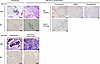 Figure 1
The matched pre- and posttreatment lung biopsies reveal a transformation from non-SCLC to SCLC. Hematoxylin and eosin (H&E) and IHC staining for Rb on the matched pre- and post–EGFR-TKI treatment lung biopsies of DFCI112 and DFCI190 and IHC staining for chromogranin A, INSM1, synaptophysin, and EGFR exon 19 deletion (E746-A750del) on post–EGFR-TKI treatment lung biopsy of DFCI112. 400×. Scale bar, 100 μm (left), 50 μm (right).
To further investigate the diversity and intratumor heterogeneity in tSCLC, we performed single-cell RNA sequencing (scRNA-Seq) on cryopreserved malignant pleural effusions with confirmed SCLC histology (DFCI112, DFCI190, and DFCI283) (Supplemental Figure 3, A–F). We conducted unsupervised clustering of the single-cell data and visualized clusters using uniform manifold approximation and projection (UMAP) representation (Figure 2A). Heatmaps of differentially expressed genes in clusters revealed intratumor heterogeneity in each sample (Supplemental Figure 3, G–I). Several recent studies have proposed to group SCLC into 4 main subtypes defined by expression of 4 transcription factors, ASCL1 (SCLC-A), NEUROD1 (SCLC-N), YAP1 (SCLC-Y), and POU2F3 (SCLC-P) (11, 12). Since little is known about the molecular subtypes in tSCLC, we investigated the expression pattern of these transcription factors in our tSCLC samples. While the majority of the cells in DFCI112 and DFCI283 expressed ASCL1, only a small fraction of cells was positive for ASCL1 in DFCI190; instead, NEUROD1-positive cells were dominant (Figure 2, B and C, and Supplemental Figure 3J). Neither YAP1 nor POU2F3 was widely expressed in these samples (Supplemental Figure 3, K–M), suggesting that our tSCLC cases fall into the NE subtype (either SCLC-A or SCLC-N). We further investigated EGFR expression and its coexpression with ASCL1/NEUROD1 in the samples. In DFCI112, about 32% of the cells were positive for EGFR, and about 96% of EGFR-positive cells were also positive for ASCL1. In DFCI190, EGFR-positive cells represented a minority population, and approximately 14% of EGFR-positive cells were also positive for ASCL1, whereas approximately 30% of EGFR-positive cells were positive for NEUROD1. In DFCI283, about 30% of the cells were positive for EGFR, and about 82% of EGFR-positive cells were also positive for ASCL1 (Figure 2, B and C). Thus, tSCLC cells from primary samples revealed heterogenous gene expression of key transcription factors and EGFR, both inter- and intratumorally, and demonstrated distinct coexpression patterns of EGFR and NE marker genes.
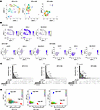 Figure 2
Intratumoral heterogeneity in pleural effusions of patients with EGFR-mt tSCLC. (A) UMAP representation of the scRNA-Seq data. (B) UMAP feature plots showing the heterogeneity of EGFR, ASCL1, and NEUROD1. (C) Upset plots showing the number of cells with unique and overlapping expression profiles of genes indicated. (D) The scatterplots represent the enrichment scores for NE vs. EMT signatures colored by cluster ID.
The intratumoral heterogeneity associated with epithelial-mesenchymal transition (EMT) plays a role in resistance to chemotherapy (13) and disease progression (14–16) in de novo SCLC and other cancer types. EMT is also linked to cellular plasticity and reprogramming to an NE state in prostate cancer (17). Accordingly, we hypothesized that tSCLC may be enriched with mesenchymal gene signatures and investigated the expression of EMT markers (MSigDB: Hallmark epithelial mesenchymal transition) (18). We found high-EMT/low-NE subpopulations (blue arrows, Figure 2D) as well as a high proportion of CD44-positive cells in all 3 samples (22%, 85%, and 84% in DFCI112, DFCI190, and DFCI283, respectively; Figure 2C and Supplemental Figure 3, K–M). High CD44 positivity of tSCLC samples supports the previous hypothesis that EMT/stem-like state might be involved in small cell transformation (19, 20). Further, most of the cells lacked the expression of any markers of normal fibroblasts (ENTPD1, ASPN, FGF7, HTR2B) (21) (Supplemental Figure 3N), which excludes the possibility that high-EMT/low-NE cells are benign stromal cells. These findings reveal that the primary samples of patients with tSCLC contain both populations with high NE marker expression (red arrows, Figure 2D) and a subpopulation that expresses high-EMT/low-NE markers (blue arrows, Figure 2D).
Despite the emerging subtype classification of de novo SCLC, intratumoral tumor heterogeneity is common, including focal non-NE subclusters (22). Since we identified a similar non-NE cell state in EGFR-mt tSCLC, we compared its transcriptomic profile with that of traditional non-NE SCLC, using RNA-Seq data generated from pure non-NE SCLC patient samples (22). Interestingly, we observed significant overlap of multiple genes related to interferon signaling and chemokines (e.g., IFI16, IFITM2, IFITM2, CCL5) as well as antigen presentation (e.g., B2M, HLA-B, HLA-E) (Supplemental Figure 3O). Gene set enrichment analysis further supported upregulation of antigen processing and presentation in EGFR tSCLC non-NE cells (Supplemental Figure 3P). Taken together, these data reveal that non-NE subpopulation heterogeneity of EGFR-mt tSCLC shares important similarities with the non-NE cell state in traditional SCLC, primarily with respect to upregulation of antigen presentation.
Next, we successfully established 4 pairs of cancer cell lines from the pleural effusion of each patient, with one cell line consisting of floating cell clusters (DFCI112F, DFCI190F, DFCI283F, and DFCI163F) and another of adherent monolayer cells (DFCI112Ad, DFCI190Ad, DFCI283Ad, and DFCI163Ad) (Figure 3, A and B, and Supplemental Table 1). While all the adherent cell lines showed elongated spindle-like morphology, the spheroids in DFCI163F consisted of much larger cells that were reminiscent of a non-SCLC than observed in the other 3 suspension cell lines. DFCI112Ad and DFCI190Ad were capable only of limited serial propagation in vitro, and 3 monolayer cell lines (DFCI112Ad, DFCI190Ad, and DFCI283Ad) underwent senescence at later passages, as assayed by positive staining for senescence-associated β-galactosidase (Supplemental Figure 4A). To ensure that these monolayer sublines are cancer cells, we confirmed that the original EGFR mutations were maintained in these lines by Sanger sequencing (data not shown). H&E staining of cell pellets of the established cell lines confirmed histology consistent with the assigned diagnosis in corresponding xenograft models (Supplemental Figure 2B and Supplemental Figure 4B).
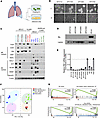 Figure 3
The cell lines established from SCLC-transformed patients demonstrate phenotypic heterogeneity. (A) The schema of cell line model creation from pleural effusions. (B) Phase contrast images showing the cell lines from SCLC-transformed patients growing in suspension (upper) and as monolayers (bottom). Scale bar, 50 μm. (C) Western blot analysis of lysates from various lung cancer cell lines as indicated. The blots were probed with antibodies against E-cadherin, mesenchymal markers (CD44, vimentin, ZEB1, and SNAIL), NE markers (ASCL1, synaptophysin, NCAM, INSM1, and NEUROD1), and β-actin (loading control). (D) Western blot analysis of nuclear protein extracts of various lung cancer cell lines as indicated. The blot was probed with antibodies against Rb and lamin (loading control). PC-9 is presented as a positive control. (E) qPCR analysis of RB1 mRNA expression levels in various lung cancer cell lines as indicated after normalization to GUSB and relative to that in A549 (n = 3, technical replicate, mean ± SD). (F) Principal component analysis (PCA) of the RNA-Seq data of various lung cancer cell lines as indicated (n = 22). The cell lines used in this analysis are listed in Supplemental Table 6. The gene expression data of SCLC and EGFR-mutant LUAD cell lines was obtained from the Cancer Cell Line Encyclopedia. (G) Gene set enrichment analyses for NE marker, Fridman et al. (26) (senescence), KRAS signaling pathways, and EMT derived by comparing NE tSCLC cell lines with non-NE tSCLC cell lines.
Cells growing as suspended aggregates (DFCI112F, DFCI190F, and DFCI283F) expressed variable amounts of at least one NE marker (ASCL1, synaptophysin [SYP], NCAM, INSM1, and NEUROD1), while cells with adherent morphology and DFCI163 did not express any of these markers. In accordance with their mesenchymal morphology, all adherent tSCLC sublines expressed EMT markers (CD44, vimentin, and ZEB1) (Figure 3C). Collectively, DFCI112F, DFCI190F, and DFCI283F floating subpopulations displayed an NE SCLC phenotype, while DFCI112Ad, DFCI190Ad, and DFCI283Ad adherent sublines displayed a non-NE mesenchymal SCLC phenotype, consistent with the non-NE subclusters we observed transcriptionally and the known ability to derive non-NE cell lines from traditional SCLC in vitro (23). In contrast, DFCI163F/Ad showed characteristics of non-SCLC morphologically and biologically, which was consistent with the xenograft tumor histology (Supplemental Figure 2B). Hereafter, we refer to DFCI163F/Ad as tLUAD cell lines that represent histologically confirmed non-SCLC (adenocarcinoma) cell lines established from a patient with a history of SCLC transformation, in order to distinguish from tSCLC with histological confirmation of SCLC. Based on the presence of both NE and mesenchymal cell populations in the tSCLC cell lines (DFCI112, DFCI190, and DFCI283), we concluded that the patient-derived cell lines recapitulate the phenotypic heterogeneity of the original primary samples. We also examined the tSCLC patient-derived xenograft (PDX) tumors by IHC for vimentin and CD44 (Supplemental Figure 4C). All tumors were positive for at least 1 of the 2 markers (DFCI112: positive for vimentin and CD44, DFCI190: negative for vimentin, positive for CD44, DFCI283: positive for vimentin, negative for CD44), which suggests that heterogeneity is also preserved in the PDX models.
Whole-exome sequencing (WES) of the cell lines verified that all cases harbored the same original activating EGFR mutation as in their diagnostic tumor specimen (Supplemental Figure 5 and Supplemental Tables 2 and 3). The only shared mutations across all tSCLC and tLUAD cell lines were in TP53 and EGFR (Supplemental Figure 5 and Supplemental Table 2). MYCL was amplified in DFCI112, and other gene alterations common in the tSCLCs were in PTEN (DFCI112: 2 copies deleted; DFCI190: p. R233*) and PIK3CA (DFCI283: p. K111N). Using WES and targeted next-generation sequencing (OncoPanel) (24), we found deleterious mutations with concomitant loss of heterozygosity or homozygous deletion of RB1 in DFCI112, DFCI283, and DFCI163 (Supplemental Table 2–4), while no RB1 alterations were detected in DFCI190 either by WES or by OncoPanel. We next evaluated whether Rb expression was altered in EGFR-mt tSCLC tumor samples since RB1 is invariably altered in classic SCLC (25). Tumor samples before transformation from DFCI112, DFCI190, and DFCI163 and after transformation from DFCI112 and DFCI190 were available for Rb staining. Samples after transformation were negative for Rb expression, as expected (Figure 1). Notably, pretransformed samples also lacked Rb expression (Figure 1 and Supplemental Figure 6A), consistent with a prior report (10). All established tSCLC and tLUAD cell lines exhibited loss of Rb protein expression, including DFCI190, where no genomic alterations were detected (Figure 3D and Supplemental Figure 6B). RB1 transcript levels were confirmed to be low in all samples compared with A549 (KRASG12S, WT-RB1) by qPCR (Figure 3E). These results underscore the importance of examining Rb protein expression, not only genomic sequences.
Non-NE tSCLC is enriched with an EMT gene signature and a KRAS activation gene signature. We further conducted transcriptomic profiling of tSCLC cell lines by bulk RNA-Seq (Supplemental Table 5) and compared the profiles with 14 cell lines (6 SCLC, 8 LUAD) with or without EGFR mutations from the Cancer Cell Line Encyclopedia (Supplemental Table 6 and https://sites.broadinstitute.org/ccle/). Principal component analysis (PCA) of RNA expression data revealed that the 3 NE tSCLC cell lines (DFCI112F, DFCI190F, and DFCI283F) closely resembled de novo SCLC cell lines, while non-NE tSCLC cell lines (DFCI112Ad, DFCI190Ad, and DFCI283Ad) and tLUADs (DFCI163F and DFCI163Ad) clustered together with LUAD cell lines (Figure 3F).
The first principal component (PC1) divided samples into 2 groups, NE and non-NE, while PC2 separated transformed cells and de novo cancer cells. Given the association of NE markers with floating cells and non-NE markers with adherent cells, we directly compared transcriptional phenotypes of floating and adherent cells by utilizing pathway enrichment analysis (Supplemental Figure 7A). This analysis revealed significantly enriched EMT signature (18) as well as senescence-associated gene expression signature (26) in non-NE tSCLC (Figure 3G, adjusted P value = 0.0073 for both signatures), consistent with our in vitro observations (Figure 3, B and C, and Supplemental Figure 4A). In addition, non-NE cells had an upregulated KRAS signaling gene set along with inflammatory response gene sets (Figure 3G and Supplemental Figure 7A), in keeping with the previous observation that EMT in SCLC can be driven by activated KRAS signaling and our scRNA-Seq analyses (Supplemental Figure 3, O and P) (15). The accelerated cellular senescence phenotype in non-NE tSCLC agrees with the previous study showing that activation of MAPK, which is one of the downstream cascades of RAS, induces cell cycle arrest and senescence in SCLC subtypes (27). We further examined expression of specific ERK transcriptional target genes (DUSP4, ETV5, ETV4, DUSP6, SPRY2, PHLDA1) (28) and found that DUSP6, SPRY2, and PHLDA1 were upregulated in non-NE tSCLC (Supplemental Figure 7B). To validate these results in the original patient samples, we examined the enrichment for the KRAS hallmark pathway gene set (MSigDB: Hallmark KRAS signaling up) (18) in scRNA-Seq data and identified high-KRAS/low-NE subpopulations in DFCI190 and DFCI283 (green arrows, Supplemental Figure 7C). Furthermore, PC2 could effectively distinguish between transformed and de novo SCLC cells, which suggests that transformed cells might share some transcriptomic signatures that make the cells prone to transformation. Finally, comparison between NE tSCLC and de novo SCLC (Supplemental Figure 7D) and between non-NE tSCLC and de novo SCLC (Supplemental Figure 7E) revealed that the Hallmark-EMT pathway was the top enriched pathway in both NE and non-NE tSCLC. In addition, ERK and Hallmark-KRAS activation pathways as well as senescence-associated gene expression signature (Fridman et al., ref. 26) were enriched in non-NE tSCLC relative to de novo SCLC (Supplemental Figure 7E). To further validate this observation, we calculated the transcriptional MAPK Pathway Activity Score (29). Non-NE tSCLC showed relatively higher transcriptional ERK activity score compared with de novo SCLC (Supplemental Figure 7F). These findings further support that tSCLC is characterized by the EMT phenotype, and the ERK pathway is activated in non-NE tSCLC, which is likely involved in acquisition of the senescence feature similar to the previous study (27).
Coculturing with adherent counterparts increases proliferation of EGFR-mt NE tSCLC cells. SCLC cells derived from genetically engineered mouse models have been reported to be composed of NE and mesenchymal non-NE cells, and crosstalk between the cells strongly influences their behavior (15). To investigate this crosstalk in human tSCLC models, we tested the effect of conditioned media (CM) from adherent non-NE tSCLC cell lines on NE tSCLC lines. CM from the corresponding non-NE tSCLC cells significantly enhanced the proliferation of their respective NE tSCLC counterparts (Figure 4A). Furthermore, CM from other non-NE tSCLC also significantly enhanced the proliferation of other NE tSCLC cells. In contrast, CM from EGFR-mt LUAD cell lines (HCC4006 and PC-9) did not enhance the proliferation of the NE tSCLCs (Figure 4A), suggesting that the factors specifically secreted by non-NE tSCLC cells support the growth of NE tSCLC cells.
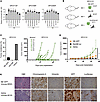 Figure 4
Crosstalk between NE and non-NE tSCLC cells promotes growth of NE cells and supports successful engraftment. (A) Effects of CM from various indicated lung cancer cell lines with adherent morphology on growth of the NE tSCLC cells. Data represent mean ± SD (n = 6, technical replicates). **= P ≤ 0.01, ***= P ≤ 0.001 by 1-way ANOVA with Dunnett’s multiple comparisons test. (B) Schematic representation of the in vivo experimental design. (C) Left: The tumor engraftment rate in nude mice. No tumors were observed in mice injected with pure non-NE population. Right: Tumor volume measurement of transplanted tumors after injection of pure EGFP-expressing DFCI112F cells, unlabeled DFCI112Ad cells, or admixed cells into nude mice. Data are presented as mean ± SD (8 mice per condition). (D) Tumor volume measurement of transplanted tumors after injection of pure EGFP-expressing DFCI112F cells, luciferase-labeled DFCI112Ad cells, or admixed cells into NSG mice. Data are presented as mean ± SD (8 mice per condition). *= P ≤ 0.05 by 1-way ANOVA with Turkey’s multiple comparisons test. (E) H&E and IHC image (400×) for chromogranin A, vimentin, GFP, and luciferase of PDX tumors from admixed cells (experiment from D, mouse number 202 and 218). Scale bar, 100 μm.
EGFR-mt NE tSCLC cells (DFCI112F) show enhanced engraftment in both nude and NOD/SCID IL-2R-γ–null mice when admixed with their non-NE counterparts (DFCI112Ad). To further investigate crosstalk between NE and non-NE cells in vivo, GFP-labeled NE tSCLC cells (DFCI112F) and unlabeled non-NE cells (DFCI112Ad) were implanted subcutaneously into nude mice either as pure populations or admixed at a 5:1 ratio (Figure 4B). We used this ratio based on pilot in vivo experiments establishing the optimal growth of NE cells (data not shown). Cell engraftment rate in the admixed group was notably higher than in the NE-GFP or non-NE group (6/8 [75%], 1/8 [12.5%], 0/8 [0%], respectively) (Figure 4C). To ensure that this is not merely due to the selection of cells that can survive in the nude mice immune system, we repeated the same experiment using NOD/SCID IL-2R-γ–null (NSG) mice, which are one of the most highly immunodeficient strains. Non-NE cells were labeled with luciferase for this experiment. Similar to the prior experiment using the nude mice, significantly superior engraftment was observed in the admixed group (Figure 4D). We did not detect any metastatic lesions either in lungs or in livers of engrafted mice (data not shown). In the admixed tumors, we could identify the luciferase-positive cells (Figure 4E). These cells were negatively stained with chromogranin A, while staining for vimentin, which is exclusively expressed in non-NE cells in vitro, was only partially positive in vivo (Figure 4E), which raises the possibility that the EMT marker expression profile of non-NE cells may be different between in vitro and in vivo because of cell plasticity. In vitro culture, which is performed under a controlled environment, may select for cells with more extreme mesenchymal characteristics. In vivo tumors derived from in vitro–cultured non-NE cells may lose some of the mesenchymal marker expression while maintaining their non-NE phenotype. Nevertheless, these results suggest that coimplantation of NE and non-NE cells supported the engraftment and in vivo expansion of tSCLCs.
EGFR expression in the EGFR-mt NE tSCLC cell line (DFCI112F) is regulated by EZH2. tSCLC with EGFR-activating mutations is widely assumed to be resistant to EGFR pathway inhibition because of lack of EGFR expression. To validate this assumption, we evaluated EGFR protein expression in EGFR-mt tSCLC cell lines and found that they exhibited great variation in expression level. DFCI112F lacked EGFR expression, whereas DFCI190F and DFCI283F retained some level of expression (DFCI283F > DFCI190F) (Figure 5A). These results were verified with qPCR (Supplemental Figure 8A). Non-NE tSCLC cell lines demonstrated higher EGFR expression than NE tSCLC cell lines, including DFCI112Ad, whose NE counterpart had no EGFR expression (Figure 5A). This heterogeneity in EGFR expression in NE tSCLC cells prompted us to test cellular differences in sensitivity to EGFR-TKI. Consistent with the clinical resistance of tSCLC to EGFR-TKIs, both NE and non-NE tSCLC were largely resistant to osimertinib (IC50 > 1 μmol/L) (Supplemental Figure 8B), although DFCI283F retained some level of sensitivity. siRNA-mediated knockdown of EGFR in DFCI283F reduced cell viability to 53% (Supplemental Figure 8C). To explore the possibility that activation of alternative receptor tyrosine kinases (RTKs) mediates resistance to the EGFR pathway in tSCLC cells, we analyzed both NE and non-NE tSCLC cell lines using human phosphorylated RTK (p-RTK) arrays (Supplemental Figure 8D). Three RTKs (EGFR, insulin R, and IGF1R) were found to be phosphorylated in NE tSCLC, whereas 6 RTKs (EGFR, PDGFRβ, AXL, ERBB2, insulin R, and IGF1R) were phosphorylated in non-NE tSCLC. Accordingly, we tested the combination of OSI906 (an IGF1R/insulin R inhibitor) with osimertinib in NE tSCLC and sunitinib (a multikinase inhibitor including PDGFRβ), R428 (an AXL kinase inhibitor), and OSI906 with osimertinib in non-NE tSCLC (Supplemental Figure 8E). The combination of OSI906 and osimertinib drastically reduced the cell viability in both DFCI283F and DFCI283Ad, which suggests that DFCI283 cells are codependent on EGFR and IGF1R signaling pathway.
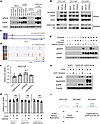 Figure 5
Neither endogenous nor exogenous EGFR expression sensitizes DFCI112F cells to EGFR inhibition. (A) Western blot analysis of lysates from indicated cell lines. Blots were probed for phospho-EGFR (Tyr1068), EGFR, and tubulin (loading control). (B) Western blot analysis of NE-tSCLC cells pretreated with DMSO or 10 μmol/L of GSK126 or EPZ6438 for 10 days. Blots were probed for Del-EGFR, β-actin (loading control), H3K27me3, and H3. *Del EGFR antibody (E746-A750del specific, CST) used for this assay did not recognize Del-EGFR protein in 283F (p. L747_A750delinsP). Whole, whole-cell extracts; Nuclear: nuclear extracts. (C) H3K27me3 ChIP-Seq signal traces in EGFR locus in DFCI112F. (D) RNA-Seq and ATAC-Seq signal traces at the EGFR locus after DMSO or EZP6438 (5 µmol/L, 9 days). (E) Western blot analysis of DFCI112F. The cells were pretreated either with DMSO or with 10 μmol/L of EPZ6438 for 10 days and subsequently treated either with DMSO or gefitinib as indicated ± EGF (100 ng/mL, 15 minutes). Blots were probed for phospho-EGFR (Tyr1068), EGFR, and Hsp90 (loading control). (F) Relative viability of DFCI112F cells pretreated with DMSO or EPZ6438 (10 µmol/L, 10 days), then treated with DMSO, gefitinib (1 µmol/L), EPZ6238 (10 µmol/L), or their combination. The cell viability was assessed by CellTiter-Glo (CTG) after 120 hours (n = 6, technical replicates, mean ± SD). (G) Western blot analysis of DFCI112F infected with DOX-inducible EGFP, DOX-inducible exon 19 del-EGFR or DOX-inducible WT-EGFR expressing lentiviruses and grown in the presence or absence of DOX with or without acute EGF stimulation (10 ng/mL for 15 minutes). Blots were probed for phospho-EGFR (Tyr1068), Del-EGFR, total EGFR, and tubulin (loading control). (H) Relative cell viability of DFCI112F infected as described in G. The cells were grown ±DOX and treated with DMSO or 1 μmol/L of gefitinib. The cell viability was assessed by CTG after 120 hours (n = 6, technical replicates, mean ± SD). (I) The schema illustrating EGFR pathway dependency in NE tSCLC cells.
Classic SCLC is reported to have lower EGFR expression than LUAD (30, 31), yet how EGFR expression is regulated in EGFR-mt tSCLC remains unknown. The level and pattern of EGFR expression differed between primary samples and cell lines. In DFCI112, single-cell analysis of original effusion samples revealed most EGFR-positive cells expressed ASCL1, while ASCL1-positive NE cells in the cell line showed no expression of EGFR, suggesting epigenetic regulation and/or selection pressure in the culture condition may underlie this discrepancy. EZH2, a histone methyltransferase and the catalytic subunit of the polycomb repressive complex 2, regulates androgen receptor (AR) expression in advanced prostate cancer, and EZH2 inhibition restores sensitivity to antiandrogen therapy (32). We examined whether this epigenetic regulation of AR also applied to regulation of EGFR expression in EGFR-mt tSCLC. When treated with the EZH2 inhibitors GSK126 and EPZ6438, endogenous mutant EGFR expression was restored uniquely in DFCI112F (Figure 5B and Supplemental Figure 8F). The siRNA-mediated knockdown of EZH2 in DFCI112F increased EGFR mRNA expression (Supplemental Figure 8, G and H). To examine if this EZH2-mediated EGFR regulation also occurred in EGFR-WT SCLC, we treated classic SCLC cell lines (H69, H209, and H345) with the EZH2 inhibitor GSK126 (Supplemental Figure 8, I and J). All 3 cell lines demonstrated some level of EGFR restoration, suggesting EZH2-mediated silencing of EGFR is not limited to EGFR-mt tSCLC but extends to de novo SCLC. However, the unique impact of EZH2 inhibition on EGFR expression suggested that higher levels of regulation could be at play in DFCI112F. Consistent with these observations, chromatin immunoprecipitation sequencing (ChIP-Seq) confirmed histone H3 trimethylated at lysine 27 (H3K27me3) enrichment at the promoter region of EGFR (Figure 5C) in DFCI112F. RNA-Seq and an assay for transposase-accessible chromatin combined with next-generation sequencing (ATAC-Seq) further verified increased transcription of EGFR as well as chromatin accessibility at the promoter region of EGFR upon EZH2 inhibitor treatment (Figure 5D).
Next, we investigated whether restoration of mutant EGFR expression is sufficient to resensitize DFCI112F to EGFR inhibitor treatment. Although EZH2 inhibition functionally restored EGFR stimulation by EGF, and EGFR phosphorylation was inhibited by gefitinib (Figure 5E), the cells did not become sensitive to gefitinib (Figure 5F). We further tested whether exogenous expression of either EGFR-WT or EGFR-mt resensitizes DFCI112F to EGFR-TKI using a doxycycline-inducible system (Figure 5G). Neither WT nor exon 19 del-EGFR exogenous expression restored sensitivity to gefitinib in DFCI112F (Figure 5H). This finding indicates that both endogenous and exogenous EGFR expression failed to rewire the signaling pathway dependencies to EGFR in DFCI112F cells. Thus, loss of EGFR expression alone cannot explain the lack of response to EGFR inhibition in EGFR-mt tSCLC (Figure 5I).
Non-NE tSCLC cells (DFCI112Ad, DFCI190Ad, and DFCI283Ad) are sensitive to MEK inhibition. Since EGFR inhibition had little impact even when its expression was restored, we looked for alternative therapeutic vulnerabilities. Since current treatment strategies for tSCLC consist of chemotherapy and mainly target NE cells, we were especially interested in identifying selective drug vulnerabilities of non-NE cells, hoping not only to target both NE and non-NE cells but also to target the crosstalk between them. We performed drug testing using 32 commercially available compounds at 2 concentrations (100 nmol/L and 1 μmol/L) on NE and non-NE tSCLC cell lines separately (Supplemental Table 6). Cell viability was measured after 120 hours of drug exposure (Figure 6A and Supplemental Figure 9A). Notably, non-NE tSCLC cells exhibited higher sensitivity to the MEK inhibitor trametinib (IC50 < 80 nmol/L), compared with their NE tSCLC counterparts (Figure 6, B and C), which was accompanied by poly (ADP-ribose) polymerase (PARP) cleavage, following exposure to 0.1 and 1.0 μmol/L of trametinib (Supplemental Figure 9B). These findings are consistent with the RNA-Seq data demonstrating high expression of DUSP6, a negative regulator of ERK1/2 signaling that correlates with trametinib sensitivity (33), and enrichment of a KRAS signaling signature in non-NE cells (Figure 3G and Supplemental Figure 7, A–C, E, and F). We also tested sensitivity to PI3K/mTOR inhibitors (Supplemental Figure 9, C and D). While NE cells showed sensitivity to PI3K inhibitors, non-NE cells had 2 to 8 times higher IC50, suggesting that the cells switch pathway dependency from PI3K to MEK upon acquisition of a mesenchymal phenotype.
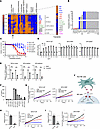 Figure 6
The non-NE tSCLC cells (DFCI112Ad, DFCI190Ad, and DFCI283Ad) are vulnerable to MEK inhibition. (A) Heatmap of cell viability after 5 days’ treatment with 1 μmol/L of each single agent (rows) per various lung cancer cell lines (columns) relative to DMSO control. Commercially available agents used are in Supplemental Table 6. (B) Bar graph of IC50 values of various indicated lung cancer cell lines in response to trametinib. IC50 of NE and non-NE tSCLC cell lines is shown in red and blue, respectively. (C) Dose-response curve of trametinib in tSCLC cell lines (blue: NE, red: non-NE). Cell viability was assessed by CTG after 120 hours (n = 6, technical replicate, mean ± SD). (D) NE tSCLC cell viability was assayed by CTG following treatment with indicated concentration of LIF and IL-6 for 5 days. (E) qPCR analysis of LIF mRNA expression levels in non-NE tSCLC cell lines treated with 10 nmol/L trametinib 2 and 6 hours. Gene expression was normalized to GUSB and shown as relative to that of DMSO-treated control (n = 3, technical replicate, mean ± SD). ****= P ≤ 0.001 by 2-way ANOVA with Šídák’s multiple comparisons test. (F) Various cell lines were analyzed for LIF expression by ELISA. Data are presented as mean ± SD (n = 3. Technical replicates). (G) GFP-expressing DFCI112F and DFCI190F cells were incubated with CM from their corresponding adherent cell line pairs pretreated with either LIF neutralizing antibody (500 ng/mL) or control IgG and monitored in real time via IncuCyte imager for green fluorescence intensity. (H and I) GFP expressing DFCI112F (H) and DFCI190 (I) cells were incubated with CM from their adherent cell line pairs pretreated with siRNA against LIF or unrelated sequence and monitored via IncuCyte imager. LIF knockdown efficiency was tested using ELISA (n = 3, technical replicate, mean ± SD). (J) The schema illustrating the interaction between NE and non-NE tSCLC cells through LIF.
MEK inhibition targets the crosstalk between NE and non-NE tSCLC cells. To further investigate the effect of MEK inhibition on the crosstalk between NE and non-NE cells, we searched for the growth factors/cytokines secreted by non-NE cells and responsible for mediating the growth of NE cells (Figure 4A). First, we analyzed the CM of non-NE cells using a custom multiplex ELISA (Supplemental Figure 10A). We confirmed that supernatants of pure non-NE cells demonstrated high levels of inflammatory cytokines CCL5, IL-6, IL-8, CCL2, CXCL10, and IL-10. Among them, IL-6 and IL-8 are implicated in promoting growth of lung cancer (34, 35), but neither affected the growth of EGFR-mt NE SCLC cells (Figure 6D and data not shown). We further evaluated bulk RNA-Seq data for evidence of cytokines expressed, those not part of the ELISA, specifically in non-NE tSCLC cells and observed selective upregulation of leukemia inhibitory factor (LIF) (Supplemental Figure 10B). Moreover, short-term exposure (2 hours, 6 hours) of non-NE cells to 10 nmol/L of trametinib significantly reduced LIF mRNA expression (Figure 6E, P ≤ 0.0001). A multifunctional cytokine of the IL-6 cytokine family (36), LIF plays an important role in maintaining pluripotency of embryonic stem cells and induced pluripotent stem cells (37). LIF also elicits proliferation of various cancers (38) and is involved in chemotherapy resistance (39). ELISA verified that all 3 non-NE tSCLCs secreted high levels of LIF in the CM (292–657 pg/mL) (Figure 6F), though exogenous LIF administration enhanced the growth of DFCI112F and DFCI190F but not DFCI283F (Figure 6D). Pretreating CM with a neutralizing antibody against LIF prevented CM-induced cell proliferation in DFCI112F and DFCI190F (Figure 6G). To further ensure that LIF secreted from non-NE tSCLC mediates the growth of NE tSCLC, we assessed the effect of conditioned media from LIF siRNA-treated non-NE tSCLC cells on NE tSCLC cells. As expected, depletion of LIF from CM prevented cell proliferation of DFCI112F and DFCI190F (Figure 6, H and I). Collectively, these results demonstrate that non-NE tSCLC cells regulate growth of NE counterparts at least partially by secreting LIF (Figure 6J) and that trametinib, in addition to having direct effects on the non-NE cells, may also block cytokine-mediated crosstalk between NE and non-NE cells.
MEK inhibitor combinations target intratumor heterogeneity in EGFR-mt tSCLC. The current standard-of-care treatment for extensive-stage SCLC is platinum-based chemotherapy with immune checkpoint inhibition (40, 41). Based on the unique sensitivity of the non-NE tSCLC cells to MEK inhibition, we hypothesized that adding trametinib to a treatment currently used for de novo SCLC could increase the antitumor effect specifically in EGFR-mt tSCLC. This approach would not only target both non-NE and NE tSCLC populations but also impact their crosstalk. As navitoclax and JQ-1 both have an antitumor efficacy on SCLC models (42, 43), we selected these 2 compounds along with cisplatin from the 32 drugs used for screening (Figure 6A) to test the combination effect with trametinib in vitro. NE and non-NE cells were combined in a ratio of 1:1, and cell viability following cisplatin, navitoclax, or JQ-1 alone or in combination with trametinib was assessed. The trametinib combinations were significantly more effective than the single-agent treatments (P ≤ 0.01) (Figure 7A). To further verify the selective sensitivity of non-NE cells to trametinib, we combined GFP-expressing DFCI112F cells and mKate-expressing DFCI112Ad cells at a 1:3 ratio and treated with cisplatin or trametinib alone or in combination. The GFP and mKate positivity was assessed by flow cytometry. DFCI112Ad-mKate cells showed selective sensitivity to trametinib (DFCI112F-GFP versus Ad-mKate: 77.8% vs. 3.5%), and the combination was effective in both DFCI112F-GFP cells and Ad-mKate cells (Figure 7B).
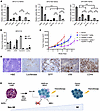 Figure 7
MEK inhibitor combination with cisplatin effectively targets intratumor heterogeneity in tSCLC cells. (A) The NE cells and the non-NE cells were combined at a ratio of 1:1, and the cell viability after indicated treatments for 5 days was assayed by CTG (n = 3, technical replicate, mean ± SD). Treatment concentration: trametinib (T) 0.6 μmol/L, cisplatin (C) 10 μmol/L, T+C 0.6/10 μmol/L, ABT263 (A) 0.6 μmol/L, T+A 0.6/0.6 μmol/L, JQ-1 0.6 μmol/L. **= P ≤ 0.01, ***= P ≤ 0.001 by 1-way ANOVA with Turkey’s multiple comparisons test. (B) Flow analysis of GFP-expressing DFCI112F cells and mKate-expressing DFCI112Ad cells combined at 1:3 ratio and treated with cisplatin or trametinib alone or in combination. After 120 hours of treatment, the viable cell populations were analyzed (n = 3, technical replicate, mean ± SD). (C) Trametinib plus cisplatin treatment showed superior efficacy over single-agent treatment in the NE-GFP/non-NE-luciferase (4:1) admixed xenografts. *= P ≤ 0.05, ***= P ≤ 0.001 by 1-way ANOVA with Turkey’s multiple comparisons test. (D) H&E and IHC staining for luciferase, GFP, vimentin, and CD44 on vehicle-treated xenograft tumors. 200×. Scale bar, 100 μm. (E) Schematic of intratumor heterogeneity in tSCLC targetable with combined chemotherapy and MEK inhibitors.
Next, we evaluated the efficacy of combination therapy with trametinib and cisplatin in vivo using the DFCI112 model. We labeled non-NE cells with luciferase and implanted them together with GFP-labeled NE cells at a 4:1 (NE/non-NE) ratio in NRG (NOD/Rag1/2null/IL-2Rgamma–/–) mice. Cisplatin plus trametinib treatment significantly slowed tumor growth compared with treatment with cisplatin or trametinib alone (P ≤ 0.001) (Figure 7C). Trametinib and cisplatin monotherapy showed similar efficacy. Immunohistochemical analyses showed the existence of both GFP-positive and luciferase-positive cells in vehicle-treated tumors (Figure 7D). The majority of cells were positive for GFP, and luciferase-positive cells were less frequent, consistent with prior in vivo findings (Figure 4E).


