
Research ArticleAgingCell biologyDevelopment
Open Access |  10.1172/jci.insight.196932
Stem cell–associated osteogenic deficiency causes craniofacial deformities with progeroid accumulation of prelamin A
Kai Li,1 Trunee Hsu,1,2 Hitoshi Uchida,1 Tingxi Wu,1 Susan Michaelis,3 Howard Worman,4 and Wei Hsu1,5,6,7
1The ADA Forsyth Institute, Somerville, Massachusetts, USA.
2Case Western Reserve University, Cleveland, Ohio, USA.
3The Johns Hopkins University School of Medicine, Baltimore, Maryland, USA.
4Vagelos College of Physicians and Surgeons, Columbia University, New York, New York, USA.
5Faculty of Medicine of Harvard University, Cambridge, Massachusetts, USA.
6Harvard School of Dental Medicine, Boston, Massachusetts, USA.
7Harvard Stem Cell Institute, Cambridge, Massachusetts, USA.
Address correspondence to: Wei Hsu, 100 Chestnut St., Somerville, Massachusetts 02143, USA. Phone: 617.892.8297; Email: whsu@forsyth.org or weh437@med.harvard.edu.
Authorship note: KL and TH have been designated as co–first authors and contributed equally to this work.
Find articles by Li, K. in: PubMed | Google Scholar
1The ADA Forsyth Institute, Somerville, Massachusetts, USA.
2Case Western Reserve University, Cleveland, Ohio, USA.
3The Johns Hopkins University School of Medicine, Baltimore, Maryland, USA.
4Vagelos College of Physicians and Surgeons, Columbia University, New York, New York, USA.
5Faculty of Medicine of Harvard University, Cambridge, Massachusetts, USA.
6Harvard School of Dental Medicine, Boston, Massachusetts, USA.
7Harvard Stem Cell Institute, Cambridge, Massachusetts, USA.
Address correspondence to: Wei Hsu, 100 Chestnut St., Somerville, Massachusetts 02143, USA. Phone: 617.892.8297; Email: whsu@forsyth.org or weh437@med.harvard.edu.
Authorship note: KL and TH have been designated as co–first authors and contributed equally to this work.
Find articles by Hsu, T. in: PubMed | Google Scholar
1The ADA Forsyth Institute, Somerville, Massachusetts, USA.
2Case Western Reserve University, Cleveland, Ohio, USA.
3The Johns Hopkins University School of Medicine, Baltimore, Maryland, USA.
4Vagelos College of Physicians and Surgeons, Columbia University, New York, New York, USA.
5Faculty of Medicine of Harvard University, Cambridge, Massachusetts, USA.
6Harvard School of Dental Medicine, Boston, Massachusetts, USA.
7Harvard Stem Cell Institute, Cambridge, Massachusetts, USA.
Address correspondence to: Wei Hsu, 100 Chestnut St., Somerville, Massachusetts 02143, USA. Phone: 617.892.8297; Email: whsu@forsyth.org or weh437@med.harvard.edu.
Authorship note: KL and TH have been designated as co–first authors and contributed equally to this work.
Find articles by Uchida, H. in: PubMed | Google Scholar
1The ADA Forsyth Institute, Somerville, Massachusetts, USA.
2Case Western Reserve University, Cleveland, Ohio, USA.
3The Johns Hopkins University School of Medicine, Baltimore, Maryland, USA.
4Vagelos College of Physicians and Surgeons, Columbia University, New York, New York, USA.
5Faculty of Medicine of Harvard University, Cambridge, Massachusetts, USA.
6Harvard School of Dental Medicine, Boston, Massachusetts, USA.
7Harvard Stem Cell Institute, Cambridge, Massachusetts, USA.
Address correspondence to: Wei Hsu, 100 Chestnut St., Somerville, Massachusetts 02143, USA. Phone: 617.892.8297; Email: whsu@forsyth.org or weh437@med.harvard.edu.
Authorship note: KL and TH have been designated as co–first authors and contributed equally to this work.
Find articles by Wu, T. in: PubMed | Google Scholar
1The ADA Forsyth Institute, Somerville, Massachusetts, USA.
2Case Western Reserve University, Cleveland, Ohio, USA.
3The Johns Hopkins University School of Medicine, Baltimore, Maryland, USA.
4Vagelos College of Physicians and Surgeons, Columbia University, New York, New York, USA.
5Faculty of Medicine of Harvard University, Cambridge, Massachusetts, USA.
6Harvard School of Dental Medicine, Boston, Massachusetts, USA.
7Harvard Stem Cell Institute, Cambridge, Massachusetts, USA.
Address correspondence to: Wei Hsu, 100 Chestnut St., Somerville, Massachusetts 02143, USA. Phone: 617.892.8297; Email: whsu@forsyth.org or weh437@med.harvard.edu.
Authorship note: KL and TH have been designated as co–first authors and contributed equally to this work.
Find articles by Michaelis, S. in: PubMed | Google Scholar
1The ADA Forsyth Institute, Somerville, Massachusetts, USA.
2Case Western Reserve University, Cleveland, Ohio, USA.
3The Johns Hopkins University School of Medicine, Baltimore, Maryland, USA.
4Vagelos College of Physicians and Surgeons, Columbia University, New York, New York, USA.
5Faculty of Medicine of Harvard University, Cambridge, Massachusetts, USA.
6Harvard School of Dental Medicine, Boston, Massachusetts, USA.
7Harvard Stem Cell Institute, Cambridge, Massachusetts, USA.
Address correspondence to: Wei Hsu, 100 Chestnut St., Somerville, Massachusetts 02143, USA. Phone: 617.892.8297; Email: whsu@forsyth.org or weh437@med.harvard.edu.
Authorship note: KL and TH have been designated as co–first authors and contributed equally to this work.
Find articles by Worman, H. in: PubMed | Google Scholar
1The ADA Forsyth Institute, Somerville, Massachusetts, USA.
2Case Western Reserve University, Cleveland, Ohio, USA.
3The Johns Hopkins University School of Medicine, Baltimore, Maryland, USA.
4Vagelos College of Physicians and Surgeons, Columbia University, New York, New York, USA.
5Faculty of Medicine of Harvard University, Cambridge, Massachusetts, USA.
6Harvard School of Dental Medicine, Boston, Massachusetts, USA.
7Harvard Stem Cell Institute, Cambridge, Massachusetts, USA.
Address correspondence to: Wei Hsu, 100 Chestnut St., Somerville, Massachusetts 02143, USA. Phone: 617.892.8297; Email: whsu@forsyth.org or weh437@med.harvard.edu.
Authorship note: KL and TH have been designated as co–first authors and contributed equally to this work.
Find articles by Hsu, W. in: PubMed | Google Scholar
Published February 3, 2026 - More info
JCI Insight. 2026;11(5):e196932. https://doi.org/10.1172/jci.insight.196932.
© 2026 Li et al. This work is licensed under the Creative Commons Attribution 4.0 International License. To view a copy of this license, visit http://creativecommons.org/licenses/by/4.0/.
Received: June 20, 2025; Accepted: January 22, 2026


-
Results
Craniosynostosis in LmnaL648R progeroid mice. Using the LmnaL648R mouse model (20), we further investigated the mechanistic cause of skull abnormalities associated with progeroid disorders. μCT analysis of WT and mutant mice revealed that the LmnaL648R mutation causes calvarial deformities with the closure of multiple sutures, including anterior frontal (AF), posterior frontal (PF), and coronal (COR) sutures (Figure 1A and Supplemental Figure 1; supplemental material available online with this article; https://doi.org/10.1172/jci.insight.196932DS1). Both 2D and 3D-rendered images suggest a unilateral or bilateral fusion of the AF suture, the closure of the ectocranial layer in the PF suture, and the disappearance of the COR suture (Figure 1A and Supplemental Figure 1). Craniosynostosis could be detected in the LmnaL648R mice as early as 2 months, with evidence showing effects on multiple sutures at 3 months (Figure 1A and Supplemental Figure 2). Multiple suture synostosis was then demonstrated by histological evaluation of H&E staining, which provides a definitive assessment of skull deformities (Figure 1B and Supplemental Figure 3). These data provide compelling evidence supporting that the accumulation of farnesylated prelamin A caused by disruption of ZMPSTE24 cleavage leads to aberrant suture closure and craniofacial bone abnormalities in progeroid diseases.
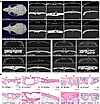 Figure 1
Multiple suture synostosis caused by LmnaL648R mutation. (A) Representative μCT-scanned coronal sections and 3D renderings of Lmna+/+ (WT) and LmnaL648R/L648R (LmnaL648R) male and female skulls at 2, 3, and 7 months. (B) H&E staining of 3-month and 7-month-old WT and LmnaL648R calvarial sections. Arrowheads and asterisks indicate patent and synostosed sutures, respectively. AF, anterior frontal; COR, coronal; PF, posterior frontal. Scale bars: 200 μm.
Effects of LmnaL648R mutation on stem cell–mediated osteogenesis. To elucidate the mechanism underlying calvarial deformities caused by the LmnaL648R mutation, we first examined the proliferation and differentiation of osteoblast cells. Calvarial cells, which include osteogenic precursors, were isolated from the WT and LmnaL648R mutant calvaria at P4 and analyzed by transient BrdU labeling to examine cell proliferation. We found a significant reduction in the ex vivo expansion of mutant calvarial cells compared with the WT (Figure 2A and Supplemental Figure 4; P < 0.01, n = 9, mean ± SD, 2-tailed Student’s t test). Immunostaining of osterix (Osx) indicated that the number of osteoprogenitor cells is also significantly reduced in the suture of LmnaL648R mice (Figure 2B and Supplemental Figure 5; P values as indicated, n = 3, mean ± SD, 2-tailed Student’s t test). Both in vivo and ex vivo analyses thus suggested the LmnaL648R mutation has negative effects on the production of the osteogenic precursor population. Next, we examined osteoblast differentiation and mineralized nodule formation using alkaline phosphatase and von Kossa staining. It is not feasible to use SuSCs for these assays because a large number of committed osteogenic cells are required to generate detectable alkaline phosphatase–positive areas and von Kossa–positive mineralized nodules for 2–4 weeks in ex vivo differentiation. Therefore, calvarial osteogenic cells, which can be obtained in larger quantities, were used for these ex vivo analyses. The results indicate osteoblastogenesis is significantly repressed by the progeroid mutation (Figure 3, A and B, and Supplemental Figure 6; P < 0.0001, n = 3, mean ± SD, 2-tailed Student’s t test). Furthermore, dynamic measurement of mineral deposition by alizarin red and calcein double labeling analysis demonstrated a significant reduction in bone formation rate in the mutants (Figure 3C; P < 0.05, n = 3, mean ± SEM, 2-tailed Student’s t test).
 Figure 2
Expansion of osteoprogenitors affected by progeroid accumulation of prelamin A. (A) Representative images of BrdU staining examine the proliferation rate of calvarial cells isolated from Lmna+/+ (WT) and LmnaL648R/L648R (LmnaL648R) mice. Graphs indicate quantitation of the average percentage of BrdU+ cells in 4 independent experiments (P < 0.01, n = 9, mean ± SD, 2-tailed Student’s t test). (B) Representative images of Osterix (Osx) staining analyze the osteoprogenitor cells within the 1-month-old (1M) WT and LmnaL648R cranial sutures. Graphs indicate the quantitation of the average percentage of Osx+ cells in 3 independent experiments (P < 0.05 or 0.005, n = 3, mean ± SD, 2-tailed Student’s t test). Scale bars: 200 μm (A) and 100 μm (B).
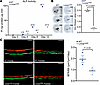 Figure 3
Progeroid accumulation of prelamin A impairs osteogenesis. (A) Graph is a representative of three independent experiments analyzing alkaline phosphatase (ALP) activity of WT and LmnaL648R calvarial cells cultured in differentiation media for days as indicated. (B) Representative images of von Kossa staining examine mineralized nodule formation in the culture of WT and LmnaL648R calvarial cells for 21 days. Graphs indicate the quantitation of the average stained area in 6 independent experiments (P < 0.0001, n = 3, mean ± SD, 2-tailed Student’s t test). (C) Alizarin red and calcein double labeling analysis examines mineralized tissue growth in frontal and parietal bones over 2 weeks. Graphs indicate the average bone formation rate of 2-month-old WT and LmnaL648R mice (P < 0.05, n = 3, mean ± SD, 2-tailed Student’s t test). Scale bars: 2 mm (B) and 50 μm (C).
Craniosynostosis is mainly associated with excessive intramembranous ossification (24). However, the LmnaL648R mutants display suture synostosis in the setting of reduced osteogenic conditions, which is unusual. One possibility is apoptosis, previously implicated in suture closure (36), but there was no indication of cell death contributing to the synostosis phenotype (Supplemental Figure 7). Craniosynostosis, mediated by excessive ossification, generally affects a single suture. We hypothesize that multiple suture synostoses are linked to stem cell deficiency, as first described in SuSC-specific disruption of a BMP type 1 receptor, BMPR1A (31). The presence of SuSCs is essential for the maintenance of the stem cell niche and suture patency (31). To test our hypothesis on stem cell defects, we examined the characteristics of LmnaL648R SuSCs. By in vivo clonal expansion analysis, we previously showed the ability of a single Axin2+ SuSC to generate calvarial bone upon implantation into the kidney capsule (25). Limiting dilution analysis further provided a quantitative method to examine stem cell clonal expansion in the transplanted kidney, thereby measuring stem cell frequency (25). We used this rigorous assay to determine if the LmnaL648R mutation affects the clonal expansion and number of SuSCs. Varying amounts of cells isolated from the P7–P10 control and LmnaL648R sutures were implanted into the renal capsule, followed by the analysis of ectopic bone formation in the implanted site using von Kossa staining (Figure 4A). Transplantation of 5 × 10² to 2.5 × 10⁴ WT suture cells had a 100% success rate of bone formation (Table 1). At 1 × 10² cells from WT, ectopic bone was formed, although at a much lower rate (Table 1). In contrast, ectopic bone tissue was not always detected in kidneys transplanted with 5 × 10² and 1 × 10³ LmnaL648R suture cells and was undetectable with 1 × 10² LmnaL648R suture cells (Table 1). For WT at this stage, the estimated stem cell frequency is 1 in 208 suture cells, similar to our prior report (31). However, the LmnaL648R mutation significantly decreases SuSC frequency to 1 in 845 suture cells (Table 1; P = 0.0218). Moreover, examination of the stem cell marker showed a reduction of Axin2-expressing cells in the sagittal, COR, and AF suture (Figure 4B). Immunostaining of BMPR1A and GLI1 expressed in SuSCs showed their significant loss in the LmnaL648R suture (Figure 4, C and D, and Supplemental Figure 8; BMPR1A: SAG, WT, 65.76% ± 3.46%; LmnaL648R, 43.36% ± 5.62%, P < 0.005; COR, WT, 15.39% ± 2.28%; LmnaL648R, 7.18% ± 1.50%, P < 0.05; AF, WT, 37.76% ± 6.20%; LmnaL648R, 18.70% ± 2.92%, P < 0.05, n = 3, mean ± SEM, 2-tailed Student’s t test, GLI1: SAG, WT, 58.67% ± 4.59%; LmnaL648R, 24.20% ± 8.17%, P < 0.05, COR, WT, 32.69% ± 2.26%; LmnaL648R, 14.42% ± 0.35%, P < 0.005; AF, WT, 46.22% ± 3.02%; LmnaL648R, 22.51% ± 4.35%, P < 0.05, n = 3, mean ± SEM, 2-tailed Student’s t test). These data suggest that the progeroid mutation in Lmna causes defects of SuSCs, such that their number and osteogenic potential are compromised, leading to stem cell exhaustion and craniosynostosis.
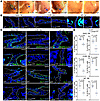 Figure 4
Suture stem cell deficiency in LmnaL648R mouse model for human progeroid disorder. (A) Limiting dilution analysis of stem cell–mediated bone formation with renal capsule transplantation. Representative images of whole-mount von Kossa staining detecting ectopic bone formation in the mouse recipients transplanted by the indicated number of suture cells into the renal capsule. Arrowheads indicate the ectopic bones. (B) Representative images showing the analysis of Axin2-expressing cells using the Axin2mGFP allele in the indicated 1-month-old (1M) suture. (C) Representative images examining the BMPR1A+ and GLI1+ cell population within the indicated 1-month-old (1M) suture. (D) Graphs indicate the quantitation of the average percentage of BMPR1A+ and GLI1+ cells in 3 independent experiments (P < 0.005 or 0.05, n = 3, mean ± SEM, 2-tailed Student’s t test). SAG, sagittal; COR, coronal; AF, anterior frontal. Scale bars: 1 mm (A) and 50 μm (B and C).
Association of the cytoskeleton with aging and suture patency in craniosynostosis. To further decipher the regulatory processes linked to premature aging-mediated calvarial development and progeroid disorders, we took an unbiased approach. We processed the single-cell RNA-seq (scRNA-seq) raw datasets (Gene Expression Omnibus, GSE235176) available on GEO and performed additional analyses on midline (AF, PF, and SAG) sutures of mice at 2 months (2M), 12M, and 18M (37). Unsupervised clustering of transcriptomic profiles classified a total of 9,548 (2M), 3,280 (12M), and 8,053 (18M) cells by the Seurat R-package and subject to graph-based clustering using Uniform Manifold Approximation and Projection (UMAP) to visualize 10 distinct groups of cells (Figure 5A). They could be classified into 10 clusters, including the skeletogenic cell (SC) cluster for osteogenesis (Figure 5, B and C). In the SC cluster of 2,135 cells, the comparison of 2M and 18M differentially expressed genes (DEGs) identified selected pathways associated with aging using Kyoto Encyclopedia of Genes and Genomes (KEGG) as a reference database (P < 0.05, logFC < –0.1). Two of the top 10 pathways were related to cell structure and organization: actin cytoskeleton and focal adhesion (Figure 5D). These suggest the likely importance of cytoskeleton structure, organization, and mechanosensation in skeletal cell aging and craniosynostosis.
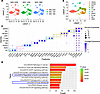 Figure 5
Transcriptomic profiling linking cytoskeletal regulation to skeletal cell aging. (A) UMAP plots visualize 3 batches of single-cell sequencing datasets. (B) Clustering a total of 20,811 cells into 10 subsets: granulocyte (GRAN), monocyte (MONO), erythrocyte (ERY), myeloid cell (MC), T lymphocyte (T Cell), skeletogenic cell (SC), endothelial cell (ENDO), B lymphocyte (B Cell), megakaryocyte (MK), and pericyte (PERI). (C) Dot plot showing marker gene expression for the classification of 10 clusters. (D) Pathway enrichment analysis of 2135 DEGs in SC cluster exhibited with a bar graph showing selected pathways, including cytoskeleton and cell adhesion, related to stem cell regulation from the top 10 enriched KEGG pathways (P < 0.05, logFC < –0.1, 2M versus 18M).
Effects of prelamin A accumulation on the nucleus and cytoskeleton. The structural support of the cell nucleus requires the nuclear lamina, disruption of which by progeroid mutants, including LmnaL648R, is known to cause nuclear morphological abnormalities in fibroblast cells (2, 20). To examine if accumulations of farnesylated prelamin A, caused by the LmnaL648R mutation, also affect SCs, we isolated SuSCs from WT and mutant mice and established an ex vivo 3D culture capable of maintaining stem cell stemness (31, 38, 39). Consistent with prior observation in the fibroblast cells (20), immunostaining reveals misshapen nuclei in LmnaL648R but not WT SuSCs (Figure 6A). Abnormal nuclear morphologies were also found in mutant calvarial osteogenic cells with a significantly increased percentage of incidence (Figure 6A and Supplemental Figure 9; P < 0.001 or 0.0005, n = 3, mean ± SD, 2-tailed Student’s t test). Next, we analyzed perinuclear actin caps, which are dependent on lamin A/C and known to regulate the nuclear shape (40). The mutation disrupted actin cap lines as indicated by immunostaining of the actin interactor, phosphorylated myosin light chain 2 at Ser19 (Figure 6B and Supplemental Figure 10). Analysis of the actin-bundling protein fascin1 further revealed disruption of transmembrane actin-associated nuclear (TAN) lines, which formed predominantly in migrating cells (Figure 6B and Supplemental Figure 11). Calvarial osteoprogenitors tend to migrate after seeding, thus inducing polarization and formation of actin tubules to recruit fascin1. Since fascin1 also acts as a mechanotransducer of cytoplasmic forces, the results suggest impairment of nuclear deformation and movement during cell migration in LmnaL648R cells. The Linker of Nucleoskeleton and Cytoskeleton (LINC) complex, which links the lamina to cytosolic actin and microtubule filaments, was also disturbed in LmnaL648R calvarial osteogenic cells, as seen by disruption of SUN2 perinuclear staining (Figure 6B and Supplemental Figure 12). Moreover, direct examination of F-actin staining showed significant depolymerization in the mutant calvarial osteogenic cells (Figure 6C; P < 0.003, n = 5, mean ± SEM, 2-tailed Student’s t test). In addition, immunostaining of the Golgi marker GM130 revealed Golgi apparatus dispersal from the perinuclear into the cytoplasmic region (Figure 6B and Supplemental Figure 13), a process dependent on the actin cytoskeleton (41). Therefore, the results indicate that the LINC complex, as well as the cytoskeleton and nucleoskeleton organization, are severely interrupted by prelamin A with the L648R amino acid substitution. Together with bioinformatics studies in animals, our findings suggest an important role of nuclear-cytoskeletal dynamics in craniosynostosis of progeroid disorders.
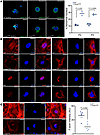 Figure 6
Cytoskeletal disruption by the progeroid accumulation of prelamin A. (A) Representative images of Lamin A/C staining examine nuclear morphology in the cultured SuSCs (left panels) and calvarial cells (2 right panels). Graphs show quantitation of the average percentage of calvarial cells containing abnormal nuclear shape in 3 independent experiments (P < 0.001 or 0.0005, n = 3, mean ± SD, 2-tailed Student’s t test). (B) Representative images showing immunostaining of phosphorylated myosin light chain 2 (MYL2), fascin1 (FSCN1), SUN2, and GM130 in the indicated cells. DAPI counterstaining in all images. (C) Representative images of filamentous actin (F-actin) staining examine the cytoskeleton of calvarial cells isolated from Lmna+/+ (WT) and LmnaL648R/L648R (LmnaL648R) mice. Graphs indicate quantitation of the average intensity of F-actin in 5 independent experiments (P < 0.003, n = 3, mean ± SEM, 2-tailed Student’s t test). Scale bars: 50 μm (A and C), 20 μm (B).
Actin polymerization in osteoblastogenesis of progeroid disorders. To determine the role of actin dynamics in calvarial morphogenesis and craniosynostosis, we examined osteoblastogenesis regulation by the cytoskeleton in calvarial osteogenic cells (42). Inhibition of actin polymerization by cytochalasin D (CytoD) significantly reduced their differentiation into calvarial osteogenic cells (Figure 7A; P < 0.001, n = 3, mean ± SD, 1-way ANOVA with Tukey’s multiple comparisons). Jasplakinolide (JAS) is an agonist that stabilizes F-actin, thus significantly enhancing actin polymerization in both LmnaL648R suture stem (Figure 8A and Supplemental Figure 14A) and calvarial osteoprogenitor (Figure 8B and Supplemental Figure 14B) cells (Figure 8; P < 0.01, n = 3 per group, mean ± SEM, 2-tailed Student’s t test). Although expression of Actb, which encodes β-actin, was reduced in the differentiated mutant osteoblasts (Supplemental Figure 15), expression of Actg1, encoding γ-actin, remained unchanged in the mutant cells (Supplemental Figure 15). Thus, reduced F-actin intensity in the mutant cells may be partly attributed to transcriptional alteration. However, JAS treatment markedly increased F-actin intensity (Figure 8) and restored impaired osteoblast differentiation and mineralization (Figure 7, B–D). Therefore, these findings indicate that defects in actin polymerization, rather than changes in actin gene expression, underlie the reduced F-actin intensity and impaired osteoblast differentiation in LmnaL648R mutant cells. Next, we tested whether actin polymerization can alleviate the osteogenic defects caused by the progeroid mutation. The addition of JAS to the ex vivo culture of mutant calvarial cells significantly increased their differentiation into osteoblast cells (Figure 7B; P < 0.0001, n = 3, mean ± SD, 1-way ANOVA test with Tukey’s multiple comparisons). In cultured cells from LmnaL648R mice, JAS also significantly elevated mineralized nodule formation (Figure 7C; P < 0.007, n = 3, mean ± SEM, 2-tailed Student’s t test). We then examined the expression of osteogenic genes critical for osteoblast differentiation. Total RNA isolated from the cells of LmnaL648R mice before (day 0, D0) and after 12 days (D12) culture in differentiation media, without or with the presence of JAS, was analyzed by qPCR (Figure 7D). The results indicate significant enhancements of early-mid differentiation markers Runx2, Col1a1, and Integrin Binding Sialoprotein (Ibsp), but not mature osteoblast markers Spp1/OPN and Bglap/OCN, in the mutant cells by JAS (Figure 7D; P < 0.0012, < 0.004, < 0.02 as indicated, n = 3 per group, mean ± SEM, 1-way ANOVA test with Tukey’s multiple comparisons). Our data suggest that defects in osteoblast cells occurring in a progeroid disorder can be alleviated through the modulation of cytoskeletal dynamics. The findings provide a functional connection between the nuclear-cytoskeletal organization and craniofacial deformities by the accumulation of permanently farnesylated prelamin A, resulting from a progeroid disease.
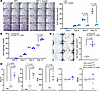 Figure 7
Effects of actin polymerization on osteogenic defects associated with the LmnaL648R mutation. (A) Alkaline phosphatase staining examining osteoblast differentiation of calvarial cells in ex vivo culture without or with CytoD at day 0, 4, 8, and 12. The graph shows the inhibitory effects of CytoD on osteoblast differentiation (P < 0.001, n = 3, mean ± SD, 1-way ANOVA test with Tukey’s multiple comparisons). (B) The graph is representative of 3 independent experiments analyzing the alkaline phosphatase (ALP) activity of LmnaL648R calvarial cells cultured in differentiation media without or with JAS for days as indicated (P < 0.0001, n = 3, mean ± SD, 1-way ANOVA test with Tukey’s multiple comparisons). (C) Representative images of von Kossa staining examine mineralized nodule formation in the culture of LmnaL648R calvarial cells without or with JAS for 21 days. Graphs show the quantitation of the average stained area in 6 independent experiments (P < 0.007, n = 3, mean ± SEM, 2-tailed Student’s t test). (D) Plots show qPCR results examining the expression of osteoblast markers after culture of mutant cells in differentiation media without or with JAS for 12 days (P < 0.0012, < 0.004, < 0.02, n = 3, mean ± SEM, 1-way ANOVA test with Tukey’s multiple comparisons). Scale bars: 3 mm (A and C).
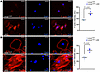 Figure 8
JAS promotes actin polymerization in osteogenic cells. (A) Representative images of F-actin staining, analyzing the cytoskeleton of LmnaL648R suture stem cells without or with JAS treatment. Graphs show the quantification of the average intensity of F-actin in five independent experiments (P < 0.01, n = 3, mean ± SEM, 2-tailed Student’s t test). (B) Representative images of F-actin staining examine the cytoskeleton of LmnaL648R calvarial cells without or with JAS treatment. Graphs show the quantification of the average intensity of F-actin in 5 independent experiments (P < 0.01, n = 3, mean ± SEM, 2-tailed Student’s t test). Scale bars: 50 μm (A and B).


-
Methods
Sex as a biological variable. Both male and female mice were used in this study, and similar findings are reported for both sexes.
Animals. The LmnaL648R (Jackson Laboratory, strain no. 037310) and Axin2mGFP (Jackson Laboratory, strain no. 037313) mouse strains and genotyping methods were reported previously (20, 56). The Lmna+/+ (WT) and LmnaL648R/L648R homozygous mice used in the experiments are > 90% pure C57BL/6J (Jackson Laboratory, strain no. 000664) background. For μCT analysis, mouse skulls were scanned at 6 μm or 10 μm resolution by a high-resolution 3D x-ray microscope, Skyscan 1271 model (Bruker), followed by imaging analysis with AMIRA software (Thermo Fisher Scientific) as described previously (31). The renal capsule transplantation of freshly isolated cells from the suture mesenchyme, as well as the limiting dilution analysis for the determination of stem cell frequency, were performed based on previously published protocols (38, 39, 57).
Cells. Primary suture mesenchymal cells containing SuSCs were isolated from mouse calvaria as described (31, 38, 39). For cell exposure, an approximately 1.5 mm–wide calvarium containing the sagittal suture and its adjacent parietal bones was dissected, followed by the separation of the parietal bone segments. Next, the samples were incubated with 0.2% collagenase in PBS at 37°C for 1.5 hours. The dissociated cells were filtered through a 40 mm strainer, followed by resuspension in DMEM media for transplantation analysis, in DMEM containing 5% FBS for cell sorting or in supplemented media for ex vivo sphere culture (38, 39, 57). The isolation of primary calvarial cells was performed as described previously (29). The isolated cells were cultured in αMEM containing 10% FBS and 1% penicillin/streptomycin. For analysis of actin dynamics, cells were cultured without or with the presence of 0.5 μM CytoD (C8273, MilliporeSigma) and JAS (CAS 102396-24-7, Santa Cruz Biotechnology). To examine cell proliferation, BrdU was included in the culture media for 12 hours, followed by fixation with a 1:1 acetone/methanol solution for 2 minutes at room temperature (29). The detection of BrdU was performed according to the manufacturer’s protocol (Thermo Fisher Scientific). For osteoblast differentiation, cells were cultured in differentiation media containing 50 μg/mL ascorbic acid and 4 mM β-glycerophosphate (29). Alkaline phosphatase staining was conducted using 1-Step NBT/BCIP Substrate Solution according to the manufacturer’s protocol (Thermo Fisher Scientific). The positively stained areas were analyzed with ImageJ software (NIH) for quantification.
Histology and staining analyses. Sample preparation, fixation, and embedding in paraffin were performed as described (26, 32, 58, 59). Using a microtome (Epredia-HM 325, Thermo Fisher Scientific), paraffin sections were prepared and stained with H&E for histological evaluation as described previously (29, 60, 61). For immunostaining, antigen retrieval was carried out before incubation with primary and secondary antibodies (29, 32, 62), followed by an avidin/biotinylated complex–based detection method using a DAB Substrate Kit or biotin-streptavidin fluorescent conjugates (H3300, PK-6100, SK-4100, and SA-5001-1, Vector Laboratories) with DAPI counterstaining (H-1800, Vector Laboratories). For analysis of spheres, the cultures were collected onto the glass slides by cytospin (Cytospin 4, Thermo Fisher Scientific), followed by fixation with 4% paraformaldehyde in PBS for 10 minutes at room temperature (31). The cultured sphere cells were permeabilized with 0.5% Triton X-100 for 5 minutes, followed by blocking with 5% BSA for immunostaining (31). Mouse monoclonal antibodies against Bmpr1a (NBP2-37421, 1:75, Novus Biologicals), fascin1 (SC-21743, 1:100, Santa Cruz), and Alexa Fluor 568 phalloidin (A12380, 1:400, Invitrogen); rabbit polyclonal antibodies Osx (ab22552, 1:800, Abcam), OCN (23418-1-AP, 1:50, Proteintech), Gli1 (NBP1-78259, 1:100, Novus Biologicals), Myl2 (3671, 1:100, Cell Signaling Technology), and GM130 (2296, 1:200, Cell Signaling Technology); rabbit monoclonal antibodies lamin A/C (MA5-35284, 1:200, Invitrogen) and SUN2(EPR6557, 1:100, Abcam); anti-rabbit secondary antibody (BA-1000, 1:200, Vector laboratories); and anti-mouse IgG secondary antibodies (PK-2200, 1:250, Vector laboratories), were used in the immunostaining studies. Images were captured with a Nikon Eclipse TS2 microscope (Nikon), a Zeiss Axio Observer microscope (Carl Zeiss), or a Zeiss LSM880 confocal microscope (Carl Zeiss) imaging system. For apoptosis, paraffin sections were analyzed by TUNEL staining using ApopTag Plus In Situ Apoptosis Fluorescein Detection Kit (S7111, MilliporeSigma) according to the manufacturer’s protocol. The TUNEL+ cells were quantified using ImageJ as described (26, 32, 61). To determine the bone formation rate, alizarin red and calcein double labeling analysis was performed as previously described (63). Briefly, 2-month-old mice received i.p. injections of calcein (10 mg/kg; C0875, MilliporeSigma), followed 14 days later by alizarin red (30 mg/kg; A5533, MilliporeSigma). Calvariae were then processed for cryosectioning (CM1950, Leica Biosystems) and fluorescence imaging using a Zeiss Axio Observer microscope. The distance between the 2 fluorescent labels was measured at 6 evenly spaced sites per sample using ImageJ software. The bone formation rate per bone surface (BFR/BS, μm3/μm2/day) was calculated as BFR/BS = MAR × (MS/BS/100), where MS/BS represents the mineralizing surface per bone surface.
Quantitative gene expression analysis. The isolation of total RNA was performed using the mirVana kit (Thermo Fisher), followed by the generation of cDNA using iScript Reverse Transcription Supermix (Bio-Rad). The cDNA products were subjected to real-time PCR analysis using specific forward and reverse primer sets listed below. The PCR reactions were carried out with an initial denaturation at 95°C for 5 minutes, followed by 39 amplification cycles of 95°C for 15 seconds, 61°C for 30 seconds, and 72°C for 30 seconds. GAPDH was used as an internal control for data normalization, followed by quantification using the 2–ΔΔCT method. Primer sequences are provided in Table 2.
scRNA-seq and bioinformatics. Raw datasets for scRNA-seq (Gene Expression Omnibus, GSE235176) of mouse midline (AF, PF, and SAG) sutures at 2, 12, and 18 months were processed and analyzed using Seurat version 5.0.2 on R software version 4.3.1. The datasets were first filtered by the parameter of cells with more than 200 genes detected and genes detected in more than 3 cells for subsequent analyses. Three Seurat objects were then created and normalized, followed by integration for 2-month-old, 12-month-old, and 18-month-old samples. Dimension reduction was performed using the first 20 principal components with UMAP, and cell clustering was set at “resolution = 0.1.” A graph-based clustering then classified cells into clusters, which relied on an algorithm based on weighted shared nearest neighbor modularity optimization. Marker genes for each cluster were identified with the Wilcoxon rank-sum test with default parameters via the “FindAllMarkers” function of Seurat software. Next, DEGs from the 2-month and 18-month datasets were filtered by log2 fold change of less than 0.1. The DEGs with a P < 0.05 adjusted by Benjamini-Hochberg’s method were considered to be significant. The processed dataset was integrated using the IntegrateData function in the R package Seurat. The enriched DEGs for the KEGG function in the SC cluster were then analyzed using the clusterProfiler in R software, or input into online platforms of DAVID (v2023q1, https://davidbioinformatics.nih.gov/).
Statistics. Statistical analyses were performed using Microsoft Excel 2021 and GraphPad Prism 8. The normality of data distribution was validated using the Shapiro-Wilk normality test. Significance was assessed by a 2-tailed Student’s t test for comparisons between 2 groups or a 1-way ANOVA for comparisons among more than 2 groups. When ANOVA indicated significant differences, Tukey’s post hoc test was used for multiple comparisons. All data were presented as mean ± SD or mean ± SEM, with a P value less than 0.05 considered statistically significant.
Study approval. IACUC at the ADA Forsyth Institute approved the care and use of experimental animals described in this work.
Data availability. All data needed to evaluate the conclusions in the paper are present in the paper and the Suporting Data Values file. Data for single-cell transcriptomics of age-related changes in murine cranial sutures (GSE235176) are available for interactive analysis on Gene Expression Omnibus. The LmnaL648R mouse strain is available at Jackson Laboratory (strain no. 037310). The code used for sequencing data analysis and visualization is available on GitHub (https://github.com/whsulab/Lmna; commit ID 7172059fda8c73b7eba1a92016acde8312512e32).


