
Research ArticleGeneticsImmunologyInflammation
Open Access |  10.1172/jci.insight.194677
Mice humanized by syntenic replacement with full-length NLRP3 disease-associated variants model the clinical cryopyrinopathy continuum
John N. Snouwaert,1 MyTrang Nguyen,1 Christopher A. Gabel,2 Ivona Aksentijevich,3 Jenny P.-Y. Ting,1,4,5,6 and Beverly H. Koller1,4
1Department of Genetics, University of North Carolina at Chapel Hill, Chapel Hill, North Carolina, USA.
2NodThera, Seattle, Washington, USA.
3Inflammatory Disease Section, National Human Genome Research Institute, Bethesda, Maryland, USA.
4Lineberger Comprehensive Cancer Center;
5Department of Microbiology and Immunology, School of Medicine; and
6Center for Translational Immunology, University of North Carolina at Chapel Hill, Chapel Hill, North Carolina, USA.
Address correspondence to: Beverly H. Koller, Department of Genetics, UNC-Chapel Hill, 120 Mason Farm Road, Chapel Hill, North Carolina 27599, USA. Phone: 919.966.0508; Email: bkoller@email.unc.edu.
Find articles by Snouwaert, J. in: PubMed | Google Scholar
1Department of Genetics, University of North Carolina at Chapel Hill, Chapel Hill, North Carolina, USA.
2NodThera, Seattle, Washington, USA.
3Inflammatory Disease Section, National Human Genome Research Institute, Bethesda, Maryland, USA.
4Lineberger Comprehensive Cancer Center;
5Department of Microbiology and Immunology, School of Medicine; and
6Center for Translational Immunology, University of North Carolina at Chapel Hill, Chapel Hill, North Carolina, USA.
Address correspondence to: Beverly H. Koller, Department of Genetics, UNC-Chapel Hill, 120 Mason Farm Road, Chapel Hill, North Carolina 27599, USA. Phone: 919.966.0508; Email: bkoller@email.unc.edu.
Find articles by Nguyen, M. in: PubMed | Google Scholar
1Department of Genetics, University of North Carolina at Chapel Hill, Chapel Hill, North Carolina, USA.
2NodThera, Seattle, Washington, USA.
3Inflammatory Disease Section, National Human Genome Research Institute, Bethesda, Maryland, USA.
4Lineberger Comprehensive Cancer Center;
5Department of Microbiology and Immunology, School of Medicine; and
6Center for Translational Immunology, University of North Carolina at Chapel Hill, Chapel Hill, North Carolina, USA.
Address correspondence to: Beverly H. Koller, Department of Genetics, UNC-Chapel Hill, 120 Mason Farm Road, Chapel Hill, North Carolina 27599, USA. Phone: 919.966.0508; Email: bkoller@email.unc.edu.
Find articles by Gabel, C. in: PubMed | Google Scholar
1Department of Genetics, University of North Carolina at Chapel Hill, Chapel Hill, North Carolina, USA.
2NodThera, Seattle, Washington, USA.
3Inflammatory Disease Section, National Human Genome Research Institute, Bethesda, Maryland, USA.
4Lineberger Comprehensive Cancer Center;
5Department of Microbiology and Immunology, School of Medicine; and
6Center for Translational Immunology, University of North Carolina at Chapel Hill, Chapel Hill, North Carolina, USA.
Address correspondence to: Beverly H. Koller, Department of Genetics, UNC-Chapel Hill, 120 Mason Farm Road, Chapel Hill, North Carolina 27599, USA. Phone: 919.966.0508; Email: bkoller@email.unc.edu.
Find articles by Aksentijevich, I. in: PubMed | Google Scholar
1Department of Genetics, University of North Carolina at Chapel Hill, Chapel Hill, North Carolina, USA.
2NodThera, Seattle, Washington, USA.
3Inflammatory Disease Section, National Human Genome Research Institute, Bethesda, Maryland, USA.
4Lineberger Comprehensive Cancer Center;
5Department of Microbiology and Immunology, School of Medicine; and
6Center for Translational Immunology, University of North Carolina at Chapel Hill, Chapel Hill, North Carolina, USA.
Address correspondence to: Beverly H. Koller, Department of Genetics, UNC-Chapel Hill, 120 Mason Farm Road, Chapel Hill, North Carolina 27599, USA. Phone: 919.966.0508; Email: bkoller@email.unc.edu.
Find articles by Ting, J. in: PubMed | Google Scholar
1Department of Genetics, University of North Carolina at Chapel Hill, Chapel Hill, North Carolina, USA.
2NodThera, Seattle, Washington, USA.
3Inflammatory Disease Section, National Human Genome Research Institute, Bethesda, Maryland, USA.
4Lineberger Comprehensive Cancer Center;
5Department of Microbiology and Immunology, School of Medicine; and
6Center for Translational Immunology, University of North Carolina at Chapel Hill, Chapel Hill, North Carolina, USA.
Address correspondence to: Beverly H. Koller, Department of Genetics, UNC-Chapel Hill, 120 Mason Farm Road, Chapel Hill, North Carolina 27599, USA. Phone: 919.966.0508; Email: bkoller@email.unc.edu.
Find articles by Koller, B. in: PubMed | Google Scholar
Published March 9, 2026 - More info
JCI Insight. 2026;11(5):e194677. https://doi.org/10.1172/jci.insight.194677.
© 2026 Snouwaert et al. This work is licensed under the Creative Commons Attribution 4.0 International License. To view a copy of this license, visit http://creativecommons.org/licenses/by/4.0/.


-
Results
Generation of mouse lines carrying the L307P, F311S, and Y572C mutations. The deletion of the entire mouse Nlrp3 locus in embryonic stem (ES) cells and its reconstitution with the syntenic segment of either the common or D305N disease-associated human NLRP3 locus has been previously described (39). An identical strategy was used for the generation of 3 additional ES cell lines in which the deleted mouse Nlrp3 locus was replaced with a human NLRP3 gene carrying the L307P, F311S, or Y572C mutation, respectively. The structure of the humanized NLRP3 locus was verified using Southern blot and sequence analysis. The clinical phenotypes of the CAPS-associated missense mutations introduced into the mouse genome are summarized and compared in Supplemental Table 1; supplemental material available online with this article; https://doi.org/10.1172/jci.insight.194677DS1
To gain immediate insights into the expression and function of the mutant NLRP3 proteins, we carried out a single pilot experiment utilizing 5 ES cell lines: 4 unique lines, each engineered to carry a different CAPS-associated mutation, and 1 line carrying hNLRP3. These ES cells were differentiated into macrophages, then exposed to LPS, and IL-1β release was measured (Supplemental Figure 1A). As expected, LPS alone was sufficient to trigger IL-1β release from cells expressing mutant human NLRP3 but not from cells expressing the common human allele. Minimal IL-1β release was observed from the line carrying the mild L307P FCAS mutation. Release was intermediate for D305N, identified in both patients with NOMID and MWS. Markedly higher release was detected from cells carrying the F311S or Y572C mutations, which are associated with the most severe disease, NOMID/CINCA. Release of 2 LPS-responsive, NLRP3-independent cytokines, TNF-α and IL-6 (Supplemental Figure 1, B and C), was robust across genotypes. Given the differences in IL-1β release between lines and the alignment of this release with CAPS severity, mouse lines were generated from these ES cells to further investigate the genotype–phenotype relationship in vivo.
Phenotyping mice heterozygous for CAPS-associated mutations. Mice heterozygous for the various CAPS mutations showed little difference in adult weight, though those carrying the Y527C mutation tended to be smaller (Figure 1A). On necropsy, a significant increase in spleen weight of the L307P, F311S, and Y572C lines was observed compared with that of the hNLRP3 line (Figure 1B). The weight of D305N spleens also increased. However, this increase did not achieve significance, likely because of the variation in this parameter between mice (Figure 1B). No increase in liver weight was observed in any of the lines (Figure 1C). IL-1Ra (IL-1 receptor antagonist) serves as the endogenous natural antagonist of IL-1β. Serum IL-1Ra levels are reported to be higher in CAPS than in healthy individuals. This increase likely reflects a homeostatic response initiated to limit damage due to pathological levels of IL-1β (40, 41). We found that the level of plasma IL-1Ra was significantly increased in D305N, F311S, and Y572C mice compared with mice carrying the L307P FCAS mutation or hNLRP3 allele (Figure 1D).
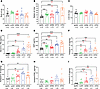 Figure 1
Phenotypic evaluation of mouse lines with a single copy of the common NLRP3 allele or disease-associated variants. (A–I) Mouse lines were established from ES cell lines carrying a single copy of a CAPS-associated mutation. Female mice were cohoused at weaning, with each cage typically containing at least 1 mouse of each CAPS genotype as well as a female carrying the common NLRP3 allele. At 9–10 months of age, the burden of autoinflammatory disease was evaluated through assessment of body weight (A), spleen weight (B), and liver weight (C). Serum levels of IL-1Ra (D) and SAP (E) were quantified via ELISA. For the analysis of arthritis-like disease development, ELISA was used to measure IL-1β (F), IL-18 (G), prostaglandin E2 (PGE2) (H), and IL-6 (I) levels in tissue homogenates from the autopods of NLRP3-mutant mouse lines. The number of samples (n) for groups is indicated below the genotype in each panel. Bars represent the mean ± SEM. Asterisks indicate significance for comparison of each CAPS line with the hNLRP3 cohort by 2-tailed unpaired t test (*P < 0.05, **P < 0.01, ***P < 0.001, ****P < 0.0001). Red daggers indicate P values from identical comparisons analyzed by 1-way ANOVA followed by Dunnett’s post-test. Linear trend in phenotype or outcome was assessed for phenotypes with 1-way ANOVA P < 0.05 by post hoc test for linear trend (GraphPad Prism): B (spleen weight), P = 0.0001; D (IL-1Ra), P = 0.0001; E (SAP), P = 0.001; F (IL-1β), P = 0.0001; G (IL-18), P = 0.0004; I (IL-6), P = 0.0001. Additional statistical evaluation of variation between individual lines is provided in Supplemental Table 2.
In patients with CAPS, increases in the levels of acute-phase reactants (APRs), such as C-reactive protein, have been reported (42–44). In mice, serum amyloid protein (SAP) is an APR that is strongly induced by a broad spectrum of inflammatory stimuli (45). We therefore examined the levels of SAP in the plasma of the 4 mutant mouse lines (Figure 1E). Plasma SAP levels in all CAPS lines were higher than those measured in hNLRP3 mice. The increase in levels generally paralleled the severity of the disease in patients with CAPS carrying the corresponding mutation, with the highest levels observed in the Y572C mice. Interestingly, the plasma SAP level measured in the L307P FCAS line was higher than that measured in D305N mice, suggesting the possibility of differences in the extent to which a given mutation activates distinct manifestations of the autoinflammatory disease phenotype.
Development of arthropathy in mice carrying a CAPS-associated allele. We previously reported that arthritic changes in the limbs of mice carrying the D305N mutation became progressively more noticeable with age (39). Furthermore, these changes corresponded to elevated levels of cytokines measurable in tissue homogenates from the affected joints. We therefore assessed how the genotype of the CAPS mice impacted the inflammation of the autopods of the 5 different mouse lines. To this end, tissue homogenates were prepared from the autopods of mice of each genotype, and cytokine and PGE2 levels were determined. The ELISA measuring IL-1β is expected to detect both mature and pro–IL-1β. IL-1β levels were below the level of detection in homogenates prepared from the hNLRP3 mouse line. In contrast, measurable levels of IL-1β were detected in tissue homogenates from all 4 mutant mouse lines (Figure 1F). Levels of IL-1β were lowest in mice carrying the mild L307P FCAS-associated mutation, and, although increases were seen in individual animals, overall levels were not significantly higher than in the hNLRP3 animals. The highest levels of IL-1β were measured in the homogenates prepared from the mice with high-impact mutations, D305, F311S, and Y572C.
High levels of IL-18 were observed in the autopod lysates prepared from hNLRP3 mice. Given the robust baseline presence of this cytokine, it is perhaps not surprising that no further increase was observed in samples from mice carrying a single L307P or D305N allele. In contrast, IL-18 was increased in lysates from mice carrying either of the other 2 high-impact alleles, F311S and Y572C (Figure 1G). PGE2 levels in the heterozygous L307P and D305N mice were similar to those measured in the hNLRP3 animals, while a small increase was observed in the PGE2 levels measured in Y572C and F311S homogenates (Figure 1H). IL-6 levels were increased in the tissue homogenates from all 4 mutant mice, with levels paralleling the reported relative clinical severity of these mutations (Figure 1I).
LPS-mediated hypothermia and inflammation in the mice carrying a CAPS-associated allele. Monocyte cell death (pyroptosis) is a characteristic of CAPS (46). We previously reported that mice carrying the D305N mutation respond to peritoneal exposure to low doses of LPS with rapid hypothermia and the release of IL-1β by peritoneal myeloid cells (39). In contrast, mice carrying hNLRP3 are largely resistant to this level of endotoxin. Cohorts of mice carrying a single copy of the D305N, F311S, or Y572C allele were exposed to 0.25 mg/kg of LPS i.p. Based on the limited IL-1β release observed on analysis of ES cells carrying the FCAS-associated L307P mutation, we increased the LPS exposure to 5.0 mg/kg for this mouse line and for the control hNLRP3 animals. After endotoxin exposure, changes in core body temperature were monitored hourly (Figure 2A). Mice showing dramatic changes in well-being were removed from the experiment throughout by an observer while genotype was blinded. These animals were used to generate the “survival” curve shown in Figure 2B. Hypothermia in the D305N mice mimicked that previously reported, with a gradual drop in temperature that plateaued as animals began to recover from this inflammatory stimulus. A small but measurable change in core body temperature was observed in the L307P mice compared with the hNLRP3 animals that received the same dose of endotoxin (5.0 mg/kg). However, even with this increase in exposure level, the magnitude of the change was less than that in the D305N mice exposed to 20-fold less LPS. In comparison, the F311S and the Y572C mouse lines responded to endotoxin with both a decrease in the lag time before a change in temperature was observed and an increase in the magnitude of the temperature change. While differences were observed in the response of both lines compared with the D305N line, the changes were greater for the Y572C mice. Moreover, the increased endotoxin sensitivity of the Y572C line compared with the F311S line was readily apparent when comparing the number of mice of each genotype that required removal from the experiment for humane reasons (Figure 2B).
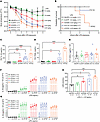 Figure 2
Response of the peritoneum and peritoneal macrophages in mice heterozygous for various CAPS alleles to LPS exposure. Mice heterozygous for the NLRP3 variants Y572C, F311S, and D305N received 0.25 mg/kg LPS i.p., whereas hNLRP3 and L307P mice received 5.0 mg/kg LPS. (A) Core body temperature was monitored for 6 hours postexposure. (B) Survival probability was assessed based on behavior and appearance, with genotype blinded. (C–E) In a parallel experiment, mice received 2.5 mg/kg LPS (i.p.); peritoneal lavage fluids (PLF) collected after 2 hours were analyzed for IL-1β (C), PGE2 (D), and CXCL1/KC (E) by ELISA. For C–E, n = 7 per genotype. (F and G) Peritoneal macrophages from the indicated genotypes were exposed to increasing LPS concentrations at either 37°C (F) or 32°C (G), and IL-1β release was measured after 4 hours. (H) Lactate dehydrogenase (LDH) release was measured in similarly prepared macrophages treated with 1 μg/mL LPS for 24 hours. For A, 1-way ANOVA with linear-trend testing indicated a genotype–phenotype relationship in the area under the core-temperature curve: P < 0.001. (B) Kaplan-Meier curves show survival probability after LPS exposure. Overall differences were confirmed by log-rank (Mantel-Cox) P < 0.05, with a monotonic trend supported by the log-rank test for trend P < 0.01. The Gehan-Breslow-Wilcoxon test *P ≤ 0.05 yielded a less significant result, indicating that group separation occurred mainly at later time points. (C–E and H) Asterisks indicate significance versus the hNLRP3 cohort by 2-tailed unpaired t test (*P < 0.05, **P < 0.01, ***P < 0.001, ****P < 0.0001). Red daggers indicate P values from identical comparisons by 1-way ANOVA with Dunnett’s post-test. Linear-trend testing yielded P < 0.0001 (C and D) and P < 0.0002 (H). Additional analyses are shown in Supplemental Table 3.
In a parallel experiment, we collected peritoneal exudates from mice 2 hours after endotoxin exposure to determine whether IL-1β levels could further distinguish the physiological impact of the gain-of-function mutations. The shorter duration allowed all mice to be treated with 2.5 mg/kg LPS delivered i.p. (Figure 2C). No increase in IL-1β was detected in peritoneal fluid from mice carrying hNLRP3 or from mice heterozygous for the FCAS mutation L307P. Consistent with our previous study, a significant increase was observed in the D305N line (39), with still higher levels in samples from F311S mice. In keeping with the comparison of hypothermic shock and body condition score after LPS exposure, IL-1β levels in Y572C mice exceeded those observed in all other lines. Because the peritoneal exudates were centrifuged to remove cells prior to ELISA, the IL-1β measured here reflects mature cytokine released following pyroptosis. We also measured PGE2 in the peritoneal exudate (Figure 2D). An increase in this lipid mediator was detected only in the 2 NOMID lines, F311S and Y572C, with levels again highest in Y572C samples. In contrast, no differences were observed in other LPS-responsive inflammatory mediators, such as CXCL1 (KC), in the peritoneal exudate (Figure 2E).
We next asked whether this difference in the release of IL-1β upon peritoneal exposure to LPS aligned with endotoxin-mediated release of IL-1β by peritoneal macrophages collected from the CAPS mouse lines. Peritoneal cells were collected from hNLRP3 mice and mice heterozygous for each of the 4 CAPS-associated mutations. Populations were enriched for macrophages by adherence to plastic and then exposed to medium alone or medium with LPS levels ranging from 1 to 1,000 ng/mL at 37°C (Figure 2F) and 32°C (Figure 2G). As expected, only low levels of IL-1β were detected in supernatants from macrophages from the hNLRP3 mice, even at the highest exposure levels. A concentration-dependent increase in IL-1β levels was measured in the medium collected from the D350N mice, plateauing at 100 ng/mL. In contrast, even at the lowest concentration, both F311S and Y527C showed maximal release. Two of the 3 primary cultures established from F311S mice showed very low levels of spontaneous release of IL-1β (Figure 2, F and G). While cells collected from F311S and Y572C are clearly more sensitive to endotoxin than cells from the D305N mice, the 2 NOMID/CINCA-associated mutations could not be ranked in this assay.
Consistent with the classification of L307P as an FCAS mutation, peritoneal cells isolated from the L307P mice released only low levels of IL-1β when cultured at 37°C and exposed to LPS (Figure 2F), and interestingly this release did not increase in response to increasing LPS levels. In contrast, when this experiment was carried out at 32°C, measurable basal release was observed (Figure 2G). A robust release of IL-1β, similar in magnitude to that of the CINCA/NOMID cell cultures, was measured in medium from the L307P cells after exposure even to the lowest concentration of LPS at 32°C. In comparing the response at 32°C and 37°C, a log increase in IL-1β release was observed in the L307P cells. In contrast, temperature had little impact on cytokine release by D305N, F311S, or Y527P peritoneal macrophages.
Using peritoneal macrophages collected from the 5 mouse lines, we also assessed LPS-triggered cell death by measuring lactate dehydrogenase (LDH) levels in the culture medium (Figure 2H). Although LDH is not specific for pyroptosis, it is widely used as a surrogate marker for NLRP3-mediated cell death (47, 48). As expected, given that this assay was carried out at 37°C, LDH levels in L307P cultures did not differ from control levels. However, LDH release increased according to genotype in the remaining 3 CAPS lines, and the linear-trend test was highly significant, supporting a strong genotype–phenotype relationship among the CAPS alleles.
Sensitivity of CAPS-associated LPS-mediated IL-1β release to the NLRP3 activation inhibitor CP-456,773. CP-456,773 (MCC950) was first identified as a potent inhibitor of IL-1β release from blood leukocytes and macrophages (47) and was later shown to mediate this effect by inhibiting NLRP3-dependent cytokine maturation (48). Using a method established to assess CP-456,773’s activity toward NLRP3 in whole blood (49), we tested its ability to inhibit IL-1β release from blood collected from hNLRP3 mice and mice heterozygous for D305N, F311S, and Y572C mutations (Figure 3, A–F). Anticipating a temperature-sensitive response, blood from L307P homozygous mice, rather than heterozygous animals, was included. This allowed comparison of CP-456,773’s inhibition of IL-1β release following exposure to LPS at 32°C alone as well as inhibition following canonical activation by LPS and ATP.
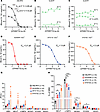 Figure 3
IL-1β release from blood of NLRP3-mutant mice and sensitivity to CP-456,773. Blood was collected from mice of the indicated genotype and exposed to LPS or LPS followed by ATP. In some experiments, blood was incubated throughout at 32°C rather than the standard 37°C. (A) Blood from mice homozygous for the common NLRP3 allele (hNLRP3) released IL-1β after exposure to LPS and ATP. CP-456,773 inhibited release in a concentration-dependent manner. While release decreased when the assay was performed at 32°C, the IC50 was temperature independent. (B) No IL-1β release after LPS exposure of blood from mice homozygous for the L307P allele was observed at 37°C (solid line). In contrast, IL-1β release occurred at 32°C (dashed line), but this was not inhibited by CP-456,773. (C) IL-1β release from L307P blood was observed at 37°C when LPS exposure was followed by ATP (dashed/dotted line). This LPS/ATP-mediated release was insensitive to CP-456,773. (D–F) LPS exposure of blood from mice heterozygous for the D305N (D), F311S (E), and Y527C (F) alleles resulted in measurable IL-1β release. Release by all 3 mutants was inhibited in a concentration-dependent manner by CP-456,773. (G and H) Total white blood cell count (WBC) and leukocyte subpopulations in blood collected from the indicated number of hNLRP3, D305N, F311S, and Y572C mice were determined by CBC. (G) Thousands of cells per cubic milliliter (K/μL), with statistical evaluation detailed in Supplemental Table 4. (H) Leukocyte subpopulations as a percentage of total WBC, with differences between CAPS mice evaluated by 2-tailed unpaired t test (*P < 0.05, **P < 0.01, ***P < 0.001, ****P < 0.0001).
We first verified this assay using whole blood from hNLRP3 mice and assessed the impact of incubation temperature on the potency (expressed as IC50 value) of CP-456,773. Blood pooled from multiple hNLRP3 mice was incubated at either 32°C or 37°C with LPS. After 3 hours, samples were exposed to various concentrations of CP-456,773, and inflammasome assembly and IL-1β release were triggered by ATP. Not surprisingly, total IL-1β output was greater at 37°C than at 32°C. As expected, CP-456,773 inhibited IL-1β release in a temperature-independent manner, with an IC50 of approximately 0.3 μM (Figure 3A). To test the activity of CP-456,773 on mutant NLRP3, cells were treated with the compound prior to stimulation with LPS, as previous studies have shown that output of IL-1β from CAPS patient blood requires only LPS stimulation (50).
In blood from L307P mice cultured at 37°C, IL-1β release was minimal. In contrast, at 32°C, similar to results with peritoneal macrophages, IL-1β release increased 10-fold. However, release of IL-1β from LPS-treated L307P blood was not inhibited by even the highest CP-456,773 concentrations (Figure 3B). To determine if the failure of CP-456,773 to reduce IL-1β release was specific to cold-activated L307P inflammasomes, we examined IL-1β release from L307P blood cells after LPS priming and ATP exposure at 37°C. Despite using a different, presumably mutant-insensitive triggering mechanism, inflammasome assembly and IL-1β release remained resistant to CP-456,773 inhibition (Figure 3C). Similar sensitivity to cold temperature and insensitivity of the L307P inflammasome to CP-456,773 inhibition has been noted in an extrinsic system (21).
In contrast with IL-1β release triggered by the L307P inflammasome, release after LPS exposure from blood of mice carrying the MWS and NOMID/CINCA mutations was sensitive to CP-456,773 inhibition (Figure 3, D–F). While complete inhibition of IL-1β output was achieved, IC50 values for CP-456,773 showed variance between the different gain-of-function lines; values of 0.21 μM, 1.8 μM, and 3.3 μM were observed for D305N, F311S, and Y572C, respectively. We also verified that CP-456,773 was similarly effective in inhibiting IL-1β release in blood collected from mice homozygous for the CAPS-associated mutations. We tested this using blood from mice homozygous for the D305N allele. Based on 4 independent experiments, an IC50 of 0.79 ± 0.10 μM was determined (Supplemental Figure 2). In contrast with the FCAS mutation, and unlike reports where these mutations have been cold sensitive in extrinsic systems (21, 51), a temperature drop did not promote release of IL-1β from D305N, F311S, or Y572C blood isolates.
One possible explanation for the differences in IC50 between CAPS lines is that these differences reflect variation in the leukocyte composition of blood from the CAPS lines. To explore this possibility, a complete blood count (CBC) was performed on samples collected from the 3 mutant mouse lines and control hNLRP3 mice (Figure 3, G and H). Leukocytosis was evident in samples from our 4 mutant lines and was driven primarily by an increase in neutrophil numbers; both the absolute number of neutrophils as well as their percentage of total cell count were elevated relative to values observed in hNLRP3 blood. Both parameters paralleled disease severity, with extremely high levels observed in Y572C blood. However, differences in CBC did not parallel the ability of CP-456,773 to inhibit IL-β release, making it more likely that the structural difference between CAPS mutations alters drug sensitivity.
Developmental phenotype of mice homozygous for the CAPS-associated mutations. We previously reported that intercrossing mice heterozygous for the humanized NLRP3 locus carrying the D305N mutation generated litters in which pups homozygous for the CAPS mutation were present at the expected frequency (39). The homozygous D305N/D305N pups could not be distinguished from their littermates at weaning, as the arthropathy characteristic of this line became apparent only with increasing age. The fertility of the D305N/D305N males did not differ from that of age-matched hNLRP3 mice. However, in contrast, while females could bear and nurture litters, their fecundity was variable and generally lower than that of hNLRP3 females in our vivarium, with many females bearing only 1 to 4 litters. Intercrossing mice heterozygous for the FCAS L307P mutation produced homozygous mice at expected frequencies, and both female and male homozygous mice were fertile. These mice could not be identified based on phenotype either at weaning or during early adulthood. While mice homozygous for the F311S mutation were also present in litters at the expected frequency, examination of the hind autopods of the pups at weaning identified the majority of F311S homozygous mice to the trained observer. Similar to the D305N and L307P mice, the arthropathy phenotypic of F311S/F311S mice became increasingly apparent with age. However, both male and female mice homozygous for the F311S CAPS mutation failed to reproduce when test-bred with hNLRP3 mice, necessitating the generation of homozygous F311S mice by intercrossing heterozygous animals. In contrast with the L307P, D305N, and F311S mouse lines, intercrossing mice heterozygous for Y527C did not yield homozygous pups at the expected numbers at weaning. Those still present in the litters at weaning were identifiable based on their small size. Examination of litters at earlier time points indicated that many of the Y527C pups were severely affected by the mutation and required removal from litters in the perinatal period. The number of homozygous Y572C pups present at early time points was variable, but increased numbers were observed in litters born to experienced dams. In summary, the overall health and survival observed in these 4 lines is consistent with the disease severity observed for the corresponding mutation in humans (Supplemental Table 1).
Evaluation of phenotype in mice homozygous for the CAPS mutations. Although patients with CAPS are heterozygous, we also examined homozygous animals not to model patient copy number but to amplify allele-specific differences and thereby better define the genetic relationships among CAPS variants. For these studies, mice homozygous for the L307P, F311S, or Y572C mutation were evaluated in the same experiments as mice homozygous for both D305N and hNLRP3. The D305N line was included in every phenotypic assessment because analyses of the heterozygous animals demonstrated that D305N exhibits an intermediate disease severity between the mild FCAS mutation and the severe NOMID/CINCA mutations. In addition, the D305N homozygous phenotype has been well characterized in prior publications and therefore provides a defined benchmark. Importantly, all comparisons were performed using cohoused hNLRP3 and D305N controls within each experiment, ensuring that no mutant line was ever evaluated in isolation and that every phenotype was interpreted relative to these 2 reference genotypes.
Mice heterozygous for the FCAS L307P mutation showed only modest increases in inflammatory parameters compared with hNLRP3 mice, with significant differences limited to spleen weight and serum SAP levels (Figure 1, B and E). These 2 phenotypes were also significantly increased in homozygous L307P mice relative to hNLRP3 animals (Figure 4, A and D). Total IL-1β levels in autopod homogenates and serum IL-1Ra levels were more clearly elevated in the homozygous L307P mice and reached statistical significance (Figure 4, B and C), whereas these analytes did not differ significantly in L307P heterozygotes (Figure 1, D and F).
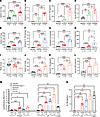 Figure 4
Comparison of inflammation in CAPS mice and primary macrophages homozygous for each mutant allele. (A–L) Tissues and fluids were collected at necropsy from mice of the indicated genotype. (A) Spleen weights in D305N and hNLRP3 mice compared with L307P mice. (B) IL-1β levels in autopod homogenates from hNLRP3, D305N, and L307P mice. (C and D) Serum IL-1Ra (C) and SAP (D) measured in hNLRP3, L307P, and D305N mice. (E) Spleen weight of hNLRP3, D305N, and F311S mice. (F–H) IL-1β (F), IL-18 (G), and IL-6 (H) levels in autopod lysates from hNLRP3, D305N, and F311S mice. (I and J) Body weight (I) and spleen weight (J) of hNLRP3, D305N, and Y572C mice at 8–12 weeks. (K and L) Serum IL-1Ra (K) and SAP (L) in hNLRP3, D305N, and Y572C mice. (M and N) Peritoneal macrophages were collected from mice of the indicated genotype to assess inflammasome responses to LPS. (M) Caspase-1 enzymatic activity in supernatant was quantified using a luminescence assay that reports relative light units (RLU) following 2 hours of LPS stimulation. (N) IL-1β levels in the same culture supernatants were measured by ELISA. hNLRP3 peritoneal macrophages stimulated with LPS and ATP served as positive controls. Vehicle-treated peritoneal macrophages from mice of each CAPS genotype and LPS-exposed macrophages from D305N Casp1/11-null mice, and from hNLRP3 mice served as specificity controls. Sample size (n) is indicated in each panel. Bars represent mean ± SEM. Asterisks indicate significance for comparisons among each CAPS line and hNLRP3 and between CAPS genotypes as determined by 2-tailed unpaired t test (*P < 0.05, **P < 0.01, ***P < 0.001, ****P < 0.0001), with additional comparisons in Supplemental Table 5. Red daggers denote P values derived from identical comparisons assessed by 1-way ANOVA with Tukey-Kramer post-test (A–L), 2-way ANOVA (M), or 1-way ANOVA (N), with Dunnett’s post-test.
Comparison of inflammatory parameters between homozygous D305N and L307P mice showed that the L307P line, consistent with individuals with FCAS, exhibited a markedly milder phenotype than mice carrying MWS/NOMID-associated variants (Figure 4, A–D). For all parameters examined, inflammation was greater in homozygous D305N than in L307P mice.
We compared homozygous D305N, F311S, and hNLRP3 cage mates to verify the parameters that differed between these mutations in heterozygous animals. The relative intensity of inflammation between the 2 homozygous lines indicates that, consistent with the limited case reports of patients with F311S mutations, this variant is likely to produce a more severe phenotype than D305N. Spleen weights were nearly 2-fold higher in F311S mice compared with D305N animals (Figure 4E). Likewise, levels of IL-1β, IL-18, and IL-6 in autopod lysates from F311S mice were approximately 2-fold higher than in D305N mice (Figure 4, F–H). All 4 inflammatory parameters were significantly elevated in the homozygous F311S line compared with the D305N line.
As noted above, a subset of homozygous Y572C mice survived the perinatal period and continued to gain weight until 8–12 weeks of age, allowing comparison with age-matched homozygous D305N animals and hNLRP3 controls. As expected, Y572C weighed significantly less than the D305N controls (Figure 4I). All 4 CAPS lines showed some increase in spleen size; however, the enlargement in Y572C homozygous mice was striking, with spleens reaching approximately 4 times the size observed in healthy animals (Figure 4J). Serum levels of SAP and IL-1Ra were also substantially higher in Y572C mice than in both hNLRP3 and D305N animals, consistent with findings in the heterozygous mice (Figure 4, K and L). Across nearly all parameters measured, the inflammatory disease conferred by the Y572C mutation was markedly more severe than that observed in the D305N line.
Evaluation of caspase-1 activity as a measure of inflammasome function. We collected peritoneal macrophages from 8-week-old hNLRP3 mice and from mice homozygous for each of the CAPS alleles to compare inflammasome function, assessed by caspase-1 activity in the culture medium in response to LPS exposure (Figure 4M). Macrophages from D305N Casp1/11−/− mice were included as a control for nonspecific substrate cleavage. Vehicle treatment for 2 hours produced a small increase in spontaneous caspase-1 signal in medium collected from the CAPS cultures, but this signal did not correlate with mutation severity. In contrast, LPS exposure produced a robust increase in caspase-1 activity that aligned with mutation severity. Caspase-1 activity in response to LPS showed the same mutation-dependent trend as the IL-1β release from these same cultures (Figure 4N).
CNS autoinflammation in the CAPS mouse lines. CNS involvement is observed in patients at the more severe end of the CAPS clinical continuum (MWS/NOMID/CINCA) (52, 53). Symptoms range from headaches, eye inflammation, and hearing loss to severe meningitis with hydrocephalic changes that affect CNS function and cranial development. We previously reported sterile meningitis in D305N mice and showed that brain inflammation increased mRNA levels of inflammation-related genes (54). We therefore collected the right hemisphere from saline-perfused control mice and CAPS mice and prepared mRNA for qPCR analysis. All CAPS mice in this analysis were homozygous for their respective alleles. Transcript levels were normalized to those observed in brains from hNLRP3 mice. Expression in 7-month-old D305N mice was compared with expression in age-matched F311S mice, and the same transcript panel was analyzed in 8- to 12-week-old Y572C mice relative to age-matched D305N animals. Expression of all transcripts examined was significantly higher in RNA from F311S brains than from D305N brains (Figure 5A). Analysis of the same transcript set in 8- to 12-week-old D305N and Y572C mice again showed a marked increase in inflammation-related gene expression in Y572C brains relative to age-matched D305N samples (Figure 5B).
 Figure 5
Autoinflammatory disease in the CNS of CAPS mouse lines. (A and B) CNS inflammation was assessed by quantifying mRNA expression of inflammatory mediators and Gfap, an established marker of astrogliosis. ΔΔCt values for hNLRP3 mice were set to 1; mutants are shown relative to this. (A) Transcript abundance was measured in whole-brain tissue collected from 7-month-old hNLRP3, D305N, and F311S mice. (B) The same panel of inflammation-related transcripts was evaluated in whole-brain mRNA prepared from 8- to 12-week hNLRP3, D305N, and Y572C mice. Analytes include Il1b (IL-1β), Chil3 (chitinase-like 3), Il1rn (IL-1Ra), Tnf (tumor necrosis factor), Gfap (glial fibrillary acidic protein), Mpo (myeloperoxidase), Il6 (interleukin-6), Saa1 (serum amyloid A1), and NLRP3. These markers reflect inflammasome-driven cytokine activity, myeloid activation, and astrocytic reactivity characteristic of CAPS pathology. (C) CNS immune cell infiltration was quantified by flow cytometry. Leukocyte-enriched fractions were prepared from whole-brain homogenates by density gradient separation, and immune cells were enumerated based on CD45 expression. Sample sizes (n) for each genotype are indicated in each panel. Data are presented as mean ± SEM. For A and B, statistical comparisons were performed by 2-tailed unpaired t test between hD305N and hF311S (A) and between hD305N and hY572C (B). For C, asterisks indicate significance for comparisons of each CAPS line to hNLRP3 by 2-tailed unpaired t test (*P < 0.05, **P < 0.01, ***P < 0.001, ****P < 0.0001). (C) Red daggers indicate P values for the same comparisons evaluated by 1-way ANOVA with Dunnett’s post-test. (C) A linear-trend analysis was performed using 1-way ANOVA followed by the GraphPad Prism post hoc test for linear trend, revealing a significant monotonic relationship (P = 0.0001). Pairwise comparison between individual CAPS lines is provided in Supplemental Table 6.
To further quantify CNS involvement across lines, we measured total leukocytes in tissue homogenates prepared from the brain and leptomeninges. Leukocyte-enriched fractions were collected by Percoll gradient from homogenates of 2- to 5-month-old hNLRP3 and CAPS mice, and CD45+ cells were quantified by flow cytometry (Figure 5C). The total number of leukocytes recovered was genotype dependent: With the exception of L307P, all CAPS lines showed significantly higher cell numbers than hNLRP3 controls. Counts from D305N mice, although elevated relative to hNLRP3, were lower than those from F311S and Y572C mice. The highest leukocyte numbers were recovered from Y572C samples.


