
Research ArticleDermatologyImmunologyInflammation
Open Access |  10.1172/jci.insight.192146
Hyperglycemia-induced P300/CBP acetyltransferase drives ZEB2-mediated proinflammatory macrophages and delays wound healing
Soumyajit Roy,1 Debarun Patra,1,2 Palla Ramprasad,1 Shivam Sharma,3 Parul Katiyar,4 Ashvind Bawa,5 Kanhaiya Singh,4 Kulbhushan Tikoo,3 Suman Dasgupta,6 Chandan K. Sen,4 and Durba Pal1,4
1Department of Biomedical Engineering, Indian Institute of Technology Ropar, Rupnagar, Punjab, India.
2Stanford Cardiovascular Institute, Stanford University School of Medicine, Stanford, California, USA.
3Department of Pharmacology and Toxicology, National Institute of Pharmaceutical Education and Research, S.A.S. Nagar, Punjab, India.
4Department of Surgery, McGowan Institute for Regenerative Medicine, University of Pittsburgh, Pittsburgh, Pennsylvania, USA.
5Department of General Surgery, Dayanand Medical College & Hospital, Ludhiana, Punjab, India.
6Department of Molecular Biology and Biotechnology, Tezpur University, Napaam, Sonitpur, Assam, India.
Address correspondence to: Durba Pal, Department of Biomedical Engineering, Indian Institute of Technology Ropar, Rupnagar-140001, Punjab, India. Phone: 91.01881.23.2506; Email: durba.pal@iitrpr.ac.in.
Find articles by Roy, S. in: PubMed | Google Scholar
1Department of Biomedical Engineering, Indian Institute of Technology Ropar, Rupnagar, Punjab, India.
2Stanford Cardiovascular Institute, Stanford University School of Medicine, Stanford, California, USA.
3Department of Pharmacology and Toxicology, National Institute of Pharmaceutical Education and Research, S.A.S. Nagar, Punjab, India.
4Department of Surgery, McGowan Institute for Regenerative Medicine, University of Pittsburgh, Pittsburgh, Pennsylvania, USA.
5Department of General Surgery, Dayanand Medical College & Hospital, Ludhiana, Punjab, India.
6Department of Molecular Biology and Biotechnology, Tezpur University, Napaam, Sonitpur, Assam, India.
Address correspondence to: Durba Pal, Department of Biomedical Engineering, Indian Institute of Technology Ropar, Rupnagar-140001, Punjab, India. Phone: 91.01881.23.2506; Email: durba.pal@iitrpr.ac.in.
Find articles by Patra, D. in: PubMed | Google Scholar
1Department of Biomedical Engineering, Indian Institute of Technology Ropar, Rupnagar, Punjab, India.
2Stanford Cardiovascular Institute, Stanford University School of Medicine, Stanford, California, USA.
3Department of Pharmacology and Toxicology, National Institute of Pharmaceutical Education and Research, S.A.S. Nagar, Punjab, India.
4Department of Surgery, McGowan Institute for Regenerative Medicine, University of Pittsburgh, Pittsburgh, Pennsylvania, USA.
5Department of General Surgery, Dayanand Medical College & Hospital, Ludhiana, Punjab, India.
6Department of Molecular Biology and Biotechnology, Tezpur University, Napaam, Sonitpur, Assam, India.
Address correspondence to: Durba Pal, Department of Biomedical Engineering, Indian Institute of Technology Ropar, Rupnagar-140001, Punjab, India. Phone: 91.01881.23.2506; Email: durba.pal@iitrpr.ac.in.
Find articles by Ramprasad, P. in: PubMed | Google Scholar
1Department of Biomedical Engineering, Indian Institute of Technology Ropar, Rupnagar, Punjab, India.
2Stanford Cardiovascular Institute, Stanford University School of Medicine, Stanford, California, USA.
3Department of Pharmacology and Toxicology, National Institute of Pharmaceutical Education and Research, S.A.S. Nagar, Punjab, India.
4Department of Surgery, McGowan Institute for Regenerative Medicine, University of Pittsburgh, Pittsburgh, Pennsylvania, USA.
5Department of General Surgery, Dayanand Medical College & Hospital, Ludhiana, Punjab, India.
6Department of Molecular Biology and Biotechnology, Tezpur University, Napaam, Sonitpur, Assam, India.
Address correspondence to: Durba Pal, Department of Biomedical Engineering, Indian Institute of Technology Ropar, Rupnagar-140001, Punjab, India. Phone: 91.01881.23.2506; Email: durba.pal@iitrpr.ac.in.
Find articles by Sharma, S. in: PubMed | Google Scholar
1Department of Biomedical Engineering, Indian Institute of Technology Ropar, Rupnagar, Punjab, India.
2Stanford Cardiovascular Institute, Stanford University School of Medicine, Stanford, California, USA.
3Department of Pharmacology and Toxicology, National Institute of Pharmaceutical Education and Research, S.A.S. Nagar, Punjab, India.
4Department of Surgery, McGowan Institute for Regenerative Medicine, University of Pittsburgh, Pittsburgh, Pennsylvania, USA.
5Department of General Surgery, Dayanand Medical College & Hospital, Ludhiana, Punjab, India.
6Department of Molecular Biology and Biotechnology, Tezpur University, Napaam, Sonitpur, Assam, India.
Address correspondence to: Durba Pal, Department of Biomedical Engineering, Indian Institute of Technology Ropar, Rupnagar-140001, Punjab, India. Phone: 91.01881.23.2506; Email: durba.pal@iitrpr.ac.in.
Find articles by Katiyar, P. in: PubMed | Google Scholar
1Department of Biomedical Engineering, Indian Institute of Technology Ropar, Rupnagar, Punjab, India.
2Stanford Cardiovascular Institute, Stanford University School of Medicine, Stanford, California, USA.
3Department of Pharmacology and Toxicology, National Institute of Pharmaceutical Education and Research, S.A.S. Nagar, Punjab, India.
4Department of Surgery, McGowan Institute for Regenerative Medicine, University of Pittsburgh, Pittsburgh, Pennsylvania, USA.
5Department of General Surgery, Dayanand Medical College & Hospital, Ludhiana, Punjab, India.
6Department of Molecular Biology and Biotechnology, Tezpur University, Napaam, Sonitpur, Assam, India.
Address correspondence to: Durba Pal, Department of Biomedical Engineering, Indian Institute of Technology Ropar, Rupnagar-140001, Punjab, India. Phone: 91.01881.23.2506; Email: durba.pal@iitrpr.ac.in.
Find articles by Bawa, A. in: PubMed | Google Scholar
1Department of Biomedical Engineering, Indian Institute of Technology Ropar, Rupnagar, Punjab, India.
2Stanford Cardiovascular Institute, Stanford University School of Medicine, Stanford, California, USA.
3Department of Pharmacology and Toxicology, National Institute of Pharmaceutical Education and Research, S.A.S. Nagar, Punjab, India.
4Department of Surgery, McGowan Institute for Regenerative Medicine, University of Pittsburgh, Pittsburgh, Pennsylvania, USA.
5Department of General Surgery, Dayanand Medical College & Hospital, Ludhiana, Punjab, India.
6Department of Molecular Biology and Biotechnology, Tezpur University, Napaam, Sonitpur, Assam, India.
Address correspondence to: Durba Pal, Department of Biomedical Engineering, Indian Institute of Technology Ropar, Rupnagar-140001, Punjab, India. Phone: 91.01881.23.2506; Email: durba.pal@iitrpr.ac.in.
Find articles by
Singh, K.
in:
PubMed
|
Google Scholar
|

1Department of Biomedical Engineering, Indian Institute of Technology Ropar, Rupnagar, Punjab, India.
2Stanford Cardiovascular Institute, Stanford University School of Medicine, Stanford, California, USA.
3Department of Pharmacology and Toxicology, National Institute of Pharmaceutical Education and Research, S.A.S. Nagar, Punjab, India.
4Department of Surgery, McGowan Institute for Regenerative Medicine, University of Pittsburgh, Pittsburgh, Pennsylvania, USA.
5Department of General Surgery, Dayanand Medical College & Hospital, Ludhiana, Punjab, India.
6Department of Molecular Biology and Biotechnology, Tezpur University, Napaam, Sonitpur, Assam, India.
Address correspondence to: Durba Pal, Department of Biomedical Engineering, Indian Institute of Technology Ropar, Rupnagar-140001, Punjab, India. Phone: 91.01881.23.2506; Email: durba.pal@iitrpr.ac.in.
Find articles by Tikoo, K. in: PubMed | Google Scholar
1Department of Biomedical Engineering, Indian Institute of Technology Ropar, Rupnagar, Punjab, India.
2Stanford Cardiovascular Institute, Stanford University School of Medicine, Stanford, California, USA.
3Department of Pharmacology and Toxicology, National Institute of Pharmaceutical Education and Research, S.A.S. Nagar, Punjab, India.
4Department of Surgery, McGowan Institute for Regenerative Medicine, University of Pittsburgh, Pittsburgh, Pennsylvania, USA.
5Department of General Surgery, Dayanand Medical College & Hospital, Ludhiana, Punjab, India.
6Department of Molecular Biology and Biotechnology, Tezpur University, Napaam, Sonitpur, Assam, India.
Address correspondence to: Durba Pal, Department of Biomedical Engineering, Indian Institute of Technology Ropar, Rupnagar-140001, Punjab, India. Phone: 91.01881.23.2506; Email: durba.pal@iitrpr.ac.in.
Find articles by Dasgupta, S. in: PubMed | Google Scholar
1Department of Biomedical Engineering, Indian Institute of Technology Ropar, Rupnagar, Punjab, India.
2Stanford Cardiovascular Institute, Stanford University School of Medicine, Stanford, California, USA.
3Department of Pharmacology and Toxicology, National Institute of Pharmaceutical Education and Research, S.A.S. Nagar, Punjab, India.
4Department of Surgery, McGowan Institute for Regenerative Medicine, University of Pittsburgh, Pittsburgh, Pennsylvania, USA.
5Department of General Surgery, Dayanand Medical College & Hospital, Ludhiana, Punjab, India.
6Department of Molecular Biology and Biotechnology, Tezpur University, Napaam, Sonitpur, Assam, India.
Address correspondence to: Durba Pal, Department of Biomedical Engineering, Indian Institute of Technology Ropar, Rupnagar-140001, Punjab, India. Phone: 91.01881.23.2506; Email: durba.pal@iitrpr.ac.in.
Find articles by Sen, C. in: PubMed | Google Scholar
1Department of Biomedical Engineering, Indian Institute of Technology Ropar, Rupnagar, Punjab, India.
2Stanford Cardiovascular Institute, Stanford University School of Medicine, Stanford, California, USA.
3Department of Pharmacology and Toxicology, National Institute of Pharmaceutical Education and Research, S.A.S. Nagar, Punjab, India.
4Department of Surgery, McGowan Institute for Regenerative Medicine, University of Pittsburgh, Pittsburgh, Pennsylvania, USA.
5Department of General Surgery, Dayanand Medical College & Hospital, Ludhiana, Punjab, India.
6Department of Molecular Biology and Biotechnology, Tezpur University, Napaam, Sonitpur, Assam, India.
Address correspondence to: Durba Pal, Department of Biomedical Engineering, Indian Institute of Technology Ropar, Rupnagar-140001, Punjab, India. Phone: 91.01881.23.2506; Email: durba.pal@iitrpr.ac.in.
Find articles by
Pal, D.
in:
PubMed
|
Google Scholar
|
Published January 29, 2026 - More info
JCI Insight. 2026;11(5):e192146. https://doi.org/10.1172/jci.insight.192146.
© 2026 Roy et al. This work is licensed under the Creative Commons Attribution 4.0 International License. To view a copy of this license, visit http://creativecommons.org/licenses/by/4.0/.
Received: February 12, 2025; Accepted: January 22, 2026


-
Results
Hyperglycemia-induced ZEB2 expression drives proinflammatory responses in wound macrophages. Elevated glucose levels in the circulation exacerbate its deleterious effects on cells, tissues, and organ systems, causing myriad pathophysiological changes and leading to delayed wound healing in chronically obese diabetic patients (10, 11). Diabetic wounds are characterized by an inflammatory phase where macrophages fail to transition from a proinflammatory to a reparative phenotype (12). In this context, ZEB2 plays a pivotal role, leveraging its diverse functions as a transcription factor to shape and regulate macrophage development and functionality (5). In this study, we observed that, diabetic patients with elevated blood glucose levels (Supplemental Figure 1A; supplemental material available online with this article; https://doi.org/10.1172/jci.insight.192146DS1) exhibited high ZEB2 expression in wound samples, as compared with the nondiabetic patients’ wound samples (Figure 1A). This was accompanied by an expansion of a proinflammatory macrophage population (Supplemental Figure 1B), as indicated by elevated levels of proinflammatory markers CD80 and CD68, and reduced levels of antiinflammatory marker CD206, representing an inflammatory milieu at the diabetic wound site. Histological examination revealed reduced granulation tissue, culminating in the lack of an epithelial covering, along with a substantial inflammatory infiltration in diabetic wound samples (Supplemental Figure 1C). This observation suggests a notable impairment in reepithelialization and wound closure in diabetic patients. Additionally, we observed significant upregulation of ZEB2 along with NF-κB activation, a key molecule in inflammatory signaling cascades, in the CD68+ wound macrophages from patients with DFU compared with those from nondiabetic participants (Figure 1B). We developed a mouse model of type 2 diabetes by administering streptozotocin (STZ) to C57BL/6J mice fed with a high-fat diet (HFD) to better recapitulate the pathophysiological features of type 2 diabetes, which is more clinically relevant to impaired wound healing, and subsequently generated a rostral excisional wound. STZ-treated, HFD-fed obese mice exhibited significantly higher blood glucose levels compared with vehicle-treated, standard diet–fed (SD-fed) mice (Supplemental Figure 1D). On day 7 (d7) after wounding, there was a marked infiltration of macrophages (Figure 1C), which coincided with an increase in ZEB2 expression in the wound tissue of diabetic mice (Figure 1D).
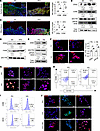 Figure 1
Elevated glucose levels induce the expression of ZEB2 and activate proinflammatory pathways within macrophage populations. Protein expression was assessed by (A) immunostaining for ZEB2 (red) and CD68 (green) (scale bars: 100 μm [higher magnification] and 500 μm [lower magnification]; n = 3/group) and (B) Western blot analysis of ZEB2, CD68, and p-NF-κB proteins (n = 4/group) in human wound tissue. **P < 0.01 by paired, 2-tailed Student’s t test. Expression of ZEB2 and F4/80 were measured by (C) immunostaining (scale bars: 500 μm, n = 3/group) and (D) Western blot analysis (n = 4/group) in SD-fed and HFD-fed wound tissue from mice on day 7 (d7). *P < 0.05 by paired, 2-tailed Student’s t test. Effect of HG (25 mM D-glucose) induction on ZEB2 and p-NF-κB was examined by (E) Western blot and (F) immunostaining (scale bars: 30 μm). **P < 0.01 by paired, 2-tailed Student’s t test (n = 3). Inflammatory status of HG-treated RAW264.7 cells was assessed by (G) immunofluorescence analysis of ARG1 and iNOS (scale bars: 30 μm, n = 3) and (H and I) flow cytometric analysis of macrophage surface markers (n = 3). (J) Representative images of immunostaining for iNOS, ARG1, and IL-1β in PG-treated, IL-4–treated (20 ng/mL for 24 hours), and IL-4 + HG–treated RAW264.7 cells (scale bars: 30 μm; n = 3). Experiments were repeated 3 times independently. Data are expressed as mean ± standard deviation. ND, nondiabetic; DFU, diabetic foot ulcer; SD, standard diet; HFD, high-fat diet; PG, physiological glucose level; HG, hyperglycemia.
To comprehend the impact of hyperglycemia on ZEB2 expression and the inflammatory state in macrophages, murine RAW264.7 macrophages were treated with high glucose (HG, 25 mM) and compared with cells maintained at a physiological glucose (PG) level (5 mM). We observed a surge in ZEB2 protein expression accompanied by NF-κB activation (Figure 1, E and F). In addition, the gene expression profiles of various inflammatory factors (Supplemental Figure 1, E and F) showed elevated levels of proinflammatory cytokines monocyte chemoattractant protein-1 (MCP1), induced nitrogen oxide synthase (iNOS), and IL-1β (Figure 1G and Supplemental Figure 1G) compared with antiinflammatory cytokines such as Arginase 1 (ARG1) and IL-10 (Supplemental Figure 1H), indicating a proinflammatory phenotype in hyperglycemic macrophages. To further investigate macrophage polarization in response to HG, we conducted flow cytometric analysis of M1 (CD80+, CD86+, iNOS+) and M2 (CD163+) phenotypic markers. A substantial increase in the CD80+CD163– (56.46 ± 2.61-fold), CD86+ (13.83 ± 0.46-fold), and iNOS+ (73.5 ± 1.96-fold) macrophage populations was observed in HG-treated RAW264.7 cells compared with the control (Figure 1, H and I). Furthermore, HG treatment significantly increased the gene (Supplemental Figure 1I) and protein (Figure 1J and Supplemental Figure 1J) levels of proinflammatory cytokines even in IL-4–induced macrophages. Interestingly, the HG-induced proinflammatory response was abolished in Zeb2-silenced macrophages, as demonstrated by the decrease in proinflammatory marker (Mhc2, Cd80, Cd137, Il1b, and Il6) and increase in antiinflammatory marker (Cd206, Il4) expression (Figure 2A).
 Figure 2
Zeb2 silencing diminishes polarity of murine macrophages. Downregulation of proinflammatory status measured by (A) relative mRNA expression profile in Zeb2-silenced (100 nM Zeb2 siRNA) HG-treated RAW264.7 cells. **P < 0.01 by paired, 2-tailed Student’s t test. Relative mRNA expression of MLDTF markers in (B) human wound patients’ samples, (C) d7 mouse wound tissue, and (D) BMDMs isolated from SD- and HFD-fed mice were assessed by qPCR. *P < 0.05, **P < 0.01, ***P < 0.001 by paired, 2-tailed Student’s t test. (E) Relative MLDTF mRNA expression and (F) immunostaining of OCT2 protein (scale bars: 30 μm, n = 3) also assessed in HG-treated RAW264.7 cells. **P < 0.01, ***P < 0.001, #P < 0.0001 by paired, 2-tailed Student’s t test. MLDTF expression was determined by (G) relative mRNA expression analysis and (H) immunostaining images for OCT2 (scale bars: 30 μm, n = 3) in Zeb2-inhibited HG-treated macrophages. **P < 0.01, ***P < 0.001, #P < 0.0001 by paired, 2-tailed Student’s t test. Experiments were repeated 3 times independently. Data are expressed as mean ± standard deviation. NS, not significant; ND, nondiabetic; DFU, diabetic foot ulcer; SD, standard diet; HFD, high-fat diet; PG, physiological glucose level; HG, hyperglycemia.
The expression of lineage-specifying and lineage-determining genes in hematopoietic stem cells (HSCs) varies dynamically in response to microenvironmental cues, guiding the generation of diverse cellular phenotypes (13). To examine the impact of hyperglycemia on HSC lineage differentiation, we looked at the expression patterns of major myeloid lineage–directed transcription factors (MLDTFs), such as Pu.1, Klf6, Oct2, Runx1, and Cebpa. Human diabetic wound tissues exhibited a marked increase in OCT2 and KLF6 expression (Figure 2B), which was consistent with the elevated expression of Oct2, Klf6, and Pu.1 in peripheral wounds of diabetic mice (Figure 2C), but no significant changes were detected in Runx1 and Cebpa expression (Supplemental Figure 2A), suggesting enhanced myeloid lineage differentiation and polarization toward a proinflammatory wound environment. To understand the effect of hyperglycemia on central hematopoietic sources, we examined MLDTF and Zeb2 expression in differentiated bone marrow–derived macrophages (BMDMs) from SD- and HFD-fed mice. Zeb2 and Klf6 expression was significantly upregulated under diabetic conditions, while other factors were unaffected (Figure 2D), suggesting a potential role in diabetes-associated transcriptional reprogramming. Correspondingly, elevated glucose levels significantly upregulated Oct2, Klf6, and Pu.1 gene expression (Figure 2E) and OCT2 protein expression (Figure 2F), while the expression of other myeloid regulators, Runx1 and Cebpa, remained unaltered (Supplemental Figure 2B). Surprisingly, Zeb2 silencing notably diminished HG-induced MLDTF expression at both the gene and protein level (Figure 2, G and H). Collectively, these findings highlight a potential regulatory role for ZEB2 in modulating MLDTFs and warrant further mechanistic investigation.
Zeb2 silencing shields macrophages from HG-induced inflammation by blocking proinflammatory phenotype. Chronic hyperglycemia perturbs glucose metabolism, resulting in elevated acetyl-CoA levels (14), and promotes proinflammatory gene expression primarily through HATs such as P300 (15) and HAT1 (16). The HATs P300, HAT1, and monocytic zinc finger 1 (MOZ1) play a crucial role in promoting NF-κB–mediated inflammatory responses (17–19). Therefore, we sought to analyze the expression profiles of different HATs under hyperglycemic conditions and investigate how they might influence the expression of ZEB2 in the wound microenvironment. A significant upregulation of P300, Hat1, and Moz1 gene expression, as well as P300 and HAT1 protein expression, was found in macrophages exposed to HG conditions (Figure 3, A and B). Similar elevations were observed in the wound tissue from patients with DFU (Figure 3, C and D) and in diabetic mice (Figure 3, E and F), relative to their respective controls. Differentiated BMDMs derived from HFD mice also showed an upward trend in P300 and Moz1 RNA expression (Supplemental Figure 3A). Previous quantitative acetylome analysis revealed substantial hyperacetylation of multiple proteins, including the p65 subunit of NF-κB at the Lys310 residue, under HG conditions (20). This modification was strongly associated with the proinflammatory phenotype observed in the macrophage population (21).
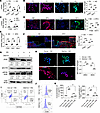 Figure 3
Inhibiting Zeb2 safeguards against hyperglycemia-induced macrophage inflammation and prevents their polarization. Expression profile of HATs upon induction with HG was determined based on (A) relative mRNA abundance by qPCR and (B) immunostaining for P300 and HAT1 (scale bars: 30 μm, n = 3). *P < 0.05, **P < 0.01, ***P < 0.001 by paired, 2-tailed Student’s t test. Expression profile of HATs in human wound patient samples by (C) mRNA expression and (D) tissue immunostaining for P300 and HAT1 (scale bars: 100 μm, n = 3/group). *P < 0.05, ***P < 0.001, #P < 0.0001 by paired, 2-tailed Student’s t test. HAT expression in d7 mouse wound tissue by (E) relative mRNA expression and (F) tissue immunostaining with P300 (red) and HAT1 (green) antibodies (scale bars: 100 μm [higher magnification] and 500 μm [lower magnification]; n = 3/group). *P < 0.05, **P < 0.01, ***P < 0.001 by paired, 2-tailed Student’s t test. (G) The effect of Zeb2 inhibition was assessed by Western blot analysis of ZEB2 and p-NF-κB. The reduction in proinflammatory status upon Zeb2 inhibition revealed by (H) immunostaining (scale bars: 30 μm, n = 3) and (I and J) flow cytometric analysis of macrophage surface markers (n = 3). **P < 0.01 by paired, 2-tailed Student’s t test. (K) Culture media were analyzed for IL-1β and TNF-α by ELISA in control siRNA (Con-si) + HG and Zeb2 siRNA (Zeb2-si) + HG groups (n = 3). ***P < 0.001, #P < 0.0001 assessed with 1-way ANOVA followed by Tukey’s post hoc test. Experiments were repeated 3 times independently. Data are expressed as mean ± standard deviation. NS, not significant; ND, nondiabetic; DFU, diabetic foot ulcer; SD, standard diet; HFD, high-fat diet; PG, physiological glucose level; HG, hyperglycemia.
To investigate the impact of ZEB2 on macrophage lineage and its inflammatory state, cells were transfected with either control siRNA or Zeb2 siRNA (Supplemental Figure 3B). Silencing Zeb2 expression led to a reduction in MLDTF mRNA (Oct2, Klf6, and Pu.1) and OCT2 protein levels (Figure 2G and H), and was associated with decreased activation of NF-κB (Figure 3G and Supplemental Figure 3C), which reconfirms that NF-κB directly regulates PU.1 and OCT2 (22, 23). Furthermore, Zeb2-silenced cells exhibited a marked decrease in proinflammatory markers alongside an increase in antiinflammatory markers, observed at both the gene and protein level (Figure 2A, Figure 3H, and Supplemental Figure 3D). Flow cytometric analysis of CD80+CD163– (Figure 3I and Supplemental Figure 3E), CD86+, and iNOS+ (Figure 3J and Supplemental Figure 3F) macrophage populations, along with ELISA measurements of TNF-α and IL-1β levels (Figure 3K), further confirmed the reduction in proinflammatory markers following Zeb2 silencing in hyperglycemic conditions (Figure 3K). Building on previous research that showed elevated ZEB2 expression reduced the NF-κB–mediated increase in proinflammatory cytokines triggered by LPS (24), whereas chronic TNF-α stimulation led to Zeb2 upregulation (25), our study uncovers what we believe is a new insight: silencing Zeb2 expression withdraws the hyperglycemia-induced proinflammatory state in macrophages.
Pathogenic wound complications alleviated in Zeb2-ablated diabetic mice. The effect of Zeb2 inhibition was assessed in a wound model using STZ-administered HFD mice. Intradermal administration of Zeb2 antisense oligonucleotides (ASOs) at the wound edge led to a significant reduction in Zeb2 expression (Supplemental Figure 4A). Suppression of Zeb2 expression in these mice was associated with improved healing (Figure 4A), confirmed by a reduction in wound bed area (Figure 4B) observed through H&E staining (Supplemental Figure 4B) compared with diabetic mice. Zeb2 inhibition displayed a substantially intact epidermis and dermis, with an organized fibrous collagen structure, resembled the histological features of normal skin. The presence of developing hair follicles indicated successful healing of the dermal layer. Downregulation of ZEB2 protein expression (Figure 4C and Supplemental Figure 4C) coincided with reduced NF-κB activation (Figure 4C) in post-wound tissue (d3 and d7) of Zeb2 ASO–treated diabetic mice, promoting inflammation resolution and enhancing wound healing. Administration of Zeb2 ASO at the wound edge notably reduced proinflammatory macrophage accumulation by d10 after wounding compared with diabetic controls (Figure 4D). These findings indicate that, although diabetic wounds typically exhibit persistent inflammation, Zeb2 suppression effectively attenuates the inflammatory response, reducing the proinflammatory burden during healing, as evidenced by the decreased levels of Cd80 and Cd86 (M1 macrophage markers) and increased levels of Cd206 and Cd163 (M2 macrophage markers) (Supplemental Figure 4D). On d7 after wounding, Zeb2 ASO treatment significantly downregulated the gene expression profile of MLDTFs (Oct2, Pu.1, and Klf6) (Figure 4E) and proinflammatory cytokines (Il1b, iNos, Il6, and Tnfa), while markedly upregulating antiinflammatory cytokines (Il4 and Il10) (Supplemental Figure 4E) compared with diabetic controls. Immunohistochemical analysis further demonstrated a significant elevation of ARG1 (Figure 4F and Supplemental Figure 4F), and time-dependent suppression of IL-1β (Figure 4G and Supplemental Figure 4G) and iNOS expression within the wound microenvironment (Figure 4H). This shift in macrophage phenotype indicates a move toward a more reparative and less inflammatory environment, which contributed to the improved healing process in diabetic wounds.
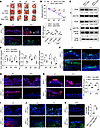 Figure 4
The suppression of Zeb2 ameliorated wound-healing complications in STZ-induced HFD mouse model. (A) Gross photographs of wounds (n = 3 mice/group) during healing at different time points in different groups. (B) Healing curve showing wound size of original wound versus time in days (n = 3 mice/group). **P < 0.01, #P < 0.0001 by paired, 2-tailed Student’s t test. (C) Expression of ZEB2 and p-NF-κB protein assessed by Western blot in d3 and d7 mouse wound tissue. (D) Inflammatory status of the wound tissue assessed by the immunostaining for CD163 (green) and CD80 (red) in diabetic groups treated with Con ASO and Zeb2 ASO (250 μM/100 μL/wound) (scale bars: 500 μm, n = 3 mice/group). *P < 0.05, **P < 0.01 by paired, 2-tailed Student’s t test. (E) Reduced MLDTF expression upon Zeb2 inhibition in d10 murine wound tissue was assessed by relative mRNA expression. *P < 0.05, **P < 0.01 by paired, 2-tailed Student’s t test. Immunostaining for (F) ARG1, (G) IL-1β, and (H) iNOS was performed in d3 and d7 wound tissue to represent the inflammatory status upon Zeb2 inhibition at the wound site (scale bars: 500 μm, n = 3 mice/group). **P < 0.01 by paired, 2-tailed Student’s t test. Representative immunostaining images for (I) CD31 in d7, (J) αSMA in d7 and d10, and (K) CK14 in d10 mouse wound tissue for neoangiogenesis, remodeling, and reepithelialization status in the wound tissue upon Zeb2 inhibition (scale bars: 200 μm, n = 3 mice/group). **P < 0.01 by paired, 2-tailed Student’s t test. Data are expressed as mean ± standard deviation. NS, not significant; SD, standard diet; HFD, high-fat diet.
In wounds, the M2 macrophage phenotype is known to foster an environment, promotes new blood vessel formation, aiding tissue regeneration and accelerating tissue repair (26). In this context, examining the effect of Zeb2 inhibition on proangiogenic markers could provide valuable insights into chronic diabetic wound healing. Suppression of Zeb2 expression led to a marked increase in mRNA expression of key angiogenic factors Tgfb, Cd31, and Cdh5 (VE-cadherin) on d7 and d10 after wounding (Supplemental Figure 4H), suggesting a correlation between ZEB2 levels and neovascularization. Immunohistochemical staining of d7 post-wound tissue showed a considerable increase in CD31 levels in Zeb2 ASO–treated diabetic mice compared with control ASO–treated (Con ASO–treated) diabetic mice (Figure 4I and Supplemental Figure 4I). Similarly, α-smooth muscle actin (αSMA) levels were notably elevated in wound tissues of Zeb2 ASO–treated diabetic mice on d7 and d10 (Figure 4J and Supplemental Figure 4J). The substantial increase in cytokeratin 14 (CK14) levels in Zeb2 ASO–treated diabetic mouse tissue on d10 suggests a robust and developed epithelial layer compared with Con ASO–treated diabetic mice, which exhibited a thinner, less mature epithelial tissue, indicating delayed wound healing (Figure 4K). Zeb2 ASO treatment in diabetic wound models shows exceptional promise for accelerating wound closure and enhancing tissue regeneration, providing an advanced strategy for treating chronic nonhealing diabetic wounds.
Delivery of an acetylation inhibitor abrogates hyperglycemia-induced Zeb2 mRNA expression and macrophage inflammation. Histone acetylation is a key epigenetic modification that alters chromatin architecture through weak electrostatic interaction with DNA, leading to increased gene transcription. We found that under hyperglycemic conditions, macrophages in both murine and human wound beds showed higher expression of HATs (Figure 3, A–F), which coincided with altered expression of several genes, including ZEB2 (27), contributing to wound chronicity. To have direct evidence for the role of specific HATs in hyperglycemia-induced Zeb2 expression and inflammation in macrophages, we used C646, a potent and reversible competitive acetylation inhibitor with strong selectivity for P300 over other HATs (28). Treatment with C646 resulted in a significant reduction in the expression of P300 and HAT1 in macrophages exposed to hyperglycemia (Figure 5A). The C646 incubation markedly downregulated hyperglycemia-induced ZEB2 expression and NF-κB activation, as evidenced by immunoblot and immunocytochemical analyses (Figure 5B and Supplemental Figure 5A). In addition, immunocytochemical analysis revealed that C646 treatment markedly reduced iNOS and IL-1β levels in hyperglycemia-exposed macrophages, with no significant changes in ARG1 and MCP1 (Figure 5C and Supplemental Figure 5B). Chromatin immunoprecipitation (ChIP) assays demonstrated a pronounced increase in H3K9 hyperacetylation under hyperglycemic conditions; however, C646 treatment decreased the acetylation signature at the ZEB2 promoter (Figure 5D), subsequently reducing its expression in the hyperglycemic state (Figure 5B). Furthermore, C646 treatment significantly reduced the gene expression profiles of proinflammatory markers and MLDTFs in macrophages (Supplemental Figure 5, C and D) and decreased the release of proinflammatory cytokines IL-1β and TNF-α under hyperglycemic conditions (Figure 5E). These findings indicate that C646-mediated suppression of histone acetylation in the ZEB2 promoter prevented the hyperglycemia-induced proinflammatory state in macrophages.
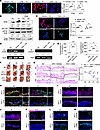 Figure 5
Inhibition of acetyltransferase activity ameliorated proinflammatory burden in hyperglycemic macrophages, even in diabetic wounds. Effect of C646 was assessed by (A) HAT1 and P300 by immunostaining (scale bars: 30 μm, n = 3) and (B) Western blot of ZEB2 and p-NF-κB (n = 3) in RAW264.7 cells upon C646 incubation (20 μM) in HG condition. **P < 0.01, #P < 0.0001 by paired, 2-tailed Student’s t test. (C) Inflammatory status was measured by immunostaining of C646 + HG–treated RAW264.7 cells with iNOS and ARG1 antibodies (scale bars: 30 μm, n = 3). **P < 0.01 by paired, 2-tailed Student’s t test. (D) ChIP fold enrichment was assessed by ChIP-PCR for H3K9Ac and H3K27Ac activity at the ZEB2 promoter in PG-, vehicle + HG–, and C646 + HG–treated cells (n = 3). (E) Cytokine expression profile in culture media was analyzed for IL-1β and TNF-α by ELISA (n = 3). *P < 0.05, ***P < 0.001, #P < 0.0001 by 1-way ANOVA followed by Tukey’s post hoc test. (F) Photographs of wound healing at different time points in SD, HFD + vehicle, and HFD + C646 groups (n = 3 mice/group). (G) H&E staining of wound images (scale bars: 1000 μm, n = 3 mice/group) and healing curve showing of original wound size versus time in days (n = 3 mice/group). **P < 0.01, **P < 0.01 by paired, 2-tailed Student’s t test. (H) Immunostaining of mouse wound tissue with ZEB2 (red) and F4/80 (green) antibodies in HFD group treated with or without C646 (10 μg/wound) (scale bars: 100 μm [higher magnification] and 500 μm [lower magnification]; n = 3 mice/group). *P < 0.05 by paired, 2-tailed Student’s t test. Inflammatory status was assessed by immunostaining for (I) TNF-α in d7 and d10, (J) IL-1β in d7, and (K) iNOS in d10 mouse wound tissue (scale bars: 200 μm, n = 3 mice/group). The remodeling phase was examined by immunostaining for (L) αSMA in d7 and (M) CK14 in d10 mouse wound tissue (scale bars: 200 μm, n = 3 mice/group). Data are expressed as mean ± standard deviation. NS, not significant; SD, standard diet; HFD, high-fat diet; PG, physiological glucose level; HG, hyperglycemia.
Intradermal delivery of C646 to the wound edge in diabetic mice enhanced healing (Figure 5F) despite diabetes-associated impediments showing a marked reduction in wound size over time. Histological H&E staining of wound tissue cross sections showed a progressive reduction in wound bed depth in C646-treated diabetic mice compared with untreated diabetic controls (Figure 5G). By d7 after wounding, the C646-treated group displayed a thin layer of hyperplastic epidermis, whereas wounds in the untreated diabetic group remained fully open with no epidermal formation. Moreover, there was significant accumulation of inflammatory cells in the wounds of mice on d7, which was considerably reduced in C646-treated diabetic mice (Figure 5G). C646-treated diabetic wounds exhibited significantly lower ZEB2 expression compared with untreated diabetic wounds, as evidenced by immunohistochemical (Figure 5H and Supplemental Figure 6A) and Western blot analyses (Supplemental Figure 6B). Notably, the suppression of NF-κB activation in d10 post-wound tissues (Supplemental Figure 6C) provides mechanistic insight into the diminished cytokine production. The healing efficacy was evident through the downregulation of proinflammatory marker gene expression (Supplemental Figure 6D) and cytokine expression profile over the same time period (Supplemental Figure 6E). Immunohistochemical analysis revealed a downregulation of TNF-α on d7 and d10 (Figure 5I and Supplemental Figure 6F), IL-1β on d7 (Figure 5J and Supplemental Figure 6G), and iNOS on d10 (Figure 5K and Supplemental Figure 6H) post-wounding tissue following C646 administration. By d7 after wounding, the C646-treated diabetic mice demonstrated substantial healing progress with increased expression of αSMA and complete epidermal closure (Figure 5L and Supplemental Figure 6I). The reepithelialization of d10 wound tissue was evident by CK14 immunostaining, unlike the untreated diabetic groups (Figure 5M and Supplemental Figure 6J).
In summary, our findings highlight the critical insight of epigenetic regulation of ZEB2 in regulating chronic diabetic wound inflammation. Thus, suppression of Zeb2 utilizing ASOs or small-molecule HAT inhibitors in diabetic wounds potentially reduces the inflammatory burden at the wound site and expedites the healing process.


