
Research ArticleImmunologyOncology
Open Access |  10.1172/jci.insight.191539
Improving immunotherapy responses by dual inhibition of macrophage migration inhibitory factor and PD-1
Thuy T. Tran,1 Gabriela Athziri Sánchez-Zuno,2 Lais Osmani,2 Jasmine Caulfield,1 Caroline Naomi Valdez,1 Marta Piecychna,2 Lin Leng,2 Michelle E. Armstrong,3 Seamas C. Donnelly,3 Carlo B. Bifulco,4,5 Terri Clister,6 Rajan P. Kulkarni,6 Lin Zhang,1 Mario Sznol,1 Lucia Jilaveanu,1 Harriet M. Kluger,1 Insoo Kang,2 and Richard Bucala1,2
1Yale Cancer Center, Department of Internal Medicine, and
2Section of Rheumatology, Allergy & Immunology, Department of Internal Medicine, Yale School of Medicine, New Haven, Connecticut, USA.
3Department of Medicine, Trinity College Dublin, Dublin, Ireland.
4Earle A. Chiles Research Institute, Providence Cancer Institute, Portland, Oregon, USA.
5Department of Pathology, Yale School of Medicine, New Haven, Connecticut, USA.
6Department of Dermatology, Oregon Health & Science University, Portland, Oregon, USA.
Address correspondence to: Thuy T. Tran, 333 Cedar Street, PO Box 208028, New Haven, Connecticut 06520-8028, USA. Phone: 203.988.8807; Email: thuy.tran@yale.edu.
Find articles by
Tran, T.
in:
PubMed
|
Google Scholar
|

1Yale Cancer Center, Department of Internal Medicine, and
2Section of Rheumatology, Allergy & Immunology, Department of Internal Medicine, Yale School of Medicine, New Haven, Connecticut, USA.
3Department of Medicine, Trinity College Dublin, Dublin, Ireland.
4Earle A. Chiles Research Institute, Providence Cancer Institute, Portland, Oregon, USA.
5Department of Pathology, Yale School of Medicine, New Haven, Connecticut, USA.
6Department of Dermatology, Oregon Health & Science University, Portland, Oregon, USA.
Address correspondence to: Thuy T. Tran, 333 Cedar Street, PO Box 208028, New Haven, Connecticut 06520-8028, USA. Phone: 203.988.8807; Email: thuy.tran@yale.edu.
Find articles by Sánchez-Zuno, G. in: PubMed | Google Scholar
1Yale Cancer Center, Department of Internal Medicine, and
2Section of Rheumatology, Allergy & Immunology, Department of Internal Medicine, Yale School of Medicine, New Haven, Connecticut, USA.
3Department of Medicine, Trinity College Dublin, Dublin, Ireland.
4Earle A. Chiles Research Institute, Providence Cancer Institute, Portland, Oregon, USA.
5Department of Pathology, Yale School of Medicine, New Haven, Connecticut, USA.
6Department of Dermatology, Oregon Health & Science University, Portland, Oregon, USA.
Address correspondence to: Thuy T. Tran, 333 Cedar Street, PO Box 208028, New Haven, Connecticut 06520-8028, USA. Phone: 203.988.8807; Email: thuy.tran@yale.edu.
Find articles by Osmani, L. in: PubMed | Google Scholar
1Yale Cancer Center, Department of Internal Medicine, and
2Section of Rheumatology, Allergy & Immunology, Department of Internal Medicine, Yale School of Medicine, New Haven, Connecticut, USA.
3Department of Medicine, Trinity College Dublin, Dublin, Ireland.
4Earle A. Chiles Research Institute, Providence Cancer Institute, Portland, Oregon, USA.
5Department of Pathology, Yale School of Medicine, New Haven, Connecticut, USA.
6Department of Dermatology, Oregon Health & Science University, Portland, Oregon, USA.
Address correspondence to: Thuy T. Tran, 333 Cedar Street, PO Box 208028, New Haven, Connecticut 06520-8028, USA. Phone: 203.988.8807; Email: thuy.tran@yale.edu.
Find articles by Caulfield, J. in: PubMed | Google Scholar
1Yale Cancer Center, Department of Internal Medicine, and
2Section of Rheumatology, Allergy & Immunology, Department of Internal Medicine, Yale School of Medicine, New Haven, Connecticut, USA.
3Department of Medicine, Trinity College Dublin, Dublin, Ireland.
4Earle A. Chiles Research Institute, Providence Cancer Institute, Portland, Oregon, USA.
5Department of Pathology, Yale School of Medicine, New Haven, Connecticut, USA.
6Department of Dermatology, Oregon Health & Science University, Portland, Oregon, USA.
Address correspondence to: Thuy T. Tran, 333 Cedar Street, PO Box 208028, New Haven, Connecticut 06520-8028, USA. Phone: 203.988.8807; Email: thuy.tran@yale.edu.
Find articles by Valdez, C. in: PubMed | Google Scholar
1Yale Cancer Center, Department of Internal Medicine, and
2Section of Rheumatology, Allergy & Immunology, Department of Internal Medicine, Yale School of Medicine, New Haven, Connecticut, USA.
3Department of Medicine, Trinity College Dublin, Dublin, Ireland.
4Earle A. Chiles Research Institute, Providence Cancer Institute, Portland, Oregon, USA.
5Department of Pathology, Yale School of Medicine, New Haven, Connecticut, USA.
6Department of Dermatology, Oregon Health & Science University, Portland, Oregon, USA.
Address correspondence to: Thuy T. Tran, 333 Cedar Street, PO Box 208028, New Haven, Connecticut 06520-8028, USA. Phone: 203.988.8807; Email: thuy.tran@yale.edu.
Find articles by Piecychna, M. in: PubMed | Google Scholar
1Yale Cancer Center, Department of Internal Medicine, and
2Section of Rheumatology, Allergy & Immunology, Department of Internal Medicine, Yale School of Medicine, New Haven, Connecticut, USA.
3Department of Medicine, Trinity College Dublin, Dublin, Ireland.
4Earle A. Chiles Research Institute, Providence Cancer Institute, Portland, Oregon, USA.
5Department of Pathology, Yale School of Medicine, New Haven, Connecticut, USA.
6Department of Dermatology, Oregon Health & Science University, Portland, Oregon, USA.
Address correspondence to: Thuy T. Tran, 333 Cedar Street, PO Box 208028, New Haven, Connecticut 06520-8028, USA. Phone: 203.988.8807; Email: thuy.tran@yale.edu.
Find articles by
Leng, L.
in:
PubMed
|
Google Scholar
|
1Yale Cancer Center, Department of Internal Medicine, and
2Section of Rheumatology, Allergy & Immunology, Department of Internal Medicine, Yale School of Medicine, New Haven, Connecticut, USA.
3Department of Medicine, Trinity College Dublin, Dublin, Ireland.
4Earle A. Chiles Research Institute, Providence Cancer Institute, Portland, Oregon, USA.
5Department of Pathology, Yale School of Medicine, New Haven, Connecticut, USA.
6Department of Dermatology, Oregon Health & Science University, Portland, Oregon, USA.
Address correspondence to: Thuy T. Tran, 333 Cedar Street, PO Box 208028, New Haven, Connecticut 06520-8028, USA. Phone: 203.988.8807; Email: thuy.tran@yale.edu.
Find articles by Armstrong, M. in: PubMed | Google Scholar
1Yale Cancer Center, Department of Internal Medicine, and
2Section of Rheumatology, Allergy & Immunology, Department of Internal Medicine, Yale School of Medicine, New Haven, Connecticut, USA.
3Department of Medicine, Trinity College Dublin, Dublin, Ireland.
4Earle A. Chiles Research Institute, Providence Cancer Institute, Portland, Oregon, USA.
5Department of Pathology, Yale School of Medicine, New Haven, Connecticut, USA.
6Department of Dermatology, Oregon Health & Science University, Portland, Oregon, USA.
Address correspondence to: Thuy T. Tran, 333 Cedar Street, PO Box 208028, New Haven, Connecticut 06520-8028, USA. Phone: 203.988.8807; Email: thuy.tran@yale.edu.
Find articles by Donnelly, S. in: PubMed | Google Scholar
1Yale Cancer Center, Department of Internal Medicine, and
2Section of Rheumatology, Allergy & Immunology, Department of Internal Medicine, Yale School of Medicine, New Haven, Connecticut, USA.
3Department of Medicine, Trinity College Dublin, Dublin, Ireland.
4Earle A. Chiles Research Institute, Providence Cancer Institute, Portland, Oregon, USA.
5Department of Pathology, Yale School of Medicine, New Haven, Connecticut, USA.
6Department of Dermatology, Oregon Health & Science University, Portland, Oregon, USA.
Address correspondence to: Thuy T. Tran, 333 Cedar Street, PO Box 208028, New Haven, Connecticut 06520-8028, USA. Phone: 203.988.8807; Email: thuy.tran@yale.edu.
Find articles by Bifulco, C. in: PubMed | Google Scholar
1Yale Cancer Center, Department of Internal Medicine, and
2Section of Rheumatology, Allergy & Immunology, Department of Internal Medicine, Yale School of Medicine, New Haven, Connecticut, USA.
3Department of Medicine, Trinity College Dublin, Dublin, Ireland.
4Earle A. Chiles Research Institute, Providence Cancer Institute, Portland, Oregon, USA.
5Department of Pathology, Yale School of Medicine, New Haven, Connecticut, USA.
6Department of Dermatology, Oregon Health & Science University, Portland, Oregon, USA.
Address correspondence to: Thuy T. Tran, 333 Cedar Street, PO Box 208028, New Haven, Connecticut 06520-8028, USA. Phone: 203.988.8807; Email: thuy.tran@yale.edu.
Find articles by Clister, T. in: PubMed | Google Scholar
1Yale Cancer Center, Department of Internal Medicine, and
2Section of Rheumatology, Allergy & Immunology, Department of Internal Medicine, Yale School of Medicine, New Haven, Connecticut, USA.
3Department of Medicine, Trinity College Dublin, Dublin, Ireland.
4Earle A. Chiles Research Institute, Providence Cancer Institute, Portland, Oregon, USA.
5Department of Pathology, Yale School of Medicine, New Haven, Connecticut, USA.
6Department of Dermatology, Oregon Health & Science University, Portland, Oregon, USA.
Address correspondence to: Thuy T. Tran, 333 Cedar Street, PO Box 208028, New Haven, Connecticut 06520-8028, USA. Phone: 203.988.8807; Email: thuy.tran@yale.edu.
Find articles by Kulkarni, R. in: PubMed | Google Scholar
1Yale Cancer Center, Department of Internal Medicine, and
2Section of Rheumatology, Allergy & Immunology, Department of Internal Medicine, Yale School of Medicine, New Haven, Connecticut, USA.
3Department of Medicine, Trinity College Dublin, Dublin, Ireland.
4Earle A. Chiles Research Institute, Providence Cancer Institute, Portland, Oregon, USA.
5Department of Pathology, Yale School of Medicine, New Haven, Connecticut, USA.
6Department of Dermatology, Oregon Health & Science University, Portland, Oregon, USA.
Address correspondence to: Thuy T. Tran, 333 Cedar Street, PO Box 208028, New Haven, Connecticut 06520-8028, USA. Phone: 203.988.8807; Email: thuy.tran@yale.edu.
Find articles by Zhang, L. in: PubMed | Google Scholar
1Yale Cancer Center, Department of Internal Medicine, and
2Section of Rheumatology, Allergy & Immunology, Department of Internal Medicine, Yale School of Medicine, New Haven, Connecticut, USA.
3Department of Medicine, Trinity College Dublin, Dublin, Ireland.
4Earle A. Chiles Research Institute, Providence Cancer Institute, Portland, Oregon, USA.
5Department of Pathology, Yale School of Medicine, New Haven, Connecticut, USA.
6Department of Dermatology, Oregon Health & Science University, Portland, Oregon, USA.
Address correspondence to: Thuy T. Tran, 333 Cedar Street, PO Box 208028, New Haven, Connecticut 06520-8028, USA. Phone: 203.988.8807; Email: thuy.tran@yale.edu.
Find articles by Sznol, M. in: PubMed | Google Scholar
1Yale Cancer Center, Department of Internal Medicine, and
2Section of Rheumatology, Allergy & Immunology, Department of Internal Medicine, Yale School of Medicine, New Haven, Connecticut, USA.
3Department of Medicine, Trinity College Dublin, Dublin, Ireland.
4Earle A. Chiles Research Institute, Providence Cancer Institute, Portland, Oregon, USA.
5Department of Pathology, Yale School of Medicine, New Haven, Connecticut, USA.
6Department of Dermatology, Oregon Health & Science University, Portland, Oregon, USA.
Address correspondence to: Thuy T. Tran, 333 Cedar Street, PO Box 208028, New Haven, Connecticut 06520-8028, USA. Phone: 203.988.8807; Email: thuy.tran@yale.edu.
Find articles by Jilaveanu, L. in: PubMed | Google Scholar
1Yale Cancer Center, Department of Internal Medicine, and
2Section of Rheumatology, Allergy & Immunology, Department of Internal Medicine, Yale School of Medicine, New Haven, Connecticut, USA.
3Department of Medicine, Trinity College Dublin, Dublin, Ireland.
4Earle A. Chiles Research Institute, Providence Cancer Institute, Portland, Oregon, USA.
5Department of Pathology, Yale School of Medicine, New Haven, Connecticut, USA.
6Department of Dermatology, Oregon Health & Science University, Portland, Oregon, USA.
Address correspondence to: Thuy T. Tran, 333 Cedar Street, PO Box 208028, New Haven, Connecticut 06520-8028, USA. Phone: 203.988.8807; Email: thuy.tran@yale.edu.
Find articles by Kluger, H. in: PubMed | Google Scholar
1Yale Cancer Center, Department of Internal Medicine, and
2Section of Rheumatology, Allergy & Immunology, Department of Internal Medicine, Yale School of Medicine, New Haven, Connecticut, USA.
3Department of Medicine, Trinity College Dublin, Dublin, Ireland.
4Earle A. Chiles Research Institute, Providence Cancer Institute, Portland, Oregon, USA.
5Department of Pathology, Yale School of Medicine, New Haven, Connecticut, USA.
6Department of Dermatology, Oregon Health & Science University, Portland, Oregon, USA.
Address correspondence to: Thuy T. Tran, 333 Cedar Street, PO Box 208028, New Haven, Connecticut 06520-8028, USA. Phone: 203.988.8807; Email: thuy.tran@yale.edu.
Find articles by Kang, I. in: PubMed | Google Scholar
1Yale Cancer Center, Department of Internal Medicine, and
2Section of Rheumatology, Allergy & Immunology, Department of Internal Medicine, Yale School of Medicine, New Haven, Connecticut, USA.
3Department of Medicine, Trinity College Dublin, Dublin, Ireland.
4Earle A. Chiles Research Institute, Providence Cancer Institute, Portland, Oregon, USA.
5Department of Pathology, Yale School of Medicine, New Haven, Connecticut, USA.
6Department of Dermatology, Oregon Health & Science University, Portland, Oregon, USA.
Address correspondence to: Thuy T. Tran, 333 Cedar Street, PO Box 208028, New Haven, Connecticut 06520-8028, USA. Phone: 203.988.8807; Email: thuy.tran@yale.edu.
Find articles by
Bucala, R.
in:
PubMed
|
Google Scholar
|
Published October 22, 2025 - More info
JCI Insight. 2025;10(20):e191539. https://doi.org/10.1172/jci.insight.191539.
© 2025 Tran et al. This work is licensed under the Creative Commons Attribution 4.0 International License. To view a copy of this license, visit http://creativecommons.org/licenses/by/4.0/.
Received: January 23, 2025; Accepted: September 4, 2025

-
Results
Targeting both MIF and PD-1 improves antitumor responses. We first assessed anti-MIF and anti–PD-1 antibody treatments in C57BL/6J mice injected subcutaneously with YUMMER1.7 melanoma cells. As expected, prolonged survival was observed for YUMMER1.7 tumor–bearing animals receiving PD-1 inhibition compared with the control (ctrl/isotype) group (P = 0.0025). MIF inhibition produced similar results to anti–PD-1 (P = 0.001 for ctrl versus anti-MIF, and P = 0.89 for anti–PD-1 versus anti-MIF). The dual-inhibition treatment (anti–PD-1/anti-MIF) compared with anti–PD-1 monotherapy or the control (ctrl/isotype) group resulted in superior survival (P = 0.08 and P < 0.0001, respectively) (Figure 1, A and B). Given that most isotype-treated animals were sacrificed by day 31 because of tumor growth >1,000 mm3, treatment was stopped to assess the impact on tumor growth in the absence of drug. Notably, 30% (3/10) of animals with initial response to anti–PD-1/anti-MIF had regrowth after treatment cessation while 70% (7/10) of these mice remained in response (Figure 1C). An analysis of the area under the curve (AUC) for tumor growth at day 17 revealed a significant reduction with dual anti–PD-1/anti-MIF treatment compared with the ctrl group (P = 0.01) (Figure 1D). Representative H&E stains of tumors highlighted areas of necrosis and immune infiltration (Figure 1E). Similar survival outcomes were observed in the colorectal MC38 model (Figure 1F), with most mice treated with anti–PD-1/anti-MIF exhibiting superior tumor rejection (Figure 1G). The AUC analysis at day 17 demonstrated a significant reduction in tumor size with dual anti–PD-1/anti-MIF treatment as well as anti–PD-1 and anti-MIF monotherapy when compared with the ctrl group (P < 0.001, P < 0.001, and P = 0.0176, respectively) (Figure 1H).To evaluate the presence of tumor immune memory in the YUMMER1.7 model, we rechallenged animals that had a complete rejection of tumor with a larger tumor load and observed the animals without treatment (Supplemental Figure 1A; supplemental material available online with this article; https://doi.org/10.1172/jci.insight.191539DS1). All animals had rapid rejection of their tumors. Animals then were challenged via intracardiac injection of tumor cells to model metastatic dissemination. A robust and prolonged antitumor immune response was evident (Supplemental Figure 1B).
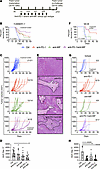 Figure 1
Anti–PD-1/anti-MIF improves survival and tumor responses. (A) Mice were randomized 7 days after tumor implantation and treated with anti–PD-1, anti-MIF, both antibodies, or isotype control (ctrl). Tumor volume and survival were monitored. (B and C) Kaplan-Meier survival analysis (log-rank test) and individual YUMMER1.7 tumor volumes over time. (D) Area under the curve (AUC) analysis (1-way ANOVA with Bonferroni correction) confirmed reduced tumor burden with combination therapy; endpoint was tumor volume > 1,000 mm³. (E) H&E staining (10× original magnification) of YUMMER1.7 tumors showed increased necrosis (dashed lines) and lymphocytic infiltration (*) with dual treatment. (F and G) Kaplan-Meier survival curves (log-rank test) showed improved survival and reduced tumor growth in the MC38 model with dual therapy. (H) By day 17, MC38 tumor growth was delayed in all treatment groups versus ctrl (1-way ANOVA with Bonferroni correction). Bars indicate SEM; circles show individual data points. Statistical significance is denoted as *P < 0.05, ****P < 0.0001.
The YUMMER1.7 and MC38 tumors are established models for studying sensitivity to ICIs. We next assessed the effect of dual treatment in the widely utilized but less immune-sensitive B16F10 melanoma cells, which differ from YUMMER1.7 in lacking the typical oncogenic mutations and diversity of DNA mutations associated with human melanoma (14). No difference in tumor progression or percentage survival was observed between the different treatments in this model, consistent with B16F10 representing a more immunologically “cold” tumor (P > 0.05) (Supplemental Figure 2A). MIF is expressed by both tumor and immune cells (15), and high MIF levels are found within and secreted from YUMMER1.7 and MC38 cells (Figure 2A). Given the potential of tumor- or host-derived MIF in affecting tumor growth and the immune response, we assessed tumor growth in MIF gene–knockout (Mif–/– or MIF-KO) mice. YUMMER1.7 tumor growth was significantly delayed in the MIF-KO group compared with WT controls (P = 0.0095) (Figure 2B). Furthermore, AUC analysis at day 14 indicated a marked reduction in overall tumor burden in MIF-KO animals compared with WT (P = 0.0002) (Figure 2C).
 Figure 2
Reduced MIF expression limits tumor growth and enhances anti–PD-1 efficacy. (A) MIF protein levels were higher in MC38 than YUMMER1.7 cells by Western blot (MIF:Actin ratio) and by ELISA of supernatant and intracellular protein (MIF levels by pg/mL when 20,000 pg of total protein was added) (unpaired t test). (B and C) YUMMER1.7 tumors grew slower in MIF-knockout (KO) mice compared with WT controls, confirmed by growth curves (1-way ANOVA) and AUC analysis (unpaired t test) at day 14. (D and E) Tumors grew slower in low-MIF CATT5 mice versus high-MIF CATT7 mice, with significantly reduced tumor burden by AUC at day 15 (unpaired t test, P < 0.001). (F and G) Anti–PD-1 treatment further reduced YUMMER1.7 tumor growth in MIF-KO mice (unpaired t test). (H and I) Similar anti–PD-1 effects were seen in CATT5 mice (unpaired t test). Bars indicate SEM; circles show individual data points. Statistical significance is denoted as *P < 0.05, **P < 0.01, ***P < 0.001.
Human MIF transcription is regulated by a 4-nucleotide promoter microsatellite (-794 CATT5-8), with higher CATT repetition associated with increased MIF mRNA expression and MIF protein production (16). To evaluate the potential impact on tumorigenesis of this natural genetic variation in human MIF expression, we examined YUMMER1.7 tumor growth in mice engineered to express the commonly occurring -794 CATT5 low-expression or -794 CATT7 high-expression MIF alleles in place of endogenous murine Mif (17). Notably, the low genotypic human MIF expresser mice showed a similar reduction in tumor burden compared to the high genotypic human MIF expresser mice, mirroring results in the MIF-KO animals. CATT5 mice had a delay in tumor establishment of about 1 week (P = 0.0047) and a reduction in tumor volume by AUC analysis at day 15 when compared with the high genotypic human MIF expresser mice (P < 0.001) (Figure 2, D and E). To assess for differences in tumor versus host TME MIF expression in regulating tumor growth, MIF-deficient YUMMER1.7 cells were generated from a diploid line (Supplemental Figure 3, A and B). YUMMER1.7 diploid Mif–/– tumors grew similarly to parental tumors in MIF WT mice (Supplemental Figure 3C), thus implicating a more important role for MIF in the TME specifically in this model.
When MIF-KO mice with YUMMER1.7 tumors were treated with anti–PD-1, 100% of the animals (n = 5 mice injected bilaterally with tumors) had rapid and complete regression of tumors by day 20 and ongoing antitumor responses after cessation of anti–PD-1 therapy and upon tumor rechallenge, which was significantly improved compared with untreated MIF-KO mice (Figure 2, F and G). Similarly, when CATT5 mice with YUMMER1.7 tumors were treated with anti–PD-1, 3/5 mice had rapid tumor growth. Two of 5 mice had complete regression of their tumors; these animals had ongoing antitumor responses after the cessation of anti–PD-1 therapy and upon later tumor rechallenge, which also was significantly improved compared with untreated CATT7 tumors (Figure 2, H and I).
Anti–PD-1 and anti-MIF combination therapy augments TH1 responses and macrophage activation. To understand the mechanisms underlying anti–PD-1/anti-MIF–induced tumor regression, we first measured representative circulating cytokines and chemokines in plasma collected from YUMMER1.7 tumor–bearing mice prior to and after 2 doses of treatment. When compared with monotherapy, dual therapy was associated with increased TH1 type cytokines (e.g., GM-CSF, IL-12p40, IL-12p70, and IFN-γ) and the T cell–stimulatory cytokines MIG (CXCL9) and IL-1α. Several cytokines and chemokines indicative of macrophage activation (e.g., macrophage inflammatory protein 1β [MIP-1β], MIP-2, M-CSF, and MIP-1α) also were increased by dual therapy when compared with anti–PD-1, anti-MIF, or isotype treatment (Figure 3A).
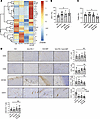 Figure 3
Dual inhibition of PD-1 and MIF enhances cytokines/chemokines associated with TH1 and macrophage activation, increases cDC1s, decreases TAMs, and decreases tumor-associated angiogenesis. (A) Plasma from tumor-bearing mice prior to and after 2 doses of treatment was evaluated (n = 5 per group). Anti–PD-1/anti-MIF treatment enhanced TH1 signaling, as evidenced by increased markers of T cell stimulation (MIG and IL-1α), particularly TH1 cytokines (GM-CSF, IL-12p40, IL-12p70, and IFN-γ), and markers of macrophage activation (MIP-1β, MIP-2, M-CSF, and MIP-1α). (B) Flow cytometry analysis revealed an increase in the cDC1 population (CD45+Ly6C–CD3–CD19–TCR–CD11c+MHCII+CD172loXCR1hi) and a (C) decrease in tumor-associated macrophages (TAMs) (F4/80hiMHCIIhiCD64hi) within YUMMER1.7 tumors upon combined anti–PD-1/anti-MIF therapy compared with ctrl (1-way ANOVA with Bonferroni’s correction). (D) Representative photos of YUMMER1.7 tumors stained with anti-CD3, anti-CD8, anti-CD163, and anti-CD31. Photos taken on 10× original magnification. Treated mice showed significantly lower CD31+ vessel quantity compared with the control group. There was a nonsignificant trend in increased CD8+ T cells upon anti–PD-1/anti-MIF therapy (P = 0.08, 1-way ANOVA with Bonferroni correction). Statistical significance is denoted as *P < 0.05, ***P < 0.001, and ****P < 0.0001.
Anti–PD-1 and anti-MIF combination therapy increases tumor infiltration of type 1 conventional dendritic cells while decreasing tumor-associated macrophages and angiogenesis. We next evaluated YUMMER1.7 tumor-infiltrating immune cell types by flow cytometry after the different antibody treatments. We did not observe any differences in general immune populations, including in T cells and myeloid-derived suppressor cells (MDSCs), between treatment groups (Supplemental Figure 4, A–F). There were an increase in the percentage of type 1 conventional dendritic cells (cDC1s: CD45+Ly6C–CD3–CD19–TCR–CD11c+MHCII+CD172loXCRhi) (P = 0.047) and a corresponding decrease in tumor-associated macrophages (TAMs) (F4/80hiMHCIIhiCD64hi) within YUMMER1.7 tumors after combination anti–PD-1/anti-MIF therapy when compared with the ctrl group (P = 0.039) (Figure 3, B and C). There were no statistical differences in these cell types among the monotherapy treatment groups.
We additionally evaluated the effects of combined PD-1/MIF inhibition by immunohistochemistry of YUMMER1.7 tumors collected after survival analyses in the different treatment groups (Figure 3D). Tumors from anti–PD-1/anti-MIF–treated mice showed a trend toward more CD3+ and CD8+ T cells, fewer CD163+ (M2) macrophages, and higher CD8/CD3 ratios that did not reach statistical significance. Mice treated with mono- or dual therapy, however, did exhibit a significantly lower quantity of CD31+ blood vessels compared with the ctrl group (anti–PD-1 P < 0.0001, anti-MIF P < 0.001, anti–PD-1/anti-MIF P < 0.0001), which is in agreement with MIF’s previously reported action in promoting tumor angiogenesis (18).
scRNA-Seq analysis reveals an expansion of intratumor Cd74/C1q/allograft inflammatory factor 1–expressing macrophages in response to anti-MIF therapy. To better investigate the effect of anti-MIF on the TME, we subcutaneously injected YUMMER1.7 melanoma cells into mice and treated them for either 1 week (2 doses, short treatment) or 2 weeks (4 doses, long treatment) before isolating tumors for single-cell RNA-Seq (scRNA-Seq) analysis (Figure 4A). Unsupervised clustering identified 11 distinct cell populations across both treatment cohorts, with myeloid cells constituting the majority of immune cells within the TME (Figure 4, B–D). Our analysis focused on myeloid-derived populations, which overall showed consistent frequencies between short and long treatment groups (Supplemental Figure 5, A and B). Given this similarity, we will primarily refer to the long treatment cohort in subsequent discussions.
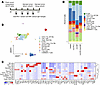 Figure 4
Anti-MIF therapy reshapes myeloid cell diversity within the TME. (A) Scheme of YUMMER1.7 tumor injection and treatment for single-cell RNA-Seq (scRNA-Seq) analysis, including endpoints for the short treatment (2 doses, day 14) and long treatment cohorts (4 doses, day 21). (B) Uniform manifold approximation and projection (UMAP) analysis with nonbiased clustering into 11 cell types from the long treatment cohort. Mo, monocytes; Mø, macrophages. (C) Scaled heatmap of select differentially expressed genes (DEGs) and canonical markers used for cluster annotation. Aif1, allograft inflammatory factor 1. (D) Stacked bar plot of cluster proportions across the different treatment groups. Myeloid cells represent a majority of immune cells within the TME.
There was an expansion of Cd74/C1q/Aif1-expressing macrophages in the anti-MIF treatment groups (anti-MIF alone and anti–PD-1/anti-MIF) when compared with the anti–PD-1 monotherapy or isotype groups (Figure 4D). This finding was validated on flow cytometry analysis (Figure 5A and Supplemental Figure 6). Further subclustering analysis of the myeloid population revealed a diverse population of macrophages and dendritic cells (DCs) (Figure 5, B, C, and E) with consistent expansion of the Cd74/C1q/Aif1-expressing macrophages after anti-MIF–containing therapies (Figure 5C). Cd74/C1q/Aif1 macrophages and Ccr7 DCs (upregulated Cd1d1/Ccr7/Cd63) showed increased expression of genes within the Kyoto Encyclopedia of Genes and Genomes (KEGG) antigen processing and presentation gene set, which suggests these populations are professional antigen-presenting cells (Figure 5D). Additional flow cytometry analyses showed a nonsignificant trend toward increased cDC populations with anti-MIF but significant increases in cDCs expressing Cd74 and Ccr7 separately, compared with anti–PD-1 treatment, highlighting DC heterogeneity (P < 0.05). There was a nonsignificant trend in decreased MDSCs, which could be limited by the small sample size of available, matched tumors after processing for scRNA-Seq (Supplemental Figure 7).
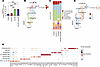 Figure 5
Expansion of Cd74/C1q/Aif1-expressing intratumoral macrophages in response to anti-MIF therapy. (A) Flow cytometry validation indicating a significant increase in intratumoral Cd74/C1q/Aif1 macrophages with anti-MIF–containing therapies (1-way ANOVA with Bonferroni correction). (B) UMAP of myeloid subset reclustering identified 7 cell types. Further analysis revealed a diverse population of macrophages and dendritic cells. (C) Stacked bar plot of myeloid cluster proportions across the different treatment groups in the long treatment cohort. (D) Feature plot of module scores highlighting myeloid cells with upregulation of genes associated with the Kyoto Encyclopedia of Genes and Genomes (KEGG) antigen processing and presentation gene set. (E) Dot plot of top DEGs for each myeloid cell type. Statistical significance is denoted as **P < 0.01, ***P < 0.001.
Cd74/C1q/Aif1-expressing macrophages exhibit enhanced antigen presentation and proliferation gene expression profiles in response to anti-MIF therapy. Cd74/C1q/Aif1-expressing macrophages are characterized by the expression of Aif1, which is vital for macrophage activation and phagocytosis (19). To further characterize this macrophage subpopulation, we analyzed our expression data for DEGs using the Wilcoxon rank-sum test (FDR < 0.05, |fold change| > 1.25). When compared with other myeloid-derived populations (Figure 6A), there was a significant upregulation of genes for MHC class II antigen presentation, phagocytosis, and cell migration (e.g., H2-dm, Ctsb/l/s, and Ifi30). We also identified significant upregulation of genes associated with Tnf synthesis and function (Figure 6, B and C).
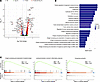 Figure 6
Anti-MIF therapy enhances gene expression associated with antigen presentation and phagocytosis of Cd74/C1q/Aif1 macrophages. (A) Volcano plot of DEGs from Cd74/C1q/Aif1-expressing macrophages versus other myeloid cell clusters (adjusted P < 0.05, |log2fold-change| > 0.5). (B) Bar plot demonstrating top 20 enriched Gene Ontology Biological Process gene sets by overrepresentation analysis from upregulated DEGs in Cd74/C1q/Aif1-expressing macrophages. (C) Gene set enrichment analysis plots of antigen processing and presentation of peptide antigen, leukocyte activation involved in inflammatory response, and complement activation gene sets. NES, normalized enrichment score.
Notably, the Cd74/C1q/Aif1 macrophages demonstrated higher expression of Mif-associated genes as well as antiapoptosis genes across anti-MIF and anti–PD-1/anti-MIF treatment groups when compared with the anti–PD-1 monotherapy or ctrl groups (Figure 7A). This macrophage population also showed a significant increase in the expression of proliferation genes, including Bcl2a1b and Npm1, in the anti-MIF and anti–PD-1/anti-MIF treatment groups when compared with the anti–PD-1 monotherapy and ctrl groups. There also was a trend toward higher expression of the complement genes C1qa and C1qb in the anti-MIF and anti–PD-1/anti-MIF treatment groups when compared with the anti–PD-1 monotherapy and ctrl groups (Figure 7B). As expected from the initial DEG analysis (Figure 6, A and B), the Cd74/C1q/Aif1 macrophages and DCs showed higher expression of antigen-processing and -presenting genes (Figure 7C). The Ccr7 DCs from anti-MIF–treated mouse tumors also exhibited higher expression of antigen-processing and -presenting genes (Figure 7D).
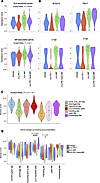 Figure 7
Cd74/C1q/Aif1 macrophages exhibit pro-survival and antigen presentation signatures enhanced by anti-MIF therapy. (A) Violin plots of module scores for expression of antiapoptosis genes and Mif associated genes gene sets. Kruskal-Wallis test used for statistical comparison of module scores. (B) Violin plots of Bcl2a1b, Npm1, C1qa, and C1qb expression. (C) Violin plot of module scores for expression of the KEGG antigen processing and presentation gene set, demonstrating increased activity in Cd74/C1q/Aif1 macrophages and Ccr7 DCs. Kruskal-Wallis test used for statistical comparison of module scores. (D) Split violin plot of module scores for expression of the KEGG antigen processing and presentation gene set across the different treatment groups (Kruskal-Wallis: *P < 0.05; ****P < 0.0001).
We next investigated the transcription factor activities within the Cd74/C1q/Aif1 macrophage population to gain deeper insights into their functional dynamics. Analysis of inferred transcription factor activity across various myeloid cell clusters revealed significant upregulation of Rfxap, Rfxank, Rfx5, and Ciita — key regulators of MHC class II expression and antigen presentation (20, 21) — reinforcing the enhanced antigen-presenting capabilities of this macrophage subset within the TME of the anti-MIF–treated mice (Figure 8A).
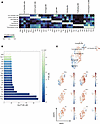 Figure 8
Transcription factor activity analysis of Cd74/C1q/Aif1 macrophages. (A) Scaled heatmap of top 5 inferred transcription factor activities per myeloid cell cluster demonstrates increased activity of Rfxap, Rfxank, Rfx5, and Ciita transcription factors in Cd74/C1q/Aif1 macrophages. (B) Bar plot of top 20 inferred transcription factor activities in Cd74/C1q/Aif1 macrophages shows significant increases in Npm1 and Atf5 transcription factor activity, known to be associated with monocyte-to-macrophage differentiation. (C) Feature plots of inferred activities of select transcription factors.
Further analysis of the top 20 active transcription factors within Cd74/C1q/Aif1-expressing macrophages showed a marked increase in Npm1 and Atf5 activity, which are crucial for promoting monocyte-to-macrophage differentiation via the NF-κB activation pathway (22, 23) (Figure 8B). Feature plots provided additional visualization of the activity levels of these transcription factors, highlighting their pivotal roles in shaping the functional profile of this macrophage population (Figure 8C).
Anti–PD-1/anti-MIF combination therapy induced significant changes in immune cell interactions and signaling dynamics within the TME when compared with anti–PD-1 monotherapy. The combination of anti–PD-1 and anti-MIF therapy markedly altered immune cell interactions and signaling dynamics within the TME compared with anti–PD-1 monotherapy. Notably, there were an increase in interactions and strengthened connections among key immune cell populations in the anti-MIF–treated mice. Cd74/C1q/Aif1 macrophages exhibited increased interactions with DCs and YUMMER1.7 cells and slightly strengthened interactions with CD8+ T cells and DCs. CD8+ T cells showed increased interactions with B cells, Trem2/Apoe/C1q macrophages, as well as DCs. They also showed increased strength of interactions with Vegfa/Nlrp3 macrophages, B cells, patrolling Mo, YUMMER1.7 cells, NK cells, and DCs. Similarly, Vegfa/Nlrp3 macrophages displayed increased interactions with CD8+ T cells, B cells, DCs, patrolling Mo, YUMMER1.7 cells, and NK cells. In contrast, tumor cells showed a marked reduction in both the number and strength of interactions after anti–PD-1/anti-MIF combination therapy, while selectively strengthening connections with CD8+ T cells (Figure 9A and Supplemental Figure 8A).
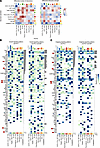 Figure 9
Dual anti–PD-1/anti-MIF therapy increases immune cell network connectivity in the TME. (A) Heatmaps demonstrating differential numbers and strengths of cell interactions between the anti–PD-1/anti-MIF treatment group relative to the anti–PD-1 treatment group (the bar plot at the top represents the sum of incoming signaling for each cell type, and the bar plot at the right represents the sum of outgoing signaling for each cell type). (B and C) Heatmaps of overall signaling patterns in both treatment conditions (colored bars represent sum of total signaling per cell type).
Cellular crosstalk analysis revealed significant changes in signaling patterns after anti–PD-1/anti-MIF therapy. Tumor cells exhibited reduced Ccl outgoing signaling strength and Cxcl, Thbs, Visfatin, and Laminin overall and outgoing signaling strength. Conversely, CD8+ T cells and Vegfa/Nlrp3 macrophages demonstrated enhanced outgoing Ccl signaling. Cxcl outgoing signals were strengthened in Cd74/C1q/Aif1 macrophages, B cells, and DCs. CD8+ T cells displayed increased Cd96 signaling while B cells showed enhanced Notch signaling (Figure 9, B and C). Further analysis verified significant alterations in signaling pathways within the TME because of anti–PD-1/anti-MIF therapy. Enhanced outgoing MHC class I (H2-K1, H2-D1, H2-Q6, H2-M3, and H2-T22) signaling in CD8+ T cells indicated improved immune activation and antigen processing (Figure 10A). Notably, Cd80 signaling from Vegfa/Nlrp3 macrophages was heightened toward DCs, Cd74/C1q/Aif1 macrophages, B cells, and CD8+ T cells (Figure 10, A and B, and Supplemental Figure 8B). There was a significant increase in Ccl5 signaling from CD8+ T cells directed at Cd74/C1q/Aif1 macrophages, Vegfa/Nlrp3 macrophages, and patrolling Mo, indicating enhanced chemotactic recruitment of myeloid cells (Figure 10A and Supplemental Figure 8B). We also observed increased signaling of Ccl5 from CD8+ T cells to B cells, in conjunction with outgoing Thbs1, Ccl6, Ccl9, Apoe, Spp1, and Fn1 signals from Vegfa/Nlrp3 macrophages (Figure 10, A and B, and Supplemental Figure 8B).
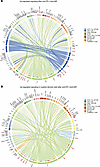 Figure 10
Enhanced antigen presentation and chemotactic signaling pathways upon combined anti–PD-1/anti-MIF therapy. (A) Chord diagram of upregulated ligand-receptor interactions in the anti–PD-1/anti-MIF treatment group relative to the anti–PD-1 treatment group. (B) Chord diagram of upregulated ligand-receptor interactions with myeloid cells as the source.
Prevalence of variant MIF promoter alleles in human melanoma. Functional polymorphisms in the MIF gene as defined by a -794 CATT5-8 promoter microsatellite (rs5844572) occur in the human population. The high-expression -794 CATT7 allele is present in approximately 20% of individuals, where it is associated with increased susceptibility to or severity of multiple autoimmune diseases (6). We hypothesized that this naturally occurring variation in MIF expression could influence the development of human melanoma. A G-to-C single nucleotide polymorphism (SNP) at position -173 also exists (rs755622), with the -173C variant in linkage disequilibrium with the high-expression -794 CATT7 MIF allele (24). Notably, neither MIF promoter variant is represented in currently employed GWAS chips. Due to locus heterogeneity at the -794 CATT5-8 microsatellite, genetic association studies in small cohort studies may be significant at the -173 G/C but not at the -794 CATT5-8 site. We analyzed the prevalence of the -173 G/C SNP in a retrospective case-control study comprising 182 patients with melanoma from Yale University and 1,575 age- and sex-matched healthy controls. Analysis of -173 G/C genotype frequencies revealed that the high-expression C/C genotype was 2.6 times more frequent in patients compared with controls (P < 0.000077; Table 1), suggesting that high genotypic MIF expression may confer risk for melanoma development.
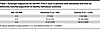 Table 1
Genotype frequencies for the MIF-173G/C locus in patients with melanoma and from an ethnically matched population of healthy individuals (controls)


