
Go to The Journal of Clinical Investigation
  • About
  • Editors
  • Consulting Editors
  • For authors
  • Publication ethics
  • Publication alerts by email
  • Transfers
  • Advertising
  • Job board
  • Contact
  • Physician-Scientist Development
  • Current issue
  • Past issues
  • By specialty
    • COVID-19
    • Cardiology
    • Immunology
    • Metabolism
    • Nephrology
    • Oncology
    • Pulmonology
    • All ...
  • Videos
  • Collections
    • In-Press Preview
    • Resource and Technical Advances
    • Clinical Research and Public Health
    • Research Letters
    • Editorials
    • Perspectives
    • Physician-Scientist Development
    • Reviews
    • Top read articles

  • Current issue
  • Past issues
  • Specialties
  • In-Press Preview
  • Resource and Technical Advances
  • Clinical Research and Public Health
  • Research Letters
  • Editorials
  • Perspectives
  • Physician-Scientist Development
  • Reviews
  • Top read articles
  • About
  • Editors
  • Consulting Editors
  • For authors
  • Publication ethics
  • Publication alerts by email
  • Transfers
  • Advertising
  • Job board
  • Contact
Top
  • View PDF
  • Download citation information
  • Send a comment
  • Terms of use
  • Standard abbreviations
  • Need help? Email the journal
  • Top
  • Abstract
  • Introduction
  • Results
  • Discussion
  • Methods
  • Author contributions
  • Supplemental material
  • Acknowledgments
  • Footnotes
  • References
  • Version history
  • Article usage
  • Citations to this article
Advertisement

Research ArticleCardiologyStem cells Open Access | 10.1172/jci.insight.190918

Altered cardiac excitability and arrhythmia in models of SCN1B-linked developmental and epileptic encephalopathy

Roberto Ramos-Mondragon,1 Shuyun Wang,1 Nnamdi Edokobi,1 Qinghua Liu,1 Xiaotan Qiao,2 Maya Shih,1 Louis T. Dang,3 Yao-Chang Tsan,4 Katalin Štěrbová,6 Adam S. Helms,5 Sarah Weckhuysen,7,8,9 Luis F. Lopez-Santiago,1 Jack M. Parent,2,10,11 and Lori L. Isom1,2

1Department of Pharmacology,

2Department of Neurology,

3Department of Neuroscience,

4Department of Pediatrics,

5Department of Human Genetics, and

6Department of Internal Medicine, University of Michigan Medical School, Ann Arbor, Michigan, USA.

7Department of Pediatric Neurology, Charles University and Motol Hospital, Prague, Czech Republic.

8Applied & Translational Neurogenomics Group, VIB Center for Molecular Neurology, VIB, Antwerp, Belgium.

9Translational Neurosciences, Faculty of Medicine and Health Science, University of Antwerp, Antwerp, Belgium.

10Department of Neurology, Antwerp University Hospital, Antwerp, Belgium.

11Michigan Neuroscience Institute, University of Michigan Medical School, Ann Arbor, Michigan, USA.

12VA Ann Arbor Healthcare System, Ann Arbor, Michigan, USA.

Address correspondence to: Lori L. Isom, Department of Pharmacology, University of Michigan Medical School, Ann Arbor, Michigan 48109, USA. Phone: 734.936.3050; Email: lisom@umich.edu.

Find articles by Ramos-Mondragon, R. in: PubMed | Google Scholar

1Department of Pharmacology,

2Department of Neurology,

3Department of Neuroscience,

4Department of Pediatrics,

5Department of Human Genetics, and

6Department of Internal Medicine, University of Michigan Medical School, Ann Arbor, Michigan, USA.

7Department of Pediatric Neurology, Charles University and Motol Hospital, Prague, Czech Republic.

8Applied & Translational Neurogenomics Group, VIB Center for Molecular Neurology, VIB, Antwerp, Belgium.

9Translational Neurosciences, Faculty of Medicine and Health Science, University of Antwerp, Antwerp, Belgium.

10Department of Neurology, Antwerp University Hospital, Antwerp, Belgium.

11Michigan Neuroscience Institute, University of Michigan Medical School, Ann Arbor, Michigan, USA.

12VA Ann Arbor Healthcare System, Ann Arbor, Michigan, USA.

Address correspondence to: Lori L. Isom, Department of Pharmacology, University of Michigan Medical School, Ann Arbor, Michigan 48109, USA. Phone: 734.936.3050; Email: lisom@umich.edu.

Find articles by Wang, S. in: PubMed | Google Scholar

1Department of Pharmacology,

2Department of Neurology,

3Department of Neuroscience,

4Department of Pediatrics,

5Department of Human Genetics, and

6Department of Internal Medicine, University of Michigan Medical School, Ann Arbor, Michigan, USA.

7Department of Pediatric Neurology, Charles University and Motol Hospital, Prague, Czech Republic.

8Applied & Translational Neurogenomics Group, VIB Center for Molecular Neurology, VIB, Antwerp, Belgium.

9Translational Neurosciences, Faculty of Medicine and Health Science, University of Antwerp, Antwerp, Belgium.

10Department of Neurology, Antwerp University Hospital, Antwerp, Belgium.

11Michigan Neuroscience Institute, University of Michigan Medical School, Ann Arbor, Michigan, USA.

12VA Ann Arbor Healthcare System, Ann Arbor, Michigan, USA.

Address correspondence to: Lori L. Isom, Department of Pharmacology, University of Michigan Medical School, Ann Arbor, Michigan 48109, USA. Phone: 734.936.3050; Email: lisom@umich.edu.

Find articles by Edokobi, N. in: PubMed | Google Scholar |

1Department of Pharmacology,

2Department of Neurology,

3Department of Neuroscience,

4Department of Pediatrics,

5Department of Human Genetics, and

6Department of Internal Medicine, University of Michigan Medical School, Ann Arbor, Michigan, USA.

7Department of Pediatric Neurology, Charles University and Motol Hospital, Prague, Czech Republic.

8Applied & Translational Neurogenomics Group, VIB Center for Molecular Neurology, VIB, Antwerp, Belgium.

9Translational Neurosciences, Faculty of Medicine and Health Science, University of Antwerp, Antwerp, Belgium.

10Department of Neurology, Antwerp University Hospital, Antwerp, Belgium.

11Michigan Neuroscience Institute, University of Michigan Medical School, Ann Arbor, Michigan, USA.

12VA Ann Arbor Healthcare System, Ann Arbor, Michigan, USA.

Address correspondence to: Lori L. Isom, Department of Pharmacology, University of Michigan Medical School, Ann Arbor, Michigan 48109, USA. Phone: 734.936.3050; Email: lisom@umich.edu.

Find articles by Liu, Q. in: PubMed | Google Scholar

1Department of Pharmacology,

2Department of Neurology,

3Department of Neuroscience,

4Department of Pediatrics,

5Department of Human Genetics, and

6Department of Internal Medicine, University of Michigan Medical School, Ann Arbor, Michigan, USA.

7Department of Pediatric Neurology, Charles University and Motol Hospital, Prague, Czech Republic.

8Applied & Translational Neurogenomics Group, VIB Center for Molecular Neurology, VIB, Antwerp, Belgium.

9Translational Neurosciences, Faculty of Medicine and Health Science, University of Antwerp, Antwerp, Belgium.

10Department of Neurology, Antwerp University Hospital, Antwerp, Belgium.

11Michigan Neuroscience Institute, University of Michigan Medical School, Ann Arbor, Michigan, USA.

12VA Ann Arbor Healthcare System, Ann Arbor, Michigan, USA.

Address correspondence to: Lori L. Isom, Department of Pharmacology, University of Michigan Medical School, Ann Arbor, Michigan 48109, USA. Phone: 734.936.3050; Email: lisom@umich.edu.

Find articles by Qiao, X. in: PubMed | Google Scholar

1Department of Pharmacology,

2Department of Neurology,

3Department of Neuroscience,

4Department of Pediatrics,

5Department of Human Genetics, and

6Department of Internal Medicine, University of Michigan Medical School, Ann Arbor, Michigan, USA.

7Department of Pediatric Neurology, Charles University and Motol Hospital, Prague, Czech Republic.

8Applied & Translational Neurogenomics Group, VIB Center for Molecular Neurology, VIB, Antwerp, Belgium.

9Translational Neurosciences, Faculty of Medicine and Health Science, University of Antwerp, Antwerp, Belgium.

10Department of Neurology, Antwerp University Hospital, Antwerp, Belgium.

11Michigan Neuroscience Institute, University of Michigan Medical School, Ann Arbor, Michigan, USA.

12VA Ann Arbor Healthcare System, Ann Arbor, Michigan, USA.

Address correspondence to: Lori L. Isom, Department of Pharmacology, University of Michigan Medical School, Ann Arbor, Michigan 48109, USA. Phone: 734.936.3050; Email: lisom@umich.edu.

Find articles by Shih, M. in: PubMed | Google Scholar

1Department of Pharmacology,

2Department of Neurology,

3Department of Neuroscience,

4Department of Pediatrics,

5Department of Human Genetics, and

6Department of Internal Medicine, University of Michigan Medical School, Ann Arbor, Michigan, USA.

7Department of Pediatric Neurology, Charles University and Motol Hospital, Prague, Czech Republic.

8Applied & Translational Neurogenomics Group, VIB Center for Molecular Neurology, VIB, Antwerp, Belgium.

9Translational Neurosciences, Faculty of Medicine and Health Science, University of Antwerp, Antwerp, Belgium.

10Department of Neurology, Antwerp University Hospital, Antwerp, Belgium.

11Michigan Neuroscience Institute, University of Michigan Medical School, Ann Arbor, Michigan, USA.

12VA Ann Arbor Healthcare System, Ann Arbor, Michigan, USA.

Address correspondence to: Lori L. Isom, Department of Pharmacology, University of Michigan Medical School, Ann Arbor, Michigan 48109, USA. Phone: 734.936.3050; Email: lisom@umich.edu.

Find articles by Dang, L. in: PubMed | Google Scholar

1Department of Pharmacology,

2Department of Neurology,

3Department of Neuroscience,

4Department of Pediatrics,

5Department of Human Genetics, and

6Department of Internal Medicine, University of Michigan Medical School, Ann Arbor, Michigan, USA.

7Department of Pediatric Neurology, Charles University and Motol Hospital, Prague, Czech Republic.

8Applied & Translational Neurogenomics Group, VIB Center for Molecular Neurology, VIB, Antwerp, Belgium.

9Translational Neurosciences, Faculty of Medicine and Health Science, University of Antwerp, Antwerp, Belgium.

10Department of Neurology, Antwerp University Hospital, Antwerp, Belgium.

11Michigan Neuroscience Institute, University of Michigan Medical School, Ann Arbor, Michigan, USA.

12VA Ann Arbor Healthcare System, Ann Arbor, Michigan, USA.

Address correspondence to: Lori L. Isom, Department of Pharmacology, University of Michigan Medical School, Ann Arbor, Michigan 48109, USA. Phone: 734.936.3050; Email: lisom@umich.edu.

Find articles by Tsan, Y. in: PubMed | Google Scholar

1Department of Pharmacology,

2Department of Neurology,

3Department of Neuroscience,

4Department of Pediatrics,

5Department of Human Genetics, and

6Department of Internal Medicine, University of Michigan Medical School, Ann Arbor, Michigan, USA.

7Department of Pediatric Neurology, Charles University and Motol Hospital, Prague, Czech Republic.

8Applied & Translational Neurogenomics Group, VIB Center for Molecular Neurology, VIB, Antwerp, Belgium.

9Translational Neurosciences, Faculty of Medicine and Health Science, University of Antwerp, Antwerp, Belgium.

10Department of Neurology, Antwerp University Hospital, Antwerp, Belgium.

11Michigan Neuroscience Institute, University of Michigan Medical School, Ann Arbor, Michigan, USA.

12VA Ann Arbor Healthcare System, Ann Arbor, Michigan, USA.

Address correspondence to: Lori L. Isom, Department of Pharmacology, University of Michigan Medical School, Ann Arbor, Michigan 48109, USA. Phone: 734.936.3050; Email: lisom@umich.edu.

Find articles by Štěrbová, K. in: PubMed | Google Scholar

1Department of Pharmacology,

2Department of Neurology,

3Department of Neuroscience,

4Department of Pediatrics,

5Department of Human Genetics, and

6Department of Internal Medicine, University of Michigan Medical School, Ann Arbor, Michigan, USA.

7Department of Pediatric Neurology, Charles University and Motol Hospital, Prague, Czech Republic.

8Applied & Translational Neurogenomics Group, VIB Center for Molecular Neurology, VIB, Antwerp, Belgium.

9Translational Neurosciences, Faculty of Medicine and Health Science, University of Antwerp, Antwerp, Belgium.

10Department of Neurology, Antwerp University Hospital, Antwerp, Belgium.

11Michigan Neuroscience Institute, University of Michigan Medical School, Ann Arbor, Michigan, USA.

12VA Ann Arbor Healthcare System, Ann Arbor, Michigan, USA.

Address correspondence to: Lori L. Isom, Department of Pharmacology, University of Michigan Medical School, Ann Arbor, Michigan 48109, USA. Phone: 734.936.3050; Email: lisom@umich.edu.

Find articles by Helms, A. in: PubMed | Google Scholar |

1Department of Pharmacology,

2Department of Neurology,

3Department of Neuroscience,

4Department of Pediatrics,

5Department of Human Genetics, and

6Department of Internal Medicine, University of Michigan Medical School, Ann Arbor, Michigan, USA.

7Department of Pediatric Neurology, Charles University and Motol Hospital, Prague, Czech Republic.

8Applied & Translational Neurogenomics Group, VIB Center for Molecular Neurology, VIB, Antwerp, Belgium.

9Translational Neurosciences, Faculty of Medicine and Health Science, University of Antwerp, Antwerp, Belgium.

10Department of Neurology, Antwerp University Hospital, Antwerp, Belgium.

11Michigan Neuroscience Institute, University of Michigan Medical School, Ann Arbor, Michigan, USA.

12VA Ann Arbor Healthcare System, Ann Arbor, Michigan, USA.

Address correspondence to: Lori L. Isom, Department of Pharmacology, University of Michigan Medical School, Ann Arbor, Michigan 48109, USA. Phone: 734.936.3050; Email: lisom@umich.edu.

Find articles by Weckhuysen, S. in: PubMed | Google Scholar

1Department of Pharmacology,

2Department of Neurology,

3Department of Neuroscience,

4Department of Pediatrics,

5Department of Human Genetics, and

6Department of Internal Medicine, University of Michigan Medical School, Ann Arbor, Michigan, USA.

7Department of Pediatric Neurology, Charles University and Motol Hospital, Prague, Czech Republic.

8Applied & Translational Neurogenomics Group, VIB Center for Molecular Neurology, VIB, Antwerp, Belgium.

9Translational Neurosciences, Faculty of Medicine and Health Science, University of Antwerp, Antwerp, Belgium.

10Department of Neurology, Antwerp University Hospital, Antwerp, Belgium.

11Michigan Neuroscience Institute, University of Michigan Medical School, Ann Arbor, Michigan, USA.

12VA Ann Arbor Healthcare System, Ann Arbor, Michigan, USA.

Address correspondence to: Lori L. Isom, Department of Pharmacology, University of Michigan Medical School, Ann Arbor, Michigan 48109, USA. Phone: 734.936.3050; Email: lisom@umich.edu.

Find articles by Lopez-Santiago, L. in: PubMed | Google Scholar |

1Department of Pharmacology,

2Department of Neurology,

3Department of Neuroscience,

4Department of Pediatrics,

5Department of Human Genetics, and

6Department of Internal Medicine, University of Michigan Medical School, Ann Arbor, Michigan, USA.

7Department of Pediatric Neurology, Charles University and Motol Hospital, Prague, Czech Republic.

8Applied & Translational Neurogenomics Group, VIB Center for Molecular Neurology, VIB, Antwerp, Belgium.

9Translational Neurosciences, Faculty of Medicine and Health Science, University of Antwerp, Antwerp, Belgium.

10Department of Neurology, Antwerp University Hospital, Antwerp, Belgium.

11Michigan Neuroscience Institute, University of Michigan Medical School, Ann Arbor, Michigan, USA.

12VA Ann Arbor Healthcare System, Ann Arbor, Michigan, USA.

Address correspondence to: Lori L. Isom, Department of Pharmacology, University of Michigan Medical School, Ann Arbor, Michigan 48109, USA. Phone: 734.936.3050; Email: lisom@umich.edu.

Find articles by Parent, J. in: PubMed | Google Scholar

1Department of Pharmacology,

2Department of Neurology,

3Department of Neuroscience,

4Department of Pediatrics,

5Department of Human Genetics, and

6Department of Internal Medicine, University of Michigan Medical School, Ann Arbor, Michigan, USA.

7Department of Pediatric Neurology, Charles University and Motol Hospital, Prague, Czech Republic.

8Applied & Translational Neurogenomics Group, VIB Center for Molecular Neurology, VIB, Antwerp, Belgium.

9Translational Neurosciences, Faculty of Medicine and Health Science, University of Antwerp, Antwerp, Belgium.

10Department of Neurology, Antwerp University Hospital, Antwerp, Belgium.

11Michigan Neuroscience Institute, University of Michigan Medical School, Ann Arbor, Michigan, USA.

12VA Ann Arbor Healthcare System, Ann Arbor, Michigan, USA.

Address correspondence to: Lori L. Isom, Department of Pharmacology, University of Michigan Medical School, Ann Arbor, Michigan 48109, USA. Phone: 734.936.3050; Email: lisom@umich.edu.

Find articles by Isom, L. in: PubMed | Google Scholar |

Published August 5, 2025 - More info

Published in Volume 10, Issue 17 on September 9, 2025
JCI Insight. 2025;10(17):e190918. https://doi.org/10.1172/jci.insight.190918.
© 2025 Ramos-Mondragon et al. This work is licensed under the Creative Commons Attribution 4.0 International License. To view a copy of this license, visit http://creativecommons.org/licenses/by/4.0/.
Published August 5, 2025 - Version history
Received: January 3, 2025; Accepted: July 25, 2025
View PDF
Abstract

Biallelic variants in SCN1B, which encodes the voltage-gated sodium channel β1/β1B subunits, are linked to DEE52, a developmental and epileptic encephalopathy with a high risk of sudden unexpected death in epilepsy (SUDEP). DEE52 patients present clinically with Dravet syndrome or the more severe early infantile DEE. SCN1B is expressed in brain and heart in humans and in mice. Thus, we have proposed that, in addition to generalized seizures, cardiac arrhythmia may play a role in SUDEP. Mice with homozygous expression of the DEE52 variant Scn1b-c.265C>T, predicting p.R89C, have spontaneous and hyperthermia-induced generalized seizures and SUDEP. Here we conducted cardiac characterization of Scn1b-c.265C>T mice and studied induced pluripotent stem cell cardiomyocytes (iPSC-CMs) derived from 2 SCN1B-c.265C>T DEE52 patients. Scn1bC89/C89 mouse CMs showed increased transient outward potassium current (Ito) density and heart sections revealed ventricular fibrosis. Scn1bC89/C89 mice were susceptible to pacing-induced cardiac arrhythmias. Patient-derived iPSC-CMs with biallelic SCN1B-c.265C>T variant expression showed increased sodium current (INa), late INa, and Ito current densities. We conclude that, while mouse and human cardiac AP waveforms have critical differences, increased Ito is common to both models of DEE52. Overall, our data suggest that electrical and structural substrates may lead to arrhythmias and contribute to SUDEP in DEE52.

Graphical Abstract
graphical abstract
Introduction

Sudden unexpected death in epilepsy (SUDEP) is the leading cause of death in people with uncontrolled seizures. While all patients with epilepsy are at risk for SUDEP, patients with developmental and epileptic encephalopathy (DEE) syndromes have the highest risk (1). DEEs are characterized by severe, pharmacoresistant seizures of multiple semiologies, developmental delay, intellectual disability, and often premature mortality (2). No biomarkers exist to predict the extent of SUDEP risk in individual patients other than the presence of variants in specific genes (3). To gain insight into the mechanism of SUDEP, we have focused on DEE syndromes with the highest SUDEP incidence. Patients with DEE52 have inherited, biallelic variants in SCN1B, encoding the voltage-gated sodium channel (VGSC) β1 and β1B subunits. DEE52 patients have clinical presentations comparable to Dravet syndrome (DS) or to the more severe early infantile DEE (4–7). Inherited monoallelic SCN1B variants are linked to genetic epilepsy with febrile seizures plus (GEFS+) (8–10) and cardiac disorders such as Brugada syndrome and atrial fibrillation (AF), which are also associated with sudden death (11). Although the mechanisms of SUDEP remain unclear, we hypothesize that, in addition to seizures, SUDEP in some instances involves cardiac arrhythmias (12). We proposed previously using multiple models, including Scn1a-haploinsufficient mice that model DS (13), Scn1b-null mice that model DS or DEE52 (14, 15), Scn8a mice that model DEE13 (16), and SCN1A-linked DS patient–derived induced pluripotent stem cell cardiomyocytes (iPSC-CMs) (17), that increased sodium current (INa) density may be a biomarker for SUDEP risk by providing a substrate for cardiac arrhythmia. This work provided preclinical evidence that cardiac dysregulation, in addition to severe seizures, may play a role in the mechanism of SUDEP in DEEs caused by variants in VGSC genes. Here, we test the strength of our hypothesis using mouse and human models of a DEE52 variant that causes partial loss of function.

VGSCs are critical for the generation and propagation of neuronal and cardiac action potentials (APs). VGSCs are heterotrimeric protein complexes composed of a single pore-forming α subunit and 2 non–pore-forming β subunits that modulate the α subunit in a cell-type-specific manner (18). Scn1b deletion in mice results in severe seizures and death by the third week of life (19). Importantly, Scn1b deletion is also arrhythmogenic. Scn1b-null mice have ventricular (14, 20) and atrial arrhythmias (15).

VGSC β1 subunits are multifunctional. In addition to modulating VGSC expression and gating, β1 subunits modify potassium channels (21, 22). These β1 subunits are members of the immunoglobulin superfamily of cell adhesion molecules (Ig-CAMs) (23, 24). In the heart, the cell adhesive properties of β1 subunits are critical for formation of intercalated disks (25). As CAM substrates for regulated intramembrane proteolysis (26), β1 subunits function as transcriptional regulators of genes critical in the regulation of cardiac excitability, including those encoding potassium channels (27).

The biallelic DEE52 patient variant, SCN1B-c.265C>T, predicting p.R89C, was reported in 2 unrelated patient families (28, 29). In one nonconsanguineous family, one child was diagnosed with DS, while the other had a milder epilepsy phenotype (28). We then identified another biallelic SCN1B-c.265C>T patient with a clinically more severe phenotype than DS (29). We generated a transgenic mouse model and reported that Scn1bC89/C89 mice, with homozygous expression of the variant, have spontaneous and hyperthermia-induced seizures and die prematurely (29). Heterologous expression of β1-p.R89C cDNA in HEK cells resulted in VGSC α subunit subtype–specific effects on INa density (29). Here, we characterized the cardiac phenotype of homozygous Scn1bC89/C89, heterozygous Scn1bR89/C89, and WT Scn1bR89/R89 mice. To understand the translatability of this mouse model, we also analyzed induced pluripotent stem cell–derived (iPSC-derived) ventricular CMs from 2 biallelic SCN1B-c.265C>T DEE52 patients. Our combined results suggest that, while mouse and human cardiac AP waveforms are very different, increased outward potassium current (Ito) density is common to both models of DEE52. Furthermore, our data further strengthen the hypothesis that cardiac arrhythmias may contribute to SUDEP mechanisms in DEEs linked to variants in VGSC α and β subunit genes.

Results

DEE52 mice have a cardiac phenotype. Scn1b deletion leads to severe seizures, atrial and ventricular cardiac arrhythmias, and death by the third week of life in 100% of mice (14, 15, 19, 20). However, because DEE52 patients are not null for SCN1B, we generated mice expressing the variant SCN1B-c.265C>T, predicting p.R89C (29). We showed that 100% of Scn1bC89/C89 mice exhibit spontaneous and hyperthermia-induced seizures and that 20% of these animals die by postnatal day 60 (P60) (29). Here, we investigated the cardiac physiology of Scn1b-c.265C>T monoallelic mice that model the asymptomatic parents (Scn1bR89/C89) and biallelic mice that model the proband (Scn1bC89/C89) compared to control mice (Scn1bR89/R89), with particular emphasis on identifying arrhythmogenic substrates.

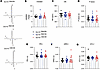
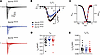
We recorded surface ECGs in anesthetized P18–P25 animals and assessed their physical characteristics (Figure 1). We found no differences in body weight (BW), heart weight (HW), HW/BW ratio, heart rate (HR), P-wave duration, and PR, QRS, and QT intervals between the 3 genotypes (Figure 1 and Supplemental Table 1; supplemental material available online with this article; https://doi.org/10.1172/jci.insight.190918DS1). Patch clamp recordings in acutely isolated ventricular CMs from P18–P25 mice showed reduced INa density in Scn1bR89/C89 compared with Scn1bR89/R89 or Scn1bC89/C89 (Figure 2A), observed at voltages between –35 and –10 mV, as indicated in the I-V curves (–64.7 ± 4.4 pA/pF Scn1bR89/R89 vs. –46.0 ± 2.7 pA/pF Scn1bR89/C89 vs. –65.6 ± 4.2 pA/pF Scn1bC89/C89 at –30 mV; P < 0.05; Figure 2B). We found no changes in the voltage dependence of activation between genotypes (Figure 2C and Supplemental Table 2). Finally, noninactivating, or late sodium current density (INaL) density, as well as the INaL/INa ratio were comparable between genotypes (Figure 2, D and E).
Heart weight to body weight ratio and ECG lead II properties in P18–P25 ScnFigure 1

Heart weight to body weight ratio and ECG lead II properties in P18–P25 Scn1b R89/R89, Scn1BR89/C89, and Scn1BC89/C89 mice. (A) Representative ECG-lead II recordings. Black line represents the average ECG signal over 1 minute (green traces). (B) Heart weight to body weight ratio. (C) Heart rate. (D) P-wave duration. (E) PR interval. (F) QRS interval. (G) QT interval. Correction of the QT interval was performed using Mitchell’s formula. n = 15 for Scn1bR89/R89 mice, n = 29 for Scn1b R89/C89 mice, and n = 17 for Scn1b R89/89 mice. Values represent mean ± SEM.
Sodium current (INa) properties of acutely isolated Scn1bR89/R89, Scn1bR89/Figure 2

Sodium current (INa) properties of acutely isolated Scn1bR89/R89, Scn1bR89/C89, and Scn1bC89/C89 CMs from P18–P25 mice. (A) Representative recordings of INa in Scn1bR89/R89, Scn1bR89/C89, and Scn1bC89/C89 CMs. Scn1bR89/C89 CMs showed lower INa density compared with Scn1bR89/R89 and Scn1bC89/C89. (B) Voltage-current relationship of INa. Low INa density was found at –35, –30, –25, –20, and 10 mV in the Scn1bR89/C89 CMs. (C) Normalized activation and inactivation curves. No differences in voltage-dependent properties were identified. (D) Late sodium current density (INaL) recorded at –20 mV was not different between genotypes. (E) Normalized INaL to INa ratio was not different between genotypes. Values represent mean ± SEM. n = 19 cells from 3 Scn1b R89/R89 mice, n = 24 cells from 3 Scn1b R89/C89 mice, and n = 18 cells from 3 Scn1b C89/C89 mice. *P < 0.05 compared with Scn1bR89/R89 and Scn1bC89/C89 using 1-way ANOVA with Tukey’s post hoc comparison test. Dots represent individual cells.

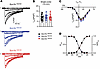
We recorded L-type calcium (ICaL) currents in ventricular CMs from P18–P25 mice by applying a single pulse to +10 mV, followed by subsequent pulses to various membrane potentials. We found no differences in ICaL​ density across the 3 genotypes (Figure 3, A–C). Similarly, no changes were observed in the voltage-dependent ICaL activation or inactivation (Figure 3D and Supplemental Table 3).
ICaL properties of acutely isolated P18–P25 Scn1bR89/R89, Scn1bR89/C89, andFigure 3

ICaL properties of acutely isolated P18–P25 Scn1bR89/R89, Scn1bR89/C89, and Scn1bC89/C89 mouse CMs. (A) Representative recordings of ICaL in Scn1bR89/R89, Scn1bR89/C89, and Scn1bC89/C89 mouse CMs. (B) ICaL recorded at single pulse (SP) at 10 mV. This SP was applied before the application of current-voltage protocol. (C) Voltage-current relationship of ICaL. No differences in ICaL density were noted between genotypes. (D) Voltage dependence of activation and inactivation for ICaL. Values represent mean ± SEM. n = 29 cells from 5 Scn1b R89/R89 mice, n = 22 cells from 4 Scn1b R89/C89 mice, and n = 23 cells from 4 Scn1b C89/C89 mice.

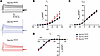
We next recorded potassium currents (IK) in ventricular CMs from P18–P25 mice. Representative recordings of inward and outward IK from the 3 CM genotypes are shown in Figure 4A. Current analysis showed that Scn1bC89/C89 CMs had increased transient outward IK (Ito) compared with Scn1bR89/R89 and Scn1bR89/C89 CMs (22.0 ± 2.1 pA/pF Scn1bC89/C89 vs. 13.9 ± 1.9 pA/pF Scn1bR89/R89 and 15.6 ± 1.3 pA/pF Scn1bR89/C89 at 50 mV; P < 0.05; Figure 4, A and B). There were no detectable differences in the outward sustained IK (IKSUS) or inward rectifier IK (IK1) across the 3 genotypes (Figure 4, C and D).
Recordings of Ito, IKSUS, and IK1 in acutely isolated P18–P25 mouse CMs.Figure 4

Recordings of Ito, IKSUS, and IK1 in acutely isolated P18–P25 mouse CMs. (A) Representative IK recordings from Scn1bR89/R89, Scn1bR89/C89, and Scn1bC89/C89 mouse CMs. Scn1bC89/C89 showed increased Ito. (B) I-V relationship for Ito. Increased Ito was observed at membrane potentials of 30, 40, and 50 mV. (C) I-V relationship for IKSUS. (D) I-V relationship for IK1. No significant differences in IKSUS and IK1 were identified among the 3 groups of CMs. Values represent mean ± SEM. Ito and IKSUS: n = 24 cells from 4 Scn1b R89/R89 mice, n = 44 cells from 5 Scn1b R89/C89 mice, and n = 42 cells from 5 Scn1b C89/C89 mice. IK1: n = 24 cells from 5 Scn1b R89/R89 mice, n = 29 cells from 6 Scn1b R89/C89 mice, and n = 18 cells from 5 Scn1b C89/C89 mice. *P < 0.05 Scn1bC89/C89 against Scn1bR89/R89 and Scn1bR89/C89 using 1-way ANOVA with Tukey’s post hoc comparison test.

AP recordings from acutely isolated Scn1bR89/R89, Scn1bR89/C89, and Scn1bC89/C89 P18–P25 ventricular CMs are shown in Figure 5A. We found no significant genotypic differences in resting membrane potential (RMP), AP peak amplitude, AP upstroke, or AP duration (APD) (Figure 5, B–E). High variability in the AP parameters, particularly in AP upstroke and APD, were noted for all 3 genotypes.
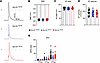
AP properties of acutely isolated P18–P25 Scn1bR89/R89, Scn1bR89/C89, and SFigure 5

AP properties of acutely isolated P18–P25 Scn1bR89/R89, Scn1bR89/C89, and Scn1bC89/C89 mouse CMs. (A) Representative recordings of APs in Scn1bR89/R89, Scn1bR89/C89, and Scn1bC89/C89 mouse CMs. APs were recorded at 1.0 Hz. (B) Resting membrane potential. (C) AP peak. (D) AP upstroke. (E) Action potential duration at 20% (APD20), 50% (APD50), and 90% (APD90) of membrane repolarization. No significant differences in AP properties were identified between Scn1bR89/R89, Scn1bR89/C89, and Scn1bC89/C89 CMs. Values represent mean ± SEM. n = 25 cells from 4 Scn1b R89/R89 mice, n = 36 cells from 5 Scn1b R89/C89 mice, and n = 30 cells from 5 Scn1b C89/C89 mice. Each dot represents an individual cell. Significant differences were assessed by a 1-way ANOVA with Tukey’s post hoc comparison test.

DEE52 mice have increased levels of ventricular fibrosis. In our previous work, we showed that Scn1b-null neonatal mice have heightened levels of cardiac fibrosis compared with WT littermates (15). To determine whether expression of the Scn1b-c.265C>T variant in vivo resulted in similar changes, we collected P18–P25 mouse hearts for fibrosis staining. Figure 6A shows representative images of Picrosirius red–stained tissue from left and right ventricular chambers from Scn1bR89/R89, Scn1bR89C89, and Scn1bC89/C89 hearts. Right ventricular staining was comparable among the 3 genotypes (Figure 6B). In contrast, Picrosirius red staining in Scn1bC89/C89 left ventricles was significantly increased compared with Scn1bR89/R89, suggesting increased fibrosis (Figure 6C).
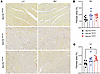
Fibrosis in P18–P25 Scn1bR89/R89, Scn1bR89/C89, and Scn1bC89/C89 mouse hearFigure 6

Fibrosis in P18–P25 Scn1bR89/R89, Scn1bR89/C89, and Scn1bC89/C89 mouse hearts. (A) Representative images of Picrosirius red staining of histological coronal sections of left and right ventricular (LV and RV) tissue from Scn1bR89/R89, Scn1bR89/C89, and Scn1bC89/C89 mice. Scale bars: 60 μm. (B) Quantification of fibrosis expressed as percentage area in the RV. (C) Quantification of fibrosis expressed as percentage area in the LV. Values represent mean ± SEM. Each dot represents 1 heart. *P < 0.05 by 1-way ANOVA with Tukey’s post hoc comparison test.

RT-qPCR from transgenic mouse hearts. We performed reverse transcription quantitative polymerase chain reaction (RT-qPCR) using ventricular tissue from P18–P25 mice to ask whether expression of the Scn1b-c.265C>T variant resulted in altered expression of other cardiac genes. Our results show that mRNA abundance of Scn5a, encoding the predominant cardiac VGSC, Nav1.5, was unaltered between genotypes (Supplemental Figure 1A). Scn1bC89/C89 samples showed increased mRNA abundance of Kcnd2, encoding Kv4.2 (Supplemental Figure 1B), which may underlie the observed increases in Ito. Scn1bR89/C89 ventricular tissue showed increased mRNA abundance of Cacnac1, encoding the L-type Ca2+ channel, Cav1.2 (Supplemental Figure 1F). Finally, no differences were observed between genotypes for mRNA abundance of fibrotic markers (Supplemental Figure 1, G–J).

DEE52 mice have increased propensity to cardiac arrhythmias. To understand the physiological implications of our cellular electrophysiological findings, we performed intracardiac recordings in P18–P25 Scn1bR89/R89, Scn1bR89/C89, and Scn1bC89/C89 mice to assess cardiac arrhythmias. We observed stimulation-induced ventricular tachycardia (VT) in 7 of 8 Scn1bR89/C89 mice (P < 0.05) and in 5 of 5 Scn1bC89/C89 mice tested (P < 0.05), compared with 2 of 8 Scn1bR89/R89 mice (Figure 7, A–D). Examples of VT in Scn1bR89/C89 and Scn1bC89/C89 mice are shown in Figure 7, B and C compared with no VT in Scn1bR89/R89 mice (Figure 7A). The duration of VT episodes in Scn1bC89/C89 mice (0.28 ± 0.0 seconds; P < 0.05) was significantly longer than in Scn1bR89/R89 mice (0.23 ± 0.0 seconds) (Figure 7E and Supplemental Table 4). The ventricular effective refractory period at a cycle length of 80 ms (VERP80) was shorter in Scn1bC89/C89 (18.0 ± 1.5 ms) mice compared with Scn1bR89/R89 mice (21.5 ± 1.0 seconds). No differences in sinus node recovery time (SNRT) were observed between genotypes (Supplemental Table 4).
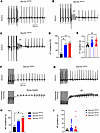
Electrophysiological assessment of cardiac arrhythmias in P18–P25 Scn1bR89/Figure 7

Electrophysiological assessment of cardiac arrhythmias in P18–P25 Scn1bR89/R89, Scn1bR89/C89, and Scn1bC89/C89 mice. (A–C) Representative ECG lead II recordings showing VT in Scn1bR89/C89 and Scn1bC89/C89 mice following extra stimulation. (D) VT incidence. Both Scn1bR89/C89 and Scn1bC89/C89 mice showed higher incidence of VT compared with Scn1bR89/R89 mice. (E) VT duration. Scn1bC89/C89 mice showed longer VT episodes than Scn1bR89/R89 mice. VT was defined as either nonsustained VT (≥3 consecutive ventricular depolarizations with abnormal QRS morphology) or ventricular fibrillation (VF; rapid, disorganized activity lacking discernible QRS complexes and lasting ≥1 second). (F and G) Representative ECG lead II and intracardiac signal in Scn1bR89/R89 and Scn1bC89/C89 mice. Atrial rapid pacing induced AF in the Scn1bC89/C89 mouse but not in the Scn1bR89/R89 mouse. (H) AF incidence. AF was defined as a rapid, irregular atrial rhythm lacking consistent P waves and displaying disorganized electrogram morphology lasting ≥1 second. All Scn1bC89/C89 mice tested were inducible to AF. (I) AF duration. No significant differences were observed in the duration of induced AF episodes. Values represent mean ± SEM for arrhythmia duration. *P < 0.05 using Fisher’s exact test for comparisons of arrhythmia incidence among groups and **P < 0.01 using 1-way ANOVA with Tukey’s post hoc test for comparisons of arrhythmia duration.

We also assessed the incidence of AF in response to rapid atrial stimulation. AF was induced in 6 of 6 Scn1bC89/C89 mice tested, compared with 3 out of 8 Scn1bR89/R89 mice (P = 0.03; Figure 7, F–H). There were no significant differences in the duration of AF between genotypes (Figure 7I and Supplemental Table 4). These results demonstrate that the Scn1bC89/C89 genotype is associated with a heightened susceptibility to ventricular and atrial arrhythmias in mice in vivo.

DEE52 patient–derived iPSC-CMs have increased INa and INaL densities. To determine the translatability of the Scn1b-c.265C>T mouse model to human physiology, we generated iPSCs from 2 unrelated bialleic SCN1B-c.265C>T DEE52 patients (SCN1BC89/C89 Pt. 1 and SCN1BC89/C89 Pt. 2) as well as 2 nonepileptic SCN1BR89/R89 controls and the mother of SCN1BC89/C89 Pt. 2, who is monoallelic for the variant and reported to be seizure free (SCN1BR89/C89 Supplemental Table 5). The SCN1BC89/C89 Pt. 1 and the 2 SCN1BR89/R89 control lines were generated from skin fibroblasts. The Scn1bC89/C89 SCN1BC89/C89 Pt. 2 and SCN1BR89/C89 lines were derived from peripheral blood mononuclear cells (PBMCs). All iPSC lines were differentiated into ventricular CMs using the small molecule patterning method based on Wnt signaling pathway modulation (30).

We performed whole-cell voltage-clamp recordings to investigate whether DEE52 patient iPSC-CMs had altered INa or INaL density. Initially, we used an external recoding solution containing 120 mM NaCl for this experiment. We found INa density from SCN1BC89/C89 Pt. 1 CMs to be so large that proper voltage control could not be consistently maintained, and voltage-dependent properties could not be accurately measured (Supplemental Figure 2). We then changed the protocol to include an external solution containing 60 mM NaCl for all subsequent iPSC-CM voltage clamp experiments, which allowed us to reliably clamp the cells. Using this lower [NaCl] external solution, we found transient INa density to be significantly increased in SCN1BC89/C89 Pt. 1 and SCN1BC89/C89 Pt. 2 iPSC-CMs (–127.6 ± 9.6 pA/pF and –104.2 ± 17.0 pA/pF, respectively) compared with SCN1BR89/C89 (–40.3 ± 4.1 pA/pF) and SCN1BR89/R89 iPSC-CMs (–54.1 ± 8.3 pA/pF) (Figure 8, A–C). We found no differences in cell capacitance, slope factor, or V½ values for the voltage dependence of activation or steady-state inactivation in any line (Figure 8D and Supplemental Table 6). Peak sodium conductance (Gmax) was significantly increased in SCN1BC89/C89 Pt. 1 and SCN1BC89/C89 Pt. 2 iPSC-CMs compared with SCN1BR89/C89 and SCN1BR89/R89 cells (P < 0.05), consistent with increased INa density (Supplemental Table 6). Finally, we found a significant increase in the mean INaL density at –50 mV in SCN1BC89/C89 Pt. 1 (–1.68 ± 0.24 pA/pF) and SCN1BC89/C89 Pt. 2 (–1.82 ± 0.33 pA/pF) iPSC-CMs over control (–0.77 ± 0.16 pA/pF) iPSC-CMs (Figure 8, E and F), with no change in the ratio of late to transient peak INa densities for any genotype (Figure 8G).
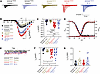
Transient and persistent INa are increased in patient iPSC-CMs.Figure 8

Transient and persistent INa are increased in patient iPSC-CMs. (A) Representative INa density traces of SCN1BR89/R89 controls 1 and 2, SCN1BR89/C89 control, SCN1BC89/C89 Patient 1, and SCN1BC89/C89 Patient 2. (B) INa current-voltage relationship for control and patient iPSC-CM lines. (C) Transient peak INa is increased 2-fold in patient 1 and patient 2 vs. control iPSC-CMs. (D) Voltage-dependent activation and inactivation properties. (E) Zoomed traces of INaL showing the current from 50 to 60 ms following the depolarizing pulse. (F) The mean INaL is significantly increased in the patient iPSC-CMs. (G) INaL normalized to the peak current. Data in C, E, and F are presented as mean ± SEM. n = 10 cells from SCN1BR89/R89 control 1, n = 10 cells from SCN1BR89/R89 control 2, n = 15 cells from SCN1BR89/C89 Parent, n = 17 cells from SCN1BC89/C89 Patient 1, and n = 13 cells from SCN1BC89/C89 Patient 2. All cells were derived from at least 3 independent hiPSC differentiation batches. *P < 0.05; **P < 0.005; ***P < 0.0005; ****P < 0.0001 using a 1-way ANOVA with Tukey’s post hoc comparison test. Dots represent individual cells.

Because functional properties of iPSC-CM clones generated from the same patient can vary, we evaluated clones separately to test the reproducibility of our data. Supplemental Figure 3 shows separate versus pooled data from SCN1BR89/R89 control and SCN1BC89/C89 Pt. 1 iPSC-CM clones. We observed no significant differences between SCN1BR89/R89 control 1 (–59.41 ± 11.0 pA/pF) and SCN1BR89/R89 control 2 (–43.0 ± 10.10 pA/pF) transient peak INa density values (Supplemental Figure 3, B and C). There were no significant differences in transient peak INa density between the 2 SCN1BC89/C89 Pt. 1 clones (Supplemental Figure 3, B and C; Pt. 1: –134.8 ± 13.1 pA/pF vs. Pt. 2: –120.1 ± 13.0 pA/pF). Taken together, these results allowed us to pool results from the SCN1BC89/C89 Pt. 1 clones and SCN1BR89/R89 control clones, respectively.

Increased Ito density and reduced ICaL density in SCN1B-c.265C>T patient IPSC-CMs. We recorded IK and ICaL from SCN1BC89/C89 Pt. 1 and SCN1BR89/R89 control iPSC-CMs that had been prepared for AP measurement using the micron-scale 2-dimensional cardiac muscle bundle method but plated at lower density to facilitate voltage clamp recording. SCN1BC89/C89 Pt. 1 iPSC-CMs showed increased Ito (4.0 ±0.7 pA/pF SCN1BR89/R89 control vs. 7.8 ± 1.8 pA/pF SCN1BC89/C89 Pt.1 at 70 mV; P < 0.05; Figure 9, A and D) and decreased IK1 (–19.1 ± 4.1 pA/pF SCN1BR89/R89 control vs. –0.81 ± 0.7 pA/pF SCN1BC89/C89 Pt. 1 at –120 mV; P < 0.05; Figure 9, B and F). IKSUS densities were similar between genotypes (Figure 9E). ICaL density was reduced in SCN1BC89/C89 Pt. 1 iPSC-CMs compared with SCN1BR89/R89 control (9.7 ± 1.2 pA/pF SCN1BR89/R89 control vs. 5.9 ± 0.7 pA/pF SCN1BC89/C89 Pt. 1 at 10 mV; P < 0.05; Figure 9, C and G).
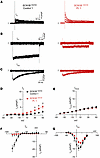
IK and ICaL properties of control and Pt. 1 iPSC-CMs.Figure 9

IK and ICaL properties of control and Pt. 1 iPSC-CMs. (A) Representative recordings of Ito in SCN1BR89/R89 control and SCN1BC89/C89 Pt. 1 iPSC-CMs. Pt. 1 iPSC-CMs showed higher Ito density. (B) Representative recordings of IK1 in SCN1BR89/R89 control and and SCN1BC89/C89 Pt.1 iPSC-CMs. Only currents obtained at –120 mV and –70 mV for IK1, are shown. Pt. 1 iPSC-CMs showed lower IK1 density. (C) Representative recordings for ICaL in SCN1BR89/R89 control and SCN1BC89/C89 Pt. 1 iPSC-CMs. Only ICaL obtained at –50 and 10 mV are shown. Pt. 1 iPSC-CMs showed lower ICaL density. (D) Current-voltage relationships for Ito. Higher Ito values were found in Pt. 1 iPSC-CMs than control iPSC-CMs at 30, 40, and 50 mV. (E) Current-voltage relationships for IKSUS. No significant changes in IKSUS were found between genotypes. (F) Current-voltage relationship for IK1. Significantly smaller IK1 in Pt. 1 iPSC-CMs was observed from –120 mV to –90 mV (G) Current-voltage relationship for ICaL. Significantly smaller ICaL in Pt. 1 iPSC-CMs was observed at 0 mV and 10 mV. Values represent mean ± SEM. Ito and IKSUS: n = 15 cells from SCN1BR89/R89 control and n = 15 cells from SCN1BC89/C89 Pt. 1. IK1: n = 8 cells from SCN1BR89/R89 control and n = 6 cells from SCN1BC89/C89 Pt. 1. ICaL: n = 16 cells from SCN1BR89/R89 control and n = 16 cells from SCN1BC89/C89 Pt. 1. All cells were derived from at least 3 independent hiPSC differentiation batches. *P < 0.05 using a 1-way ANOVA with Tukey’s post hoc comparison test.

RT-qPCR analysis of mRNA abundance in SCN1B-c.265C>T patient iPSC-CMs. We tested patient, parent, and control iPSC-CMs for changes in mRNA abundance of genes encoding VGSC α and β subunits but found no significant differences between genotypes (Supplemental Figure 4, A–H). These data suggest that the changes in INa density recorded in the patient lines are not due to transcriptional changes in VGSC gene expression but instead may occur via other pathways, including protein trafficking and posttranslational modifications. In contrast, we did observe differences in mRNA abundance of KCND2 (decreased) and KCND3 (increased) underlying Ito, although in opposite directions (Supplemental Figure 5, A and B). Finally, no differences were observed in mRNA abundance of KCNJ2, underlying IK1, or CACNA1C, underlying ICaL (Supplemental Figure 5, C and D).

AP shortening in SCN1B-c.265C>T patient iPSC-CMs. We generated iPSC cardiac tissues using the micron-scale 2-dimensional cardiac muscle bundle method, which has been shown to control for cell shape and enable reproducible characterization of cellular excitability using a polydimethylsiloxane micropatterned surface (31). Because SCN1BC89/C89 Pt. 1 and SCN1BC89/C89 Pt. 2 showed similar increases in INa density, we continued with SCN1BC89/C89 Pt. 1 cells only. Figure 10A shows representative traces of SCN1BR89/R89 control and SCN1BC89/C89 Pt. 1 elicited APs at 1 Hz in current clamp mode. RMP and AP peak amplitude were not significantly different between groups (Figure 10, B and D). In contrast, AP upstroke velocity (dV/dT) for SCN1BC89/C89 Pt. 1 cells was significantly higher compared with SCN1BR89/R89 control, consistent with the observation of increased INa density in SCN1BC89/C89 Pt. 1 (Figure 10C). In addition, APD was significantly reduced at 20%, 50%, and 90% repolarization, respectively, for SCN1BC89/C89 Pt. 1 compared with SCN1BR89/R89 control (APD90: 453.0 ± 35.3 ms Pt. 1 vs. 667.0 ± 44.3 ms control; Figure 10, E–G), consistent with the observed increased Ito and reduced ICa,L densities recorded in voltage clamp mode.

Patient iPSC-CMs show APD shortening.Figure 10

Patient iPSC-CMs show APD shortening. APs were evoked by pulses of 1.5 times the stimulus threshold at 1 Hz in current clamp mode. (A) Representative AP traces from SCN1BR89/R89 control and SCN1BC89/C89 Pt. 1 iPSC-CMs. (B) Resting membrane potential (RMP). (C) Maximal AP depolarization velocity. AP upstroke is increased in Pt. 1 iPSC-CMs. (D) Peak AP amplitude. (E–G) Action potential duration (APD) at 20% (APD20), 50% (APD50), and 90% (APD90) of membrane repolarization. Pt. 1 iPSC-CMs showed significant shortening of the APD at all percentages of membrane repolarization. Values represent mean ± SEM. n = 19 cells from SCN1BR89/R89 control 1 and n = 16 cells from SCN1BC89/C89 Pt. 1. All cells were derived from at least 3 independent hiPSC differentiation batches. *P < 0.05 by using a 2-tailed Student’s t test. Dots represent individual cells.
Discussion

SCN1B variants are linked to DEE52 as well as to cardiac disease, including Brugada Syndrome 5 (BrS5, OMIM 612838) and Atrial Fibrillation Familial 13 (OMIM 615377), although there is evidence to suggest that SCN1B may not be a monogenic cause of BrS (32). DEE52 patients have a high rate of SUDEP. We showed previously that Scn1b-null mice model DEE52, with spontaneous generalized seizures, ataxia, and a 100% SUDEP rate (19). Because Scn1b-null mice also have altered CM excitability resulting in atrial and ventricular arrhythmias (14, 15, 20), we postulated that the high rate of SUDEP in DEE52 may involve cardiac arrhythmias in addition to severe seizures. However, DEE52 patients are not null for SCN1B. Thus, we generated a transgenic mouse model of the DEE52 variant SCN1B-c.265C>T and demonstrated in previous work that the phenotype of these mice included spontaneous and hyperthermia-induced generalized seizures with a SUDEP rate of 20% (29). In the present study, we investigated the cardiac phenotype of Scn1b-c.265C>T mice and then compared our results in mice to iPSC-CMs derived from SCN1B-c.265C>T patients to understand the translatability of mouse CM data with regard to DEE52. We show that Scn1bC89/C89 mice, which model biallelic DEE52 patients, have elevated levels of cardiac fibrosis, which can serve as a substrate for the development of cardiac arrhythmias in humans (6). Acutely isolated Scn1bC89/C89 CMs have increased Ito density, similar to Scn1b-null mice (27). However, AP properties were unchanged likely due to the high variability observed. In contrast, SCN1B-c.265C>T DEE52 biallelic patient–derived iPSC-CMs showed increased INa and INaL densities, similar to Scn1b-null mice (14). Additionally, DEE52 iPSC-CMs had elevated Ito density and decreased ICaL densities compared with controls, resulting in AP shortening. Our combined results suggest that, while mouse and human cardiac AP waveforms have critical differences, increased Ito density is common to both models of SCN1B-c.265C>T DEE52. Taken together, these new results strengthen the hypothesis that cardiac arrhythmias may contribute to SUDEP mechanisms in DEEs linked to variants in VGSC α and β subunit genes.

There is extensive evidence in the literature to show that coexpression of β1 subunits with VGSC α subunits increases INa in heterologous cells (reviewed in ref. 33). Consistent with these results, acute silencing of Scn1b using siRNA knockdown in neonatal rat ventricular CMs dramatically reduced Nav1.5 expression and INa density (34). However, constitutive Scn1b deletion in mice has different effects than acute deletion in cells, including aberrant, cell-type-specific changes in the regulation of multiple ionic currents, changes in the regulation of current voltage dependence, and dysregulated gene transcription (14, 15, 19, 20, 27, 35, 36). We attribute this complex phenotype to the combined loss of β1-mediated regulation of ion channel trafficking and voltage dependence as well as loss of β1 RIP–mediated gene modulatory function throughout development. However, because patients are not null for SCN1B, we extended our work here by studying mouse and human models of DEE52.

The cardiac phenotype of Scn1bC89/C89 mice recapitulates some, but not all, of our previous findings in Scn1b-null mice, suggesting, in agreement with our previous work, that the SCN1B-c.265C>T DEE52 variant does not result in complete loss of function (29). Scn1bC89/C89 and Scn1b-null mouse CMs have increased functional expression of Ito (27) and, similar to other model of epilepsy (37), both mouse strains show increased cardiac fibrosis and high propensity to pacing-induced cardiac arrhythmias (15). In contrast, Scn1b-null mouse CMs, but not Scn1bC89/C89 CMs, showed increased INa and INaL. Both WT β1 and β1-p.R89C polypeptides contain the identical intracellular domain (ICD), which may repress the expression of Scn5a mRNA in CMs following translocation of this cleaved fragment to the nucleus. The absence of the β1 ICD in null mice may relieve that repression, resulting in increased Scn5a expression. Interestingly, Scn1bR89/C89 CMs showed decreased INa compared with WT. An intriguing hypothesis to test in future work is that heterophilic cell-cell adhesion between WT and mutant β1 subunits, possibly at the cardiac intercalated disc (25), is deleterious.

In addition to voltage-gated sodium channel α subunits, β1 subunits interact with and modulate the cell surface expression and trafficking of other ion channels, including Kv4 α subunits (21, 38, 39). Here, the observed increase in KCND3 mRNA abundance observed in both mouse and human iPSC-derived CM models, with enhanced Ito density, support a transcriptional mechanism underlying Ito upregulation. While these results indicate a transcriptional contribution, we cannot rule out the additional involvement of posttranscriptional mechanisms, e.g., altered channel trafficking to the plasma membrane, in response to SCN1B dysfunction. Interestingly, autonomic dysregulation has been described in Scn1b-null mice (14, 15). Because Ito is highly sensitive to β-adrenergic stimulation, enhanced adrenergic signaling in Scn1b-c.265C>T mice could further augment Ito via PKA-mediated phosphorylation of Kv4 channels or modulation of accessory subunits like KChIP2. Thus, the increased Ito observed in our model may reflect a convergence of transcriptional, posttranslational, and autonomic influences, collectively driven by SCN1B dysfunction.

While transgenic mouse models have provided valuable insights into potential SUDEP mechanisms, mice are obviously not small humans. Human and mouse ventricular CMs have distinct AP waveforms, due to the differential expression of ion channel genes (40). Thus, to investigate the effects of SCN1B-c.265C>T in a human model we generated CMs from patient-derived iPSCs. An additional advantage of iPSC-CM models is that their phenotypes are cell autonomous. Changes in ionic currents in these cells are cell intrinsic rather than the result of remodeling in response to altered autonomic innervation or seizures, as might occur in the whole animal. In our previous work we observed increased INa density and rates of spontaneous contraction in SCN1A-linked DS patient iPSC-CMs (17). For the DS patient with the most markedly increased INa density, increased incidence of arrhythmogenic AP substrates were recorded from iPSC-CMs, and cardiac and autonomic abnormalities were revealed upon clinical evaluation. Thus, our data were predictive of altered cardiac electrophysiology in 1 individual before cardiac symptoms were diagnosed. We used CRISPR gene editing to generate a heterozygous deletion in SCN1A in a non-epileptic control line to ask whether Nav1.1 haploinsufficiency alone was sufficient to increase INa in iPSC-CMs. Similar to the results in DS patient iPSC-CMs, we found an increase in whole-cell INa density in the CRISPR SCN1A+/– iPSC-CMs compared with SCN1A+/+ isogenic controls (17). These results suggested that overexpression of another VGSC gene, SCN5A, in response to SCN1A haploinsufficiency results in altered cardiac excitability in DS.

Here, iPSC-CMs generated from biallelic SCN1B-c.265C>T patients showed increased transient and late INa with an increased rate of AP upstroke. Further electrophysiological characterization demonstrated increased Ito, reduced ICaL, and reduced IK1, which together may contribute to the observed AP shortening. Reduced IK1 is a hallmark of immaturity, causing iPSC-CMs to fire spontaneously due to depolarized RMP. However, we observed that iPSC-CMs from Pt. 1 did not exhibit spontaneous firing and maintained an RMP below, or less depolarized than, –65 mV, similar to control iPSC-CMs.

Increased Ito in both patient-derived iPSC-CMs and Scn1bC89/C89 mouse CMs suggests a conserved electrophysiological phenotype across species. In future work, functional rescue experiments will be required to establish a causal relationship between Ito remodeling and the observed electrophysiological phenotypes. Although beyond the scope of the present study, these studies could employ both pharmacological and genetic approaches to modulate or restore Ito. Pharmacological tools such as 4-aminopyridine (an Ito blocker) or NS5806 (an Ito enhancer) could be used to assess whether altering Ito affects AP waveform properties in CMs or arrhythmia susceptibility and SUDEP in Scn1bC89/C89 mice. The potential contributions of increased adrenergic tone to AP shortening and arrhythmogenesis could be explored using β-adrenergic blockers, which may help distinguish the effects of autonomic imbalance from intrinsic ionic remodeling. Finally, gene replacement strategies targeting Kv4.3 (KCND3) may provide a more selective means to manipulate Ito in iPSCs or in mice. These approaches would help delineate whether Ito modulation plays a mechanistic role in the pathophysiological features observed in our models and further validate Ito as a potential therapeutic target in DEE52.

Clinically, Pt. 1 presented with borderline short PR interval (100 ms), borderline QRS duration (90 ms), and a QTc at the lower end of normal (349 ms). The shorter APD observed in Pt. 1’s iPSC-CMs aligns more closely with the QTc findings in the patient than with our mouse data, which showed a normal QT interval, again supporting the hypothesis that mice cannot fully replicate human cardiac physiology (40). Clinical data from Pt. 1 also suggested right bundle branch block, a conduction abnormality characterized by delayed right ventricular depolarization. Although limited to a single case, this observation suggests potential involvement of the cardiac conduction system in SCN1B-related disease. Supporting this hypothesis, Scn1bC89/C89 mice exhibited increased beat-to-beat variability in QRS duration, indicative of ventricular conduction delay. Notably, these mice also displayed increased ventricular fibrosis, which may structurally disrupt conduction pathways such as the right bundle branch. Together, these findings point to a potential mechanistic link between SCN1B dysfunction, myocardial fibrosis, and conduction abnormalities, warranting further investigation in both clinical and experimental settings.

In conclusion, our body of DEE patient–derived iPSC-CM work and limited clinical data suggest that the high risk of SUDEP in DS may result from a predisposition to cardiac arrhythmias in addition to neuronal hyperexcitability, reflecting expression of VGSC gene variants in heart and brain.

Methods

Sex as a biological variable. Approximately equal numbers of male and female pups were used in all experiments.

Animals. Animals were generated as described previously (29). Animals were housed in the Unit for Laboratory Animal Medicine at the University of Michigan Medical School. Male and female pups were used in all experiments.

Isolation of mouse ventricular CMs. Ventricular CMs from P18–P25 mice were isolated using a Langendorff-free method (41). After euthanasia by cervical dislocation, the heart was exposed via sternotomy. Following transection of the descending aorta, HBSS containing 10 mM HEPES, 1 mM MgCl2, and 0.5 mM EDTA was immediately flushed into the right ventricle within 1 minute. The heart was then transferred to a 60-mm dish. HBSS without EDTA and supplemented with collagenase type II (Worthington; 280–285 U/mg) was injected into the left ventricle using 10 mL syringe. This procedure was repeated 4 times or until myocytes started to emerge from the heart. Cardiac chambers were separated and gently teared into 1-mm pieces using micro-forceps followed by gentle pipetting. Then the suspension underwent enzymatic activity termination using 10% FBS, passed through a 100-μm strainer, and gravity settling, after which calcium was reintroduced in steps to a final concentration of 1.0 mM. Only quiescent myocytes were used for electrophysiological experiments (41).

Whole-cell patch clamping recordings. Patch clamping recordings in isolated mouse CMs and human iPSC-CMs were made using an Axopatch 700B amplifier (Molecular Devices) and pClamp (version 11, Axon Instruments). iPSC-CMs were plated at a low density onto 12-mm glass coverslips coated with 0.1% Matrigel (Corning) and electrophysiological recordings were conducted after approximately 7 days. Patch clamp recordings in iPSC-CMs were conducted between 10 and 60 minutes after replacing the culture medium with the external recording solution and within 4 hours of completing the isolation of mouse CMs. After establishing whole-cell configuration, membrane capacitive components were eliminated, and series resistance was compensated. Additionally, residual non–voltage-dependent currents were eliminated by using a P/4 protocol. This protocol was used for recording of INa and L-type Ca2+ current (ICaL). Current traces were normalized against the whole-cell capacitance (Cm).

Measurements of INa were obtained using an extracellular solution containing (in mM) 110 CsCl, 1 BaCl2, 2 MgCl2, 0.2 CdCl2, 1 CaCl2, 10 HEPES, 20 TEA-Cl, and 10 glucose (pH = 7.35 with CsOH, osmolarity = 300–305 mOsm). This solution was supplemented with NaCl 60 and 10 mM for recording of INa iPSC-CMs and mouse CMs, respectively. Fire-polished pipettes with resistance of 1.5–2.5 mΩ were filled with internal solution containing (in mM) 1 NaCl, 150 N-methyl-D-glucamine, 10 ethyleneglycoltetraacetic acid (EGTA), 2 MgCl2, 40 HEPES, and 25 phosphocreatine-tris, 2 MgATP, 0.02 Na2GTP, 0.1 leupeptin (pH = 7.2 with H2SO4). INa was recorded in response to a series of voltage steps between –120 and +30 mV in 5-mV increments, from a holding potential of –120 mV for 200 ms as described previously (15). A step back to –20 mV for 200 ms was used to determine the voltage dependence of inactivation. Na+ conductance (42) at each test voltage was determined from the equation: GNa = INa/(V − ENa), where INa is the sodium current and ENa is the sodium current reversal potential. Peak GNa (Gmax) was plotted as a function of voltage to produce activation curves. INa was normalized to the maximum elicited current and plotted against the conditioning voltage to yield inactivation curves. Both curves were fitted to the following Boltzmann function: G/Gmax or I/Imax=1/(1 + exp[(V − V½)/k]), where G/Gmax is the normalized activation and I/Imax is normalized inactivation, V½ is the voltage of half-maximal activation or inactivation, k is the slope factor, and V is the test voltage.

L-type Ca2+ current (ICaL) was measured using a single pulse to +10 mV from a holding potential of –50 mV, followed by the application of several pulses from –50 to 50 mV in steps of 10 mV to generate an I-V curve. A conditional prepulse to –30 mV was used to inactivate Na+ channels. The pipette solution contained (in mM) 120 CsCl-Asp, 10 EGTA-Cs, 1 MgCl2, 1 Mg-ATP, 10 TEA-Cl, and 10 HEPES (pH 7.2 with CsOH). The bath solution contained (in mM): 137 NaCl, 5.4 CsCl, 1 MgCl2, 1.8 CaCl2, 10 HEPES, and 2,4-aminopyridine (pH 7.4 with CsOH). Tetrodotoxin (35 μM; Alomone Labs) was added to the bath solution to ensure the elimination of INa. The steady-state voltage dependence of Na+ channel inactivation was assessed using a 2-pulse protocol. This protocol included 200-ms prepulses of variable amplitude, followed by a test pulse to −30 mV. Both the activation and inactivation curves were fitted to the Boltzmann equation, as performed for INa recordings.

Transient (Ito) and sustained (IKSUS) potassium currents were investigated using repetitive squared 300-ms pulses ranging from –40 to 60 mV. IK collected in the last 50 ms of the recording was defined as IKsus. The difference between IKSUS and the peak of the current collected in the first 50 ms of the recordings was defined as Ito. Inward IK was recorded from –140 to –30 mV before and after the perfusion of BaCl2 (500 μM). IK1 was defined as the IK that was sensitive to barium. The pipette solution for IK contained (in mM) 135 KCl, 5 K2-ATP, 10 EGTA-K, and 10 HEPES (pH = 7.2 with KOH). The bath solution contained (in mM) 5.3 KCl, 4.1 NaHCO3, 138 NaCl, and 100 CaCl2 (pH = 7.2 with KOH). CdCl2 (250 μM) and nifedipine (10 μM) were added to the bath solution to block calcium currents.

AP recordings. iPSC-CMs were recorded on the micron-scale 2-dimensional cardiac muscle bundle (2DMB) platform. To create the 2DMB platform, individual stamps were cut from polydimethoxysiloxane (PDMS), as previously reported (43–45). 2DMB substrates consisted of micropatterned 8 kPa PDMS. Soft PDMS was formulated by mixing Sylgard 527 and Sylgard 184. Each component was first mixed with its own curing agent (i.e., 50:50 for Sylgard 527 and 10:1 for Sylgard 184). In iPSC-CMs and isolated mouse CMs, the threshold for AP initiation was determined by applying 2-ms incremental current pulses ranging from 100 to 1500 pA. Steady-state AP capture was obtained by applying current pulses at 1.5 times the threshold. APs were recorded at 1.0 Hz at room temperature. The bath solution contained (in mM) 135 NaCl, 4 KCl, 1.8 CaCl2, 1 MgCl2, 10 Hepes, 1.2 NaH2PO4, 10 glucose, pH 7.35 with NaOH. Patch pipettes were filled with the internal solution containing (in mM) 130 K-aspartate, 10 KCl, 9 NaCl, 0.33 MgCl2, 5 Mg-ATP, 0.1 GTP, 10 HEPES, 10 glucose, pH 7.2 with KOH. The RMP was determined under current clamp at zero current.

RT-qPCR analysis of mouse CMs. Total RNA was isolated from CM samples using the Qiagen RNeasy Fibrous Tissue Mini Kit according to the manufacturer’s instructions. cDNA was synthesized from 1 μg of total RNA using qScript cDNA Synthesis Kit (QuantaBio, 95047-100). qPCR was performed using SYBR Green (Applied Biosystems) and gene-specific primers (Integrated DNA Technologies) on a QuantStudio 7 Flex Real-Time PCR System (Applied Biosystems). Levels of mRNA abundance were normalized to the internal control, Gapdh. The relative abundance levels for each gene were quantified using the comparative threshold (2−ΔΔCt) method of quantification.

Picrosirius red staining. Heart coronal sections were cut from paraffin-embedded blocks at 5 μm of thickness. Following deparaffinization and hydration with xylene and graded alcohols, the slides were treated with 0.2% phosphomolybdic acid (Rowley Biochemical, F-357-1) for 3 minutes, directly transferred to 0.1% Sirius red saturated in picric acid (Rowley Biochemical, F-357-2) for 90 minutes, then again directly transferred to 0.01N hydrochloric acid for 3 minutes. Slides were dehydrated and cleared through graded alcohols and xylene and coverslipped with Micromount (Leica, 3801731) using a Leica CV5030 automatic coverslipper. Images were acquired with Aperio Digital Pathology Slide Scanners (Aperio GT 450 DX, Leica). The percentage of fibrosis was quantified with ImageJ (NIH) software. Data are presented as mean ± SEM.

Electrocardiogram and programmed electrical stimulation. In vivo electrocardiogram (ECG) studies were conducted on P18–P25 anesthetized mice, as described previously (15, 46). Anesthesia was induced with 5.0% (v/v) isoflurane and maintained with 2.0% (v/v) isoflurane in a continuous flow of 100% O2 at 0.5 L/min. Once reflexes disappeared, mice were placed on a temperature-regulated operating table. Platinum electrodes were inserted subcutaneously in the limbs and connected to a custom ECG amplifier for standard leads I and II. Standard ECG parameters were analyzed offline, including heart rate (HR), P wave duration, and RR, QRS, PR, and QTc intervals. QTc intervals were analyzed using the Mitchell formula (QTc = QT/√(RR/100). A 1.1 Fr Octapolar stimulation-recording catheter (Scisense, EP catheter) was inserted through the jugular vein and advanced into the right atrium and ventricle. Ventricular and atrial electrical stimulation were performed at twice the threshold of capture. SNRT was measured by delivering 18 pacing stimuli at fixed cycle lengths of 100 ms and 800 ms. AF susceptibility was assessed using trains of 50 electrical pulses at interpulse intervals of 22 ms (45.5 Hz), 20 ms (50 Hz), and 18 ms (55.6 Hz), with each frequency applied 3 times. AF was defined as a rapid, irregular atrial rhythm lacking consistent P waves and characterized by variable atrial cycle lengths with disorganized electrogram morphology lasting at least 1 second. For ventricular arrhythmia assessment, 18 S1 stimuli were delivered at cycle lengths of 100 ms and 80 ms, followed by a single S2 stimulus. The S2 interval was progressively shortened in 2-ms steps, from 40 ms to 16 ms, to determine the ventricular refractory period (VRP), defined as the shortest interval at which ventricular capture failed. This protocol was repeated three times to ensure reliable VRP estimation and to evaluate susceptibility to ventricular tachycardia (VT). Ventricular arrhythmias were defined as either nonsustained ventricular tachycardia (nsVT), characterized by 3 or more consecutive ventricular depolarizations with abnormal QRS morphology distinguishable from baseline rhythm, or ventricular fibrillation (VF), defined as rapid, disorganized electrical activity lacking discernible QRS complexes and lasting at least 1 second. Both nsVT and VF episodes were considered indicative of inducible ventricular arrhythmias.

Human iPSCs. iPSCs were reprogrammed by the episomal plasmid method with Neon Transfection system (Life Technologies). SCN1BR89/R89 control 1 (Ctrl1) and SCN1B patient 1 (Pt1-8 and Pt1-10; referred to here as Pt. 1 and Pt. 2) iPSC lines were generated from skin fibroblast biopsies as previously described (17). SCN1BR89/C89 control (Het control) and Pt. 2 iPSC lines were generated from PBMCs by commercially available methods (Stem Cell Genetics). SCN1BR89/R89 control 2 (Ctrl2-2) were obtained from the Human Stem Cell and Gene Editing Core at the University of Michigan. iPSCs were maintained in feeder-free conditions on 0.5% Matrigel–coated plates (Corning) in mTeSR1 medium (Stem Cell Technologies), passaged every 4–5 days with 0.1 mM EDTA as described previously (17). Medium was changed daily. Genomic alteration of iPSCs were checked by SNP-CHIP at cell passages 10–20. The cells were cultured in 37°C with 5% CO2.

iPSC-CM differentiation. iPSCs were differentiated to CMs using a small molecule patterning method, based on Wnt signaling pathway modulation (30). Briefly, iPSCs were dissociated by Accutase (STEMCELL Technologies) and plated at 1 × 10⁶ to 1.5 × 10⁶ cells/well in mTeSR-1 on 6-well plates coated with 1% Matrigel. When the cells reached greater than 90% confluence, differentiation was initiated. The cells were cultured in a basal medium (RPMI/B27 without insulin [Thermo Fisher Scientific]) for approximately 10 days. During the first 24 hours of differentiation, the basal medium contained 6 mM glycogen synthase kinase-3β inhibitor CHIR99021 (Cayman Chemical). On days 3–5 of differentiation, the basal medium included 5 mM Wnt inhibitor IWP4 (Stemgent). On days 10–14, the basal medium was changed, and the cells were cultivated in maintenance medium (RPMI/B27 with insulin). Between days 8 and 14 of differentiation, the cells began to spontaneously contract. On day 14 of differentiation, cells were maintained in a medium containing lactate enrichment medium (RPMI, no glucose with HEPES, bovine serum albumin, lactate, and L-ascorbic acid (all Thermo Fisher Scientific]) (47) for 4–8 days. The cells were then changed to maintenance medium, which was changed every 2–3 days until day 40. The cells were dissociated by TrypLE (Thermo Fisher Scientific) and 0.5 × 10⁴ to 1.2 × 10⁴ cells were plated on Matrigel-coated 12-mm2 glass coverslips in maintenance medium for electrophysiological analyses, immunostainings, and image analyses.

RT-qPCR analysis in iPSC-CMs. Total RNA was isolated from samples using the Qiagen RNeasy Fibrous Tissue Mini Kit according to the manufacturer’s instructions. cDNA was synthesized from 1 μg of total RNA using qScript cDNA Synthesis Kit (QuantaBio, 95047-100). qPCR was performed using SYBR Green (Applied Biosystems) and gene-specific primers (Integrated DNA Technologies) on a QuantStudio 7 Flex Real-Time PCR System (Applied Biosystems). The mRNA level was normalized to the internal control, GAPDH. The relative expression levels for each gene were quantified using the comparative threshold (2−ΔΔCt) method of quantification.

Statistics. Data are presented as the fold change in gene expression ± SEM. Statistical significance of comparisons between genotypes was determined using a Student’s t test for comparisons between 2 variables, or a 1-way ANOVA with Tukey’s post hoc comparison test for comparisons involving more than 2 variables. A P value of less than 0.05 was considered significant.

Study approval. All animal procedures were performed in accordance with NIH policy and approved by the University of Michigan Institutional Animal Care and Use Committee (PRO00010562). The human iPSC work was performed under approval from the University of Michigan Human Plurioptent Stem Cell Research Oversight Committee.

Data availability. The datasets used and/or analyzed during the current study are available from the corresponding author on reasonable request. Values for all data points in graphs are reported in the Supporting Data Values file.

Author contributions

RRM conducted patch clamp electrophysiological recordings in isolated mouse CMs and hiPSC-CMs and performed mouse intracardiac recording. SW performed cardiac myocyte isolation, Picrosirius red staining, imaging, qPCR, and data analysis. NE performed patch clamping experiments in hiPSC-CMs. QL assisted with patch clamping recordings in mouse CMs. MS contributed with the patch clamping data analysis. XQ assisted with the culture and maintenance of hIPSC-CMs. LFLS analyzed electrocardiogram data. ASH and SW provided patient samples. LTD, YCT, and KS contributed with the design of the protocols for the development of hIPSC-CMs. LLI and JMP contributed to experimental design and interpretation and provided funding. RRM, NE, and LLI co-wrote the manuscript.

Supplemental material

View Supplemental data

View Supporting data values

Acknowledgments

This work was funded by NIH grant R01 HL149363 to LLI and JMP, a research grant from the Gerber Foundation to LLI, predoctoral fellowships from T32-GM00776737 and T32-HL125242 to NE, the Vivian L. Cotton Epilepsy Research Fund to JMP and LLI supporting NE and RR-M, and a Michigan Postdoctoral Pioneer Program Fellowship to SLH. We thank the University of Michigan Human Stem Cell and Gene Editing Core for providing a control iPSC line. The graphical abstract was created using BioRender.

Address correspondence to: Lori L. Isom, Department of Pharmacology, University of Michigan Medical School, Ann Arbor, Michigan 48109, USA. Phone: 734.936.3050; Email: lisom@umich.edu.

Footnotes

Conflict of interest: The authors have declared that no conflict of interest exists.

Copyright: © 2025, Ramos-Mondragon et al. This is an open access article published under the terms of the Creative Commons Attribution 4.0 International License.

Reference information: JCI Insight. 2025;10(17):e190918.https://doi.org/10.1172/jci.insight.190918

References
  1. Hodge RD, et al. Conserved cell types with divergent features in human versus mouse cortex. Nature. 2019;573(7772):61–68.
    View this article via: CrossRef PubMed Google Scholar
  2. Jain P, et al. Diagnosis and management of epileptic encephalopathies in children. Epilepsy Res Treat. 2013;2013:501981.
    View this article via: PubMed CrossRef Google Scholar
  3. Sahly AN, et al. SUDEP risk and autonomic dysfunction in genetic epilepsies. Auton Neurosci. 2022;237:102907.
    View this article via: CrossRef PubMed Google Scholar
  4. Patino GA, et al. A functional null mutation of SCN1B in a patient with Dravet syndrome. J Neurosci. 2009;29(34):10764–10778.
    View this article via: CrossRef PubMed Google Scholar
  5. Ogiwara I, et al. A homozygous mutation of voltage-gated sodium channel β(I) gene SCN1B in a patient with Dravet syndrome. Epilepsia. 2012;53(12):e200–e203.
    View this article via: CrossRef PubMed Google Scholar
  6. Ramadan W, et al. Confirming the recessive inheritance of SCN1B mutations in developmental epileptic encephalopathy. Clin Genet. 2017;92(3):327–331.
    View this article via: CrossRef PubMed Google Scholar
  7. Aeby A, et al. SCN1B-linked early infantile developmental and epileptic encephalopathy. Ann Clin Transl Neurol. 2019;6(12):2354–2367.
    View this article via: CrossRef PubMed Google Scholar
  8. Audenaert D, et al. A deletion in SCN1B is associated with febrile seizures and early-onset absence epilepsy. Neurology. 2003;61(6):854–856.
    View this article via: CrossRef PubMed Google Scholar
  9. Wallace RH, et al. Generalized epilepsy with febrile seizures plus: mutation of the sodium channel subunit SCN1B. Neurology. 2002;58(9):1426–1429.
    View this article via: CrossRef PubMed Google Scholar
  10. Wallace RH, et al. Febrile seizures and generalized epilepsy associated with a mutation in the Na+-channel beta1 subunit gene SCN1B. Nat Genet. 1998;19(4):366–370.
    View this article via: CrossRef PubMed Google Scholar
  11. Edokobi N, Isom LL. Voltage-gated sodium channel β1/β1B subunits regulate cardiac physiology and pathophysiology. Front Physiol. 2018;9:351.
    View this article via: CrossRef PubMed Google Scholar
  12. Bagnall RD, et al. Genetic basis of sudden unexpected death in epilepsy. Front Neurol. 2017;8:348.
    View this article via: CrossRef PubMed Google Scholar
  13. Auerbach DS, et al. Altered cardiac electrophysiology and SUDEP in a model of Dravet syndrome. PLoS One. 2013;8(10):e77843.
    View this article via: CrossRef PubMed Google Scholar
  14. Lopez-Santiago LF, et al. Sodium channel Scn1b null mice exhibit prolonged QT and RR intervals. J Mol Cell Cardiol. 2007;43(5):636–647.
    View this article via: CrossRef PubMed Google Scholar
  15. Ramos-Mondragon R, et al. Neonatal Scn1b-null mice have sinoatrial node dysfunction, altered atrial structure, and atrial fibrillation. JCI Insight. 2022;7(10):e152050.
    View this article via: JCI Insight CrossRef PubMed Google Scholar
  16. Frasier CR, et al. Cardiac arrhythmia in a mouse model of sodium channel SCN8A epileptic encephalopathy. Proc Natl Acad Sci U S A. 2016;113(45):12838–12843.
    View this article via: CrossRef PubMed Google Scholar
  17. Frasier CR, et al. Channelopathy as a SUDEP biomarker in Dravet syndrome patient-derived cardiac myocytes. Stem Cell Reports. 2018;11(3):626–634.
    View this article via: CrossRef PubMed Google Scholar
  18. O’Malley HA, Isom LL. Sodium channel β subunits: emerging targets in channelopathies. Annu Rev Physiol. 2015;77:481–504.
    View this article via: CrossRef PubMed Google Scholar
  19. Chen C, et al. Mice lacking sodium channel beta1 subunits display defects in neuronal excitability, sodium channel expression, and nodal architecture. J Neurosci. 2004;24(16):4030–4042.
    View this article via: CrossRef PubMed Google Scholar
  20. Lin X, et al. Scn1b deletion leads to increased tetrodotoxin-sensitive sodium current, altered intracellular calcium homeostasis and arrhythmias in murine hearts. J Physiol. 2015;593(6):1389–1407.
    View this article via: CrossRef PubMed Google Scholar
  21. Marionneau C, et al. The sodium channel accessory subunit Navβ1 regulates neuronal excitability through modulation of repolarizing voltage-gated K+ channels. J Neurosci. 2012;32(17):5716–5727.
    View this article via: CrossRef PubMed Google Scholar
  22. Nguyen HM, et al. Modulation of voltage-gated K+ channels by the sodium channel β1 subunit. Proc Natl Acad Sci U S A. 2012;109(45):18577–18582.
    View this article via: CrossRef PubMed Google Scholar
  23. Malhotra JD, et al. Sodium channel beta subunits mediate homophilic cell adhesion and recruit ankyrin to points of cell-cell contact. J Biol Chem. 2000;275(15):11383–11388.
    View this article via: CrossRef PubMed Google Scholar
  24. Malhotra JD, et al. Tyrosine-phosphorylated and nonphosphorylated sodium channel beta1 subunits are differentially localized in cardiac myocytes. J Biol Chem. 2004;279(39):40748–40754.
    View this article via: CrossRef PubMed Google Scholar
  25. Veeraraghavan R, et al. The adhesion function of the sodium channel beta subunit (β1) contributes to cardiac action potential propagation. Elife. 2018;7:e37610.
    View this article via: CrossRef PubMed Google Scholar
  26. Zheng X, et al. Molecular basis for CPAP-tubulin interaction in controlling centriolar and ciliary length. Nat Commun. 2016;7:11874.
    View this article via: CrossRef PubMed Google Scholar
  27. Bouza AA, et al. Sodium channel β1 subunits participate in regulated intramembrane proteolysis-excitation coupling. JCI Insight. 2021;6(3):e141776.
    View this article via: JCI Insight CrossRef PubMed Google Scholar
  28. Darras N, et al. Developmental and epileptic encephalopathy in two siblings with a novel, homozygous missense variant in SCN1B. Am J Med Genet A. 2019;179(11):2190–2195.
    View this article via: CrossRef PubMed Google Scholar
  29. Chen C, et al. Epilepsy and sudden unexpected death in epilepsy in a mouse model of human SCN1B-linked developmental and epileptic encephalopathy. Brain Commun. 2023;5(6):fcad283.
    View this article via: CrossRef PubMed Google Scholar
  30. Lian X, et al. Robust cardiomyocyte differentiation from human pluripotent stem cells via temporal modulation of canonical Wnt signaling. Proc Natl Acad Sci U S A. 2012;109(27):E1848–E1857.
    View this article via: CrossRef PubMed Google Scholar
  31. Tsan YC, et al. Physiologic biomechanics enhance reproducible contractile development in a stem cell derived cardiac muscle platform. Nat Commun. 2021;12(1):6167.
    View this article via: CrossRef PubMed Google Scholar
  32. Gray B, et al. Lack of genotype-phenotype correlation in Brugada syndrome and sudden arrhythmic death syndrome families with reported pathogenic SCN1B variants. Heart Rhythm. 2018;15(7):1051–1057.
    View this article via: CrossRef PubMed Google Scholar
  33. Calhoun JD, Isom LL. The role of non-pore-forming β subunits in physiology and pathophysiology of voltage-gated sodium channels. Handb Exp Pharmacol. 2014;221:51–89.
    View this article via: CrossRef PubMed Google Scholar
  34. Deschênes I, et al. Post-transcriptional gene silencing of KChIP2 and Navbeta1 in neonatal rat cardiac myocytes reveals a functional association between Na and Ito currents. J Mol Cell Cardiol. 2008;45(3):336–346.
    View this article via: CrossRef PubMed Google Scholar
  35. Hull JM, et al. Excitatory and inhibitory neuron defects in a mouse model of Scn1b-linked EIEE52. Ann Clin Transl Neurol. 2020;7(11):2137–2149.
    View this article via: CrossRef PubMed Google Scholar
  36. Yuan Y, et al. Delayed maturation of GABAergic signaling in the Scn1a and Scn1b mouse models of Dravet syndrome. Sci Rep. 2019;9(1):6210.
    View this article via: CrossRef PubMed Google Scholar
  37. Liu Z, et al. Cardiac structural and molecular alterations in rodent models of temporal lobe epilepsy. Epilepsia Open. 2025;10(3):809–821.
    View this article via: CrossRef PubMed Google Scholar
  38. Deschênes I, et al. Post-transcriptional gene silencing of KChIP2 and Navbeta1 in neonatal rat cardiac myocytes reveals a functional association between Na and Ito currents. J Mol Cell Cardiol. 2008;45(3):336–346.
    View this article via: CrossRef PubMed Google Scholar
  39. Deschênes I, Tomaselli GF. Modulation of Kv4.3 current by accessory subunits. FEBS Lett. 2002;528(1–3):183–188.
    View this article via: CrossRef PubMed Google Scholar
  40. Nerbonne JM. Mouse models of arrhythmogenic cardiovascular disease: challenges and opportunities. Curr Opin Pharmacol. 2014;15:107–114.
    View this article via: CrossRef PubMed Google Scholar
  41. Ackers-Johnson M, et al. A simplified, Langendorff-free method for concomitant isolation of viable cardiac myocytes and nonmyocytes from the adult mouse heart. Circ Res. 2016;119(8):909–920.
    View this article via: CrossRef PubMed Google Scholar
  42. Wang F, et al. Comparing two classification schemes for seizures and epilepsy in rural China. Eur J Neurol. 2019;26(3):422–427.
    View this article via: CrossRef PubMed Google Scholar
  43. Helms AS, et al. Effects of MYBPC3 loss-of-function mutations preceding hypertrophic cardiomyopathy. JCI Insight. 2020;5(2):e133782.
    View this article via: JCI Insight CrossRef PubMed Google Scholar
  44. Tsan Y-C, et al. Biomechanics and myofibrillar alignment enhance contractile development and reproducibility in stem cell derived cardiac muscle [preprint]. https://doi.org/10.1101/2021.05.23.445330 Posted on bioRxiv May 23, 2021.
  45. Ufford K, et al. Myofibrillar structural variability underlies contractile function in stem cell-derived cardiomyocytes. Stem Cell Reports. 2021;16(3):470–477.
    View this article via: CrossRef PubMed Google Scholar
  46. Mondragon RR, et al. NOX4-driven mitochondrial oxidative stress in aging promotes myocardial remodeling and increases susceptibility to ventricular tachyarrhythmia. Free Radic Biol Med. 2025;235:294–305.
    View this article via: CrossRef PubMed Google Scholar
  47. Tohyama S, et al. Distinct metabolic flow enables large-scale purification of mouse and human pluripotent stem cell-derived cardiomyocytes. Cell Stem Cell. 2013;12(1):127–137.
    View this article via: CrossRef PubMed Google Scholar
Version history
  • Version 1 (August 5, 2025): In-Press Preview
  • Version 2 (September 9, 2025): Electronic publication

Article tools

  • View PDF
  • Download citation information
  • Send a comment
  • Terms of use
  • Standard abbreviations
  • Need help? Email the journal

Metrics

  • Article usage
  • Citations to this article

Go to

  • Top
  • Abstract
  • Introduction
  • Results
  • Discussion
  • Methods
  • Author contributions
  • Supplemental material
  • Acknowledgments
  • Footnotes
  • References
  • Version history
Advertisement
Advertisement

Copyright © 2026 American Society for Clinical Investigation
ISSN 2379-3708

Sign up for email alerts