
Research ArticleDermatologyImmunology
Open Access |  10.1172/jci.insight.190836
TNF-α represses fibroblast to myofibroblast transition through the histone methyltransferase Setdb2
Tyler M. Bauer,1 Kevin D. Mangum,1 Samuel D. Buckley,1 James Shadiow,1 Amrita D. Joshi,1 Christopher O. Audu,1 Jadie Y. Moon,1 Lindsey D. Hughes,1 Rachel Bogel,2 Lam C. Tsoi,2 Qinmennge Li,2 He Zhang,2 Steven Kunkel,3 Johann E. Gudjonsson,2 Frank M. Davis,1 and Katherine A. Gallagher1,4
1Department of Surgery,
2Department of Dermatology,
3Department of Pathology, and
4Department of Microbiology and Immunology, University of Michigan, Ann Arbor, Michigan, USA.
Address correspondence to: Katherine Gallagher, Department of Surgery, University of Michigan, 1500 East Medical Center Drive, SPC 5867, Ann Arbor, Michigan 48109, USA. Email: kgallag@med.umich.edu.
Find articles by Bauer, T. in: PubMed | Google Scholar
1Department of Surgery,
2Department of Dermatology,
3Department of Pathology, and
4Department of Microbiology and Immunology, University of Michigan, Ann Arbor, Michigan, USA.
Address correspondence to: Katherine Gallagher, Department of Surgery, University of Michigan, 1500 East Medical Center Drive, SPC 5867, Ann Arbor, Michigan 48109, USA. Email: kgallag@med.umich.edu.
Find articles by Mangum, K. in: PubMed | Google Scholar
1Department of Surgery,
2Department of Dermatology,
3Department of Pathology, and
4Department of Microbiology and Immunology, University of Michigan, Ann Arbor, Michigan, USA.
Address correspondence to: Katherine Gallagher, Department of Surgery, University of Michigan, 1500 East Medical Center Drive, SPC 5867, Ann Arbor, Michigan 48109, USA. Email: kgallag@med.umich.edu.
Find articles by Buckley, S. in: PubMed | Google Scholar
1Department of Surgery,
2Department of Dermatology,
3Department of Pathology, and
4Department of Microbiology and Immunology, University of Michigan, Ann Arbor, Michigan, USA.
Address correspondence to: Katherine Gallagher, Department of Surgery, University of Michigan, 1500 East Medical Center Drive, SPC 5867, Ann Arbor, Michigan 48109, USA. Email: kgallag@med.umich.edu.
Find articles by
Shadiow, J.
in:
PubMed
|
Google Scholar
|

1Department of Surgery,
2Department of Dermatology,
3Department of Pathology, and
4Department of Microbiology and Immunology, University of Michigan, Ann Arbor, Michigan, USA.
Address correspondence to: Katherine Gallagher, Department of Surgery, University of Michigan, 1500 East Medical Center Drive, SPC 5867, Ann Arbor, Michigan 48109, USA. Email: kgallag@med.umich.edu.
Find articles by Joshi, A. in: PubMed | Google Scholar
1Department of Surgery,
2Department of Dermatology,
3Department of Pathology, and
4Department of Microbiology and Immunology, University of Michigan, Ann Arbor, Michigan, USA.
Address correspondence to: Katherine Gallagher, Department of Surgery, University of Michigan, 1500 East Medical Center Drive, SPC 5867, Ann Arbor, Michigan 48109, USA. Email: kgallag@med.umich.edu.
Find articles by
Audu, C.
in:
PubMed
|
Google Scholar
|
1Department of Surgery,
2Department of Dermatology,
3Department of Pathology, and
4Department of Microbiology and Immunology, University of Michigan, Ann Arbor, Michigan, USA.
Address correspondence to: Katherine Gallagher, Department of Surgery, University of Michigan, 1500 East Medical Center Drive, SPC 5867, Ann Arbor, Michigan 48109, USA. Email: kgallag@med.umich.edu.
Find articles by Moon, J. in: PubMed | Google Scholar
1Department of Surgery,
2Department of Dermatology,
3Department of Pathology, and
4Department of Microbiology and Immunology, University of Michigan, Ann Arbor, Michigan, USA.
Address correspondence to: Katherine Gallagher, Department of Surgery, University of Michigan, 1500 East Medical Center Drive, SPC 5867, Ann Arbor, Michigan 48109, USA. Email: kgallag@med.umich.edu.
Find articles by Hughes, L. in: PubMed | Google Scholar
1Department of Surgery,
2Department of Dermatology,
3Department of Pathology, and
4Department of Microbiology and Immunology, University of Michigan, Ann Arbor, Michigan, USA.
Address correspondence to: Katherine Gallagher, Department of Surgery, University of Michigan, 1500 East Medical Center Drive, SPC 5867, Ann Arbor, Michigan 48109, USA. Email: kgallag@med.umich.edu.
Find articles by Bogel, R. in: PubMed | Google Scholar
1Department of Surgery,
2Department of Dermatology,
3Department of Pathology, and
4Department of Microbiology and Immunology, University of Michigan, Ann Arbor, Michigan, USA.
Address correspondence to: Katherine Gallagher, Department of Surgery, University of Michigan, 1500 East Medical Center Drive, SPC 5867, Ann Arbor, Michigan 48109, USA. Email: kgallag@med.umich.edu.
Find articles by
Tsoi, L.
in:
PubMed
|
Google Scholar
|
1Department of Surgery,
2Department of Dermatology,
3Department of Pathology, and
4Department of Microbiology and Immunology, University of Michigan, Ann Arbor, Michigan, USA.
Address correspondence to: Katherine Gallagher, Department of Surgery, University of Michigan, 1500 East Medical Center Drive, SPC 5867, Ann Arbor, Michigan 48109, USA. Email: kgallag@med.umich.edu.
Find articles by Li, Q. in: PubMed | Google Scholar
1Department of Surgery,
2Department of Dermatology,
3Department of Pathology, and
4Department of Microbiology and Immunology, University of Michigan, Ann Arbor, Michigan, USA.
Address correspondence to: Katherine Gallagher, Department of Surgery, University of Michigan, 1500 East Medical Center Drive, SPC 5867, Ann Arbor, Michigan 48109, USA. Email: kgallag@med.umich.edu.
Find articles by Zhang, H. in: PubMed | Google Scholar
1Department of Surgery,
2Department of Dermatology,
3Department of Pathology, and
4Department of Microbiology and Immunology, University of Michigan, Ann Arbor, Michigan, USA.
Address correspondence to: Katherine Gallagher, Department of Surgery, University of Michigan, 1500 East Medical Center Drive, SPC 5867, Ann Arbor, Michigan 48109, USA. Email: kgallag@med.umich.edu.
Find articles by Kunkel, S. in: PubMed | Google Scholar
1Department of Surgery,
2Department of Dermatology,
3Department of Pathology, and
4Department of Microbiology and Immunology, University of Michigan, Ann Arbor, Michigan, USA.
Address correspondence to: Katherine Gallagher, Department of Surgery, University of Michigan, 1500 East Medical Center Drive, SPC 5867, Ann Arbor, Michigan 48109, USA. Email: kgallag@med.umich.edu.
Find articles by
Gudjonsson, J.
in:
PubMed
|
Google Scholar
|
1Department of Surgery,
2Department of Dermatology,
3Department of Pathology, and
4Department of Microbiology and Immunology, University of Michigan, Ann Arbor, Michigan, USA.
Address correspondence to: Katherine Gallagher, Department of Surgery, University of Michigan, 1500 East Medical Center Drive, SPC 5867, Ann Arbor, Michigan 48109, USA. Email: kgallag@med.umich.edu.
Find articles by Davis, F. in: PubMed | Google Scholar
1Department of Surgery,
2Department of Dermatology,
3Department of Pathology, and
4Department of Microbiology and Immunology, University of Michigan, Ann Arbor, Michigan, USA.
Address correspondence to: Katherine Gallagher, Department of Surgery, University of Michigan, 1500 East Medical Center Drive, SPC 5867, Ann Arbor, Michigan 48109, USA. Email: kgallag@med.umich.edu.
Find articles by
Gallagher, K.
in:
PubMed
|
Google Scholar
|
Published November 24, 2025 - More info
JCI Insight. 2025;10(22):e190836. https://doi.org/10.1172/jci.insight.190836.
© 2025 Bauer et al. This work is licensed under the Creative Commons Attribution 4.0 International License. To view a copy of this license, visit http://creativecommons.org/licenses/by/4.0/.
Received: January 2, 2025; Accepted: September 30, 2025


-
Results
TNF-α represses myofibroblast gene expression and increases Setdb2 expression in wound fibroblasts. Fibroblast to myofibroblast transition is critical in normal tissue repair; however, the precise molecular mechanisms that control this transition in wounds are unclear. Cytokine stimulation has been found to regulate this transition, and in particular, TNF-α stimulation has been shown to induce (24) or repress myofibroblast gene expression (25), depending on the cell- and tissue-specific context (26–28). TNF-α is a highly pleiotropic cytokine present in wound tissue and is well documented to increase following injury. However, its role in fibroblast to myofibroblast transition and the downstream signaling pathway that controls this transition in wounds is not well defined. To examine the role of TNF-α on myofibroblast transition in our murine model of wound healing, we used a 6 mm punch biopsy wound model on C57BL/6 mice to induce an acute injury (29) and isolated fibroblasts via magnetic separation utilizing negative selection for Tie2, Ter119, CD45, CD31, and EPCAM on day 7 postinjury (Figure 1A) (30). Wound fibroblasts were passaged and then subjected to TNF-α stimulation (25 ng/μL) for 6 hours and were then examined for a panel of genes associated with myofibroblast transition including Acta2, as well as Tagln, Cald1, and Myl9 (31). We found that TNF-α stimulation significantly repressed Acta2, Tagln, Cald1, and Myl9 myofibroblast gene expression in wound fibroblasts (Figure 1B).
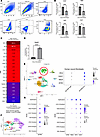 Figure 1
TNF-α represses myofibroblast gene expression and increases Setdb2 expression in wound fibroblasts. (A) Flow gating on wound fibroblasts that were isolated from wounds 7 days after injury in C57BL/6 mice utilizing magnetic separation for Tie2–, Ter119–, CD45–, CD31–, and EPCAM– cells. Cells were plated and passaged 3 times prior to flow cytometry (n = 5 mice). (B) Acta2, Tagln, Myl9, and Cald1 gene expression in wound fibroblasts isolated 7 days after wounding following TNF-α stimulation for 6 hours (25 ng/μL) (n = 4 mice/group, pooled and run in triplicate). (C) Unbiased epigenetic array comparing expression of chromatin modifying enzymes in dermal fibroblasts following 6 hours of TNF-α (25 ng/μL) stimulation with control. Chromatin modifying enzymes with less than 1.5- to 0.5-fold regulation were excluded. Fold regulation was normalized to arithmetic mean of 5 housekeeping genes (n = 4 mice/group, run in singlicate). (D) Setdb2 expression in wound fibroblasts 7 days after wounding following TNF-α (25 ng/μL) stimulation for 6 hours (n = 4 mice/group, run in triplicate). (E) Cluster analysis uniform manifold approximation and projection (UMAP) of single-cell RNA sequencing from human T2D and non-T2D wounds showed 10 unique cell clusters (representative). Dot plots detailing ACTA2, TAGLN, CALD1, and MYL9 gene expression between human wound fibroblasts expressing high amounts of Setdb2 compared with those expressing low levels of Setdb2 (n = 10). (F) Cluster analysis UMAP of single-cell RNA sequencing from human T2D and non-T2D wounds showed 8 unique fibroblast cell clusters (representative) (n = 10). (G) Dot plots detailing SETDB2, ACTA2, TAGLN, CALD1, and MYL9 gene expression between human wound fibroblast subtypes (n = 10). *P < 0.05, ***P < 0.001, ****P < 0.0001. Data are presented as the mean ± SEM. Data were first analyzed for normal distribution, and if data passed the normality test, 2-tailed Student’s t test was used. Representative figures are displayed for panel B and D, which were repeated 3 times independently.
Next, we examined the molecular mechanisms by which myofibroblast genes were being repressed following TNF-α stimulation. Since our group and others have identified that CMEs can control cell plasticity in wound tissue (32–34), we examined whether epigenetic enzymes may be regulating myofibroblast gene expression, and hence, fibroblast to myofibroblast transition in response to TNF-α. In order to examine this, fibroblasts were isolated in vivo from dermis and were stimulated with TNF-α (25 ng/μL) for 6 hours, and a 96-well epigenetic superarray was performed (QIAGEN). We found that the histone methyltransferase Setdb2 was among the highest CMEs upregulated following TNF-α stimulation (Figure 1C). To confirm the superarray finding, we stimulated isolated wound fibroblasts with TNF-α (25 ng/μL) for 6 hours, and identified, via quantitative PCR (qPCR), nearly a 6-fold upregulation of Setdb2 (Figure 1D). SETDB2 has been shown to repress genes’ expression via trimethylation at the H3K9 site (H3K9me3) in various cells and tissues (35–37). Next, to determine the translational potential of these findings, we utilized scRNA-Seq of human wounds. Wound fibroblasts were identified as published previously, then stratified by high or low SETDB2 expression (22, 38). Wound fibroblasts that expressed low amounts of Setdb2 had high expression of myofibroblast genes; fibroblasts with high levels of Setdb2 demonstrated decreased expression of myofibroblast genes (Figure 1E). Additionally, fibroblasts were stratified by the other CMEs that were strongly upregulated in the unbiased epigenetic array (Kat14, ATF2, Ciita, Aurkb, Dmnt1, and Ash1l), and none had strong correlations with myofibroblast genes in fibroblasts in our human scRNA-Seq that were supportive of a direct mechanism with their known CME directionality (Supplemental Figure 1; supplemental material available online with this article; https://doi.org/10.1172/jci.insight.190836DS1). To determine the relationship between SETDB2 and myofibroblast gene expression in all fibroblast subtypes, 8 unique fibroblast subtypes were identified (Figure 1F). SETDB2 expression was low in myofibroblasts, which is consistent with its observed inverse regulation with myofibroblast genes. Setdb2 expression varied across the rest of the fibroblast subtypes, and, in general, subtypes that had high expression of SETDB2 had low expression of myofibroblast genes (Figure 1G). Taken together these results suggest that TNF-α represses myofibroblast transition potentially via an upregulation of the CME, Setdb2.
SETDB2-deficient fibroblasts express increased myofibroblast genes. To further define the direct effect of SETDB2 on fibroblast to myofibroblast transition in wounds, we examined wound fibroblasts following siRNA knockdown of Setdb2 (Dharmacon). Wound fibroblasts were isolated and treated with siRNA specific to Setdb2 siRNA (siSetdb2) or scrambled nontargeting control RNA (siNTC) for 72 hours. Dermal fibroblasts treated with siSETDB2 demonstrated an 80% knockdown of Setdb2 (Figure 2A). Wound fibroblasts isolated from wild-type mice treated with siSetdb2 resulted in increased myofibroblast gene expression (Acta2, Tagln, Cald1, and Myl9) (Figure 2B).
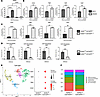 Figure 2
SETDB2-deficient fibroblasts express increased myofibroblast genes. (A) Setdb2 gene expression in wound fibroblasts isolated from unwounded dermis of wild-type mice following 72 hours of siRNA transfection with nontargeting, negative control (siNTC) or siRNA specific to Setdb2 (40 nM) (n = 5 mice/group, run in triplicate). (B) Acta2, Tagln, Myl9, and Cald1 gene expression in wound fibroblasts isolated from day 7 of wild-type mice following 72 hours of siRNA transfection with siNTC or siRNA specific to Setdb2 (40 nM) (n = 5 mice/group, run in triplicate). (C) Acta2, Tagln, Myl9, and Cald1 gene expression in dermal fibroblasts isolated from Setdb2fl/fl ColCreERT–/– and Setdb2fl/fl ColCreERT+/+ (n = 5 mice/group, run in triplicate). (D) Real-time qPCR values for chromatin immunoprecipitation (ChIP) for H3K9me3 at the promoters of Acta2, Tagln, Myl9, and Cald1 genes following 6 hours of TNF-α stimulation of Setdb2fl/fl ColCreERT–/– and Setdb2fl/fl ColCreERT+/+ dermal fibroblasts (n = 5 mice/group, run in triplicate). (E) Cluster analysis UMAP of single-cell RNA sequencing from Setdb2fl/fl ColCreERT–/– and Setdb2fl/fl ColCreERT+/+ day 7 wounds showed 5 unique fibroblast cell clusters (representative). Dot plots detailing ACTA2, TAGLN, CALD1, and MYL9 gene expression between Setdb2fl/fl ColCreERT–/– and Setdb2fl/fl ColCreERT+/+ day 7 murine wound fibroblasts (n = 3 per group). (F) Histograms showing the proportion of fibroblasts by subtype in day 7 wounds isolated from Setdb2fl/fl ColCreERT–/– and Setdb2fl/fl ColCreERT+/+ (n = 3 per group). *P < 0.05, **P < 0.01, ***P < 0.001, ****P < 0.0001. Data are presented as the mean ± SEM. Data were first analyzed for normal distribution, and if data passed the normality test, 2-tailed Student’s t test was used. Panel A utilized Tukey’s multiple-comparison test, with a single pooled variance. Representative figures are displayed for panel A–D, which were repeated 3 times independently.
Next, we examined this using a genetic, cell-specific model. We crossed our Setdb2fl/fl mice (36) with a Col1a2-CreER (ColCreERT) strain (39), thus producing mice with tamoxifen-induced, fibroblast-specific knockdown of SETDB2 (Setdb2fl/fl ColCreERTfl/fl). Following confirmation of decreased SETDB2 in fibroblasts after tamoxifen injections, dermal fibroblasts were isolated and examined for myofibroblast gene expression. Fibroblasts deficient in SETDB2 displayed higher levels of myofibroblast genes at baseline in vitro (Figure 2C). To examine the mechanism of SETDB2 repression of myofibroblast genes, we performed chromatin immunoprecipitation (ChIP) analysis of fibroblasts isolated from the dermis. SETDB2-deficient fibroblasts displayed less H3K9me3 at the promoters of myofibroblast genes (Acta2, Tagln, Myl9, and Cald1), suggesting that SETDB2 represses myofibroblast genes through H3K9me3 of the promoter sites of key myofibroblast genes (Figure 2D). Next, we harvested day 7 wounds from Setdb2fl/fl ColCreERTfl/fl and subjected them to single-cell sequencing. Fibroblasts from Setdb2fl/fl ColCreERT+/+ mice expressed myofibroblast genes at higher levels than wild-type controls, confirming the findings in ex vivo cell culture (Figure 2E). Furthermore, 5 unique fibroblast cell cultures were identified, and the myofibroblast cell line was enriched in Setdb2 ColCreERT+/+ mice compared with wild-type control (Figure 2F). Taken together, these data suggest that SETDB2 represses classic myofibroblast gene expression via an H3K9-mediated mechanism in wound fibroblasts following tissue injury.
Setdb2 expression is upregulated by TNF-α via JAK1,3/STAT3 signaling. To examine the upstream signaling pathways that regulate Setdb2 expression in wound fibroblasts following TNF-α stimulation, we investigated potential intermediate signal pathways known to be downstream from the TNF-α receptor. It is well established that the TNF-α receptor induces phosphorylation of a variety of STAT proteins in fibroblasts (40–42) and that Setdb2 expression is regulated by STAT signaling in other cell types (36, 43, 44). Therefore, we isolated wound fibroblasts and stimulated them with TNF-α for 6 hours and examined Stat(1–4) transcription. The most upregulated Stat gene following TNF-α stimulation was Stat3 (Figure 3A), and we found increased levels of active p-STAT3 in fibroblasts following TNF-α stimulation (25 ng/μL for 2 hours) (Figure 3B); there was minimal to no upregulation of Stat1, Stat2, or Stat4 following TNF-α (25 ng/μL) stimulation for 6 hours (Supplemental Figure 2). Next, to determine the effects of STAT3 on Setdb2 expression independent of STAT1, 2, and 4, we utilized siRNA knockdown of Stat3 (siStat3) (Dharmacon) in isolated wound fibroblasts. Wound fibroblasts were treated with siStat3 or siNTC for 72 hours, and fibroblasts treated with siStat3 demonstrated reduced Setdb2 expression compared with controls (Figure 3C). To confirm these results, we developed a genetic, fibroblast-specific knockdown of Stat3 (Stat3fl/fl ColCreERTfl/fl) and found that wound fibroblasts isolated on day 7 following injury from these mice expressed decreased Setdb2 compared with littermate controls (Figure 3D). To examine JAK signaling upstream of STAT3, we utilized an FDA-approved small molecule inhibitor of Jak 1,3, tofacitinib (45). Wound fibroblasts isolated and treated with tofacitinib (50 nM) and stimulated with TNF-α for 2 hours displayed decreased conversion of STAT3 to p-STAT3 (Figure 3E). Furthermore, the treatment of dermal fibroblasts with tofacitinib also reduced TNF-α–induced upregulation of Setdb2 (Figure 3F). These data suggest that TNF-α upregulates Setdb2 through a JAK1,3/STAT3 mechanism and that inhibition of the JAK1,3/STAT3 pathway may reduce the upregulation of Setdb2 in wound fibroblasts.
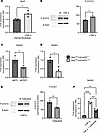 Figure 3
Setdb2 expression is upregulated by TNF-α via JAK1,3/STAT3 signaling. (A) Stat3 expression in dermal fibroblasts after 6 hours of TNF-α (25 ng/μL) stimulation, compared with control (n = 5 mice/group, run in triplicate). (B) Western blot for p-STAT3 and β-actin in isolated wound fibroblasts after 2 hours of stimulation of TNF-α (n = 5 mice/group, run in triplicate). (C) Setdb2 gene expression in wound fibroblasts isolated from day 7 of wild-type mice following 72 hours of siRNA transfection with siNTC or siRNA specific to Stat3 (siStat3) (40 nM) (n = 4 mice/group, run in triplicate). (D) Setdb2 expression in isolated wound fibroblasts isolated from day 7 following injury from Stat3fl/fl ColCreERT+/+ compared with Stat3fl/fl ColCreERT–/– (n = 3 mice/group, run in triplicate). (E) Western blot for p-STAT3 and β-actin in isolated wound fibroblasts after 2 hours of stimulation of TNF-α or TNF-α+tofacitinib (50 nM) (n = 4 mice/group, run in triplicate). (F) Setdb2 expression in isolated wound fibroblasts treated with TNF-α, or TNF-α+tofacitinib, compared with control (n = 4 mice/group, run in triplicate). *P < 0.05, **P < 0.01, ***P < 0.001, ****P < 0.0001. Data are presented as the mean ± SEM. Data were first analyzed for normal distribution, and if data passed the normality test, 2-tailed Student’s t test was used. Panel F utilized Tukey’s multiple-comparison test, with a single pooled variance. Representative figures are displayed for panels A, C, D, and F, which were repeated 3 times independently.
Pro-inflammatory macrophages drive Setdb2 expression in fibroblasts. It is known that in chronic inflammatory wounds (i.e., T2D) fibroblast functions are impaired. Although it is known that the pro-inflammatory environment seen in T2D wounds is driven by alterations in immune cells (increased pro-inflammatory macrophages) (46, 47), the degree to which pro-inflammatory macrophages affect fibroblast function is unknown. Analysis of our human scRNA-Seq dataset demonstrated an absence of crosstalk between pro-inflammatory macrophages and myofibroblasts in T2D wounds, suggesting that the pro-inflammatory environment may repress fibroblast to myofibroblast transition (Figure 4A). To determine if pro-inflammatory macrophages are a primary regulator of Setdb2 in wound fibroblasts, we first isolated bone marrow–derived macrophages (BMDMs) from C57BL/6 mice as we have previously described (48). Next, we polarized these BMDMs toward a pro-inflammatory phenotype using LPS (100 ng/mL) stimulation for 4 hours (49). Dermal fibroblasts were then incubated with supernatants from the pro-inflammatory BMDMs for 4 hours, and fibroblasts were then examined for Setdb2 and myofibroblast gene expression. Fibroblasts treated with pro-inflammatory, activated BMDM supernatant demonstrated increased Setdb2 expression and reduced myofibroblast gene expression, as compared with fibroblasts treated with unstimulated BMDM supernatant (Figure 4B). Addition of etanercept (4 μM, MedChemExpress), a TNF-α decoy receptor that decreases TNF-α receptor signaling to the activated BMDM supernatants for 4 hours prevented the increase in expression of Setdb2, suggesting that Setdb2 is regulated by TNF-α in the inflammatory macrophage supernatants (Figure 4C). This suggests that pro-inflammatory macrophages may regulate Setdb2 expression in wound fibroblasts, primarily through TNF-α signaling.
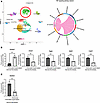 Figure 4
Pro-inflammatory macrophages drive Setdb2 expression in fibroblasts. (A) Cluster analysis UMAP of single-cell RNA sequencing from human T2D and non-T2D wounds showed 10 unique cell clusters (representative), with both fibroblasts and macrophages identified. River plots depicting receptor-ligand interactions affect outgoing (signal source) TNF-α interactions from macrophages and incoming (signal responder) patterns from fibroblast subtypes. The thickness of the flow indicates the contribution of the cell group or signaling pathway to each latent pattern (n = 10). (B) Setdb2, Acta2, Tagln, Myl9, and Cald1 expression in isolated dermal fibroblasts treated with supernatants from activated BMDMs or control BMDMs. Supernatants were mixed 1:1 with serum-free DMEM and applied to fibroblasts for 4 hours (n = 4 mice/group for fibroblasts, n = 8 mice/group for BMDMs, run in triplicate). (C) Setdb2 expression in isolated dermal fibroblasts treated with supernatants from activated BMDMs or control BMDMs. Supernatants were mixed 1:1 with serum-free DMEM ± etanercept (4 μM) and applied to fibroblasts for 4 hours (n = 4 mice/group for fibroblasts, n = 8 mice/group for BMDMs, run in triplicate). **P < 0.01, ***P < 0.001. Data are presented as the mean ± SEM. Data were first analyzed for normal distribution, and if data passed the normality test, 2-tailed Student’s t test was used. Representative figures are displayed for panel B and C, which were repeated 3 times independently.
TNF-α signaling is increased in diabetic wounds and drives Setdb2 expression in fibroblasts. To translate our findings to T2D wound repair, where there is decreased fibroblast to myofibroblast transition, we used a physiologic murine model (diet-induced obesity, DIO) similar to T2D where male mice are fed a high-fat diet (HFD) for 12 weeks and develop glucose intolerance and insulin resistance (48). Tnf-α expression was higher in wounds harvested 7 days after injury from DIO mice, as compared with controls, similar to what our group and others have found in human and murine T2D tissue (Figure 5A) (19, 50). Furthermore, when we examined wound fibroblasts isolated from DIO mice on day 7 postinjury, we found that Setdb2 expression was upregulated in DIO wound fibroblasts compared with control (Figure 5B). Next, we examined our human scRNA-Seq dataset and found that human wound fibroblasts from T2D wounds displayed increased expression of Setdb2 compared with fibroblasts from non-T2D wounds (Figure 5C). Next, in order to determine if reduction of SETDB2 in wound fibroblasts can improve DIO wound repair, Setdb2fl/fl ColCreERTfl/fl mice were started on a DIO diet and were subjected to 6 mm punch biopsy wounding. Wound healing was monitored using ImageJ (National Institutes of Health) software as previously described (48). DIO mice with fibroblasts deficient in Setdb2 healed significantly better than littermate controls (Figure 5D). Since there is no known direct pharmacologic inhibitor of SETDB2, mice were injected with tofacitinib (1 mg/kg) daily starting on day 1 in order to determine if the pharmacologic repression of the TNF-α/STAT3/SETDB2 axis had translational relevance for wound healing. Mice injected with tofacitinib demonstrated improved wound healing compared with those injected with DMSO control (Figure 5E), and fibroblasts isolated from the wounds of mice injected daily with tofacitinib displayed increased myofibroblast genes compared with control (Figure 5F). Furthermore, wound fibroblasts from mice injected with tofacitinib expressed decreased Setdb2 in the presence of ex vivo stimulation with TNF-α (25 ng/μL) for 6 hours (Figure 5G). Analysis of receptor-ligand interactions in human wounds showed an increase in TNF-α signaling among fibroblasts in T2D wounds (41 interactions), compared with non-T2D (32 interactions) (Figure 5H). Gene ontology pathway analysis comparing human fibroblasts from T2D wounds with non-T2D wounds demonstrated several had many significantly downregulated pathways associated with myofibroblast function, including extracellular matrix structure/organization, cell substrate adhesion, elastic fiber assembly, and wound healing, among others (Figure 5I). These data suggest Setdb2 is increased in T2D wound fibroblasts, leading to reduced fibroblast to myofibroblast transition in T2D wounds, and inhibition of the TNF-α/STAT3/SETDB2 pathway may improve fibroblast function in diabetic wound repair.
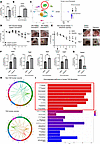 Figure 5
TNF-α signaling is higher in diabetic wounds, driving Setdb2 expression. (A) Wound expression of TNF-α harvested on day 7 following tissue injury (DIO and littermate controls) (n = 4 mice/group, run in triplicate). (B) Setdb2 expression in fibroblasts isolated day 7 following tissue injury (DIO and littermate controls) (n = 4 mice/group, run in triplicate). (C) Cluster analysis UMAP of single-cell RNA-Seq from human T2D and non-T2D wounds. Dot plot comparing Setdb2 expression in human T2D with non-T2D wound fibroblasts (n = 10). (D) Wound healing curve for DIO Setdb2fl/fl ColCreERTfl/fl mice. Mice were wounded via 6 mm punch biopsy and images were taken daily. Scale bar is 4 mm (n = 10/group for Setdb2fl/fl ColCreERT–/– and 5 for Setdb2fl/fl ColCreER+/+). (E) Wound healing curve for DIO mice injected daily with tofacitinib (1 mg/kg) or DMSO control. Tofacitinib injections were started on day 1. Scale bar is 4 mm (n = 6/group). (F) Acta2, Tagln, Myl9, and Cald1 gene expression from wound fibroblasts isolated from mice injected daily with tofacitinib or DMSO control following wounding (n = 5 mice/group, run in triplicate). (G) Setdb2 gene expression from wound fibroblasts isolated from mice injected daily with tofacitinib or DMSO control following wounding, following stimulation with TNF-α for 6 hours (n = 5 mice/group, run in triplicate). (H) Receptor-ligand plots depicting TNF-α receptor-ligand interactions in human scRNA-Seq between wound macrophage and wound fibroblast subtypes (n = 10). (I) Significantly downregulated pathways in human T2D wound fibroblasts compared with non-T2D wound fibroblasts. Red box indicates most strongly downregulated pathways (n = 10). *P < 0.05, **P < 0.01, ***P < 0.001, ****P < 0.0001. Data are presented as the mean ± SEM. Data were first analyzed for normal distribution, and if data passed the normality test, 2-tailed Student’s t test was used. Representative figures are displayed for panel A, B, F, and G, which were repeated 3 times independently.
-
Discussion
In this study we define a role for SETDB2 in fibroblasts, as a regulator of fibroblast to myofibroblast transition in wounds. Specifically, we show that TNF-α upregulates Setdb2 in wound fibroblasts through JAK1,3/STAT3 and SETDB2 functions to suppress transcription of key genes necessary for fibroblast to myofibroblast transition, including Acta2, Tagln, Myl9, and Cald1. We show that fibroblasts treated with supernatants from pro-inflammatory macrophages, similar to T2D wounds, increase Setdb2 and repress myofibroblast genes and that treatment with a commercially available TNF-α decoy receptor can reduce upregulation of Setdb2. Finally, we show that the TNF-α/SETDB2 pathway is upregulated in T2D wound fibroblasts and that fibroblast-specific knockdown of Setdb2 or pharmacologic inhibition of JAK1,3/STAT3 improves wound healing in diabetic mice and leads to increased myofibroblast gene expression in T2D wounds. This suggests a TNF-α/SETDB2 cell-specific therapy may improve T2D wound healing.
Our group has previously investigated the pathophysiology associated with epigenetic alterations in T2D wounds that result in pathologic cell function. The focus of the majority of our and others’ work has been on immune cells and has unveiled a myriad of CMEs that regulate cell plasticity (19, 21, 34, 51). However, the role of CMEs in structural cells in wounds is less well studied. Although Setdb2 has been examined in other cell types, this is the first investigation in fibroblasts (17–20). In this study, we show that Setdb2 in fibroblasts directly regulates classic myofibroblast gene expression, including Acta2, Tagln, Myl9, and Cald1. Myofibroblasts function to produce extracellular matrix proteins and contract wounds, specifically through Acta2, which incorporates into stress fibers to pull wound edges together (52, 53). Myofibroblasts, specifically fibroblasts that express high amounts of Acta2 and its gene product α-SMA, are highly correlated with wound healing (54, 55), and reduced myofibroblasts are a hallmark of chronic wounds, such as in T2D. Despite the clear relationship between Acta2 gene expression, fibroblast to myofibroblast differentiation, and wound healing, there have been limited prior investigations into the potential epigenetic regulation of the myofibroblast gene set (15). In this regard, this study explores an unknown area by examining molecular mechanisms of the reduction in the number and function of myofibroblasts in diabetic wounds.
Here, we show that TNF-α increases Setdb2 in wound fibroblasts through JAK1,3/STAT3 signaling. This was not unexpected since TNF-α receptor stimulation induces phosphorylation of a variety of STAT proteins in fibroblasts (40–42), and Setdb2 expression is regulated by STAT signaling in other cell types (36, 43, 44). Since Setdb2 does not have any direct pharmacologic inhibitors, the identification of JAK1,3/STAT3 as an upstream pathway increases the translational relevance of this work and allows for future studies targeting JAK1,3/STAT3 to alter fibroblast phenotype.
Fibroblasts are a notoriously heterogeneous cell population and are not unified by any cell surface marker. While there are many populations of fibroblasts in wounds, investigations aimed at understanding the epigenetic alterations in fibroblasts have been hampered by the lack of clear, well-defined cellular pathways in fibroblasts during wound healing (56). This investigation focused on the epigenetic regulation of the most well-defined cellular pathway for fibroblasts in wound healing, fibroblast to myofibroblast transition. We show that knockdown of SETDB2 leads to increased myofibroblast gene expression in all fibroblast populations in vitro and that in vivo knockdown of SETDB2 leads to an increase in myofibroblasts as identified by scRNA-Seq. While we do show that SETDB2 has an inverse correlation with myofibroblast gene expression across all fibroblast subtypes, the relevance of the TNF-α/STAT3/SETDB2 axis on cellular phenotype in each individual fibroblast subtype remains unclear. Future studies with targeted in vivo and in vitro analyses of fibroblast function are needed to define clear roles for the main fibroblast subtypes in the dermis; these studies may be informed from readily available single-cell multiomic datasets that provide high-quality, granular data on dermal cell types (6, 57, 58).
In T2D, alterations in circulating immune cells prior to injury (59, 60), as well as higher levels of glucose, advanced glycolytic end products, and bacterial counts (23), lead to a drastically different wound environment in wounds. It has been established by our group and others that many factors in T2D polarize both resident and recruited macrophages to a pro-inflammatory subtype, which overproduce TNF-α in T2D wounds (61). Little is known about how these pro-inflammatory immune cells influence structural cells in T2D wounds. Using BMDM conditioned media we show that the pro-inflammatory environment of macrophages (similar to that seen in T2D wounds) represses myofibroblast gene expression and increase Setdb2 expression, which was reversible with a commercially available inhibitor of TNF-α. These findings are corroborated in our human scRNA-Seq showing higher levels of TNF-α receptor-ligand interactions between macrophages and fibroblasts in human T2D wounds compared with non-T2D wounds and an absence of pro-inflammatory macrophage crosstalk with myofibroblasts in T2D wounds. Our work on macrophage-fibroblast interaction builds on the existing literature by identifying how known, pathologic inflammation impairs normal structural cell function in wound healing.
Although this work provides insight into the TNF-α/SETDB2 axis that regulates fibroblast to myofibroblast transition in wounds, there are a few limitations that should be addressed. First, we chose to focus on 4 genes that are well established as indicators of myofibroblasts, including the most classic gene for fibroblast to myofibroblast transition, Acta2 (31). There may be additional genes that are important for fibroblast to myofibroblast transition that are not regulated by Setdb2. Furthermore, we chose to study wound fibroblasts isolated from day 7 after wounding, which was informed by the literature, where this time is firmly in the proliferative phase of wound healing in murine models, which should be optimal to study myofibroblast gene expression and transition (54, 62, 63). While day 7 is an appropriate time point based off of prior literature, it is possible that the TNF-α/SETDB2 axis is not relevant at all time points following injury. While we show that the TNF-α/STAT3/SETDB2 axis regulates myofibroblast genes across all wound fibroblasts, the relevance of this pathway in each individual fibroblast subtype is not confirmed. Furthermore, fibroblasts are extremely heterogeneous between different tissues, and it remains unclear if the TNF-α/STAT3/SETDB2 axis is relevant in myofibroblast gene expression in other tissues. Finally, while we do show that SETDB2 directly trimethylates the promoters of myofibroblast genes to repress gene expression, we cannot rule out additional, indirect pathways that regulate SETDB2 or its interactions with other CMEs or transcription factors that may influence myofibroblast gene expression.
In summary, we show that TNF-α signaling in fibroblasts increases Setdb2, which functions to repress fibroblast to myofibroblast transition. Setdb2 directly trimethylates H3K9 at the promoter sites of myofibroblast genes and reduces gene expression. We find that JAK1,3/STAT3 signaling is a key intermediate in the TNF-α/Setdb2 pathway, further advancing the translational application of this work. We show that the TNF-α/STAT3/SETDB2 pathway is upregulated in T2D wound fibroblasts and that fibroblast-specific knockdown of SETDB2 or pharmacologic inhibition of JAK1,3/STAT3 signaling can improve T2D wound healing (Figure 6). Further investigation into a cell-specific therapeutic target to improve wound healing in patients with T2D would be both relevant and timely.


