
Research ArticleAgingEndocrinology
Open Access |  10.1172/jci.insight.189371
Angiopoietin-like 8 governs osteoblast-adipocyte lineage commitment during skeletal aging
Yaming Guo,1,2,3 Zeqing Zhang,1,2,3 Junyu He,1,2,3 Peiqiong Luo,1,2,3 Zhihan Wang,1,2,3 Yurong Zhu,1,2,3 Xiaoyu Meng,1,2,3 Limeng Pan,1,2,3 Ranran Kan,1,2,3 Yuxi Xiang,1,2,3 Beibei Mao,1,2,3 Yi He,1,2,3 Siyi Wang,1,2,3 Yan Yang,1,2,3 Fengjing Guo,4 Hongbo You,4 Feng Li,4 Danpei Li,1,2,3 Yong Chen,1,2,3 and Xuefeng Yu1,2,3
1Division of Endocrinology, Department of Internal Medicine, Tongji Hospital, Tongji Medical College, Huazhong University of Science and Technology, Wuhan, China.
2Hubei Clinical Medical Research Center for Endocrinology and Metabolic Diseases, Hubei, China.
3Branch of National Clinical Research Center for Metabolic Diseases, Hubei, China.
4Department of Orthopedics, Tongji Hospital, Tongji Medical College, Huazhong University of Science and Technology, Wuhan, China.
Address correspondence to: Danpei Li, Yong Chen, or Xuefeng Yu, Department of Internal Medicine, Tongji Hospital, Tongji Medical College, Huazhong University of Science and Technology, 1095 Jiefang Avenue, Wuhan 430030, China. Email: ldp19940730@163.com (DL); tj.y.chen@vip.163.com (YC); xfyu188@163.com (XY).
Authorship note: TG and ZZ contributed equally to this work.
Find articles by Guo, Y. in: PubMed | Google Scholar
1Division of Endocrinology, Department of Internal Medicine, Tongji Hospital, Tongji Medical College, Huazhong University of Science and Technology, Wuhan, China.
2Hubei Clinical Medical Research Center for Endocrinology and Metabolic Diseases, Hubei, China.
3Branch of National Clinical Research Center for Metabolic Diseases, Hubei, China.
4Department of Orthopedics, Tongji Hospital, Tongji Medical College, Huazhong University of Science and Technology, Wuhan, China.
Address correspondence to: Danpei Li, Yong Chen, or Xuefeng Yu, Department of Internal Medicine, Tongji Hospital, Tongji Medical College, Huazhong University of Science and Technology, 1095 Jiefang Avenue, Wuhan 430030, China. Email: ldp19940730@163.com (DL); tj.y.chen@vip.163.com (YC); xfyu188@163.com (XY).
Authorship note: TG and ZZ contributed equally to this work.
Find articles by Zhang, Z. in: PubMed | Google Scholar
1Division of Endocrinology, Department of Internal Medicine, Tongji Hospital, Tongji Medical College, Huazhong University of Science and Technology, Wuhan, China.
2Hubei Clinical Medical Research Center for Endocrinology and Metabolic Diseases, Hubei, China.
3Branch of National Clinical Research Center for Metabolic Diseases, Hubei, China.
4Department of Orthopedics, Tongji Hospital, Tongji Medical College, Huazhong University of Science and Technology, Wuhan, China.
Address correspondence to: Danpei Li, Yong Chen, or Xuefeng Yu, Department of Internal Medicine, Tongji Hospital, Tongji Medical College, Huazhong University of Science and Technology, 1095 Jiefang Avenue, Wuhan 430030, China. Email: ldp19940730@163.com (DL); tj.y.chen@vip.163.com (YC); xfyu188@163.com (XY).
Authorship note: TG and ZZ contributed equally to this work.
Find articles by He, J. in: PubMed | Google Scholar
1Division of Endocrinology, Department of Internal Medicine, Tongji Hospital, Tongji Medical College, Huazhong University of Science and Technology, Wuhan, China.
2Hubei Clinical Medical Research Center for Endocrinology and Metabolic Diseases, Hubei, China.
3Branch of National Clinical Research Center for Metabolic Diseases, Hubei, China.
4Department of Orthopedics, Tongji Hospital, Tongji Medical College, Huazhong University of Science and Technology, Wuhan, China.
Address correspondence to: Danpei Li, Yong Chen, or Xuefeng Yu, Department of Internal Medicine, Tongji Hospital, Tongji Medical College, Huazhong University of Science and Technology, 1095 Jiefang Avenue, Wuhan 430030, China. Email: ldp19940730@163.com (DL); tj.y.chen@vip.163.com (YC); xfyu188@163.com (XY).
Authorship note: TG and ZZ contributed equally to this work.
Find articles by Luo, P. in: PubMed | Google Scholar
1Division of Endocrinology, Department of Internal Medicine, Tongji Hospital, Tongji Medical College, Huazhong University of Science and Technology, Wuhan, China.
2Hubei Clinical Medical Research Center for Endocrinology and Metabolic Diseases, Hubei, China.
3Branch of National Clinical Research Center for Metabolic Diseases, Hubei, China.
4Department of Orthopedics, Tongji Hospital, Tongji Medical College, Huazhong University of Science and Technology, Wuhan, China.
Address correspondence to: Danpei Li, Yong Chen, or Xuefeng Yu, Department of Internal Medicine, Tongji Hospital, Tongji Medical College, Huazhong University of Science and Technology, 1095 Jiefang Avenue, Wuhan 430030, China. Email: ldp19940730@163.com (DL); tj.y.chen@vip.163.com (YC); xfyu188@163.com (XY).
Authorship note: TG and ZZ contributed equally to this work.
Find articles by Wang, Z. in: PubMed | Google Scholar
1Division of Endocrinology, Department of Internal Medicine, Tongji Hospital, Tongji Medical College, Huazhong University of Science and Technology, Wuhan, China.
2Hubei Clinical Medical Research Center for Endocrinology and Metabolic Diseases, Hubei, China.
3Branch of National Clinical Research Center for Metabolic Diseases, Hubei, China.
4Department of Orthopedics, Tongji Hospital, Tongji Medical College, Huazhong University of Science and Technology, Wuhan, China.
Address correspondence to: Danpei Li, Yong Chen, or Xuefeng Yu, Department of Internal Medicine, Tongji Hospital, Tongji Medical College, Huazhong University of Science and Technology, 1095 Jiefang Avenue, Wuhan 430030, China. Email: ldp19940730@163.com (DL); tj.y.chen@vip.163.com (YC); xfyu188@163.com (XY).
Authorship note: TG and ZZ contributed equally to this work.
Find articles by Zhu, Y. in: PubMed | Google Scholar
1Division of Endocrinology, Department of Internal Medicine, Tongji Hospital, Tongji Medical College, Huazhong University of Science and Technology, Wuhan, China.
2Hubei Clinical Medical Research Center for Endocrinology and Metabolic Diseases, Hubei, China.
3Branch of National Clinical Research Center for Metabolic Diseases, Hubei, China.
4Department of Orthopedics, Tongji Hospital, Tongji Medical College, Huazhong University of Science and Technology, Wuhan, China.
Address correspondence to: Danpei Li, Yong Chen, or Xuefeng Yu, Department of Internal Medicine, Tongji Hospital, Tongji Medical College, Huazhong University of Science and Technology, 1095 Jiefang Avenue, Wuhan 430030, China. Email: ldp19940730@163.com (DL); tj.y.chen@vip.163.com (YC); xfyu188@163.com (XY).
Authorship note: TG and ZZ contributed equally to this work.
Find articles by Meng, X. in: PubMed | Google Scholar
1Division of Endocrinology, Department of Internal Medicine, Tongji Hospital, Tongji Medical College, Huazhong University of Science and Technology, Wuhan, China.
2Hubei Clinical Medical Research Center for Endocrinology and Metabolic Diseases, Hubei, China.
3Branch of National Clinical Research Center for Metabolic Diseases, Hubei, China.
4Department of Orthopedics, Tongji Hospital, Tongji Medical College, Huazhong University of Science and Technology, Wuhan, China.
Address correspondence to: Danpei Li, Yong Chen, or Xuefeng Yu, Department of Internal Medicine, Tongji Hospital, Tongji Medical College, Huazhong University of Science and Technology, 1095 Jiefang Avenue, Wuhan 430030, China. Email: ldp19940730@163.com (DL); tj.y.chen@vip.163.com (YC); xfyu188@163.com (XY).
Authorship note: TG and ZZ contributed equally to this work.
Find articles by Pan, L. in: PubMed | Google Scholar
1Division of Endocrinology, Department of Internal Medicine, Tongji Hospital, Tongji Medical College, Huazhong University of Science and Technology, Wuhan, China.
2Hubei Clinical Medical Research Center for Endocrinology and Metabolic Diseases, Hubei, China.
3Branch of National Clinical Research Center for Metabolic Diseases, Hubei, China.
4Department of Orthopedics, Tongji Hospital, Tongji Medical College, Huazhong University of Science and Technology, Wuhan, China.
Address correspondence to: Danpei Li, Yong Chen, or Xuefeng Yu, Department of Internal Medicine, Tongji Hospital, Tongji Medical College, Huazhong University of Science and Technology, 1095 Jiefang Avenue, Wuhan 430030, China. Email: ldp19940730@163.com (DL); tj.y.chen@vip.163.com (YC); xfyu188@163.com (XY).
Authorship note: TG and ZZ contributed equally to this work.
Find articles by Kan, R. in: PubMed | Google Scholar
1Division of Endocrinology, Department of Internal Medicine, Tongji Hospital, Tongji Medical College, Huazhong University of Science and Technology, Wuhan, China.
2Hubei Clinical Medical Research Center for Endocrinology and Metabolic Diseases, Hubei, China.
3Branch of National Clinical Research Center for Metabolic Diseases, Hubei, China.
4Department of Orthopedics, Tongji Hospital, Tongji Medical College, Huazhong University of Science and Technology, Wuhan, China.
Address correspondence to: Danpei Li, Yong Chen, or Xuefeng Yu, Department of Internal Medicine, Tongji Hospital, Tongji Medical College, Huazhong University of Science and Technology, 1095 Jiefang Avenue, Wuhan 430030, China. Email: ldp19940730@163.com (DL); tj.y.chen@vip.163.com (YC); xfyu188@163.com (XY).
Authorship note: TG and ZZ contributed equally to this work.
Find articles by Xiang, Y. in: PubMed | Google Scholar
1Division of Endocrinology, Department of Internal Medicine, Tongji Hospital, Tongji Medical College, Huazhong University of Science and Technology, Wuhan, China.
2Hubei Clinical Medical Research Center for Endocrinology and Metabolic Diseases, Hubei, China.
3Branch of National Clinical Research Center for Metabolic Diseases, Hubei, China.
4Department of Orthopedics, Tongji Hospital, Tongji Medical College, Huazhong University of Science and Technology, Wuhan, China.
Address correspondence to: Danpei Li, Yong Chen, or Xuefeng Yu, Department of Internal Medicine, Tongji Hospital, Tongji Medical College, Huazhong University of Science and Technology, 1095 Jiefang Avenue, Wuhan 430030, China. Email: ldp19940730@163.com (DL); tj.y.chen@vip.163.com (YC); xfyu188@163.com (XY).
Authorship note: TG and ZZ contributed equally to this work.
Find articles by Mao, B. in: PubMed | Google Scholar
1Division of Endocrinology, Department of Internal Medicine, Tongji Hospital, Tongji Medical College, Huazhong University of Science and Technology, Wuhan, China.
2Hubei Clinical Medical Research Center for Endocrinology and Metabolic Diseases, Hubei, China.
3Branch of National Clinical Research Center for Metabolic Diseases, Hubei, China.
4Department of Orthopedics, Tongji Hospital, Tongji Medical College, Huazhong University of Science and Technology, Wuhan, China.
Address correspondence to: Danpei Li, Yong Chen, or Xuefeng Yu, Department of Internal Medicine, Tongji Hospital, Tongji Medical College, Huazhong University of Science and Technology, 1095 Jiefang Avenue, Wuhan 430030, China. Email: ldp19940730@163.com (DL); tj.y.chen@vip.163.com (YC); xfyu188@163.com (XY).
Authorship note: TG and ZZ contributed equally to this work.
Find articles by He, Y. in: PubMed | Google Scholar
1Division of Endocrinology, Department of Internal Medicine, Tongji Hospital, Tongji Medical College, Huazhong University of Science and Technology, Wuhan, China.
2Hubei Clinical Medical Research Center for Endocrinology and Metabolic Diseases, Hubei, China.
3Branch of National Clinical Research Center for Metabolic Diseases, Hubei, China.
4Department of Orthopedics, Tongji Hospital, Tongji Medical College, Huazhong University of Science and Technology, Wuhan, China.
Address correspondence to: Danpei Li, Yong Chen, or Xuefeng Yu, Department of Internal Medicine, Tongji Hospital, Tongji Medical College, Huazhong University of Science and Technology, 1095 Jiefang Avenue, Wuhan 430030, China. Email: ldp19940730@163.com (DL); tj.y.chen@vip.163.com (YC); xfyu188@163.com (XY).
Authorship note: TG and ZZ contributed equally to this work.
Find articles by Wang, S. in: PubMed | Google Scholar
1Division of Endocrinology, Department of Internal Medicine, Tongji Hospital, Tongji Medical College, Huazhong University of Science and Technology, Wuhan, China.
2Hubei Clinical Medical Research Center for Endocrinology and Metabolic Diseases, Hubei, China.
3Branch of National Clinical Research Center for Metabolic Diseases, Hubei, China.
4Department of Orthopedics, Tongji Hospital, Tongji Medical College, Huazhong University of Science and Technology, Wuhan, China.
Address correspondence to: Danpei Li, Yong Chen, or Xuefeng Yu, Department of Internal Medicine, Tongji Hospital, Tongji Medical College, Huazhong University of Science and Technology, 1095 Jiefang Avenue, Wuhan 430030, China. Email: ldp19940730@163.com (DL); tj.y.chen@vip.163.com (YC); xfyu188@163.com (XY).
Authorship note: TG and ZZ contributed equally to this work.
Find articles by Yang, Y. in: PubMed | Google Scholar
1Division of Endocrinology, Department of Internal Medicine, Tongji Hospital, Tongji Medical College, Huazhong University of Science and Technology, Wuhan, China.
2Hubei Clinical Medical Research Center for Endocrinology and Metabolic Diseases, Hubei, China.
3Branch of National Clinical Research Center for Metabolic Diseases, Hubei, China.
4Department of Orthopedics, Tongji Hospital, Tongji Medical College, Huazhong University of Science and Technology, Wuhan, China.
Address correspondence to: Danpei Li, Yong Chen, or Xuefeng Yu, Department of Internal Medicine, Tongji Hospital, Tongji Medical College, Huazhong University of Science and Technology, 1095 Jiefang Avenue, Wuhan 430030, China. Email: ldp19940730@163.com (DL); tj.y.chen@vip.163.com (YC); xfyu188@163.com (XY).
Authorship note: TG and ZZ contributed equally to this work.
Find articles by Guo, F. in: PubMed | Google Scholar
1Division of Endocrinology, Department of Internal Medicine, Tongji Hospital, Tongji Medical College, Huazhong University of Science and Technology, Wuhan, China.
2Hubei Clinical Medical Research Center for Endocrinology and Metabolic Diseases, Hubei, China.
3Branch of National Clinical Research Center for Metabolic Diseases, Hubei, China.
4Department of Orthopedics, Tongji Hospital, Tongji Medical College, Huazhong University of Science and Technology, Wuhan, China.
Address correspondence to: Danpei Li, Yong Chen, or Xuefeng Yu, Department of Internal Medicine, Tongji Hospital, Tongji Medical College, Huazhong University of Science and Technology, 1095 Jiefang Avenue, Wuhan 430030, China. Email: ldp19940730@163.com (DL); tj.y.chen@vip.163.com (YC); xfyu188@163.com (XY).
Authorship note: TG and ZZ contributed equally to this work.
Find articles by You, H. in: PubMed | Google Scholar
1Division of Endocrinology, Department of Internal Medicine, Tongji Hospital, Tongji Medical College, Huazhong University of Science and Technology, Wuhan, China.
2Hubei Clinical Medical Research Center for Endocrinology and Metabolic Diseases, Hubei, China.
3Branch of National Clinical Research Center for Metabolic Diseases, Hubei, China.
4Department of Orthopedics, Tongji Hospital, Tongji Medical College, Huazhong University of Science and Technology, Wuhan, China.
Address correspondence to: Danpei Li, Yong Chen, or Xuefeng Yu, Department of Internal Medicine, Tongji Hospital, Tongji Medical College, Huazhong University of Science and Technology, 1095 Jiefang Avenue, Wuhan 430030, China. Email: ldp19940730@163.com (DL); tj.y.chen@vip.163.com (YC); xfyu188@163.com (XY).
Authorship note: TG and ZZ contributed equally to this work.
Find articles by Li, F. in: PubMed | Google Scholar
1Division of Endocrinology, Department of Internal Medicine, Tongji Hospital, Tongji Medical College, Huazhong University of Science and Technology, Wuhan, China.
2Hubei Clinical Medical Research Center for Endocrinology and Metabolic Diseases, Hubei, China.
3Branch of National Clinical Research Center for Metabolic Diseases, Hubei, China.
4Department of Orthopedics, Tongji Hospital, Tongji Medical College, Huazhong University of Science and Technology, Wuhan, China.
Address correspondence to: Danpei Li, Yong Chen, or Xuefeng Yu, Department of Internal Medicine, Tongji Hospital, Tongji Medical College, Huazhong University of Science and Technology, 1095 Jiefang Avenue, Wuhan 430030, China. Email: ldp19940730@163.com (DL); tj.y.chen@vip.163.com (YC); xfyu188@163.com (XY).
Authorship note: TG and ZZ contributed equally to this work.
Find articles by Li, D. in: PubMed | Google Scholar
1Division of Endocrinology, Department of Internal Medicine, Tongji Hospital, Tongji Medical College, Huazhong University of Science and Technology, Wuhan, China.
2Hubei Clinical Medical Research Center for Endocrinology and Metabolic Diseases, Hubei, China.
3Branch of National Clinical Research Center for Metabolic Diseases, Hubei, China.
4Department of Orthopedics, Tongji Hospital, Tongji Medical College, Huazhong University of Science and Technology, Wuhan, China.
Address correspondence to: Danpei Li, Yong Chen, or Xuefeng Yu, Department of Internal Medicine, Tongji Hospital, Tongji Medical College, Huazhong University of Science and Technology, 1095 Jiefang Avenue, Wuhan 430030, China. Email: ldp19940730@163.com (DL); tj.y.chen@vip.163.com (YC); xfyu188@163.com (XY).
Authorship note: TG and ZZ contributed equally to this work.
Find articles by Chen, Y. in: PubMed | Google Scholar
1Division of Endocrinology, Department of Internal Medicine, Tongji Hospital, Tongji Medical College, Huazhong University of Science and Technology, Wuhan, China.
2Hubei Clinical Medical Research Center for Endocrinology and Metabolic Diseases, Hubei, China.
3Branch of National Clinical Research Center for Metabolic Diseases, Hubei, China.
4Department of Orthopedics, Tongji Hospital, Tongji Medical College, Huazhong University of Science and Technology, Wuhan, China.
Address correspondence to: Danpei Li, Yong Chen, or Xuefeng Yu, Department of Internal Medicine, Tongji Hospital, Tongji Medical College, Huazhong University of Science and Technology, 1095 Jiefang Avenue, Wuhan 430030, China. Email: ldp19940730@163.com (DL); tj.y.chen@vip.163.com (YC); xfyu188@163.com (XY).
Authorship note: TG and ZZ contributed equally to this work.
Find articles by Yu, X. in: PubMed | Google Scholar
Published October 21, 2025 - More info
JCI Insight. 2025;10(23):e189371. https://doi.org/10.1172/jci.insight.189371.
© 2025 Guo et al. This work is licensed under the Creative Commons Attribution 4.0 International License. To view a copy of this license, visit http://creativecommons.org/licenses/by/4.0/.
Received: November 18, 2024; Accepted: October 16, 2025


-
Results
ANGPTL8 expression increased with age in BM during skeletal aging. To identify dysregulated ANGPTL8 in MSCs from BM during skeletal aging, we collected BM samples from individuals of different ages and observed that BMAT accumulation increased with age (Figure 1A), as indicated by H&E and Oil Red O staining. Meanwhile, ANGPTL8 levels progressively rose in human BM supernatants (Figure 1B). Based on a single-cell sequencing database (17), we observed expression of ANGPTL8 in MSCs derived from BM cells of 24-month-old male mice (Figure 1C). To determine whether this age-related expression is conserved in humans, we examined ANGPTL8 levels in human BM MSCs (hBMMSCs) from donors of different ages. Consistent with the murine data, ANGPTL8 expression in hBMMSCs also increased with age (Figure 1D). Moreover, adipogenic markers (PPARG, CEBPβ, and FABP4) and cellular senescence markers (P16 and P21) in hBMMSCs positively correlated with age, whereas osteogenic markers (ALP, RUNX2, and SP7) were inversely correlated with age (Supplemental Figure 1, A–H; supplemental material available online with this article; https://doi.org/10.1172/jci.insight.189371DS1). Interestingly, the relationships between these markers and ANGPTL8 were similar to that with age (Supplemental Figure 1, I–P).
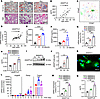 Figure 1
ANGPTL8 expression increases with age in BM during skeletal aging. (A) Oil Red O and H&E staining of human BM samples from individuals at different ages. Scale bars: 200 μm. (B) ANGPTL8 levels in BM supernatants (n = 14) from different individuals. (C) Bioinformatics analysis of single-cell RNA sequencing of BM cells expressing ANGPTL8 from old (24 months) WT male mice. (D) Age-associated ANGPTL8 mRNA expression in hBMMSCs (n = 33). (E and F) ANGPTL8 levels in BM supernatants (E) and serum (F) from 3-, 12-, and 24-month-old WT male mice (n = 6). (G–J) mRNA expression of Angptl8 (G), corresponding ANGPTL8 levels in supernatants (H), and Western blot analysis for ANGPTL8 (I and J) in 18-month-old male mice BMMSCs from different cell passages (n = 3). (K) Representative images showing immunofluorescent staining of ANGPTL8 (green) in passage 5 (P5) BMMSCs from 18-month-old male mice. Scale bar: 50 μm. (L) qRT-PCR analysis of the mRNA expression of Angptl8, Pparg, and Fabp4 during the differentiation of BMMSCs from 3-month-old WT male mice into adipocytes (n = 3). (M and N) mRNA expression of ANGPTL8 (M) and ANGPTL8 levels (N) in supernatants from hBMMSCs from different passages (n = 3). Data are mean ± SEM. *P < 0.05; **P < 0.01; ***P < 0.001; ****P < 0.0001 by 1-way ANOVA followed by Tukey’s multiple-comparison test.
In vivo studies in 3-, 12-, and 24-month-old wild-type (WT) mice revealed that ANGPTL8 in BM supernatants (Figure 1E) and serum (Figure 1F) also increased with age. We sorted mouse BMMSCs, defined as STRO-1+CD146+CD45–CD11b– (Supplemental Figure 2A) by flow cytometry, and observed that ANGPTL8 concurrently increased from passage 3 to passage 5 (P3 to P5; Figure 1, G–J). Cellular immunofluorescence localization demonstrated that ANGPTL8 was expressed in BMMSCs (Figure 1K). During the differentiation of BMMSCs to adipocytes, the relative expression of Angptl8 increased with time (Figure 1L). Notably, these findings were replicated in cultures of hBMMSCs expanded in vitro for 3 passages (P3 to P5; Figure 1, M–N).
During the aging process, the BM microenvironment experiences age-related changes. Among these are changes in various bone-related hormones (e.g., estrogen) (18), growth factor signaling (e.g., TGF-β) (19–21), and age-associated stress (e.g., oxidative stress) (22, 23). To further explore what regulates ANGPTL8 in BMMSCs during aging, we first tested the impact of estrogen and buthionine-sulfoximine (BSO, a potent inhibitor of glutamylcysteine synthetase biosynthesis) (24) on ANGPTL8 in MSCs. Somewhat unexpectedly, neither of these factors influenced Angptl8 expression in BMMSCs and hBMMSCs (Supplemental Figure 2, B–E). Levels of TGF-β1, -β2, and -β3 increased with age in human BM samples (Supplemental Figure 2, F–H) and in mouse serum (Supplemental Figure 2, I–K). Given that TGF-β1 was the most abundant isoform among these TGF-β family members, we selected it for subsequent treatment of BMMSCs. Surprisingly, TGF-β1 upregulated Angptl8 in a manner that was dependent on the dosage (Supplemental Figure 2, L and M). Previous studies have shown that upregulation of TGF-β1 in renal tubular epithelial cells following Bmi1 deletion activates the p53/Smad3 axis, thereby promoting epithelial-mesenchymal transition and cellular senescence (25). In our study, treatment of BMMSCs with TGF-β1 increased Angptl8 expression; this effect was attenuated by transfection with siRNA against Smad3 (siSmad3) (Supplemental Figure 2N). Together, these findings indicate that the TGF-β pathway promotes age-related upregulation of Angptl8 in MSCs through Smad3 activation.
These observations imply that ANGPTL8 levels increase with age in BM during skeletal aging. Additionally, ANGPTL8 from BM is positively correlated with adipogenesis and cellular senescence, whereas it is negatively correlated with osteoblastogenesis.
ANGPTL8 modulated cell-fate choice of MSCs between adipocytes and osteoblasts. To explore the role of ANGPTL8 in cell-fate decision making, MSCs were sourced from BM of WT mice and transfected with lentivirus overexpressing ANGPTL8 (LV-ANGPTL8) or siRNA against Angptl8 (siANGPTL8) to either overexpress or silence ANGPTL8, respectively. Over a period of 14 days after being induced toward adipogenic or osteogenic pathways, these cells more easily differentiated into adipocytes, as indicated by increased Oil Red O staining for lipid droplets (Figure 2, A and B). Conversely, the osteogenic capacity of BMMSCs transfected with LV-ANGPTL8 was reduced, as evidenced by decreased alizarin red staining for mineralization (Figure 2, C and D). The qRT-PCR data indicated a progressive increase in Angptl8 expression in BMMSCs transfected with LV-ANGPTL8 (Figure 2E), accompanied by elevated mRNA levels of key adipogenic markers Pparg, Fabp4, Fasn, and Ldlr along with aging markers p16 and p21 (Figure 2E). Conversely, mRNA expression of osteoblast markers, including Runx2 and Sp7 (Figure 2E), decreased. Western blot analysis and immunofluorescent staining further confirmed these findings (Figure 2, F and G, and Supplemental Figure 3A). By contrast, ANGPTL8 silencing attenuated adipogenic differentiation in BMMSCs, as evidenced by reduced lipid droplet accumulation (Figure 2, H and I), and downregulated the mRNA expression of adipogenic markers (Pparg, Fabp4, Fasn, and Ldlr) and senescence-related genes (p16 and p21) (Figure 2L). Conversely, it enhanced osteogenic differentiation (Figure 2, J and K) and elevated the expression of osteogenic markers Runx2 and Sp7 (Figure 2L). These findings were further confirmed at the protein level by Western blot analysis (Figure 2, M and N).
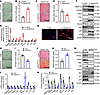 Figure 2
ANGPTL8 modulates cell-fate choice of MSCs between adipocytes and osteoblasts. (A) Cell differentiation was assessed 14 days after adipogenic induction by Oil Red O staining in BMMSCs transfected with LV-GFP or LV-ANGPTL8. Scale bar: 50 μm. (B) Quantification of Oil Red O staining in A. n = 3. (C) Cell differentiation was assessed 14 days after osteogenic induction by alizarin red staining in BMMSCs transfected with lentiviral LV-GFP or LV-ANGPTL8. Scale bar: 200 μm. (D) Quantification of calcium mineralization based on alizarin red staining in C. n = 3. (E) qRT-PCR analysis of the mRNA expression of Angptl8, Pparg, Fabp4, Fasn, Ldlr, Runx2, Sp7, p16, and p21 in ANGPTL8-overexpressing BMMSCs. (F) Western blot analysis of ANGPTL8, PPARγ, Fabp4, Fasn, Ldlr, Runx2, Sp7, p16, and p21 in BMMSCs after transfection with LV-GFP or LV-ANGPTL8. (G) Representative images showing immunofluorescent staining of PPARγ in BMMSCs treated with ANGPTL8. Scale bar: 50 μm. (H) The adipogenic potential of BMMSCs after transfected with siANGPTL8 was assessed 14 days after induction of differentiation by Oil Red O staining. Scale bar: 50 μm. (I) Quantification of Oil Eed O staining in H. n = 3. (J) The osteogenic potential of BMMSCs after transfection with siANGPTL8 was assessed 14 days after induction of differentiation by alizarin red staining. Scale bar: 200 μm. (K) Quantification of calcium mineralization based on alizarin red staining in J. n = 3. (L) qRT-PCR analysis of the mRNA expression of Angptl8, Pparg, Fabp4, Fasn, Ldlr, Runx2, Sp7, p16, and p21 in BMMSCs after transfection with siANGPTL8. (M) Western blot analysis of ANGPTL8, PPARγ, Fabp4, Fasn, Ldlr, Runx2, Sp7, p16, and p21 in BMMSCs after transfection with siANGPTL8. (N) ANGPTL8, PPARγ, Fabp4, Fasn, Ldlr, Runx2, Sp7, p16, and p21 expression relative to β-actin was assessed by densitometric analysis from BMMSCs transfected with siANGPTL8. n = 3. Data are mean ± SEM. *P < 0.05; **P < 0.01; ***P < 0.001 by 2-tailed Student’s t test.
To confirm the role of ANGPTL8 in regulating the differentiation of hBMMSCs across the population, we transfected hBMMSCs with LV-ANGPTL8 and induced lipogenic and osteogenic differentiation. We reached similar conclusions in hBMMSCs (Supplemental Figure 4) and the cell line C3H10T1/2 (Supplemental Figure 5).
Collectively, these in vitro results suggest that ANGPTL8 directly regulated the fates of MSCs from BM by favoring their differentiation into adipocytes and impeding osteoblastogenesis.
Angptl8-Nestin-creTg mice displayed reduced bone mass and higher BMAT deposition. To assess the role of ANGPTL8 in MSC differentiation and senescence in vivo, we activated it specifically in BMMSCs by crossing Angptl8fl/fl with Nestin-Cre. We found that 18-month-old Angptl8-Nestin-creTg mice exhibited reduced bone volume/total volume (BV/TV), cortical bone thickness (Ct.th), bone mineral density (BMD), and trabecular bone volume number (Tb.N) but higher trabecular separation (Tb.Sp) in femurs relative to their WT littermates, as shown by microcomputed tomography (microCT) analysis (Figure 3, A–F). Correspondingly, 18-month-old Angptl8-Nestin-creTg mice exhibited decreased tibia maximum load and stiffness values, indicating compromised bone strength compared with WT counterparts (Figure 3, G and H). In aged, but not young, Angptl8-Nestin-creTg mice, a marked increase in both the number and area of BM adipocytes was observed (Figure 3, I–K). Furthermore, calcein double labeling demonstrated that the trabecular bone mineral apposition rate (MAR) and bone formation rate (BFR) were substantially lower in Angptl8-Nestin-creTg mice compared with their WT littermates (Figure 3, L–N). We also explored the role of ANGPTL8 in systemically ANGPTL8-overexpressing mice (Angptl8-Cagg-creTg), finding that Angptl8-Cagg-creTg mice exhibited reduced bone mass and higher BMAT accumulation (Supplemental Figure 6). Thus, we conclude that mice overexpressing Angptl8 have reduced bone mass and increased BMAT deposition.
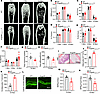 Figure 3
Angptl8-Nestin-creTg mice display lower bone mass and higher fat accumulation in BM. (A) Representative microCT images of femurs from 1-, 3-, and 18-month-old WT and Angptl8-Nestin-creTg male mice. Scale bar: 1 mm. (B–F) Quantitative microCT analysis of the femurs from 1-, 3-, and 18-month-old WT and Angptl8-Nestin-creTg male mice. n = 6–8. BMD, bone mineral density; BV/TV, bone volume per tissue volume; Ct.Th, cortical bone thickness; Tb.N, trabecular number; Tb.Sp, trabecular separation. (G and H) Three-point bending measurement of tibia maximum load (G) and stiffness (H) from 18-month-old WT and Angptl8-Nestin-creTg male mice. n = 5. (I) H&E staining for BMAT in the femurs of 18-month-old WT and Angptl8-Nestin-creTg male mice. Scale bars: 100 μm. (J and K) Quantification of area (J) and number of adipocytes (K) in the femurs of 18-month-old WT and Angptl8-Nestin-creTg male mice. n = 3. (L) Representative images of calcein double labeling of trabecular bone from 18-month-old WT and Angptl8-Nestin-creTg male mice. Scale bar: 50 μm. (M and N) Quantification of the mineral apposition rate (MAR) and bone formation rate (BFR) based on calcein double labeling from 18-month-old WT and Angptl8-Nestin-creTg male mice. n = 5. Data are mean ± SEM. *P < 0.05; **P < 0.01 by 2-tailed Student’s t test.
Angptl8–/– mice exhibited higher bone mass and reduced BM adiposity. We constructed knockout mice with silenced ANGPTL8 to explore whether ablation of ANGPTL8 in vivo would mitigate bone loss and BMAT accumulation. Strikingly, microCT analysis revealed that the femurs of 18-month-old Angptl8–/– male mice exhibited substantial bone changes compared with their WT littermates. Specifically, BV/TV, Ct.Th, BMD, and Tb.N were increased, while Tb.Sp was decreased (Figure 4, A–F). Additionally, values of tibia maximum load and stiffness, representing bone strength, were higher in aged Angptl8–/– mice than in WT controls (Figure 4, G and H). The number and area of adipocytes were reduced in 18-month-old Angptl8–/– male mice compared with WT controls (Figure 4, I–K). Furthermore, calcein double labeling showed that Angptl8–/– mice exhibited substantially higher trabecular MAR and BFR relative to their WT littermates (Figure 4, L–N). These findings reinforce our hypothesis that BM-derived ANGPTL8 favors BMAT development while negatively impacting bone well-being.
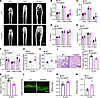 Figure 4
Angptl8–/– mice exhibit higher bone mass and lower BMAT accumulation. (A) Representative microCT images of femurs from 1-, 3-, and 18-month-old WT and Angptl8–/– male mice. Scale bar: 1 mm. (B–F) Quantitative microCT analysis of the femurs from 1-, 3-, and 18-month-old WT and Angptl8–/– male mice. n = 6–8. BMD, bone mineral density; BV/TV, bone volume per tissue volume; Ct.Th, cortical bone thickness; Tb.N, trabecular number; Tb.Sp, trabecular separation. (G and H) Three-point bending measurement of tibia maximum load (G) and stiffness (H) from 18-month-old WT and Angptl8–/– male mice. n = 5. (I) H&E staining for BMAT in the femurs of 18-month-old WT and Angptl8–/– male mice. Scale bars: 100 μm. (J and K) Quantification of number (J) and area of adipocytes (K) in the femurs of 18-month-old WT and Angptl8–/– male mice. n = 3. (L) Representative images of calcein double labeling of trabecular bone from 18-month-old WT and Angptl8–/– male mice. Scale bar: 50 μm. (M and N) Quantification of the mineral apposition rate (MAR) and bone formation rate (BFR) based on calcein double labeling from 18-month-old WT and Angptl8–/– male mice. n = 5. Data are mean ± SEM. *P < 0.05; **P < 0.01 by 2-tailed Student’s t test.
ANGPTL8 regulated MSC differentiation by Wnt/β-catenin signaling pathway. To elucidate the underlying mechanism of ANGPTL8 in BMMSCs, we performed mRNA sequencing to assess ANGPTL8-induced transcriptional changes. Pathway enrichment analysis indicated that pathways downregulated following LV-ANGPTL8 treatment were primarily associated with the Wnt signaling pathway (Figure 5A). Wnt/β-catenin signaling is a crucial pathway that regulates the differentiation of MSCs (26–29). As expected, ANGPTL8 inhibited the markers (such as Wnt3a, Ctnnb, Fzd9, and Axin2) of Wnt/β-catenin signaling in BMMSCs (Figure 5B) and hBMMSCs (Supplemental Figure 7A) after transfection with LV-ANGPTL8, while it upregulated the markers of Wnt/β-catenin signaling in BMMSCs (Figure 5C) and hBMMSCs after transfection with siANGPTL8 (Supplemental Figure7B). Correspondingly, markers of Wnt/β-catenin signaling were inhibited in BM of Angptl8-Nestin-creTg and Angptl8-Cagg-creTg mice (Supplemental Figure 7, C and E), whereas they were upregulated in BM of Angptl8–/– mice (Supplemental Figure 7D). To further validate this hypothesis, we observed that ANGPTL8 suppressed Wnt3a-induced phosphorylation of Gsk3β and prevented the subsequent accumulation of β-catenin in BMMSCs (Figure 5D and Supplemental Figure 7, F–H). Moreover, the lineage differentiation bias caused by ANGPTL8 overexpression in BMMSCs was rescued upon Wnt3a treatment. Western blot analysis confirmed that Wnt3a administration led to decreased expression of adipogenic markers (PPARγ and Fabp4) and increased expression of osteogenic markers (Runx2 and Sp7) (Figure 5E and Supplemental Figure 7, I–L). Consistent with these findings, Oil Red O staining revealed a reduction in lipid droplets, while alizarin red staining indicated enhanced mineralized nodule formation following Wnt3a treatment (Figure 5, F–H). Immunohistochemical staining showed a decrease in β-catenin in BM of Angptl8-Nestin-creTg and an increase in β-catenin in BM of Angptl8–/– mice (Figure 5I). The role of ANGPTL8 in regulating BMMSC differentiation via the Wnt/β-catenin pathway was further confirmed in hBMMSCs (Supplemental Figure 7M).
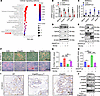 Figure 5
ANGPTL8 regulates MSC differentiation via the Wnt/β-catenin signaling pathway. (A) Pathway enrichment analysis in BMMSCs treated with LV-ANGPTL8. (B) qRT-PCR analysis of the mRNA expression of Wnt3a, Fzd9, Axin2, and Ctnnb1 after BMMSC transfection with LV-GFP and LV-ANGPTL8. n = 3. (C) qRT-PCR analysis of the mRNA expression of Wnt3a, Fzd9, Axin2, and Ctnnb1 after BMMSC transfection with siANGPTL8. n = 3. (D) ANGPTL8 blunted Wnt3a-induced phosphorylation of Gsk3β and prevented the subsequent accumulation of β-catenin in BMMSCs. n = 3. (E) Western blotting of PPARγ, Fabp4, Runx2, and Sp7 from BMMSCs treated with Angptl8 and Wnt3a. (F) Wnt3a rescued Oil Red O and alizarin red staining of lineage differentiation bias caused by overexpression of ANGPTL8 in BMMSCs. n = 3. Scale bars: 100 μm. (G) Quantification of Oil Red O staining in F. n = 3. (H) Quantification of calcium mineralization based on alizarin red staining in F. n = 3. (I) Immunohistochemical staining of β-catenin in the femurs of WT, Angptl8-Nestin-creTg, and Angptl8–/– mice. Scale bar: 50 μm. (J) Western blotting of p-Smad3, Smad3, p-Gsk3β, Gsk3β, and β-catenin from BMMSCs treated with TGF-β1 and Angptl8-ASO. Data are mean ± SEM. *P < 0.05; **P < 0.01; ***P < 0.001; ****P < 0.0001 by 2-tailed Student’s t test (B and C) or 2-way ANOVA followed by Tukey’s multiple-comparison test (G and H).
We have identified that TGF-β1 upregulated ANGPTL8 expression in MSCs during bone aging (Supplemental Figure 2, L and M), which subsequently inhibited the phosphorylation of Gsk3β and reduced levels of active Gsk3β and β-catenin (Figure 5J). This suppression of Wnt/β-catenin signaling was attenuated by treatment with an ANGPTL8 inhibitor (Angptl8 antisense oligonucleotide, Angptl8-ASO; Figure 5J). Although ANGPTL8 is known to regulate lipid metabolism primarily through forming complexes with ANGPTL3 or ANGPTL4 (30, 31), our data showed that ANGPTL8 continued to inhibit p-Gsk3β, Gsk3β, and β-catenin even after treatment with ANGPTL3- or ANGPTL4-neutralizing antibodies (Supplemental Figure 7, N and O). Thus, ANGPTL8 modulates BMMSC differentiation by inhibiting the Wnt/β-catenin signaling pathway independently of complex formation with ANGPTL3 or ANGPTL4. Together, these data validate the notion that ANGPTL8 represses Wnt/β-catenin signaling to prime BMMSCs toward adipogenic differentiation.
PPARγ inhibition partially downregulated ANGPTL8 expression and rescued the phenotype of ANGPTL8 overexpression in MSCs. PPARγ is a classic target to promote MSC differentiation into adipocytes (28, 29, 32). To confirm that activated PPARγ contributed to the pathogenic phenotype upon ANGPTL8 overexpression, we treated LV-ANGPTL8 BMMSCs with the PPARγ-specific antagonist GW9662. Following induction of adipogenesis, the decreased lipid droplets in the GW9662-treated LV-ANGPTL8 BMMSCs were evidenced by the diminished intensity of Oil Red O staining (Figure 6, A and B) and the mRNA levels of Angptl8 were downregulated in these cells (Figure 6D), suggesting that GW9662 regulated ANGPTL8 expression. Meanwhile, decreased levels of traditional adipogenic genes (Pparg, Cebpα, and Fabp4) suggested that the adipogenic capacity of the GW9662-treated LV-ANGPTL8 BMMSCs was limited (Figure 6, E–G). Following osteogenic induction, an increase in alizarin red staining revealed the partial restoration of osteogenic differentiation in the GW9662-treated LV-ANGPTL8 BMMSCs (Figure 6, A and C). Moreover, the increased levels of osteogenic indicators Alp, Bglap, Runx2, and Sp7 reinforced the restored osteogenic potency of these GW9662-treated cells (Figure 6, H–K). Subsequent studies in hBMMSCs (Supplemental Figure 8) and the cell line C3H10T1/2 (Supplemental Figure 9) confirmed these findings, leading to the conclusion that PPARγ inhibition partially downregulated ANGPTL8 expression and rescued the phenotype of ANGPTL8 overexpression in MSCs.
 Figure 6
PPARγ inhibition partially inhibits ANGPTL8 expression and rescues the phenotype of ANGPTL8 overexpression in MSCs. (A) Representative images of Oil Red O staining and alizarin red staining in mouse BMMSCs after transfection with LV-GFP and LV-ANGPTL8 treated with vehicle or a PPARγ inhibitor (GW9662). Scale bars: 100 μm. (B) Quantification of Oil Red O staining in A. n = 3. (C) Quantification of calcium mineralization based on alizarin red staining in A. n = 3. (D) qRT-PCR analyses of the mRNA expression of Angptl8 in GW9662-treated BMMSCs. (E–G) qRT-PCR analyses of the mRNA expression of Pparg, Cebpα, and Fabp4 in GW9662-treated BMMSCs under adipogenic conditions. (H–K) qRT-PCR analyses of the mRNA expression of Alp, Bglap, Runx2, and Sp7 in GW9662-treated BMMSCs under osteogenic conditions. n = 3 biologically independent BMMSC samples. Data are mean ± SEM. *P < 0.05; **P <0.01; ***P < 0.001; ****P < 0.0001 by 2-way ANOVA followed by Tukey’s multiple-comparison test.
Administration of a PPARγ inhibitor partially rescued the phenotype of Angptl8-Nestin-creTg mice. To further investigate whether PPARγ inhibitor administration could alleviate the phenotype of Angptl8-Nestin-creTg mice, the PPARγ inhibitor GW9662 was injected into the BM cavity of 15-month-old Angptl8-Nestin-creTg mice once a week for a period of 3 months. Injection of GW9662 partly recovered the weight of the Angptl8-Nestin-creTg mice (Figure 7A). H&E staining validated the inhibited BMAT development in GW9662-treated Angptl8-Nestin-creTg mice (Figure 7, B–D). MicroCT analysis of the femur metaphysis revealed partially improved trabecular and cortical bone in GW9662-treated Angptl8-Nestin-creTg mice, as displayed by enhanced skeletal parameters, e.g., BMD, BV/TV, Ct.Th, and Tb.N (Figure 7, E–I). And then there were more osteocalcin-positive cells in distal femurs from the treated Angptl8-Nestin-creTg mice (Figure 7, J and K). These results suggested administration of a PPARγ inhibitor partially rescued the phenotype of Angptl8-Nestin-creTg mice.
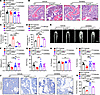 Figure 7
Administration of a PPARγ inhibitor partially rescues the phenotype of Angptl8-Nestin-creTg mice. (A) Weight of the GW9662-treated WT and Angptl8-Nestin-creTg male mice at 18 months. n = 7–8. (B) H&E staining the femur of the GW9662-treated WT and Angptl8-Nestin-creTg male mice at 18 months. Scale bars: 100 μm. (C and D) Quantification of number (C) and area (D) of adipocytes in the GW9662-treated WT and Angptl8-Nestin-creTg male mice at 18 months. n = 3. (E) Representative microCT images of distal femurs and midshaft cortical bone from the GW9662-treated WT and Angptl8-Nestin-creTg male mice at 18 months. Scale bar: 1 mm. (F–I) Quantitative microCT analyses of the distal end of the femurs from the GW9662-treated WT and Angptl8-Nestin-creTg male mice at 18 months. n = 7–8. BMD, bone mineral density; BV/TV, bone volume per tissue volume; Ct.Th, cortical bone thickness; Tb.N, trabecular number. (J) Representative osteocalcin-positive cell images of distal femurs from the GW9662-treated WT and Angptl8-Nestin-creTg male mice at 18 months. Scale bars: 50 μm. (K) Quantification of osteocalcin+ cells on the bone surface (number of osteocalcin+ cells per bone perimeter, N.Ocn+/B.Pm). Data are mean ± SEM. *P < 0.05; **P < 0.01; ***P < 0.001; ****P < 0.0001 by 2-way ANOVA followed by Tukey’s multiple-comparison test.
Angptl8-ASO rejuvenated the phenotype of aging mice. To investigate the potential therapeutic benefits of BMMSC-specific inhibition of ANGPTL8 on age-related phenotypes, we first examined the effect of Angptl8-ASO on Angptl8 expression in BMMSCs from WT male mice in vitro. Treatment with Angptl8-ASO substantially reduced Angptl8 mRNA levels (Figure 8A). Subsequently, 15-month-old C57BL/6J male mice were administered either Angptl8-ASO or control-ASO at a dosage of 25 mg/kg body weight weekly for 3 months (Figure 8B). H&E staining confirmed a reduction in both the number and size of adipocytes in Angptl8-ASO–treated mice compared with the control-ASO group (Figure 8, C–E). MicroCT analysis of the femoral metaphysis indicated a partial recovery of trabecular and cortical bone architecture in Angptl8-ASO–treated mice, as demonstrated by improvements in BMD, BV/TV, Ct.Th, and trabecular thickness (Tb.Th) (Figure 8, F–J). Furthermore, mice receiving Angptl8-ASO exhibited an increase in osteoblast numbers and a reduction in senescent cells relative to control-treated animals (Figure 8, K and L). In contrast, osteoclast number remained unchanged following Angptl8-ASO treatment (Figure 8M). These results suggested that old mice treated with Angptl8-ASO exhibited rejuvenated bone metabolic health.
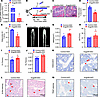 Figure 8
Administration of Angptl8-ASO partially rescues the phenotype of aging mice. (A) qRT-PCR analyses of the mRNA expression of Angptl8 in the BMMSCs transfected with control-ASO and Angptl8-ASO. n = 3. (B) Experimental scheme to demonstrate that Angptl8-ASO partially rescues the phenotype of aging male mice. (C) H&E staining of the femurs of the control-ASO and Angptl8-ASO male mice at 18 months. Scale bar: 100 μm. n = 8. (D and E) Quantification of number (D) and area (E) of adipocytes in the control-ASO and Angptl8-ASO male mice at 18 months. n = 3. (F) Representative microCT images of distal femurs and midshaft cortical bone from the control-ASO and Angptl8-ASO male mice at 18 months. Scale bar: 1 mm. n = 8. (G–J) Quantitative microCT analyses of the distal end of the femurs from the control-ASO and Angptl8-ASO male mice at 18 months. n = 8. BMD, bone mineral density; BV/TV, bone volume per tissue volume; Ct.Th, cortical bone thickness; Tb.Th, trabecular thickness. (K) Representative osteocalcin+ cell images of distal femurs from the control-ASO and Angptl8-ASO male mice at 18 months. Scale bar: 50 μm. n = 8. (L) Representative β-Gal staining images of distal femurs from the control-ASO and Angptl8-ASO male mice at 18 months. Scale bar: 100 μm. n = 8. (M) Representative TRAP staining images of distal femurs from the control-ASO and Angptl8-ASO male mice at 18 months. Scale bar: 100 μm. n = 8. Data are mean ± SEM. *P < 0.05; **P < 0.01; ***P < 0.001 by 2-tailed Student’s t test.


