
Research ArticleCardiologyCell biology
Open Access |  10.1172/jci.insight.188904
AI662270/GRP94 axis couples the unfolded protein response to mitochondrial dynamics during acute myocardial infarction
Suling Ding,1,2 Wen Liu,3 Zhiwei Zhang,4 Xiyang Yang,1 Dili Sun,1 Jianfu Zhu,1 Xiaowei Zhu,2,5 Shijun Wang,1 Mengshi Xie,6 Hongyu Shi,6 Junbo Ge,1,2 and Xiangdong Yang1,2,7
1Department of Cardiology, Shanghai Institute of Cardiovascular Diseases,
2NHC Key Laboratory of Ischemic Heart Diseases, Zhongshan Hospital, Fudan University, Shanghai, China.
3Department of Echocardiography,
4Reproductive Medicine Centre, and
5Department of Critical Care Medicine, Zhongshan Hospital, Fudan University, Shanghai, China.
6Wusong Hospital, Zhongshan Hospital, Fudan University, Shanghai, China.
7Department of Cardiology, The Third People’s Hospital of Huizhou, Huizhou, Guangdong, China.
Address correspondence to: Xiangdong Yang, No. 179, Fenglin Road, Xuhui District, Shanghai, China, 200032. Email: yang.xiangdong@zs-hospital.sh.cn. Or to: Junbo Ge, No. 179, Fenglin Road, Xuhui District, Shanghai, China, 200032. Phone: 86.21.64041990; Email: jbge@zs-hospital.sh.cn. Or to: Hongyu Shi, 101 Tongtai North Road, Baoshan District, Shanghai, 200940. Phone: 86.21.56162417; Email: shihongyu@ws-hospital.sh.cn. Suling Ding, No. 179, Fenglin Road, Xuhui District, Shanghai, China, 200032. Phone: 86.21.64041990; Email: ding.suling@zs-hospital.sh.cn.
Authorship note: SD, WL, ZZ and Xiyang Yang contributed equally to this work.
Find articles by Ding, S. in: PubMed | Google Scholar
1Department of Cardiology, Shanghai Institute of Cardiovascular Diseases,
2NHC Key Laboratory of Ischemic Heart Diseases, Zhongshan Hospital, Fudan University, Shanghai, China.
3Department of Echocardiography,
4Reproductive Medicine Centre, and
5Department of Critical Care Medicine, Zhongshan Hospital, Fudan University, Shanghai, China.
6Wusong Hospital, Zhongshan Hospital, Fudan University, Shanghai, China.
7Department of Cardiology, The Third People’s Hospital of Huizhou, Huizhou, Guangdong, China.
Address correspondence to: Xiangdong Yang, No. 179, Fenglin Road, Xuhui District, Shanghai, China, 200032. Email: yang.xiangdong@zs-hospital.sh.cn. Or to: Junbo Ge, No. 179, Fenglin Road, Xuhui District, Shanghai, China, 200032. Phone: 86.21.64041990; Email: jbge@zs-hospital.sh.cn. Or to: Hongyu Shi, 101 Tongtai North Road, Baoshan District, Shanghai, 200940. Phone: 86.21.56162417; Email: shihongyu@ws-hospital.sh.cn. Suling Ding, No. 179, Fenglin Road, Xuhui District, Shanghai, China, 200032. Phone: 86.21.64041990; Email: ding.suling@zs-hospital.sh.cn.
Authorship note: SD, WL, ZZ and Xiyang Yang contributed equally to this work.
Find articles by Liu, W. in: PubMed | Google Scholar
1Department of Cardiology, Shanghai Institute of Cardiovascular Diseases,
2NHC Key Laboratory of Ischemic Heart Diseases, Zhongshan Hospital, Fudan University, Shanghai, China.
3Department of Echocardiography,
4Reproductive Medicine Centre, and
5Department of Critical Care Medicine, Zhongshan Hospital, Fudan University, Shanghai, China.
6Wusong Hospital, Zhongshan Hospital, Fudan University, Shanghai, China.
7Department of Cardiology, The Third People’s Hospital of Huizhou, Huizhou, Guangdong, China.
Address correspondence to: Xiangdong Yang, No. 179, Fenglin Road, Xuhui District, Shanghai, China, 200032. Email: yang.xiangdong@zs-hospital.sh.cn. Or to: Junbo Ge, No. 179, Fenglin Road, Xuhui District, Shanghai, China, 200032. Phone: 86.21.64041990; Email: jbge@zs-hospital.sh.cn. Or to: Hongyu Shi, 101 Tongtai North Road, Baoshan District, Shanghai, 200940. Phone: 86.21.56162417; Email: shihongyu@ws-hospital.sh.cn. Suling Ding, No. 179, Fenglin Road, Xuhui District, Shanghai, China, 200032. Phone: 86.21.64041990; Email: ding.suling@zs-hospital.sh.cn.
Authorship note: SD, WL, ZZ and Xiyang Yang contributed equally to this work.
Find articles by Zhang, Z. in: PubMed | Google Scholar
1Department of Cardiology, Shanghai Institute of Cardiovascular Diseases,
2NHC Key Laboratory of Ischemic Heart Diseases, Zhongshan Hospital, Fudan University, Shanghai, China.
3Department of Echocardiography,
4Reproductive Medicine Centre, and
5Department of Critical Care Medicine, Zhongshan Hospital, Fudan University, Shanghai, China.
6Wusong Hospital, Zhongshan Hospital, Fudan University, Shanghai, China.
7Department of Cardiology, The Third People’s Hospital of Huizhou, Huizhou, Guangdong, China.
Address correspondence to: Xiangdong Yang, No. 179, Fenglin Road, Xuhui District, Shanghai, China, 200032. Email: yang.xiangdong@zs-hospital.sh.cn. Or to: Junbo Ge, No. 179, Fenglin Road, Xuhui District, Shanghai, China, 200032. Phone: 86.21.64041990; Email: jbge@zs-hospital.sh.cn. Or to: Hongyu Shi, 101 Tongtai North Road, Baoshan District, Shanghai, 200940. Phone: 86.21.56162417; Email: shihongyu@ws-hospital.sh.cn. Suling Ding, No. 179, Fenglin Road, Xuhui District, Shanghai, China, 200032. Phone: 86.21.64041990; Email: ding.suling@zs-hospital.sh.cn.
Authorship note: SD, WL, ZZ and Xiyang Yang contributed equally to this work.
Find articles by Yang, X. in: PubMed | Google Scholar
1Department of Cardiology, Shanghai Institute of Cardiovascular Diseases,
2NHC Key Laboratory of Ischemic Heart Diseases, Zhongshan Hospital, Fudan University, Shanghai, China.
3Department of Echocardiography,
4Reproductive Medicine Centre, and
5Department of Critical Care Medicine, Zhongshan Hospital, Fudan University, Shanghai, China.
6Wusong Hospital, Zhongshan Hospital, Fudan University, Shanghai, China.
7Department of Cardiology, The Third People’s Hospital of Huizhou, Huizhou, Guangdong, China.
Address correspondence to: Xiangdong Yang, No. 179, Fenglin Road, Xuhui District, Shanghai, China, 200032. Email: yang.xiangdong@zs-hospital.sh.cn. Or to: Junbo Ge, No. 179, Fenglin Road, Xuhui District, Shanghai, China, 200032. Phone: 86.21.64041990; Email: jbge@zs-hospital.sh.cn. Or to: Hongyu Shi, 101 Tongtai North Road, Baoshan District, Shanghai, 200940. Phone: 86.21.56162417; Email: shihongyu@ws-hospital.sh.cn. Suling Ding, No. 179, Fenglin Road, Xuhui District, Shanghai, China, 200032. Phone: 86.21.64041990; Email: ding.suling@zs-hospital.sh.cn.
Authorship note: SD, WL, ZZ and Xiyang Yang contributed equally to this work.
Find articles by Sun, D. in: PubMed | Google Scholar
1Department of Cardiology, Shanghai Institute of Cardiovascular Diseases,
2NHC Key Laboratory of Ischemic Heart Diseases, Zhongshan Hospital, Fudan University, Shanghai, China.
3Department of Echocardiography,
4Reproductive Medicine Centre, and
5Department of Critical Care Medicine, Zhongshan Hospital, Fudan University, Shanghai, China.
6Wusong Hospital, Zhongshan Hospital, Fudan University, Shanghai, China.
7Department of Cardiology, The Third People’s Hospital of Huizhou, Huizhou, Guangdong, China.
Address correspondence to: Xiangdong Yang, No. 179, Fenglin Road, Xuhui District, Shanghai, China, 200032. Email: yang.xiangdong@zs-hospital.sh.cn. Or to: Junbo Ge, No. 179, Fenglin Road, Xuhui District, Shanghai, China, 200032. Phone: 86.21.64041990; Email: jbge@zs-hospital.sh.cn. Or to: Hongyu Shi, 101 Tongtai North Road, Baoshan District, Shanghai, 200940. Phone: 86.21.56162417; Email: shihongyu@ws-hospital.sh.cn. Suling Ding, No. 179, Fenglin Road, Xuhui District, Shanghai, China, 200032. Phone: 86.21.64041990; Email: ding.suling@zs-hospital.sh.cn.
Authorship note: SD, WL, ZZ and Xiyang Yang contributed equally to this work.
Find articles by Zhu, J. in: PubMed | Google Scholar
1Department of Cardiology, Shanghai Institute of Cardiovascular Diseases,
2NHC Key Laboratory of Ischemic Heart Diseases, Zhongshan Hospital, Fudan University, Shanghai, China.
3Department of Echocardiography,
4Reproductive Medicine Centre, and
5Department of Critical Care Medicine, Zhongshan Hospital, Fudan University, Shanghai, China.
6Wusong Hospital, Zhongshan Hospital, Fudan University, Shanghai, China.
7Department of Cardiology, The Third People’s Hospital of Huizhou, Huizhou, Guangdong, China.
Address correspondence to: Xiangdong Yang, No. 179, Fenglin Road, Xuhui District, Shanghai, China, 200032. Email: yang.xiangdong@zs-hospital.sh.cn. Or to: Junbo Ge, No. 179, Fenglin Road, Xuhui District, Shanghai, China, 200032. Phone: 86.21.64041990; Email: jbge@zs-hospital.sh.cn. Or to: Hongyu Shi, 101 Tongtai North Road, Baoshan District, Shanghai, 200940. Phone: 86.21.56162417; Email: shihongyu@ws-hospital.sh.cn. Suling Ding, No. 179, Fenglin Road, Xuhui District, Shanghai, China, 200032. Phone: 86.21.64041990; Email: ding.suling@zs-hospital.sh.cn.
Authorship note: SD, WL, ZZ and Xiyang Yang contributed equally to this work.
Find articles by Zhu, X. in: PubMed | Google Scholar
1Department of Cardiology, Shanghai Institute of Cardiovascular Diseases,
2NHC Key Laboratory of Ischemic Heart Diseases, Zhongshan Hospital, Fudan University, Shanghai, China.
3Department of Echocardiography,
4Reproductive Medicine Centre, and
5Department of Critical Care Medicine, Zhongshan Hospital, Fudan University, Shanghai, China.
6Wusong Hospital, Zhongshan Hospital, Fudan University, Shanghai, China.
7Department of Cardiology, The Third People’s Hospital of Huizhou, Huizhou, Guangdong, China.
Address correspondence to: Xiangdong Yang, No. 179, Fenglin Road, Xuhui District, Shanghai, China, 200032. Email: yang.xiangdong@zs-hospital.sh.cn. Or to: Junbo Ge, No. 179, Fenglin Road, Xuhui District, Shanghai, China, 200032. Phone: 86.21.64041990; Email: jbge@zs-hospital.sh.cn. Or to: Hongyu Shi, 101 Tongtai North Road, Baoshan District, Shanghai, 200940. Phone: 86.21.56162417; Email: shihongyu@ws-hospital.sh.cn. Suling Ding, No. 179, Fenglin Road, Xuhui District, Shanghai, China, 200032. Phone: 86.21.64041990; Email: ding.suling@zs-hospital.sh.cn.
Authorship note: SD, WL, ZZ and Xiyang Yang contributed equally to this work.
Find articles by Wang, S. in: PubMed | Google Scholar
1Department of Cardiology, Shanghai Institute of Cardiovascular Diseases,
2NHC Key Laboratory of Ischemic Heart Diseases, Zhongshan Hospital, Fudan University, Shanghai, China.
3Department of Echocardiography,
4Reproductive Medicine Centre, and
5Department of Critical Care Medicine, Zhongshan Hospital, Fudan University, Shanghai, China.
6Wusong Hospital, Zhongshan Hospital, Fudan University, Shanghai, China.
7Department of Cardiology, The Third People’s Hospital of Huizhou, Huizhou, Guangdong, China.
Address correspondence to: Xiangdong Yang, No. 179, Fenglin Road, Xuhui District, Shanghai, China, 200032. Email: yang.xiangdong@zs-hospital.sh.cn. Or to: Junbo Ge, No. 179, Fenglin Road, Xuhui District, Shanghai, China, 200032. Phone: 86.21.64041990; Email: jbge@zs-hospital.sh.cn. Or to: Hongyu Shi, 101 Tongtai North Road, Baoshan District, Shanghai, 200940. Phone: 86.21.56162417; Email: shihongyu@ws-hospital.sh.cn. Suling Ding, No. 179, Fenglin Road, Xuhui District, Shanghai, China, 200032. Phone: 86.21.64041990; Email: ding.suling@zs-hospital.sh.cn.
Authorship note: SD, WL, ZZ and Xiyang Yang contributed equally to this work.
Find articles by Xie, M. in: PubMed | Google Scholar
1Department of Cardiology, Shanghai Institute of Cardiovascular Diseases,
2NHC Key Laboratory of Ischemic Heart Diseases, Zhongshan Hospital, Fudan University, Shanghai, China.
3Department of Echocardiography,
4Reproductive Medicine Centre, and
5Department of Critical Care Medicine, Zhongshan Hospital, Fudan University, Shanghai, China.
6Wusong Hospital, Zhongshan Hospital, Fudan University, Shanghai, China.
7Department of Cardiology, The Third People’s Hospital of Huizhou, Huizhou, Guangdong, China.
Address correspondence to: Xiangdong Yang, No. 179, Fenglin Road, Xuhui District, Shanghai, China, 200032. Email: yang.xiangdong@zs-hospital.sh.cn. Or to: Junbo Ge, No. 179, Fenglin Road, Xuhui District, Shanghai, China, 200032. Phone: 86.21.64041990; Email: jbge@zs-hospital.sh.cn. Or to: Hongyu Shi, 101 Tongtai North Road, Baoshan District, Shanghai, 200940. Phone: 86.21.56162417; Email: shihongyu@ws-hospital.sh.cn. Suling Ding, No. 179, Fenglin Road, Xuhui District, Shanghai, China, 200032. Phone: 86.21.64041990; Email: ding.suling@zs-hospital.sh.cn.
Authorship note: SD, WL, ZZ and Xiyang Yang contributed equally to this work.
Find articles by Shi, H. in: PubMed | Google Scholar
1Department of Cardiology, Shanghai Institute of Cardiovascular Diseases,
2NHC Key Laboratory of Ischemic Heart Diseases, Zhongshan Hospital, Fudan University, Shanghai, China.
3Department of Echocardiography,
4Reproductive Medicine Centre, and
5Department of Critical Care Medicine, Zhongshan Hospital, Fudan University, Shanghai, China.
6Wusong Hospital, Zhongshan Hospital, Fudan University, Shanghai, China.
7Department of Cardiology, The Third People’s Hospital of Huizhou, Huizhou, Guangdong, China.
Address correspondence to: Xiangdong Yang, No. 179, Fenglin Road, Xuhui District, Shanghai, China, 200032. Email: yang.xiangdong@zs-hospital.sh.cn. Or to: Junbo Ge, No. 179, Fenglin Road, Xuhui District, Shanghai, China, 200032. Phone: 86.21.64041990; Email: jbge@zs-hospital.sh.cn. Or to: Hongyu Shi, 101 Tongtai North Road, Baoshan District, Shanghai, 200940. Phone: 86.21.56162417; Email: shihongyu@ws-hospital.sh.cn. Suling Ding, No. 179, Fenglin Road, Xuhui District, Shanghai, China, 200032. Phone: 86.21.64041990; Email: ding.suling@zs-hospital.sh.cn.
Authorship note: SD, WL, ZZ and Xiyang Yang contributed equally to this work.
Find articles by Ge, J. in: PubMed | Google Scholar
1Department of Cardiology, Shanghai Institute of Cardiovascular Diseases,
2NHC Key Laboratory of Ischemic Heart Diseases, Zhongshan Hospital, Fudan University, Shanghai, China.
3Department of Echocardiography,
4Reproductive Medicine Centre, and
5Department of Critical Care Medicine, Zhongshan Hospital, Fudan University, Shanghai, China.
6Wusong Hospital, Zhongshan Hospital, Fudan University, Shanghai, China.
7Department of Cardiology, The Third People’s Hospital of Huizhou, Huizhou, Guangdong, China.
Address correspondence to: Xiangdong Yang, No. 179, Fenglin Road, Xuhui District, Shanghai, China, 200032. Email: yang.xiangdong@zs-hospital.sh.cn. Or to: Junbo Ge, No. 179, Fenglin Road, Xuhui District, Shanghai, China, 200032. Phone: 86.21.64041990; Email: jbge@zs-hospital.sh.cn. Or to: Hongyu Shi, 101 Tongtai North Road, Baoshan District, Shanghai, 200940. Phone: 86.21.56162417; Email: shihongyu@ws-hospital.sh.cn. Suling Ding, No. 179, Fenglin Road, Xuhui District, Shanghai, China, 200032. Phone: 86.21.64041990; Email: ding.suling@zs-hospital.sh.cn.
Authorship note: SD, WL, ZZ and Xiyang Yang contributed equally to this work.
Find articles by Yang, X. in: PubMed | Google Scholar
Published October 8, 2025 - More info
JCI Insight. 2025;10(19):e188904. https://doi.org/10.1172/jci.insight.188904.
© 2025 Ding et al. This work is licensed under the Creative Commons Attribution 4.0 International License. To view a copy of this license, visit http://creativecommons.org/licenses/by/4.0/.
Received: November 6, 2024; Accepted: August 15, 2025


-
Results
Elevated GRP94 expression confers cardioprotection during the early stages of MI. RNA-seq analysis of left ventricle myocardium from MI mouse models at 1 day and 7 days revealed the extensive upregulation of ER stress response genes at 1 day after MI, especially Hspa5, Xbp1, Erp44, and Hsp90b1 (Figure 1A and Supplemental Table 1; supplemental material available online with this article; https://doi.org/10.1172/jci.insight.188904DS1). The results were confirmed by quantitative real-time PCR (qRT-PCR) (Figure 1B). Although the roles of Hspa5, Xbp1, and Erp44 in cardiac pathophysiology are well characterized (25, 26), the pathophysiological role of Hsp90b1 (GRP94) during ischemic myocardial remodeling remains elusive. Immunohistochemistry and immunoblotting confirmed the increased level of GRP94 in the infarct border zone at 1 day after MI (Figure 1, C and D). To delineate the distribution of GRP94 in cardiac tissue, we conducted immunofluorescent costaining analysis with cell-specific markers in myocardial sections. The results demonstrated predominant perinuclear localization of GRP94 in cardiomyocytes (α-actinin+), with more α-actinin+ cells showing strong GRP94 signal in the 1-day-post-MI group (Supplemental Figure 1A). In contrast, GRP94 signal intensity remained stable in both cardiac fibroblasts (vimentin+) and coronary endothelial cells (CD31+) across experimental groups (Supplemental Figure 1B). Adeno-associated virus 2/9 (AAV2/9) carrying cardiac troponin T (cTnT) promoter–driven small hairpin RNA targeting GRP94 (Si-GRP94) in vivo exacerbated MI size, while the in vivo administration of AAV9 carrying cTnT promoter–driven GRP94 overexpression (Ad-GRP94) markedly reduced infarct size at 1 day after MI (Supplemental Figure 1, C and D, and Figure 1E). Echocardiography studies revealed a reduced left ventricular ejection fraction (LVEF) (Figure 1F) and left ventricular fractional shortening (LVFS) (Figure 1G) in mice administered GRP94 siRNA adenoviruses 7 days after MI. In contrast, AAV9 overexpressing GRP94 markedly improved LVEF (Figure 1F) and LVFS (Figure 1G) in mice.
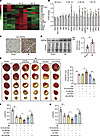 Figure 1
GRP94 attenuates cardiac dysfunction after MI. (A) Heatmap showing DEGs specific to ER stress. (B) qPCR validation of DEGs specific to ER stress revealed by RNA-seq. (C) Immunohistochemical GRP94 expression in peri-infarct myocardium. (D) Mice were subjected to MI surgery as described in Methods. GRP94 levels were detected by immunoblot (mean ± SD, n = 4). (E) GRP94 attenuates infarct sizes 1 day after MI. TTC staining on the left shows infarct size modulation by AAV2/9-GRP94 overexpression (Ad-GRP94) or siRNA knockdown (Si-GRP94) at 24 hours after MI. Right panel shows the percentage of infarct sizes. n = 4. (F and G) GRP94 markedly improves cardiac function after MI. Transthoracic echocardiographic analysis was performed at 1 week after surgery. n = 6. LVEF, left ventricular ejection fraction; LVFS, left ventricular fractional shortening. *P < 0.05; **P < 0.01 by unpaired, 2-tailed Student’s t test (D) or 1-way ANOVA with Tukey-Kramer post hoc analysis (E–G).
To further determine whether there is a dose-response relationship between GRP94 modulation and its cardioprotective effect, graded doses of GRP94-overexpressing AAV2/9 vectors were administered via intramyocardial injection in peri-infarct zones. Quantitative TUNEL analysis revealed a trend toward dose-dependent effects, with the higher dose showing a more pronounced reduction in cardiomyocyte apoptosis compared with the lower dose (Supplemental Figure 1, E and F). Cardiac functional parameters demonstrated dose-dependent improvement until reaching a therapeutic plateau (Supplemental Figure 1, G and H), with a 2-fold escalation (from 1 × 10¹¹ to 2 × 10¹¹ viral genomes) failed to produce additional significant improvement in cardiac function.
GRP94 participates in the regulation of mitochondrial dynamics through mitigating Opa1 proteolytic cleavage to S-Opa1. The in vivo results established the cardioprotective efficacy of GRP94 against cardiac injury after AMI. To explore the detailed function of GRP94 in cardiomyocytes, the expression pattern of GRP94 protein was detected in cardiomyocytes under oxidative stress or hypoxic conditions. Immunoblotting revealed dose-dependent GRP94 upregulation with H2O2 treatment (Figure 2A and Supplemental Figure 2A), paralleled by acute hypoxia–induced GRP94 accumulation within 6 hours (Figure 2B).
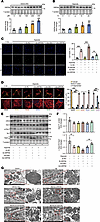 Figure 2
GRP94 attenuates cardiomyocyte apoptosis and mitochondrial fragmentation induced by hypoxia. (A) Cardiomyocytes were exposed to the indicated dose of H2O2. After 24 hours, cells were harvested for the analysis of GRP94 levels by immunoblot. n = 4. (B) Cardiomyocytes were cultivated under hypoxia for the indicated time. After 24 hours, cells were harvested for the analysis of GRP94 levels by immunoblot (n = 4). Data analyzed versus the untreated group. (C) GRP94 attenuates cells’ sensitivity to hypoxia-induced apoptosis. Cardiomyocytes were infected with adenoviruses overexpressing GRP94 (Ad-GRP94) or Glb1 (Ad-Glb1) at MOIs of 50, or transfected with 60 nM GRP94 siRNA (Si-GRP94) or siRNA scramble (Si-NC). After 36 hours, cells were cultivated for another 12 hours under hypoxic conditions. The TUNEL assay was utilized to detect apoptosis. Quantitative analysis of apoptosis is shown in right panel. CON, control. Scale bar: 50 μm. (D) GRP94 attenuates mitochondrial fission caused by hypoxia stress. Cardiomyocytes were treated as in C. Representative photos show mitochondrial fission (left). The cells were stained with MitoTracker, and then the ratios of cells with lamentous network, intermediate, or completely fragmented mitochondrial structures were calculated. At least 50 cells were counted from different optical fields of each sample (n = 4). CON, control. Scale bars: 20 μm. (E and F) GRP94 attenuates the cleavage of Opa1 into (S)-Opa1 caused by hypoxia stress. Cardiomyocytes were treated as in C. The levels of MFN1, MFN2, Opa1, DRP1, p-DRP1, and FIS1 were analyzed by immunoblot. n = 4. (G) GRP94 attenuated AMI-induced mitochondrial over-fragmentation. Adult male C57BL/6 mice (8–10 weeks old) were injected with AAV2/9 carrying GRP94, Glb1, GRP94 siRNA, or siRNA scramble and subjected to permanent left anterior descending coronary artery ligation. The left panels are representative photos of TEM images of cardiac slices. Scale bars: 1 μm (left images) and 100 nm (enlarged images). *P < 0.05; **P < 0.01 by 1-way ANOVA with Tukey-Kramer post hoc analysis (A–C, E, and F) or 2-way ANOVA followed by Bonferroni’s multiple-comparison test (D).
Next, cardiomyocytes were infected with GRP94 siRNA or overexpressing adenoviruses to investigate their impact on cardiomyocyte death caused by hypoxia (Supplemental Figure 2B). CCK8 assay revealed that GRP94 silencing exacerbated hypoxia-induced viability loss, whereas overexpression preserved viability (Supplemental Figure 2C). TUNEL assay confirmed that GRP94 silencing intensified, while overexpression reduced, cardiomyocyte apoptosis (Figure 2C).
The dynamic alteration of mitochondria is an intracellular signal for the execution of apoptosis, and the close association of ER with mitochondria inspired us to determine whether GRP94 was involved in the regulation of mitochondrial dynamics. Mitochondrial tracker staining assays showed that GRP94 silencing intensified, while overexpression mitigated, mitochondrial fragmentation caused by hypoxia treatment in cardiomyocytes (Figure 2D).
Next, we explored whether there was any change in the levels of the components in the machinery mediating mitochondrial fission and fusion (27). The results of immunoblotting showed no changes in the levels of total Drp1, Opa1, fis1, Mfn1, and Mfn2, or Drp1-Ser616 phosphorylation (Figure 2E and Supplemental Figure 2, D–H). Strikingly, GRP94 silencing promoted Opa1 cleavage to the short isoform (S-Opa1), while overexpression preserved L-Opa1 (Figure 2, E and F), which was confirmed in the in vivo mouse model (Supplemental Figure 2, I and J).
The regulatory role of GRP94 in mitochondrial fission was also confirmed in an in vivo mouse model, with GRP94 knockdown decreasing but overexpression increasing the mean mitochondrial size in AMI cardiomyocytes (Figure 2G and Supplemental Figure 2K); however, neither manipulation altered inter-cristae width (Supplemental Figure 2K). These findings align with evidence that Opa1 proteolytic processing primarily governs mitochondrial fission/fusion dynamics rather than cristae maintenance (28, 29), suggesting that GRP94 contributes to mitochondrial homeostasis through Opa1-dependent mechanisms without directly modulating cristae architecture.
Yy1 activates GRP94 transcription and expression. To investigate the mechanisms underlying hypoxia-induced GRP94 protein upregulation in cardiomyocytes, we generated luciferase vectors containing either the promoter region or 3′UTR sequence of GRP94 mRNA to transfect HL-1 cells. The activity of luciferase vectors containing the promoter region but not the 3′UTR region showed significant activation in response to hypoxia treatment (Supplemental Figure 3A). Consistently, GRP94 mRNA levels showed marked upregulation in response to hypoxia (Supplemental Figure 3B). Analyzing the promoter region of mouse GRP94 using PROMO revealed that there are 9 transcription factors possessing ideal binding sites on them, including Cebpb, Hes1, c-Fos, Cebpa, GR, c-Jun, Nf1, Hoxa5, and Yy1. Among them, Cebpb, Cebpa, c-Jun, and Yy1 have been implicated in the modulation of ER stress response. Functional screening using siRNA-mediated knockdown revealed that Yy1 depletion specifically abolished hypoxia-triggered GRP94 induction at both mRNA (Figure 3A) and protein levels (Figure 3B). Immunofluorescent costaining revealed stable nuclear-restricted Yy1 expression in cardiomyocytes (actinin+), fibroblasts (vimentin+), and endothelial cells (CD31+) across myocardial compartments between Sham and 1 day after MI (Supplemental Figure 3C). The ChIP assay demonstrated that Yy1 is not bound to the GRP94 promoter under normoxic conditions in cardiomyocytes, but hypoxia treatment led to an increase in the association of Yy1 within the promoter of GRP94 (Figure 3C). Coherently, although hypoxia treatment slightly upregulated the total and nuclear level of Yy1 in cardiomyocytes (Supplemental Figure 3, D and E), Yy1 overexpression augmented the expression of GRP94 only under hypoxia treatment but not normoxic conditions (Figure 3, D and E, and Supplemental Figure 3, F and G). Luciferase reporter assays demonstrated that Yy1 overexpression potentiated hypoxia-responsive GRP94 promoter activation (Figure 3F). Segmenting the promoter region of GRP94 to construct luciferase vectors uncovered that the nucleotide sequence from –500 to +1 in the GRP94 promoter, which contains the Yy1 binding site at nucleotides –202 to –193, responded to hypoxia treatment and Yy1 overexpression (Figure 3G). Site-directed mutagenesis of this Yy1-binding element (Supplemental Figure 3, H and I) abolished Yy1-mediated promoter activation (Figure 3H). Notably, beside the Yy1-binding motif, the –500 to +1 bp GRP94 promoter region contains a conserved ER stress response element (ERSE, CCAAT[N9]CCACG). Given prior evidence of Yy1-ERSE interactions in gene regulation (30), we performed site-directed mutagenesis of the ERSE. This intervention partially abolished the ability of Yy1 to activate the GRP94 promoter (Figure 3I). Moreover, combinatorial mutations in the Yy1 binding site and ERSE site almost completely abrogated the effects of hypoxia treatment and Yy1 on the activation of the GRP94 promoter (Supplemental Figure 3J), implying functional synergy between these 2 cis elements in hypoxic transcriptional regulation of GRP94.
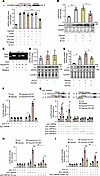 Figure 3
GRP94 is a transcriptional target of Yy1. (A) Hypoxia-induced GRP94 mRNA upregulation is suppressed by Yy1 knockdown. Mouse cardiomyocytes transfected with 40 nM siRNAs targeting Cebpb, c-Jun, Cebpa, Yy1, or scramble control (Si-NC) were exposed to hypoxia for 12 hours. GRP94 mRNA levels were quantified by qRT-PCR (n = 4). (B) Yy1 knockdown inhibits hypoxia-induced GRP94 protein expression. Cardiomyocytes transfected with Si-Yy1 or Si-NC were subjected to hypoxia. GRP94 protein was analyzed by immunoblot with total protein as loading control (n = 4). (C) Yy1 binds to the GRP94 promoter under hypoxia. ChIP assays were performed using Yy1 or β-actin (negative control) antibodies in cardiomyocytes exposed to hypoxia for the indicated durations. (D and E) Yy1 regulates GRP94 protein in a hypoxia-dependent manner. (D) GRP94 levels were unaffected by Yy1 overexpression (Ad-Yy1, MOI = 40) under normoxia. (E) Ad-Yy1 enhanced hypoxia-induced GRP94 expression (n = 4). (F–H) Yy1 activates GRP94 promoter via direct binding. (F) Luciferase reporter assays in MCM cells transfected with GRP94 promoter (pGL-GRP94) or empty vector (pGL-4.17), followed by Ad-Yy1/Ad-Glb1 (MOI = 40) and hypoxia (n = 4). (G) The –500 to +1 bp promoter region mediates Yy1 responsiveness. (H) Mutation of Yy1-binding site (pGL-GRP94-YS-mut) abolishes Yy1-driven activation. (I) ER stress response element (ERMS) mutation (pGL-GRP94-ERMS-mut) attenuates Yy1-dependent promoter activity (n = 4). *P < 0.05; **P < 0.01 versus the indicated group (or vs. Si-NC in A) by 1-way ANOVA with Tukey-Kramer post hoc analysis (A, B, and D–G) or 2-way ANOVA with Bonferroni’s multiple-comparison test (H and I). All data are shown as mean ± SD.
lncRNA AI662270 favors Yy1-mediated GRP94 transcription. Given established roles of lncRNAs in modulating transcription factor activity (31), we interrogated potential Yy1-interacting lncRNAs regulating GRP94 in cardiomyocytes. The analysis of the above RNA-seq 1 day after MI uncovered 19 differentially expressed lncRNAs in mouse left ventricular myocardium, with a multiple of expression level change of less than 0.7 or more than 1.5 and P value of less than 0.05 (Figure 4A and Supplemental Table 2). We confirmed the change in levels of these lncRNAs in hypoxic cardiomyocytes using qRT-PCR and excluded those with extremely low expression (Ct < 35 cycles). Five lncRNAs were substantially decreased, while 4 lncRNAs were markedly upregulated upon hypoxia treatment (Supplemental Figure 4A). To delineate Yy1-associated lncRNAs, we performed RNA immunoprecipitation (RIP) experiments. Unexpectedly, the results showed that Yy1 was enriched with Oip5os1 under normal conditions but enriched with AI662270 instead under hypoxia treatment in cardiomyocytes (Figure 4B). To further validate their interaction, we generated biotinylated probes for Oip5os1 and AI662270 to be utilized for RNA pull-down assays. The results showed that Oip5os1 strongly bound with Yy1 only in normoxic cardiomyocytes, and AI662270 bound with Yy1 in hypoxic cardiomyocytes (Figure 4C), which suggested a switch of the interaction of Yy1 with Oip5os1 to AI66227 from normal conditions to hypoxia treatment. The lncLocator algorithm (http://www.csbio.sjtu.edu.cn/bioinf/lncLocator/) predicted predominant nuclear localization of both Oip5os1 and AI662270 (Supplemental Figure 4B), which was subsequently validated by FISH assays (Figure 4D). Hypoxic exposure upregulated AI662270 expression and downregulated Oip5os1 (Supplemental Figure 4A). To determine whether the hypoxia-induced upregulation of AI662270 or downregulation of Oip5os1 contributes to Yy1-mediated regulation of GRP94 transcription, we reversed the change of their expression levels caused by hypoxia treatment (Supplemental Figure 4, C and D). We observed that overexpression or silencing of Oip5os1 failed to affect GRP94 mRNA levels significantly (Supplemental Figure 4E). However, suppressing AI662270 upregulation attenuated hypoxia-induced GRP94 expression, whereas AI662270 overexpression further elevated GRP94 mRNA levels beyond those observed under hypoxia alone (Figure 4E). Neither AI662270 nor Oip5os1 affected the protein levels of Yy1 in total cells or nuclei (Figure 4, F and G, and Supplemental Figure 4, F and G). However, ChIP analysis revealed that AI662270 knockdown attenuated Yy1 binding to the GRP94 promoter under hypoxia (Figure 4H), whereas AI662270 overexpression enhanced this interaction (Figure 4I). Consistent with these findings, AI662270 depletion markedly suppressed hypoxia-induced GRP94 protein upregulation (Figure 4J), while its overexpression substantially elevated GRP94 expression beyond baseline hypoxic levels (Figure 4K). These findings revealed a potentially novel role for lncRNA AI662270 in facilitating Yy1 recruitment to the GRP94 promoter, thereby driving the transcription of GRP94.
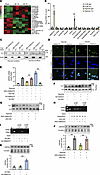 Figure 4
Lnc-AI662270 binds to Yy1 and facilitates Yy1-mediated GRP94 transcription. (A) Heatmap shows differentially expressed lncRNAs in the mouse model after MI. n = 3. (B) Hypoxia enhances Yy1-dependent enrichment of Lnc-AI662270. Cardiomyocytes infected with Ad-Glb1 or Ad-Yy1 (MOI = 40) for 24 hours were exposed to hypoxia (12 hours). RNA immunoprecipitation (RIP) using anti-Yy1 or IgG antibody, followed by qRT-PCR (n = 3). (C) Hypoxia redirects Yy1 binding from Lnc-Oip5os1 to Lnc-AI662270. RNA pull-down with biotinylated probes (Bio-AI662270, Bio-Oip5os1, or Bio-NC) in cardiomyocytes. Yy1 binding was analyzed by immunoblot (actin as loading control). (D) Subcellular localization of Lnc-AI662270 (cytoplasmic) and Lnc-Oip5os1 (nuclear) under hypoxia. Fluorescence in situ hybridization (FISH) in cardiomyocytes after 12-hour hypoxia. Scale bar: 20 μm. (E) Lnc-AI662270 regulates hypoxia-induced GRP94 mRNA. Cardiomyocytes infected with Ad-AI662270 or Ad-Glb1 (MOI = 40), or transfected with 40 nM ASO-AI662270/ASO-NC for 36 hours, were exposed to hypoxia (12 hours). GRP94 mRNA levels analyzed by qRT-PCR (n = 4). (F and G) AI662270 or Oip5os1 does not alter nuclear Yy1 abundance. (F) Nuclear Yy1 levels in cells infected with Ad-Oip5os1 or Ad-Glb1 (MOI = 40). (G) Nuclear Yy1 in cells transfected with ASO-AI662270/ASO-NC. Cells were exposed to hypoxia (12 hours) prior to nuclear fractionation (n = 4). (H and I) Lnc-AI662270 modulates Yy1 occupancy on the GRP94 promoter. (H) ASO-AI662270 reduces Yy1 binding to the GRP94 promoter. (I) Ad-AI662270 enhances Yy1-promoter interaction. ChIP-qPCR with anti-Yy1 or IgG after 36 hr treatment (n = 4). (J and K) Hypoxia-dependent GRP94 regulation by Lnc-AI662270. (J) ASO-AI662270 attenuates hypoxia-induced GRP94 protein. (K) Ad-AI662270 elevates GRP94 under hypoxia. Immunoblots quantified from 48 hours after transfection (n = 4). *P < 0.05; **P < 0.01 versus the indicated group by 1-way ANOVA with Tukey-Kramer post hoc analysis (B, E, J, and K). All data are shown as mean ± SD.
AI662270 is specifically induced by ER stress and has a similar effect on GRP94 in cardiomyocytes. To explore the underlying role of lncRNA AI662270 in cardiomyocytes, we determined the level of change in AI662270 under different stimuli. AI662270 exhibited obvious upregulation following H2O2 and hypoxia exposure (Figure 5A and Supplemental Figure 5A). Similarly, tunicamycin (TN), an ER stress inducer, aggravated the level of AI662270 (Figure 5B). Hypoxia-triggered AI662270 induction was markedly attenuated by cotreatment with the ER stress inhibitor tauroursodeoxycholic acid (TUDCA) (Figure 5C). These results suggested AI662270 is likely uniquely induced by ER stress. Next, the effect of AI662270 on ER stress markers was detected. TN treatment upregulated key ER stress indicators, including IRE1α, PDI, GRP94, GRP78, and the marker of ER stress–induced apoptosis, CHOP. Among these, only the level of GRP94 was reduced after AI662270 silencing, accompanied by the increased CHOP (Figure 5D and Supplemental Figure 5B). Consistent with GRP94 as shown in Figure 2E, AI662270 deletion did not alter total Opa1 levels but promoted hypoxia-induced cleavage of Opa1 to S-Opa1 (Figure 5E). Consequently, AI662270 deletion intensified mitochondrial fragmentation in hypoxia-treated cardiomyocytes (Figure 5F), accompanied by more severe apoptosis (Figure 5G). Together, these data demonstrate the potential role for lncRNA AI662270 in regulating ER stress and mitochondrial dynamics.
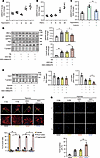 Figure 5
ER stress–induced AI662270 possesses a similar effect to GRP94 in vitro. (A) Hypoxia treatment induces an increase in AI662270 levels. Cardiomyocytes were exposed to hypoxia for the indicated durations. AI662270 mRNA analyzed by qRT-PCR (n = 4). (B) Tunicamycin (TN, 15 mg/L) induces AI662270 expression. Time-course analysis after TN treatment (n = 4). (C) ER stress inhibitor TUDCA (120 mg/L) blocks hypoxia-induced AI662270 upregulation. Cells were pretreated with TUDCA for 2 hours before 12-hour hypoxia (n = 4). (D) AI662270 knockdown specifically attenuates TN-induced GRP94. Cardiomyocytes were transfected with 40 nM ASO-AI662270/ASO-NC for 24 hours, and then treated with TN (15 mg/L, 12 hours). ER stress markers (IRE1α, GRP78, PDI, GRP94, CHOP) analyzed by immunoblotting (n = 4). (E) AI662270 silencing exacerbates hypoxia-induced Opa1 cleavage. Cells transfected with ASO-AI662270/ASO-NC were exposed to hypoxia (12 hours). Opa1 protein was analyzed by immunoblot. (F) AI662270 deficiency promotes mitochondrial fragmentation. Mitochondrial morphology was assessed by MitoTracker staining (≥100 cells/group). Categories: filamentous (>80% tubular), intermediate (30%–80%), fragmented (<30%). Scale bar: 20 μm (n = 4). (G) AI662270 knockdown enhances hypoxia-induced apoptosis. TUNEL assay in cells treated as in E. Scale bar: 50 μm (n = 4). *P < 0.05; **P < 0.01 versus the indicated group by 1-way ANOVA with Tukey-Kramer post hoc analysis (A–E and G) or 2-way ANOVA with Bonferroni’s multiple-comparison test (F). All data are shown as mean ± SD.
AI662270 protects against AMI. Absolute qRT-PCR in cardiomyocytes isolated from Sham and MI models revealed low basal AI662270 expression in control cardiomyocytes that substantially increased after MI. In contrast, cardiac fibroblasts exhibited stable, low AI662270 levels (Supplemental Figure 6A).
To test the role of AI662270 in vivo, cTnT promoter–driven adenovirus harboring AI662270 or AI662270 antisense oligonucleotide (ASO), which could effectively manipulate the levels of AI662270 in heart (Supplemental Figure 6A), was intravenously delivered into mice on 1 day prior to MI surgery. The silencing of AI662270 attenuated the early-phase upregulation of GRP94 on the first day after MI, whereas its overexpression amplified GRP94 induction (Figure 6, A and B). Consistent with the in vitro results, AI662270 manipulation modulated Opa1 proteolytic processing, with overexpression specifically favoring the cleavage of Opa1 to L-Opa1 but not S-Opa1 (Figure 6, A and B, and Supplemental Figure 6B).
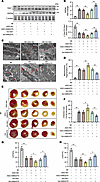 Figure 6
Lnc-AI662270 alleviates post-MI cardiac dysfunction via GRP94 and mitochondrial homeostasis. (A and B) AI662270 regulates GRP94 and L-Opa1 in vivo. C57BL/6 mice (8–10 weeks old) injected with AAV2/9-AI662270 (1 × 10¹¹), Ad-Glb1, ASO-AI662270 (40 nM), or ASO-NC underwent permanent LAD ligation. (A) GRP94 and Opa1-L protein levels at 24 hours after MI. (B) Quantification of L-Opa1/S-Opa1 ratio (n = 4). (C and D) AI662270 suppresses MI-induced mitochondrial fragmentation. (C) TEM images of cardiomyocyte mitochondria. (D) Quantification of fragmented mitochondria (n = 3). Scale bar: 1 μm. (E ansd F) AI662270 reduces infarct size. (E) TTC-stained heart sections (red, viable; white, infarct). (F) Infarct area quantification at 24 hours after MI (n = 4). (G and H) AI662270 preserves cardiac function. Echocardiography at 1 week after MI. (G) LVEF and (H) LVFS (n = 4). LVEF, left ventricular ejection fraction; LVFS, left ventricular fractional shortening. *P < 0.05; **P < 0.01 versus the indicated group by 1-way ANOVA with Tukey-Kramer post hoc analysis (B, D, and F–H). All data are shown as mean ± SD.
Transmission electron microscopy (TEM) confirmed that AI662270 deletion potentiated mitochondrial fragmentation caused by MI, which was mitigated by AI662270 enforcement (Figure 6, C and D). Staining with 2,3,5-triphenyl tetrazolium chloride (TTC) demonstrated the exacerbated MI size responding to AI662270 deletion and the attenuated MI size responding to AI662270 overexpression at 1 day after MI (Figure 6, E and F). Echocardiography studies revealed a markedly reduced LVEF (Figure 6G) and LVFS (Figure 6H) in the AI662270 ASO group compared with the negative control group at 7 days after MI. Per contra, AI662270 overexpression substantially improved cardiac function at 7 days after MI as shown by LVEF (Figure 6G) and LVFS (Figure 6H) in mice. Taken together, AI662270, GRP94, and Opa1 constitute an axis coupling ER stress response with mitochondrial dynamics during AMI.
GRP94 interacts with Anxa2 to regulate Opa1 proteolytic cleavage. To elucidate the molecular mechanisms underlying GRP94-mediated regulation of Opa1 proteolytic processing, the interactors of GRP94 were isolated by coimmunoprecipitation (co-IP) with anti-GRP94 antibody from the lysate of cells with hypoxia or ER stress inducer (TN) treatment and analyzed by liquid chromatography coupled with tandem mass spectrometry (LC/MS-MS) (Supplemental Tables 3 and 4). Proteomic profiling identified Anxa2 as the top-ranked GRP94 interactor under hypoxia (Figure 7A) and the 11th candidate under TN treatment (Figure 7B). Furthermore, NEDD4 and Mff were also identified and caught our attention (Figure 7, A and B) due to their reported relationship with mitochondrial dynamics (32, 33). However, only Anxa2 knockdown substantially inhibited the cleavage of Opa1 to L-Opa1 induced by GRP94 (Figure 7C and Supplemental Figure 7A). Mutual co-IP confirmed the interaction between GRP94 and Anxa2 under hypoxia or TN treatment (Figure 7D and Supplemental Figure 7B). GRP94 overexpression upregulated Anxa2 protein expression without altering its mRNA levels (Figure 7E and Supplemental Figure 7, C and D), concomitant with enhanced phosphorylation of Akt1 (p-Akt1) and L-Opa1 accumulation (Figure 7E). This is consistent with the recent report that Anxa2 regulates the activation of Akt1 signaling to maintain the protein level of L-Opa1 (34). Notably, Anxa2 silencing abolished GRP94-induced p-Akt1 elevation and L-Opa1 generation (Figure 7F and Supplemental Figure 7E). LY294002, the inhibitor of Akt1 phosphorylation, blocked GRP94-mediated Opa1 processing (Figure 7G and Supplemental Figure 7F). Functionally, Anxa2 knockdown inhibited GRP94-attenuated mitochondrial fragmentation (Figure 7H) and cell apoptosis (Figure 7I and Supplemental Figure 7G) induced by hypoxia treatment. Similarly, AI662270 silencing reduced the protein levels of Anxa2 and p-Akt1, while AI662270 overexpression upregulated the protein levels of Anxa2 and p-Akt1, as GRP94 did (Supplemental Figure 7, H and I). These findings establish GRP94 as a critical regulator of mitochondrial integrity through Anxa2/Akt1-dependent control of Opa1 processing during hypoxic stress.
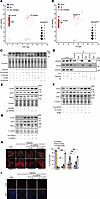 Figure 7
GRP94 interacts with Anxa2 to regulate the cleavage of Opa1. (A and B) Hypoxia and ER stress remodel GRP94 interactomes. Cardiomyocytes exposed to (A) hypoxia (12 hours) or (B) tunicamycin (TN, 15 mg/L, 12 hours). GRP94 coimmunoprecipitated proteins identified by LC-MS/MS. (C) Anxa2 knockdown (si-Anxa2, 40 nM) blocks GRP94-mediated L-Opa1 stabilization. Cells infected with Ad-GRP94 or Ad-Glb1 (MOI = 50) and transfected with si-Anxa2/si-NC for 36 hours, followed by hypoxia (12 hours). Opa1 isoforms analyzed by immunoblotting (n = 4). (D) Endogenous GRP94-Anxa2 interaction under hypoxia. Co-IP with anti-GRP94 or IgG in hypoxic cardiomyocytes (12 hours). (E) GRP94 overexpression enhances Anxa2 and p-Akt1 levels. Ad-GRP94–infected cells (MOI = 50, 48 hours). Anxa2, p-Akt1 (Ser473), and L-Opa1 analyzed (n = 4). (F) Anxa2 deletion abrogates GRP94-induced p-Akt1 and L-Opa1. Ad-GRP94 (MOI = 50) + si-Anxa2/si-NC (40 nM, 48 hours). Protein levels quantified (n = 4). (G) Akt1 inhibitor LY294002 (50 μM) reverses GRP94 effects. Ad-GRP94–infected cells treated with LY294002 for 48 hours (n = 4). Anxa2, p-Akt1, and Opa1 protein was analyzed by immunoblot (n = 4). (H) Anxa2 knockdown negates GRP94-mediated mitochondrial protection. Mitochondrial morphology was assessed by MitoTracker (≥50 cells/group). Categories: filamentous (>80% tubular), intermediate (30%–80%), fragmented (<30%). Scale bar: 20 μm (n = 4). *P < 0.05; **P < 0.01 versus the indicated group by 2-way ANOVA with Bonferroni’s multiple-comparison test. (I) Anxa2 deletion abolishes the GRP94 antiapoptotic effect. TUNEL assay in cells treated as in F. Scale bar: 50 μm (n = 4). All data are expressed as mean ± SD.
In addition, immune checkpoint inhibitors (ICIs), such as anti–PD-1 monoclonal antibodies, have revolutionized cancer therapy. However, patients receiving anti–PD-1 antibodies show a high incidence of cardiac adverse events (35, 36). The mechanisms underlying ICI-induced cardiotoxicity remain poorly understood. In this study, GRP94 levels were reduced in the cardiac tissue of mice treated with 200 μg of anti–PD-1 3 times per week for 2 weeks. This reduction was accompanied by lower levels of Anxa2 and L-Opa1 (Supplemental Figure 7J), indicating a potential role of the GRP94/L-Opa1 axis in PD-1 inhibitor–induced cardiotoxicity, which needs further exploration in the next work.
-
Discussion
ER stress is increasingly considered the initial trigger of overall cellular stress. The occurrence of ER stress is often accompanied by mitochondrial dysfunction (37–39). These 2 processes are pathologically intertwined in multiple disease contexts, including cardiovascular (40, 41) and neurodegenerative disorders (42, 43). However, the mechanisms coupling ER stress and mitochondrial dysfunction are still largely blurred. Our current findings (Figure 8) demonstrate that GRP94, a key UPR effector triggered by ER stress, mitigates ischemia-induced mitochondrial hyper-fragmentation and promotes cardiomyocyte survival by stabilizing L-Opa1 via Anxa2/p-Akt1. Through assisting Yy1 binding to the GRP94 promoter, lncRNA AI226670 participates in modulating this ER-mitochondria crosstalk.
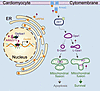 Figure 8
Model of AI662270/Yy1/GRP94/Opa1 signaling in coupling ER stress and mitochondrial dynamics. The red arrow represents the effect of the AI662270/GRP94 signaling axis activation induced by early hypoxic stress.
The initially discovered function of GRP94 was as a molecular chaperone in the ER, assisting in the folding and maturation of newly synthesized proteins such as Toll-like receptors and integrins (44). As research has progressed, GRP94 has been reported to interact with a diverse range of client proteins, including receptors, enzymes, and signaling molecules, to execute its diverse functions (15, 45). Understanding these interactions is crucial for deciphering the role of GRP94 in various cellular processes. Our study demonstrates that GRP94 physically interacts with Anxa2 to activate the p-Akt1 pathway, thereby regulating Opa1 proteolytic processing in hypoxic cardiomyocytes. Although GRP94 is primarily localized to the ER, it can also be found in the cytoplasm during cellular stress (46). Anxa2 can be found in the plasma membrane, cytosol, endosomal compartments, and occasionally the nucleus (47), where it orchestrates diverse cellular activities (48). Notably, we found that the interaction of GRP94 with Anxa2 enhances Anxa2 protein stability, although the structural determinants and spatiotemporal dynamics governing this interaction warrant systematic investigation.
While LeBeau et al. established that PERK-mediated eIF2α phosphorylation coordinates translational attenuation to drive protective mitochondrial hyperfusion during acute ER stress in fibroblasts (49), our study mechanistically extends this paradigm to myocardial pathophysiology. We identify GRP94, a downstream factor of the ATF6 branch (50), as a mediator of adaptive mitochondrial hyperfusion in myocardial ischemia. This evolutionary conservation of mitochondrial morphology regulation through distinct UPR branches (PERK vs. ATF6) highlights context-dependent stress adaptation mechanisms.
Although our work did not explore the regulatory role of ATF6 in GRP94 transcription, we propose that Yy1 and ATF6 may jointly regulate the transcription of GRP94 by forming a complex. This hypothesis builds on the evidence of Yy1 functioning as an indispensable coactivator for ATF6-driven GRP78 induction during ER stress (30), suggesting evolutionary conservation in UPR transcriptional machinery. The complexes participating in GRP94 transcriptional regulation and their precise architecture need systematic interrogation through chromatin occupancy studies and combinatorial knockdown approaches.
Yy1 can both activate and repress gene expression, which depends on the context and its cofactors. Recently, Yy1 has been found to interact with lncRNA to modulate the recruitment of other transcription factors and chromatin-modifying proteins to specific genomic loci, influencing gene expression patterns, exemplified by GAS5-Yy1 complexes enhancing PFKFB3 transcription in cerebral ischemia (51) and ANRIL-Yy1 interactions silencing tumor suppressors p15/p16 in cancer (52). Our findings extend this regulatory axis to cardiovascular pathophysiology; hypoxia induces a Yy1 switch from constitutive Oip5os1 binding to AI662270 association, with the latter directing Yy1 chromatin occupancy to the GRP94 promoter. This lncRNA-mediated target selection mechanism resolves the paradox of the pleiotropic gene regulation of Yy1, demonstrating the important role of lncRNAs as cofactors in determining the target genes of transcription factors. The structure of the interaction between Yy1 and AI662270 and the mechanism of AI662270 promoting Yy1 binding to the GRP94 promoter region need further exploration in future.
ER stress, as an actuating/collaborative mechanism of cellular stress, is increasingly recognized as a potential target for disease treatment in various pathological conditions, including neurodegenerative disorders such as Alzheimer disease (53) and Parkinson disease (54), metabolic disorders such as obesity (55) and type 2 diabetes (56), cardiovascular diseases (11), liver diseases (57), and oncogenesis (58). Targeting ER stress as a therapeutic strategy involves modulating the UPR, including the IRE1, PERK, and ATF6 branches. Each branch exhibits distinct activation mechanisms and pathology-specific signaling cascades that coordinate cellular adaptation. Thus, elucidating the regulatory mechanisms of each UPR factor holds great translational potential for developing stress-targeted clinical interventions. Notably, GRP94 serves as a master regulator of proteostasis, with its dysregulation mechanistically linked to oncogenesis (59), autoimmune disorders (60), and neurodegenerative diseases (61). While direct evidence of GRP94 dysregulation in human AMI remains limited, its upregulation in patients with atrial fibrillation (16) and elevated expression in heart failure tissues (GSE135055) suggest its conserved roles in cardiovascular pathophysiology. Our mechanistic discovery that AI662270 recruits Yy1 to activate GRP94 transcription could guide the development of GRP94-selective modulators, and potentially overcome the cross-reactivity with other Hsp90 family isoforms and associated toxicity issues. Although AI662270 lacks strict human orthologs, identification of its functional Yy1-binding motif (chr12q24.31 homologous region) provides a roadmap for discovering functional analogs in human noncoding transcriptomes. These findings position GRP94 as a therapeutic target for AMI, warranting validation in human induced pluripotent stem cell–derived cardiomyocyte models and patient-derived organoids.
Due to the intricate interplay between the ER and mitochondria in cellular homeostasis, energy metabolism, stress responses, and disease processes (62, 63), clarifying the molecular relationship between ER stress and mitochondrial function regulation is crucial for understanding cellular physiology, disease pathogenesis, and developing therapeutic strategies. The current study is the first to our knowledge to demonstrate the role of the AI662270/Yy1/GRP94/L-Opa1 axis in coupling ER stress response with mitochondrial dynamic regulation. We predict that manipulating AI662270 or its homolog could be exploited as a novel therapeutic approach to confer protection against mitochondrial over-fragmentation through specifically activating the GRP94 branch of the UPR in cardiac myocytes.


