
Research ArticleAgingImmunology
Open Access |  10.1172/jci.insight.187271
The inflammaging microenvironment induces dysfunctional rewiring of Tfh cell differentiation
Cody S. Nelson,1,2 Manuel A. Podestà,1,3 Maya G. Gempler,1 Jeong-Mi Lee,1 Cole J. Batty,4 Peterson G. Mathenge,4 Asra Sainju,4 Matthew R. Chang,4 Hanzhong Ke,4 Pragya Chandrakar,1 Elsa Bechu,1 Sierra Richardson,1 Cecilia B. Cavazzoni,1 Stefan G. Tullius,5 Reza Abdi,1 Musie Ghebremichael,6 Marcia C. Haigis,7 Wayne A. Marasco,4 and Peter T. Sage1
1Transplantation Research Center, Division of Renal Medicine, Department of Medicine; and
2Division of Allergy and Clinical Immunology, Department of Medicine, Brigham and Women’s Hospital, Boston, Massachusetts, USA.
3Unit of Nephrology, Dialysis, and Renal Transplantation, Fondazione IRCCS Ca’ Granda Ospedale Maggiore Policlinico, Milan, Italy.
4Department of Cancer Immunology and Virology, Dana Farber Cancer Institute, Boston, Massachusetts, USA.
5Division of Transplant Surgery, Department of Surgery, Brigham and Women’s Hospital, Harvard Medical School, Boston, Massachusetts, USA.
6Ragon Institute of Mass General Brigham, MIT, and Harvard, Cambridge, Massachusetts, USA.
7Department of Cell Biology, Blavatnik Institute, Harvard Medical School, Boston, Massachusetts, USA.
Address correspondence to: Peter T. Sage, 221 Longwood Avenue, EBRC 3rd Floor, Boston, Massachuetts, 02115, USA. Phone: 617.525.8002; Email: psage@bwh.harvard.edu.
Authorship note: CSN and MAP contributed equally to this work.
Find articles by Nelson, C. in: PubMed | Google Scholar
1Transplantation Research Center, Division of Renal Medicine, Department of Medicine; and
2Division of Allergy and Clinical Immunology, Department of Medicine, Brigham and Women’s Hospital, Boston, Massachusetts, USA.
3Unit of Nephrology, Dialysis, and Renal Transplantation, Fondazione IRCCS Ca’ Granda Ospedale Maggiore Policlinico, Milan, Italy.
4Department of Cancer Immunology and Virology, Dana Farber Cancer Institute, Boston, Massachusetts, USA.
5Division of Transplant Surgery, Department of Surgery, Brigham and Women’s Hospital, Harvard Medical School, Boston, Massachusetts, USA.
6Ragon Institute of Mass General Brigham, MIT, and Harvard, Cambridge, Massachusetts, USA.
7Department of Cell Biology, Blavatnik Institute, Harvard Medical School, Boston, Massachusetts, USA.
Address correspondence to: Peter T. Sage, 221 Longwood Avenue, EBRC 3rd Floor, Boston, Massachuetts, 02115, USA. Phone: 617.525.8002; Email: psage@bwh.harvard.edu.
Authorship note: CSN and MAP contributed equally to this work.
Find articles by Podestà, M. in: PubMed | Google Scholar
1Transplantation Research Center, Division of Renal Medicine, Department of Medicine; and
2Division of Allergy and Clinical Immunology, Department of Medicine, Brigham and Women’s Hospital, Boston, Massachusetts, USA.
3Unit of Nephrology, Dialysis, and Renal Transplantation, Fondazione IRCCS Ca’ Granda Ospedale Maggiore Policlinico, Milan, Italy.
4Department of Cancer Immunology and Virology, Dana Farber Cancer Institute, Boston, Massachusetts, USA.
5Division of Transplant Surgery, Department of Surgery, Brigham and Women’s Hospital, Harvard Medical School, Boston, Massachusetts, USA.
6Ragon Institute of Mass General Brigham, MIT, and Harvard, Cambridge, Massachusetts, USA.
7Department of Cell Biology, Blavatnik Institute, Harvard Medical School, Boston, Massachusetts, USA.
Address correspondence to: Peter T. Sage, 221 Longwood Avenue, EBRC 3rd Floor, Boston, Massachuetts, 02115, USA. Phone: 617.525.8002; Email: psage@bwh.harvard.edu.
Authorship note: CSN and MAP contributed equally to this work.
Find articles by Gempler, M. in: PubMed | Google Scholar
1Transplantation Research Center, Division of Renal Medicine, Department of Medicine; and
2Division of Allergy and Clinical Immunology, Department of Medicine, Brigham and Women’s Hospital, Boston, Massachusetts, USA.
3Unit of Nephrology, Dialysis, and Renal Transplantation, Fondazione IRCCS Ca’ Granda Ospedale Maggiore Policlinico, Milan, Italy.
4Department of Cancer Immunology and Virology, Dana Farber Cancer Institute, Boston, Massachusetts, USA.
5Division of Transplant Surgery, Department of Surgery, Brigham and Women’s Hospital, Harvard Medical School, Boston, Massachusetts, USA.
6Ragon Institute of Mass General Brigham, MIT, and Harvard, Cambridge, Massachusetts, USA.
7Department of Cell Biology, Blavatnik Institute, Harvard Medical School, Boston, Massachusetts, USA.
Address correspondence to: Peter T. Sage, 221 Longwood Avenue, EBRC 3rd Floor, Boston, Massachuetts, 02115, USA. Phone: 617.525.8002; Email: psage@bwh.harvard.edu.
Authorship note: CSN and MAP contributed equally to this work.
Find articles by Lee, J. in: PubMed | Google Scholar
1Transplantation Research Center, Division of Renal Medicine, Department of Medicine; and
2Division of Allergy and Clinical Immunology, Department of Medicine, Brigham and Women’s Hospital, Boston, Massachusetts, USA.
3Unit of Nephrology, Dialysis, and Renal Transplantation, Fondazione IRCCS Ca’ Granda Ospedale Maggiore Policlinico, Milan, Italy.
4Department of Cancer Immunology and Virology, Dana Farber Cancer Institute, Boston, Massachusetts, USA.
5Division of Transplant Surgery, Department of Surgery, Brigham and Women’s Hospital, Harvard Medical School, Boston, Massachusetts, USA.
6Ragon Institute of Mass General Brigham, MIT, and Harvard, Cambridge, Massachusetts, USA.
7Department of Cell Biology, Blavatnik Institute, Harvard Medical School, Boston, Massachusetts, USA.
Address correspondence to: Peter T. Sage, 221 Longwood Avenue, EBRC 3rd Floor, Boston, Massachuetts, 02115, USA. Phone: 617.525.8002; Email: psage@bwh.harvard.edu.
Authorship note: CSN and MAP contributed equally to this work.
Find articles by Batty, C. in: PubMed | Google Scholar
1Transplantation Research Center, Division of Renal Medicine, Department of Medicine; and
2Division of Allergy and Clinical Immunology, Department of Medicine, Brigham and Women’s Hospital, Boston, Massachusetts, USA.
3Unit of Nephrology, Dialysis, and Renal Transplantation, Fondazione IRCCS Ca’ Granda Ospedale Maggiore Policlinico, Milan, Italy.
4Department of Cancer Immunology and Virology, Dana Farber Cancer Institute, Boston, Massachusetts, USA.
5Division of Transplant Surgery, Department of Surgery, Brigham and Women’s Hospital, Harvard Medical School, Boston, Massachusetts, USA.
6Ragon Institute of Mass General Brigham, MIT, and Harvard, Cambridge, Massachusetts, USA.
7Department of Cell Biology, Blavatnik Institute, Harvard Medical School, Boston, Massachusetts, USA.
Address correspondence to: Peter T. Sage, 221 Longwood Avenue, EBRC 3rd Floor, Boston, Massachuetts, 02115, USA. Phone: 617.525.8002; Email: psage@bwh.harvard.edu.
Authorship note: CSN and MAP contributed equally to this work.
Find articles by Mathenge, P. in: PubMed | Google Scholar
1Transplantation Research Center, Division of Renal Medicine, Department of Medicine; and
2Division of Allergy and Clinical Immunology, Department of Medicine, Brigham and Women’s Hospital, Boston, Massachusetts, USA.
3Unit of Nephrology, Dialysis, and Renal Transplantation, Fondazione IRCCS Ca’ Granda Ospedale Maggiore Policlinico, Milan, Italy.
4Department of Cancer Immunology and Virology, Dana Farber Cancer Institute, Boston, Massachusetts, USA.
5Division of Transplant Surgery, Department of Surgery, Brigham and Women’s Hospital, Harvard Medical School, Boston, Massachusetts, USA.
6Ragon Institute of Mass General Brigham, MIT, and Harvard, Cambridge, Massachusetts, USA.
7Department of Cell Biology, Blavatnik Institute, Harvard Medical School, Boston, Massachusetts, USA.
Address correspondence to: Peter T. Sage, 221 Longwood Avenue, EBRC 3rd Floor, Boston, Massachuetts, 02115, USA. Phone: 617.525.8002; Email: psage@bwh.harvard.edu.
Authorship note: CSN and MAP contributed equally to this work.
Find articles by Sainju, A. in: PubMed | Google Scholar
1Transplantation Research Center, Division of Renal Medicine, Department of Medicine; and
2Division of Allergy and Clinical Immunology, Department of Medicine, Brigham and Women’s Hospital, Boston, Massachusetts, USA.
3Unit of Nephrology, Dialysis, and Renal Transplantation, Fondazione IRCCS Ca’ Granda Ospedale Maggiore Policlinico, Milan, Italy.
4Department of Cancer Immunology and Virology, Dana Farber Cancer Institute, Boston, Massachusetts, USA.
5Division of Transplant Surgery, Department of Surgery, Brigham and Women’s Hospital, Harvard Medical School, Boston, Massachusetts, USA.
6Ragon Institute of Mass General Brigham, MIT, and Harvard, Cambridge, Massachusetts, USA.
7Department of Cell Biology, Blavatnik Institute, Harvard Medical School, Boston, Massachusetts, USA.
Address correspondence to: Peter T. Sage, 221 Longwood Avenue, EBRC 3rd Floor, Boston, Massachuetts, 02115, USA. Phone: 617.525.8002; Email: psage@bwh.harvard.edu.
Authorship note: CSN and MAP contributed equally to this work.
Find articles by Chang, M. in: PubMed | Google Scholar
1Transplantation Research Center, Division of Renal Medicine, Department of Medicine; and
2Division of Allergy and Clinical Immunology, Department of Medicine, Brigham and Women’s Hospital, Boston, Massachusetts, USA.
3Unit of Nephrology, Dialysis, and Renal Transplantation, Fondazione IRCCS Ca’ Granda Ospedale Maggiore Policlinico, Milan, Italy.
4Department of Cancer Immunology and Virology, Dana Farber Cancer Institute, Boston, Massachusetts, USA.
5Division of Transplant Surgery, Department of Surgery, Brigham and Women’s Hospital, Harvard Medical School, Boston, Massachusetts, USA.
6Ragon Institute of Mass General Brigham, MIT, and Harvard, Cambridge, Massachusetts, USA.
7Department of Cell Biology, Blavatnik Institute, Harvard Medical School, Boston, Massachusetts, USA.
Address correspondence to: Peter T. Sage, 221 Longwood Avenue, EBRC 3rd Floor, Boston, Massachuetts, 02115, USA. Phone: 617.525.8002; Email: psage@bwh.harvard.edu.
Authorship note: CSN and MAP contributed equally to this work.
Find articles by Ke, H. in: PubMed | Google Scholar
1Transplantation Research Center, Division of Renal Medicine, Department of Medicine; and
2Division of Allergy and Clinical Immunology, Department of Medicine, Brigham and Women’s Hospital, Boston, Massachusetts, USA.
3Unit of Nephrology, Dialysis, and Renal Transplantation, Fondazione IRCCS Ca’ Granda Ospedale Maggiore Policlinico, Milan, Italy.
4Department of Cancer Immunology and Virology, Dana Farber Cancer Institute, Boston, Massachusetts, USA.
5Division of Transplant Surgery, Department of Surgery, Brigham and Women’s Hospital, Harvard Medical School, Boston, Massachusetts, USA.
6Ragon Institute of Mass General Brigham, MIT, and Harvard, Cambridge, Massachusetts, USA.
7Department of Cell Biology, Blavatnik Institute, Harvard Medical School, Boston, Massachusetts, USA.
Address correspondence to: Peter T. Sage, 221 Longwood Avenue, EBRC 3rd Floor, Boston, Massachuetts, 02115, USA. Phone: 617.525.8002; Email: psage@bwh.harvard.edu.
Authorship note: CSN and MAP contributed equally to this work.
Find articles by
Chandrakar, P.
in:
PubMed
|
Google Scholar
|

1Transplantation Research Center, Division of Renal Medicine, Department of Medicine; and
2Division of Allergy and Clinical Immunology, Department of Medicine, Brigham and Women’s Hospital, Boston, Massachusetts, USA.
3Unit of Nephrology, Dialysis, and Renal Transplantation, Fondazione IRCCS Ca’ Granda Ospedale Maggiore Policlinico, Milan, Italy.
4Department of Cancer Immunology and Virology, Dana Farber Cancer Institute, Boston, Massachusetts, USA.
5Division of Transplant Surgery, Department of Surgery, Brigham and Women’s Hospital, Harvard Medical School, Boston, Massachusetts, USA.
6Ragon Institute of Mass General Brigham, MIT, and Harvard, Cambridge, Massachusetts, USA.
7Department of Cell Biology, Blavatnik Institute, Harvard Medical School, Boston, Massachusetts, USA.
Address correspondence to: Peter T. Sage, 221 Longwood Avenue, EBRC 3rd Floor, Boston, Massachuetts, 02115, USA. Phone: 617.525.8002; Email: psage@bwh.harvard.edu.
Authorship note: CSN and MAP contributed equally to this work.
Find articles by Bechu, E. in: PubMed | Google Scholar
1Transplantation Research Center, Division of Renal Medicine, Department of Medicine; and
2Division of Allergy and Clinical Immunology, Department of Medicine, Brigham and Women’s Hospital, Boston, Massachusetts, USA.
3Unit of Nephrology, Dialysis, and Renal Transplantation, Fondazione IRCCS Ca’ Granda Ospedale Maggiore Policlinico, Milan, Italy.
4Department of Cancer Immunology and Virology, Dana Farber Cancer Institute, Boston, Massachusetts, USA.
5Division of Transplant Surgery, Department of Surgery, Brigham and Women’s Hospital, Harvard Medical School, Boston, Massachusetts, USA.
6Ragon Institute of Mass General Brigham, MIT, and Harvard, Cambridge, Massachusetts, USA.
7Department of Cell Biology, Blavatnik Institute, Harvard Medical School, Boston, Massachusetts, USA.
Address correspondence to: Peter T. Sage, 221 Longwood Avenue, EBRC 3rd Floor, Boston, Massachuetts, 02115, USA. Phone: 617.525.8002; Email: psage@bwh.harvard.edu.
Authorship note: CSN and MAP contributed equally to this work.
Find articles by Richardson, S. in: PubMed | Google Scholar
1Transplantation Research Center, Division of Renal Medicine, Department of Medicine; and
2Division of Allergy and Clinical Immunology, Department of Medicine, Brigham and Women’s Hospital, Boston, Massachusetts, USA.
3Unit of Nephrology, Dialysis, and Renal Transplantation, Fondazione IRCCS Ca’ Granda Ospedale Maggiore Policlinico, Milan, Italy.
4Department of Cancer Immunology and Virology, Dana Farber Cancer Institute, Boston, Massachusetts, USA.
5Division of Transplant Surgery, Department of Surgery, Brigham and Women’s Hospital, Harvard Medical School, Boston, Massachusetts, USA.
6Ragon Institute of Mass General Brigham, MIT, and Harvard, Cambridge, Massachusetts, USA.
7Department of Cell Biology, Blavatnik Institute, Harvard Medical School, Boston, Massachusetts, USA.
Address correspondence to: Peter T. Sage, 221 Longwood Avenue, EBRC 3rd Floor, Boston, Massachuetts, 02115, USA. Phone: 617.525.8002; Email: psage@bwh.harvard.edu.
Authorship note: CSN and MAP contributed equally to this work.
Find articles by Cavazzoni, C. in: PubMed | Google Scholar
1Transplantation Research Center, Division of Renal Medicine, Department of Medicine; and
2Division of Allergy and Clinical Immunology, Department of Medicine, Brigham and Women’s Hospital, Boston, Massachusetts, USA.
3Unit of Nephrology, Dialysis, and Renal Transplantation, Fondazione IRCCS Ca’ Granda Ospedale Maggiore Policlinico, Milan, Italy.
4Department of Cancer Immunology and Virology, Dana Farber Cancer Institute, Boston, Massachusetts, USA.
5Division of Transplant Surgery, Department of Surgery, Brigham and Women’s Hospital, Harvard Medical School, Boston, Massachusetts, USA.
6Ragon Institute of Mass General Brigham, MIT, and Harvard, Cambridge, Massachusetts, USA.
7Department of Cell Biology, Blavatnik Institute, Harvard Medical School, Boston, Massachusetts, USA.
Address correspondence to: Peter T. Sage, 221 Longwood Avenue, EBRC 3rd Floor, Boston, Massachuetts, 02115, USA. Phone: 617.525.8002; Email: psage@bwh.harvard.edu.
Authorship note: CSN and MAP contributed equally to this work.
Find articles by Tullius, S. in: PubMed | Google Scholar
1Transplantation Research Center, Division of Renal Medicine, Department of Medicine; and
2Division of Allergy and Clinical Immunology, Department of Medicine, Brigham and Women’s Hospital, Boston, Massachusetts, USA.
3Unit of Nephrology, Dialysis, and Renal Transplantation, Fondazione IRCCS Ca’ Granda Ospedale Maggiore Policlinico, Milan, Italy.
4Department of Cancer Immunology and Virology, Dana Farber Cancer Institute, Boston, Massachusetts, USA.
5Division of Transplant Surgery, Department of Surgery, Brigham and Women’s Hospital, Harvard Medical School, Boston, Massachusetts, USA.
6Ragon Institute of Mass General Brigham, MIT, and Harvard, Cambridge, Massachusetts, USA.
7Department of Cell Biology, Blavatnik Institute, Harvard Medical School, Boston, Massachusetts, USA.
Address correspondence to: Peter T. Sage, 221 Longwood Avenue, EBRC 3rd Floor, Boston, Massachuetts, 02115, USA. Phone: 617.525.8002; Email: psage@bwh.harvard.edu.
Authorship note: CSN and MAP contributed equally to this work.
Find articles by Abdi, R. in: PubMed | Google Scholar
1Transplantation Research Center, Division of Renal Medicine, Department of Medicine; and
2Division of Allergy and Clinical Immunology, Department of Medicine, Brigham and Women’s Hospital, Boston, Massachusetts, USA.
3Unit of Nephrology, Dialysis, and Renal Transplantation, Fondazione IRCCS Ca’ Granda Ospedale Maggiore Policlinico, Milan, Italy.
4Department of Cancer Immunology and Virology, Dana Farber Cancer Institute, Boston, Massachusetts, USA.
5Division of Transplant Surgery, Department of Surgery, Brigham and Women’s Hospital, Harvard Medical School, Boston, Massachusetts, USA.
6Ragon Institute of Mass General Brigham, MIT, and Harvard, Cambridge, Massachusetts, USA.
7Department of Cell Biology, Blavatnik Institute, Harvard Medical School, Boston, Massachusetts, USA.
Address correspondence to: Peter T. Sage, 221 Longwood Avenue, EBRC 3rd Floor, Boston, Massachuetts, 02115, USA. Phone: 617.525.8002; Email: psage@bwh.harvard.edu.
Authorship note: CSN and MAP contributed equally to this work.
Find articles by Ghebremichael, M. in: PubMed | Google Scholar
1Transplantation Research Center, Division of Renal Medicine, Department of Medicine; and
2Division of Allergy and Clinical Immunology, Department of Medicine, Brigham and Women’s Hospital, Boston, Massachusetts, USA.
3Unit of Nephrology, Dialysis, and Renal Transplantation, Fondazione IRCCS Ca’ Granda Ospedale Maggiore Policlinico, Milan, Italy.
4Department of Cancer Immunology and Virology, Dana Farber Cancer Institute, Boston, Massachusetts, USA.
5Division of Transplant Surgery, Department of Surgery, Brigham and Women’s Hospital, Harvard Medical School, Boston, Massachusetts, USA.
6Ragon Institute of Mass General Brigham, MIT, and Harvard, Cambridge, Massachusetts, USA.
7Department of Cell Biology, Blavatnik Institute, Harvard Medical School, Boston, Massachusetts, USA.
Address correspondence to: Peter T. Sage, 221 Longwood Avenue, EBRC 3rd Floor, Boston, Massachuetts, 02115, USA. Phone: 617.525.8002; Email: psage@bwh.harvard.edu.
Authorship note: CSN and MAP contributed equally to this work.
Find articles by Haigis, M. in: PubMed | Google Scholar
1Transplantation Research Center, Division of Renal Medicine, Department of Medicine; and
2Division of Allergy and Clinical Immunology, Department of Medicine, Brigham and Women’s Hospital, Boston, Massachusetts, USA.
3Unit of Nephrology, Dialysis, and Renal Transplantation, Fondazione IRCCS Ca’ Granda Ospedale Maggiore Policlinico, Milan, Italy.
4Department of Cancer Immunology and Virology, Dana Farber Cancer Institute, Boston, Massachusetts, USA.
5Division of Transplant Surgery, Department of Surgery, Brigham and Women’s Hospital, Harvard Medical School, Boston, Massachusetts, USA.
6Ragon Institute of Mass General Brigham, MIT, and Harvard, Cambridge, Massachusetts, USA.
7Department of Cell Biology, Blavatnik Institute, Harvard Medical School, Boston, Massachusetts, USA.
Address correspondence to: Peter T. Sage, 221 Longwood Avenue, EBRC 3rd Floor, Boston, Massachuetts, 02115, USA. Phone: 617.525.8002; Email: psage@bwh.harvard.edu.
Authorship note: CSN and MAP contributed equally to this work.
Find articles by Marasco, W. in: PubMed | Google Scholar
1Transplantation Research Center, Division of Renal Medicine, Department of Medicine; and
2Division of Allergy and Clinical Immunology, Department of Medicine, Brigham and Women’s Hospital, Boston, Massachusetts, USA.
3Unit of Nephrology, Dialysis, and Renal Transplantation, Fondazione IRCCS Ca’ Granda Ospedale Maggiore Policlinico, Milan, Italy.
4Department of Cancer Immunology and Virology, Dana Farber Cancer Institute, Boston, Massachusetts, USA.
5Division of Transplant Surgery, Department of Surgery, Brigham and Women’s Hospital, Harvard Medical School, Boston, Massachusetts, USA.
6Ragon Institute of Mass General Brigham, MIT, and Harvard, Cambridge, Massachusetts, USA.
7Department of Cell Biology, Blavatnik Institute, Harvard Medical School, Boston, Massachusetts, USA.
Address correspondence to: Peter T. Sage, 221 Longwood Avenue, EBRC 3rd Floor, Boston, Massachuetts, 02115, USA. Phone: 617.525.8002; Email: psage@bwh.harvard.edu.
Authorship note: CSN and MAP contributed equally to this work.
Find articles by
Sage, P.
in:
PubMed
|
Google Scholar
|
Published March 4, 2025 - More info
JCI Insight. 2025;10(8):e187271. https://doi.org/10.1172/jci.insight.187271.
© 2025 Nelson et al. This work is licensed under the Creative Commons Attribution 4.0 International License. To view a copy of this license, visit http://creativecommons.org/licenses/by/4.0/.
Received: September 19, 2024; Accepted: February 25, 2025


-
Results
Tfh cells clonally expand in lymph nodes and blood after influenza vaccination. Differentiation of Tfh cells has recently been shown to require sequential developmental stages in lymphoid organs, such as the draining lymph node (dLN), after vaccination (14). Some Tfh cells can leave the dLN and enter the circulation before full differentiation, but the relationship between these populations and those that reside in LNs is not fully understood. Thus, we first assessed the clonal relationships of Tfh cells in dLNs and blood of influenza-vaccinated mice. We administered an unadjuvanted quadrivalent influenza vaccine (Afluria Influenza A+B, 2010–2011 formulation) to 8-week-old C57BL/6 mice and 10 days later sorted total follicular T cells (gated as CD4+CXCR5+CD19–; Tfh and Tfr together) from the dLN and blood (Supplemental Figure 1A; supplemental material available online with this article; https://doi.org/10.1172/jci.insight.187271DS1). Cells were processed for single-cell RNA-Seq (scRNA-Seq) with matched TCR-Seq (Figure 1A). The 6,752 follicular T cells that passed quality control filters separated into 10 distinct clusters in uniform manifold approximation and projection (UMAP) space (Figure 1B). Tissue origin was a dominant factor for the positioning of cells in clusters, since follicular T cells from the dLN separated from the blood (Figure 1C). Only a single cluster, cluster 6, contained cells from both the dLN and blood. However, even within this cluster, we observed evidence of segregation. We then separated the follicular T cells into Tfh and Tfr cells by assigning cells that expressed Foxp3 or a T regulatory cell–dominant (Treg-dominant) transcriptional profile as Tfr cells (Supplemental Figure 1, B and C). Tfr cells were found in cluster 2 of the blood, as well as clusters 4 and 5 of the dLN, whereas Tfh cells were found in all clusters (Figure 1D). Notably, the tissue of origin was a stronger overall driver of transcriptional programs than Tfh versus Tfr cell type, consistent with previous findings (25).
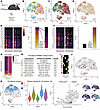 Figure 1
Expansion and clonal overlap of murine Tfh cells from LNs and blood after influenza vaccination. (A) Experimental schematic. Wild-type mice (8–12 weeks of age) were administered the Afluria quadrivalent influenza vaccine (total 1.5 μg HA protein). After 10 days, CD4+CXCR5+ cells were sorted from both dLN and peripheral blood, and single-cell RNA sequencing (scRNA-Seq) with matched TCR-Seq was performed. (B–D) UMAPs of n = 6,752 cells by unsupervised cluster assignment (B), by tissue (C), and by cell type (D). (E) (Left) TCRβ-V and J gene usage. Percentage indicates frequency of use in dataset. (Right) Clonal sharing between the top 25 TCR clones by prevalence in LN and blood. Connecting lines indicate shared clones. (F) (Left) TCRβ V-J gene segment usage and (right) clonal sharing between Tfh and Tfr cells. (G) Clonal expansion (<0.01% “rare,” 0.01%–0.033% “small,” 0.033%–0.067% “medium,” 0.067%–0.1% “large,” and >0.1% “hyperexpanded”) for LN and blood cells. (H) TCR complementarity-determining region 3 amino acid sequence and predicted influenza specificity of the top 10 clones shared between LN and blood Tfh cells. Each clone is color coded. (I) TCRβ -V gene usage for clones in H. (J) UMAP of clones from H, including annotation of cluster 8 from B. (K) Module score for a Tfh Effector module (derived from ref. 14) expressed as a feature plot (left) or violin plot (right). Violin plot displays the Tfh Effector feature score 95% confidence interval for cells in indicated clusters, with the shape indicating the probability density and horizontal line denoting the median value. (L) (Left) Differential gene expression between cluster 8 and clusters 3, 4, 5, and 9 of the LN. (Right) Density plots for indicated genes. Data are from a single scRNA-Seq experiment of 2 individual mice concatenated.
Reclustering of the 5,352 Tfh and 1,391 Tfr cells independently revealed separation of dLN and blood populations for both cell types (Supplemental Figure 1, E–K). Analysis of differentially expressed genes (DEGs) between dLN and blood Tfh/Tfr cells identified 103 tissue-specific genes in common between Tfh and Tfr, suggesting similar tissue-specific transcriptional programming (Supplemental Figure 1K). Genes enriched in the blood compartment included some consistent with a quiescent state (Klf3, Dusp1). In contrast, genes similarly enriched in dLN included genes associated with effector Tfh cells (Bcl6, Pdcd1/PD-1, Id3), as well as costimulatory molecules (Tnfrsf4/OX40, Tnfrsf9/4-1BB).
Next, we compared TCR sequences to determine clonal overlap of Tfh cells in the dLN and blood after influenza vaccination. Overall, TCRβ chain V-J usage was similar in follicular T cell clones between dLN and blood, suggesting clonal overlap (Figure 1E). Moreover, 0.5% of all, and 16% of the most abundant, clones were shared with expanded Tfh clones in the blood, further supporting clonal overlap of Tfh cells after influenza vaccination (Figure 1E). Although the vast majority of Tfr cells are thought to originate from natural Tregs, some studies have suggested a small portion of Tfr cells can originate from non-Tregs as “induced” Tfr cells (26). However, consistent with prior reports (27), we found that TCRβ gene usage was distinct between Tfh and Tfr cells. Furthermore, we observed minimal overlap of Tfh clones with dLN or blood Tfr cells, with only 0.08% of Tfr clones overlapping with Tfh cells (Figure 1F). Notably, all Tfr clones were singletons, and there was no evidence of clonal proliferation (Figure 1F).
The lower amount of clonal expansion in blood, compared with dLN, Tfh cells suggests circulating cells have more clonal diversity (Figure 1G). Despite differences in the extent of clonal expansion, a small subset of Tfh clones were expanded in both the dLN and blood. Of the top 10 most expanded clones in both tissues, all were predicted to have reactivity for influenza A virus. The most common predicted influenza epitopes included HA, RNA polymerase, and matrix proteins (Figure 1H), though the top predicted specificity for a few expanded clones was for other viruses or autoantigens (Supplemental Figure 1L). Expanded Tfh clones made use of a diversity of TCRβ V-gene segments; however, V20 was the most common (Figure 1I). These Tfh clones were found in clusters 8 and 9 of the dLN as well as most Tfh clusters of the blood (Figure 1J). Cluster 8 had enrichment of a Tfh effector gene module (derived from TfhFull vs. Tfh progenitor-like, or TfhProg, cells) (14), suggesting this population is a fully differentiated effector Tfh population (Figure 1K). Consistent with this, Tfh effector genes Il21, Maf, Bcl6, Il4, and Cd40lg were among the most differentially expressed genes in this cluster (Figure 1L) (14). Together, these data indicate that Tfh cells undergo sequential development in the dLN after influenza vaccination, culminating in an effector Tfh state, and that some of these expanded clones gain access to the blood to recirculate.
Tfh cells from aged mice undergo transcriptional rewiring during later stages of development to induce a cellular senescence-like program. Aging can affect the quality of the antibody response elicited by influenza vaccination (1–5). Passive infusion of serum from young, influenza-vaccinated mice was protective against severe influenza infection, whereas infusion of serum from aged, vaccinated mice was not (Supplemental Figure 2). To investigate the mechanism of this observed deficiency, we vaccinated both young and 80-week-old (aged) mice to assess how settings of aging alter progressive Tfh differentiation after influenza vaccination utilizing scRNA-Seq with matched TCR-Seq (Figure 2A). Consistent with previous reports (19, 28), the frequency of total CD4+CXCR5+ follicular T cells as determined by flow cytometry was higher in aged versus young vaccinated mice (Figure 2B). The number of DEGs between young and aged follicular T cells was calculated separately for each tissue. We found a greater number of DEGs (corrected P < 0.01; fold-change > 2) in the blood compared with the dLN (Figure 2C). We focused further analysis on blood Tfh cells, since 1) we found stronger age-related transcriptional changes in blood Tfh cells, 2) we found more diverse phenotypes of expanded Tfh cells in the blood of young mice, and 3) most human Tfh studies have access to blood only for analysis. We combined 7,360 CD4+CXCR5+ follicular T cells from the blood of young or aged mice. These cells segregated into 11 unique clusters in UMAP space (Figure 2D and Supplemental Table 1). There were clear differences in the distribution of young and aged cells in clusters, with miloR neighborhood analysis revealing that follicular T cells from aged mice disproportionately occupied clusters 2, 4, 8, and 10 (Figure 2, E and F). In contrast, cluster 3, and to a lesser extent cluster 6, were disproportionately occupied by young follicular T cells. Reclustering of 6,600 Tfh and 755 Tfr cells separately demonstrated that the differences between young and aged follicular T cells was due to Tfh cells (Supplemental Figure 3).
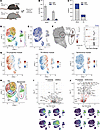 Figure 2
Tfh cells from aged mice have rewired progressive differentiation culminating in a cellular senescence-like program. (A) Experimental schematic. Aged (80 weeks) mice underwent quadrivalent influenza vaccination as in Figure 1 and were processed for scRNA-Seq/TCR-Seq, and data were added to data from young mice (Figure 1). (B) Quantification of total CD4+CXCR5+ follicular T cells. (C) Number of differentially expressed genes (DEGs) between young and aged total follicular T cells, separated by tissue. Color indicates directionality of fold-change. (D and E) UMAP of blood follicular T cells by unsupervised clustering (D) and annotated for group (E). (F) miloR cell neighborhood analysis illustrating differential abundance of cell neighborhoods in young (blue) versus aged (red) mice, represented in UMAP space or by individual cluster (FDR < 0.05, fold-change > 2). (G) Module score feature plots for a Tfh Progenitor module (derived from ref. 14), Tfh Effector module (derived from ref. 14), or senescence module (29). (H) Annotation of clusters in UMAP space based on cell type and/or phenotype. (I) (Top) DEGs in cluster 2 versus clusters 0, 1, 3, 5–7, 9. Red dots indicate P < 10–2, fold-change > 2. (Bottom) Density plots for indicated DEGs. (J) (Top) DEGs between clusters 4, 8, and 10 versus clusters 0, 1, 3, 5–7, 9. Red dots indicate P < 10–2, fold-change > 2. (Bottom) Density plots for selected DEGs. Data are concatenated data from 2 individual mice in each age group.
Next, we assessed whether changes in Tfh cells in aged mice occur during early or later stages of Tfh differentiation. To do this, we utilized gene modules for progenitor-like and fully differentiated effector Tfh cell states (14). Youth-associated clusters 3 and 6 had enrichment of a progenitor-like Tfh module, as did clusters 0 and 7, which were not altered between young versus aged mice (Figure 2G). In contrast, age-associated clusters 2, 8, and 4 had enrichment of a fully developed effector Tfh gene module, as did clusters 1 and 5, which were not altered with age (Figure 2G). Age-related transcriptional changes in nonfollicular T cell subsets have been linked to cellular senescence (29). To determine if transcriptional rewiring in aged Tfh cells included a cellular senescence program, we assessed a gene module (incorporating conserved tissue signatures) for this program (29) and found strong enrichment in age-associated clusters 4, 8, and 10 (Figure 2, G and H). Several individual “senescence” genes from the gene module were increased in aged cells (e.g., Ccl4, Ccl3, Icam1, Tnf), and a few showed minor increases in young cells (Pecam1, Cd55, Il6st, Jun) (Supplemental Table 2). Together, these data suggest that aged mice have disproportionately more effector-like Tfh cells that are rewired.
To understand mechanisms contributing to age-related transcriptional rewiring of Tfh differentiation, we assessed genes overabundant in cluster 2, a cluster that was enriched in aging but also populated by Tfh cells from young mice (Figure 2I). This cluster had enrichment for effector Tfh genes and cytokines such as Cxcr3, Ifng, Il21, and Cd40lg (Figure 2I). In contrast, clusters 4, 8, and 10, which were age- and senescence-associated, were enriched for cytotoxic genes (Gzmk, Prf1/Perforin), coinhibitory receptors (Pdcd1/PD-1, Lag3, Tigit, and Havcr2/Tim-3), and individual senescence genes (Ccl3, Ccl4, Ccl5) (Figure 2J). Moreover, clusters 4, 8, and 10 had lower expression of negative regulators of Tfh cells, such as Satb1, Klf2, Foxo1, and the progenitor-insulating transcription factor Foxp1. Similar results were found in the LN Tfh compartment, indicating similar rewiring in both LN and blood (Supplemental Figure 4).
Clonal origins of age-rewired Tfh cells. We next determined the clonal origins of age-rewired senescent-like Tfh cells. Monocle3 pseudotime analysis was performed on the scRNA-Seq datasets using the progenitor Tfh cluster 0 as the root node. We found evidence of progressive development from the progenitor Tfh population through cluster 7 and subsequently to cluster 2 (Figure 3, A–C). Interestingly, cells within cluster 2 showed developmental branching/fate decisions with bifurcation to either cluster 1 (an effector Tfh cluster) or toward age-associated clusters 4, 8, and 10. Notably, these age-associated clusters had the highest pseudotime values, indicating the most terminal differentiation. Analysis of young and aged Tfh cells independently verified that senescence-like clusters had the highest pseudotime values (Supplemental Figure 5). We also found evidence of sequential differentiation from effector-like cluster 1 toward progenitor-like cluster 0, possibly indicating the presence of TfhEx cells that dampen the effector program but remain epigenetically poised (14). At the individual-gene level, the expression of cluster 2–associated genes, including Il21, Cxcr3, Cd40lg, and Ifng, increased along pseudotime trajectories, eventually reaching a plateau at an intermediate pseudotime (Figure 3D). In contrast, expression of genes associated with clusters 4, 8, and 10, such as Ccl5, Gzmk, and Prf1, abruptly increased only during later pseudotime values (Figure 3D). However, the exception was Tigit, which gradually increased similar to the behavior of cluster 2 genes. These data suggest that aged effector Tfh cells are rewired from normal effector differentiation toward a senescence-like transcriptional state (Figure 3E).
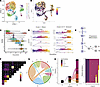 Figure 3
Clonal origins of age-rewired Tfh cells in mice. (A and B) UMAP of n = 7,360 blood follicular T cells by unsupervised clustering (A) and Monocle3 pseudotime trajectories (B), with root nodes set for progenitor clusters 0 and 3. Black ribbon indicates projected path of differentiation from progenitor population. (C) Pseudotime values per cluster with black dot representing median. (D) Gene expression values of indicated genes organized by ascending pseudotime values. (E) Schematic of progressive differentiation in Tfh cells from young or aged mice with cluster annotation. (F) Clonal sharing (based on TCR sequence) including absolute number of shared clones between clusters (left). (G) Circos plot of clonal sharing of expanded Tfh clones (shared by >2 individual cells). (H) (Left) Top 25 expanded clones in individual clusters 2, 4, and 8, with connecting lines indicating shared clones. (Right) Clonal expansion per cluster (<0.01% “rare,” 0.01%–0.1% “small,” 0.1%–1% “medium,” 1%–5% “large,” and >5% “hyperexpanded”).
To further interrogate the developmental relationships between age-associated senescent clusters 4, 8, and 10 with other Tfh cells, we analyzed TCR sequences. Cluster 2, which represented a branch point in Tfh differentiation, had clonal overlap with both Tfh Effector cluster 1 as well as age-senescent cluster 4, further indicating important fate decisions during this stage (Figure 3, F–H). We also found clonal sharing between clusters 1 and 4, though to a lesser degree, indicating that the same Tfh clones could undergo further differentiation from cluster 2 to either effector Tfh or age-rewired Tfh cells. We also found robust clonal sharing between the 3 age-rewired/senescent-like clusters 4, 8, and 10. Interestingly, even though we found substantial clonal overlap between clusters 2 and 4, as well as clusters 8 and 4, we found minimal clonal sharing between clusters 2 and 8. These data indicate that age-rewired Tfh cells may arise by redirecting effector stages of Tfh differentiation (e.g., through cluster 2) or possibly by age-rewired non-Tfh populations differentiating into Tfh cells (e.g., cluster 8). Intriguingly, age-rewired clusters 8 and 10 exhibited substantial clonal expansion and were dominated by hyperexpanded clones, some of which had predicted specificity for murine cytomegalovirus protein epitopes (data not shown). Notably, the senescent-like Tfh cell population still expressed canonical Tfh cell markers, including Cxcr5, Bcl6, Pdcd1, Icos, and Il21 (Supplemental Figure 6). Last, we found a minor degree of clonal sharing between Tfh cluster 1 and Tfr cluster 5. These cells could represent ex-Tfr cells that have downregulated their Tfr transcriptional program or alternatively induced Tfr cells from Foxp3-negative precursors (25). Together, these data indicate that in murine models of aging, Tfh cells undergo normal early differentiation, but later stages of Tfh differentiation are redirected toward an age-rewired state with evidence of hyperactivation, cytokine production, and senescence-like programs.
Defective neutralizing antibody and ICOShiCD38hi Tfh cells in older humans after influenza vaccination. To assess how aging alters Tfh differentiation and function in humans, we obtained peripheral blood from 18 young (18–38 years) and 78 aged (>65 years) individuals on days 0, 7, 14, and 30 after seasonal influenza vaccination (Figure 4A and Supplemental Table 3). The distribution of men and women was similar between young (56% female) and aged (69% female) cohorts (P = 0.24, χ2 test). Baseline binding of serum IgG to the influenza vaccine H1 protein was higher in young versus aged individuals, even at baseline (mean log10 Meso Scale Discovery [MSD] binding index in aged = 4.29, young = 4.54, P = 0.003, Mann-Whitney U test) (Figure 4B). Analogously, the vaccine H1 serotype HA inhibition (HAI) titer was higher in young versus aged individuals at baseline as well as at day 14 after vaccination, which was the peak of response. Though aged participants may have received either the standard or high-dose vaccine, notably, there was no dose-dependent difference in MSD titer observed in this cohort (mean log10 MSD for aged participants receiving standard dose = 4.49 vs. high dose = 4.48). Notably, there was no difference in H1 binding or HAI between male and female participants, even when separated by age group (Supplemental Table 4).
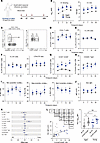 Figure 4
Defective neutralizing antibody and ICOShiCD38hi Tfh cells in older humans after influenza vaccination. (A) Experimental schematic. 18 young (18–38 yr) and 78 aged (> 65 yr) adults were administered a seasonal influenza vaccine. Peripheral blood was obtained on the day of vaccination (d0), as well as day 7 (d7), day 14 (d14), and day 30 (d30) after vaccination. (B) (Left) Influenza H1 protein Meso Scale Discovery (MSD) binding index for young and aged vaccine recipients, separated by time point. (Right) Influenza H1 protein hemagglutination inhibition (HAI) titers. (C) Gating strategy to identify cTfh (CD3+CD4+CD8–CD14–CD19–CD45RA–CXCR5+FoxP3–) and Tfr (CD3+CD4+CD8–CD14–CD19–CD45RA–CXCR5+FoxP3+) cells from blood. (D) Total number of CD4+ T cells (per 1 × 10⁶ input PBMC), separated by time point. (E) Tfh frequency of total CD4+ T cells, separated by time point. (F) Tfr frequency of total CD4+ T cells (left) and Tfh/Tfr ratio (right), separated by time point. (G and H) ICOShiCD38hi (G) or CD226+Tigit+ (H) frequency of Tfh cells, separated by time point. (I) Tfh cell polarization including Tfh1 (left), Tfh2 (middle), and Tfh17 (right) identified by indicated chemokine receptor expression. (J) PD-1 mean fluorescence intensity on total Tfh cells, separated by time point. (K) Forest plot indicating longitudinal modeling of indicated parameters (#CD4+ T cells, %cTfh, %cTfr, %ICOS+PD-1+, %ICOShiPD-1hi, %cTfh1, %cTfh2, %cTfh17, %CD226+Tigit+, CXCR5 MFI, and PD-1 MFI). (L) Spearman’s rank correlation for indicated parameters of interest. Linear regression of %ICOShiCD38hi cells with PD-1 MFI, for all cells at d30 time point. Bold italic indicates statistical significance. (Right) PD-1 MFI on total or ICOShiCD38hi Tfh cells. All displayed data points represent mean, with error bars indicating SEM. *P < 0.05, uncorrected Mann-Whitney U test.
Next, we utilized high-parameter spectral flow cytometry to investigate whether total or subsets of Tfh cells were altered in aged individuals. The total number of CD4+ T cells was indistinguishable between young and aged individuals (Figure 4, C and D). Circulating follicular T cells (defined as CD3+CD4+CD8–CD14–CD19–CD45RA–CXCR5+) were separated based on FoxP3 expression into circulating Tfh (FoxP3–) and circulating Tfr (cTfr) (FoxP3+) cells (Figure 4C and Supplemental Figure 7). The frequency of total cTfh cells was not significantly different between young and aged individuals at any time point (Figure 4E). cTfr cells were similar at baseline between young and aged individuals but exhibited a transient decrease at day 7 after vaccination in young individuals only (mean frequency aged = 1.56%, young 1.19%, P = 0.046, Mann-Whitney U test) (Figure 4F). The ratio of Tfh/Tfr, which predicts vaccine responses in some settings (30), was slightly higher in young versus aged individuals starting at day 7 after vaccination (d7 mean ratio aged = 8.42, young = 10.82, P = 0.029, Mann-Whitney U test) (Figure 4F).
Since we did not find changes in total cTfh cells, we next determined whether developmental stage, as indicated by activation state, was different between young and aged individuals. We found higher proportions of ICOShiCD38hi Tfh cells (previously shown to correlate with influenza vaccination) (31, 32) in young versus aged individuals at all time points (Figure 4G). In contrast, we did not find any statistical differences in CD226+Tigit+ Tfh or Tfh1-like (CXCR3+CCR6–) cells, which have been associated with influenza vaccine responses (Figure 4, H and I) (33, 34). Moreover, we did not find any differences in other cytokine-polarized Tfh cells, such as Tfh2-like cells (CXCR3–CCR6–) or Tfh17-like cells (CXCR3–CCR6+) (Figure 4I) (35). In addition, we assessed levels of programmed cell death 1 (PD-1) on Tfh cells, since PD-1 is a negative regulator of Tfh cell differentiation and function but is highly expressed in later effector stages (36, 37). We found higher expression of PD-1 in young individuals; however, this only reached statistical significance 30 days after influenza vaccination (Figure 4J). There was no statistical difference in the change of each of these parameters from baseline values (Supplemental Figure 8). Longitudinal data for each of these parameters were modeled using nonlinear mixed methods to assess changes between groups. This analysis revealed increases in the ICOShiCD38hi Tfh population in young versus aged influenza vaccinees (Figure 4K). Spearman’s rank analysis indicated that the ICOShiCD38hi Tfh population correlated with serological H1 binding, serological H1 HAI, and Tfh PD-1 expression (Figure 4L). Together, these data indicate that the activation state, and not total frequency, of Tfh cells may be altered in an age-dependent manner in humans after influenza vaccination, implicating changes in sequential differentiation.
Human Tfh cells undergo progressive differentiation after influenza vaccination. Since our flow cytometric data indicated age-related changes in Tfh activation/developmental states more so than total Tfh cell frequencies, we sought to understand Tfh differentiation in humans after influenza vaccination. We performed scRNA-Seq on Tfh and Tfr (by sorting total CD4+CD19–CXCR5+) cells from peripheral blood of 5 young and 7 aged individuals at baseline, day 7, and day 14 after seasonal influenza vaccination (Figure 5A and Supplemental Figure 9A). A total of 47,678 cells passed quality control filters and subsequently formed 8 distinct clusters in UMAP space (Figure 5B). Most clusters lacked expression of FOXP3 and were designated as Tfh clusters, whereas a single cluster showing high expression of FOXP3 and IKZF2 was annotated as Tfr. Based on genes associated with Tfh developmental stages (14), we identified 2 progenitor-like Tfh clusters (Tfh Prog 1 and Tfh Prog 2) marked by expression of SELPLG, MAF, CCR7, SELL, IL7R, or FOXP1, along with 2 effector-like Tfh clusters (Tfh Effector 1 and Tfh Effector 2) in which ICOS, CD44, CXCR5, and CD69 were upregulated (Figure 5, B and C). We also observed a small cluster marked by expression of IL10, CTLA4, and IL21, referred to as Tfh10 consistent with previous reports (38). In addition, we identified Tfh clusters marked by expression of interferon-responsive elements (IFIT1, IFIT3, IRF7) referred to as Tfh IfnR, as well as a cytotoxic cluster (GZMA, GZMK, CCL5, NKG7, IFNG) referred to as Tfh Cytotoxic, both of which have been previously reported (Figure 5C) (39–41). Notably, the ICOShiCD38hi population of Tfh identified via flow cytometry likely correspond to Tfh Effector 1 and Tfh10 clusters (Figure 5D), which is consistent with a Tfh effector-like transcriptional program (Figure 5E). Furthermore, IFNG and TBX21, which encodes the transcription factor T-bet, were present in both Tfh Effector 1 and Effector 2 clusters, as well as the Tfh Cytotoxic cluster (Figure 5D). Last, the expression of several senescence-associated genes, such as AREG and TNF (29), was enhanced in the Tfh Effector 2 cluster.
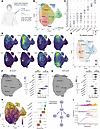 Figure 5
Human Tfh cells undergo progressive differentiation after influenza vaccination. (A) Experimental schematic. Total CD4+CXCR5+ T cells were sorted from blood of young or aged individuals on day 0, 7, or 14 after seasonal influenza vaccination. (B and C) UMAP of n = 47,678 cells integrated across patients and time points, with clusters annotated based on genes involved in sequential Tfh development. (D) UMAP showing transcript density for indicated genes. (E) Module score feature plot for a Tfh Effector module (14). (F and G) miloR differential neighborhood abundance assessment of total CD4+CXCR5+ T cells from all donors at indicated days. Node size indicates the number of cells in the neighborhood; color denotes direction of differential abundance (miloR, FDR 0.10). (H) (Left) UMAP and cluster box plot of Monocle3 pseudotime analysis utilizing a root node in the Tfh Prog 1 cluster. Color brightness denotes the predicted lapsed pseudotime for cluster differentiation. Black ribbon approximates the anticipated differentiation pathway. (Middle) Pseudotime values per cluster, with black bar representing median. (Right) Proposed progressive differentiation pathway for Tfh. (I) Expression values of BCL6 and IL21 ordered by pseudotime values. Data shown in F and G, right, are expressed as single data points; data shown in H, right, are expressed as box and whiskers (median, IQR, and range).
Differential abundance testing across cell neighborhoods revealed that the Tfh Effector 1 and 2 clusters were more abundant on day 7 after vaccination compared with prevaccine levels (k = 45, d = 20, FDR = 0.10), suggesting the Tfh Effector programs were induced by vaccination (Figure 5F). Moreover, Tfh Prog 1 was more abundant at baseline compared with day 7. In contrast, when we assessed relative abundance between days 7 and 14 after vaccination, we found only a minor reduction in the Tfh Effector 2 cluster at day 14, indicating that most Tfh cells maintained their programs until at least day 14 (Figure 5G). We next conducted pseudotime analyses to assess differentiation relationships between clusters. We found Tfh Prog 1 and 2 clusters had the lowest pseudotime values consistent with their progenitor designation (Figure 5H). Tfh IfnR and Tfh10 clusters had intermediate pseudotime values, and Tfh Effector 1 and 2, Tfh Cytotoxic, and Tfr clusters had the highest pseudotime values (Figure 5H). These data indicate progressive development of Tfh cells, culminating in effector-like Tfh cells in the circulation (Figure 5H). The expression of IL21 and BCL6 along the pseudotime trajectory was also consistent with progressive differentiation (Figure 5I). Next, we compared genes differentially expressed between the most progenitor-like Tfh cluster, Tfh Prog 1, and the 2 effector Tfh clusters. Effector Tfh clusters had higher expression of essential Tfh genes, such as BCL6 and ICOS, compared with progenitor Tfh cells, as well as reduced expression of the progenitor-strengthening transcription factor FOXP1 (Supplemental Figure 9B). Together, these data indicate Tfh cells undergo progressive development in humans after influenza vaccination.
Tfh cells from older individuals undergo transcriptional rewiring during late effector stages. To assess possible alterations in Tfh differentiation in aged individuals after influenza vaccination, we separated cells into young (18–65 years) or aged (>65 years) origins (Figure 6, A and B). In total, our data set included 31,009 cells from 7 aged donors and 16,669 cells from 5 young donors. Young and aged Tfh cells segregated in Tfh Effector clusters. Differential abundance testing based on cell neighborhoods at day 7 after vaccination identified enrichment of Tfh Effector 1 cells in young individuals and enrichment of Tfh Effector 2 cells in aged individuals (k = 25, d = 20, FDR = 0.25) (Figure 6C). No substantial changes in abundance were identified prevaccination (data not shown) or in Tfh progenitor populations at day 7 after vaccination (Figure 6C), suggesting age-related changes in Tfh differentiation occur in late effector stages. Tfh10 cells were also enriched in aged individuals 7 days after vaccination; however, the low number of cells prevented statistical analyses.
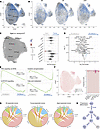 Figure 6
Tfh cells from older individuals undergo transcriptional rewiring during late effector stages. (A) UMAP of total human Tfh cells from Figure 5A separated according to age (blue: young; gray: aged) and (B) split according to time point after vaccination. (C) miloR neighborhood analysis representing differential abundance between Tfh cells from aged and young individuals 7 days after vaccination (miloR, FDR 0.25). Node size indicates the number of cells in the neighborhood; color denotes direction of differential abundance. (D) DEGs between Tfh Effector 1 and Tfh Effector 2 clusters (cutoffs: fold-change = 0.25, P = 10–50; Wilcoxon’s rank sum test, presto package). (E) GSEA enrichment of selected Hallmark gene modules in Tfh Effector 1 versus Tfh Effector 2 (NES, normalized enrichment score). (F) UMAP and summary of clonal expansion in Tfh cells across clusters. (G) Circos plots representing clonal sharing of expanded clones among clusters for all participants (left), young participants (middle), and aged participants (right). (H) Proposed progressive differentiation pathway for young and aged Tfh.
The lack of differences in progenitor Tfh cells combined with the bifurcation of effector Tfh cells in young and aged individuals suggest age-related reprogramming occurs after initial Tfh differentiation. To understand the functional relevancy of age-related bifurcation of Tfh cells during late effector states, we assessed DEGs between Tfh Effector 1 (young-enriched) and Tfh Effector 2 (age-enriched) clusters. Despite both being identified as effector Tfh clusters, Tfh Effector 1 and 2 had substantial differences in gene expression (Figure 6D). Age-associated Tfh Effector 2 had increased expression of Tfh effector genes such as BCL6, CXCR5, PDCD1, ICOS, and S1PR2 but also heightened expression of negative regulators of Tfh cells such as ID2, KLF2, and BHLHE40. In contrast, youth-associated Tfh Effector 1 had higher expression of positive regulators of initial Tfh differentiation such as TCF7 and LEF1. These data, along with the higher pseudotime of Tfh Effector 2 (Figure 5F), suggest that Tfh Effector 2 is a heightened effector state that originates from Tfh Effector 1 cells. In addition, Tfh Effector 2 had higher expression of cellular stress/senescence genes, such as CCL5, CCL20, TNFAIP3, FOS, DUSP1, and ATF4, suggesting the heightened effector Tfh state in aging is accompanied by stress/senescence, similar to our findings in mouse models. To further assess differences between Tfh Effector 1 and 2 clusters, we conducted Gene Set Enrichment Analysis (GSEA). The top gene sets in Tfh Effector 1 were oxidative phosphorylation and fatty acid metabolism, suggesting heightened metabolic states (Figure 6E). In contrast, TNF-α and IL-2/Stat5 signaling were enriched in Tfh Effector 2, suggesting cytokine-mediated changes (Figure 6E). Unfortunately, age-dependent changes within Tfh Effector 1 and Effector 2 clusters individually could not be interrogated because of the lack of statistical power.
To understand clonal dynamics of circulating Tfh cells after vaccination, we assessed TCR sequences from the scRNA-Seq dataset. We evaluated the Shannon index (as a measure of clonal evenness) and the Chao1 index (as a measure of clonal diversity) and found both were similar at baseline between aged and young individuals but progressively diverged, with a lower Shannon index and higher Chao1 index in aged individuals at day 14 after vaccination (Supplemental Figure 9D). This combination indicates a more polyclonal population in aging but that some clones can substantially expand. However, the power of these calculations is suboptimal because of limited clonal expansion in most circulating Tfh cells. The most expanded Tfh clones were found in the Tfh Cytotoxic cluster as well as in the Tfh10 cluster (Figure 6F). We next assessed clonal sharing between Tfh clusters. We found very few clones shared between Tfr and Tfh cells, consistent with Tfr cells originating from natural Treg precursors and not naive or Tfh cells (Figure 6G). However, we found some clonal sharing between Tfh cell clusters, including between progenitor Tfh clusters (Tfh Prog 1, Tfh Prog 2) as well as effector clusters (Tfh Effector 1, Tfh Effector 2, Tfh10, Tfh Cytotoxic), suggesting the same clones can differentiate progressively through these Tfh differentiation stages. There was no clear difference in clonal sharing patterns between young and aged expanded clones (Figure 6G). Together, these data indicate that Tfh cells undergo progressive differentiation after human influenza vaccination and that settings of aging rewire late effector stages to induce a hyper effector Tfh state (Figure 6H).
The inflammaging microenvironment reprograms late effector Tfh cell differentiation. Settings of aging have been associated with increases in some pro-inflammatory cytokines in the circulation or tissues, commonly referred to as an inflammaging microenvironment. Moreover, age-related transcriptional rewiring of late effector stages in our data indicated elevated cytokine signaling, including for TNF-α, which was previously shown to be a component of inflammaging (42, 43). Therefore, we next investigated whether exposure to age-associated environments is sufficient to rewire late effector Tfh cells. To assess this in murine settings, we utilized an adoptive transfer system in which the differentiation stage of Tfh cells can be identified through fate mapping and direct reporting of the cytokine IL-21 (14). OT-II+CD4+ T cells were isolated from OT-II+Tg.Il21CreRosa26LoxSTOPLoxTdTomatoIl21VFP (OT-II+IL21FM/Rep) mice and adoptively transferred to 8-week-old (young) or (aged) 80-week-old mice that received a vaccine containing 4-hydroxy-3-nitro-phenylacetyl hapten–OVA (NP-OVA) (Figure 7A). After 9 days, adoptively transferred OT-II+ Tfh cells were identified (gated as Va2+Vb5+CD4+CD19–CXCR5+) and assessed for developmental stage by past/current expression of IL-21, as published previously (14). The frequency of total OT-II+ cells was higher in aged recipients (Figure 7B). Moreover, the frequency of fully differentiated effector Tfh cells (identified as Va2+Vb5+CD4+CD19–CXCR5+TdTomato+VFP+) was indistinguishable between young and aged recipients. However, the frequency of Tfh cells that downregulated the effector program by extinguishing IL-21 production into a resting stage (TfhEx; Va2+Vb5+CD4+CD19–CXCR5+TdTomato+VFP–) was lower in aged compared with young mice. These data indicate that in an aged microenvironment, Tfh cells from young mice can undergo early differentiation normally but have defects in later stages of Tfh differentiation where they are unable to transition away from effector states.
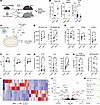 Figure 7
The inflammaging microenvironment rewires Tfh cell differentiation to a hyperinflammatory and senescent-like transcriptional state. (A) Experimental schematic to assess effects of the aged microenvironment on Tfh differentiation in vivo. Total splenic CD4+ T cells from OT-II+IL21FM/Rep (OT-II+Tg.Il21CreRosa26LoxSTOPLoxTdTomatoIl21VFP) were adoptively transferred to 8-week-old (young) or 80-week-old (aged) mice, which were given an NP-OVA vaccine. (B) The frequency of dLN OT-II+ cells from the total CD4+ population (left) and of fully differentiated effector Tfh (middle) and TfhEx (right) from the total OT-II+ population. Each point represents an individual mouse. Results are reflective of 1 representative experiment (left, middle) or concatenated data from 2 experiments (right). (C) Experimental schematic to assess effects of the inflammaging microenvironment on human late effector Tfh differentiation in vitro. CD4+CXCR5+ Tfh cells sorted from healthy donors were incubated with an inflammaging cocktail containing 10 ng/mL each of IL-6, IL-1β, and TNF-α. (D) Tfh cell count (left) and viability (right) by spectral flow cytometry. (E) Tfh cell polarization to Tfh1 (left; CXCR3+CCR6–), Tfh2 (middle; CXCR3–CCR6–), or Tfh17 (right; CXCR3–CCR6+). (F) Expression of Tfh activation markers PD-1 (left), ICOS (middle), and CD40L (right). (G) Concentration of IL-21 (left), IL-4 (middle), and IFN-γ (right) in culture supernatants. (H) (Left) Frequency of class-switched B cells from cultures as in C. (Right) Concentration of IgG in culture supernatant in experiments. (I) Heatmap of genes in Tfh cells cultured in control (blue) or inflammaging (gray) conditions assessed 7 days after culture. (J) Volcano plot of P value and fold-change for genes in Tfh cells (red triangles P < 0.01; fold-change > 2). (K) GSEA of selected Hallmark gene modules and senescence gene module (29) in Tfh cells from I. All displayed data points represent mean value of technical replicates. *P < 0.05, uncorrected Mann-Whitney U test or Wilcoxon’s signed-rank test.
To understand if the inflammaging microenvironment could also reprogram later stages of Tfh development in human cells, we performed experiments in which partially differentiated Tfh cells were sorted (as live+CD4+CXCR5+) from young, healthy donors and underwent further differentiation in the presence of an artificial, inflammaging environment (Figure 7C). Cytokines in the inflammaging environment included IL-6, IL-1β, and TNF-α because these are higher in the peripheral circulation of aged humans (42, 43) as well as our finding that age-related Tfh Effector 2 cells have evidence of TNF-α signaling at the transcriptional level. Total cell counts and viability of Tfh cells were similar in inflammaging and control environments after 7 days in cell culture, indicating that this combination of cytokines is not directly toxic to cells (data not shown). However, after 14 days, we found increases in both cell count and viability in inflammaging versus control settings, suggesting that the inflammaging cocktail enhances proliferation or prolongs the lifespan of Tfh cells in vitro (Figure 7D). Moreover, we found a shift in the polarization of Tfh cells from a Tfh1 phenotype toward a Tfh2/Tfh17 phenotype in inflammaging settings (Figure 7E). Furthermore, in the inflammaging microenvironment, Tfh cells appeared more activated with enhanced surface expression of ICOS and CD40L, as well as enhanced production of IFN-γ (Figure 7G). However, there were no statistical differences in PD-1 expression or secretion of IL-21 or IL-4 (Figure 7, F and G). Furthermore, we tested the ability of Tfh cells to induce B cell differentiation in these assays. We added B cells (from the same donor) to cultures after 7 days and allowed these cells to differentiate for 7 more days. Despite increases in Tfh cell numbers as well as cytokine production in inflammaging settings, B cells underwent slightly reduced class switching and production of IgG; however, these did not reach statistical significance (Figure 7H). Together, these data support the hypothesis that the aged microenvironment alters Tfh programming.
To more completely understand how the inflammaging microenvironment controls late effector Tfh programs, we performed bulk RNA-Seq transcriptional analysis of Tfh cells cultured in inflammaging or control microenvironments. We found transcriptional changes in Tfh cells cultured in the inflammaging versus control microenvironments (Figure 7I). Genes that were upregulated in Tfh cells from the inflammaging microenvironment included IL17F, IL9, and the senescence gene CCL4 (Figure 7J). Enhanced production of these cytokines was verified by ELISA of culture supernatants (data not shown). Last, we performed GSEA to assess broader pathways upregulated in Tfh cells because of the inflammaging microenvironment and found cytokine responses such as IFN-γ response, TNF-α signaling, and IL-2 signaling (Figure 7K). In addition, the inflammaging microenvironment enhanced expression of genes associated with cellular senescence. Taken together, these data suggest the inflammaging microenvironment may be sufficient to induce prolonged/heightened activation, proliferation, cytokine production, and cellular senescence-like programs in effector Tfh cells. Therefore, extrinsic factors in the aged microenvironment may rewire later effector stages of Tfh cells (Supplemental Figure 10).


