
Research ArticleHepatologyMetabolism
Open Access |  10.1172/jci.insight.183247
IRP1 deficiency alters mitochondrial metabolism and protects against metabolic syndrome pathologies
Wen Gu,1 Nicole Wilkinson,1 Carine Fillebeen,1 Darren M. Blackburn,1,2 Korin Sahinyan,1 Eric Bonneil,3 Tao Zhao,1,4 Zhi Luo,4 Vahab D. Soleimani,1,2 Vincent Richard,1 Christoph H. Borchers,1 Albert Koulman,5 Benjamin Jenkins,5 Bernhard Michalke,6 Hans Zischka,7,8 Judith Sailer,7,8 Vivek Venkataramani,9 Othon Iliopoulos,10 Gary Sweeney,11 and Kostas Pantopoulos1
1Lady Davis Institute for Medical Research, Jewish General Hospital and Department of Medicine, McGill University, Montreal, Quebec, Canada.
2Department of Biochemistry, Microbiology & Immunology, University of Ottawa, Ottawa, Ontario, Canada.
3Institute for Research in Immunology and Cancer, University of Montreal, Montreal, Quebec, Canada.
4Hubei Hongshan Laboratory, Fishery College, Huazhong Agricultural University, Wuhan, China.
5Institute of Metabolic Science-Metabolic Research Laboratories, University of Cambridge, Cambridge, United Kingdom.
6Helmholtz Zentrum München GmbH – German Research Center for Environmental Health, Research Unit Analytical BioGeoChemistry, Neuherberg, Germany.
7Environmental Hygiene, Technical University Munich, Munich, Germany.
8Helmholtz Zentrum München GmbH – German Research Center for Environmental Health, Institute of Molecular Toxicology and Pharmacology, Neuherberg, Germany.
9Department of Internal Medicine II, Medical Oncology, and Department of Neurosurgery, University Hospital Würzburg; Bavarian Cancer Research Center (BZKF), National Center for Tumor Diseases (NCT) WERA, Germany.
10Department of Medicine, Hematology-Oncology Unit, Massachusetts General Hospital and the Massachusetts General Hospital Cancer Center, Boston, Massachusetts, USA.
11Department of Biology, York University, Toronto, Ontario, Canada.
Address correspondence to: Kostas Pantopoulos, Lady Davis Institute for Medical Research, Jewish General Hospital, 3999 Cote Ste-Catherine Rd., Montreal, QC, H3T 1E2, Canada. Email: kostas.pantopoulos@mcgill.ca.
Find articles by Gu, W. in: PubMed | Google Scholar
1Lady Davis Institute for Medical Research, Jewish General Hospital and Department of Medicine, McGill University, Montreal, Quebec, Canada.
2Department of Biochemistry, Microbiology & Immunology, University of Ottawa, Ottawa, Ontario, Canada.
3Institute for Research in Immunology and Cancer, University of Montreal, Montreal, Quebec, Canada.
4Hubei Hongshan Laboratory, Fishery College, Huazhong Agricultural University, Wuhan, China.
5Institute of Metabolic Science-Metabolic Research Laboratories, University of Cambridge, Cambridge, United Kingdom.
6Helmholtz Zentrum München GmbH – German Research Center for Environmental Health, Research Unit Analytical BioGeoChemistry, Neuherberg, Germany.
7Environmental Hygiene, Technical University Munich, Munich, Germany.
8Helmholtz Zentrum München GmbH – German Research Center for Environmental Health, Institute of Molecular Toxicology and Pharmacology, Neuherberg, Germany.
9Department of Internal Medicine II, Medical Oncology, and Department of Neurosurgery, University Hospital Würzburg; Bavarian Cancer Research Center (BZKF), National Center for Tumor Diseases (NCT) WERA, Germany.
10Department of Medicine, Hematology-Oncology Unit, Massachusetts General Hospital and the Massachusetts General Hospital Cancer Center, Boston, Massachusetts, USA.
11Department of Biology, York University, Toronto, Ontario, Canada.
Address correspondence to: Kostas Pantopoulos, Lady Davis Institute for Medical Research, Jewish General Hospital, 3999 Cote Ste-Catherine Rd., Montreal, QC, H3T 1E2, Canada. Email: kostas.pantopoulos@mcgill.ca.
Find articles by Wilkinson, N. in: PubMed | Google Scholar
1Lady Davis Institute for Medical Research, Jewish General Hospital and Department of Medicine, McGill University, Montreal, Quebec, Canada.
2Department of Biochemistry, Microbiology & Immunology, University of Ottawa, Ottawa, Ontario, Canada.
3Institute for Research in Immunology and Cancer, University of Montreal, Montreal, Quebec, Canada.
4Hubei Hongshan Laboratory, Fishery College, Huazhong Agricultural University, Wuhan, China.
5Institute of Metabolic Science-Metabolic Research Laboratories, University of Cambridge, Cambridge, United Kingdom.
6Helmholtz Zentrum München GmbH – German Research Center for Environmental Health, Research Unit Analytical BioGeoChemistry, Neuherberg, Germany.
7Environmental Hygiene, Technical University Munich, Munich, Germany.
8Helmholtz Zentrum München GmbH – German Research Center for Environmental Health, Institute of Molecular Toxicology and Pharmacology, Neuherberg, Germany.
9Department of Internal Medicine II, Medical Oncology, and Department of Neurosurgery, University Hospital Würzburg; Bavarian Cancer Research Center (BZKF), National Center for Tumor Diseases (NCT) WERA, Germany.
10Department of Medicine, Hematology-Oncology Unit, Massachusetts General Hospital and the Massachusetts General Hospital Cancer Center, Boston, Massachusetts, USA.
11Department of Biology, York University, Toronto, Ontario, Canada.
Address correspondence to: Kostas Pantopoulos, Lady Davis Institute for Medical Research, Jewish General Hospital, 3999 Cote Ste-Catherine Rd., Montreal, QC, H3T 1E2, Canada. Email: kostas.pantopoulos@mcgill.ca.
Find articles by Fillebeen, C. in: PubMed | Google Scholar
1Lady Davis Institute for Medical Research, Jewish General Hospital and Department of Medicine, McGill University, Montreal, Quebec, Canada.
2Department of Biochemistry, Microbiology & Immunology, University of Ottawa, Ottawa, Ontario, Canada.
3Institute for Research in Immunology and Cancer, University of Montreal, Montreal, Quebec, Canada.
4Hubei Hongshan Laboratory, Fishery College, Huazhong Agricultural University, Wuhan, China.
5Institute of Metabolic Science-Metabolic Research Laboratories, University of Cambridge, Cambridge, United Kingdom.
6Helmholtz Zentrum München GmbH – German Research Center for Environmental Health, Research Unit Analytical BioGeoChemistry, Neuherberg, Germany.
7Environmental Hygiene, Technical University Munich, Munich, Germany.
8Helmholtz Zentrum München GmbH – German Research Center for Environmental Health, Institute of Molecular Toxicology and Pharmacology, Neuherberg, Germany.
9Department of Internal Medicine II, Medical Oncology, and Department of Neurosurgery, University Hospital Würzburg; Bavarian Cancer Research Center (BZKF), National Center for Tumor Diseases (NCT) WERA, Germany.
10Department of Medicine, Hematology-Oncology Unit, Massachusetts General Hospital and the Massachusetts General Hospital Cancer Center, Boston, Massachusetts, USA.
11Department of Biology, York University, Toronto, Ontario, Canada.
Address correspondence to: Kostas Pantopoulos, Lady Davis Institute for Medical Research, Jewish General Hospital, 3999 Cote Ste-Catherine Rd., Montreal, QC, H3T 1E2, Canada. Email: kostas.pantopoulos@mcgill.ca.
Find articles by Blackburn, D. in: PubMed | Google Scholar
1Lady Davis Institute for Medical Research, Jewish General Hospital and Department of Medicine, McGill University, Montreal, Quebec, Canada.
2Department of Biochemistry, Microbiology & Immunology, University of Ottawa, Ottawa, Ontario, Canada.
3Institute for Research in Immunology and Cancer, University of Montreal, Montreal, Quebec, Canada.
4Hubei Hongshan Laboratory, Fishery College, Huazhong Agricultural University, Wuhan, China.
5Institute of Metabolic Science-Metabolic Research Laboratories, University of Cambridge, Cambridge, United Kingdom.
6Helmholtz Zentrum München GmbH – German Research Center for Environmental Health, Research Unit Analytical BioGeoChemistry, Neuherberg, Germany.
7Environmental Hygiene, Technical University Munich, Munich, Germany.
8Helmholtz Zentrum München GmbH – German Research Center for Environmental Health, Institute of Molecular Toxicology and Pharmacology, Neuherberg, Germany.
9Department of Internal Medicine II, Medical Oncology, and Department of Neurosurgery, University Hospital Würzburg; Bavarian Cancer Research Center (BZKF), National Center for Tumor Diseases (NCT) WERA, Germany.
10Department of Medicine, Hematology-Oncology Unit, Massachusetts General Hospital and the Massachusetts General Hospital Cancer Center, Boston, Massachusetts, USA.
11Department of Biology, York University, Toronto, Ontario, Canada.
Address correspondence to: Kostas Pantopoulos, Lady Davis Institute for Medical Research, Jewish General Hospital, 3999 Cote Ste-Catherine Rd., Montreal, QC, H3T 1E2, Canada. Email: kostas.pantopoulos@mcgill.ca.
Find articles by Sahinyan, K. in: PubMed | Google Scholar
1Lady Davis Institute for Medical Research, Jewish General Hospital and Department of Medicine, McGill University, Montreal, Quebec, Canada.
2Department of Biochemistry, Microbiology & Immunology, University of Ottawa, Ottawa, Ontario, Canada.
3Institute for Research in Immunology and Cancer, University of Montreal, Montreal, Quebec, Canada.
4Hubei Hongshan Laboratory, Fishery College, Huazhong Agricultural University, Wuhan, China.
5Institute of Metabolic Science-Metabolic Research Laboratories, University of Cambridge, Cambridge, United Kingdom.
6Helmholtz Zentrum München GmbH – German Research Center for Environmental Health, Research Unit Analytical BioGeoChemistry, Neuherberg, Germany.
7Environmental Hygiene, Technical University Munich, Munich, Germany.
8Helmholtz Zentrum München GmbH – German Research Center for Environmental Health, Institute of Molecular Toxicology and Pharmacology, Neuherberg, Germany.
9Department of Internal Medicine II, Medical Oncology, and Department of Neurosurgery, University Hospital Würzburg; Bavarian Cancer Research Center (BZKF), National Center for Tumor Diseases (NCT) WERA, Germany.
10Department of Medicine, Hematology-Oncology Unit, Massachusetts General Hospital and the Massachusetts General Hospital Cancer Center, Boston, Massachusetts, USA.
11Department of Biology, York University, Toronto, Ontario, Canada.
Address correspondence to: Kostas Pantopoulos, Lady Davis Institute for Medical Research, Jewish General Hospital, 3999 Cote Ste-Catherine Rd., Montreal, QC, H3T 1E2, Canada. Email: kostas.pantopoulos@mcgill.ca.
Find articles by
Bonneil, E.
in:
PubMed
|
Google Scholar
|

1Lady Davis Institute for Medical Research, Jewish General Hospital and Department of Medicine, McGill University, Montreal, Quebec, Canada.
2Department of Biochemistry, Microbiology & Immunology, University of Ottawa, Ottawa, Ontario, Canada.
3Institute for Research in Immunology and Cancer, University of Montreal, Montreal, Quebec, Canada.
4Hubei Hongshan Laboratory, Fishery College, Huazhong Agricultural University, Wuhan, China.
5Institute of Metabolic Science-Metabolic Research Laboratories, University of Cambridge, Cambridge, United Kingdom.
6Helmholtz Zentrum München GmbH – German Research Center for Environmental Health, Research Unit Analytical BioGeoChemistry, Neuherberg, Germany.
7Environmental Hygiene, Technical University Munich, Munich, Germany.
8Helmholtz Zentrum München GmbH – German Research Center for Environmental Health, Institute of Molecular Toxicology and Pharmacology, Neuherberg, Germany.
9Department of Internal Medicine II, Medical Oncology, and Department of Neurosurgery, University Hospital Würzburg; Bavarian Cancer Research Center (BZKF), National Center for Tumor Diseases (NCT) WERA, Germany.
10Department of Medicine, Hematology-Oncology Unit, Massachusetts General Hospital and the Massachusetts General Hospital Cancer Center, Boston, Massachusetts, USA.
11Department of Biology, York University, Toronto, Ontario, Canada.
Address correspondence to: Kostas Pantopoulos, Lady Davis Institute for Medical Research, Jewish General Hospital, 3999 Cote Ste-Catherine Rd., Montreal, QC, H3T 1E2, Canada. Email: kostas.pantopoulos@mcgill.ca.
Find articles by Zhao, T. in: PubMed | Google Scholar
1Lady Davis Institute for Medical Research, Jewish General Hospital and Department of Medicine, McGill University, Montreal, Quebec, Canada.
2Department of Biochemistry, Microbiology & Immunology, University of Ottawa, Ottawa, Ontario, Canada.
3Institute for Research in Immunology and Cancer, University of Montreal, Montreal, Quebec, Canada.
4Hubei Hongshan Laboratory, Fishery College, Huazhong Agricultural University, Wuhan, China.
5Institute of Metabolic Science-Metabolic Research Laboratories, University of Cambridge, Cambridge, United Kingdom.
6Helmholtz Zentrum München GmbH – German Research Center for Environmental Health, Research Unit Analytical BioGeoChemistry, Neuherberg, Germany.
7Environmental Hygiene, Technical University Munich, Munich, Germany.
8Helmholtz Zentrum München GmbH – German Research Center for Environmental Health, Institute of Molecular Toxicology and Pharmacology, Neuherberg, Germany.
9Department of Internal Medicine II, Medical Oncology, and Department of Neurosurgery, University Hospital Würzburg; Bavarian Cancer Research Center (BZKF), National Center for Tumor Diseases (NCT) WERA, Germany.
10Department of Medicine, Hematology-Oncology Unit, Massachusetts General Hospital and the Massachusetts General Hospital Cancer Center, Boston, Massachusetts, USA.
11Department of Biology, York University, Toronto, Ontario, Canada.
Address correspondence to: Kostas Pantopoulos, Lady Davis Institute for Medical Research, Jewish General Hospital, 3999 Cote Ste-Catherine Rd., Montreal, QC, H3T 1E2, Canada. Email: kostas.pantopoulos@mcgill.ca.
Find articles by Luo, Z. in: PubMed | Google Scholar
1Lady Davis Institute for Medical Research, Jewish General Hospital and Department of Medicine, McGill University, Montreal, Quebec, Canada.
2Department of Biochemistry, Microbiology & Immunology, University of Ottawa, Ottawa, Ontario, Canada.
3Institute for Research in Immunology and Cancer, University of Montreal, Montreal, Quebec, Canada.
4Hubei Hongshan Laboratory, Fishery College, Huazhong Agricultural University, Wuhan, China.
5Institute of Metabolic Science-Metabolic Research Laboratories, University of Cambridge, Cambridge, United Kingdom.
6Helmholtz Zentrum München GmbH – German Research Center for Environmental Health, Research Unit Analytical BioGeoChemistry, Neuherberg, Germany.
7Environmental Hygiene, Technical University Munich, Munich, Germany.
8Helmholtz Zentrum München GmbH – German Research Center for Environmental Health, Institute of Molecular Toxicology and Pharmacology, Neuherberg, Germany.
9Department of Internal Medicine II, Medical Oncology, and Department of Neurosurgery, University Hospital Würzburg; Bavarian Cancer Research Center (BZKF), National Center for Tumor Diseases (NCT) WERA, Germany.
10Department of Medicine, Hematology-Oncology Unit, Massachusetts General Hospital and the Massachusetts General Hospital Cancer Center, Boston, Massachusetts, USA.
11Department of Biology, York University, Toronto, Ontario, Canada.
Address correspondence to: Kostas Pantopoulos, Lady Davis Institute for Medical Research, Jewish General Hospital, 3999 Cote Ste-Catherine Rd., Montreal, QC, H3T 1E2, Canada. Email: kostas.pantopoulos@mcgill.ca.
Find articles by Soleimani, V. in: PubMed | Google Scholar
1Lady Davis Institute for Medical Research, Jewish General Hospital and Department of Medicine, McGill University, Montreal, Quebec, Canada.
2Department of Biochemistry, Microbiology & Immunology, University of Ottawa, Ottawa, Ontario, Canada.
3Institute for Research in Immunology and Cancer, University of Montreal, Montreal, Quebec, Canada.
4Hubei Hongshan Laboratory, Fishery College, Huazhong Agricultural University, Wuhan, China.
5Institute of Metabolic Science-Metabolic Research Laboratories, University of Cambridge, Cambridge, United Kingdom.
6Helmholtz Zentrum München GmbH – German Research Center for Environmental Health, Research Unit Analytical BioGeoChemistry, Neuherberg, Germany.
7Environmental Hygiene, Technical University Munich, Munich, Germany.
8Helmholtz Zentrum München GmbH – German Research Center for Environmental Health, Institute of Molecular Toxicology and Pharmacology, Neuherberg, Germany.
9Department of Internal Medicine II, Medical Oncology, and Department of Neurosurgery, University Hospital Würzburg; Bavarian Cancer Research Center (BZKF), National Center for Tumor Diseases (NCT) WERA, Germany.
10Department of Medicine, Hematology-Oncology Unit, Massachusetts General Hospital and the Massachusetts General Hospital Cancer Center, Boston, Massachusetts, USA.
11Department of Biology, York University, Toronto, Ontario, Canada.
Address correspondence to: Kostas Pantopoulos, Lady Davis Institute for Medical Research, Jewish General Hospital, 3999 Cote Ste-Catherine Rd., Montreal, QC, H3T 1E2, Canada. Email: kostas.pantopoulos@mcgill.ca.
Find articles by Richard, V. in: PubMed | Google Scholar
1Lady Davis Institute for Medical Research, Jewish General Hospital and Department of Medicine, McGill University, Montreal, Quebec, Canada.
2Department of Biochemistry, Microbiology & Immunology, University of Ottawa, Ottawa, Ontario, Canada.
3Institute for Research in Immunology and Cancer, University of Montreal, Montreal, Quebec, Canada.
4Hubei Hongshan Laboratory, Fishery College, Huazhong Agricultural University, Wuhan, China.
5Institute of Metabolic Science-Metabolic Research Laboratories, University of Cambridge, Cambridge, United Kingdom.
6Helmholtz Zentrum München GmbH – German Research Center for Environmental Health, Research Unit Analytical BioGeoChemistry, Neuherberg, Germany.
7Environmental Hygiene, Technical University Munich, Munich, Germany.
8Helmholtz Zentrum München GmbH – German Research Center for Environmental Health, Institute of Molecular Toxicology and Pharmacology, Neuherberg, Germany.
9Department of Internal Medicine II, Medical Oncology, and Department of Neurosurgery, University Hospital Würzburg; Bavarian Cancer Research Center (BZKF), National Center for Tumor Diseases (NCT) WERA, Germany.
10Department of Medicine, Hematology-Oncology Unit, Massachusetts General Hospital and the Massachusetts General Hospital Cancer Center, Boston, Massachusetts, USA.
11Department of Biology, York University, Toronto, Ontario, Canada.
Address correspondence to: Kostas Pantopoulos, Lady Davis Institute for Medical Research, Jewish General Hospital, 3999 Cote Ste-Catherine Rd., Montreal, QC, H3T 1E2, Canada. Email: kostas.pantopoulos@mcgill.ca.
Find articles by
Borchers, C.
in:
PubMed
|
Google Scholar
|
1Lady Davis Institute for Medical Research, Jewish General Hospital and Department of Medicine, McGill University, Montreal, Quebec, Canada.
2Department of Biochemistry, Microbiology & Immunology, University of Ottawa, Ottawa, Ontario, Canada.
3Institute for Research in Immunology and Cancer, University of Montreal, Montreal, Quebec, Canada.
4Hubei Hongshan Laboratory, Fishery College, Huazhong Agricultural University, Wuhan, China.
5Institute of Metabolic Science-Metabolic Research Laboratories, University of Cambridge, Cambridge, United Kingdom.
6Helmholtz Zentrum München GmbH – German Research Center for Environmental Health, Research Unit Analytical BioGeoChemistry, Neuherberg, Germany.
7Environmental Hygiene, Technical University Munich, Munich, Germany.
8Helmholtz Zentrum München GmbH – German Research Center for Environmental Health, Institute of Molecular Toxicology and Pharmacology, Neuherberg, Germany.
9Department of Internal Medicine II, Medical Oncology, and Department of Neurosurgery, University Hospital Würzburg; Bavarian Cancer Research Center (BZKF), National Center for Tumor Diseases (NCT) WERA, Germany.
10Department of Medicine, Hematology-Oncology Unit, Massachusetts General Hospital and the Massachusetts General Hospital Cancer Center, Boston, Massachusetts, USA.
11Department of Biology, York University, Toronto, Ontario, Canada.
Address correspondence to: Kostas Pantopoulos, Lady Davis Institute for Medical Research, Jewish General Hospital, 3999 Cote Ste-Catherine Rd., Montreal, QC, H3T 1E2, Canada. Email: kostas.pantopoulos@mcgill.ca.
Find articles by
Koulman, A.
in:
PubMed
|
Google Scholar
|
1Lady Davis Institute for Medical Research, Jewish General Hospital and Department of Medicine, McGill University, Montreal, Quebec, Canada.
2Department of Biochemistry, Microbiology & Immunology, University of Ottawa, Ottawa, Ontario, Canada.
3Institute for Research in Immunology and Cancer, University of Montreal, Montreal, Quebec, Canada.
4Hubei Hongshan Laboratory, Fishery College, Huazhong Agricultural University, Wuhan, China.
5Institute of Metabolic Science-Metabolic Research Laboratories, University of Cambridge, Cambridge, United Kingdom.
6Helmholtz Zentrum München GmbH – German Research Center for Environmental Health, Research Unit Analytical BioGeoChemistry, Neuherberg, Germany.
7Environmental Hygiene, Technical University Munich, Munich, Germany.
8Helmholtz Zentrum München GmbH – German Research Center for Environmental Health, Institute of Molecular Toxicology and Pharmacology, Neuherberg, Germany.
9Department of Internal Medicine II, Medical Oncology, and Department of Neurosurgery, University Hospital Würzburg; Bavarian Cancer Research Center (BZKF), National Center for Tumor Diseases (NCT) WERA, Germany.
10Department of Medicine, Hematology-Oncology Unit, Massachusetts General Hospital and the Massachusetts General Hospital Cancer Center, Boston, Massachusetts, USA.
11Department of Biology, York University, Toronto, Ontario, Canada.
Address correspondence to: Kostas Pantopoulos, Lady Davis Institute for Medical Research, Jewish General Hospital, 3999 Cote Ste-Catherine Rd., Montreal, QC, H3T 1E2, Canada. Email: kostas.pantopoulos@mcgill.ca.
Find articles by Jenkins, B. in: PubMed | Google Scholar
1Lady Davis Institute for Medical Research, Jewish General Hospital and Department of Medicine, McGill University, Montreal, Quebec, Canada.
2Department of Biochemistry, Microbiology & Immunology, University of Ottawa, Ottawa, Ontario, Canada.
3Institute for Research in Immunology and Cancer, University of Montreal, Montreal, Quebec, Canada.
4Hubei Hongshan Laboratory, Fishery College, Huazhong Agricultural University, Wuhan, China.
5Institute of Metabolic Science-Metabolic Research Laboratories, University of Cambridge, Cambridge, United Kingdom.
6Helmholtz Zentrum München GmbH – German Research Center for Environmental Health, Research Unit Analytical BioGeoChemistry, Neuherberg, Germany.
7Environmental Hygiene, Technical University Munich, Munich, Germany.
8Helmholtz Zentrum München GmbH – German Research Center for Environmental Health, Institute of Molecular Toxicology and Pharmacology, Neuherberg, Germany.
9Department of Internal Medicine II, Medical Oncology, and Department of Neurosurgery, University Hospital Würzburg; Bavarian Cancer Research Center (BZKF), National Center for Tumor Diseases (NCT) WERA, Germany.
10Department of Medicine, Hematology-Oncology Unit, Massachusetts General Hospital and the Massachusetts General Hospital Cancer Center, Boston, Massachusetts, USA.
11Department of Biology, York University, Toronto, Ontario, Canada.
Address correspondence to: Kostas Pantopoulos, Lady Davis Institute for Medical Research, Jewish General Hospital, 3999 Cote Ste-Catherine Rd., Montreal, QC, H3T 1E2, Canada. Email: kostas.pantopoulos@mcgill.ca.
Find articles by Michalke, B. in: PubMed | Google Scholar
1Lady Davis Institute for Medical Research, Jewish General Hospital and Department of Medicine, McGill University, Montreal, Quebec, Canada.
2Department of Biochemistry, Microbiology & Immunology, University of Ottawa, Ottawa, Ontario, Canada.
3Institute for Research in Immunology and Cancer, University of Montreal, Montreal, Quebec, Canada.
4Hubei Hongshan Laboratory, Fishery College, Huazhong Agricultural University, Wuhan, China.
5Institute of Metabolic Science-Metabolic Research Laboratories, University of Cambridge, Cambridge, United Kingdom.
6Helmholtz Zentrum München GmbH – German Research Center for Environmental Health, Research Unit Analytical BioGeoChemistry, Neuherberg, Germany.
7Environmental Hygiene, Technical University Munich, Munich, Germany.
8Helmholtz Zentrum München GmbH – German Research Center for Environmental Health, Institute of Molecular Toxicology and Pharmacology, Neuherberg, Germany.
9Department of Internal Medicine II, Medical Oncology, and Department of Neurosurgery, University Hospital Würzburg; Bavarian Cancer Research Center (BZKF), National Center for Tumor Diseases (NCT) WERA, Germany.
10Department of Medicine, Hematology-Oncology Unit, Massachusetts General Hospital and the Massachusetts General Hospital Cancer Center, Boston, Massachusetts, USA.
11Department of Biology, York University, Toronto, Ontario, Canada.
Address correspondence to: Kostas Pantopoulos, Lady Davis Institute for Medical Research, Jewish General Hospital, 3999 Cote Ste-Catherine Rd., Montreal, QC, H3T 1E2, Canada. Email: kostas.pantopoulos@mcgill.ca.
Find articles by Zischka, H. in: PubMed | Google Scholar
1Lady Davis Institute for Medical Research, Jewish General Hospital and Department of Medicine, McGill University, Montreal, Quebec, Canada.
2Department of Biochemistry, Microbiology & Immunology, University of Ottawa, Ottawa, Ontario, Canada.
3Institute for Research in Immunology and Cancer, University of Montreal, Montreal, Quebec, Canada.
4Hubei Hongshan Laboratory, Fishery College, Huazhong Agricultural University, Wuhan, China.
5Institute of Metabolic Science-Metabolic Research Laboratories, University of Cambridge, Cambridge, United Kingdom.
6Helmholtz Zentrum München GmbH – German Research Center for Environmental Health, Research Unit Analytical BioGeoChemistry, Neuherberg, Germany.
7Environmental Hygiene, Technical University Munich, Munich, Germany.
8Helmholtz Zentrum München GmbH – German Research Center for Environmental Health, Institute of Molecular Toxicology and Pharmacology, Neuherberg, Germany.
9Department of Internal Medicine II, Medical Oncology, and Department of Neurosurgery, University Hospital Würzburg; Bavarian Cancer Research Center (BZKF), National Center for Tumor Diseases (NCT) WERA, Germany.
10Department of Medicine, Hematology-Oncology Unit, Massachusetts General Hospital and the Massachusetts General Hospital Cancer Center, Boston, Massachusetts, USA.
11Department of Biology, York University, Toronto, Ontario, Canada.
Address correspondence to: Kostas Pantopoulos, Lady Davis Institute for Medical Research, Jewish General Hospital, 3999 Cote Ste-Catherine Rd., Montreal, QC, H3T 1E2, Canada. Email: kostas.pantopoulos@mcgill.ca.
Find articles by Sailer, J. in: PubMed | Google Scholar
1Lady Davis Institute for Medical Research, Jewish General Hospital and Department of Medicine, McGill University, Montreal, Quebec, Canada.
2Department of Biochemistry, Microbiology & Immunology, University of Ottawa, Ottawa, Ontario, Canada.
3Institute for Research in Immunology and Cancer, University of Montreal, Montreal, Quebec, Canada.
4Hubei Hongshan Laboratory, Fishery College, Huazhong Agricultural University, Wuhan, China.
5Institute of Metabolic Science-Metabolic Research Laboratories, University of Cambridge, Cambridge, United Kingdom.
6Helmholtz Zentrum München GmbH – German Research Center for Environmental Health, Research Unit Analytical BioGeoChemistry, Neuherberg, Germany.
7Environmental Hygiene, Technical University Munich, Munich, Germany.
8Helmholtz Zentrum München GmbH – German Research Center for Environmental Health, Institute of Molecular Toxicology and Pharmacology, Neuherberg, Germany.
9Department of Internal Medicine II, Medical Oncology, and Department of Neurosurgery, University Hospital Würzburg; Bavarian Cancer Research Center (BZKF), National Center for Tumor Diseases (NCT) WERA, Germany.
10Department of Medicine, Hematology-Oncology Unit, Massachusetts General Hospital and the Massachusetts General Hospital Cancer Center, Boston, Massachusetts, USA.
11Department of Biology, York University, Toronto, Ontario, Canada.
Address correspondence to: Kostas Pantopoulos, Lady Davis Institute for Medical Research, Jewish General Hospital, 3999 Cote Ste-Catherine Rd., Montreal, QC, H3T 1E2, Canada. Email: kostas.pantopoulos@mcgill.ca.
Find articles by Venkataramani, V. in: PubMed | Google Scholar
1Lady Davis Institute for Medical Research, Jewish General Hospital and Department of Medicine, McGill University, Montreal, Quebec, Canada.
2Department of Biochemistry, Microbiology & Immunology, University of Ottawa, Ottawa, Ontario, Canada.
3Institute for Research in Immunology and Cancer, University of Montreal, Montreal, Quebec, Canada.
4Hubei Hongshan Laboratory, Fishery College, Huazhong Agricultural University, Wuhan, China.
5Institute of Metabolic Science-Metabolic Research Laboratories, University of Cambridge, Cambridge, United Kingdom.
6Helmholtz Zentrum München GmbH – German Research Center for Environmental Health, Research Unit Analytical BioGeoChemistry, Neuherberg, Germany.
7Environmental Hygiene, Technical University Munich, Munich, Germany.
8Helmholtz Zentrum München GmbH – German Research Center for Environmental Health, Institute of Molecular Toxicology and Pharmacology, Neuherberg, Germany.
9Department of Internal Medicine II, Medical Oncology, and Department of Neurosurgery, University Hospital Würzburg; Bavarian Cancer Research Center (BZKF), National Center for Tumor Diseases (NCT) WERA, Germany.
10Department of Medicine, Hematology-Oncology Unit, Massachusetts General Hospital and the Massachusetts General Hospital Cancer Center, Boston, Massachusetts, USA.
11Department of Biology, York University, Toronto, Ontario, Canada.
Address correspondence to: Kostas Pantopoulos, Lady Davis Institute for Medical Research, Jewish General Hospital, 3999 Cote Ste-Catherine Rd., Montreal, QC, H3T 1E2, Canada. Email: kostas.pantopoulos@mcgill.ca.
Find articles by Iliopoulos, O. in: PubMed | Google Scholar
1Lady Davis Institute for Medical Research, Jewish General Hospital and Department of Medicine, McGill University, Montreal, Quebec, Canada.
2Department of Biochemistry, Microbiology & Immunology, University of Ottawa, Ottawa, Ontario, Canada.
3Institute for Research in Immunology and Cancer, University of Montreal, Montreal, Quebec, Canada.
4Hubei Hongshan Laboratory, Fishery College, Huazhong Agricultural University, Wuhan, China.
5Institute of Metabolic Science-Metabolic Research Laboratories, University of Cambridge, Cambridge, United Kingdom.
6Helmholtz Zentrum München GmbH – German Research Center for Environmental Health, Research Unit Analytical BioGeoChemistry, Neuherberg, Germany.
7Environmental Hygiene, Technical University Munich, Munich, Germany.
8Helmholtz Zentrum München GmbH – German Research Center for Environmental Health, Institute of Molecular Toxicology and Pharmacology, Neuherberg, Germany.
9Department of Internal Medicine II, Medical Oncology, and Department of Neurosurgery, University Hospital Würzburg; Bavarian Cancer Research Center (BZKF), National Center for Tumor Diseases (NCT) WERA, Germany.
10Department of Medicine, Hematology-Oncology Unit, Massachusetts General Hospital and the Massachusetts General Hospital Cancer Center, Boston, Massachusetts, USA.
11Department of Biology, York University, Toronto, Ontario, Canada.
Address correspondence to: Kostas Pantopoulos, Lady Davis Institute for Medical Research, Jewish General Hospital, 3999 Cote Ste-Catherine Rd., Montreal, QC, H3T 1E2, Canada. Email: kostas.pantopoulos@mcgill.ca.
Find articles by Sweeney, G. in: PubMed | Google Scholar
1Lady Davis Institute for Medical Research, Jewish General Hospital and Department of Medicine, McGill University, Montreal, Quebec, Canada.
2Department of Biochemistry, Microbiology & Immunology, University of Ottawa, Ottawa, Ontario, Canada.
3Institute for Research in Immunology and Cancer, University of Montreal, Montreal, Quebec, Canada.
4Hubei Hongshan Laboratory, Fishery College, Huazhong Agricultural University, Wuhan, China.
5Institute of Metabolic Science-Metabolic Research Laboratories, University of Cambridge, Cambridge, United Kingdom.
6Helmholtz Zentrum München GmbH – German Research Center for Environmental Health, Research Unit Analytical BioGeoChemistry, Neuherberg, Germany.
7Environmental Hygiene, Technical University Munich, Munich, Germany.
8Helmholtz Zentrum München GmbH – German Research Center for Environmental Health, Institute of Molecular Toxicology and Pharmacology, Neuherberg, Germany.
9Department of Internal Medicine II, Medical Oncology, and Department of Neurosurgery, University Hospital Würzburg; Bavarian Cancer Research Center (BZKF), National Center for Tumor Diseases (NCT) WERA, Germany.
10Department of Medicine, Hematology-Oncology Unit, Massachusetts General Hospital and the Massachusetts General Hospital Cancer Center, Boston, Massachusetts, USA.
11Department of Biology, York University, Toronto, Ontario, Canada.
Address correspondence to: Kostas Pantopoulos, Lady Davis Institute for Medical Research, Jewish General Hospital, 3999 Cote Ste-Catherine Rd., Montreal, QC, H3T 1E2, Canada. Email: kostas.pantopoulos@mcgill.ca.
Find articles by Pantopoulos, K. in: PubMed | Google Scholar
Published January 6, 2026 - More info
JCI Insight. 2026;11(4):e183247. https://doi.org/10.1172/jci.insight.183247.
© 2026 Gu et al. This work is licensed under the Creative Commons Attribution 4.0 International License. To view a copy of this license, visit http://creativecommons.org/licenses/by/4.0/.
Received: May 24, 2024; Accepted: January 2, 2026

-
Results
Irp1–/– mice are protected against high fat diet–induced hyperglycemia. Young Irp1–/– mice develop erythrocytosis due to induction of the HIF2α/erythropoietin axis (6–8), and gradually recover after the age of 8–10 weeks, where HIF2α overexpression is mitigated (6). Prompted by evidence that HIF2α also controls insulin signaling in the liver via transcriptional induction of insulin receptor substrate 2 (IRS2) (13, 14), we analyzed metabolic functions in these animals. At the age of 5 weeks, Irp1–/– mice exhibited profound fasting hypoglycemia (Figure 1A), while the phenotype of heterozygous Irp1+/– animals was indistinguishable from WT controls (data not shown). Insulin tolerance testing (ITT) caused a sharper early drop in blood glucose levels of Irp1–/– mice (Figure 1B), indicating increased insulin sensitivity. Moreover, Irp1–/– mice could not initiate a gradual return of blood glucose levels to baseline within 45–60 minutes after an insulin injection; instead, they developed hypoglycemic seizures and had to be treated for recovery. In line with the severe fasting hypoglycemia, we observed 18% reduced survival of Irp1–/– pups at the age of 4 weeks (Figure 1C), which was more pronounced in male (24%) versus female (11%) animals (Supplemental Figure 1A; supplemental material available online with this article; https://doi.org/10.1172/jci.insight.183247DS1). Notably, blood glucose levels were normalized in older Irp1–/– mice (Figure 1D, control diet), but the age-dependent correction of hypoglycemia was abolished when animals were fed an iron-deficient diet (IDD) (Figure 1D). These data suggest that IRP1 deficiency has an impact on metabolism and are consistent with HIF2α involvement. However, while Irp1–/– mice exhibited rapid glucose clearance in an oral glucose tolerance test (GTT), hepatocyte-specific ablation of HIF2α only partially corrected this phenotype in Irp1–/– Hif2αAlb-Cre mice (Figure 1E).
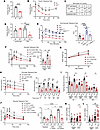 Figure 1
Young Irp1–/– mice are hypoglycemic, and adult animals do not develop high fat diet–induced hyperglycemia. In A, B, D, and F–L, male Irp1–/– mice and WT littermates (n = 4–8 per experimental group) were analyzed at weaning (age of 5 weeks) or following dietary interventions initiated immediately after weaning (10 weeks, unless otherwise indicated). In E, male Irp1–/–-, WT, Irp1–/– Hif2αAlb-Cre, and Hif2αAlb-Cre mice (n = 5–10 per experimental group) were analyzed at weaning. (A) Fasting (5 hours) blood glucose levels and (B) insulin tolerance test at weaning, after 4 hours’ fasting. (C) Genotyping of all Irp1+/+, Irp1+/–, and Irp1–/– littermates generated throughout this study. (D) Fasting (5 hours) blood glucose levels in littermate mice fed a control or an iron-deficient diet (IDD). (E) Oral GTT after 16 hours’ fasting. (F) GTT after 5 hours’ fasting; (G) time-dependent changes in body weight of mice fed a control or a high-fat diet (HFD); and (H) pyruvate tolerance test after 6 hours’ fasting. (I) Blood glucose levels in littermate mice fed control or HFD following fasting for 4, 6, or 16 hours. (J) GTT in littermate mice after 4 hours’ fasting at baseline, and after feeding HFD for 1 week and 10 weeks. (K and L) qPCR analysis of liver G6pc (K) and Pck1 (L) mRNA expression in non-fasted littermate mice fed control or HFD for 12 weeks. The right panels in E, F, and J show AUC; in H pairwise comparisons of data from HFD-fed WT and Irp1–/– mice at various time points. Quantitative data are presented as the mean ± SEM. Statistical analysis was performed with 2-way ANOVA except E, which was 1-way ANOVA, with Tukey’s multiple-comparison test; comparisons between 2 groups were done with 2-tailed Student’s t test. *P < 0.05, **P < 0.01, ****P < 0.0001.
We then analyzed the responses of Irp1–/– mice and WT littermates to a high-fat diet (HFD). Young (5–6 weeks old) male animals were fed an HFD or control diet for 10 weeks, and subsequently received a GTT. As expected, WT mice on an HFD developed hyperglycemia and glucose intolerance, whereas Irp1–/– mice maintained physiological blood glucose levels and glucose clearance despite HFD feeding (Figure 1F). The observed metabolic differences were independent of serum insulin levels (Supplemental Figure 1B) or weight gain (Figure 1G), which were similar in HFD-fed WT and mutant animals. No significant differences in blood pressure were noted among the experimental groups (Supplemental Figure 1, C and D). We noted that the hypoglycemic phenotype persisted in both male and female young Irp1–/– mice (data not shown). However, female Irp1–/– mice appeared less protected than males against HFD-induced hyperglycemia (Supplemental Figure 1E). Thus, we focused on male animals for mechanistic studies.
Pyruvate tolerance testing revealed that Irp1–/– mice exhibit a modest impairment in pyruvate-induced hepatic gluconeogenesis (Figure 1H). This was corroborated by decreased glucose levels in these animals after16 hours of fasting (Figure 1I), under conditions where glycogen stores are depleted and glucose supply largely depends on hepatic gluconeogenesis (15). Furthermore, Irp1–/– mice on an HFD exhibited lower blood glucose levels after 4 and 6 hours of fasting compared with WT controls, indicating reduced hepatic glycogen storage (Figure 1I). This hypoglycemic phenotype was also recapitulated in a longitudinal experiment, in which Irp1–/– mice and WT littermates were subjected to GTT at baseline and at 1 and 10 weeks after initiation of HFD intake. Unlike WT animals, which developed increased glucose intolerance with prolonged HFD feeding, the Irp1–/– mice exhibited minimal defects in glucose clearance mostly after 1 week of HFD intake but not at the endpoint (10 weeks), suggesting metabolic adaptation and reprogramming (Figure 1J). To gain mechanistic insights, we analyzed hepatic expression of genes involved in gluconeogenesis (G6pc, Pck1, Fbp1) in WT and Irp1–/–mice fed a control diet or an HFD. G6pc (Figure 1K) and Pck1 (Figure 1L) were significantly upregulated in Irp1–/– versus WT animals on the HFD, and a similar trend appeared for Fbp1 (Supplemental Figure 1F), despite the overall impaired gluconeogenic capacity. The expression of HIF2α-inducible Irs2 (but not Irs1) tended to be higher in Irp1–/– mice on the HFD (Supplemental Figure 1G). This indicates potentially increased insulin sensitivity and is again consistent with a role of HIF2α. The induction of gluconeogenic genes despite increased insulin sensitivity suggests that Irp1–/– mice are in an energy-deprived state.
Metabolic cage analysis of WT and Irp1–/– mice on the HFD showed no significant differences among the genotypes on food or water intake, oxygen consumption, CO2 production, respiratory exchange rate, or heat, while Irp1–/– mice tended to exhibit slightly increased movement activities (Supplemental Figure 2).
Irp1–/– mice are protected against HFD-induced liver steatosis. After 10 weeks of HFD feeding, livers from WT mice became pale, indicative of steatosis; by contrast, livers from Irp1–/– littermates retained their physiological color, suggesting protection against steatosis (Figure 2A). Histopathological analysis using H&E or Oil Red O staining confirmed that liver sections from Irp1–/– mice had significantly reduced fat content, without large visible lipid droplets (Figure 2B), indicating that these animals were spared from HFD-induced hepatic steatosis.
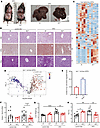 Figure 2
Irp1–/– mice are protected against high fat diet–induced liver steatosis. For 10 weeks, 5-week-old male Irp1–/– mice and WT littermates (n = 6–19 per experimental group) were provided a control or high-fat diet (HFD) for 10 weeks. At the endpoint, the mice were euthanized, and livers were dissected for histological and biochemical analysis. (A) Images of representative mice and dissected livers after euthanasia. (B) Histopathological analysis of liver sections by staining with H&E for tissue architecture (top), Oil Red O (ORO) for neutral fats and lipids (middle), and periodic acid–Schiff (PAS) for glycogen (bottom); original magnification, ×20. (C) Heatmap of liver lipidomic changes between WT and Irp1–/– mice on HFD (n = 6 mice from each genotype). (D) Volcano plot of differentially expressed lipids in the liver of Irp1–/– and WT mice on HFD; P value threshold was set to 0.05 and fold change to 2. (E) Number of up- and down-regulated lipids in the liver of Irp1–/– versus WT mice on HFD. (F) qPCR analysis of liver Srebp1 mRNA expression. (G) Liver weight. (H) Hepatosomatic index (HSI). Quantitative data are presented as the mean ± SEM. Statistical analysis was performed with 2-way ANOVA with Tukey’s multiple-comparison test; comparisons between 2 groups were done with 2-tailed Student’s t test. *P < 0.05, **P < 0.01, ***P < 0.001, ****P < 0.0001.
The histological findings were corroborated by large-scale lipidomics profiling; the heatmap in Figure 2C reveals dramatic alterations in the liver lipidome of Irp1–/– mice. Quantified liver lipidomics data are provided in Supplemental Data Set 2. A total of 100 lipid species were upregulated and 48 downregulated in the liver of Irp1–/– versus WT mice (Figure 2, D and E). Upregulated lipids included phosphatidylethanolamine plasmalogens (PE-O_36:1 and PE-O_40:4), arachidonoyl-L-carnitine (carnitine_20:4), and phosphatidylcholine plasmalogens (PC-O_34:0 and PCO_31:0). Downregulated lipids included triacylglycerols (TG_58:0, TG_46:3, TG_48:3, and TG_46:2) and diacylglycerols (DG_32:1), which may indicate decreased hepatic lipogenesis in Irp1–/– mice. Supporting evidence is provided by the significantly reduced expression of Srebp1 mRNA (Figure 2F) encoding a key transcriptional activator of de novo hepatic lipogenesis (16).
Consistent with these findings, HFD feeding increased liver weight and the hepatosomatic index (liver weight expressed as a percentage of total body weight) in WT mice only (Figure 2, G and H). In contrast, the hepatosomatic index decreased in HFD-fed Irp1–/– animals. Periodic acid–Schiff (PAS) staining suggested that livers from Irp1–/– mice on the HFD also had reduced glycogen content (Figure 2B), in line with the relative hypoglycemia that these animals developed after 4 and 6 hours of fasting (Figure 1I).
Serum biochemistry showed that an HFD increased total cholesterol in both WT and mutant mice (Supplemental Figure 3A), while triglyceride levels tended to be lower in Irp1–/– mice independent of diet (Supplemental Figure 3B). Despite elevated HDL cholesterol in both genotypes after HFD intake (Supplemental Figure 3C), non-HDL cholesterol levels appeared lower in Irp1–/– animals (Supplemental Figure 3D), and total cholesterol/HDL ratios were not affected (Supplemental Figure 3E). Values for serum iron, total iron-binding capacity (TIBC), transferrin saturation, and liver Hamp mRNA did not differ among all experimental groups (Supplemental Figure 3, F–I), whereas serum ferritin was elevated in Irp1–/– mice (Supplemental Figure 3J), possibly due to translational de-repression under IRP1 deficiency. Complete blood count showed a normal red blood cell number and even reduced hematocrit in Irp1–/– mice after the 10-week HFD feeding period (Supplemental Table 1), validating the correction of polycythemia with age (6). Along these lines, liver Epo mRNA and serum Epo levels were similar in all groups (Supplemental Figure 3, K and L). Nevertheless, splenomegaly persisted in the Irp1–/– animals (Supplemental Figure 3, M–O), indicating extramedullary hematopoiesis. This was not associated with altered splenic iron content (Supplemental Figure 3P).
IRP1 deficiency causes mitochondrial dysfunction and a shift of energy metabolism from oxidative phosphorylation to glycolysis. An unbiased proteomics approach was utilized to elucidate pathways by which IRP1 deficiency affects metabolic functions. To this end, liver samples from WT and Irp1–/– mice on HFD (n = 4 from each group) were subjected to liquid chromatography–tandem mass spectrometry (LC-MS/MS) analysis. After filtering, 2,300 proteins on average were identified in each sample. Principal component analysis showed good separation between samples from the 2 genotypes (Supplemental Figure 4A), and Pearson correlation analysis showed that the replicates correlated well (Supplemental Figure 4B). Quantified liver proteomics data are provided in Supplemental Data Set 1. In Irp1–/– versus WT livers, 101 proteins were upregulated and 82 downregulated (Figure 3, A and B). Upregulated proteins included S100a1, Slc4a1, and Blvra. Prominent downregulated proteins were Nduf3, Adcy5, Prdm16, and IRP1 (Aco1), which served as a control. Enrichment analysis with IPA software (QIAGEN) identified mitochondrial pathways (oxidative phosphorylation, electron transport, ATP synthesis) as most affected by IRP1 deficiency in the liver of HFD-fed mice (Figure 3C). The top hits in Gene Ontology (GO) hierarchy analysis were catalytic activity (GO Molecular Function), small molecule metabolic process (GO Biological Process), and cytoplasm and mitochondrion (GO Cellular Component); the top hits in Kyoto Encyclopedia of Genes and Genomes (KEGG) and Reactome pathway analysis were metabolic pathways and metabolism, respectively (Supplemental Figure 5). These data uncovered metabolic reprograming in the liver of Irp1–/– mice that involved mitochondria. Mitochondrial dysfunction was also highlighted in STRING functional association networks (Figure 3D) and validated by Western blot analysis for electron transport chain complexes, showing reduced expression, especially of proteins representing complexes I and II, but also III and IV in the liver of Irp1–/– mice (Figure 3E). This was not accompanied by any significant changes in expression of markers of mitochondrial biogenesis (Pgc1α mRNA), fission (Fis1 and Drp1 mRNAs), or fusion (Mfn1 and Mfn2 mRNAs) (17) (Supplemental Figure 6, A–E).
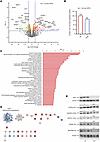 Figure 3
Altered mitochondrial proteome in the liver of Irp1–/– mice. For10 weeks, 5-week-old male Irp1–/– mice and WT littermates (n = 4 per experimental group) were provided a high-fat diet (HFD). At the endpoint, the mice were euthanized, and livers were dissected for proteomics analysis. (A) Volcano plot of differentially expressed proteins (Irp1–/– versus WT); P value threshold was set to 0.05 and fold change to 2. (B) Number of up- and down-regulated proteins in the liver of Irp1–/– versus WT mice. (C) Pathway enrichment analysis generated by the QIAGEN IPA software. (D) STRING networks based on all differentially expressed proteins show that the major enrichment in GO terms and KEGG pathways is linked to mitochondrial respirasome. (E) Western blot analysis of mitochondrial respiratory chain proteins corresponding to complexes I, II, III, IV, and V using whole liver extracts from 3 representative mice in each group. The membranes were also probed with antibodies against IRP1, β-actin (cytosolic loading control), and Tom20 (mitochondrial loading control). Blots were quantified by densitometry relative to Tom20, and average values are shown on top. Ratios of respiratory chain proteins to Tom20 from WT mice are set as 1.
Diminished expression of electron transport chain complexes has previously been reported in Irp1–/– murine embryonic fibroblasts (MEFs) (18). To assess functional implications, we analyzed mitochondrial oxygen consumption rates in Irp1–/– MEFs with the Seahorse assay. IRP1 deficiency significantly impaired basal, ATP-linked, and maximal respiration, as well as spare capacity (Figure 4A and Supplemental Figure 7, A–D). This was associated with increased glycolytic activity and lactate production (Figure 4, B and C); both basal and compensatory glycolysis were induced (Supplemental Figure 7, E and F). Similar results were obtained with differentiated primary skeletal muscle myotubes from Irp1–/– mice (Figure 4, D and E, and Supplemental Figure 7, G–L), which also exhibited defective mitochondrial respiration when palmitate was used as substrate (Figure 4F and Supplemental Figure 7, M–P). Along these lines, muscle fibers from Irp1–/– mice had increased glucose uptake capacity (Figure 4G). IRP1 deficiency did not affect muscle stem cell differentiation to myotubes (Supplemental Figure 8A) but increased proliferation rates of myoblasts (Supplemental Figure 8B) and MEFs (Supplemental Figure 8C). In line with the liver proteomics data, primary hepatocytes from Irp1–/– mice likewise exhibited impaired mitochondrial respiration (Figure 4H and Supplemental Figure 7, Q–T) and increased basal glycolysis (Figure 4I). The effects in hepatocytes appeared milder compared with MEFs and myotubes, and statistically significant differences among the genotypes were only noted for spare capacity (Supplemental Figure 7T) and basal (Figure 4I) but not compensatory glycolysis (not shown). Taken together, the above data suggest that IRP1 deficiency triggers mitochondrial dysfunction and a shift to aerobic glycolysis for energy production.
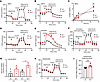 Figure 4
IRP1 deficiency causes mitochondrial dysfunction and a switch from oxidative energy metabolism to aerobic glycolysis. Mouse embryonic fibroblasts (MEFs), primary hepatocytes, and differentiated myotubes from Irp1–/– and WT mice were analyzed for mitochondrial function with the Seahorse assay. The time for addition of oligomycin, Carbonyl cyanide p-(trifluoromethoxy) phenylhydrazone, and rotenone/antimycin A or 2-deoxy-glucose (2-DG) is indicated by arrows. (A) Oxygen consumption rate (OCR) in Irp1–/– and WT MEFs. (B) Extracellular acidification rate (ECAR) in Irp1–/– and WT MEFs. (C) Lactate production by Irp1–/– and WT MEFs. (D) OCR in Irp1–/– and WT differentiated myotubes. (E) ECAR in Irp1–/– and WT differentiated myotubes. (F) OCR with palmitate as substrate in Irp1–/– and WT differentiated myotubes. (G) Glucose uptake assay in muscle fibers from Irp1–/– and WT mice. (H) OCR in Irp1–/– and WT primary hepatocytes. (I) Proton efflux rate indicating basal glycolysis in Irp1–/– and WT primary hepatocytes. Data in G and I are presented as mean ± SEM. Statistical analysis performed with 2-way ANOVA with Tukey’s multiple-comparison test; comparisons between 2 groups were done with 2-tailed Student’s t test. *P < 0.05, **P < 0.01.
IRP1 deficiency alters mitochondrial redox speciation of iron in the liver and skeletal muscles. In mouse (19) and rat (20) models of liver steatosis, HFD intake elicited a phenotype of low hepatic iron characterized by induction of transferrin receptor 1 (TfR1), the major iron uptake protein. In agreement with the earlier findings, we noted that WT mice on the HFD manifested increased TfR1 levels in the liver (Figure 5A). TfR1 expression was reduced, and ferritin was upregulated in the liver of Irp1–/– versus WT mice on the control diet, presumably due to IRP1 deficiency. These responses were preserved after HFD feeding; however, a small number (2 out of 9) of the analyzed livers from Irp1–/– animals exhibited high TfR1 and low ferritin levels (only 3 representative samples from each condition are shown in the Western blot).
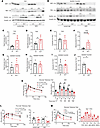 Figure 5
Evidence that mitochondrial dysfunction in IRP1-deficient cells is caused by impaired mitochondrial redox speciation of iron. (A–J) Male WT and Irp1–/– mice (5 weeks old; n = 5–8 per experimental group) received control diet or HFD for 10 weeks. Liver and quadriceps skeletal muscle tissue samples were isolated for biochemical studies at endpoint. Cytosolic and mitochondrial fractions were prepared and used for quantification of total iron and iron speciation analysis. (A and B) Western blot analysis of IRP1, TfR1, ferritin, and β-actin in liver (A) and skeletal muscles (B). (C–F) Total cytosolic iron (C), total mitochondrial iron (D), cytosolic Fe2+/Fe3+ ratios (E), and mitochondrial Fe2+/Fe3+ ratios (F) in liver. (G–J) Total cytosolic iron (G), total mitochondrial iron (H), cytosolic Fe2+/Fe3+ ratios (I), and mitochondrial Fe2+/Fe3+ ratios (J) in skeletal muscles. (K–M) For 10 weeks, 5-week-old male WT and Irp1–/– mice (n = 5–7 per experimental group) received control diet or IDD. (K) GTT after 5 hours’ fasting. Right: pairwise comparisons of data from WT and Irp1–/– mice on IDD at various time points. (L) Pyruvate tolerance test after 6 hours’ fasting. Right: AUC. (M) GTT in 5-week-old male Irp1–/– mice after 5 hours’ fasting. Right: pairwise comparisons of data from Irp1–/– mice with or without iron dextran injections at various time points. In A and B, Western blots for TfR1 and ferritin quantified by densitometry relative to β-actin; average values shown on top (due to experimental variability, quantification of “outlier” sample shown separately). TfR1/β-actin and ferritin/β-actin ratios from WT mice set as 1. In C–J, iron measurements normalized to protein content and expressed as mean ± SD. Data in C–M shown as mean ± SEM. Statistical analysis performed with 2-way ANOVA with Tukey’s multiple-comparison test; 2-tailed Student’s t test for comparisons between 2 groups. *P < 0.05, **P < 0.01.
On the other hand, HFD intake neither induced TfR1 nor suppressed ferritin in skeletal muscles of WT mice (Figure 5B), indicating relatively normal iron balance in this tissue. Ferritin was paradoxically suppressed in skeletal muscles of HFD-fed Irp1–/– mice and TfR1 levels appeared slightly reduced, possibly due to IRP1 deficiency. These data suggest that iron homeostasis in the liver and skeletal muscles is controlled by distinct tissue-specific pathways in response to an HFD, with or without IRP1 deficiency.
To shed light on these pathways and dissect the role of IRP1, we profiled ferrous (Fe2+) and ferric (Fe3+) iron content in the cytosolic and mitochondrial fractions from the liver and skeletal muscles of WT and Irp1–/– mice on an HFD, using cation exchange chromatography coupled with inductively coupled plasma mass spectrometry (SCX-ICP-MS). The Fe2+/Fe3+ ratio was calculated as an indicator of redox-active, labile iron pools. The purity of subcellular fractions was assessed by Western blotting for cytosolic IRP1 and mitochondrial Tom20 (Supplemental Figure 9, A and B).
Total (Fe2+ and Fe3+) iron levels were significantly higher in the liver cytosolic (~2.8-fold) and mitochondrial (~1.7-fold) fractions of Irp1–/– mice compared with WT controls (Figure 5, C and D). Separate measurements of Fe2+ and Fe3+ are shown in Supplemental Figure 9, C and D. Although cytosolic Fe2+/Fe3+ ratios were similar between genotypes (Figure 5E), the mitochondrial Fe2+/Fe3+ ratio was elevated by approximately 6-fold in Irp1–/– livers (Figure 5F), suggesting a relative accumulation of reduced, potentially unutilized, and redox-active Fe2+ in IRP1-deficient liver mitochondria.
In skeletal muscles, total cytosolic and mitochondrial iron (Figure 5, G and H), Fe2+ levels (Supplemental Figure 9E), Fe3+ (Supplemental Figure 9F) levels, and cytosolic Fe2+/Fe3+ ratios (Figure 5I) were comparable across genotypes. However, mitochondrial Fe2+/Fe3+ ratios were significantly decreased approximately 2.5-fold in Irp1–/– skeletal muscles (Figure 5J), indicating a relative oxidation of the mitochondrial iron pool in the absence of IRP1. Collectively, these iron speciation data suggest that IRP1 deficiency impairs mitochondrial iron homeostasis in both the liver and skeletal muscles under metabolic stress induced by HFD, while cytosolic iron buffering remains unaffected.
Contrary to data previously reported in MEFs (18), IRP1 deficiency (or HFD intake) did not significantly affect expression of the Fe-S cluster biogenesis proteins frataxin and IscU in the liver and skeletal muscles (Supplemental Figure 9, G and H). Additionally, it did not affect expression of the mitochondrial iron transporter mitoferrin-1 (Mfrn1; Supplemental Figure 9, G and H). Notably, Irp1–/– mice on an HFD had impaired mitochondrial aconitase activity in the heart (Supplemental Figure 9I). Considering that catalytic aconitase activity requires a 4Fe-4S cluster in the active site of the enzyme, these data suggest that HFD-induced metabolic stress causes functional inactivation of Fe-S clusters in IRP1-deficient mitochondria.
Our findings suggest that the metabolic phenotype of Irp1–/– mice on an HFD may be linked to defective mitochondrial iron and redox homeostasis. Based on this, we hypothesized that dietary iron restriction might elicit metabolic responses in these animals analogous to those induced by HFD. Indeed, adult Irp1–/– mice fed an IDD not only maintained fasting hypoglycemia (Figure 1D), but also exhibited improved glucose clearance (Figure 5K) and blunted gluconeogenesis (Figure 5L). Notably, injection with iron dextran did not affect glucose clearance in young (5 weeks old) WT mice but substantially impaired it in hypoglycemic Irp1–/– littermates (Figure 5M), underlying the critical role of iron in glucose metabolism. These data demonstrate that dietary iron deficiency mimics effects of metabolic stress imposed by an HFD on glucose homeostasis in the absence of IRP1. Moreover, they support the notion that disruption of mitochondrial iron and redox balance may be a common underlying factor contributing to fasting hypoglycemia in young Irp1–/– mice and to the metabolic responses of adult Irp1–/– mice to both HFD and IDD.
Metabolic reprogramming in Irp1–/– mice. Targeted metabolomics analysis in the serum, liver, and skeletal muscles was performed to uncover systemic metabolic alterations triggered by IRP1 deficiency after HFD or IDD intake. Normalized metabolomics data are provided in Supplemental Data Set 3. A total of 78 metabolites were detected in the serum, liver, and skeletal muscles of WT and Irp1–/– mice on an HFD; a complete heatmap is shown in Supplemental Figure 10A. Under these conditions, Irp1–/– mice exhibited lower levels of most serum and liver metabolites compared with WT controls (Figure 6A). We focused on changes in expression of specific metabolites such as glucogenic amino acids, ketogenic amino acids, gluconeogenesis precursors, fatty acids, and TCA cycle intermediates (Figure 6B). Among these, only aspartic acid was upregulated in serum, and citric and isocitric acid in the liver of Irp1–/– mice. By contrast, skeletal muscles from Irp1–/– mice on an HFD were enriched in glucogenic amino acids and TCA cycle intermediates, with the highest abundance of glutamine, proline, and 2-ketoglutarate; expression of ketogenic lysine was also high. Enrichment analysis identified the pathways most significantly affected by IRP1 deficiency and HFD: (a) tryptophan metabolism and starch and sucrose metabolism in serum (Supplemental Figure 10B); (b) glyoxylate and dicarboxylate metabolism, alanine aspartate and glutamate metabolism, TCA cycle, and unsaturated fatty acid biosynthesis in the liver (Supplemental Figure 10C); and (c) arginine and proline metabolism, pantothenate and CoA biosynthesis, and pyrimidine metabolism in skeletal muscles (Supplemental Figure 10D).
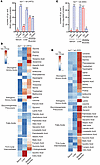 Figure 6
IRP1 deficiency triggers metabolic reprogramming in mice fed high-fat or iron-deficient diets. For 10 weeks, 5-week-old male Irp1–/– mice and WT littermates (n = 4–5 per experimental group) were provided a high-fat diet (HFD) or an iron-deficient diet (IDD). At the endpoint, the mice were euthanized, and serum, liver, and skeletal muscle samples were collected and processed for targeted metabolomics analysis. (A and B) Number of up- and down-regulated metabolites in serum, liver, and skeletal muscle of Irp1–/– versus WT on HFD (A); heatmap of detected glucogenic amino acids, ketogenic amino acids, gluconeogenesis precursors, fatty acids, and TCA cycle intermediates (B). (C and D) Number of up- and down-regulated metabolites in serum, liver, and skeletal muscle of Irp1–/– versus WT on IDD (C); heatmap of detected glucogenic amino acids, ketogenic amino acids, gluconeogenesis precursors, fatty acids, and TCA cycle intermediates (D). In B and D, log2 fold changes are indicated on the left.
Under conditions of dietary iron restriction, the abundance of most analyzed metabolites was likewise lower in the serum and liver of Irp1–/– versus WT mice (Figure 6, C and D, and Supplemental Figure 11A). Notably, IDD intake resulted in a dramatic shift of metabolites to the skeletal muscles of these animals. Thus, 67 out of 76 detected metabolites were upregulated in Irp1–/– versus WT skeletal muscles, including glucogenic amino acids, gluconeogenesis precursors, fatty acids, and TCA cycle intermediates. Pathways most significantly affected by IRP1 and iron deficiency include the following: (a) lipoic acid metabolism; butanoate metabolism; and alanine, aspartate, and glutamate metabolism in serum (Supplemental Figure 11B); (b) starch and sucrose metabolism, as well as tryptophan metabolism in the liver (Supplemental Figure 11C); and (c) TCA cycle, glyoxylate and dicarboxylate metabolism, and biotin metabolism in skeletal muscles (Supplemental Figure 11D).
We also analyzed the impact of IRP1 deficiency under physiological conditions in mice fed the control diet. With few exceptions, metabolite levels were generally lower in Irp1–/– versus WT mice across the serum, liver, and skeletal muscles (Supplemental Figure 12, A and B). Enrichment analysis identified the following pathways as most affected: (a) glyoxylate and dicarboxylate metabolism; alanine, aspartate, and glutamate metabolism; and glycolysis/gluconeogenesis in serum (Supplemental Figure 12C); (b) histidine, metabolism, propanoate metabolism, pyruvate metabolism, TCA cycle, and glyoxylate and dicarboxylate metabolism in the liver (Supplemental Figure 12D); and (c) glycerophospholipid, fructose and mannose metabolism, inositol metabolism, glycerolipid metabolism, and glycolysis/gluconeogenesis in skeletal muscles (Supplemental Figure 12E). These data reveal extensive metabolic reprogramming in response to IRP1 deficiency, which is reflected in serum, liver, and skeletal muscle metabolites. HFD or IDD intake triggers a shift of metabolites from the liver and serum to skeletal muscles of Irp1–/– mice.
IRP1 deficiency improves insulin sensitivity in hepatocytes and skeletal muscle cells. We explored whether the observed metabolic reprogramming in Irp1–/– mice is associated with altered insulin signaling. To this end, primary hepatocytes from WT and Irp1–/– mice remained untreated or treated with insulin, and downstream signaling was monitored by analyzing Akt phosphorylation as a surrogate marker (Figure 7A). We found p-Akt/Akt ratios were highly increased in insulin-treated Irp1–/– hepatocytes compared with insulin-treated WT hepatocytes (Figure 7A). Moreover, p-Akt/Akt ratios remained higher in Irp1–/– versus WT hepatocytes after treatment with palmitate, a fatty acid that causes insulin resistance (Figure 7B).
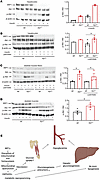 Figure 7
IRP1 deficiency stimulates insulin signaling. (A) Western blot analysis of phospho-Akt, Akt, IRP1, and β-actin in primary hepatocytes from Irp1–/– and WT mice either left untreated or previously treated with 10 nM insulin for 5 minutes. (B) Western blot analysis of phospho-Akt, Akt, IRP1, and β-actin in primary hepatocytes from Irp1–/– and WT mice pretreated for 24 hours with 0.4 mM palmitate (conjugated to BSA) or not, and then treated with 10 nM insulin for 5 minutes. (C) Western blot analysis of phospho-Akt, Akt, IRP1, and β-actin in skeletal muscle fibers from Irp1–/– and WT mice pretreated for 24 hours with 0.4 mM palmitate (conjugated to BSA) or not, and then treated with 50 nM insulin for 20 minutes. (D) Male Irp1–/– and WT mice on high-fat diet (HFD) for 10 weeks were injected with 4U/kg insulin or not. After 5 minutes, the mice were euthanized, and skeletal muscles were analyzed by Western blotting for expression of phospho-Akt, Akt, IRP1, and β-actin. (E) A model highlighting metabolic implications of IRP1 deficiency. In A–D, all Western blots show representative samples from each condition. Phospho-Akt to Akt ratios were quantified by densitometry and plotted on the right of each Western blot. Quantitative data are presented as mean ± SEM. Statistical analysis was performed with 2-way ANOVA with Tukey’s multiple-comparison test; comparisons between 2 groups with 2-tailed Student’s t test. *P < 0.05.
A similar experiment was performed with skeletal muscle fibers isolated from WT and Irp1–/– mice (Figure 7C). We found p-Akt/Akt ratios were increased in insulin-treated Irp1–/– versus WT muscle fibers and remained elevated after palmitate administration. To validate this finding in vivo, WT and Irp1–/– mice on an HFD were injected with insulin or not, and skeletal muscle tissue was analyzed by Western blotting. Insulin injection stimulated Akt phosphorylation in both genotypes (Figure 7D). However, p-Akt/Akt ratios were significantly higher in Irp1–/– versus WT skeletal muscles, again indicating increased insulin sensitivity. These data suggest that IRP1 deficiency increases insulin sensitivity and ameliorates fat-induced insulin resistance in the liver and skeletal muscles, in agreement with the metabolic phenotype of Irp1–/– mice.


