
Research ArticleAgingImmunology
Open Access |  10.1172/jci.insight.206714
Chronic hypertension impairs lymphatic drainage in deep cervical lymph nodes
Kaiming Xu,1 Ankita Bhardwaj,1 Sunil Koundal,1 Qin Ren,2 Chenyu You,2,3 Xenophon Papademetris,4,5 Helene Benveniste,1,5 and Tryphon T. Georgiou6
1Department of Anesthesiology, Yale School of Medicine, New Haven, Connecticut, USA.
2Department of Computer Science and
3Department of Applied Mathematics & Statistics, Stony Brook University, Stony Brook, New York, USA.
4Departments of Biomedical Informatics & Data Science, Radiology & Biomedical Imaging, and Biomedical Engineering, and
5Yale Biomedical Imaging Institute, Yale School of Medicine, New Haven, Connecticut, USA.
6Department of Mechanical and Aerospace Engineering, University of California, Irvine, California, USA.
Authorship note: HB and TTG have been designated as co–joint supervisors.
Find articles by Xu, K. in: PubMed | Google Scholar
1Department of Anesthesiology, Yale School of Medicine, New Haven, Connecticut, USA.
2Department of Computer Science and
3Department of Applied Mathematics & Statistics, Stony Brook University, Stony Brook, New York, USA.
4Departments of Biomedical Informatics & Data Science, Radiology & Biomedical Imaging, and Biomedical Engineering, and
5Yale Biomedical Imaging Institute, Yale School of Medicine, New Haven, Connecticut, USA.
6Department of Mechanical and Aerospace Engineering, University of California, Irvine, California, USA.
Authorship note: HB and TTG have been designated as co–joint supervisors.
Find articles by Bhardwaj, A. in: PubMed | Google Scholar
1Department of Anesthesiology, Yale School of Medicine, New Haven, Connecticut, USA.
2Department of Computer Science and
3Department of Applied Mathematics & Statistics, Stony Brook University, Stony Brook, New York, USA.
4Departments of Biomedical Informatics & Data Science, Radiology & Biomedical Imaging, and Biomedical Engineering, and
5Yale Biomedical Imaging Institute, Yale School of Medicine, New Haven, Connecticut, USA.
6Department of Mechanical and Aerospace Engineering, University of California, Irvine, California, USA.
Authorship note: HB and TTG have been designated as co–joint supervisors.
Find articles by
Koundal, S.
in:
PubMed
|
Google Scholar
|

1Department of Anesthesiology, Yale School of Medicine, New Haven, Connecticut, USA.
2Department of Computer Science and
3Department of Applied Mathematics & Statistics, Stony Brook University, Stony Brook, New York, USA.
4Departments of Biomedical Informatics & Data Science, Radiology & Biomedical Imaging, and Biomedical Engineering, and
5Yale Biomedical Imaging Institute, Yale School of Medicine, New Haven, Connecticut, USA.
6Department of Mechanical and Aerospace Engineering, University of California, Irvine, California, USA.
Authorship note: HB and TTG have been designated as co–joint supervisors.
Find articles by Ren, Q. in: PubMed | Google Scholar
1Department of Anesthesiology, Yale School of Medicine, New Haven, Connecticut, USA.
2Department of Computer Science and
3Department of Applied Mathematics & Statistics, Stony Brook University, Stony Brook, New York, USA.
4Departments of Biomedical Informatics & Data Science, Radiology & Biomedical Imaging, and Biomedical Engineering, and
5Yale Biomedical Imaging Institute, Yale School of Medicine, New Haven, Connecticut, USA.
6Department of Mechanical and Aerospace Engineering, University of California, Irvine, California, USA.
Authorship note: HB and TTG have been designated as co–joint supervisors.
Find articles by You, C. in: PubMed | Google Scholar
1Department of Anesthesiology, Yale School of Medicine, New Haven, Connecticut, USA.
2Department of Computer Science and
3Department of Applied Mathematics & Statistics, Stony Brook University, Stony Brook, New York, USA.
4Departments of Biomedical Informatics & Data Science, Radiology & Biomedical Imaging, and Biomedical Engineering, and
5Yale Biomedical Imaging Institute, Yale School of Medicine, New Haven, Connecticut, USA.
6Department of Mechanical and Aerospace Engineering, University of California, Irvine, California, USA.
Authorship note: HB and TTG have been designated as co–joint supervisors.
Find articles by Papademetris, X. in: PubMed | Google Scholar
1Department of Anesthesiology, Yale School of Medicine, New Haven, Connecticut, USA.
2Department of Computer Science and
3Department of Applied Mathematics & Statistics, Stony Brook University, Stony Brook, New York, USA.
4Departments of Biomedical Informatics & Data Science, Radiology & Biomedical Imaging, and Biomedical Engineering, and
5Yale Biomedical Imaging Institute, Yale School of Medicine, New Haven, Connecticut, USA.
6Department of Mechanical and Aerospace Engineering, University of California, Irvine, California, USA.
Authorship note: HB and TTG have been designated as co–joint supervisors.
Find articles by
Benveniste, H.
in:
PubMed
|
Google Scholar
|
1Department of Anesthesiology, Yale School of Medicine, New Haven, Connecticut, USA.
2Department of Computer Science and
3Department of Applied Mathematics & Statistics, Stony Brook University, Stony Brook, New York, USA.
4Departments of Biomedical Informatics & Data Science, Radiology & Biomedical Imaging, and Biomedical Engineering, and
5Yale Biomedical Imaging Institute, Yale School of Medicine, New Haven, Connecticut, USA.
6Department of Mechanical and Aerospace Engineering, University of California, Irvine, California, USA.
Authorship note: HB and TTG have been designated as co–joint supervisors.
Find articles by Georgiou, T. in: PubMed | Google Scholar
Published August 12, 2026 - More info
JCI Insight. 2026;11(18):e206714. https://doi.org/10.1172/jci.insight.206714.
© 2026 Xu et al. This work is licensed under the Creative Commons Attribution 4.0 International License. To view a copy of this license, visit http://creativecommons.org/licenses/by/4.0/.
Received: March 12, 2026; Accepted: July 30, 2026

-
Results
Conventional analysis of the cervical lymph nodes reveals heterogeneous tracer uptake. To capture drainage of brain-derived fluids to the cervical lymph nodes, we implemented DCE-MRI with CSF administration of GadoSpin-P (MW 200 kDa) in WKY and SHRSP rats anesthetized with dexmedetomidine and low-dose isoflurane. A fraction of the GadoSpin-P–tagged CSF enters the glymphatic system and from there drains primarily to the dcLNs (3, 28). As such, the GadoSpin-P–tagged fluid from the brain arriving at the dcLN represents “lymph.” Therefore, by quantifying the tracer transport within the dcLN, we can estimate the lymph flow. To validate the metrics derived from the gSB model, we first conducted a conventional kinetic analysis of the DCE-MRI images to explore differences across WKY and SHRSP rats. Figure 1A shows a maximum intensity projection (MIP) image of the dcLN with interconnected signal streams overlaid on the corresponding anatomical MRI images from a normal rat. The dcLNs are positioned immediately lateral to the common carotid artery, typically at its bifurcation (Figure 1, A and B). The DCE-MRI images clearly showed the afferent and efferent lymphatic vessels in most dcLNs (Figure 1, A–D). The afferent signal streams were intermittently interrupted, reflecting the presence of valves in the lymphatic vessels. The stream associated with the afferent lymphatic vessel ran along the lingual artery branch from the external carotid artery in both WKY and SHRSP rats (Supplemental Figure 1, A and B; supplemental material available online with this article; https://doi.org/10.1172/jci.insight.206714DS1). The signal intensity distribution pattern in the dcLN revealed the location of the sinuses (Figure 1, C and D). It was not possible to clearly differentiate between the cortical and medullary sinuses. The medullary sinus was situated at the most medial aspect of the node and near the efferent lymphatic vessel. Additionally, circular low-signal-intensity regions were observed, representing the cell-rich follicles. These follicles are shielded units, wherein solutes larger than 70 kDa cannot penetrate (29, 30), preventing the entry of the larger 200 kDa GadoSpin-P tracer. In both normal WKY and SHRSP rats, 3D surface rendering of the anatomically segmented dcLNs showed that they were shaped like pointed triangular structures, with the base oriented toward the head and the apex pointing caudally (Supplemental Figure 1C). The afferent lymphatic vessels appeared to enter the dcLN at the base of the triangle; the efferent lymphatic vessel exited from the apex (Supplemental Figure 1C). The dcLNs in the SHRSP rats were more irregularly shaped, often with a wider triangular base. This shape allowed them to maintain their overall volume and surface area (Supplemental Figure 1, D and E) despite having a shorter length (Supplemental Figure 1F).
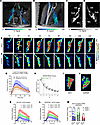 Figure 1
Reduced tracer transport in the dcLNs of hypertensive rats. (A) MIP of a dcLN from a WKY rat, with the location of the dcLN highlighted by a dashed circle. (B) Higher magnification of the dcLN. (C and D) Anatomical subcompartments, including the subcapsular (Sub) and medullary (Ms) sinuses. (E and F) Representative DCE-MRI time series from a WKY (E) and SHRSP (F) rat. (G) Mean TSCs for WKY (n = 6, 12 dcLNs) and SHRSP (n = 5, 10 dcLNs) rats, shown with 95% CI. (H) WCSS elbow curve for dcLN K-means cluster analysis. (I and J) Cluster analysis demonstrating the location of the subcapsular sinus (cluster 1, blue), paracortical sinus (cluster 2, green), and medullary sinus (cluster 3, red) in WKY and SHRSP dcLNs. (K and L) Cluster-specific TSCs from a WKY (K) and SHRSP (L) rat. (M) Volume fraction of the 3 clusters across both groups. Aff, afferent lymphatic vessel; Cca, common carotid artery; Eff, efferent lymphatic vessel. Scale bars: 2 mm (A–F), 1.5 mm (I and J). Data in M are presented as mean ± SD with individual data points shown. A linear mixed-effects model with FDR correction was used to assess group differences in TSCs (G), with the P value for time × group interaction indicated. A Mann-Whitney U test with FDR correction was used for the fractional volume analysis (M). ns, not significant; **P < 0.01.
A dynamic DCE-MRI time series of dcLN images from representative WKY and SHRSP rats showed a signal increase approximately 30 minutes after CSF administration of GadoSpin-P, which signifies the arrival of brain-derived fluids (Figure 1, E and F). The average time for GadoSpin-P to arrive at the dcLN was similar across groups. The time was 28.3 ± 3.7 minutes for WKY (n = 7, dcLNs = 14) versus 29.5 ± 3.7 minutes for SHRSP (n = 5, dcLNs = 10) (mean difference = 1.3 minutes; 95% CI = –1.9, 4.5 minutes; P = 0.412). The time-signal curves (TSCs) for each dcLN were extracted, and the start time was defined as the moment when a significant increase in signal was detected. With this adjustment, the mean TSC for both groups was compared, demonstrating a significantly lower magnitude TSC in the SHRSP dcLN when compared with the WKY rats (Figure 1G, time × group interaction, P < 0.0001). We next asked whether the reduced dcLN drainage observed in the SHRSP rats was associated with other drainage abnormalities. For this purpose, the TSCs from the superficial cervical lymph nodes were extracted, and the analysis revealed no differences in tracer drainage across the 2 groups (Supplemental Figure 1, G and H).
To further quantify dcLN differences in tracer kinetic profiles across the 2 groups, we implemented a nonparametric k-means clustering approach. Prior to comparing cluster properties between groups, the optimal number of clusters k was determined empirically using within-cluster sum of squares (WCSS) elbow analysis applied to the voxel-wise time-activity curves of all WKY animals (see Methods for full details). The WCSS elbow curve demonstrated a substantial reduction in within-cluster variance through k = 3, which was therefore selected as the optimal number and applied uniformly to all subjects (Figure 1H). k = 3 clustering of the dcLN dynamic DCE-MRI data identified 3 kinetically distinct tissue compartments across all animals (Figure 1, I–L). Based on the temporal characteristics of the cluster time-activity curves, cluster 1 (blue), cluster 2 (green), and cluster 3 (red) exhibited progressively faster tracer uptake kinetics, corresponding spatially to the subcapsular sinus, paracortical sinus, and medullary sinus, respectively (Figure 1, I–L). Cluster 3 was specifically associated with the medullary sinus and hilum — the anatomical zone of efferent lymphatic output. The distribution of cluster voxel counts across groups is shown in Figure 1M. Total node volume did not differ between strains (WKY: 1568 ± 415 voxels; SHRSP: 1423 ± 494 voxels; Mann-Whitney U = 71, P = 0.489). Linear mixed-effects modeling (strain as fixed effect, animal as random intercept) revealed no significant difference between WKY and SHRSP in cluster 1 (mean difference = –47 voxels, P = 0.774) or cluster 2 (mean difference = 44 voxels, P = 0.750). In contrast, cluster 3 corresponding to the medullary sinus was significantly reduced in SHRSP compared with WKY (WKY: 368 ± 126 voxels; SHRSP: 226 ± 70 voxels; mean difference = −142 voxels, SE = 53, P = 0.008), suggestive of impaired efferent lymphatic drainage in hypertensive rats. Based on these data, we concluded that chronic hypertension is associated with reduced dcLN drainage function. However, conventional kinetic analysis does not allow quantification of lymph flow through the nodes, a limitation addressed by the gSB model below.
The gSB model generates pathlines well-aligned with signal flows through the lymph nodes. We designed a dedicated computational pipeline for the gSB analysis of lymph flow through the lymph node based on the DCE-MRI data (Figure 2, A–C). Throughout, “lymph flow” refers specifically to GadoSpin-P–tagged lymph transport as measured by DCE-MRI. The DCE-MRI images acquired with a spatial resolution of 0.008 mm3 and a 150 × 150 × 150 voxel matrix yielded a 3D dynamic time series of dcLN uptake and drainage of brain-derived fluids tagged with GadoSpin-P over approximately 2.5 hours (every 5 minutes, 32 frames in total). The analysis included several preprocessing steps, including denoising and segmentation of influx and efflux regions of the dcLN. The gSB model was applied on a rectangular cuboid that enclosed the dcLN region, and every second frame after the initial frame was fed into the algorithms with the analysis time window set to 120 minutes. The gSB model computed several output metrics: a time series of (a) interpolated data, (b) influx/efflux maps, and (c) velocity fields (Figure 2D and Supplemental Figure 2). Lagrangian visualizations were computed to track trajectories of individual particles — at the voxel level — based on density and velocity information. Each voxel within the dcLN gave birth to a pathline starting from that particular voxel. The pathlines were endowed with different metrics, including the flow property (speed) or the line property (length, tortuosity) (Figure 2E). Finally, in the Eulerian framework, quantification results yielded information of the gSB metrics at fixed locations in space over time and included time trajectories of (a) influx, (b) efflux, (c) speed, and (d) volume flow (Figure 2F).
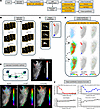 Figure 2
Computational pipeline for gSB analysis of dcLN DCE-MRI data. (A) Flowchart of the gSB model’s processing steps. (B) The input 3D MRI time series is denoised using a 4D affine diffusion filter. (C) Regions are identified, including the dcLN (orange), influx (red), and efflux (blue) areas. (D) Eulerian outputs from the model include interpolated images, influx/efflux maps, and velocity fields. (E) Lagrangian visualizations show tracer particle trajectories (pathlines), which can be endowed with metrics like speed, length, and tortuosity. (F) Key parameters quantified from the model include tracer influx, efflux, speed, and flow.
gSB analysis visualizes pathological dcLN microflows in hypertensive rats. We first characterized the tortuosity and length of the pathlines traversing the dcLN across the 2 groups. The pathlines represent GadoSpin-P–tagged lymph streams at the voxel level captured over the 120-minute imaging period (Lagrangian framework). We selected 20 pathlines from each dcLN and color-coded them for tortuosity. In the WKY rats, the dcLN pathlines were longer and more tortuous compared with SHRSP rats (Figure 3). Pathlines from 4 dcLNs of WKY (Figure 3A) and SHRSP rats (Figure 3B) show more red, orange, and yellow pathlines, indicating increased tortuosity compared with SHRSP rats. The longest pathlines typically started in the uppermost zone of the subcapsular sinus, where the afferent lymphatic vessel merged with the dcLN and continued toward the efferent exit. The shorter pathlines started and ended in other parts of the cortical/medullary sinuses, and in WKY rats, they often appeared to exhibit a twirly course, circumnavigating the cell-rich follicles (Figure 3, A and C). In SHRSP rats, we observed that the pathlines were simpler and more linear (Figure 3, B and D). The quantitative analysis of the 20 pathlines selected revealed that the tortuosity of dcLN pathlines from WKY rats was increased by approximately 40% when compared with SHRSP rats. For WKY rats (n = 6, dcLNs = 12) tortuosity was 2.5 ± 0.2 versus 1.9 ± 0.2 for SHRSP rats (n = 5, dcLNs = 10) (mean difference = –0.5 ± 0.2; 95% CI = –1.0, 0.00008; P = 0.05). In accordance with these results, the overall dcLN pathline length was also documented to be significantly longer in WKY compared with SHRSP rats (P = 0.0001). From these data, we concluded that the intranodal course of lymph carrying the large MW GadoSpin-P tracer appears to be far more intricate and dynamic in normal rats compared with rats with chronic hypertension.
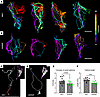 Figure 3
Tracer pathlines are more tortuous in the dcLNs of hypertensive rats. (A and B) Representative pathlines from 4 WKY (A) and 4 SHRSP (B) dcLNs, with pathline color indicating tortuosity. Scale bar: 2 mm. (C and D) Examples of highly tortuous pathlines from a single WKY (C) and SHRSP (D) dcLN. Insets show the pathlines overlaid on the corresponding DCE-MRI. (E and F) Quantification of pathline tortuosity (E) and length (F) for WKY (black) and SHRSP (green) rats. Data are presented as mean ± SD, with each dot representing a single dcLN. A 2-sided Welch’s t test was used for statistical comparison. P = 0.0500 (E); ***P < 0.0001 (F).
gSB analysis reveals reduced dcLN lymph flow in hypertensive rats. To investigate the impact of chronic hypertension on lymph flow through the dcLN, we first derived and analyzed the time trajectories of tracer influx and efflux in the afferent and efferent regions, respectively, across the 2 groups. As anticipated, given that the lymph was tagged with GadoSpin-P administered as a bolus into the CSF, influx was initially high (Figure 4A), and over time when the tracer moved through the node and cleared, signal in the afferent region gradually dissipated (Figure 4A). Statistical analysis revealed that tracer influx was significantly reduced in SHRSP dcLNs compared with WKY rats (time × group interaction, P < 0.0001). These findings suggest that chronic hypertension impairs dcLN drainage through intrinsic structural or functional remodeling of the node, reduced upstream delivery of brain-derived lymph, or a combination of both. The efflux time trajectory of the normotensive WKY dcLN revealed that drainage was accelerated in the early period, peaked at approximately 55 minutes, and then gradually tapered off, although it was sustained throughout the remaining experimental time window (Figure 4B). For the SHRSP dcLN, the time course of efflux exhibited a steady acceleration, which plateaued at approximately 75 minutes. Statistical analysis showed that dcLN efflux was lower for SHRSP compared with WKY rats (time × group interaction, P < 0.001). We also calculated the net rate, which is the summation of tracer influx and efflux, providing information on the overall net flow through the nodes. These data revealed that the dcLN was dominated by tracer influx for the first 35 minutes, after which net efflux predominated (Figure 4C). The net rate time trajectories were significantly different across groups (time × group interaction, P < 0.0001).
 Figure 4
Lymph flow through the dcLNs is reduced in chronic hypertension. (A–C) Time course of volume-normalized tracer influx (A), efflux (B), and net rate (C) in dcLNs from WKY and SHRSP rats. (D) Time course of tracer speed within 3 k-means–derived clusters of the dcLN. (E) Comparison of average tracer speed across clusters for WKY dcLN. (F) Representative time-averaged speed map of a WKY dcLN and a SHRSP dcLN with clusters overlaid. (G) Comparison of volume-integrated speed (cluster volume × mean speed) in cluster 3 between WKY dcLNs and SHRSP dcLNs. (H) Schematic illustrating the calculation of tracer flow, where n is the vector perpendicular to the imaging slices. (I) Time course of volume flow through the cluster 3 region in WKY and SHRSP rats. (J) Time course of tracer flow through the cluster 3 region in WKY and SHRSP rats. Data in A–C, I, and J are presented as mean with 95% CI. Data in D are presented as mean with 95% CI for WKY dcLNs. Data in E and G are presented as mean ± SD with individual data points shown. In A–C, I, and J, group differences were assessed using a mixed-effects model with Geisser-Greenhouse correction, followed by Fisher’s least significant difference for multiple comparisons. In E, differences across clusters were assessed using unpaired t tests. In G, group differences were assessed using an unpaired t test. ns, not significant; *P < 0.05; **P < 0.01; ***P < 0.001; ****P < 0.0001.
We next quantified the time trajectories of gSB–derived speed within dcLN subregions defined by the k-means clusters. In WKY rats, speed was stable across the full experimental time window for all 3 clusters (Figure 4D), justifying the use of time-averaged speed as the primary metric. Comparison of mean cluster speeds in WKY rats revealed a spatial gradient of increasing transport velocity from the subcapsular sinus inward: cluster 1 (subcapsular sinus) exhibited the lowest average speed, approximately 12% lower than cluster 2 (paracortical sinus; P < 0.05); cluster 3 (medullary sinus) showed the highest speed, approximately 30% greater than cluster 2 (P < 0.0001; Figure 4E). Time-averaged speed maps overlaid with cluster masks confirmed that the high-speed region colocalized with cluster 3 in both WKY and SHRSP nodes (Figure 4F), consistent with the medullary sinus serving as the principal conduit for efferent lymphatic output. To assess dcLN functional capacity, we computed 3 complementary metrics within cluster 3. First, volume-integrated speed (cluster volume × mean speed; mm4/min) provided a scalar index of total fluid motion within the compartment and was significantly higher in WKY than SHRSP dcLNs (P < 0.01; Figure 4G). Because this metric does not directly correspond to lymph flow, we next computed directional volume flow through cluster 3 in the xy plane, averaged across slices spanning the central half of the node (from one-fourth to three-fourths of its height) to minimize edge effects (Figure 4H). Volume flow was stable over time in both groups and was significantly lower in SHRSP compared with WKY rats (group × time interaction, P < 0.05; Figure 4I), consistent with reduced lymphatic drainage capacity under chronic hypertension. Finally, given the spatial resolution of the DCE-MRI acquisition, individual voxels within cluster 3 may encompass both sinus lumen and immediately adjacent tissue, resulting in partial volume averaging. Tracer mass flow, which weights transport by local signal intensity, therefore, provides a more spatially sensitive index of lymph transport through the medullary sinus than volume flow alone. Tracer mass flow declined over time in both groups as the tracer cleared and was significantly lower in SHRSP than WKY dcLNs (group × time interaction, P < 0.01; Figure 4J), corroborating the volume flow findings and further supporting impaired efferent drainage in hypertensive rats.
Histopathology. We performed IHC with structure-specific staining for the lymphatic sinuses (LYVE-1) and smooth muscle cell mass of the vasculature (α-smooth muscle actin, α-SMA) of dcLNs harvested from WKY and SHRSP rats. Figure 5 shows representative dcLNs stained for LYVE-1, highlighting the intricate network of lymphatic vessels traversing the lymph node in WKY (Figure 5, A and B) and SHRSP rats (Figure 5, D and E). We developed a comprehensive automated pipeline (SinusFinder) specifically designed for detecting and quantifying both the LYVE-1–labeled lymphatic surface (walls) and the inside sinus area (Supplemental Figure 3). An example of LYVE-1–positive sinus areas in WKY and SHRSP dcLNs is shown in the magnified figures (Figure 5, C and F). Figure 5 also shows the SMA distribution pattern in dcLNs of WKY and SHRSP rats (Figure 5, G–J). The quantitative analysis revealed that the LYVE-1–positive lymphatic surface area (normalized to the corresponding dcLN area) and the LYVE-1 mean intensity were similar across the WKY and SHRSP rats (Figure 5, K and L). However, the LYVE-1–positive sinus area was higher in the SHRSP compared with WKY rats (Figure 5M, P = 0.089), likely reflecting a larger number of ectasias observed in the dcLN of the hypertensive rats (Figure 5F). The quantitative analysis also revealed an increased area fraction and signal intensity of SMA associated with the dcLN arteries of the SHRSP rats, reflecting the chronic hypertensive conditions (Figure 5, N and O). Representative trichrome-stained sections from 1 WKY and 1 SHRSP dcLN are shown in Supplemental Figure 8, demonstrating striking fibrosis associated with the lymphatic sinuses in the SHRSP dcLN compared with the WKY control. Taken together, these findings indicate that chronic hypertension is associated with significant structural remodeling of the dcLN in SHRSP rats, including vascular changes consistent with those observed in other organs under hypertensive conditions.
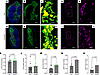 Figure 5
Histopathology of dcLNs from WKY and SHRSP rats. (A–C, G, and H) Representative WKY dcLN and (D–F, I, and J) SHRSP dcLN stained with LYVE-1 (green), α-SMA (magenta), and Hoechst (blue). The sinuses are color-coded in yellow in C and F. High-magnification insets of the boxed regions are shown in C, F, H, and J. (K–O) Quantification of LYVE-1 area fraction (K), LYVE-1 mean intensity (L), sinus area fraction (M), α-SMA area fraction (N), and α-SMA mean intensity (O) in dcLNs from WKY (black) and SHRSP rats (green in K–M; magenta in N and O). Each dot represents the value obtained from 1 dcLN. Data are presented as mean ± SD. Statistical analysis was performed using a 2-sided Welch’s unequal variances t test.

-
Methods
Sex as a biological variable
Our study only examined female animals due to size restriction of the 9.4T MRI core used in the study, which cannot accommodate rats weighing more than 400 g.
Rats
WKY (strain code 008) and SHRSP rats were purchased from Charles River Laboratories; the SHRSP line has since been discontinued and is maintained cryopreserved. The rats were housed in an environment with controlled temperature and humidity, individually ventilated cages, and a 12-hour light/12-hour dark cycle from 7:00 am to 7:00 pm, and they were fed standard chow and water ad libitum.
gSB model
The SB models the most probable stochastic evolution of a closed system, such as a cloud of particles, from a known initial to a known final distribution over a specified period. The basic SB model considers that the total mass of the system remains unchanged. Building on Chen et al. (64, 65), who consider only the possibility of mass loss, we expanded the formulation of the model to account for microflow with both influx and efflux, generalizing the basic SB formalism into the gSB model. A detailed exposition building from SB to the gSB model is provided in the supplemental materials. Given an initial density function and a final density function, the gSB model arises as the solution to the following fluid flow optimization. Given an initial density function ρ0 and a final density function ρ1, the gSB model solves the following computational fluid dynamics problem:
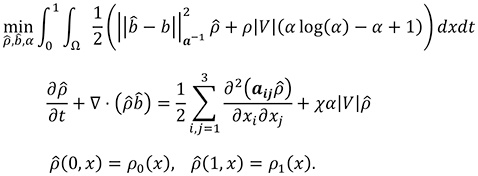
Here


 is the spatiotemporal dependent density function that can represent the concentration of the tracer; is the prior velocity field;
is the posterior velocity field;
 is the prior influx rate (V > 0) and efflux rate (V < 0);
 is the relative change in influx/efflux rate;is the indicator function of influx/efflux rate; Ω is the spatial domain, which is lymph node here;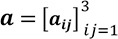
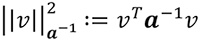 is the diffusion coefficient matrix, and.
A point cloud illustration is shown in Supplemental Figure 4, A and B; observed initial and final particle distributions are shown in Supplemental Figure 4A, and Supplemental Figure 4B shows gSB-generated particle trajectories and intermediate distributions. The gSB model provides the most likely distribution of flow velocities as well as influx and efflux rates. The prior modelencodes any hypotheses on the flow of solute in, across, and out of the flow field, and serves as a starting point to obtain a posterior model that aligns more closely with any available dataset that is being observed. An illustration that juxtaposes the schematics of the distribution of prior and posterior flow lines is in Supplemental Figure 4, C and D. To highlight the effect of the choice of different priors, a 1D simulation and its parameters are provided in Supplemental Figure 5 (Supplemental Videos 1–3) and Supplemental Table 1. The parameters for implementing gSB on lymph node data are provided in Supplemental Table 2.
Animals and DCE-MRI imaging
Anesthesia and CSF catheter. On the day of the experiment, the rats underwent anesthesia, and a small catheter was placed into the CSF compartment via the cisterna magna (28). Anesthesia included induction with 3% isoflurane delivered into a chamber in 100% oxygen. After the loss of the righting reflex, the rats were given dexmedetomidine (0.007 mg/kg i.p.) mixed with glycopyrrolate (0.02 mg/kg i.p.). During surgery, isoflurane was kept at 2% delivered with a 1:1 mixture of O2/air. In a stereotaxic instrument and with the head flexed 30°, a small catheter made of copper (0.32 mm o.d., Nippon Tokushukan) connected to PE10 tubing was carefully inserted into the cisterna magnum and secured in place using cyanoacrylate glue. After surgery, the anesthetized rats were transferred to the MRI instrument and placed supine on the custom-built 3D-printed animal bed. During imaging, anesthesia was maintained with a subcutaneous infusion of dexmedetomidine (0.009 mg/kg/h) supplemented with low-dose 1% isoflurane. Throughout the experiments, vital signs including pulse oximetry, heart rate, respiratory rate, and body temperature were monitored using noninvasive MRI-compatible monitors (SA Instruments).
DCE-MRI imaging. All MRI imaging was performed on a Bruker 9.4T/16 magnet (Bruker BioSpin) operating with Paravision 6.0.1 software and interfaced with an Avance III-HD console. We used a custom-made transmit radio-frequency coil (50 mm i.d.) for signal excitation, and a 2 cm surface radio-frequency loop coil (Bruker) positioned over the neck of the rat was used as a receiver. After baseline scanning, 30 μL of GadoSpin-P was infused into CSF at the rate of 1.5 μL/min using a high-precision pump (Legato 130 Nanoliter, KD Scientific). The lyophilized powder of GadoSpin-P was reconstituted in 850 μL of sterile saline (0.9% NaCl), yielding a 25 mM GadoSpin-P solution and used within 12 hours of preparation. For DCE-MRI, T1-weighted images were acquired using a flow-compensated 3D FastLow-Angle-Shot (FLASH) sequence (TR/TE/FA/number of averages = 15 ms/4 ms/15°/1, scanning time = 5.63 minutes, resolution = 0.2 × 0.2 × 0.2 mm3). Postcontrast 3D FLASH T1-weighted scans were acquired continuously for 180 minutes. For each rat, the DCE-MRI time series included 37 images with a size of 150 × 150 × 150.
Preprocessing of DCE-MRI images.
The DCE-MRI data were corrected for motion, followed by intensity normalization and smoothing, and then voxel-wise percentage signal change to baseline was calculated using the submandibular jaw muscles for signal intensity normalization. Next, the DCE-MRI data underwent further denoising. For the denoising step, the series of MRI images was treated as a 4D image with a matrix of 150 × 150 × 150 × 37, and a 4D affine denoising filter to smooth the spatial and temporal domains was applied simultaneously, using the 2D version (66) and 3D version (67). The level set surface evolved along the affine-invariant geometric flow:
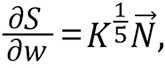
where S = (x(w), y(w), z(w), t(w)) was the level set surface, w was the pseudo time parameter in the surface evolution, K was the Gaussian curvature, and
 as the unit normal vector.
The corresponding change in image intensity would be:
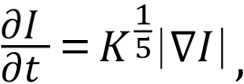
where I = I(x, y, z, t, w) was the image intensity at location (x, y, z), time t, and evolution step w. In the implementation, we used the finite difference method to solve the above partial differential equation. The space resolution was Δx = Δy = Δz = Δt = 1. The length of the evolution step was Δw = 0.1, and 10 iterations were run. The denoised percentage signal change from baseline images was then used for the remaining analysis.
Anatomical dcLN segmentation.
The first step in processing dynamic DCE-MRI images involves reviewing the cine sequence. This step allowed us to inspect for any leakage of GadoSpin-P contrast from the CSF compartment, as well as to identify severe artifacts or irregularities. Ensuring these issues were addressed helped ensure that the subsequent gSB analysis was conducted on data with a reliable contrast enhancement pattern. This step allowed us to include 12 dcLNs in the WKY rats (n = 1 rat, dcLN = 2 was excluded due to excessive motion) and 10 dcLN in the SHRSP rats (n = 1 rat, dcLN = 2 were excluded due to failure of the GadoSpin-P injection). Second, the time series of postcontrast T1-weighted images were summed and used as an anatomical template to manually outline volumes of interest using PMOD software (v3.908, PMOD Technologies). We then manually identified and segmented the dcLN, the influx afferent region, and the efflux efferent region on the time-summed image. By checking the signal curve for each node, we selected a time window that started at the time the tracer arrived in the dcLN and included 120 minutes of the experimental time window. The DCE-MRI data within this timeframe were ingested into the gSB algorithm, and we refer to this time period as analysis time. In addition, we also segmented the accessory cervical lymph nodes and extracted the TSCs from all the rats.
Clustering.
We performed k-means clustering on the denoised DCE-MRI data in MATLAB to delineate functional zones within each dcLN. For each node, voxels in the lowest 20% by signal “energy” (defined as the sum of squared signal intensity over time) were designated as background and excluded from clustering. The number of clusters was selected using the elbow method applied to the WCSS applied on all WKY dcLNs (68). Cluster indices were sorted according to the mean signal intensity of each cluster to ensure consistency across all nodes. Specifically, cluster 1 was assigned to the lowest-signal region, whereas cluster 3 was assigned to the highest-signal region.

-
Lagrangian visualization.
We followed Koundal et al. (26) to derive the Lagrangian visualization. Each pathline in Figure 2E is a function of time and starting point, and we denote this function by L(t, x), which satisfies
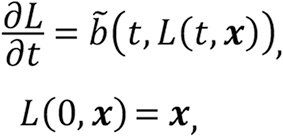
where
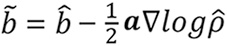 is the augmented velocity derived from the gSB results. In our study, we assume a is a constant matrix. The augmented velocity comes from writing the advection-diffusion equation in conservation form:
Once the pathlines were derived, we endowed them with different properties, such as length l(L), tortuosity τ(L), or other flow quantities for its corresponding time t and location L(t, x), like speed. The tortuosity was derived from dividing the length by the distance between the starting point and endpoint, i.e., τ(L) = l(L)/|L(end time, x) – x|
The pathlines in Figure 2E and Figure 3, A, B, E, and F, were selected according to their initial points within the influx mask. Specifically, the 3D influx mask was first reshaped into a 1D array, and 20 starting voxels were then selected at approximately equal intervals from this array. In cases where the influx mask contained fewer than 20 voxels, all available voxels were used.
-
Quantification of influx and efflux
We denote the number of voxels within the dcLN as nVoxels. We denote the influx region and the clearance region by Ω+ and Ω−. The tracer influx, normalized by the dcLN volume, is expressed as
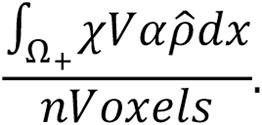
Similarly, the tracer efflux, normalized by dcLN volume, and the tracer net rate are:
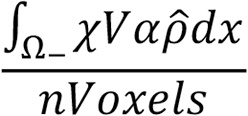
and
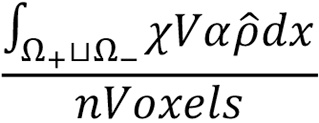
respectively. The speed value is an averaged value weighted by the density, that is,
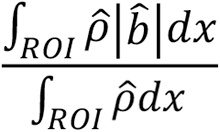
Considering the number of particles that each pathline represents, the pathline tortuosity (length) value is computed by averaging the tortuosity (length) value of each pathline weighted by the signal at its starting point, where the signal is the mean of the first 2 frames.
The tracer flow is computed at each slice parallel to the xy-plane and is averaged over the slices from the top to the bottom. Specifically, if we assume the z index of the top point of the dcLN is z0 and the z index of the bottom point of the dcLN is z1, then the starting slice has z index

and the bottom slice has z index

The tracer flow is computed by
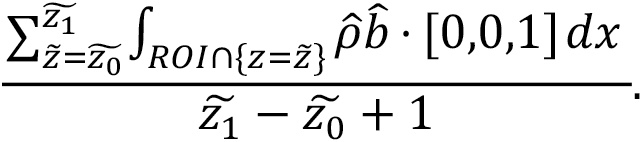
Online supplemental material
The Supplemental methods include sections for (a) the SB model, (b) the gSB variant and biologically informed gSB model implementation, and (c) the LYVE-1 segmentation methodology. Supplemental Figure 1 shows the drainage pathways and MRI morphology of the cervical lymph nodes. Supplemental Figure 2 shows the visual display of the gSB model output derived from the lymph nodes. Supplemental Figure 3 shows the computational pipeline for LYVE-1 imaging processing. Supplemental Figure 4 shows a conceptual illustration of pathlines derived from the gSB model highlighting the importance of prior information. Supplemental Figure 5 shows 1D simulations directly illustrating the importance of prior information. Supplemental Figure 6 shows a comparison between skipped frames and gSB interpolations. Supplemental Figure 7 shows sensitivity analysis results. Supplemental Figure 8 shows trichrome stains of dcLNs from a WKY and SHRSP rat.
Article tools
- Download citation information
- Send a comment
- Terms of use
- Standard abbreviations
- Need help? Email the journal
Metrics
Go to
- Top
- Abstract
- Introduction
- Results
- Discussion
- Methods
- Lagrangian visualization.
- Histopathology
- Histopathology image segmentation and quantification
- Quantification of influx and efflux
- Statistics
- Study approval
- Data availability
- Author contributions
- Conflict of interest
- Funding support
- Supplemental material
- Acknowledgments
- Footnotes
- References
- Version history


