
Research ArticleCardiologyVascular biology
Open Access |  10.1172/jci.insight.201797
Pulsatile flow dynamics maintain pulmonary artery architecture
Stephen B. Spurgin,1,2 Lauren Thai,2 Tina C. Wan,3,4 Christopher P. Chaney,5 Mitzy A. Cowdin,1 Surendranath Veeram Reddy,2 Tarique Hussain,2,6 Munes Fares,2 M. Luisa Iruela-Arispe,7 Thomas Carroll,5 Andrew D. Spearman,3 and Ondine Cleaver1
1Department of Molecular Biology, and
2Heart Center, Children’s Health, Division of Cardiology, Department of Pediatrics, UT Southwestern Medical Center, Dallas, TX, USA.
3Department of Pediatrics, Division of Cardiology, Medical College of Wisconsin, Children’s Wisconsin, Herma Heart Institute, Milwaukee, Wisconsin, USA.
4Cardiovascular Center, Medical College of Wisconsin, Milwaukee, Wisconsin, USA.
5Department of Internal Medicine and Division of Nephrology, and
6Department of Radiology, University of Texas Southwestern Medical Center, Dallas, Texas, USA.
7Department of Cell and Developmental Biology, Northwestern University Feinberg School of Medicine, Chicago, Illinois, USA.
Address correspondence to: Ondine Cleaver, Department of Molecular Biology, University of Texas Southwestern Medical Center, 5323 Harry Hines Blvd., NA8.300 Dallas, Texas 75390-9148, USA. Phone: 214.648.1647; Email: ondine.cleaver@utsouthwestern.edu.
Find articles by Spurgin, S. in: PubMed | Google Scholar
1Department of Molecular Biology, and
2Heart Center, Children’s Health, Division of Cardiology, Department of Pediatrics, UT Southwestern Medical Center, Dallas, TX, USA.
3Department of Pediatrics, Division of Cardiology, Medical College of Wisconsin, Children’s Wisconsin, Herma Heart Institute, Milwaukee, Wisconsin, USA.
4Cardiovascular Center, Medical College of Wisconsin, Milwaukee, Wisconsin, USA.
5Department of Internal Medicine and Division of Nephrology, and
6Department of Radiology, University of Texas Southwestern Medical Center, Dallas, Texas, USA.
7Department of Cell and Developmental Biology, Northwestern University Feinberg School of Medicine, Chicago, Illinois, USA.
Address correspondence to: Ondine Cleaver, Department of Molecular Biology, University of Texas Southwestern Medical Center, 5323 Harry Hines Blvd., NA8.300 Dallas, Texas 75390-9148, USA. Phone: 214.648.1647; Email: ondine.cleaver@utsouthwestern.edu.
Find articles by Thai, L. in: PubMed | Google Scholar
1Department of Molecular Biology, and
2Heart Center, Children’s Health, Division of Cardiology, Department of Pediatrics, UT Southwestern Medical Center, Dallas, TX, USA.
3Department of Pediatrics, Division of Cardiology, Medical College of Wisconsin, Children’s Wisconsin, Herma Heart Institute, Milwaukee, Wisconsin, USA.
4Cardiovascular Center, Medical College of Wisconsin, Milwaukee, Wisconsin, USA.
5Department of Internal Medicine and Division of Nephrology, and
6Department of Radiology, University of Texas Southwestern Medical Center, Dallas, Texas, USA.
7Department of Cell and Developmental Biology, Northwestern University Feinberg School of Medicine, Chicago, Illinois, USA.
Address correspondence to: Ondine Cleaver, Department of Molecular Biology, University of Texas Southwestern Medical Center, 5323 Harry Hines Blvd., NA8.300 Dallas, Texas 75390-9148, USA. Phone: 214.648.1647; Email: ondine.cleaver@utsouthwestern.edu.
Find articles by Wan, T. in: PubMed | Google Scholar
1Department of Molecular Biology, and
2Heart Center, Children’s Health, Division of Cardiology, Department of Pediatrics, UT Southwestern Medical Center, Dallas, TX, USA.
3Department of Pediatrics, Division of Cardiology, Medical College of Wisconsin, Children’s Wisconsin, Herma Heart Institute, Milwaukee, Wisconsin, USA.
4Cardiovascular Center, Medical College of Wisconsin, Milwaukee, Wisconsin, USA.
5Department of Internal Medicine and Division of Nephrology, and
6Department of Radiology, University of Texas Southwestern Medical Center, Dallas, Texas, USA.
7Department of Cell and Developmental Biology, Northwestern University Feinberg School of Medicine, Chicago, Illinois, USA.
Address correspondence to: Ondine Cleaver, Department of Molecular Biology, University of Texas Southwestern Medical Center, 5323 Harry Hines Blvd., NA8.300 Dallas, Texas 75390-9148, USA. Phone: 214.648.1647; Email: ondine.cleaver@utsouthwestern.edu.
Find articles by Chaney, C. in: PubMed | Google Scholar
1Department of Molecular Biology, and
2Heart Center, Children’s Health, Division of Cardiology, Department of Pediatrics, UT Southwestern Medical Center, Dallas, TX, USA.
3Department of Pediatrics, Division of Cardiology, Medical College of Wisconsin, Children’s Wisconsin, Herma Heart Institute, Milwaukee, Wisconsin, USA.
4Cardiovascular Center, Medical College of Wisconsin, Milwaukee, Wisconsin, USA.
5Department of Internal Medicine and Division of Nephrology, and
6Department of Radiology, University of Texas Southwestern Medical Center, Dallas, Texas, USA.
7Department of Cell and Developmental Biology, Northwestern University Feinberg School of Medicine, Chicago, Illinois, USA.
Address correspondence to: Ondine Cleaver, Department of Molecular Biology, University of Texas Southwestern Medical Center, 5323 Harry Hines Blvd., NA8.300 Dallas, Texas 75390-9148, USA. Phone: 214.648.1647; Email: ondine.cleaver@utsouthwestern.edu.
Find articles by Cowdin, M. in: PubMed | Google Scholar
1Department of Molecular Biology, and
2Heart Center, Children’s Health, Division of Cardiology, Department of Pediatrics, UT Southwestern Medical Center, Dallas, TX, USA.
3Department of Pediatrics, Division of Cardiology, Medical College of Wisconsin, Children’s Wisconsin, Herma Heart Institute, Milwaukee, Wisconsin, USA.
4Cardiovascular Center, Medical College of Wisconsin, Milwaukee, Wisconsin, USA.
5Department of Internal Medicine and Division of Nephrology, and
6Department of Radiology, University of Texas Southwestern Medical Center, Dallas, Texas, USA.
7Department of Cell and Developmental Biology, Northwestern University Feinberg School of Medicine, Chicago, Illinois, USA.
Address correspondence to: Ondine Cleaver, Department of Molecular Biology, University of Texas Southwestern Medical Center, 5323 Harry Hines Blvd., NA8.300 Dallas, Texas 75390-9148, USA. Phone: 214.648.1647; Email: ondine.cleaver@utsouthwestern.edu.
Find articles by Reddy, S. in: PubMed | Google Scholar
1Department of Molecular Biology, and
2Heart Center, Children’s Health, Division of Cardiology, Department of Pediatrics, UT Southwestern Medical Center, Dallas, TX, USA.
3Department of Pediatrics, Division of Cardiology, Medical College of Wisconsin, Children’s Wisconsin, Herma Heart Institute, Milwaukee, Wisconsin, USA.
4Cardiovascular Center, Medical College of Wisconsin, Milwaukee, Wisconsin, USA.
5Department of Internal Medicine and Division of Nephrology, and
6Department of Radiology, University of Texas Southwestern Medical Center, Dallas, Texas, USA.
7Department of Cell and Developmental Biology, Northwestern University Feinberg School of Medicine, Chicago, Illinois, USA.
Address correspondence to: Ondine Cleaver, Department of Molecular Biology, University of Texas Southwestern Medical Center, 5323 Harry Hines Blvd., NA8.300 Dallas, Texas 75390-9148, USA. Phone: 214.648.1647; Email: ondine.cleaver@utsouthwestern.edu.
Find articles by Hussain, T. in: PubMed | Google Scholar
1Department of Molecular Biology, and
2Heart Center, Children’s Health, Division of Cardiology, Department of Pediatrics, UT Southwestern Medical Center, Dallas, TX, USA.
3Department of Pediatrics, Division of Cardiology, Medical College of Wisconsin, Children’s Wisconsin, Herma Heart Institute, Milwaukee, Wisconsin, USA.
4Cardiovascular Center, Medical College of Wisconsin, Milwaukee, Wisconsin, USA.
5Department of Internal Medicine and Division of Nephrology, and
6Department of Radiology, University of Texas Southwestern Medical Center, Dallas, Texas, USA.
7Department of Cell and Developmental Biology, Northwestern University Feinberg School of Medicine, Chicago, Illinois, USA.
Address correspondence to: Ondine Cleaver, Department of Molecular Biology, University of Texas Southwestern Medical Center, 5323 Harry Hines Blvd., NA8.300 Dallas, Texas 75390-9148, USA. Phone: 214.648.1647; Email: ondine.cleaver@utsouthwestern.edu.
Find articles by Fares, M. in: PubMed | Google Scholar
1Department of Molecular Biology, and
2Heart Center, Children’s Health, Division of Cardiology, Department of Pediatrics, UT Southwestern Medical Center, Dallas, TX, USA.
3Department of Pediatrics, Division of Cardiology, Medical College of Wisconsin, Children’s Wisconsin, Herma Heart Institute, Milwaukee, Wisconsin, USA.
4Cardiovascular Center, Medical College of Wisconsin, Milwaukee, Wisconsin, USA.
5Department of Internal Medicine and Division of Nephrology, and
6Department of Radiology, University of Texas Southwestern Medical Center, Dallas, Texas, USA.
7Department of Cell and Developmental Biology, Northwestern University Feinberg School of Medicine, Chicago, Illinois, USA.
Address correspondence to: Ondine Cleaver, Department of Molecular Biology, University of Texas Southwestern Medical Center, 5323 Harry Hines Blvd., NA8.300 Dallas, Texas 75390-9148, USA. Phone: 214.648.1647; Email: ondine.cleaver@utsouthwestern.edu.
Find articles by
Iruela-Arispe, M.
in:
PubMed
|
Google Scholar
|

1Department of Molecular Biology, and
2Heart Center, Children’s Health, Division of Cardiology, Department of Pediatrics, UT Southwestern Medical Center, Dallas, TX, USA.
3Department of Pediatrics, Division of Cardiology, Medical College of Wisconsin, Children’s Wisconsin, Herma Heart Institute, Milwaukee, Wisconsin, USA.
4Cardiovascular Center, Medical College of Wisconsin, Milwaukee, Wisconsin, USA.
5Department of Internal Medicine and Division of Nephrology, and
6Department of Radiology, University of Texas Southwestern Medical Center, Dallas, Texas, USA.
7Department of Cell and Developmental Biology, Northwestern University Feinberg School of Medicine, Chicago, Illinois, USA.
Address correspondence to: Ondine Cleaver, Department of Molecular Biology, University of Texas Southwestern Medical Center, 5323 Harry Hines Blvd., NA8.300 Dallas, Texas 75390-9148, USA. Phone: 214.648.1647; Email: ondine.cleaver@utsouthwestern.edu.
Find articles by
Carroll, T.
in:
PubMed
|
Google Scholar
|
1Department of Molecular Biology, and
2Heart Center, Children’s Health, Division of Cardiology, Department of Pediatrics, UT Southwestern Medical Center, Dallas, TX, USA.
3Department of Pediatrics, Division of Cardiology, Medical College of Wisconsin, Children’s Wisconsin, Herma Heart Institute, Milwaukee, Wisconsin, USA.
4Cardiovascular Center, Medical College of Wisconsin, Milwaukee, Wisconsin, USA.
5Department of Internal Medicine and Division of Nephrology, and
6Department of Radiology, University of Texas Southwestern Medical Center, Dallas, Texas, USA.
7Department of Cell and Developmental Biology, Northwestern University Feinberg School of Medicine, Chicago, Illinois, USA.
Address correspondence to: Ondine Cleaver, Department of Molecular Biology, University of Texas Southwestern Medical Center, 5323 Harry Hines Blvd., NA8.300 Dallas, Texas 75390-9148, USA. Phone: 214.648.1647; Email: ondine.cleaver@utsouthwestern.edu.
Find articles by Spearman, A. in: PubMed | Google Scholar
1Department of Molecular Biology, and
2Heart Center, Children’s Health, Division of Cardiology, Department of Pediatrics, UT Southwestern Medical Center, Dallas, TX, USA.
3Department of Pediatrics, Division of Cardiology, Medical College of Wisconsin, Children’s Wisconsin, Herma Heart Institute, Milwaukee, Wisconsin, USA.
4Cardiovascular Center, Medical College of Wisconsin, Milwaukee, Wisconsin, USA.
5Department of Internal Medicine and Division of Nephrology, and
6Department of Radiology, University of Texas Southwestern Medical Center, Dallas, Texas, USA.
7Department of Cell and Developmental Biology, Northwestern University Feinberg School of Medicine, Chicago, Illinois, USA.
Address correspondence to: Ondine Cleaver, Department of Molecular Biology, University of Texas Southwestern Medical Center, 5323 Harry Hines Blvd., NA8.300 Dallas, Texas 75390-9148, USA. Phone: 214.648.1647; Email: ondine.cleaver@utsouthwestern.edu.
Find articles by
Cleaver, O.
in:
PubMed
|
Google Scholar
|
Published May 8, 2026 - More info
JCI Insight. 2026;11(9):e201797. https://doi.org/10.1172/jci.insight.201797.
© 2026 Spurgin et al. This work is licensed under the Creative Commons Attribution 4.0 International License. To view a copy of this license, visit http://creativecommons.org/licenses/by/4.0/.
Received: November 6, 2025; Accepted: March 13, 2026


-
Results
The Glenn shunt directs venous blood flow to PAs. Arterial vessels normally experience blood flow directly from a pumping cardiac ventricle, adding pulsatility to the magnitude of hemodynamic forces (Figure 1A). By reviewing the known characteristics of 3 distinct pairings of arteries and veins (systemic, pulmonary, and umbilical) in human, we note that pulsatile flow is a shared, definitional quality of arteries (Supplemental Figure 1; supplemental material available online with this article; https://doi.org/10.1172/jci.insight.201797DS1). Pulsatility is thus an inherent quality of blood flow in arterial vessels. After a Glenn surgery, however, the PAs no longer receive blood flow directly from a pumping heart ventricle. Instead, pulmonary blood flow is provided by the Glenn shunt: direct venous flow through the superior vena cava (SVC), which is anastomosed to the PAs (Figure 1A). ECs that make up the inner lining of PAs downstream of normal cardiac vessel anatomy are subjected to force in 3 dimensions: flow/sheer stress, pressure, and circumferential stretch (Figure 1B) (22). Here, we assess these forces in the Glenn lung arteries.
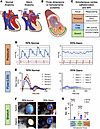 Figure 1
Loss of pulsatility in 3 dimensions within Glenn pulmonary arteries. (A) Diagrams of representative normal and Glenn cardiopulmonary anatomy. Red box highlights location of force pulsatility measurements at the right pulmonary artery (RPA). LPA, left pulmonary artery; SVC, superior vena cava. (B) Hemodynamic forces act on ECs in 3 dimensions: laminar shear stress (LSS)/flow (blue), pressure (orange), and circumferential stretch (green). Figure created in Biorender. (C) Outline of data collection method for each dimension of hemodynamic force. (D) Example pressure waveforms from the RPA of normal and Glenn patients. Electrocardiogram shown in red for correlation to cardiac cycle. (E) Variation in flow velocity of the proximal RPA measured by cardiac MRI throughout a cardiac cycle from systole (start) to end-diastole (end). Variability in length of time for each patient reflects the variable heart rate within each participant. (F) Cardiac MRI velocity–encoded phase-contrast images, with color showing velocity of blood flow out of the plane of the image slice. Dotted orange line shows RPA border. RPA diameter increases during systole in a normal patient but does not increase during systole in Glenn patient. (G) Quantification of pulse difference of each dimension of force, obtained during combined cardiac catheterization and cardiac MRI of normal (n = 20) and Glenn (n = 20) patients, demonstrating loss of pulsatility in the Glenn. Circumference change (%) was calculated from baseline in diastole. ****P ≤ 0.0001 by unpaired, 2 tailed Student’s t test with Welch’s correction.
Pulsatility loss in 3 dimensions in Glenn patients. To quantitatively determine the loss of PA pulsatility in patients with Glenn anatomy, we used combined cardiac catheterization and cardiac MRI (cath/MRI) in 20 Glenn patients to obtain simultaneous data in all 3 dimensions of force: pressure, flow, and circumferential stretch (Figure 1, B and C). These data were compared to data obtained in 20 age- and sex-matched patients with normal cardiopulmonary connections (see patient demographics in Supplemental Table 1). First, as has long been observed clinically, we observed pulsatility loss in the PA pressure of Glenn patients (Figure 1D). Similarly, we noted that the Glenn shunt leads to non-pulsatile flow (LSS) in the PAs, as seen by a comparison of the PA velocity profiles in normal and Glenn (Figure 1E) patients throughout the cardiac cycle. Finally, we found that the circumference of the proximal right PA (RPA) does not expand repeatedly with each heartbeat in Glenn patients, demonstrating loss of pulsatile circumferential stretch (Figure 1, F). Thus pulsatility is lost in all three dimensions of force in patients with the Glenn circulation (Figure 1G).
In vitro modeling reveals unique transcriptome for each dimension of pulsatile force. ECs are highly responsive to mechanical force, and can react to differences in both magnitude and direction of force (39). Given the observed loss of pulsatility in Glenn patients, we next investigated the relative impact of pulsatility within each dimension of force on ECs. Using our patient cath/MRI pulsatility data, we designed in vitro experiments that model the pulsatility loss defined in Glenn patients.
To test the impact of each dimension of force on ECs, we exposed primary HPAECs to LSS, pressure, or stretch, using different flow platforms (Figure 2A). Each isolated, single dimension of force was applied to cultured HPAECs in a pulsatile and non-pulsatile manner. For pulsatile LSS, we applied 0–15 dyn/cm2 shear stress at 1 Hz, which mimics the frequency of a resting heart rate. For pulsatile pressure, we modified the Ibidi equipment to expose HPAECs to columns of media positioned to alternately provide 5 or 25 mmHg pressure, at 1 Hz, in the absence of flow or stretch. For stretch, we used a Flexcell system to stretch HPAECs by 10% of their baseline along a single axis (again at a frequency of 1 Hz). To assess stable transcriptional changes between non-pulsatile and pulsatile conditions, and thus improve in vivo relevance of our findings, HPAECs were exposed to 48 hours of force or pulsatile force (Figure 2B). To best mimic in vivo conditions in the years of the Glenn stage, pulsatile stretch was compared to no stretch rather than continuous stretch, which does not happen in vivo as it would lead to progressive dilation of the vessel. Importantly, we did not find significant changes in baseline expression of common EC genes between the 3 experimental setups (Supplemental Figure 2), indicating no basic alteration of endothelial fate. We observed similar physical changes to those we and others have previously reported (40, 41); ECs align parallel to the axis of flow and perpendicular to the axis of stretch, and exhibit no alignment preference under continuous or pulsatile pressure (Figure 2C). The unique, force-dependent changes in cell shape in response to each axis of force highlight the need to examine them individually.
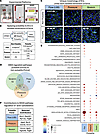 Figure 2
Pulsatility drives distinct signaling pathways within each dimension of force. (A) Diagram of cell culture setup to apply isolated dimensions of force to ECs. (B) Experimental conditions: HPAECs were exposed to 48 hours of a single dimension of either non-pulsatile or pulsatile force, and bulk RNA-seq was performed. (C) Representative images of HPAECs under flow (LSS), pressure, or stretch, displaying distinct cell-shape adjustments that occur in response to different forces, as revealed by immunofluorescent staining for the junction marker CDH5. Scale bar: 25μm. (D) GSEA of bulk RNA-seq data shows overlapping and unique pathways activated by each dimension of force. (E) Normalized enrichment score (NES) and adjusted P value shown for select signaling pathways shows greater impact of pulsatility within flow and stretch relative to pulsatility of pressure. (F) Key genes within the actin cytoskeleton pathway that are upregulated by each dimension of force.
We next carried out bulk RNA sequencing (RNA-seq) on HPAECs under each dimension of force, in a pulsatile or non-pulsatile manner (Supplemental Figure 5). We first investigated the overall pathways that were regulated by pulsatility. Using gene set enrichment analysis (GSEA), we noted that each dimension of force drove changes in unique signaling pathways, and that the impact of LSS was the most distinct. Overall, in HPAECs, laminar flow affected the greatest number of unique pathways (19), followed by stretch (10) and pressure (4) (Figure 2D). A wide range of pathway types were altered by biomechanical forces, many related to changes in structural cellular components, growth, or interaction of the cell with ECM (Figure 2E). We note that mitogen-activated protein kinase (Mapk) and epidermal growth factor receptor (ErbB, also known as HER) signaling were only induced by pulsatility of flow, while Hedgehog and Notch signaling were only induced by pulsatility of stretch. Pulsatile pressure did not uniquely regulate any obviously EC-related pathways but did upregulate the hypertrophic cardiomyopathy pathway.
In addition to these dimension-specific pathways, we found other pathways that are influenced across multiple dimensions of force. We found 10 pathways upregulated by all 3 dimensions of force, and 17 pathways induced by 2 of the 3 dimensions. We note that shear stress, stretch, and pressure all drove changes in the pathway “Regulation of Actin Cytoskeleton.” However, an analysis of the leading-edge subset (the genes within the pathway that are most significantly changed and thus responsible for the overall significance of the pathway) revealed upregulation of different genes by each dimension of force. For example, within the “Regulation of Actin Cytoskeleton” pathway, pulsatile pressure shows Actn1 and pulsatile flow yields Map2k1, while pulsatile stretch promotes Pdgfb, Arghef6, and others (Figure 2F). Different dimensions of force therefore drive different transcriptional changes that converge on similar pathways.
Stretch drives the majority of pulsatility-induced changes in PA EC gene expression. We next compared the differentially expressed genes induced by each dimension of force under pulsatile conditions. Strikingly, we found very little overlap between individual genes enriched in ECs under different dimensions of force, demonstrating unique responses to distinct forces. Of the genes significantly regulated by pulsatility, 93.4% (1205/1290) were driven by a single, unique dimension of force. Pulsatility of stretch accounted for over two-thirds (888 genes, 68.9%) of these genes (Figure 3A). Only 59 genes were uniquely induced by pulsatility of laminar flow, while 343 were uniquely induced by pulsatility of pressure. We found less overlap in individual genes regulated by pulsatility than there was in overall pathways. Twenty-three genes were regulated by pulsatility of both LSS and stretch, 56 genes by stretch and pressure, and 5 by pressure and LSS. Only a single gene (Fam84B or Lratd2) was upregulated by pulsatility in 3 dimensions of force.
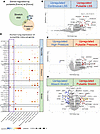 Figure 3
Transcriptional impact of pulsatility is greatest in the dimension of stretch, where it drives expression of the EC-specific gene Pdgfb. (A) Venn diagram of the number of genes significantly up- or downregulated by pulsatility of flow, pressure, or stretch (regardless of fold change). (B–D) Volcano plots of significantly regulated genes within each dimension of pulsatile force: (B) LSS, (C) pressure, and (D) stretch. (E) Genes upregulated by unique dimensions of pulsatile force in ECs were analyzed within the LungMAP single-cell RNA-seq data of human lung tissue (347,970 cells). Expression within ECs (purple box) was compared to other cell types. CCL14, CX3CL1, and PDGFB (black boxes) were uniquely expressed by ECs.
We initially hypothesized that application of pulsatile force on cultured ECs would induce greater expression of genes previously shown to be specific to arteries (42). We asked whether the classical markers of arteriovenous EC differentiation might be promoted by pulsatile forces. Contrary to our predictions, we found no dimension of pulsatility that significantly affected the expression of most developmental arterial (Efnb2, Eng, Sox17, Notch1, Jag1, Nrp1, and Bmx) or venous (Ephb4, Emcn, Nr2f1, Nr2f2/Coup-TFII, and Clu) driver genes (Supplemental Figure 3). Similarly, we found no significant changes arterial or venous standard marker genes in Glenn rate arterial ECs compared to sham operated rats (data not shown).
We next asked whether there were genes specifically induced by pulsatile LSS, pressure, or stretch, when compared with the non-pulsative forces. After applying a P-value cutoff of 0.05 and fold-change cutoff of 2, we found that pulsatile stretch drove a change in 44 genes, compared with 20 genes by pulsatility of flow, and 16 genes by pulsatility of pressure (Figure 3, B–D). Expression of these hits in data from other dimensions of force is shown in Supplemental Figure 4. Genes upregulated under pulsatile LSS included many factors involved in endothelial activation, inflammation, and proliferation (Figure 3B), while genes upregulated under pulsatile pressure included factors associated with cytoskeletal remodeling, cell adhesion, and RNA processing (Figure 3C). Gene expression was particularly impacted by application of pulsatile stretch, with many factors involved in tissue remodeling, inflammatory activation, and cellular stress responses being upregulated (Figure 3D), including factors driving cell division and cell survival pathways (Figure 3D).
Identification of Pdgfb as a stretch-induced gene in PA endothelium. As stretch accounted for the majority of pulsatility-regulated genes, we utilized published single-cell RNA-seq of human lung tissue (LungMAP; refs. 43, 44) to assess the cell-type-specific expression pattern of candidate genes (Supplemental Figure 6). We reasoned that narrowing the investigation to EC-specific genes shown to be in lung might identify endothelial factors that sense flow and normally respond by bolstering ECM or cellular components of the arterial media to increase resistance in proportion to hemodynamic load. Mgp, Epcam, Cx3cl1, and Pdgfb were highly expressed in a good proportion of ECs under stretch (Figure 3E), but we noted high EC specificity of the latter 2 genes. Analysis of the expression of these ligands and their receptors (Cx3cl1R and Pdgfrb, respectively) (Figure 4, A and B) underscored the pulsatility-induced crosstalk between ECs and perivascular cells (Pdgfb) (Figure 4A), and between ECs and immune cells (Cx3cl1 and Ccl14) (Supplemental Figure 6). We focused on the PDGFB pathway, as PDGFB is (a) well known to promote vSMC proliferation and recruitment (30), (b) a key component of the GSEA for ECs under stretch (Figure 2), and (c) a significant hit in our differential gene expression (Figure 3), and further investigated its role in pulmonary vessels.
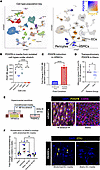 Figure 4
PDGFB expression in human lungs is EC specific, stretch induced, and stimulates vSMC proliferation. (A) Left: Cell-specific gene expression in human lung tissue was analyzed within the LungMAP single-cell RNA-seq data (347,970 cells). Right: Expression of PDGFB is high in ECs, with its receptor PDGFRβ found in pericytes and vSMCs. AEC, arterial endothelial cells; AF1, alveolar fibroblasts; AF2, adventitial fibroblast; AM, alveolar macrophage; IM, interstitial macrophage; LEC, lymphatic endothelial cells; NK, natural killer cells; SVEC, systemic vein endothelial cells; VEC, pulmonary venous endothelial cells. (B) Different human cell lines comprising the primary components of a blood vessel (endothelium, smooth muscle, fibroblasts) were exposed to pulsatile uniaxial 10% stretch at 1 Hz and only ECs secreted PDGFB into the media (as measured by ELISA). (C) Conditioned media from HPAECs placed under either 15 dyn/cm2 flow or 10% stretch at 1 Hz for 48 hours were assayed for PDGF-BB by ELISA, showing a 5-fold greater induction of PDGFB by stretch. (D) PDGFB measured by ELISA shows a significant reduction in plasma PDGFB from pulmonary artery to pulmonary vein (pulmonary capillary wedge sample, PCW) in plasma of Glenn patients compared with normal patients. (E) Left: Conditioned media from cultured HPAECs under stretch or static conditions were added to serum-starved (6 hours) PASMCs with or without SU-16f (a potent and selective small-molecule inhibitor of PDGFRβ), and EdU incorporation was measured after 24 hours. Right: Example immunofluorescent staining of PDGFB production by stretched ECs used for this experiment. (F) Left: EdU incorporation was greatest in PASMCs treated with stretched EC media, but the proliferative stimulus was blocked by SU-16f. Right: Example immunofluorescent staining of EdU incorporation by PASMCs. (E and F) Scale bar: 50 μm. *P ≤ 0.05; **P ≤ 0.01; ****P ≤ 0.0001 by unpaired, 2-tailed Student’s t test (B and C) or unpaired, 2-tailed Student’s t test with Welch’s correction (D and F).
Pulsatile stretch uniquely drives EC PDGFB secretion. To determine whether stretch induction of PDGFB expression was specific to ECs or also present in other cellular components of the vessel wall (vSMCs or fibroblasts), we assessed the impact of stretch on different cell types found in the vessel wall. We applied cyclic 10% stretch to HPAECs from 2 different patients: human aortic ECs (HAECs), human pulmonary artery SMCs (PASMCs), and normal human lung fibroblasts (NHLFs). We found that pulsatile stretch robustly induced secretion of PDGFB exclusively from EC lines (Figure 4B). As PDGFB is known to be induced by flow (45), we compared PDGFB secretion from ECs under continuous flow (mimicking the venous condition) to pulsatile stretch (mimicking the arterial condition). Induction of PDGFB by pulsatile stretch was 5-fold higher than the induction by laminar, continuous flow (Figure 4C).
We next assessed whether we could detect EC secretion of PDGFB in human patients by comparing the concentration of PDGFB in pulmonary veins with the concentration in the PAs (transpulmonary gradient). We hypothesized that PDGFB would be accumulate in the blood throughout the pulsatile, arterial endothelium and thus be carried to the veins, where its concentration would be higher in normal patients. We anticipated that detection in circulating blood would be difficult, as PDGFB is secreted basally to the perivascular space, not apically into the blood stream (46). Testing the blood of patients with either normal (heart transplant patient with normal vascular anatomy) or Glenn anatomy revealed that normal patients maintain a stable concentration of PDGFB across the pulmonary vascular bed (Figure 4D). However, Glenn patients demonstrated a significant reduction in the transpulmonary gradient of PDGFB relative to normal patients (Figure 4D). These data support the idea that absence of pulsatility in Glenn patients impairs stretch-induced PDGFB secretion.
Lastly, we examined PDGFB expression in stretched versus static HPAECs (Figure 4E) by immunofluorescence, as well as functional impact of conditioned media from these cells on vSMCs. Stretched HPAECs displayed significant expression of PDGFB protein compared with static HPAECs (Figure 4E). When conditioned media from these stretched ECs were added to cultured PASMCs, it induced a significant, 2-fold increase in proliferation (Figure 4F). This effect was abrogated by the addition of the potent and highly specific small-molecule PDGFRβ inhibitor SU16f (Figure 4F). These data demonstrate that stretched ECs relay a functionally relevant PDGFB signal to vSMCs, stimulating their proliferation.
Decreased PDGFB expression in pulmonary arteriole ECs of the Glenn rat model. Given the finding that stretch induces PDGFB secretion from pulmonary ECs, we utilized our animal model of the Glenn surgery to test whether arteries receiving non-pulsatile flow exhibited decreased endothelial PDGFB synthesis in vivo. We performed an end-to-end anastomosis of the left SVC (L-SVC) and the left PA (LPA) (Supplemental Figure 7). This mimics the Glenn surgery, directing only non-pulsatile venous blood flow from the head and upper extremity into the PA. As previously described, these rats develop hypoxemia secondary to intrapulmonary arteriovenous shunting (38). The hypoxemia develops rapidly (after 2 weeks) and is progressive (to 6 months; ref. 38).
To test whether rat arteries receiving non-pulsatile flow exhibited decreased PDGFB synthesis in their ECs, we focused on the distal lung arterioles — in the vicinity of where AVMs form in our patients, and where EC-specific expression of PDGFB is highest by single-cell RNA-seq (Figure 4A). To localize these arterioles and the PDGFB expression within the ECs, we used immunofluorescent staining with antibodies recognizing the endothelial junction marker VE-cadherin (CDH5), the vascular smooth muscle marker α-smooth muscle actin (αSMA), and the PDGFB protein (47). We found a significant reduction in endothelial PDGFB in arterioles of the Glenn rat (Figure 5A). Critically, we also noted loss of smooth muscle surrounding these distal arterial vessels in the Glenn. Quantification of the PDGFB immunofluorescence signal from 5 arterioles each from 3 sham- and 3 Glenn-operated left lungs revealed a significant decrease in endothelial PDGFB expression in the Glenn arterioles, but not in alveolar capillary ECs (Figure 5A).
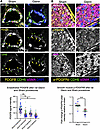 Figure 5
Loss of PDGFB in pulmonary endothelium and p-PDGFRβ in pulmonary vascular smooth muscle of rats after Glenn surgery. (A) Left: Representative immunofluorescent (IF) staining of pulmonary arterioles from left lung of sham- and Glenn-operated rats. Pulmonary arterioles were identified by presence of VECAD (cyan) and αSMA (pink), near lung periphery, and less than 50 μm in diameter. Scale bars: 5 μm. Right: Quantification of PDGFB IF staining in pulmonary arteriolar and capillary ECs in sham- (n = 91 arteriolar ECs, n = 74 capillary ECs) and Glenn-operated (n = 89 arteriolar ECs, n = 62 capillary ECs) rats demonstrates significant loss of EC-derived PDGFB in the Glenn lung. Five vessels each from the left lung of 3 sham and 3 Glenn rats were analyzed. (B) Left: Representative IF staining of proximal pulmonary arteries from left lung of sham- and Glenn-operated rats for p-PDGFRβ (yellow). Pulmonary arteries were identified as >100 μm in diameter, having ECs (CDH5, green), bounded by vascular smooth muscle (αSMA, pink), and by similarity in size and proximity to the largest airway in slices near the hilum of the lung. Scale bars: 5 μm. Right: Quantification of mean p-PDGFRβ staining intensity in αSMA+ cells (using the αSMA signal to mask the p-PDGFRβ channel) in the subendothelial medial layer in sham and Glenn rats (n = 3 vessels for each of n = 3 sham and n = 3 Glenn rats). *P ≤ 0.05; **P ≤ 0.01; ***P ≤ 0.001 by unpaired, 2-tailed Student’s t test with Welch’s correction (A and B).
We next asked whether phosphorylation (activation) of PDGFRβ was also reduced in vivo in the Glenn vSMCs, downstream of the reduction of EC-derived PDGFB in the Glenn. We were unable to accurately test this in distal vessels due to patchy vSMC coverage of the arterioles in the distal lung, and so we examined the proximal PAs. We compared the mean p-PDGFRβ signal in the media of the vessel wall (media, masking with the αSMA signal). Analyzing 3 fields of view of the most proximal branch PAs from each of 3 sham and 3 Glenn rats, we noted a significant reduction in p-PDGFRβ in the vSMCs of Glenn PAs (Figure 5B).
Glenn rat displays reduced PA smooth muscle. We hypothesized that a further consequence of reduced PDGFB in pulmonary ECs under the non-pulsatile Glenn hemodynamics would be loss of the smooth muscle layer. We analyzed sagittal sections of the left lung of 9 Glenn rats and 5 sham-operated rats and performed immunohistochemistry for αSMA. Strikingly, we found a significant decrease in arterial smooth muscle thickness (αSMA+ cells) (Figure 6, A and B), while venous smooth muscle thickness remained unchanged (Figure 6C). We observed this reduction in vascular wall thickness in both the largest PAs (Figure 6, A–C), as well as the distal arterioles (measured by immunofluorescence intensity), less than 0.1 mm in diameter (Figure 6, D–G).
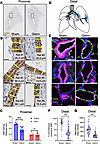 Figure 6
Loss of smooth muscle layer in pulmonary arteries of rats after Glenn surgery. (A) Example sagittal sections of lung tissue from sham- and Glenn-operated rats, stained by immunohistochemistry for αSMA. Black boxes show typical perihilar location of analysis of the most proximal portions of pulmonary arteries examined. Scale bars: 2 mm. (B) Left: Example images of αSMA+ media thickness from 3 different sham-operated rats. Ten distributed measurements per vessel were taken and the mean thickness was used; yellow bars show example measurements. Right: Example images of αSMA+ media thickness from 3 different Glenn rats. Scale bars: 20 μm. (C) Quantification of αSMA+ tunica media from proximal arteries versus veins. (D) Schematic showing approximate location of pulmonary vessels assayed in A, B, and E. (E) Examples of images of αSMA+ media thickness in distal arterioles from 3 different sham (left panels) and Glenn (right panels). Scale bar: 25 μm. Artery regions analyzed were chosen as those vessels near lung periphery and <50 μm in size. Distal vessels <1 mm were identified using immunofluorescent staining for CDH5 (green) in sham (n = 3 rats, n = 42 vessels) and Glenn (n = 3 rats, n = 56 vessels) rat lungs. (F and G) Staining of αSMA (pink) was used to quantify the circumferential coverage (F) and intensity (G) αSMA surrounding these arterioles. **P ≤ 0.01; ***P ≤ 0.001 by unpaired, 2-tailed Student’s t test with Welch’s correction (C, F, and G).
-
Discussion
In this study, we identify hemodynamic pulsatility as critical to maintenance of the PA architecture (Figure 7). We show that, in patients with Glenn circulation, shunted pulmonary blood flow from the SVC directly to the PA exerts no pulsatile stretch on the PA. We model altered hemodynamics in cultured PA ECs exposed to each dimension of force and use transcriptomic analysis to demonstrate that each elicits distinct molecular signatures. We find that pulsatile stretch induces significant EC secretion of PDGFB, known to mediate recruitment of vSMCs to blood vessel endothelium (30, 31). As lung biopsies from living patients were not obtainable, we used our rat model of the Glenn circulation to investigate the effect of pulsatility loss in vivo. We show that non-pulsatile, venous-like flow within an arterial vessel results in loss of PDGFB protein from ECs, decreased p-PDGFRβ in VSMCs, and concomitant thinning of the vascular mural wall. Our complementary in vitro and in vivo findings identify a target signaling pathway for novel therapeutic approaches to treat the diverse VMs that occur in Glenn patients.
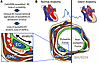 Figure 7
Model for stretch-induced EC secretion of PDGFB stimulating smooth muscle vessel support. (A) Overview of experimental results. (B) Comparison of findings between pulsatile and non-pulsatile conditions. Example pressure waveform from cardiac catheter shown by blue line. Red boxes indicate region of pulmonary arteries analyzed in patients with either normal lung vascular architecture or Glenn anatomy. Blue box area shows increased PDGFB secretion from ECs (green) following blood circulation–induced stretch. vSMC, vascular smooth muscle cell (brown); BM, basement membrane; ECM, extracellular matrix (beige).
Despite clinical appreciation of the fact that Glenn patients experience venous-type, non-pulsatile blood flow in PAs, and even though pulsatility loss was the first hypothesized mechanism for Glenn PAVMs (48, 49), pulsatility loss has never been formally documented in 3 dimensions to the best of our knowledge. Until now, studies comparing surgical outcomes of Glenn patients have only occasionally been able to report some dimensions of pulsatility loss (9, 50), although most studies report none (51–57). This clinical knowledge gap has limited our understanding of the impact of pulsatility within these patients. Our use of cath/MRI ensures that these interdependent forces are measured simultaneously, providing with high temporal accuracy the first complete 3D view to our knowledge of pulsatility loss in the Glenn PAs.
Our pulsatility metrics merit 2 points of discussion. First, we utilize flow velocities as a surrogate for wall shear stress (WSS), the direct hemodynamic force applied to the endothelium. As WSS depends directly on the velocity gradient, velocity is a reasonable approximation for this investigation. Given the limited availability and accuracy of WSS measurements with cardiac MRI, use of velocity instead of the highly regionally variable WSS supports an easier and more rapid clinical application. Second, the relationship between pressure and stretch (vascular compliance) was not directly tested in our study. The issue of compliance will be a critical area of investigation in the future, as loss of normal endothelial function and medial structure in many other clinical conditions (pulmonary hypertension, congenital aortopathies) results in abnormal gain (congenital aortopathies) or loss (pulmonary hypertension, aortic calcification, carotid atherosclerosis) of compliance (34). Vascular compliance also directly relates to the progression of pulsatility into the furthest branches of the arterial tree.
However, estimating the magnitude of pulsatile forces across the pulmonary vascular tree is difficult. Arterial pulsatility in normal lung vessels is likely significantly diminished as it reaches distal capillaries. Dynamic measurement of distal pulsatility of stretch in sub-millimeter vessels in patients is technically challenging and could not be directly assessed by our methods. In a normal compliant vessel, proximal stretch acts as a capacitor, absorbing and lessening distal pulsatility, a phenomenon termed the “windkessel effect” (58). This model suggests a reduction in pulsatility in the normal distal microvasculature.
Our proposed mechanism — that pulsatile stretch of ECs stimulates PDGFB followed by smooth muscle coverage — is supported by the observation that normal arterial smooth muscle thins as vessels branch further into the lung (12). Critically, EC-specific ablation of PDGFB leads to loss of mural cell coverage in retinal vessels and promotes shunt development in murine lungs (34). PDGFB was originally described as flow responsive (45), and later as stretch responsive (59), although our in vitro work shows that stretch elicited 5-fold more PDGFB secretion than flow. The opportunity now arises to characterize the relative contribution of flow (LSS) and stretch to PDGFB secretion in these distal vessels. We also recognize that the presence of respiration-driven alveolar stretch (at a much lower frequency) may also contribute to distal pulsatility (60, 61). In all, these studies underscore the importance of pulsatility throughout the entire arterial network and bring up new questions about the impact of biomechanical cues on the lung vasculature.
How do ECs sense hemodynamic forces in lung vessels? We previously hypothesized that endothelial cilia could be involved in sensing pulsatility of flow (62) but dismissed this possibility in the mammalian lung, when we showed that pulmonary ECs are largely devoid of primary cilia (63). Endothelial mechanosensitive components have been well described and are present on lung ECs. Notch, CDH5, and many other cell-surface proteins, ECM, and cytoskeletal elements are all required for proper sensing of flow or stretch (22). In particular, the protein complex of PECAM1, CDH5, VEGFR2/3, and PLXND1 plays a critical role in sensing force (21), while proteins like LPHN2 and others coordinate downstream responses (64). In our data, we see significant upregulation of Plxnd1, as well as nearly 2-fold increases in Cdh5, Kdr, and Lphn2 (data not shown) under pulsatile pressure conditions, but not pulsatile stretch or LSS, suggesting a possible role for pulsatile pressure in priming the endothelium to respond to force. Our study thus highlights the need to consider each dimension of force separately, as we continue to evaluate the role that pulsatility plays in the maintenance of the normal vascular architecture.
Other cells of the vascular wall, such as vSMCs, also certainly sense biomechanical forces. vSMCs experience stretch similarly to ECs but not LSS, as they are not in direct contact with blood flow. Interestingly, vSMCs respond differently to stretch than ECs, aligning parallel to stretch in vivo, rather than perpendicular like ECs (65). In our study and in publicly available single-cell RNA-seq from human lung, we also find that vSMCs do not secrete PDGFB. VSMCs in Glenn pulmonary vessels do, however, show reduced PDGFRβ phosphorylation, demonstrating reduction in EC-vSMC crosstalk. We also note that vSMCs from Glenn rats do not show changes in standard vSMC genes such as Myh11, Tagln, Myocd, Cnn1, and Pdgfrb (data not shown). This does not rule out, however, the possible contribution of vSMCs to the ECM, especially regarding the changes in pulmonary vascular resistance and vessel stiffening that so critically drive patient outcomes. Future studies will be necessary to investigate the responses of vascular smooth muscle to pulsatile stretch.
While we focused here on Pdgfb, we also note that under pulsatile flow there was a significant upregulation of Col1a2, a major component of the vascular wall. Loss of Col1a2 is associated with vasculopathy and aortic dilation (66), suggesting that pulsatility of stretch likely drives other EC contributions to the structure of the arterial wall beyond the recruitment of vSMCs. Regulation of the ECM is a logical complementary function of pulsatility, as the scaffold for the vSMCs and the internal elastic lamina of the largest arteries are unique features of overall arterial structure.
In addition, we also noted the upregulation of CX3CL1 in pulsatile-stretched HPAECs. CX3CL1 is a well-known chemokine that increases leukocyte recruitment and adhesion to ECs (67, 68). Multiple other chemokines (including CCL2 and CCL14) are regulated by pulsatility in our in vitro system. The role of the immune system in the vascular complications of Glenn circulation is a wholly unappreciated factor; however, previous work in hereditary AVMs identified accumulation of leukocytes in brain AVMs and skin telangiectasias (69–71). Collectively, these findings suggest that pulsatile stretch may impact EC-leukocyte crosstalk in pathogenesis of VMs.
As we seek to translate our findings to our patients, we noted a significant reduction in the transpulmonary gradient of PDGFB in Glenn patients relative to patients with normal anatomy. This finding could be due to several reasons: (a) steady rate of uptake/decay of plasma PDGFB coupled with decreased production in the Glenn PAs, (b) arteriovenous shunting that bypasses and thus does not stimulate PDGFB production from the capillary bed, or (c) another unforeseen reason. It remains to be seen whether PDGFB modulation can impact the development of AVMs or the formation of collateral vessels in patients with a Glenn or Fontan circulation.
In summary, we show that the pulsatility of hemodynamic forces in blood vessels is sensed by the endothelium uniquely in each dimension of force. Our data support a model whereby pulsatile stretch induces endothelium to secrete PDGFB, signaling for support from vascular smooth muscle. Indeed, the architecture and cellular composition of the vessel wall change significantly upon loss of pulsatility in the Glenn, with thinning of the vascular wall, thereby shifting the arterial vascular wall structure toward that of a vein, likely impacting downstream endothelium. Together, this work underscores the critical importance of proper blood flow dynamics for the stability of vascular architecture and function. In addition, it points to biomechanical signaling pathways as potential novel targets for therapeutic intervention in patients with pulsatility loss, such as in the Glenn circulation. We seek to better understand and address the mechanistic underpinnings of vascular defects that occur during single-ventricle palliation and anticipate that our data on pulsatility will provide the foundation for improving clinical outcomes for children that undergo these necessary surgeries.


