
Research ArticleImmunologyNephrology
Open Access |  10.1172/jci.insight.201060
Benchmarking urinary cell transcriptomes for noninvasive differentiation of BK polyomavirus–associated nephropathy from T cell–mediated rejection
Franco B. Mueller,1 Carol Li,1 Darshana M. Dadhania,1,2 Surya V. Seshan,3 Thalia Salinas,1,2 Vijay K. Sharma,1 Jenny Z. Xiang,4 Hans H. Hirsch,5 Thangamani Muthukumar,1,2 and Manikkam Suthanthiran1,2
1Division of Nephrology and Hypertension, Department of Medicine, Weill Cornell Medicine, New York, New York, USA.
2Department of Transplantation Medicine, NewYork-Presbyterian Hospital, New York, New York, USA.
3Division of Renal Pathology, Department of Pathology and Laboratory Medicine, Weill Cornell Medicine, New York, New York, USA.
4Genomics Resources Core Facility, Department of Microbiology and Immunology, Weill Cornell Medical College, New York, New York, USA.
5Transplantation and Clinical Virology, Department of Biomedicine, University of Basel, Basel, Switzerland.
Address correspondence to: Manikkam Suthanthiran, Division of Nephrology and Hypertension, Departments of Medicine and Transplantation Medicine, 525 E. 68th Street, Box 3, New York, New York 10065, USA. Phone: 212.746.4430; Email: msuthan@med.cornell.edu.
Find articles by Mueller, F. in: PubMed | Google Scholar
1Division of Nephrology and Hypertension, Department of Medicine, Weill Cornell Medicine, New York, New York, USA.
2Department of Transplantation Medicine, NewYork-Presbyterian Hospital, New York, New York, USA.
3Division of Renal Pathology, Department of Pathology and Laboratory Medicine, Weill Cornell Medicine, New York, New York, USA.
4Genomics Resources Core Facility, Department of Microbiology and Immunology, Weill Cornell Medical College, New York, New York, USA.
5Transplantation and Clinical Virology, Department of Biomedicine, University of Basel, Basel, Switzerland.
Address correspondence to: Manikkam Suthanthiran, Division of Nephrology and Hypertension, Departments of Medicine and Transplantation Medicine, 525 E. 68th Street, Box 3, New York, New York 10065, USA. Phone: 212.746.4430; Email: msuthan@med.cornell.edu.
Find articles by Li, C. in: PubMed | Google Scholar
1Division of Nephrology and Hypertension, Department of Medicine, Weill Cornell Medicine, New York, New York, USA.
2Department of Transplantation Medicine, NewYork-Presbyterian Hospital, New York, New York, USA.
3Division of Renal Pathology, Department of Pathology and Laboratory Medicine, Weill Cornell Medicine, New York, New York, USA.
4Genomics Resources Core Facility, Department of Microbiology and Immunology, Weill Cornell Medical College, New York, New York, USA.
5Transplantation and Clinical Virology, Department of Biomedicine, University of Basel, Basel, Switzerland.
Address correspondence to: Manikkam Suthanthiran, Division of Nephrology and Hypertension, Departments of Medicine and Transplantation Medicine, 525 E. 68th Street, Box 3, New York, New York 10065, USA. Phone: 212.746.4430; Email: msuthan@med.cornell.edu.
Find articles by
Dadhania, D.
in:
PubMed
|
Google Scholar
|

1Division of Nephrology and Hypertension, Department of Medicine, Weill Cornell Medicine, New York, New York, USA.
2Department of Transplantation Medicine, NewYork-Presbyterian Hospital, New York, New York, USA.
3Division of Renal Pathology, Department of Pathology and Laboratory Medicine, Weill Cornell Medicine, New York, New York, USA.
4Genomics Resources Core Facility, Department of Microbiology and Immunology, Weill Cornell Medical College, New York, New York, USA.
5Transplantation and Clinical Virology, Department of Biomedicine, University of Basel, Basel, Switzerland.
Address correspondence to: Manikkam Suthanthiran, Division of Nephrology and Hypertension, Departments of Medicine and Transplantation Medicine, 525 E. 68th Street, Box 3, New York, New York 10065, USA. Phone: 212.746.4430; Email: msuthan@med.cornell.edu.
Find articles by Seshan, S. in: PubMed | Google Scholar
1Division of Nephrology and Hypertension, Department of Medicine, Weill Cornell Medicine, New York, New York, USA.
2Department of Transplantation Medicine, NewYork-Presbyterian Hospital, New York, New York, USA.
3Division of Renal Pathology, Department of Pathology and Laboratory Medicine, Weill Cornell Medicine, New York, New York, USA.
4Genomics Resources Core Facility, Department of Microbiology and Immunology, Weill Cornell Medical College, New York, New York, USA.
5Transplantation and Clinical Virology, Department of Biomedicine, University of Basel, Basel, Switzerland.
Address correspondence to: Manikkam Suthanthiran, Division of Nephrology and Hypertension, Departments of Medicine and Transplantation Medicine, 525 E. 68th Street, Box 3, New York, New York 10065, USA. Phone: 212.746.4430; Email: msuthan@med.cornell.edu.
Find articles by Salinas, T. in: PubMed | Google Scholar
1Division of Nephrology and Hypertension, Department of Medicine, Weill Cornell Medicine, New York, New York, USA.
2Department of Transplantation Medicine, NewYork-Presbyterian Hospital, New York, New York, USA.
3Division of Renal Pathology, Department of Pathology and Laboratory Medicine, Weill Cornell Medicine, New York, New York, USA.
4Genomics Resources Core Facility, Department of Microbiology and Immunology, Weill Cornell Medical College, New York, New York, USA.
5Transplantation and Clinical Virology, Department of Biomedicine, University of Basel, Basel, Switzerland.
Address correspondence to: Manikkam Suthanthiran, Division of Nephrology and Hypertension, Departments of Medicine and Transplantation Medicine, 525 E. 68th Street, Box 3, New York, New York 10065, USA. Phone: 212.746.4430; Email: msuthan@med.cornell.edu.
Find articles by
Sharma, V.
in:
PubMed
|
Google Scholar
|
1Division of Nephrology and Hypertension, Department of Medicine, Weill Cornell Medicine, New York, New York, USA.
2Department of Transplantation Medicine, NewYork-Presbyterian Hospital, New York, New York, USA.
3Division of Renal Pathology, Department of Pathology and Laboratory Medicine, Weill Cornell Medicine, New York, New York, USA.
4Genomics Resources Core Facility, Department of Microbiology and Immunology, Weill Cornell Medical College, New York, New York, USA.
5Transplantation and Clinical Virology, Department of Biomedicine, University of Basel, Basel, Switzerland.
Address correspondence to: Manikkam Suthanthiran, Division of Nephrology and Hypertension, Departments of Medicine and Transplantation Medicine, 525 E. 68th Street, Box 3, New York, New York 10065, USA. Phone: 212.746.4430; Email: msuthan@med.cornell.edu.
Find articles by
Xiang, J.
in:
PubMed
|
Google Scholar
|
1Division of Nephrology and Hypertension, Department of Medicine, Weill Cornell Medicine, New York, New York, USA.
2Department of Transplantation Medicine, NewYork-Presbyterian Hospital, New York, New York, USA.
3Division of Renal Pathology, Department of Pathology and Laboratory Medicine, Weill Cornell Medicine, New York, New York, USA.
4Genomics Resources Core Facility, Department of Microbiology and Immunology, Weill Cornell Medical College, New York, New York, USA.
5Transplantation and Clinical Virology, Department of Biomedicine, University of Basel, Basel, Switzerland.
Address correspondence to: Manikkam Suthanthiran, Division of Nephrology and Hypertension, Departments of Medicine and Transplantation Medicine, 525 E. 68th Street, Box 3, New York, New York 10065, USA. Phone: 212.746.4430; Email: msuthan@med.cornell.edu.
Find articles by Hirsch, H. in: PubMed | Google Scholar
1Division of Nephrology and Hypertension, Department of Medicine, Weill Cornell Medicine, New York, New York, USA.
2Department of Transplantation Medicine, NewYork-Presbyterian Hospital, New York, New York, USA.
3Division of Renal Pathology, Department of Pathology and Laboratory Medicine, Weill Cornell Medicine, New York, New York, USA.
4Genomics Resources Core Facility, Department of Microbiology and Immunology, Weill Cornell Medical College, New York, New York, USA.
5Transplantation and Clinical Virology, Department of Biomedicine, University of Basel, Basel, Switzerland.
Address correspondence to: Manikkam Suthanthiran, Division of Nephrology and Hypertension, Departments of Medicine and Transplantation Medicine, 525 E. 68th Street, Box 3, New York, New York 10065, USA. Phone: 212.746.4430; Email: msuthan@med.cornell.edu.
Find articles by
Muthukumar, T.
in:
PubMed
|
Google Scholar
|
1Division of Nephrology and Hypertension, Department of Medicine, Weill Cornell Medicine, New York, New York, USA.
2Department of Transplantation Medicine, NewYork-Presbyterian Hospital, New York, New York, USA.
3Division of Renal Pathology, Department of Pathology and Laboratory Medicine, Weill Cornell Medicine, New York, New York, USA.
4Genomics Resources Core Facility, Department of Microbiology and Immunology, Weill Cornell Medical College, New York, New York, USA.
5Transplantation and Clinical Virology, Department of Biomedicine, University of Basel, Basel, Switzerland.
Address correspondence to: Manikkam Suthanthiran, Division of Nephrology and Hypertension, Departments of Medicine and Transplantation Medicine, 525 E. 68th Street, Box 3, New York, New York 10065, USA. Phone: 212.746.4430; Email: msuthan@med.cornell.edu.
Find articles by Suthanthiran, M. in: PubMed | Google Scholar
Published June 8, 2026 - More info
JCI Insight. 2026;11(11):e201060. https://doi.org/10.1172/jci.insight.201060.
© 2026 Mueller et al. This work is licensed under the Creative Commons Attribution 4.0 International License. To view a copy of this license, visit http://creativecommons.org/licenses/by/4.0/.
Received: October 9, 2025; Accepted: April 14, 2026


-
Results
Additional details are provided in Supplemental Methods and Results (supplemental material available online with this article; https://doi.org/10.1172/jci.insight.201060DS1).
Study design. We investigated urinary cell gene expression in urine samples matched to kidney allograft biopsies, selected to represent 3 diagnostic categories: BKVN, TCMR, and no rejection (NR). Demographic and clinical details, biopsy findings, and total RNA characteristics are summarized in Supplemental Table 1, A–E.
A total of 58 urine samples, matched to 57 kidney allograft biopsies from 53 patients, underwent ensemble RNA-seq. Figure 1 illustrates the study workflow designed to address critical unmet questions in clinical kidney transplantation. Figure 2A is a heatmap of Banff acute and chronic lesion scores of the 57 biopsies. Figure 2B, box-and-whisker plots of summed acute lesion scores, illustrates that the distribution of scores differed significantly among the diagnostic groups (Kruskal-Wallis test, P < 0.0001). Figure 2C, box-and-whisker plots of urinary cell BK polyomavirus VP1 mRNA copy numbers, shows that the copy number significantly differed across the diagnostic groups (P < 0.0001) and that BK polyomavirus VP1 mRNA copy number in urines matched to BKVN biopsies consistently exceeded the diagnostic threshold for BKVN (21, 22).
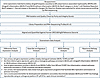 Figure 1
Workflow for RNA-seq of urine samples matched to kidney allograft biopsies. Urine samples matched to kidney allograft biopsies were selected from the Weill Cornell biorepository to include BK polyomavirus–associated nephropathy (BKVN) with intragraft inflammation (BKVN-P); BKVN without intragraft inflammation (BKVN-N); Banff category 4, acute T cell–mediated rejection (TCMR); or Banff category 1, normal biopsy or nonspecific changes (designated as no rejection). Urine was centrifuged, and total RNA was isolated from the sedimented urinary cell pellet. RNA quantity, purity, and integrity were assessed, and ribosomal RNA (rRNA) was depleted. cDNA libraries were prepared using the TruSeq Sample Preparation kit v2 (Illumina), followed by RNA-seq on an Illumina platform. Sequence reads were stored in FASTQ format and aligned to the human reference genome GRCh38/hg38 using the STAR aligner. Gene-level quantification was performed using CuffLinks (v2.2.1) and HTSeq to obtain raw counts and fragments per kilobase of transcript per million mapped reads (FPKM) values, which were subsequently converted to transcripts per million (TPM). Genes with counts per million greater than 1 in at least 2 samples were retained. Differential gene expression analysis was conducted using robust statistical methods at the individual gene level, gene set level, and pathway level (KEGG and Reactome) to address the biological questions listed in the bottom panel of the figure.
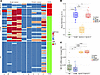 Figure 2
Banff lesion scores in kidney allograft biopsies and BKVN-VP1 mRNA copy numbers in biopsy-matched urines. (A) Heatmap showing Banff acute lesion scores — glomerulitis (g), peritubular capillaritis (ptc), interstitial infiltration (i), tubulitis (t), intimal arteritis (v) — and chronic lesion scores — chronic glomerulopathy based on glomerular basement double contours (cg), tubular atrophy (ct), interstitial fibrosis (ci), and vascular intimal thickening (cv) — in biopsies classified as BKVN-N (n = 4), BKVN-P (n = 6), TCMR (n = 21), or NR (n = 26). Lesion scores, 0 to 3, are color-coded as indicated. SV40/BK polyomavirus large T antigen immunostaining using PAb416 monoclonal antibody is shown. Red indicates positive staining; green, negative staining. (B) Box-and-whisker plots of summed acute Banff lesion scores (g + ptc + i + t + v) across diagnostic categories. Each point represents the summed score in an individual biopsy. Boxes indicate the interquartile range (IQR), with the horizontal line representing the median; whiskers denote the 10th and 90th percentiles. Statistical comparisons were performed using the Kruskal-Wallis test, followed by Dunn’s post hoc test. P values from Dunn’s test are shown at the top (Supplemental Table 1D). (C) Box-and-whisker plots of BK polyomavirus VP1 mRNA copy numbers in biopsy-matched urine samples, quantified by a customized RT-qPCR assay. Plot structure and statistical analysis are the same as in B. BK polyomavirus VP1 mRNA copies in urines matched to BKVN-N and BKVN-P biopsies exceeded the BKVN diagnostic threshold in every instance, while BK polyomavirus VP1 mRNA copies in urines matched to NR or TCMR biopsies did not exceed the diagnostic threshold for BKVN. P values from Dunn’s post hoc test are shown at the top (Supplemental Table 1E).
The BKVN biopsies were selected to represent a range of intragraft inflammation. Six exhibited considerable inflammation, while 4 had minimal or none. Based on Banff acute lesion scores, biopsies were grouped for analysis: BKVN-P (with inflammation), 7 urines matched to 6 biopsies with interstitial inflammation (i > 2) and tubulitis (t > 2) consistent with TCMR; BKVN-N (without inflammation), 4 urines matched to 4 biopsies with combined i + t scores less than 2.
Differential gene expression analysis of urinary cell transcriptomes. We compared urinary cell transcriptomes matched to kidney allograft biopsies using multigroup linear modeling with the limma R package (23), which applies Bayes moderation to improve variance estimates, particularly for low-expression genes.
BKVN-P versus NR. Among the 17,756 protein-coding genes, 1,058 genes (5.95%) were significantly overexpressed (adjusted P < 0.05) and 1,269 genes (7.14%) were significantly underexpressed (adjusted P < 0.05) in the BKVN-P group (Figure 3A; differentially expressed genes (DEGs) listed in Supplemental Tables 2 and 3, respectively).
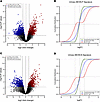 Figure 3
Differential gene expression analysis of urinary cell transcriptomes. (A) Volcano plot of urinary cell gene expression in 7 urines matched to 6 BKVN-P biopsies versus 26 urines matched to 26 NR biopsies. (B) CDF plot of gene expression ratios in 7 urines matched to 6 BKVN-P biopsies versus 26 urines matched to 26 NR biopsies. (C) Volcano plot of urinary cell gene expression in 4 urines matched to 4 BKVN-N biopsies versus 26 urines matched to 26 NR biopsies. (D) CDF plot of gene expression ratios in 4 urines matched to 4 BKVN biopsies versus 26 urines matched to 26 NR biopsies. A total of 17,756 genes were analyzed. In volcano plots, each red dot represents an overexpressed gene, and each blue dot represents an underexpressed gene, based on FDR-adjusted P value < 0.05. Gray/black dots indicate genes that are not differentially expressed. The x axis shows the log2 fold change (FC), calculated as the ratio of mRNA counts between the 2 groups being compared. The y axis represents the –log10 of the P values. In the CDF plots, the blue lines represent all 17,756 genes, the red lines represent DEGs, and the green lines represent 3,659 ubiquitously expressed housekeeping genes (24). The shift of the red curve relative to the respective green curve is statistically significant based on the Kolmogorov-Smirnov test. Supplemental Tables 2 and 3 list the BKVN-P versus NR DEGs shown in A and B. Supplemental Tables 4 and 5 list the BKVN-N versus NR DEGs shown in C and D.
Cumulative distribution function (CDF) plots (Figure 3B) show a significant shift in DEGs (red curve) compared with housekeeping genes (green curve) (24), indicating a distinct transcription profile (Kolmogorov-Smirnov [K-S] test, D = 0.452, P < 2.2 × 10⁻¹⁶).
BKVN-N versus NR. 780 genes (4.39%) were significantly overexpressed and 717 (4.03%) were significantly underexpressed in BKVN-N samples (Figure 3C; DEGs listed in Supplemental Tables 4 and 5, respectively).
CDF plots (Figure 3D) show a similar significant shift (K-S test, D = 0.494, P < 2.2 × 10⁻¹⁶), highlighting a unique transcriptional signature in BKVN-N.
Host cell genes involved in replication. Of the 22 SV40-related genes (25, 26), 14 were overexpressed in BKVN-N, 5 in BKVN-P, and 4 in TCMR, compared with NR samples (Supplemental Table 6A, panel A). These in vivo findings are consistent with prior in vitro data showing upregulation of these genes in kidney epithelial cells by SV40 (26, 27). Pairwise comparison of fold change revealed significantly higher expression in BKVN-N compared with BKVN-P (P = 0.0008) and TCMR (P < 0.0001) but not between BKVN-P and TCMR (Supplemental Table 6A, panel B).
Host cell genes involved in cell cycle progression. BK polyomavirus hijacks host cell cycle pathways to enhance its replication (28). Genes promoting cell cycle progression were upregulated in BKVN-N, BKVN-P, and TCMR, compared with NR (Supplemental Table 6B, panel A). The expression pattern aligned with the effects of viral large T antigen on pRB and TP53 (27, 29). Pairwise comparisons showed higher fold change in BKVN-N compared with BKVN-P (P < 0.0004) and with TCMR (P < 0.0001) (Supplemental Table 6B, panel B).
Host cell genes involved in DNA replication. Cell cycle gene activation during viral infection is tightly linked to dysregulation of host DNA replication (30). Compared with NR, multiple DNA replication genes were upregulated in BKVN-N and BKVN-P (Supplemental Table 6C, panel A). Fold change was higher in BKVN-N compared with BKVN-P (P = 0.0453) and with TCMR (P < 0.001) (Supplemental Table 6C, panel B).
Host cell genes involved in repair pathways. Both BKVN groups and TCMR showed increased expression of homologous-recombination repair genes, reflecting persistent DNA damage from viral replication and oxidative stress (31) (Supplemental Table 6D, panel A).
Fold change was higher in BKVN-N compared with BKVN-P (P = 0.0093) and with TCMR (P < 0.0001) (Supplemental Table 6D, panel B). Conversely, POLR1D, POLR2M, and CUL4B were downregulated in BKVN-N, suggesting transcriptional shutdown, viral manipulation of host transcriptional machinery, and tubular epithelial cell injury or dedifferentiation (Supplemental Table 6D, panel C). In BKVN-P, reduced ERCC2, POLR2M, and EME2 expression pointed to impaired DNA repair and transcriptional fidelity, and potential cell cycle arrest or apoptosis (Supplemental Table 6D, panel C). ERCC2 was the only gene underexpressed in TCMR. However, fold-change differences among BKVN-N, BKVN-P, and TCMR samples were not different (Supplemental Table 6D, panel D).
Host cell genes involved in microtubule dynamics. In BKVN-N, upregulated mitotic kinesins together with γ-tubulin complex genes (Supplemental Table 6E, panel A) indicated a proliferative epithelial program with reinforced centrosomes and mitotic spindles, while the downregulated genes (Supplemental Table 6E, panel B) suggested attenuation of RAB11-mediated apical recycling and long-range endosomal transport. This shift redirects microtubule usage away from polarity maintenance toward spindle assembly and perinuclear viral trafficking (32).
In BKVN-P, overexpression of DNAH1 indicated activation of a motile cilia/axonemal transcriptional module in injured proximal tubules (Supplemental Table 6E, panel A), whereas downregulation of multiple cytoplasmic dynein-dynactin adaptors and Rab11 axis genes (Supplemental Table 6E, panel B) suggested weakened cytoplasmic dynein cargo transport and impaired RAB11-dependent apical recycling. This pattern was consistent with dedifferentiated or regenerating tubular cells following severe injury and loss of epithelial polarity, and re-engagement of repair pathways.
In TCMR, the gene expression pattern (Supplemental Table 6, panels A and B) suggested highly reconfigurable microtubules optimized for vesicle transport, cell migration, and immune synapse formation, loss of ciliary programs, and weakened RAB11-driven epithelial polarity.
Supplemental Table 6E, panel C, shows that fold change is higher in BKVN-N compared with BKVN-P (P = 0.0017) and with TCMR (P < 0.0001). Supplemental Table 6E, panel D, shows that fold change is significantly higher in TCMR than in BKVN-P.
Mitochondrial gene expression. BK polyomavirus may exploit mitochondrial pathways to support its replication and immune evasion (33). Differential expression analysis showed significant overexpression in urine samples matched to BKVN-N biopsies compared with BKVN-P (Dunn’s P < 0.0001) and TCMR (P < 0.001) (Supplemental Table 6F, panel A), but not between BKVN-P and TCMR samples (Supplemental Table 6F, panel B). These findings support the presence of a BK polyomavirus–associated mitochondrial transcriptome stress pattern.
Antigen presentation in BKVN. HLA class II genes, key to CD4+ T cell activation (34), were upregulated in both BKVN-P and TCMR, indicating active antigen presentation (Supplemental Table 7). In BKVN-N, only HLA-DMB, which facilitates peptide loading by removing CLIP from the MHC class II groove (35), was upregulated compared with NR, indicating a more targeted antigen presentation response.
Pattern recognition receptors in BKVN. Pattern recognition receptors detect viral components and initiate innate immune responses (36, 37). Their expression patterns in BKVN-N, BKVN-P, and TCMR are detailed in Supplemental Table 8. DHX58, MB21D1, CD209, and NOD1 were overexpressed in BKVN-N. BKVN-P showed broader upregulation compared with BKVN-N or TCMR, indicating stronger immune activation.
Chemokine and chemokine receptors. Multiple chemokine and receptor genes were overexpressed in BKVN-P versus NR, indicating active immune cell recruitment (Supplemental Table 9A). Conversely, CCL17 (Treg recruiter) and CXCL14 (antiviral defense and tissue homeostasis) were downregulated in BKVN-P, suggesting impaired immune regulation and homeostasis. CXC3CL1 was markedly overexpressed in BKVN-N, highlighting a distinct inflammatory profile. These findings reflect heightened inflammation with reduced immune regulation and disrupted homeostasis.
Cytokines and cytokine receptors. Cytokine and receptor genes were more broadly elevated in BKVN-P than in BKVN-N (Supplemental Table 9B). The reduced LIFR and CTF1 in BKVN-P suggested compromised tissue repair and increased injury.
IFNs and TNF/receptor superfamily. Genes in these families were predominantly expressed in BKVN-P versus BKVN-N, reinforcing heightened inflammation in BKVN-P (Supplemental Table 9C). Concurrent downregulation of ACVR2B, BMPR2, and EGF in BKVN-P indicates a shift away from repair and regulation toward a proinflammatory, injury-prone state.
T cell signaling in BKVN. T cells play a central role in immune responses (38). Of 115 T cell signaling genes (Supplemental Table 10A), 51 were differentially expressed across BKVN-N, BKVN-P, or TCMR versus NR (Supplemental Table 10B). In BKVN-N, CTLA4 and IL-10 mRNA was upregulated, alongside downregulation of genes reflecting a suppressed or exhausted T cell phenotype.
BKVN-P also showed dysregulated T cell responses, with increased TNF, IFNG, NFATC1, PDCD1, and CTLA4, indicating activation and potential exhaustion (39, 40). Downregulation of phosphatases pointed to impaired T cell signaling.
TCMR samples showed upregulation of genes associated with T cell activation (Supplemental Table 10C). In contrast, BKVN-N showed increased CTLA4 alone, while BKVN-P showed elevated CD4, CTLA4, and PDCD1, consistent with initial activation followed by exhaustion, potentially facilitating viral persistence.
Expression of T cell exhaustion and anergy genes in BKVN. A 40-gene exhaustion signature (41–43) (Supplemental Table 11, panel A) was upregulated in BKVN-P (K-S test, D = 0.634, P = 3.15 × 10⁻¹⁴), BKVN-N (D = 0.640, P = 1.60 × 10⁻¹⁴), and TCMR (D = 0.658, P = 2.55 × 10⁻¹⁵) versus NR (Figure 4A), indicating robust enrichment.
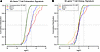 Figure 4
Cumulative distribution plots of the T cell exhaustion and T cell anergy signatures. (A) Gene list and gene set analyses for the 40-gene T cell exhaustion signature are provided in Supplemental Table 11, panels A and B, respectively. (B) Gene list and gene set analyses for the 32-gene list for the anergy gene signature are provided in Supplemental Table 12, panels A and B, respectively. The green curves represent the expression ratios (TCMR vs. NR) of 3,695 housekeeping genes. The blue, orange, and red curves correspond to expression ratios for TCMR/NR, BKVN-N/NR, and BKVN-P /NR, respectively. Significant rightward shifts of the gene expression curves, relative to housekeeping genes, were assessed using the Kolmogorov-Smirnov test, with D and P values reported in the Results section.
In contrast, the 32-gene anergy signature (44) (Supplemental Table 12, panel A) showed modest downregulation in BKVN-N (K-S test, D = 0.264, P = 2.41 × 10–02), with non-significant shifts in BKVN-P (D = 0.224, P = 8.33 × 10⁻²) and TCMR (D = 0.229, P = 7.25 × 10⁻²) (Figure 4B).
ROAST (rotation gene set test) (45) and CAMERA (correlation-adjusted mean rank gene set test) (46) confirmed strong enrichment of exhaustion genes in BKVN subtypes and TCMR (Supplemental Table 11, panel B), while anergy genes showed limited enrichment in BKVN-N and none in BKVN-P (Supplemental Table 12, panel B). These findings support a model of chronic antigen-driven T cell exhaustion, likely contributing to immune evasion in BKVN.
CD4+ T cells in BKVN. Given CD4 overexpression in BKVN-P, we examined cytotoxic CD4+ T cell–associated genes. Several genes related to CD4+ cytotoxic T lymphocyte activity were upregulated in BKVN-P (Supplemental Table 13).
Notably, IL-4–induced 1 (IL4I1), a myeloid-derived immunosuppressive enzyme, was significantly overexpressed in BKVN-N (P = 3.45 × 10⁻³) and BKVN-P samples (P = 1.43 × 10⁻³) versus NR (Figure 5A). IL4I1 may impair cytotoxic CD4+ T cell function via reduced TCR and mTORC1 signaling, potentially aiding viral immune evasion (Figure 5B).
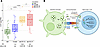 Figure 5
IL4I1 mRNA abundance in urinary cells. (A) Box-and-whisker plots display IL-4–induced gene 1 (IL4I1) mRNA abundance (log2 TPM) in urine samples matched to kidney allograft biopsies: 26 NR, 21 TCMR, 4 BKVN-N, and 7 urines matched to 6 BKVN-P biopsies. Each point represents IL4I1 mRNA abundance in individual samples. Boxes denote the 25th–75th percentiles, the horizontal line marks the median, and the whiskers represent the 10th–90th percentiles. Fold change values and adjusted P values are shown. Multigroup comparison used Kruskal-Wallis test followed by pairwise Dunn’s test, with Dunn’s test P values displayed at the top. (B) Schema for IL4I1 immunosuppressive activity. IL4I1, secreted at the immune synapse between activated dendritic cells and T cells, downregulates TCR signaling and T cell effector function by cleaving aromatic amino acids into keto acids and generating H2O2 and NH3. Through binding to TMPRSS13, IL4I1 also exerts non-enzymatic effects, including promoting Treg differentiation and reducing antibody production via T follicular helper cell–germinal B cell interactions (76).
CD4+ T cell subset signatures in BKVN. Prior RNA-seq analyses revealed enrichment of Th1, Th2, Th17, and Treg gene signatures in TCMR biopsies versus NR biopsies (38, 47, 48). We investigated these subsets in urines matched to BKVN biopsies.
Th1 signature. The Th1 signature (36 genes; Supplemental Table 14, panel A; ref. 48) was significantly upregulated in BKVN-N (K-S test, D = 0.670, P = 2.59 × 10⁻¹⁴), BKVN-P (D = 0.384, P = 5.31 × 10⁻⁵), and TCMR (D = 0.603, P = 1.08 × 10⁻¹¹) versus NR (Figure 6A). BKVN-N showed stronger enrichment than BKVN-P (D = 0.361, P = 0.0176). ROAST and CAMERA confirmed robust enrichment in BKVN-N and TCMR (Supplemental Table 14, panel B).
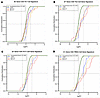 Figure 6
CDF plots of CD4+ Th1, Th2, Th17, and Treg cell signatures. Gene lists and gene set analyses for the 36-gene CD4+ Th1 signature (A), 27-gene CD4+ Th2-gene signature (B), 22-gene CD4+ Th17-gene signature (C), and 31-gene Treg signature (D) are provided in Supplemental Tables 14, 15, 16, and 17, respectively. The green curves represent the expression ratios (TCMR vs. NR) of 3,695 housekeeping genes. The blue, orange, and red curves correspond to expression ratios for TCMR/NR, BKVN-N/NR, and BKVN-P/NR, respectively. Significant rightward shifts of the gene expression curves, relative to housekeeping genes, were assessed using the Kolmogorov-Smirnov test, with D and P values reported in the Results section.
Th2 signature. The Th2 signature (27 genes; Supplemental Table 15, panel A; ref. 48) was upregulated in BKVN-N (K-S test, D = 0.558, P = 1.14 × 10⁻⁷), BKVN-P (D = 0.568, P = 6.001 × 10⁻⁸), and TCMR (D = 0.568, P = 6.32 × 10⁻⁸) versus NR (Figure 6B). ROAST and CAMERA showed robust enrichment in TCMR and modest enrichment in BKVN subtypes (Supplemental Table 15, panel B).
Th17 signature. The Th17 signature (22 genes; Supplemental Table 16, panel A; ref. 48) was significantly enriched in BKVN-P (K-S test, D = 0.541, P = 5.65 × 10⁻⁶), BKVN-N (D = 0.361, P = 6.66 × 10⁻³), and TCMR (D = 0.508, P = 2.54 × 10⁻⁵) versus NR (Figure 6C). ROAST and CAMERA confirmed the statistically enriched Th17 signature in BKVN-P (and TCMR) compared with enrichment in BKVN-P and TCMR; BKVN-N showed non-significant enrichment (Supplemental Table 16, panel B).
Treg signature. The Treg signature (31 genes; Supplemental Table 17, panel A; ref. 47) was upregulated in BKVN-P (K-S test, D = 0.690, P = 3.75 × 10⁻¹³), BKVN-N (D = 0.619, P = 1.15 × 10⁻¹⁰), and TCMR (D = 0.594, P = 7.49 × 10⁻¹⁰) versus NR (Figure 6D). BKVN-P showed stronger enrichment than TCMR (D = 0.355, P = 3.96 × 10⁻²), but BKVN-N did not.
ROAST and CAMERA confirmed strong enrichment of Tregs in BKVN-P, and modest enrichment in BKVN-N (Supplemental Table 17, panel B).
Our investigation of CD4+ T cell subsets identified Th1 signature predominance in BKVN-N, and Treg signature being most enriched in BKVN-P. Altogether, our data suggest distinct CD4+ T cell subset dynamics across BKVN subtypes.
CD8+ memory and effector T cell signatures in BKVN. We assessed enrichment of CD8+ memory (45 genes; Supplemental Table 18, panel A; ref. 49) and effector (24 genes; Supplemental Table 19, panel A) T cell signatures in urines matched to BKVN or TCMR biopsies versus urines matched to NR biopsies.
CD8+ memory T cell gene signature. The CD8+ memory T cell gene signature was significantly upregulated in BKVN-P (K-S test, D = 0.756, P = 2.20 × 10⁻¹⁶), BKVN-N (D = 0.647, P = 2.20 × 10⁻¹⁶), and TCMR (D = 0.788, P = 2.20 × 10⁻¹⁶) versus NR (Figure 7A). Differences between BKVN-P and BKVN-N (D = 0.311, P = 0.025) and between BKVN-P and TCMR (D = 0.289, P = 0.046) were significant. ROAST and CAMERA confirmed the strong enrichment across all groups (Supplemental Table 18, panel B).
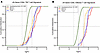 Figure 7
CDF plots of CD8+ memory and effector T cell gene signatures. (A) Gene list and gene set analyses of the 45-gene CD8+ memory T cell gene signature are provided in Supplemental Table 18, panels A and B, respectively. (B) Gene list and gene set analyses of the 24-gene CD8+ T cell gene signature are provided in Supplemental Table 19, panels A and B, respectively. The green curves represent the expression ratios (TCMR vs. NR) of 3,695 housekeeping genes. The blue, orange, and red curves correspond to expression ratios for TCMR/NR, BKVN-N/NR, and BKVN-P /NR, respectively. Significant rightward shifts of the gene expression curves, relative to housekeeping genes, were assessed using the Kolmogorov-Smirnov test, with D and P values reported in the Results section.
CD8+ effector T cell gene signature. The CD8+ effector T cell gene signature was upregulated in BKVN-P (K-S test, D = 0.934, P = 2.20 × 10⁻¹⁶), BKVN-N (D = 0.827, P = 1.39 × 10⁻¹⁴), and TCMR (D = 0.881, P = 2.20 × 10⁻¹⁶) versus NR (Figure 7B). Significant differences were observed between BKVN-P and BKVN-N (D = 0.5417, P = 0.001) and between BKVN-N and TCMR (D = 0.456, P = 0.011); the difference between BKVN-P and TCMR was not significant (D = 0.167, P = 0.902). ROAST and CAMERA confirmed strong enrichment in BKVN-P and TCMR samples (Supplemental Table 19, panel B).
B cell signaling in BKVN. Beyond antibody production, B cells may contribute to BKVN via antigen presentation and inflammation (50). Of 79 B cell signaling genes (Supplemental Table 20A), 31 were differentially expressed across BKVN-N, BKVN-P, or TCMR versus NR (Supplemental Table 20B).
BKVN-N. Upregulation of inhibitory receptors (LILRB1/4/5, CD72) and downregulation of KRAS, BCL10, and MAPK3 suggest a regulatory B cell phenotype with suppressed B cell signaling.
BKVN-P. Gene expression indicated active cell signaling, with upregulation of BTK, BLK, CD79A/B, NFATC1, JUN, NFKB1, RASGRP3, IFITM1, and LILRB1/4 alongside AKT2 downregulation, reflecting activation with regulatory feedback.
TCMR. Enhanced B cell activation and signaling were evident via increased LILRB1, IFITM, CD72, RAC2, PRKCB, PTPN6 (SHP-1), CARD11, FCGR2B, INPP5D (SHIP1), NFATC1/3, PIK3CD, and PPP3CC, highlighting a role for B cells in TCMR pathogenesis.
Mature dendritic cell gene signature in BKVN. Dendritic cells (DCs) are central to shaping the immune landscape, acting as key initiators of antiviral defense (51). A mature DC signature (50 genes; Supplemental Table 21, panel A) was upregulated in BKVN-P (K-S test, D = 0.705, P = 2.20 × 10⁻¹⁶), BKVN-N (D = 0.499, P = 2.71 × 10⁻¹¹), and TCMR (D = 0.541, P = 3.19 × 10⁻¹³) versus NR (Figure 8A). Pairwise comparisons revealed significant differences between BKVN-P and TCMR (D = 0.490, P = 6.33 × 10⁻⁶) and between BKVN-P and BKVN-N (D = 0.352, P = 0.003), while the difference between BKVN-N and TCMR was not significant (D = 0.196, P = 0.283). ROAST and CAMERA confirmed enrichment in BKVN-P and TCMR; BKVN-N versus NR was significant by CAMERA only (Supplemental Table 21, panel B).
 Figure 8
CDF plots of mature or tolerogenic dendritic cell gene signatures. (A) Gene list and gene set analyses of the 50-gene mature dendritic cell gene signature are provided in Supplemental Table 21, panels A and B, respectively. (B) Gene list and gene set analyses of the 52-gene tolerogenic dendritic cell gene signature are provided in Supplemental Table 22, panels A and B, respectively. The green curves represent the expression ratios (TCMR vs. NR) of 3,695 housekeeping genes. The blue, orange, and red curves correspond to expression ratios for TCMR/NR, BKVN-N/NR, and BKVN-P/NR, respectively. Significant rightward shifts of the gene expression curves, relative to housekeeping genes, were assessed using the Kolmogorov-Smirnov test, with D and P values reported in the Results section.
Tolerogenic DC gene signature in BKVN. A tolerogenic DC gene signature (52 genes; Supplemental Table 22, panel A; ref. 52) was upregulated in BKVN-P (K-S test, D = 0.463, P = 5.83 × 10⁻¹⁰), BKVN-N (D = 0.448, P = 2.26 × 10–09), and TCMR (D = 0.446, P = 2.69 × 10⁻⁹) versus NR (Figure 8B). Only BKVN-P versus TCMR showed significant difference (D = 0.327, P = 0.007). ROAST and CAMERA confirmed enrichment across all groups versus NR (Supplemental Table 22, panel B).
In sum, mature DCs are strongly enriched in BKVN-P and TCMR, while tolerogenic DCs are upregulated in BKVN subtypes and TCMR, suggesting dual roles in antiviral defense and immune regulation (51, 52).
Gene set enrichment analysis of KEGG and Reactome pathways in BKVN-P and BKVN-N relative to NR transcriptomes. To provide functional context and mechanistic insights into the DEGs, we performed gene set enrichment analysis (GSEA) using both Kyoto Encyclopedia of Genes and Genomes (KEGG) and Reactome pathway databases. One key objective was to identify pathways uniquely enriched in the BKVN-P and BKVN-N groups. Among the 2,327 DEGs identified between BKVN-P and NR, 1,731 genes were unique to BKVN-P, and 596 overlapped with DEGs in BKVN-N versus NR. Conversely, among the 1,497 DEGs between BKVN-N and NR, 901 genes were unique to BKVN-N (Figure 9, Venn diagram).
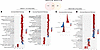 Figure 9
GSEA of KEGG and Reactome pathways uniquely enriched in BKVN-P and BKVN-N urines relative to NR urines. (A and B) Ridge plots showing enriched pathways based on the 1,731 DEGs unique to BKVN-P. (A) The 22 significantly enriched (adjusted P < 0.05) KEGG pathways (Supplemental Table 23). (B) The top 30 of 53 significantly enriched (adjusted P < 0.05) Reactome pathways (Supplemental Table 24). (C and D) Ridge plots of enriched pathways based on the 901 DEGs unique to BKVN-N. (C) The 3 significantly enriched (adjusted P < 0.05) KEGG pathways (Supplemental Table 25). (D) The top 30 of 62 significantly enriched (adjusted P < 0.05) Reactome pathways (Supplemental Table 26).
Figure 9 presents ridge plot distributions of uniquely enriched pathways based on the DEGs unique to BKVN-P samples. Figure 9A displays 22 enriched KEGG pathways (adjusted P < 0.05; Supplemental Table 23), while Figure 9B shows the top 30 of 53 enriched Reactome pathways (adjusted P < 0.05; Supplemental Table 24). The positively enriched biological pathways reflected robust activation of immune responses and cytokine signaling, including IFN-mediated antiviral defense, B cell receptor signaling pathway, antigen presentation and costimulation, and proinflammatory chemokine activity. In contrast, the negatively enriched pathways suggested a loss of metabolic and solute transport functions of epithelial cells, impaired epithelial cell repair mechanisms, and compromised epithelial barrier integrity — likely consequences of viral cytopathic effects.
Figure 9 also displays ridge plot distributions of uniquely enriched pathways in BKVN-N. Figure 9C shows one positively enriched cell cycle pathway and two negatively enriched KEGG pathways, endocytosis and IL-17 signaling (adjusted P < 0.05; Supplemental Table 25), and Figure 9D presents the top 30 of 62 enriched Reactome pathways (adjusted P < 0.05; Supplemental Table 26). DNA damage response and repair, centrosome and microtubule organization, telomere maintenance, AURKA activation, and Golgi-to-ER retrograde transport features are consistent with BK polyomavirus–induced reprogramming of renal tubular epithelial cells. The negatively enriched pathways reflected suppression of host defense and epithelial cell differentiation, including downregulation of innate immune signaling, attenuated inflammatory responses, tubular injury, and loss of epithelial integrity.
The contrasts in pathway enrichment between BKVN-P and BKVN-N samples are illustrated through cluster profiling. Figure 10A compares GSEA results for KEGG pathways, while Figure 10B presents a similar comparison for Reactome pathways. These visualizations highlight distinct biological programs activated in each subgroup, underscoring the divergent molecular mechanisms underlying BKVN-P and BKVN-N subtypes.
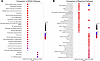 Figure 10
clusterProfiler comparison of KEGG and Reactome pathways enriched in BKVN-P and BKVN-N by GSEA. (A) clusterProfiler comparisons of enriched KEGG pathways by GSEA. (B) clusterProfiler comparisons of enriched Reactome pathways by GSEA.
GSEA of KEGG and Reactome pathways uniquely enriched in BKVN-P and BKVN-N samples relative to TCMR transcriptomes. Given that the histologic features of BKVN-P are largely indistinguishable from those of TCMR, we investigated whether GSEA of KEGG and Reactome pathways could provide insights discriminating BKVN-P from TCMR. To this end, we first identified 2,654 DEGs by comparing urinary cell transcriptomes of urines matched to TCMR biopsies with those matched to NR biopsies. We then compared these DEGs with the 2,327 DEGs identified by comparison of urinary cell transcriptomes of BKVN-P versus NR. A comparison of 2,654 DEGs from TCMR versus NR with the 2,327 DEGs from BKVN-P versus NR revealed 1,599 DEGs unique to TCMR, 1,272 DEGs unique to BKVN-P, and 1,055 shared DEGs (Figure 11, Venn diagram).
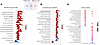 Figure 11
GSEA of KEGG pathways uniquely enriched in BKVN-P urines relative to TCMR urines. (A) Ridge plot showing enriched KEGG pathways (adjusted P < 0.05) based on the 1,599 DEGs unique to TCMR (Supplemental Table 27). (B) Ridge plot showing enriched KEGG pathways (adjusted P < 0.05) based on 1,272 DEGs unique to BKVN-P (Supplemental Table 28). (C) clusterProfiler comparison of KEGG pathways enriched in TCMR and BKVN-P by GSEA.
Figure 11A presents ridge plot distributions of enriched KEGG pathways based on the 1,599 DEGs unique to TCMR samples (Supplemental Table 27). Figure 11B displays enriched KEGG pathways based on the 1,272 DEGs unique to BKVN-P samples (Supplemental Table 28). Figure 11C compares enriched KEGG pathways of TCMR with those of BKVN-P. Figure 12A presents enriched Reactome pathways based on the 1,599 DEGs unique to TCMR (Supplemental Table 29). Figure 12B presents enriched Reactome pathways based on the 1,272 DEGs unique to BKVN-P (Supplemental Table 30). Figure 12C compares enriched Reactome pathways of TCMR with those of BKVN-P.
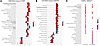 Figure 12
GSEA of Reactome pathways uniquely enriched in BKVN-P samples compared with TCMR transcriptomes. (A) Ridge plot of enriched Reactome pathways (adjusted P < 0.05) based on the 1,599 DEGs unique to TCMR (Supplemental Table 29). (B) Ridge plot of enriched Reactome pathways (adjusted P < 0.05) based on 1,272 DEGs unique to BKVN-P (Supplemental Table 30). (C) clusterProfiler comparison of Reactome pathways enriched in TCMR and BKVN-P by GSEA.
Altogether, TCMR samples showed robust enrichment of TCR signaling, CD28 costimulation, innate immune response, GTPase-mediated signaling cascade, integrin-mediated interactions, immune cell infiltration, and extracellular matrix remodeling. Negatively enriched pathways suggested downregulation of homeostatic transport and epithelial barrier maintenance. BKVN-P samples revealed strong innate immune responses, chemokine-driven immune cell recruitment, IFN and cytokine signaling characteristic of viral infections, and suppression of epithelial and metabolic homeostasis — likely reflecting inflammation and virus-induced tissue damage.
We also compared the 2,654 DEGs identified by comparison of TCMR versus NR with the 1,497 DEGs identified by comparison of BKVN-N versus NR samples. This revealed 568 shared DEGs (Supplemental Table 31), 2,086 DEGs unique to TCMR (Supplemental Table 32), and 929 DEGs unique to BKVN-N (Figure 13, Venn diagram; and Supplemental Table 33).
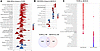 Figure 13
GSEA of KEGG pathways uniquely enriched in BKVN-N urines relative to TCMR urines. (A) Ridge plot showing enriched KEGG pathways (adjusted P < 0.05) based on the 2,086 DEGs unique to TCMR (Supplemental Table 34). (B) Ridge plot showing enriched KEGG pathways (adjusted P < 0.05) based on 929 DEGs unique to BKVN-N (Supplemental Table 35). (C) clusterProfiler comparison of Reactome pathways profile enriched in TCMR and BKVN-N by GSEA.
Figure 13A presents ridge plot distributions of enriched KEGG pathways based on the 2,086 DEGs unique to TCMR (Supplemental Table 34). Figure 13B displays enriched KEGG pathways based on the DEGs unique to BKVN-N (Supplemental Table 35). Figure 13C compares the enriched KEGG pathways. Figure 14A presents enriched Reactome pathways based on the DEGs unique to TCMR (Supplemental Table 36). Figure 14B presents enriched Reactome pathways based on the DEGs unique to BKVN-N (Supplemental Table 37). Figure 14C compares the enriched Reactome pathways.
 Figure 14
GSEA of Reactome pathways uniquely enriched in BKVN-N samples compared with TCMR transcriptomes. (A) Ridge plot of enriched Reactome pathways (adjusted P < 0.05) based on the 2,086 DEGs unique to TCMR (Supplemental Table 36). (B) Ridge plot of enriched Reactome pathways (adjusted P < 0.05) based on 929 DEGs unique to BKVN-N (Supplemental Table 37). (C) clusterProfiler comparison of Reactome pathways enriched in TCMR and BKVN-N by GSEA.
The positively enriched pathways in TCMR samples reflected strong T cell activation and proliferation, cytokine signaling (including IFN signaling), innate immune cell recruitment, and inflammation. Negatively enriched pathways indicated suppression of tissue-specific metabolic and structural functions.
The positively enriched pathways in BKVN-N samples were consistent with viral hijacking of host replication machinery, activation of DNA damage response and repair, replication stress, suppression of epithelial cell differentiation and signaling, loss of epithelial barrier integrity, and altered lipid and hormone signaling.
The comparative analysis showed that CD28 costimulation was dominant in TCMR and virtually absent in BKVN-N. Conversely, BKVN-N samples showed stronger enrichment of viral protein interaction pathways, virus-driven host cell proliferation, replication stress, and checkpoint activation and suppression of epithelial differentiation and signaling pathways.
Noninvasive biomarker for discriminating BKVN from TCMR. Urinary cell transcriptome analyses identified that several chemokine mRNAs were markedly overexpressed in BKVN samples compared with both NR and TCMR samples (Supplemental Table 9A). Conversely, expression profiles of mRNA for T cell signaling proteins, overexpressed in TCMR, were not overexpressed in either BKVN-N or BKVN-P (Supplemental Table 10C). The contrasting patterns — T cell dominance in TCMR and chemokine enrichment in BKVN — led us to investigate whether a ratio of a chemokine such as CXCL10 mRNA to T cell CD3E mRNA could distinguish BKVN from TCMR.
Urinary cell CXCL10 mRNA abundance is diagnostic of TCMR, and the CXCL10 mRNA/CD3E mRNA ratio differentiates BKVN from TCMR. We quantified CXCL10 mRNA and CD3E mRNA levels in urines matched to kidney allograft biopsies, calculated the ratio of CXCL10 mRNA to CD3E mRNA, and assessed the ability of these measures to distinguish diagnostic categories. Specifically, we assessed their performance as biomarkers of TCMR and their utility in differentiating TCMR from BKVN.
Discovery cohort (58 urine samples matched to 57 biopsies), RNA-seq quantification. The median [IQR] of CXCL10 transcripts per million (TPM) was 0.8 [2] in the 26 NR biopsy-matched urines, 8.8 [30] in 21 TCMR biopsy-matched urines, 50.0 [85] in 4 BKVN-N biopsy-matched urines, and 42.0 [69] in 7 BKVN-P urines matched to 6 BKVN-P biopsies (Kruskal-Wallis [KW] test, χ2 = 26.3, df = 3, P < 0.0001) (post hoc Dunn’s test P: NR vs. TCMR, P = 0.0069; NR vs. BKVN-N, P = 0.009; NR vs. BKVN-P, P < 0.0001; TCMR vs. BKVN-N, P = 0.5993; TCMR vs. BKVN-P, P = 0.0737; and BKVN-N vs. BKVN-P, P = 1) (Figure 15A).
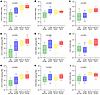 Figure 15
Box-and-whisker plots of CXCL10 mRNA, CD3E mRNA, and CXCL10 mRNA to CD3E mRNA ratios across diagnostic categories and across discovery and external validation cohorts. (A–C) Discovery cohort (n = 58 urine samples matched to 57 biopsies), RNA-seq quantification. Box-and-whisker plots show urinary cell CXCL10 mRNA (A) and CD3E mRNA (B) expression (TPM), and the CXCL10 mRNA/CD3E mRNA ratio (C). Boxes denote the 25th–75th percentiles, the horizontal line marks the median, and whiskers represent the 10th–90th percentiles. Each point represents the mRNA values (A and B) or the ratio (C) for each sample. (D–F) Discovery cohort (n = 58 urine samples matched to 57 biopsies), customized RT-qPCR quantification. Box-and-whisker plots show absolute copy numbers of urinary cell CXCL10 mRNA (D) and CD3E mRNA (E) per microgram of total RNA, and the CXCL10 mRNA to CD3E mRNA ratio (F). Each point represents the mRNA values (D and E) or the ratio (F) for each sample. (G–I) External validation cohort (n = 230 urine samples matched to 230 biopsies), customized RT-qPCR quantification. Box-and-whisker plots show absolute copy numbers of urinary cell CXCL10 mRNA (G) and CD3E mRNA (H) per microgram of total RNA, and the ratio of CXCL10 mRNA to CD3E mRNA (I). Each point represents the mRNA values (D and E) or the ratio (F) for each sample. Kruskal-Wallis test P values are shown at the top of each panel. Dunn’s test was used for pairwise comparisons. Numbers in parentheses indicate the number of matched urine-biopsy pairs except for BKVN-P (7 urines matched to 6 biopsies).
CD3E TPM was 0.48 [1.75] in NR urines, 2.85 [7.92] in TCMR urines, 1.94 [3.17] in BKVN-N urines, and 3.53 [2.36] in BKVN-P urines (KW test, χ2 = 16.2, df = 3, P < 0.0001) (Dunn’s test P: NR vs. TCMR, P = 0.0006; NR vs. BKVN-N, P = 0.5591; NR vs. BKVN-P, P = 0.0318; TCMR vs. BKVN-N, P = 1; TCMR vs. BKVN-P, P = 1; and BKVN-N vs. BKVN-P, P = 1) (Figure 15B).
CXCL10 TPM/CD3E TPM ratio was 1.0 [2.71] in NR urines, 0.93 [2.77] in TCMR urines, 13.78 [9.50] in BKVN-N urines, and 14.30 [22.29] in BKVN-P urines (KW test, χ2 = 13.57, df = 3, P < 0.0001) (Dunn’s test P: NR vs. TCMR, P = 1; NR vs. BKVN-N, P = 0.094; NR vs. BKVN-P, P = 0.0093; TCMR vs. BKVN-N, P = 0.0918; TCMR vs. BKVN-P, P = 0.0098; and BKVN-N vs. BKVN-P, P = 1) (Figure 15C).
Discovery cohort (58 urine samples matched to 57 biopsies), customized RT-qPCR quantification. We used an orthogonal quantitative reverse transcription PCR (RT-qPCR) assay to measure absolute copy numbers of CXCL10 mRNA and CD3E mRNA in biopsy-matched urine samples. In the RNA-seq cohort (discovery set), the median [IQR] CXCL10 mRNA copy number was 170 [636] per microgram of total RNA in 26 NR urines, 2,830 [27,236] in 21 TCMR urines, 13,650 [13,793] in 4 BKVN-N urines, and 32,500 [52,350] in 7 BKVN-P urines matched to 6 BKVN-P biopsies (KW test, χ2 = 22.2, df = 3, P < 0.0001) (Dunn’s test P: NR vs. TCMR, P = 0.0102; NR vs. BKVN-N, P = 0.0452; NR vs. BKVN-P, P = 0.0001; TCMR vs. BKVN-N, P = 1; TCMR vs. BKVN-P, P = 0.1109; and BKVN-N vs. BKVN-P, P = 1) (Figure 15D).
CD3E mRNA copy number was 512 [4,968] in NR urines, 8,450 [50,910] in TCMR urines, 4,655 [3,884] in BKVN-N urines, and 13,600 [21,620] in BKVN-P urines (KW test, χ2 = 15.3, df = 3, P < 0.0001) (Dunn’s test P: NR vs. TCMR, P = 0.0017; NR vs. BKVN-N, P = 1; NR vs. BKVN-P, P = 0.0128; TCMR vs. BKVN-N, P = 0.982; TCMR vs. BKVN-P, P = 1; and BKVN-N vs. BKVN-P, P = 0.7169) (Figure 15E).
The CXCL10 mRNA copies/CD3E mRNA copies ratio was 0.24 [0.87] in NR urines, 0.18 [0.42] in TCMR urines, 3.79 [2.35] in BKVN-N urines, and 1.88 [8.31] in BKVN-P urines (KW test, χ2 = 18.49, df = 3, P < 0.0001) (Dunn’s test P: NR vs. TCMR, P = 1; NR vs. BKVN-N, P = 0.0224; NR vs. BKVN-P, P = 0.0081; TCMR vs. BKVN-N, P = 0.0086; TCMR vs. BKVN-P, P = 0.0023; and BKVN-N vs. BKVN-P, P = 1) (Figure 15F).
External validation cohort (230 urine samples matched to 230 biopsies), customized RT-qPCR quantification. Demographics, biopsy findings, and total RNA characteristics of the external validation cohort are summarized in Supplemental Table 38, A–C, respectively.
In the external validation set, the median [IQR] CXCL10 mRNA copy number per microgram of total RNA was 274 [950] in 145 NR urines, 1,734 [5,492] in 46 TCMR urines, 8,785 [17,768] in 10 BKVN-N urines, and 6,097 [14,961] in 29 BKVN-P urines (KW test, χ2 = 62.8, df = 3, P < 0.0001) (Dunn’s test P: NR vs. TCMR, P = 0.0013; NR vs. BKVN-N, P = 0.0001; NR vs. BKVN-P, P < 0.0001; TCMR vs. BKVN-N, P = 0.0849; TCMR vs. BKVN-P, P = 0.002; and BKVN-N vs. BKVN-P, P = 1) (Figure 15G).
CD3E mRNA copy number was 1,594 [5,292] in NR urines, 5,772 [17,514] in TCMR urines, 2,301 [4,202] in BKVN-N urines, and 5,927 [14,936] in BKVN-P urines (KW test, χ2 = 19.9, df = 3, P < 0.0001) (Dunn’s test P: NR vs. TCMR, P = 0.0015; NR vs. BKVN-N, P = 1; NR vs. BKVN-P, P = 0.0019; TCMR vs. BKVN-N, P = 1; TCMR vs. BKVN-P, P = 1; and BKVN-N vs. BKVN-P, P = 1) (Figure 15H).
The CXCL10 mRNA to CD3E mRNA ratio was 0.22 [0.69] in NR urines, 0.23 [0.59] in TCMR urines, 3.49 [3.67] in BKVN-N urines, and 1.79 [2.14] in BKVN-P urines (KW test, χ2 = 48.33, df = 3, P < 0.0001) (Dunn’s test P: NR vs. TCMR, P > 0.9999; NR vs. BKVN-N, P < 0.0001; NR vs. BKVN-P, P < 0.0001; TCMR vs. BKVN-N, P < 0.0001; TCMR vs. BKVN-P, P < 0.0001; and BKVN-N vs. BKVN-P, P = 1) (Figure 15I).
Altogether, our data demonstrate that the expression levels of CXCL10 mRNA (and CD3E mRNA) discriminate TCMR from NR, consistent with earlier reports that CXCL10 mRNA or protein discriminates NR from TCMR (53–55). The current study identified that the ratio of CXCL10 mRNA to CD3E mRNA discriminates accurately BKVN-N from TCMR, BKVN-P from TCMR, and BKVN from TCMR.
Receiver operating characteristic curves for discriminating BKVN from TCMR. We performed receiver operating characteristic (ROC) curve analyses across the discovery set, the external validation set, and the combined data set to evaluate the diagnostic performance of the ratio of CXCL10 mRNA to CD3E mRNA for discriminating BKVN-N from TCMR, BKVN-P from TCMR, and BKVN from TCMR.
Figure 16 illustrates ROC curves for BKVN-N versus TCMR, BKVN-P versus TCMR, and BKVN versus TCMR within each data set. In the discovery set, discrimination between BKVN-N and TCMR achieved an area under the ROC curve (AUROC) of 0.93 (95% confidence interval [CI], 0.83–1, P = 0.002; Figure 16A), while BKVN-P versus TCMR yielded an AUROC of 0.9 (95% CI, 0.79–1, P = 0.0004; Figure 16B) and all BKVN cases versus TCMR an AUROC of 0.91 (95% CI, 0.82–1, P = 1.96 × 10⁻⁵; Figure 16C).
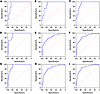 Figure 16
ROC curves for distinguishing BKVN-N from TCMR, BKVN-P from TCMR, and BKVN from TCMR across discovery, external validation, and combined cohorts. (A–C) Discovery cohort (n = 32 urines matched to biopsies). (A) BKVN-N (n = 4) vs. TCMR (n = 21), AUROC = 0.93. (B) BKVN-P (n = 7) vs. TCMR (n = 21), AUROC = 0.9. (C) BKVN (n = 11) vs. TCMR (n = 21), AUROC = 0.91. (D–F) External validation set (n = 85 urine samples matched to biopsies). (D) BKVN-N (n = 10) vs. TCMR (n = 46), AUROC = 0.92. (E) BKVN-P (n = 29) vs. TCMR (n = 46), AUROC = 0.82. (F) BKVN (n = 39) vs. TCMR (n = 46), AUROC = 0.84. (G–I) Combined cohort (n = 117 urine samples matched to biopsies). (G) BKVN-N (n = 14) vs. TCMR (n = 67), AUROC = 0.93. (H) BKVN-P (n = 36) vs. TCMR (n = 67), AUROC = 0.83. (I) BKVN (n = 50) vs. TCMR (n = 67), AUROC = 0.85. ROC curves illustrate sensitivity and specificity. An AUROC of 1.0 indicates perfect classification, whereas 0.5 reflects random performance.
In the external validation set, AUROC values were 0.92 (95% CI, 0.85–1, P = 1.42 × 10⁻⁶) for BKVN-N versus TCMR (Figure 16D), 0.82 (95% CI, 0.71–0.92, P = 7.8 × 10⁻⁷) for BKVN-P versus TCMR (Figure 16E), and 0.84 (95% CI, 0.76–0.93, P = 4.05 × 10⁻⁹) for all BKVN cases versus TCMR (Figure 16F).
In the combined set, the AUROC values remained robust: 0.93 (95% CI, 0.88–0.99, P = 2.3 × 10⁻⁷) for BKVN-N versus TCMR (Figure 16G), 0.83 (95% CI, 0.74–0.92, P = 2.03 × 10⁻⁸) for BKVN-P versus TCMR (Figure 16H), and 0.85 (95% CI, 0.78–0.92, P = 1.52 × 10⁻¹⁰) for all cases of BKVN versus TCMR (Figure 16I). The optimal cut point, which maximized the combined sensitivity and specificity, was 0.67. At this threshold, the CXCL10 mRNA/CD3E mRNA ratio distinguished BKVN from TCMR with a sensitivity of 85% and a specificity of 76%.
Collectively, our findings support the utility of the ratio of CXCL10 mRNA to CD3E mRNA as a noninvasive biomarker capable of distinguishing BKVN-N (without intragraft inflammation) and BKVN-P (with intragraft inflammation) from TCMR, which is characterized by prominent intragraft inflammation.
Transcriptomic signature discriminating TCMR from BKVN. To define a transcriptome-wide signature that distinguishes TCMR from BKVN, 21 urinary cell transcriptomes matched to 21 TCMR biopsies were compared with 11 urinary cell transcriptomes matched to 10 BKVN biopsies (4 BKVN-N urine samples matched to 4 BKVN-N biopsies and 7 urine samples matched 6 BKVN-P biopsies). Figure 17A shows a volcano plot summarizing DEGs. This analysis identified 104 DEGs, with 91 overexpressed (adjusted P < 0.05) and 13 underexpressed (adjusted P < 0.05) (Supplemental Table 39).
 Figure 17
Transcriptomic signature discriminating TCMR from BKVN. (A) Twenty-one urinary cell transcriptomes matched to 21 TCMR biopsies were compared with 11 urinary cell transcriptomes matched to 10 BKVN biopsies (4 BKVN-N and 6 BKVN-P). The volcano plots show DEGs (log2 fold change vs. log10 P). Supplemental Table 39 lists 104 DEGs. (B) glmnet cross-validation plots display mean-squared and misclassification error across λ values, with vertical lines indicating the optimal penalties (minimum error and more parsimonious 1-SE solution). (C) Elastic net coefficient plot for each of the 18 predictor genes shows coefficient direction and magnitude in the model that perfectly separates TCMR from BKVN (AUROC = 1.0). Supplemental Table 40 lists the 18 genes and their elastic net coefficients, random forest validation metrics, and TCMR versus BKVN fold changes and adjusted P values. (D) ROC curve for a bootstrapped random forest classifier trained on the selected genes (N = 1,000 bootstraps; caret with optimal mtry = 2) shows high performance accuracy of 0.973 (95% CI, 0.970–0.975) and AUROC of 0.995.
Elastic net regression was then used for robust feature selection. The cv.glmnet function (https://cran.r-project.org/web/packages/glmnet/index.html) identified the optimal λ by cross-validation, selecting the model with the minimum error of λ at α = 0.8. Figure 17B displays the glmnet cross-validation plot, which shows mean-squared and misclassification error across λ values; vertical lines indicate the optimal penalties (minimum error and more parsimonious 1-SE solution).
Shrinkage of the 104 DEGs identified an 18-gene panel that perfectly discriminated TCMR from BKVN with an accuracy of 100% (95% CI, 0.89–1.0) and an AUROC of 1.0. A bootstrap evaluation of the 18-gene model with 1,000 iterations confirmed the high performance, yielding an accuracy of 0.987 (95% CI, 0.984–0.989) and an AUROC of 0.999.
Figure 17C shows the elastic net coefficient plot, which depicts the estimated coefficients for each of the 18 gene predictors, illustrating their direction and relative contribution to the model that separates TCMR from BKVN (AUROC = 1.0). Supplemental Table 40 lists the 18 predictor genes and their elastic net coefficients, random forest validation, and TCMR versus BKVN fold changes for the 18 predictors, and the adjusted P values for the fold changes.
To evaluate model robustness, a bootstrapped random forest was fitted using the selected genes. Using N = 1,000 bootstrap samples and the caret package train function with the optimal mtry = 2 (https://cran.r-project.org/web/packages/caret/index.html), this model achieved similarly high performance, with an accuracy of 0.973 (95% CI, 0.970–0.975) and an AUROC of 0.995 (Figure 17D).


