
Research ArticleEndocrinologyMetabolism
Open Access |  10.1172/jci.insight.200168
A nutrient-responsive AMPK/TBK1 circuit restricts adipocyte catabolism
Churaibhon Wisessaowapak,1 Yuliya Skorobogatko,1 Hyeonhui Kim,1 Xue Feng,1 Seunghwan Son,1 Haipeng Fu,1 Sitao Zhang,2 Pichaya Lertvilai,3 Lina Chang,1 Annie Hoang,1 Hetty Chen,1 Sarah Bedsted,1 Joseph Valentine,1 Jin Young Huh,1,4 Peng Zhao,1,5 Shannon M. Reilly,1,6 Piyajit Watcharasit,7 Maryam Ahmadian,1 and Alan R. Saltiel1
1Division of Endocrinology and Metabolism, Department of Medicine and Pharmacology;
2Department of Cellular and Molecular Medicine; and
3Marine Physical Lab, Scripps Institution of Oceanography, UCSD, San Diego, California, USA.
4Center for Nano Materials, Department of Life Science, Sogang University, Seoul, Korea.
5Department of Biochemistry and Structural Biology, University of Texas Health Science Center at San Antonio, San Antonio, Texas, USA.
6Weill Center for Metabolic Health, Division of Endocrinology, Diabetes and Metabolism, Department of Medicine, Weill Cornell Medicine, New York, New York, USA.
7Laboratory of Pharmacology, Chulabhorn Research Institute, Bangkok, Thailand.
Address correspondence to: Alan R. Saltiel, Department of Medicine, UCSD, 9500 Gilman Drive, 0660, La Jolla, California 92093, USA. Phone: 858.534.5953; Email: asaltiel@ucsd.edu.
Authorship note: MA is deceased.
Find articles by Wisessaowapak, C. in: PubMed | Google Scholar
1Division of Endocrinology and Metabolism, Department of Medicine and Pharmacology;
2Department of Cellular and Molecular Medicine; and
3Marine Physical Lab, Scripps Institution of Oceanography, UCSD, San Diego, California, USA.
4Center for Nano Materials, Department of Life Science, Sogang University, Seoul, Korea.
5Department of Biochemistry and Structural Biology, University of Texas Health Science Center at San Antonio, San Antonio, Texas, USA.
6Weill Center for Metabolic Health, Division of Endocrinology, Diabetes and Metabolism, Department of Medicine, Weill Cornell Medicine, New York, New York, USA.
7Laboratory of Pharmacology, Chulabhorn Research Institute, Bangkok, Thailand.
Address correspondence to: Alan R. Saltiel, Department of Medicine, UCSD, 9500 Gilman Drive, 0660, La Jolla, California 92093, USA. Phone: 858.534.5953; Email: asaltiel@ucsd.edu.
Authorship note: MA is deceased.
Find articles by Skorobogatko, Y. in: PubMed | Google Scholar
1Division of Endocrinology and Metabolism, Department of Medicine and Pharmacology;
2Department of Cellular and Molecular Medicine; and
3Marine Physical Lab, Scripps Institution of Oceanography, UCSD, San Diego, California, USA.
4Center for Nano Materials, Department of Life Science, Sogang University, Seoul, Korea.
5Department of Biochemistry and Structural Biology, University of Texas Health Science Center at San Antonio, San Antonio, Texas, USA.
6Weill Center for Metabolic Health, Division of Endocrinology, Diabetes and Metabolism, Department of Medicine, Weill Cornell Medicine, New York, New York, USA.
7Laboratory of Pharmacology, Chulabhorn Research Institute, Bangkok, Thailand.
Address correspondence to: Alan R. Saltiel, Department of Medicine, UCSD, 9500 Gilman Drive, 0660, La Jolla, California 92093, USA. Phone: 858.534.5953; Email: asaltiel@ucsd.edu.
Authorship note: MA is deceased.
Find articles by Kim, H. in: PubMed | Google Scholar
1Division of Endocrinology and Metabolism, Department of Medicine and Pharmacology;
2Department of Cellular and Molecular Medicine; and
3Marine Physical Lab, Scripps Institution of Oceanography, UCSD, San Diego, California, USA.
4Center for Nano Materials, Department of Life Science, Sogang University, Seoul, Korea.
5Department of Biochemistry and Structural Biology, University of Texas Health Science Center at San Antonio, San Antonio, Texas, USA.
6Weill Center for Metabolic Health, Division of Endocrinology, Diabetes and Metabolism, Department of Medicine, Weill Cornell Medicine, New York, New York, USA.
7Laboratory of Pharmacology, Chulabhorn Research Institute, Bangkok, Thailand.
Address correspondence to: Alan R. Saltiel, Department of Medicine, UCSD, 9500 Gilman Drive, 0660, La Jolla, California 92093, USA. Phone: 858.534.5953; Email: asaltiel@ucsd.edu.
Authorship note: MA is deceased.
Find articles by Feng, X. in: PubMed | Google Scholar
1Division of Endocrinology and Metabolism, Department of Medicine and Pharmacology;
2Department of Cellular and Molecular Medicine; and
3Marine Physical Lab, Scripps Institution of Oceanography, UCSD, San Diego, California, USA.
4Center for Nano Materials, Department of Life Science, Sogang University, Seoul, Korea.
5Department of Biochemistry and Structural Biology, University of Texas Health Science Center at San Antonio, San Antonio, Texas, USA.
6Weill Center for Metabolic Health, Division of Endocrinology, Diabetes and Metabolism, Department of Medicine, Weill Cornell Medicine, New York, New York, USA.
7Laboratory of Pharmacology, Chulabhorn Research Institute, Bangkok, Thailand.
Address correspondence to: Alan R. Saltiel, Department of Medicine, UCSD, 9500 Gilman Drive, 0660, La Jolla, California 92093, USA. Phone: 858.534.5953; Email: asaltiel@ucsd.edu.
Authorship note: MA is deceased.
Find articles by Son, S. in: PubMed | Google Scholar
1Division of Endocrinology and Metabolism, Department of Medicine and Pharmacology;
2Department of Cellular and Molecular Medicine; and
3Marine Physical Lab, Scripps Institution of Oceanography, UCSD, San Diego, California, USA.
4Center for Nano Materials, Department of Life Science, Sogang University, Seoul, Korea.
5Department of Biochemistry and Structural Biology, University of Texas Health Science Center at San Antonio, San Antonio, Texas, USA.
6Weill Center for Metabolic Health, Division of Endocrinology, Diabetes and Metabolism, Department of Medicine, Weill Cornell Medicine, New York, New York, USA.
7Laboratory of Pharmacology, Chulabhorn Research Institute, Bangkok, Thailand.
Address correspondence to: Alan R. Saltiel, Department of Medicine, UCSD, 9500 Gilman Drive, 0660, La Jolla, California 92093, USA. Phone: 858.534.5953; Email: asaltiel@ucsd.edu.
Authorship note: MA is deceased.
Find articles by Fu, H. in: PubMed | Google Scholar
1Division of Endocrinology and Metabolism, Department of Medicine and Pharmacology;
2Department of Cellular and Molecular Medicine; and
3Marine Physical Lab, Scripps Institution of Oceanography, UCSD, San Diego, California, USA.
4Center for Nano Materials, Department of Life Science, Sogang University, Seoul, Korea.
5Department of Biochemistry and Structural Biology, University of Texas Health Science Center at San Antonio, San Antonio, Texas, USA.
6Weill Center for Metabolic Health, Division of Endocrinology, Diabetes and Metabolism, Department of Medicine, Weill Cornell Medicine, New York, New York, USA.
7Laboratory of Pharmacology, Chulabhorn Research Institute, Bangkok, Thailand.
Address correspondence to: Alan R. Saltiel, Department of Medicine, UCSD, 9500 Gilman Drive, 0660, La Jolla, California 92093, USA. Phone: 858.534.5953; Email: asaltiel@ucsd.edu.
Authorship note: MA is deceased.
Find articles by Zhang, S. in: PubMed | Google Scholar
1Division of Endocrinology and Metabolism, Department of Medicine and Pharmacology;
2Department of Cellular and Molecular Medicine; and
3Marine Physical Lab, Scripps Institution of Oceanography, UCSD, San Diego, California, USA.
4Center for Nano Materials, Department of Life Science, Sogang University, Seoul, Korea.
5Department of Biochemistry and Structural Biology, University of Texas Health Science Center at San Antonio, San Antonio, Texas, USA.
6Weill Center for Metabolic Health, Division of Endocrinology, Diabetes and Metabolism, Department of Medicine, Weill Cornell Medicine, New York, New York, USA.
7Laboratory of Pharmacology, Chulabhorn Research Institute, Bangkok, Thailand.
Address correspondence to: Alan R. Saltiel, Department of Medicine, UCSD, 9500 Gilman Drive, 0660, La Jolla, California 92093, USA. Phone: 858.534.5953; Email: asaltiel@ucsd.edu.
Authorship note: MA is deceased.
Find articles by Lertvilai, P. in: PubMed | Google Scholar
1Division of Endocrinology and Metabolism, Department of Medicine and Pharmacology;
2Department of Cellular and Molecular Medicine; and
3Marine Physical Lab, Scripps Institution of Oceanography, UCSD, San Diego, California, USA.
4Center for Nano Materials, Department of Life Science, Sogang University, Seoul, Korea.
5Department of Biochemistry and Structural Biology, University of Texas Health Science Center at San Antonio, San Antonio, Texas, USA.
6Weill Center for Metabolic Health, Division of Endocrinology, Diabetes and Metabolism, Department of Medicine, Weill Cornell Medicine, New York, New York, USA.
7Laboratory of Pharmacology, Chulabhorn Research Institute, Bangkok, Thailand.
Address correspondence to: Alan R. Saltiel, Department of Medicine, UCSD, 9500 Gilman Drive, 0660, La Jolla, California 92093, USA. Phone: 858.534.5953; Email: asaltiel@ucsd.edu.
Authorship note: MA is deceased.
Find articles by Chang, L. in: PubMed | Google Scholar
1Division of Endocrinology and Metabolism, Department of Medicine and Pharmacology;
2Department of Cellular and Molecular Medicine; and
3Marine Physical Lab, Scripps Institution of Oceanography, UCSD, San Diego, California, USA.
4Center for Nano Materials, Department of Life Science, Sogang University, Seoul, Korea.
5Department of Biochemistry and Structural Biology, University of Texas Health Science Center at San Antonio, San Antonio, Texas, USA.
6Weill Center for Metabolic Health, Division of Endocrinology, Diabetes and Metabolism, Department of Medicine, Weill Cornell Medicine, New York, New York, USA.
7Laboratory of Pharmacology, Chulabhorn Research Institute, Bangkok, Thailand.
Address correspondence to: Alan R. Saltiel, Department of Medicine, UCSD, 9500 Gilman Drive, 0660, La Jolla, California 92093, USA. Phone: 858.534.5953; Email: asaltiel@ucsd.edu.
Authorship note: MA is deceased.
Find articles by Hoang, A. in: PubMed | Google Scholar
1Division of Endocrinology and Metabolism, Department of Medicine and Pharmacology;
2Department of Cellular and Molecular Medicine; and
3Marine Physical Lab, Scripps Institution of Oceanography, UCSD, San Diego, California, USA.
4Center for Nano Materials, Department of Life Science, Sogang University, Seoul, Korea.
5Department of Biochemistry and Structural Biology, University of Texas Health Science Center at San Antonio, San Antonio, Texas, USA.
6Weill Center for Metabolic Health, Division of Endocrinology, Diabetes and Metabolism, Department of Medicine, Weill Cornell Medicine, New York, New York, USA.
7Laboratory of Pharmacology, Chulabhorn Research Institute, Bangkok, Thailand.
Address correspondence to: Alan R. Saltiel, Department of Medicine, UCSD, 9500 Gilman Drive, 0660, La Jolla, California 92093, USA. Phone: 858.534.5953; Email: asaltiel@ucsd.edu.
Authorship note: MA is deceased.
Find articles by Chen, H. in: PubMed | Google Scholar
1Division of Endocrinology and Metabolism, Department of Medicine and Pharmacology;
2Department of Cellular and Molecular Medicine; and
3Marine Physical Lab, Scripps Institution of Oceanography, UCSD, San Diego, California, USA.
4Center for Nano Materials, Department of Life Science, Sogang University, Seoul, Korea.
5Department of Biochemistry and Structural Biology, University of Texas Health Science Center at San Antonio, San Antonio, Texas, USA.
6Weill Center for Metabolic Health, Division of Endocrinology, Diabetes and Metabolism, Department of Medicine, Weill Cornell Medicine, New York, New York, USA.
7Laboratory of Pharmacology, Chulabhorn Research Institute, Bangkok, Thailand.
Address correspondence to: Alan R. Saltiel, Department of Medicine, UCSD, 9500 Gilman Drive, 0660, La Jolla, California 92093, USA. Phone: 858.534.5953; Email: asaltiel@ucsd.edu.
Authorship note: MA is deceased.
Find articles by Bedsted, S. in: PubMed | Google Scholar
1Division of Endocrinology and Metabolism, Department of Medicine and Pharmacology;
2Department of Cellular and Molecular Medicine; and
3Marine Physical Lab, Scripps Institution of Oceanography, UCSD, San Diego, California, USA.
4Center for Nano Materials, Department of Life Science, Sogang University, Seoul, Korea.
5Department of Biochemistry and Structural Biology, University of Texas Health Science Center at San Antonio, San Antonio, Texas, USA.
6Weill Center for Metabolic Health, Division of Endocrinology, Diabetes and Metabolism, Department of Medicine, Weill Cornell Medicine, New York, New York, USA.
7Laboratory of Pharmacology, Chulabhorn Research Institute, Bangkok, Thailand.
Address correspondence to: Alan R. Saltiel, Department of Medicine, UCSD, 9500 Gilman Drive, 0660, La Jolla, California 92093, USA. Phone: 858.534.5953; Email: asaltiel@ucsd.edu.
Authorship note: MA is deceased.
Find articles by Valentine, J. in: PubMed | Google Scholar
1Division of Endocrinology and Metabolism, Department of Medicine and Pharmacology;
2Department of Cellular and Molecular Medicine; and
3Marine Physical Lab, Scripps Institution of Oceanography, UCSD, San Diego, California, USA.
4Center for Nano Materials, Department of Life Science, Sogang University, Seoul, Korea.
5Department of Biochemistry and Structural Biology, University of Texas Health Science Center at San Antonio, San Antonio, Texas, USA.
6Weill Center for Metabolic Health, Division of Endocrinology, Diabetes and Metabolism, Department of Medicine, Weill Cornell Medicine, New York, New York, USA.
7Laboratory of Pharmacology, Chulabhorn Research Institute, Bangkok, Thailand.
Address correspondence to: Alan R. Saltiel, Department of Medicine, UCSD, 9500 Gilman Drive, 0660, La Jolla, California 92093, USA. Phone: 858.534.5953; Email: asaltiel@ucsd.edu.
Authorship note: MA is deceased.
Find articles by Huh, J. in: PubMed | Google Scholar
1Division of Endocrinology and Metabolism, Department of Medicine and Pharmacology;
2Department of Cellular and Molecular Medicine; and
3Marine Physical Lab, Scripps Institution of Oceanography, UCSD, San Diego, California, USA.
4Center for Nano Materials, Department of Life Science, Sogang University, Seoul, Korea.
5Department of Biochemistry and Structural Biology, University of Texas Health Science Center at San Antonio, San Antonio, Texas, USA.
6Weill Center for Metabolic Health, Division of Endocrinology, Diabetes and Metabolism, Department of Medicine, Weill Cornell Medicine, New York, New York, USA.
7Laboratory of Pharmacology, Chulabhorn Research Institute, Bangkok, Thailand.
Address correspondence to: Alan R. Saltiel, Department of Medicine, UCSD, 9500 Gilman Drive, 0660, La Jolla, California 92093, USA. Phone: 858.534.5953; Email: asaltiel@ucsd.edu.
Authorship note: MA is deceased.
Find articles by Zhao, P. in: PubMed | Google Scholar
1Division of Endocrinology and Metabolism, Department of Medicine and Pharmacology;
2Department of Cellular and Molecular Medicine; and
3Marine Physical Lab, Scripps Institution of Oceanography, UCSD, San Diego, California, USA.
4Center for Nano Materials, Department of Life Science, Sogang University, Seoul, Korea.
5Department of Biochemistry and Structural Biology, University of Texas Health Science Center at San Antonio, San Antonio, Texas, USA.
6Weill Center for Metabolic Health, Division of Endocrinology, Diabetes and Metabolism, Department of Medicine, Weill Cornell Medicine, New York, New York, USA.
7Laboratory of Pharmacology, Chulabhorn Research Institute, Bangkok, Thailand.
Address correspondence to: Alan R. Saltiel, Department of Medicine, UCSD, 9500 Gilman Drive, 0660, La Jolla, California 92093, USA. Phone: 858.534.5953; Email: asaltiel@ucsd.edu.
Authorship note: MA is deceased.
Find articles by Reilly, S. in: PubMed | Google Scholar
1Division of Endocrinology and Metabolism, Department of Medicine and Pharmacology;
2Department of Cellular and Molecular Medicine; and
3Marine Physical Lab, Scripps Institution of Oceanography, UCSD, San Diego, California, USA.
4Center for Nano Materials, Department of Life Science, Sogang University, Seoul, Korea.
5Department of Biochemistry and Structural Biology, University of Texas Health Science Center at San Antonio, San Antonio, Texas, USA.
6Weill Center for Metabolic Health, Division of Endocrinology, Diabetes and Metabolism, Department of Medicine, Weill Cornell Medicine, New York, New York, USA.
7Laboratory of Pharmacology, Chulabhorn Research Institute, Bangkok, Thailand.
Address correspondence to: Alan R. Saltiel, Department of Medicine, UCSD, 9500 Gilman Drive, 0660, La Jolla, California 92093, USA. Phone: 858.534.5953; Email: asaltiel@ucsd.edu.
Authorship note: MA is deceased.
Find articles by Watcharasit, P. in: PubMed | Google Scholar
1Division of Endocrinology and Metabolism, Department of Medicine and Pharmacology;
2Department of Cellular and Molecular Medicine; and
3Marine Physical Lab, Scripps Institution of Oceanography, UCSD, San Diego, California, USA.
4Center for Nano Materials, Department of Life Science, Sogang University, Seoul, Korea.
5Department of Biochemistry and Structural Biology, University of Texas Health Science Center at San Antonio, San Antonio, Texas, USA.
6Weill Center for Metabolic Health, Division of Endocrinology, Diabetes and Metabolism, Department of Medicine, Weill Cornell Medicine, New York, New York, USA.
7Laboratory of Pharmacology, Chulabhorn Research Institute, Bangkok, Thailand.
Address correspondence to: Alan R. Saltiel, Department of Medicine, UCSD, 9500 Gilman Drive, 0660, La Jolla, California 92093, USA. Phone: 858.534.5953; Email: asaltiel@ucsd.edu.
Authorship note: MA is deceased.
Find articles by Ahmadian, M. in: PubMed | Google Scholar
1Division of Endocrinology and Metabolism, Department of Medicine and Pharmacology;
2Department of Cellular and Molecular Medicine; and
3Marine Physical Lab, Scripps Institution of Oceanography, UCSD, San Diego, California, USA.
4Center for Nano Materials, Department of Life Science, Sogang University, Seoul, Korea.
5Department of Biochemistry and Structural Biology, University of Texas Health Science Center at San Antonio, San Antonio, Texas, USA.
6Weill Center for Metabolic Health, Division of Endocrinology, Diabetes and Metabolism, Department of Medicine, Weill Cornell Medicine, New York, New York, USA.
7Laboratory of Pharmacology, Chulabhorn Research Institute, Bangkok, Thailand.
Address correspondence to: Alan R. Saltiel, Department of Medicine, UCSD, 9500 Gilman Drive, 0660, La Jolla, California 92093, USA. Phone: 858.534.5953; Email: asaltiel@ucsd.edu.
Authorship note: MA is deceased.
Find articles by Saltiel, A. in: PubMed | Google Scholar
Published May 8, 2026 - More info
JCI Insight. 2026;11(9):e200168. https://doi.org/10.1172/jci.insight.200168.
© 2026 Wisessaowapak et al. This work is licensed under the Creative Commons Attribution 4.0 International License. To view a copy of this license, visit http://creativecommons.org/licenses/by/4.0/.
Received: September 11, 2025; Accepted: March 5, 2026


-
Results
Fasting induces Tbk1 expression in adipose tissue through AMPK activation. Obesity-induced inflammation increases TBK1 expression and activity in adipocytes, which suppresses energy expenditure and lipid mobilization (11). Interestingly, fasting also induces Tbk1 in adipose tissue and the liver (11, 14), suggesting that TBK1 operates at both ends of the metabolic stress spectrum. To test whether fasting regulates Tbk1 expression in adipose tissue, we measured its mRNA levels in inguinal white adipose tissue (iWAT) and epididymal white adipose tissue (eWAT) after 24–48 hours of fasting. Tbk1 expression was significantly increased in both depots, accompanied by induction of the lipolysis gene Pnpla2 (Figure 1, A and B). Immunoblot analysis further confirmed that fasting increased TBK1 phosphorylation at Ser172 and total TBK1 protein levels, together with the expected increase in AMPK phosphorylation at Thr172 (Figure 1, C–E, and Supplemental Figure 1A; supplemental material available online with this article; https://doi.org/10.1172/jci.insight.200168DS1).
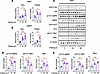 Figure 1
Fasting induces TBK1 at both the transcriptional and protein levels. (A) qPCR analysis of Tbk1 and Pnpla2 mRNA in iWAT from mice fed a normal diet (ND) or an HFD and fasted for 24 or 48 hours. n = 3–4, 1-way ANOVA with Tukey’s multiple-comparison test. (B) qPCR analysis of Tbk1 and Pnpla2 mRNA in eWAT from ND and HFD mice fasted for 24 or 48 hours. n = 4, 1-way ANOVA with Tukey’s multiple-comparison test. (C) Immunoblot analysis of iWAT from ND mice fasted for 0, 24, or 48 hours, probed for pS473 Akt, Akt, pT172 AMPK, AMPK, pS79 ACC, ACC, pS172 TBK1, TBK1, and β-tubulin. (D and E) Quantification of immunoblots from iWAT (D) and eWAT (E). n = 4, 1-way ANOVA with Tukey’s multiple-comparison test. Data are presented as mean ± SEM; each dot represents a biological replicate. *P < 0.05, **P < 0.01, ***P < 0.001, ****P < 0.0001.
To determine whether AMPK activation contributes to fasting-induced Tbk1, we treated mice with the AMPK agonist AICAR. AICAR administration markedly increased Tbk1 and Ppargc1a mRNA in iWAT and induced phosphorylation of both AMPK and TBK1 (Figure 2, A and B). In differentiated 3T3-L1 adipocytes, pharmacological AMPK activation with PF-739 or nutrient deprivation also increased Tbk1 expression in a time-dependent manner (Supplemental Figure 1B). Immunoblot analysis of PF-739–treated adipocytes confirmed these findings, showing increased AMPK phosphorylation at Thr172; phosphorylation of its downstream targets pS79 ACC, pS555 ULK1, and pS792 raptor; and elevated TBK1 phosphorylation and protein levels (Supplemental Figure 1, C and D). Next, we utilized primary preadipocytes differentiated in vitro from WT and Tbk1AKO mice treated with or without the AMPK activator PF-739 for 6 hours. AMPK activation led to a time-dependent increase in Tbk1 expression and TBK1 protein levels in WT cells. Consistent with its role as a nutrient-responsive brake, the genetic deletion of TBK1 in adipocytes enhanced and sustained AMPK signaling. Tbk1AKO adipocytes exhibited markedly higher levels of pT172 AMPK and its direct downstream targets, pS79 ACC and pS792 raptor, at multiple time points compared with WT controls (Supplemental Figure 1, E and F).
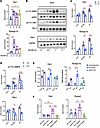 Figure 2
Fasting induces Tbk1 in adipose tissue through AMPK. (A) qPCR analysis of Tbk1 and Ppargc1a mRNA in iWAT from ND mice treated with 500 mg/kg AICAR (i.p.) for 0, 3, 6, or 24 hours. n = 2–3, 1-way ANOVA with Tukey’s multiple-comparison test. (B) Immunoblot analysis of iWAT from ND mice treated with 500 mg/kg AICAR (i.p.) for 0.5, 1, or 3 hours, probed for pS79 ACC, ACC, pT172 AMPK, AMPK, pS172 TBK1, TBK1, and HSP90. (C and D) Differentiated 3T3-L1 adipocytes were pretreated with 10 μM Compound C for 30 minutes followed by 10 μM PF-739 or 500 μM AICAR for 6 hours. qPCR analysis of Tbk1 and Ppargc1a (C) and quantification of pT172 AMPK/AMPK and TBK1/HSP90 (D) are shown. n = 3, 2-way ANOVA with Tukey’s multiple-comparison test. (E) Differentiated 3T3-L1 adipocytes were transfected with siRNA targeting AMPKα1 and α2 for 3 days, then stimulated with 10 μM PF-739 for 6 hours. qPCR analysis of Tbk1 and Ppargc1a is shown. n = 3, 2-way ANOVA with Tukey’s multiple-comparison test. (F) iWAT from Prkaa1/2AKO (AAKO) mice fasted for 48 hours was analyzed for Tbk1 and Pnpla2 mRNA expression. n = 3–4, 1-way ANOVA with Tukey’s multiple-comparison test. Data are presented as mean ± SEM; each dot represents a biological replicate. *P < 0.05, **P < 0.01, ***P < 0.001, ****P < 0.0001.
In 3T3-L1 adipocytes, pharmacological AMPK activation by either AICAR or PF-739 increased Tbk1 and Ppargc1a expression, whereas pretreatment with the AMPK inhibitor Compound C abolished these effects (Figure 2, C and D, and Supplemental Figure 2, A and B). Consistently, AMPKα1/α2 knockdown by siRNA prevented PF-739–induced Tbk1 expression (Figure 2E and Supplemental Figure 2C). Finally, fasting failed to induce Tbk1 or Pnpla2 expression in iWAT from adipocyte-specific AMPK-KO (Prkaa1/2AKO) mice (Supplemental Figure 2D), demonstrating that AMPK is required for fasting-mediated induction of Tbk1 (Figure 2F). Together, these results demonstrate that fasting upregulates Tbk1 expression in adipose tissue and that this response is dependent on AMPK activation.
The PGC1α/NRF1 axis mediates AMPK-dependent Tbk1 transcription during nutrient stress. To explore the mechanism by which AMPK activation increases Tbk1 mRNA levels, we first examined mRNA stability in isolated adipocytes. PF-739 did not alter the half-life of Tbk1 mRNA, suggesting that AMPK regulates transcription of Tbk1 mRNA rather than its stability (Figure 3A). Treatment of cells with cycloheximide blocked PF-739–induced Tbk1 expression, indicating that de novo protein synthesis is required (Figure 3B). These findings led us to hypothesize that AMPK controls Tbk1 transcription through a PGC1α/NRF1 module (Figure 3C). Under the same conditions that induced Tbk1, both PF-739 and nutrient deprivation also increased Ppargc1a expression in a time-dependent manner in 3T3-L1 adipocytes (Supplemental Figure 3, A and B), while fasting elevated Ppargc1a expression in eWAT (Figure 3D). To explore the importance of PGC1a in Tbk1 expression, we created adipocyte-specific PGC1a-KO (Ppargc1aAKO) mice. Tbk1 mRNA levels were not elevated in response to fasting in these mice compared with WT controls (Figure 3E). Similarly, PF-739 treatment did not increase Tbk1 expression in Ppargc1aAKO primary preadipocytes differentiated in vitro, confirming that PGC1α is required for AMPK-dependent Tbk1 transcription (Supplemental Figure 3C).
 Figure 3
PGC1α is required for the transcriptional induction of Tbk1 during fasting. (A) mRNA stability assay of Arbp and Tbk1 in 3T3-L1 adipocytes treated with actinomycin D in the presence or absence of 10 μM PF-739. (B) qPCR analysis of Tbk1 mRNA in 3T3-L1 adipocytes treated with cycloheximide (CHX) or PF-739 for 6 hours to assess the requirement for de novo protein synthesis. n = 3, 1-way ANOVA with Tukey’s multiple-comparison test. (C) Schematic model of fasting-induced Tbk1 transcription via the AMPK/PGC1α/NRF1 signaling axis. (D) qPCR analysis of Ppargc1a in eWAT from lean mice fasted for 24–48 hours. n = 3, 1-way ANOVA with Tukey’s multiple-comparison test. (E) qPCR analysis of Tbk1 mRNA in eWAT from WT and adipocyte-specific Ppargc1a-KO (Ppargc1aAKO; PKO) mice fasted for 24–48 hours. n = 3, 2-way ANOVA with Tukey’s multiple-comparison test. (F and G) qPCR (F) and immunoblot analysis (G) of NRF1 in eWAT from mice fasted for 24–48 hours. n = 3, 1-way ANOVA with Tukey’s multiple-comparison test. (H) qPCR analysis of Ppargc1a, Nrf1, and Tbk1 mRNA in iWAT from WT and Ppargc1aAKO mice 3 hours after a single acute injection of AICAR (500 mg/kg, i.p.). n = 2–3, 2-way ANOVA with Tukey’s multiple-comparison test. Data are presented as mean ± SEM; each dot represents a biological replicate. *P < 0.05, **P < 0.01, ***P < 0.001, ****P < 0.0001.
NRF1 is a known binding partner of PGC1α and responds to a higher AMP/ATP ratio (20). In silico promoter analysis revealed a putative NRF1 binding motif within the Tbk1 locus (Supplemental Figure 3D). Public ChIP-seq data (NCBI Gene Expression Omnibus GSM1232709, NCBI Sequence Read Archive SRX352245) further showed NRF1 occupancy at this site in 3T3-L1 adipocytes (21) (Supplemental Figure 3E). In mice, fasting increased Nrf1 mRNA and protein in eWAT (Figure 3, F and G, and Supplemental Figure 3F). Although acute AICAR treatment (500 mg/kg, i.p.) induced Ppargc1a, Nrf1, and Tbk1 expression in iWAT from WT mice, this response was markedly attenuated in Ppargc1aAKO mice (Figure 3H). These results demonstrate that PGC1α is required for the transcriptional induction of Tbk1 during nutrient deprivation.
To test whether NRF1 is necessary for Tbk1 induction, we silenced Nrf1 in 3T3-L1 adipocytes. Nrf1 knockdown reduced PF-739–induced Tbk1 mRNA and TBK1 protein expression without affecting Ppargc1a levels (Figure 4, A and B, and Supplemental Figure 3G). Furthermore, NRF1 depletion decreased TBK1 protein levels and increased pS79 ACC, consistent with reduced TBK1-mediated feedback inhibition of AMPK (Supplemental Figure 3H). Nrf1 silencing blunted Tbk1 induction in WT cells and completely abolished it in PPDIVs from Ppargc1aAKO mice treated with PF-739, demonstrating that both PGC1α and NRF1 are required for AMPK-dependent Tbk1 transcription (Figure 4C and Supplemental Figure 3I). Immunoblot analysis further confirmed that TBK1 protein induction was absent in Ppargc1aAKO PPDIVs, Nrf1-silenced PPDIVs, and Ppargc1aAKO PPDIVs transfected with siNrf1 (Figure 4D and Supplemental Figure 3J). When TBK1 was suppressed, pT172 AMPK and pS79 ACC were increased (Figure 4D and Supplemental Figure 3J), indicating a reciprocal feedback loop between AMPK and TBK1 operating at both the transcriptional and translational levels.
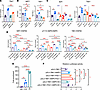 Figure 4
NRF1 acts as the downstream transcriptional effector of AMPK and PGC1α to activate Tbk1 in adipocytes. (A) qPCR analysis of Tbk1 mRNA (n = 4–5) and (B) quantitative Western blot analysis of NRF1 and TBK1 (n = 3) from 3T3-L1 adipocytes transfected with scramble or Nrf1 siRNA and treated with 10 μM PF-739 for 6 hours. One-way ANOVA with Tukey’s multiple-comparison test. (C) qPCR analysis of Nrf1 and Tbk1 mRNA (n = 3) (D) and quantitative immunoblot analysis of NRF1, pT172 AMPK, and TBK1 protein (L) in PPDIVs from WT and PKO mice transfected with Nrf1 siRNA and treated with 10 μM PF-739. n = 3, 1-way ANOVA with Tukey’s multiple-comparison test. (E) ChIP-qPCR analysis of NRF1 binding to the Tbk1 promoter region containing the predicted NRF1 motif in 3T3-L1 adipocytes. n = 3, 1-way ANOVA with Tukey’s multiple-comparison test. (F) Dual-luciferase reporter assay in HEK293T cells transfected with a reporter plasmid containing the WT Tbk1 promoter (incorporating the NRF1-binding site) and cotransfected with plasmids encoding AMPK, kinase-dead AMPK (KD), and/or PGC1α. n = 4, 1-way ANOVA with Tukey’s multiple-comparison test. Data are presented as mean ± SEM; each dot represents a biological replicate. *P < 0.05, **P < 0.01, ***P < 0.001, ****P < 0.0001.
ChIP-qPCR analysis confirmed NRF1 occupancy at the predicted motif within the Tbk1 promoter, which increased after nutrient deprivation (Figure 4E). To establish the functional relevance of this binding, the Tbk1 promoter region containing the NRF1-binding site was cloned into a pGL3-basic luciferase reporter vector (pGL3-TBK1) and cotransfected into HEK293T cells with plasmids encoding WT AMPK, kinase-dead AMPK, and/or PGC1α. Overexpression of WT AMPK and PGC1α increased luciferase activity, whereas coexpression of the AMPK–kinase-dead mutant abolished this induction (Figure 4F). These results identify a nutrient-sensitive AMPK/PGC1α/NRF1 transcriptional axis as the primary mechanism driving Tbk1 expression in adipocytes during energy deprivation.
Obesity disrupts fasting-induced AMPK/TBK1 signaling in adipose tissue. To test whether obesity alters fasting responses in adipose tissue, we compared mice fed a normal or high-fat diet (HFD) and then subjected them to 24–48 hours of fasting. Lean mice showed a pronounced reduction in body weight during fasting, whereas obese mice exhibited only a modest decline (Figure 5, A and B). iWAT, eWAT, and liver mass decreased in both groups, but the extent of loss was consistently greater in lean mice (Figure 5, C–E).
 Figure 5
Obesity blunts the AMPK/TBK1 feedback loop during fasting. (A and B) Body weight (A) and percentage weight loss (B) of ND and HFD mice after 24–48 hours fasting. n = 4–7, 1-way ANOVA with Tukey’s multiple-comparison test. (C–E) iWAT (C), eWAT (D), and liver (E) weights from the same cohort. n = 5–10, 1-way ANOVA with Tukey’s multiple-comparison test. (F) Immunoblot analysis of iWAT from ND and HFD mice fasted for 0, 24, or 48 hours, probed for pS79 ACC, ACC, pT172 AMPK, pS485 AMPK, AMPK, pS172 TBK1, TBK1, and β-tubulin. (G) qPCR analysis of Tbk1, Ppargc1a, Pnpla2, and Ccl2 mRNA in eWAT from ND and HFD mice fasted for 24–48 hours. n = 4–6, 1-way ANOVA with Tukey’s multiple-comparison test. Data are presented as mean ± SEM; each dot represents a biological replicate. *P < 0.05, **P < 0.01, ***P < 0.001, ****P < 0.0001.
We next examined the signaling pathways underlying these differences. Fasting robustly activated AMPK in eWAT from lean mice, as indicated by increased pT172 AMPK and pS79 ACC, and simultaneously induced TBK1 phosphorylation and protein expression (Figure 5F). In contrast, fasting failed to fully activate AMPK in obese mice, while basal pS172 TBK1 and TBK1 protein remained elevated, suggesting a shift in the AMPK-TBK1 balance (Figure 5F). Consistent with these findings, qPCR analysis showed that fasting induced Tbk1, Ppargc1a, and Pnpla2 in lean but not obese mice, although obese adipose tissue displayed higher basal Tbk1, in line with inflammation-associated induction. Notably, the inflammatory chemokine Ccl2 was suppressed by fasting in lean mice but remained unchanged in obese mice (Figure 5G). Single-cell RNA-seq of murine mature adipocytes confirmed this observation, revealing elevated murine Tbk1 expression in adipocytes from the eWAT of obese mice (Figure 6A). We next examined human TBK1 expression in adipocytes from subcutaneous and visceral adipose tissue across individuals with varying BMI. Consistent with findings in HFD-fed mice, human TBK1 expression was increased in individuals with higher BMI in both subcutaneous and visceral adipose tissue (Figure 6B). These results suggest that chronic inflammation associated with obesity sustains TBK1 expression while suppressing the transcriptional program normally activated by fasting.
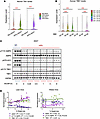 Figure 6
Tbk1 expression in murine and human adipocytes correlates with obesity and metabolic status. (A) Single-cell RNA-seq analysis of mature adipocytes isolated from eWAT and iWAT of ND- and HFD-fed mice showing murine Tbk1 expression. Statistical significance was determined using the Wilcoxon rank-sum test with FDR adjustment. (B) Single-cell RNA-seq analysis of human adipocytes from subcutaneous adipose tissue (SAT) and visceral adipose tissue (VAT) across individuals with varying BMI (20–30, 30–40, and 40–50). Statistical significance was determined using the Wilcoxon rank-sum test with FDR adjustment. (C) Immunoblot analysis of iWAT from ND and HFD mice treated with AICAR for the indicated times, probed for pT172 AMPK, AMPK, pS79 ACC, ACC, pS172 TBK1, TBK1, and HSP90. (D) Correlation of pT172 AMPK, TBK1, and eWAT mass with percentage weight loss in lean and obese mice. Expression levels of pT172 AMPK and TBK1 were quantified by Western blot. Each data point represents an individual mouse. The R2 and P values were determined using simple linear regression. Data are presented as mean ± SEM; each dot represents a biological replicate ***P < 0.001.
To assess whether this impaired response reflected a loss of AMPK function, we treated mice with AICAR (500 mg/kg, i.p.). Lean mice showed strong activation of AMPK signaling, whereas obese mice exhibited attenuated responses, with reduced pT172 AMPK and pS79 ACC but persistently high basal pS172 TBK1 and TBK1 (Figure 6C). These findings indicate that chronic TBK1 elevation in obesity antagonizes AMPK activity and limits the catabolic adaptation to fasting.
Finally, correlational analyses revealed functional consequences of the disrupted feedback loop in this imbalance. In lean mice, pT172 AMPK strongly correlated with the magnitude of body mass reduction and inversely with eWAT mass. TBK1 expression also increased in proportion to weight loss, in line with a feedback loop engaged during fasting (Figure 6D). In obese mice, pT172 AMPK correlated with weight loss, but to a lesser extent than in lean mice. Moreover, the relationship between eWAT mass loss and TBK1 expression was diminished in obesity (Figure 6D), suggesting that inflammation-driven TBK1 elevation and impaired AMPK activation contribute to the limited reduction in adiposity during fasting.
TBK1 restrains AMPK activation and lipid mobilization during fasting. We previously identified a feedback loop in which TBK1 restrains AMPK activity in adipose tissue under nutrient excess (11). To extend this model, we asked whether TBK1 also constrains adaptive responses to caloric restriction. Because fasting strongly activates AMPK, we hypothesized that TBK1 restrains fasting-induced lipid mobilization, and that inhibiting TBK1 would amplify AMPK signaling and promote fat catabolism. To test this, we first treated 3T3-L1 adipocytes with the TBK1 inhibitor amlexanox (13) during nutrient deprivation. Starvation increased pT172 AMPK and its target pS79 ACC, together with pS172 TBK1, in line with AMPK and TBK1 activation during energy stress. Amlexanox further enhanced pT172 AMPK and pS79 ACC while reducing pS172 TBK1, indicating that TBK1 inhibition augments AMPK signaling under starvation (Supplemental Figure 4, A and B).
We next evaluated these effects in vivo using lean mice treated with a suboptimal amlexanox dose at 25 mg/kg for 2 weeks. To exclude anorectic effects, pair-fed mice were included. Despite matched food intake, amlexanox-treated mice exhibited greater body weight reduction by day 6 (Supplemental Figure 5, A and B). After a 24-hour fast, amlexanox-treated mice lost more body weight and had lower iWAT and eWAT mass compared with controls (Figure 7, A and B). Under fed conditions, amlexanox lowered circulating NEFA and glycerol, together with suppression of basal lipolysis by AMPK. After fasting, however, both metabolites rose sharply, with amlexanox-treated mice showing the highest levels, indicating amplified lipolysis during energy stress (Figure 7C). Fasting induced Tbk1, Pnpla2, and Lipe in iWAT, with further induction in the amlexanox plus fasting group. Lipogenic genes Acaca and Fasn, and inflammatory markers Tnfα and Ccl2, were suppressed by fasting and further reduced with amlexanox. Meanwhile, Ppargc1a, and Pparα were strongly upregulated (Figure 7D and Supplemental Figure 5C). Western blotting confirmed that amlexanox enhanced fasting-induced AMPK activation, with higher pT172 AMPK, lower inhibitory pS485 AMPK, and increased pS79 ACC (Figure 7, E and F), consistent with reduced inflammatory signaling. Similar changes were observed in eWAT (Supplemental Figure 5, D and E).
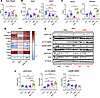 Figure 7
Inhibition of TBK1 by amlexanox promotes fat mass loss during fasting. (A and B) Body weight (A) and iWAT and eWAT mass (B) of lean mice treated with 25 mg/kg amlexanox (AMX) for 2 weeks with or without 24 hours of fasting. n = 6, 1-way ANOVA with Tukey’s multiple-comparison test. (C) Plasma non-esterified fatty acid (NEFA) and glycerol levels in the same cohort. n = 6, 1-way ANOVA with Tukey’s multiple-comparison test. (D) Heatmap of mRNA expression in iWAT of mice treated with 25 mg/kg AMX and subjected to 24 hours of fasting. Data are presented as log2 fold-change relative to control. n = 6, 1-way ANOVA with Tukey’s multiple-comparison test. (E) Immunoblot analysis of iWAT from lean mice treated with vehicle or AMX for 2 weeks and subjected to 24 hours of fasting, probed for pS473 Akt, Akt, pT172 AMPK, pS485 AMPK, AMPK, pS79 ACC, ACC, pS172 TBK1, TBK1, and β-tubulin. (F) Quantification of pS79 ACC/ACC, pT172 AMPK/AMPK, and pS485 AMPK/AMPK from E. n = 6, 1-way ANOVA with Tukey’s multiple-comparison test. Data are presented as mean ± SEM; each dot represents a biological replicate. *P < 0.05, **P < 0.01, ***P < 0.001, ****P < 0.0001.
To directly test the role of TBK1 in fasting adaptation, we subjected Tbk1AKO mice to prolonged fasting for 72 hours. Both WT and Tbk1AKO mice displayed comparable trends of body weight decline and maintained similar blood glucose levels (Figure 8A and Supplemental Figure 6, A and B). However, Tbk1AKO mice preserved lean mass but lost more fat mass than WT mice (Figure 8B and Supplemental Figure 6C), with reduced iWAT and eWAT depots and elevated NEFA and glycerol (Figure 8, C and D). Tbk1AKO mice also showed a decrease in liver mass and hepatic triglyceride accumulation during fasting (Supplemental Figure 6, D and E), indicating enhanced lipid mobilization and reduced hepatic lipid accumulation.
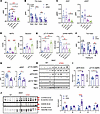 Figure 8
TBK1 loss in adipocytes promotes AMPK activation and mitochondrial OXPHOS expression under nutrient stress. (A–C) WT or ATKO mice subjected to prolonged fasting for 72 hours. Body weight (A), fat mass over 3 days of fasting (B), and iWAT/eWAT weights (C) are shown. n = 5–8, 1-way or 2-way ANOVA with Tukey’s multiple-comparison test. (D) Plasma NEFA and glycerol levels in WT and ATKO mice after 72 hours fasting. n = 5–8, 1-way ANOVA with Tukey’s multiple-comparison test. (E) Quantification of pT172 AMPK/AMPK and pS485 AMPK/AMPK in iWAT from fasted WT and ATKO mice. n = 5–8, 1-way ANOVA with Tukey’s multiple-comparison test. (F and G) WT and ATKO mice fed a 60% kcal HFD for 12 weeks and subjected to 48 hours of fasting. Fat mass was measured by EchoMRI (F), and iWAT/eWAT weights are shown (G). n = 6, 1-way ANOVA with Tukey’s multiple-comparison test. (H) Immunoblot analysis of iWAT from WT and ATKO mice fasted for 48 hours, probed for pS79 ACC, ACC, pT172 AMPK, AMPK, pS172 TBK1, TBK1, and RalA. (I) Quantification of pS79 ACC/ACC and pT172 AMPK/AMPK from H. n = 5, 1-way ANOVA with Tukey’s multiple-comparison test. (J) Immunoblot analysis and quantification of OXPHOS complexes (V–I) in iWAT from WT and ATKO mice fasted for 48 hours. n = 7, 1-way ANOVA with Tukey’s multiple-comparison test. Data are presented as mean ± SEM; each dot represents a biological replicate. **P < 0.01, ***P < 0.001, ****P < 0.0001. ATKO; Tbk1AKO mice.
In WT mice, 72-hour fasting increased Tbk1 mRNA and protein, whereas Tbk1AKO mice showed no induction (Supplemental Figure 6F). Tbk1AKO mice exhibited higher basal pT172 AMPK, lower pS485 AMPK, and elevated pS79 ACC, and these differences were more pronounced after fasting (Figure 8E and Supplemental Figure 6, G and H). Under HFD conditions, Tbk1AKO mice fasted for 48 hours lost more body weight, iWAT, and eWAT, with only a modest reduction in lean mass compared with WT littermates (Figure 8, F and G, and Supplemental Figure 6, I and J). Immunoblot analysis of iWAT further confirmed that obese Tbk1AKO mice displayed higher pT172 AMPK accompanied by increased pS79 ACC (Figure 8, H and I), consistent with enhanced AMPK activity. In addition, fasted Tbk1AKO mice showed an increase in mitochondrial oxidative phosphorylation proteins, particularly Complex IV and V (Figure 8J), suggesting augmented oxidative capacity during fasting. These findings establish that TBK1 functions as a brake on AMPK during nutrient stress, restraining lipid mobilization and mitochondrial remodeling in adipose tissue to limit the depth of fasting-induced catabolism.
Dual TBK1 inhibition and AMPK activation improve glucose metabolism and promote fat loss in obese mice. TBK1 lies at the intersection of inflammatory and metabolic signaling; the kinase paradoxically promotes anabolic and antiinflammatory responses that suppress basal metabolism (11). Since AMPK activation alone often triggers compensatory mechanisms that limit sustained energy expenditure, we hypothesized that TBK1 inhibition may relieve this brake and synergize with AMPK to enhance catabolic programs. To test this, we first treated 3T3-L1 adipocytes with the TBK1 inhibitor amlexanox and the AMPK activator PF-739. Cotreatment enhanced the expression of AMPK target genes compared with either drug alone (Supplemental Figure 7A), suggesting that TBK1 inhibition potentiates AMPK-driven transcriptional responses. Immunoblot analysis confirmed that PF-739 increased AMPK phosphorylation at T172 in a time-dependent manner, and this effect was further amplified by amlexanox (Supplemental Figure 7, B and C), indicating TBK1 inhibition enhances AMPK activation under energy stress.
To test this interaction in vivo, obese mice were treated with suboptimal doses of amlexanox and AICAR to reveal potential cooperative effects. Amlexanox was administered daily by oral gavage at 25 mg/kg, and AICAR was given every other day by i.p. injection at 100 mg/kg. To control for the confounding effect of food intake, non-amlexanox groups were pair-fed to match the reduced intake observed in amlexanox-treated mice, as shown in Supplemental Figure 8A. Daily weight monitoring showed that the combination-treated group began to lose weight earlier, starting at day 14, and exhibited more pronounced weight loss compared with single-agent treatments. Amlexanox alone led to weight reduction by day 18, whereas AICAR at this dose had minimal impact on body weight over the 21-day period (Figure 9A and Supplemental Figure 8B).
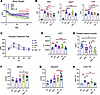 Figure 9
Combined TBK1 inhibition and AMPK activation improve metabolic health in obese mice. (A) HFD-fed mice treated with 25 mg/kg amlexanox (AMX) daily, 100 mg/kg AICAR (AI) i.p. every other day, or both for 21 days. Asterisks designate comparison with HFD-fed mice; plus signs designate comparison with AMX-treated mice. n = 8–10, 1-way ANOVA with Tukey’s multiple-comparison test. *P < 0.05 and +P < 0.05. The plus signs indicate the same P value thresholds as the asterisks but represent the comparison against the AMX-treated group. (B) iWAT, eWAT, and liver weights at endpoint. n = 8–10, 1-way ANOVA with Tukey’s multiple-comparison test. (C and D) Glucose tolerance test (C) and corresponding AUC (D) in HFD-fed mice, showing improved glucose tolerance with AMX and most strongly with AMX plus AICAR. n = 8–12, 1-way ANOVA with Tukey’s multiple-comparison test. (E) Fasted plasma insulin measured by ELISA, reduced by AMX and further by AMX plus AICAR. n = 9–10, 1-way ANOVA with Tukey’s multiple-comparison test. (F and G) Plasma NEFA and glycerol levels, with greatest glycerol release in AMX plus AICAR. n = 7–10, 1-way ANOVA with Tukey’s multiple-comparison test. (H) Liver triglyceride content decreased by AMX and further reduced with AMX plus AICAR. n = 3–6, 1-way ANOVA with Tukey’s multiple-comparison test. Data are presented as mean ± SEM; each dot represents a biological replicate. **P < 0.01, ***P < 0.001, ****P < 0.0001.
Tissue mass was measured at the study endpoint. Amlexanox plus AICAR reduced iWAT, eWAT, and liver mass compared with HFD controls, with stronger effects than amlexanox or AICAR alone (Figure 9B), indicating a potentiated reduction in adiposity and ectopic lipid accumulation. Glucose tolerance was modestly improved with amlexanox but markedly enhanced with the combination therapy (Figure 9C), accompanied by reduced AUC and fasting plasma insulin levels (Figure 9, D and E), suggesting improved systemic insulin sensitivity. Circulating NEFA and glycerol levels were measured to assess lipid mobilization. NEFA levels were moderately elevated with each treatment, and glycerol levels were highest in the amlexanox with AICAR group (Figure 9, F and G), indicating augmented lipolysis with combination therapy. Liver triglyceride content was also reduced by amlexanox and further decreased with the dual treatment (Figure 9H), consistent with improved hepatic lipid handling.
Histological analysis revealed that HFD-fed mice exhibited adipocyte hypertrophy in WAT and steatosis in the liver (Figure 10A). Both amlexanox and AICAR reduced adipocyte size in iWAT and eWAT, with the greatest reduction observed in the combination group (Figure 10, B and C). Adipocyte size distribution shifted leftward, reflecting an increased population of smaller, metabolically healthy adipocytes (Figure 10B). In the liver, HFD feeding caused hepatocyte ballooning, lipid accumulation, and immune cell infiltration. Both amlexanox and AICAR partially improved hepatic morphology, and the combination treatment most effectively restored liver architecture, with fewer lipid droplets and preserved hepatocyte structure (Figure 10A), consistent with reduced liver triglycerides (Figure 9H).
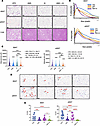 Figure 10
Combination therapy with amlexanox and AICAR reduces adipocyte hypertrophy and adipose tissue inflammation in obese mice. (A) Representative H&E staining of iWAT, eWAT, and liver. Scale bars: 60 μm. (B) Adipocyte size distribution shifted toward smaller adipocytes in AMX and AI, which is most prominent with AMX plus AICAR (n = 5). (C) Quantification of mean adipocyte size (μm). Adipocyte area was determined from at least 10 independent fields per animal (n = 6 mice per group). Numerical values for mean and SEM are indicated to the right of the distribution plots. (D) Representative images of iWAT and eWAT sections stained with anti-F4/80 antibody. Crown-like structures (CLSs) indicated by red arrowheads. Scale bars: 60 μm. (E) Quantification of the percentage of CLSs per field in iWAT and eWAT. CLSs were identified by F4/80-positive macrophage rings surrounding adipocytes and quantified in a blinded fashion across multiple sections per animal (n = 3 per group). At least 10 independent fields were analyzed per mouse. Data are presented as mean ± SEM. Statistical significance in C and E was determined by 1-way ANOVA with Tukey’s multiple-comparison test. *P < 0.05, **P < 0.01, ***P < 0.001, ****P < 0.0001.
Because chronic low-grade inflammation is a key feature of obesity-associated adipose dysfunction (22), we assessed macrophage infiltration in iWAT and eWAT by F4/80 IHC. HFD-fed mice exhibited numerous crown-like structures (CLSs), particularly in eWAT, reflecting high macrophage burden (Figure 10D). Amlexanox and AICAR each reduced CLS formation, and combination treatment almost eliminated CLSs in both iWAT and eWAT. Quantification confirmed reductions in the percentage of CLSs in all treatment groups, with the greatest suppression observed in the dual treatment group (Figure 10E), indicating cooperative antiinflammatory effects of TBK1 inhibition and AMPK activation. Together, these findings demonstrate that TBK1 inhibition potentiates AMPK activation to promote adipose tissue remodeling, enhance lipid mobilization, and improve systemic glucose and liver metabolic parameters in obese mice.
Dual TBK1 inhibition and AMPK activation remodel metabolic signaling and suppress inflammation in adipose tissue and liver. We next investigated the molecular pathways underlying the metabolic benefits of combined TBK1 inhibition and AMPK activation by examining gene expression related to mitochondrial biogenesis, fatty acid metabolism, glucose transport, and inflammation in white adipose tissue and the liver. HFD feeding suppressed Ppargc1a expression in iWAT. Treatment with AICAR or amlexanox alone led to moderate increases in Ppargc1a, and the combination produced the strongest induction, implying that TBK1 inhibition amplifies AMPK-driven transcriptional activation. Tbk1 levels were elevated by HFD and suppressed by both treatments, with the greatest reduction observed in the dual treatment group. HFD also increased Me1, a lipogenic gene, which was most effectively downregulated by the combination. Expression of the lipolytic gene Pnpla2 rose with dual treatment, and Lipe showed a similar trend, mirroring elevated serum NEFA and glycerol. Moreover, Glut4 expression, which was reduced by HFD, was restored by dual therapy. Inflammatory markers F4/80 and Ccl2 were markedly increased in obese mice and substantially reduced by the combination, indicating a shift toward a more antiinflammatory adipose tissue environment (Figure 11A and Supplemental Figure 8C).
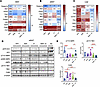 Figure 11
Amlexanox and AICAR combination treatment reprograms adipose and hepatic gene expression to reverse obesity-induced metabolic dysfunction. (A and B) Heatmap of gene expression in iWAT (A) and eWAT (B) from HFD-fed mice treated with 25 mg/kg amlexanox (AMX) daily, 100 mg/kg AICAR (AI) i.p. every other day, or both for 21 days. Genes include Ppargc1a, Tbk1, Acaca, Fasn, Me1, Pnpla2, Lipe, Glut4, F4/80, and Ccl2. Data are presented as log2 fold-change relative to lean mice. n = 8–10, 1-way ANOVA with Tukey’s multiple-comparison test. (C) Heatmap of liver genes related to inflammation (Ccl2, Tnfα), TBK1 signaling (Tbk1), fibrosis (Col1a1, Timp1), ER stress (Ddit3), lipid accumulation (Plin1, Srebf1), and metabolic regulation. Data are presented as log2 fold-change relative to lean mice. n = 8–10, 1-way ANOVA with Tukey’s multiple-comparison test. (D and E) Immunoblots and quantification of pS79 ACC/ACC, pT172 AMPK/AMPK, pS485 AMPK/AMPK, pS172 TBK1/TBK1, and F4/80 in eWAT. n = 6–10, 1-way ANOVA with Tukey’s multiple-comparison test. Data are presented as mean ± SEM; *P < 0.05, **P < 0.01, ***P < 0.001, ****P < 0.0001; +P < 0.05, ++P < 0.01, +++P < 0.001. Asterisks designate comparison with ND-fed mice, and plus signs designate comparison with HFD-fed mice.
A similar transcriptional response was observed in eWAT. Ppargc1a and Tbk1 mRNA levels were upregulated by either AICAR or amlexanox, with further elevation upon dual treatment. Fatty acid synthesis genes (Acaca, Fasn, Me1) were broadly repressed by combination therapy, and Glut4 expression increased beyond the effect of single agents. Inflammatory markers were also most suppressed in the dual treatment group, reflecting both improved metabolic activation and reduced inflammation (Figure 11B and Supplemental Figure 8D).
In the liver, Tbk1 expression rose in response to HFD but was reduced by all treatments, most notably with the combination. Lipid-associated genes (Plin1, Srebf1) were elevated in obese mice and decreased with dual therapy, reflecting improvements in hepatic lipid handling. Markers of fibrosis (Col1a1, Timp1) and ER stress (Ddit3) were also attenuated, suggesting broader improvements in hepatic health. Inflammatory transcripts (Ccl2, Tnfα) were sharply increased by HFD and most effectively suppressed by the combined intervention, indicating robust antiinflammatory effects in the liver as well (Figure 11C and Supplemental Figure 9A).
To validate these transcriptional changes at the protein level, we analyzed signaling pathways in eWAT. HFD-fed mice exhibited reduced phosphorylation of AMPK at Thr172 and of ACC at Ser79, together with elevated inhibitory phosphorylation of AMPK at Ser485 and increased pS172 TBK1. AICAR or amlexanox partially corrected these defects, and the combination fully restored AMPK activation and suppressed TBK1 phosphorylation to near-normal levels. F4/80 protein levels, elevated under HFD, were also most reduced in the dual treatment group, mirroring transcript-level changes and confirming reduced tissue inflammation (Figure 11, D and E).
Given the improvements in glucose tolerance and insulin levels, we next examined insulin signaling in eWAT. Total IRβ and IRS1 protein levels remained stable across conditions, but pS473 Akt was diminished by HFD, indicating impaired insulin response. This was partially improved by AICAR and most effectively by dual therapy (Supplemental Figure 9, B and C). Insulin stimulation of eWAT explants confirmed that HFD blunted insulin-stimulated pY1150/1151 IRβ and pS473 Akt, while amlexanox and, especially, the combination treatment restored both to near-normal levels, showing enhanced insulin responsiveness in adipose tissue (Figure 12, A and B).
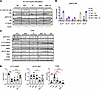 Figure 12
Combined TBK1 inhibition and AMPK activation restores insulin sensitivity in adipose tissue and alleviates hepatic inflammation in obese mice. (A) Ex vivo insulin stimulation of eWAT explants from the same study. The eWAT explants were challenged with 100 ng/mL insulin for 30 minutes. Immunoblots of pY1150/1151 IRβ, IRβ, pS473 Akt, Akt, and β tubulin are shown. (B) Quantification of pS473 Akt/Akt from the ex vivo insulin stimulation. (C and D) Immunoblots (C) and quantification (D) of pS79 ACC/ACC, pT172 AMPK/AMPK, pS485 AMPK/AMPK, pS172 TBK1/TBK1, and F4/80 in liver. n = 6–10, 1-way ANOVA with Tukey’s multiple-comparison test. Data are presented as mean ± SEM. *P < 0.05, **P < 0.01, ***P < 0.001, ****P < 0.0001; +++P < 0.001.
In the liver, HFD also reduced pT172 AMPK and pS79 ACC while elevating pS485 AMPK. These changes were partially reversed by single agents and fully corrected by combination treatment. F4/80 protein was also most reduced in the dual therapy group, reflecting diminished hepatic inflammation (Figure 12, C and D). Notably, hepatic insulin signaling, as measured by pS473 Akt, was impaired by an HFD and improved by both treatments, with the combination yielding the most complete restoration (Supplemental Figure 9, D and E), highlighting systemic metabolic benefits.


