
Research ArticleHematologyOncology
Open Access |  10.1172/jci.insight.199464
Deletion of 9p drives B-ALL through heterozygous inactivation of Pax5 and Cd72 in preleukemic cells
Belén Ruiz-Corzo,1,2 Ana Casado-García,1,2 Ninad Oak,3 Paula Somoza-Cotillas,1,2 Andrea López-Álvarez de Neyra,1,2 Jorge Martínez-Cano,4 Alba Pérez-Pons,5,6 Elena G. Sánchez,7 Oscar Blanco,2,8 Diego Alonso-López,9 Javier De Las Rivas,2,10 Susana Riesco,2,11 Pablo Prieto-Matos,2,11 Francisco Javier García Criado,2,12 María Begoña García Cenador,2,12 Alberto Orfao,5,6 Manuel Ramírez-Orellana,13 César Cobaleda,4 Carolina Vicente-Dueñas,2,11 Kim E. Nichols,3 and Isidro Sánchez-García1,2
1Experimental Therapeutics and Translational Oncology Program, Instituto de Biología Molecular y Celular del Cáncer, CSIC-USAL, Campus M. de Unamuno s/n, Salamanca, Spain.
2Institute of Biomedical Research of Salamanca (IBSAL), Universidad de Salamanca, Campus Miguel de Unamuno s/n, Salamanca, Spain.
3Department of Oncology, St. Jude Children’s Research Hospital, Memphis, Tennessee, USA.
4Immune system development and function Unit, Centro de Biología Molecular Severo Ochoa (Consejo Superior de Investigaciones Científicas -Universidad Autónoma de Madrid), Madrid, Spain.
5Cancer Research Center (IBMCC, USAL-CSIC), Department of Medicine and Cytometry Service (NUCLEUS), University of Salamanca, Salamanca, Spain, and Biomedical Research Institute of Salamanca (IBSAL), Salamanca, Spain.
6Biomedical Research Networking Center Consortium (CIBERONC; CB16/12/00400), Madrid, Spain.
7Oncohematology Laboratory, Advance Terapy Unit, Fundación para la Investigación Biomédica del Hospital Universitario Niño Jesús (FIB HUNJ), Madrid, Spain.
8Departamento de Anatomía Patológica, Universidad de Salamanca, Salamanca, Spain.
9Bioinformatics Unit, and
10Bioinformatics and Functional Genomics Research Group, Cancer Research Center (CSIC-USAL), Salamanca, Spain.
11Department of Pediatrics, Hospital Universitario de Salamanca, Salamanca, Spain.
12Departamento de Cirugía, Universidad de Salamanca, Salamanca, Spain.
13Department of Pediatric Hematology and Oncology, Hospital Infantil Universitario Niño Jesús and Institute of Biomedical Research Hospital Universitario La Princesa, Madrid, Spain.
Address correspondence to: Carolina Vicente-Dueñas, Institute of Biomedical Research of Salamanca (IBSAL), P.º de San Vicente, 58-182, 37007-Salamanca, Spain. Phone: 34.923.294813; Email: cvd@usal.es. Or to: Kim E. Nichols, St. Jude Children’s Research Hospital, 262 Danny Thomas Pl, Memphis, Tennessee, 38105, USA. Phone: 901.595.8385; Email: Kim.Nichols@STJUDE.ORG. Or to: Isidro Sanchez-Garcia, Instituto de Biología Molecular y Celular del Cáncer-IBMCC (CSIC-USAL), Campus Miguel de Unamuno s/n, 37007-Salamanc, Spain. Phone: 34.923.294813; Email: isg@usal.es.
Authorship note: BRC, ACG, and NO have been designated as co–first authors. CVD, KEN, and ISG have been designated as co–senior authors.
Find articles by Ruiz-Corzo, B. in: PubMed | Google Scholar
1Experimental Therapeutics and Translational Oncology Program, Instituto de Biología Molecular y Celular del Cáncer, CSIC-USAL, Campus M. de Unamuno s/n, Salamanca, Spain.
2Institute of Biomedical Research of Salamanca (IBSAL), Universidad de Salamanca, Campus Miguel de Unamuno s/n, Salamanca, Spain.
3Department of Oncology, St. Jude Children’s Research Hospital, Memphis, Tennessee, USA.
4Immune system development and function Unit, Centro de Biología Molecular Severo Ochoa (Consejo Superior de Investigaciones Científicas -Universidad Autónoma de Madrid), Madrid, Spain.
5Cancer Research Center (IBMCC, USAL-CSIC), Department of Medicine and Cytometry Service (NUCLEUS), University of Salamanca, Salamanca, Spain, and Biomedical Research Institute of Salamanca (IBSAL), Salamanca, Spain.
6Biomedical Research Networking Center Consortium (CIBERONC; CB16/12/00400), Madrid, Spain.
7Oncohematology Laboratory, Advance Terapy Unit, Fundación para la Investigación Biomédica del Hospital Universitario Niño Jesús (FIB HUNJ), Madrid, Spain.
8Departamento de Anatomía Patológica, Universidad de Salamanca, Salamanca, Spain.
9Bioinformatics Unit, and
10Bioinformatics and Functional Genomics Research Group, Cancer Research Center (CSIC-USAL), Salamanca, Spain.
11Department of Pediatrics, Hospital Universitario de Salamanca, Salamanca, Spain.
12Departamento de Cirugía, Universidad de Salamanca, Salamanca, Spain.
13Department of Pediatric Hematology and Oncology, Hospital Infantil Universitario Niño Jesús and Institute of Biomedical Research Hospital Universitario La Princesa, Madrid, Spain.
Address correspondence to: Carolina Vicente-Dueñas, Institute of Biomedical Research of Salamanca (IBSAL), P.º de San Vicente, 58-182, 37007-Salamanca, Spain. Phone: 34.923.294813; Email: cvd@usal.es. Or to: Kim E. Nichols, St. Jude Children’s Research Hospital, 262 Danny Thomas Pl, Memphis, Tennessee, 38105, USA. Phone: 901.595.8385; Email: Kim.Nichols@STJUDE.ORG. Or to: Isidro Sanchez-Garcia, Instituto de Biología Molecular y Celular del Cáncer-IBMCC (CSIC-USAL), Campus Miguel de Unamuno s/n, 37007-Salamanc, Spain. Phone: 34.923.294813; Email: isg@usal.es.
Authorship note: BRC, ACG, and NO have been designated as co–first authors. CVD, KEN, and ISG have been designated as co–senior authors.
Find articles by Casado-García, A. in: PubMed | Google Scholar
1Experimental Therapeutics and Translational Oncology Program, Instituto de Biología Molecular y Celular del Cáncer, CSIC-USAL, Campus M. de Unamuno s/n, Salamanca, Spain.
2Institute of Biomedical Research of Salamanca (IBSAL), Universidad de Salamanca, Campus Miguel de Unamuno s/n, Salamanca, Spain.
3Department of Oncology, St. Jude Children’s Research Hospital, Memphis, Tennessee, USA.
4Immune system development and function Unit, Centro de Biología Molecular Severo Ochoa (Consejo Superior de Investigaciones Científicas -Universidad Autónoma de Madrid), Madrid, Spain.
5Cancer Research Center (IBMCC, USAL-CSIC), Department of Medicine and Cytometry Service (NUCLEUS), University of Salamanca, Salamanca, Spain, and Biomedical Research Institute of Salamanca (IBSAL), Salamanca, Spain.
6Biomedical Research Networking Center Consortium (CIBERONC; CB16/12/00400), Madrid, Spain.
7Oncohematology Laboratory, Advance Terapy Unit, Fundación para la Investigación Biomédica del Hospital Universitario Niño Jesús (FIB HUNJ), Madrid, Spain.
8Departamento de Anatomía Patológica, Universidad de Salamanca, Salamanca, Spain.
9Bioinformatics Unit, and
10Bioinformatics and Functional Genomics Research Group, Cancer Research Center (CSIC-USAL), Salamanca, Spain.
11Department of Pediatrics, Hospital Universitario de Salamanca, Salamanca, Spain.
12Departamento de Cirugía, Universidad de Salamanca, Salamanca, Spain.
13Department of Pediatric Hematology and Oncology, Hospital Infantil Universitario Niño Jesús and Institute of Biomedical Research Hospital Universitario La Princesa, Madrid, Spain.
Address correspondence to: Carolina Vicente-Dueñas, Institute of Biomedical Research of Salamanca (IBSAL), P.º de San Vicente, 58-182, 37007-Salamanca, Spain. Phone: 34.923.294813; Email: cvd@usal.es. Or to: Kim E. Nichols, St. Jude Children’s Research Hospital, 262 Danny Thomas Pl, Memphis, Tennessee, 38105, USA. Phone: 901.595.8385; Email: Kim.Nichols@STJUDE.ORG. Or to: Isidro Sanchez-Garcia, Instituto de Biología Molecular y Celular del Cáncer-IBMCC (CSIC-USAL), Campus Miguel de Unamuno s/n, 37007-Salamanc, Spain. Phone: 34.923.294813; Email: isg@usal.es.
Authorship note: BRC, ACG, and NO have been designated as co–first authors. CVD, KEN, and ISG have been designated as co–senior authors.
Find articles by Oak, N. in: PubMed | Google Scholar
1Experimental Therapeutics and Translational Oncology Program, Instituto de Biología Molecular y Celular del Cáncer, CSIC-USAL, Campus M. de Unamuno s/n, Salamanca, Spain.
2Institute of Biomedical Research of Salamanca (IBSAL), Universidad de Salamanca, Campus Miguel de Unamuno s/n, Salamanca, Spain.
3Department of Oncology, St. Jude Children’s Research Hospital, Memphis, Tennessee, USA.
4Immune system development and function Unit, Centro de Biología Molecular Severo Ochoa (Consejo Superior de Investigaciones Científicas -Universidad Autónoma de Madrid), Madrid, Spain.
5Cancer Research Center (IBMCC, USAL-CSIC), Department of Medicine and Cytometry Service (NUCLEUS), University of Salamanca, Salamanca, Spain, and Biomedical Research Institute of Salamanca (IBSAL), Salamanca, Spain.
6Biomedical Research Networking Center Consortium (CIBERONC; CB16/12/00400), Madrid, Spain.
7Oncohematology Laboratory, Advance Terapy Unit, Fundación para la Investigación Biomédica del Hospital Universitario Niño Jesús (FIB HUNJ), Madrid, Spain.
8Departamento de Anatomía Patológica, Universidad de Salamanca, Salamanca, Spain.
9Bioinformatics Unit, and
10Bioinformatics and Functional Genomics Research Group, Cancer Research Center (CSIC-USAL), Salamanca, Spain.
11Department of Pediatrics, Hospital Universitario de Salamanca, Salamanca, Spain.
12Departamento de Cirugía, Universidad de Salamanca, Salamanca, Spain.
13Department of Pediatric Hematology and Oncology, Hospital Infantil Universitario Niño Jesús and Institute of Biomedical Research Hospital Universitario La Princesa, Madrid, Spain.
Address correspondence to: Carolina Vicente-Dueñas, Institute of Biomedical Research of Salamanca (IBSAL), P.º de San Vicente, 58-182, 37007-Salamanca, Spain. Phone: 34.923.294813; Email: cvd@usal.es. Or to: Kim E. Nichols, St. Jude Children’s Research Hospital, 262 Danny Thomas Pl, Memphis, Tennessee, 38105, USA. Phone: 901.595.8385; Email: Kim.Nichols@STJUDE.ORG. Or to: Isidro Sanchez-Garcia, Instituto de Biología Molecular y Celular del Cáncer-IBMCC (CSIC-USAL), Campus Miguel de Unamuno s/n, 37007-Salamanc, Spain. Phone: 34.923.294813; Email: isg@usal.es.
Authorship note: BRC, ACG, and NO have been designated as co–first authors. CVD, KEN, and ISG have been designated as co–senior authors.
Find articles by Somoza-Cotillas, P. in: PubMed | Google Scholar
1Experimental Therapeutics and Translational Oncology Program, Instituto de Biología Molecular y Celular del Cáncer, CSIC-USAL, Campus M. de Unamuno s/n, Salamanca, Spain.
2Institute of Biomedical Research of Salamanca (IBSAL), Universidad de Salamanca, Campus Miguel de Unamuno s/n, Salamanca, Spain.
3Department of Oncology, St. Jude Children’s Research Hospital, Memphis, Tennessee, USA.
4Immune system development and function Unit, Centro de Biología Molecular Severo Ochoa (Consejo Superior de Investigaciones Científicas -Universidad Autónoma de Madrid), Madrid, Spain.
5Cancer Research Center (IBMCC, USAL-CSIC), Department of Medicine and Cytometry Service (NUCLEUS), University of Salamanca, Salamanca, Spain, and Biomedical Research Institute of Salamanca (IBSAL), Salamanca, Spain.
6Biomedical Research Networking Center Consortium (CIBERONC; CB16/12/00400), Madrid, Spain.
7Oncohematology Laboratory, Advance Terapy Unit, Fundación para la Investigación Biomédica del Hospital Universitario Niño Jesús (FIB HUNJ), Madrid, Spain.
8Departamento de Anatomía Patológica, Universidad de Salamanca, Salamanca, Spain.
9Bioinformatics Unit, and
10Bioinformatics and Functional Genomics Research Group, Cancer Research Center (CSIC-USAL), Salamanca, Spain.
11Department of Pediatrics, Hospital Universitario de Salamanca, Salamanca, Spain.
12Departamento de Cirugía, Universidad de Salamanca, Salamanca, Spain.
13Department of Pediatric Hematology and Oncology, Hospital Infantil Universitario Niño Jesús and Institute of Biomedical Research Hospital Universitario La Princesa, Madrid, Spain.
Address correspondence to: Carolina Vicente-Dueñas, Institute of Biomedical Research of Salamanca (IBSAL), P.º de San Vicente, 58-182, 37007-Salamanca, Spain. Phone: 34.923.294813; Email: cvd@usal.es. Or to: Kim E. Nichols, St. Jude Children’s Research Hospital, 262 Danny Thomas Pl, Memphis, Tennessee, 38105, USA. Phone: 901.595.8385; Email: Kim.Nichols@STJUDE.ORG. Or to: Isidro Sanchez-Garcia, Instituto de Biología Molecular y Celular del Cáncer-IBMCC (CSIC-USAL), Campus Miguel de Unamuno s/n, 37007-Salamanc, Spain. Phone: 34.923.294813; Email: isg@usal.es.
Authorship note: BRC, ACG, and NO have been designated as co–first authors. CVD, KEN, and ISG have been designated as co–senior authors.
Find articles by López-Álvarez de Neyra, A. in: PubMed | Google Scholar
1Experimental Therapeutics and Translational Oncology Program, Instituto de Biología Molecular y Celular del Cáncer, CSIC-USAL, Campus M. de Unamuno s/n, Salamanca, Spain.
2Institute of Biomedical Research of Salamanca (IBSAL), Universidad de Salamanca, Campus Miguel de Unamuno s/n, Salamanca, Spain.
3Department of Oncology, St. Jude Children’s Research Hospital, Memphis, Tennessee, USA.
4Immune system development and function Unit, Centro de Biología Molecular Severo Ochoa (Consejo Superior de Investigaciones Científicas -Universidad Autónoma de Madrid), Madrid, Spain.
5Cancer Research Center (IBMCC, USAL-CSIC), Department of Medicine and Cytometry Service (NUCLEUS), University of Salamanca, Salamanca, Spain, and Biomedical Research Institute of Salamanca (IBSAL), Salamanca, Spain.
6Biomedical Research Networking Center Consortium (CIBERONC; CB16/12/00400), Madrid, Spain.
7Oncohematology Laboratory, Advance Terapy Unit, Fundación para la Investigación Biomédica del Hospital Universitario Niño Jesús (FIB HUNJ), Madrid, Spain.
8Departamento de Anatomía Patológica, Universidad de Salamanca, Salamanca, Spain.
9Bioinformatics Unit, and
10Bioinformatics and Functional Genomics Research Group, Cancer Research Center (CSIC-USAL), Salamanca, Spain.
11Department of Pediatrics, Hospital Universitario de Salamanca, Salamanca, Spain.
12Departamento de Cirugía, Universidad de Salamanca, Salamanca, Spain.
13Department of Pediatric Hematology and Oncology, Hospital Infantil Universitario Niño Jesús and Institute of Biomedical Research Hospital Universitario La Princesa, Madrid, Spain.
Address correspondence to: Carolina Vicente-Dueñas, Institute of Biomedical Research of Salamanca (IBSAL), P.º de San Vicente, 58-182, 37007-Salamanca, Spain. Phone: 34.923.294813; Email: cvd@usal.es. Or to: Kim E. Nichols, St. Jude Children’s Research Hospital, 262 Danny Thomas Pl, Memphis, Tennessee, 38105, USA. Phone: 901.595.8385; Email: Kim.Nichols@STJUDE.ORG. Or to: Isidro Sanchez-Garcia, Instituto de Biología Molecular y Celular del Cáncer-IBMCC (CSIC-USAL), Campus Miguel de Unamuno s/n, 37007-Salamanc, Spain. Phone: 34.923.294813; Email: isg@usal.es.
Authorship note: BRC, ACG, and NO have been designated as co–first authors. CVD, KEN, and ISG have been designated as co–senior authors.
Find articles by Martínez-Cano, J. in: PubMed | Google Scholar
1Experimental Therapeutics and Translational Oncology Program, Instituto de Biología Molecular y Celular del Cáncer, CSIC-USAL, Campus M. de Unamuno s/n, Salamanca, Spain.
2Institute of Biomedical Research of Salamanca (IBSAL), Universidad de Salamanca, Campus Miguel de Unamuno s/n, Salamanca, Spain.
3Department of Oncology, St. Jude Children’s Research Hospital, Memphis, Tennessee, USA.
4Immune system development and function Unit, Centro de Biología Molecular Severo Ochoa (Consejo Superior de Investigaciones Científicas -Universidad Autónoma de Madrid), Madrid, Spain.
5Cancer Research Center (IBMCC, USAL-CSIC), Department of Medicine and Cytometry Service (NUCLEUS), University of Salamanca, Salamanca, Spain, and Biomedical Research Institute of Salamanca (IBSAL), Salamanca, Spain.
6Biomedical Research Networking Center Consortium (CIBERONC; CB16/12/00400), Madrid, Spain.
7Oncohematology Laboratory, Advance Terapy Unit, Fundación para la Investigación Biomédica del Hospital Universitario Niño Jesús (FIB HUNJ), Madrid, Spain.
8Departamento de Anatomía Patológica, Universidad de Salamanca, Salamanca, Spain.
9Bioinformatics Unit, and
10Bioinformatics and Functional Genomics Research Group, Cancer Research Center (CSIC-USAL), Salamanca, Spain.
11Department of Pediatrics, Hospital Universitario de Salamanca, Salamanca, Spain.
12Departamento de Cirugía, Universidad de Salamanca, Salamanca, Spain.
13Department of Pediatric Hematology and Oncology, Hospital Infantil Universitario Niño Jesús and Institute of Biomedical Research Hospital Universitario La Princesa, Madrid, Spain.
Address correspondence to: Carolina Vicente-Dueñas, Institute of Biomedical Research of Salamanca (IBSAL), P.º de San Vicente, 58-182, 37007-Salamanca, Spain. Phone: 34.923.294813; Email: cvd@usal.es. Or to: Kim E. Nichols, St. Jude Children’s Research Hospital, 262 Danny Thomas Pl, Memphis, Tennessee, 38105, USA. Phone: 901.595.8385; Email: Kim.Nichols@STJUDE.ORG. Or to: Isidro Sanchez-Garcia, Instituto de Biología Molecular y Celular del Cáncer-IBMCC (CSIC-USAL), Campus Miguel de Unamuno s/n, 37007-Salamanc, Spain. Phone: 34.923.294813; Email: isg@usal.es.
Authorship note: BRC, ACG, and NO have been designated as co–first authors. CVD, KEN, and ISG have been designated as co–senior authors.
Find articles by Pérez-Pons, A. in: PubMed | Google Scholar
1Experimental Therapeutics and Translational Oncology Program, Instituto de Biología Molecular y Celular del Cáncer, CSIC-USAL, Campus M. de Unamuno s/n, Salamanca, Spain.
2Institute of Biomedical Research of Salamanca (IBSAL), Universidad de Salamanca, Campus Miguel de Unamuno s/n, Salamanca, Spain.
3Department of Oncology, St. Jude Children’s Research Hospital, Memphis, Tennessee, USA.
4Immune system development and function Unit, Centro de Biología Molecular Severo Ochoa (Consejo Superior de Investigaciones Científicas -Universidad Autónoma de Madrid), Madrid, Spain.
5Cancer Research Center (IBMCC, USAL-CSIC), Department of Medicine and Cytometry Service (NUCLEUS), University of Salamanca, Salamanca, Spain, and Biomedical Research Institute of Salamanca (IBSAL), Salamanca, Spain.
6Biomedical Research Networking Center Consortium (CIBERONC; CB16/12/00400), Madrid, Spain.
7Oncohematology Laboratory, Advance Terapy Unit, Fundación para la Investigación Biomédica del Hospital Universitario Niño Jesús (FIB HUNJ), Madrid, Spain.
8Departamento de Anatomía Patológica, Universidad de Salamanca, Salamanca, Spain.
9Bioinformatics Unit, and
10Bioinformatics and Functional Genomics Research Group, Cancer Research Center (CSIC-USAL), Salamanca, Spain.
11Department of Pediatrics, Hospital Universitario de Salamanca, Salamanca, Spain.
12Departamento de Cirugía, Universidad de Salamanca, Salamanca, Spain.
13Department of Pediatric Hematology and Oncology, Hospital Infantil Universitario Niño Jesús and Institute of Biomedical Research Hospital Universitario La Princesa, Madrid, Spain.
Address correspondence to: Carolina Vicente-Dueñas, Institute of Biomedical Research of Salamanca (IBSAL), P.º de San Vicente, 58-182, 37007-Salamanca, Spain. Phone: 34.923.294813; Email: cvd@usal.es. Or to: Kim E. Nichols, St. Jude Children’s Research Hospital, 262 Danny Thomas Pl, Memphis, Tennessee, 38105, USA. Phone: 901.595.8385; Email: Kim.Nichols@STJUDE.ORG. Or to: Isidro Sanchez-Garcia, Instituto de Biología Molecular y Celular del Cáncer-IBMCC (CSIC-USAL), Campus Miguel de Unamuno s/n, 37007-Salamanc, Spain. Phone: 34.923.294813; Email: isg@usal.es.
Authorship note: BRC, ACG, and NO have been designated as co–first authors. CVD, KEN, and ISG have been designated as co–senior authors.
Find articles by Sánchez, E. in: PubMed | Google Scholar
1Experimental Therapeutics and Translational Oncology Program, Instituto de Biología Molecular y Celular del Cáncer, CSIC-USAL, Campus M. de Unamuno s/n, Salamanca, Spain.
2Institute of Biomedical Research of Salamanca (IBSAL), Universidad de Salamanca, Campus Miguel de Unamuno s/n, Salamanca, Spain.
3Department of Oncology, St. Jude Children’s Research Hospital, Memphis, Tennessee, USA.
4Immune system development and function Unit, Centro de Biología Molecular Severo Ochoa (Consejo Superior de Investigaciones Científicas -Universidad Autónoma de Madrid), Madrid, Spain.
5Cancer Research Center (IBMCC, USAL-CSIC), Department of Medicine and Cytometry Service (NUCLEUS), University of Salamanca, Salamanca, Spain, and Biomedical Research Institute of Salamanca (IBSAL), Salamanca, Spain.
6Biomedical Research Networking Center Consortium (CIBERONC; CB16/12/00400), Madrid, Spain.
7Oncohematology Laboratory, Advance Terapy Unit, Fundación para la Investigación Biomédica del Hospital Universitario Niño Jesús (FIB HUNJ), Madrid, Spain.
8Departamento de Anatomía Patológica, Universidad de Salamanca, Salamanca, Spain.
9Bioinformatics Unit, and
10Bioinformatics and Functional Genomics Research Group, Cancer Research Center (CSIC-USAL), Salamanca, Spain.
11Department of Pediatrics, Hospital Universitario de Salamanca, Salamanca, Spain.
12Departamento de Cirugía, Universidad de Salamanca, Salamanca, Spain.
13Department of Pediatric Hematology and Oncology, Hospital Infantil Universitario Niño Jesús and Institute of Biomedical Research Hospital Universitario La Princesa, Madrid, Spain.
Address correspondence to: Carolina Vicente-Dueñas, Institute of Biomedical Research of Salamanca (IBSAL), P.º de San Vicente, 58-182, 37007-Salamanca, Spain. Phone: 34.923.294813; Email: cvd@usal.es. Or to: Kim E. Nichols, St. Jude Children’s Research Hospital, 262 Danny Thomas Pl, Memphis, Tennessee, 38105, USA. Phone: 901.595.8385; Email: Kim.Nichols@STJUDE.ORG. Or to: Isidro Sanchez-Garcia, Instituto de Biología Molecular y Celular del Cáncer-IBMCC (CSIC-USAL), Campus Miguel de Unamuno s/n, 37007-Salamanc, Spain. Phone: 34.923.294813; Email: isg@usal.es.
Authorship note: BRC, ACG, and NO have been designated as co–first authors. CVD, KEN, and ISG have been designated as co–senior authors.
Find articles by Blanco, O. in: PubMed | Google Scholar
1Experimental Therapeutics and Translational Oncology Program, Instituto de Biología Molecular y Celular del Cáncer, CSIC-USAL, Campus M. de Unamuno s/n, Salamanca, Spain.
2Institute of Biomedical Research of Salamanca (IBSAL), Universidad de Salamanca, Campus Miguel de Unamuno s/n, Salamanca, Spain.
3Department of Oncology, St. Jude Children’s Research Hospital, Memphis, Tennessee, USA.
4Immune system development and function Unit, Centro de Biología Molecular Severo Ochoa (Consejo Superior de Investigaciones Científicas -Universidad Autónoma de Madrid), Madrid, Spain.
5Cancer Research Center (IBMCC, USAL-CSIC), Department of Medicine and Cytometry Service (NUCLEUS), University of Salamanca, Salamanca, Spain, and Biomedical Research Institute of Salamanca (IBSAL), Salamanca, Spain.
6Biomedical Research Networking Center Consortium (CIBERONC; CB16/12/00400), Madrid, Spain.
7Oncohematology Laboratory, Advance Terapy Unit, Fundación para la Investigación Biomédica del Hospital Universitario Niño Jesús (FIB HUNJ), Madrid, Spain.
8Departamento de Anatomía Patológica, Universidad de Salamanca, Salamanca, Spain.
9Bioinformatics Unit, and
10Bioinformatics and Functional Genomics Research Group, Cancer Research Center (CSIC-USAL), Salamanca, Spain.
11Department of Pediatrics, Hospital Universitario de Salamanca, Salamanca, Spain.
12Departamento de Cirugía, Universidad de Salamanca, Salamanca, Spain.
13Department of Pediatric Hematology and Oncology, Hospital Infantil Universitario Niño Jesús and Institute of Biomedical Research Hospital Universitario La Princesa, Madrid, Spain.
Address correspondence to: Carolina Vicente-Dueñas, Institute of Biomedical Research of Salamanca (IBSAL), P.º de San Vicente, 58-182, 37007-Salamanca, Spain. Phone: 34.923.294813; Email: cvd@usal.es. Or to: Kim E. Nichols, St. Jude Children’s Research Hospital, 262 Danny Thomas Pl, Memphis, Tennessee, 38105, USA. Phone: 901.595.8385; Email: Kim.Nichols@STJUDE.ORG. Or to: Isidro Sanchez-Garcia, Instituto de Biología Molecular y Celular del Cáncer-IBMCC (CSIC-USAL), Campus Miguel de Unamuno s/n, 37007-Salamanc, Spain. Phone: 34.923.294813; Email: isg@usal.es.
Authorship note: BRC, ACG, and NO have been designated as co–first authors. CVD, KEN, and ISG have been designated as co–senior authors.
Find articles by Alonso-López, D. in: PubMed | Google Scholar
1Experimental Therapeutics and Translational Oncology Program, Instituto de Biología Molecular y Celular del Cáncer, CSIC-USAL, Campus M. de Unamuno s/n, Salamanca, Spain.
2Institute of Biomedical Research of Salamanca (IBSAL), Universidad de Salamanca, Campus Miguel de Unamuno s/n, Salamanca, Spain.
3Department of Oncology, St. Jude Children’s Research Hospital, Memphis, Tennessee, USA.
4Immune system development and function Unit, Centro de Biología Molecular Severo Ochoa (Consejo Superior de Investigaciones Científicas -Universidad Autónoma de Madrid), Madrid, Spain.
5Cancer Research Center (IBMCC, USAL-CSIC), Department of Medicine and Cytometry Service (NUCLEUS), University of Salamanca, Salamanca, Spain, and Biomedical Research Institute of Salamanca (IBSAL), Salamanca, Spain.
6Biomedical Research Networking Center Consortium (CIBERONC; CB16/12/00400), Madrid, Spain.
7Oncohematology Laboratory, Advance Terapy Unit, Fundación para la Investigación Biomédica del Hospital Universitario Niño Jesús (FIB HUNJ), Madrid, Spain.
8Departamento de Anatomía Patológica, Universidad de Salamanca, Salamanca, Spain.
9Bioinformatics Unit, and
10Bioinformatics and Functional Genomics Research Group, Cancer Research Center (CSIC-USAL), Salamanca, Spain.
11Department of Pediatrics, Hospital Universitario de Salamanca, Salamanca, Spain.
12Departamento de Cirugía, Universidad de Salamanca, Salamanca, Spain.
13Department of Pediatric Hematology and Oncology, Hospital Infantil Universitario Niño Jesús and Institute of Biomedical Research Hospital Universitario La Princesa, Madrid, Spain.
Address correspondence to: Carolina Vicente-Dueñas, Institute of Biomedical Research of Salamanca (IBSAL), P.º de San Vicente, 58-182, 37007-Salamanca, Spain. Phone: 34.923.294813; Email: cvd@usal.es. Or to: Kim E. Nichols, St. Jude Children’s Research Hospital, 262 Danny Thomas Pl, Memphis, Tennessee, 38105, USA. Phone: 901.595.8385; Email: Kim.Nichols@STJUDE.ORG. Or to: Isidro Sanchez-Garcia, Instituto de Biología Molecular y Celular del Cáncer-IBMCC (CSIC-USAL), Campus Miguel de Unamuno s/n, 37007-Salamanc, Spain. Phone: 34.923.294813; Email: isg@usal.es.
Authorship note: BRC, ACG, and NO have been designated as co–first authors. CVD, KEN, and ISG have been designated as co–senior authors.
Find articles by De Las Rivas, J. in: PubMed | Google Scholar
1Experimental Therapeutics and Translational Oncology Program, Instituto de Biología Molecular y Celular del Cáncer, CSIC-USAL, Campus M. de Unamuno s/n, Salamanca, Spain.
2Institute of Biomedical Research of Salamanca (IBSAL), Universidad de Salamanca, Campus Miguel de Unamuno s/n, Salamanca, Spain.
3Department of Oncology, St. Jude Children’s Research Hospital, Memphis, Tennessee, USA.
4Immune system development and function Unit, Centro de Biología Molecular Severo Ochoa (Consejo Superior de Investigaciones Científicas -Universidad Autónoma de Madrid), Madrid, Spain.
5Cancer Research Center (IBMCC, USAL-CSIC), Department of Medicine and Cytometry Service (NUCLEUS), University of Salamanca, Salamanca, Spain, and Biomedical Research Institute of Salamanca (IBSAL), Salamanca, Spain.
6Biomedical Research Networking Center Consortium (CIBERONC; CB16/12/00400), Madrid, Spain.
7Oncohematology Laboratory, Advance Terapy Unit, Fundación para la Investigación Biomédica del Hospital Universitario Niño Jesús (FIB HUNJ), Madrid, Spain.
8Departamento de Anatomía Patológica, Universidad de Salamanca, Salamanca, Spain.
9Bioinformatics Unit, and
10Bioinformatics and Functional Genomics Research Group, Cancer Research Center (CSIC-USAL), Salamanca, Spain.
11Department of Pediatrics, Hospital Universitario de Salamanca, Salamanca, Spain.
12Departamento de Cirugía, Universidad de Salamanca, Salamanca, Spain.
13Department of Pediatric Hematology and Oncology, Hospital Infantil Universitario Niño Jesús and Institute of Biomedical Research Hospital Universitario La Princesa, Madrid, Spain.
Address correspondence to: Carolina Vicente-Dueñas, Institute of Biomedical Research of Salamanca (IBSAL), P.º de San Vicente, 58-182, 37007-Salamanca, Spain. Phone: 34.923.294813; Email: cvd@usal.es. Or to: Kim E. Nichols, St. Jude Children’s Research Hospital, 262 Danny Thomas Pl, Memphis, Tennessee, 38105, USA. Phone: 901.595.8385; Email: Kim.Nichols@STJUDE.ORG. Or to: Isidro Sanchez-Garcia, Instituto de Biología Molecular y Celular del Cáncer-IBMCC (CSIC-USAL), Campus Miguel de Unamuno s/n, 37007-Salamanc, Spain. Phone: 34.923.294813; Email: isg@usal.es.
Authorship note: BRC, ACG, and NO have been designated as co–first authors. CVD, KEN, and ISG have been designated as co–senior authors.
Find articles by Riesco, S. in: PubMed | Google Scholar
1Experimental Therapeutics and Translational Oncology Program, Instituto de Biología Molecular y Celular del Cáncer, CSIC-USAL, Campus M. de Unamuno s/n, Salamanca, Spain.
2Institute of Biomedical Research of Salamanca (IBSAL), Universidad de Salamanca, Campus Miguel de Unamuno s/n, Salamanca, Spain.
3Department of Oncology, St. Jude Children’s Research Hospital, Memphis, Tennessee, USA.
4Immune system development and function Unit, Centro de Biología Molecular Severo Ochoa (Consejo Superior de Investigaciones Científicas -Universidad Autónoma de Madrid), Madrid, Spain.
5Cancer Research Center (IBMCC, USAL-CSIC), Department of Medicine and Cytometry Service (NUCLEUS), University of Salamanca, Salamanca, Spain, and Biomedical Research Institute of Salamanca (IBSAL), Salamanca, Spain.
6Biomedical Research Networking Center Consortium (CIBERONC; CB16/12/00400), Madrid, Spain.
7Oncohematology Laboratory, Advance Terapy Unit, Fundación para la Investigación Biomédica del Hospital Universitario Niño Jesús (FIB HUNJ), Madrid, Spain.
8Departamento de Anatomía Patológica, Universidad de Salamanca, Salamanca, Spain.
9Bioinformatics Unit, and
10Bioinformatics and Functional Genomics Research Group, Cancer Research Center (CSIC-USAL), Salamanca, Spain.
11Department of Pediatrics, Hospital Universitario de Salamanca, Salamanca, Spain.
12Departamento de Cirugía, Universidad de Salamanca, Salamanca, Spain.
13Department of Pediatric Hematology and Oncology, Hospital Infantil Universitario Niño Jesús and Institute of Biomedical Research Hospital Universitario La Princesa, Madrid, Spain.
Address correspondence to: Carolina Vicente-Dueñas, Institute of Biomedical Research of Salamanca (IBSAL), P.º de San Vicente, 58-182, 37007-Salamanca, Spain. Phone: 34.923.294813; Email: cvd@usal.es. Or to: Kim E. Nichols, St. Jude Children’s Research Hospital, 262 Danny Thomas Pl, Memphis, Tennessee, 38105, USA. Phone: 901.595.8385; Email: Kim.Nichols@STJUDE.ORG. Or to: Isidro Sanchez-Garcia, Instituto de Biología Molecular y Celular del Cáncer-IBMCC (CSIC-USAL), Campus Miguel de Unamuno s/n, 37007-Salamanc, Spain. Phone: 34.923.294813; Email: isg@usal.es.
Authorship note: BRC, ACG, and NO have been designated as co–first authors. CVD, KEN, and ISG have been designated as co–senior authors.
Find articles by Prieto-Matos, P. in: PubMed | Google Scholar
1Experimental Therapeutics and Translational Oncology Program, Instituto de Biología Molecular y Celular del Cáncer, CSIC-USAL, Campus M. de Unamuno s/n, Salamanca, Spain.
2Institute of Biomedical Research of Salamanca (IBSAL), Universidad de Salamanca, Campus Miguel de Unamuno s/n, Salamanca, Spain.
3Department of Oncology, St. Jude Children’s Research Hospital, Memphis, Tennessee, USA.
4Immune system development and function Unit, Centro de Biología Molecular Severo Ochoa (Consejo Superior de Investigaciones Científicas -Universidad Autónoma de Madrid), Madrid, Spain.
5Cancer Research Center (IBMCC, USAL-CSIC), Department of Medicine and Cytometry Service (NUCLEUS), University of Salamanca, Salamanca, Spain, and Biomedical Research Institute of Salamanca (IBSAL), Salamanca, Spain.
6Biomedical Research Networking Center Consortium (CIBERONC; CB16/12/00400), Madrid, Spain.
7Oncohematology Laboratory, Advance Terapy Unit, Fundación para la Investigación Biomédica del Hospital Universitario Niño Jesús (FIB HUNJ), Madrid, Spain.
8Departamento de Anatomía Patológica, Universidad de Salamanca, Salamanca, Spain.
9Bioinformatics Unit, and
10Bioinformatics and Functional Genomics Research Group, Cancer Research Center (CSIC-USAL), Salamanca, Spain.
11Department of Pediatrics, Hospital Universitario de Salamanca, Salamanca, Spain.
12Departamento de Cirugía, Universidad de Salamanca, Salamanca, Spain.
13Department of Pediatric Hematology and Oncology, Hospital Infantil Universitario Niño Jesús and Institute of Biomedical Research Hospital Universitario La Princesa, Madrid, Spain.
Address correspondence to: Carolina Vicente-Dueñas, Institute of Biomedical Research of Salamanca (IBSAL), P.º de San Vicente, 58-182, 37007-Salamanca, Spain. Phone: 34.923.294813; Email: cvd@usal.es. Or to: Kim E. Nichols, St. Jude Children’s Research Hospital, 262 Danny Thomas Pl, Memphis, Tennessee, 38105, USA. Phone: 901.595.8385; Email: Kim.Nichols@STJUDE.ORG. Or to: Isidro Sanchez-Garcia, Instituto de Biología Molecular y Celular del Cáncer-IBMCC (CSIC-USAL), Campus Miguel de Unamuno s/n, 37007-Salamanc, Spain. Phone: 34.923.294813; Email: isg@usal.es.
Authorship note: BRC, ACG, and NO have been designated as co–first authors. CVD, KEN, and ISG have been designated as co–senior authors.
Find articles by García Criado, F. in: PubMed | Google Scholar
1Experimental Therapeutics and Translational Oncology Program, Instituto de Biología Molecular y Celular del Cáncer, CSIC-USAL, Campus M. de Unamuno s/n, Salamanca, Spain.
2Institute of Biomedical Research of Salamanca (IBSAL), Universidad de Salamanca, Campus Miguel de Unamuno s/n, Salamanca, Spain.
3Department of Oncology, St. Jude Children’s Research Hospital, Memphis, Tennessee, USA.
4Immune system development and function Unit, Centro de Biología Molecular Severo Ochoa (Consejo Superior de Investigaciones Científicas -Universidad Autónoma de Madrid), Madrid, Spain.
5Cancer Research Center (IBMCC, USAL-CSIC), Department of Medicine and Cytometry Service (NUCLEUS), University of Salamanca, Salamanca, Spain, and Biomedical Research Institute of Salamanca (IBSAL), Salamanca, Spain.
6Biomedical Research Networking Center Consortium (CIBERONC; CB16/12/00400), Madrid, Spain.
7Oncohematology Laboratory, Advance Terapy Unit, Fundación para la Investigación Biomédica del Hospital Universitario Niño Jesús (FIB HUNJ), Madrid, Spain.
8Departamento de Anatomía Patológica, Universidad de Salamanca, Salamanca, Spain.
9Bioinformatics Unit, and
10Bioinformatics and Functional Genomics Research Group, Cancer Research Center (CSIC-USAL), Salamanca, Spain.
11Department of Pediatrics, Hospital Universitario de Salamanca, Salamanca, Spain.
12Departamento de Cirugía, Universidad de Salamanca, Salamanca, Spain.
13Department of Pediatric Hematology and Oncology, Hospital Infantil Universitario Niño Jesús and Institute of Biomedical Research Hospital Universitario La Princesa, Madrid, Spain.
Address correspondence to: Carolina Vicente-Dueñas, Institute of Biomedical Research of Salamanca (IBSAL), P.º de San Vicente, 58-182, 37007-Salamanca, Spain. Phone: 34.923.294813; Email: cvd@usal.es. Or to: Kim E. Nichols, St. Jude Children’s Research Hospital, 262 Danny Thomas Pl, Memphis, Tennessee, 38105, USA. Phone: 901.595.8385; Email: Kim.Nichols@STJUDE.ORG. Or to: Isidro Sanchez-Garcia, Instituto de Biología Molecular y Celular del Cáncer-IBMCC (CSIC-USAL), Campus Miguel de Unamuno s/n, 37007-Salamanc, Spain. Phone: 34.923.294813; Email: isg@usal.es.
Authorship note: BRC, ACG, and NO have been designated as co–first authors. CVD, KEN, and ISG have been designated as co–senior authors.
Find articles by García Cenador, M. in: PubMed | Google Scholar
1Experimental Therapeutics and Translational Oncology Program, Instituto de Biología Molecular y Celular del Cáncer, CSIC-USAL, Campus M. de Unamuno s/n, Salamanca, Spain.
2Institute of Biomedical Research of Salamanca (IBSAL), Universidad de Salamanca, Campus Miguel de Unamuno s/n, Salamanca, Spain.
3Department of Oncology, St. Jude Children’s Research Hospital, Memphis, Tennessee, USA.
4Immune system development and function Unit, Centro de Biología Molecular Severo Ochoa (Consejo Superior de Investigaciones Científicas -Universidad Autónoma de Madrid), Madrid, Spain.
5Cancer Research Center (IBMCC, USAL-CSIC), Department of Medicine and Cytometry Service (NUCLEUS), University of Salamanca, Salamanca, Spain, and Biomedical Research Institute of Salamanca (IBSAL), Salamanca, Spain.
6Biomedical Research Networking Center Consortium (CIBERONC; CB16/12/00400), Madrid, Spain.
7Oncohematology Laboratory, Advance Terapy Unit, Fundación para la Investigación Biomédica del Hospital Universitario Niño Jesús (FIB HUNJ), Madrid, Spain.
8Departamento de Anatomía Patológica, Universidad de Salamanca, Salamanca, Spain.
9Bioinformatics Unit, and
10Bioinformatics and Functional Genomics Research Group, Cancer Research Center (CSIC-USAL), Salamanca, Spain.
11Department of Pediatrics, Hospital Universitario de Salamanca, Salamanca, Spain.
12Departamento de Cirugía, Universidad de Salamanca, Salamanca, Spain.
13Department of Pediatric Hematology and Oncology, Hospital Infantil Universitario Niño Jesús and Institute of Biomedical Research Hospital Universitario La Princesa, Madrid, Spain.
Address correspondence to: Carolina Vicente-Dueñas, Institute of Biomedical Research of Salamanca (IBSAL), P.º de San Vicente, 58-182, 37007-Salamanca, Spain. Phone: 34.923.294813; Email: cvd@usal.es. Or to: Kim E. Nichols, St. Jude Children’s Research Hospital, 262 Danny Thomas Pl, Memphis, Tennessee, 38105, USA. Phone: 901.595.8385; Email: Kim.Nichols@STJUDE.ORG. Or to: Isidro Sanchez-Garcia, Instituto de Biología Molecular y Celular del Cáncer-IBMCC (CSIC-USAL), Campus Miguel de Unamuno s/n, 37007-Salamanc, Spain. Phone: 34.923.294813; Email: isg@usal.es.
Authorship note: BRC, ACG, and NO have been designated as co–first authors. CVD, KEN, and ISG have been designated as co–senior authors.
Find articles by Orfao, A. in: PubMed | Google Scholar
1Experimental Therapeutics and Translational Oncology Program, Instituto de Biología Molecular y Celular del Cáncer, CSIC-USAL, Campus M. de Unamuno s/n, Salamanca, Spain.
2Institute of Biomedical Research of Salamanca (IBSAL), Universidad de Salamanca, Campus Miguel de Unamuno s/n, Salamanca, Spain.
3Department of Oncology, St. Jude Children’s Research Hospital, Memphis, Tennessee, USA.
4Immune system development and function Unit, Centro de Biología Molecular Severo Ochoa (Consejo Superior de Investigaciones Científicas -Universidad Autónoma de Madrid), Madrid, Spain.
5Cancer Research Center (IBMCC, USAL-CSIC), Department of Medicine and Cytometry Service (NUCLEUS), University of Salamanca, Salamanca, Spain, and Biomedical Research Institute of Salamanca (IBSAL), Salamanca, Spain.
6Biomedical Research Networking Center Consortium (CIBERONC; CB16/12/00400), Madrid, Spain.
7Oncohematology Laboratory, Advance Terapy Unit, Fundación para la Investigación Biomédica del Hospital Universitario Niño Jesús (FIB HUNJ), Madrid, Spain.
8Departamento de Anatomía Patológica, Universidad de Salamanca, Salamanca, Spain.
9Bioinformatics Unit, and
10Bioinformatics and Functional Genomics Research Group, Cancer Research Center (CSIC-USAL), Salamanca, Spain.
11Department of Pediatrics, Hospital Universitario de Salamanca, Salamanca, Spain.
12Departamento de Cirugía, Universidad de Salamanca, Salamanca, Spain.
13Department of Pediatric Hematology and Oncology, Hospital Infantil Universitario Niño Jesús and Institute of Biomedical Research Hospital Universitario La Princesa, Madrid, Spain.
Address correspondence to: Carolina Vicente-Dueñas, Institute of Biomedical Research of Salamanca (IBSAL), P.º de San Vicente, 58-182, 37007-Salamanca, Spain. Phone: 34.923.294813; Email: cvd@usal.es. Or to: Kim E. Nichols, St. Jude Children’s Research Hospital, 262 Danny Thomas Pl, Memphis, Tennessee, 38105, USA. Phone: 901.595.8385; Email: Kim.Nichols@STJUDE.ORG. Or to: Isidro Sanchez-Garcia, Instituto de Biología Molecular y Celular del Cáncer-IBMCC (CSIC-USAL), Campus Miguel de Unamuno s/n, 37007-Salamanc, Spain. Phone: 34.923.294813; Email: isg@usal.es.
Authorship note: BRC, ACG, and NO have been designated as co–first authors. CVD, KEN, and ISG have been designated as co–senior authors.
Find articles by
Ramírez-Orellana, M.
in:
PubMed
|
Google Scholar
|

1Experimental Therapeutics and Translational Oncology Program, Instituto de Biología Molecular y Celular del Cáncer, CSIC-USAL, Campus M. de Unamuno s/n, Salamanca, Spain.
2Institute of Biomedical Research of Salamanca (IBSAL), Universidad de Salamanca, Campus Miguel de Unamuno s/n, Salamanca, Spain.
3Department of Oncology, St. Jude Children’s Research Hospital, Memphis, Tennessee, USA.
4Immune system development and function Unit, Centro de Biología Molecular Severo Ochoa (Consejo Superior de Investigaciones Científicas -Universidad Autónoma de Madrid), Madrid, Spain.
5Cancer Research Center (IBMCC, USAL-CSIC), Department of Medicine and Cytometry Service (NUCLEUS), University of Salamanca, Salamanca, Spain, and Biomedical Research Institute of Salamanca (IBSAL), Salamanca, Spain.
6Biomedical Research Networking Center Consortium (CIBERONC; CB16/12/00400), Madrid, Spain.
7Oncohematology Laboratory, Advance Terapy Unit, Fundación para la Investigación Biomédica del Hospital Universitario Niño Jesús (FIB HUNJ), Madrid, Spain.
8Departamento de Anatomía Patológica, Universidad de Salamanca, Salamanca, Spain.
9Bioinformatics Unit, and
10Bioinformatics and Functional Genomics Research Group, Cancer Research Center (CSIC-USAL), Salamanca, Spain.
11Department of Pediatrics, Hospital Universitario de Salamanca, Salamanca, Spain.
12Departamento de Cirugía, Universidad de Salamanca, Salamanca, Spain.
13Department of Pediatric Hematology and Oncology, Hospital Infantil Universitario Niño Jesús and Institute of Biomedical Research Hospital Universitario La Princesa, Madrid, Spain.
Address correspondence to: Carolina Vicente-Dueñas, Institute of Biomedical Research of Salamanca (IBSAL), P.º de San Vicente, 58-182, 37007-Salamanca, Spain. Phone: 34.923.294813; Email: cvd@usal.es. Or to: Kim E. Nichols, St. Jude Children’s Research Hospital, 262 Danny Thomas Pl, Memphis, Tennessee, 38105, USA. Phone: 901.595.8385; Email: Kim.Nichols@STJUDE.ORG. Or to: Isidro Sanchez-Garcia, Instituto de Biología Molecular y Celular del Cáncer-IBMCC (CSIC-USAL), Campus Miguel de Unamuno s/n, 37007-Salamanc, Spain. Phone: 34.923.294813; Email: isg@usal.es.
Authorship note: BRC, ACG, and NO have been designated as co–first authors. CVD, KEN, and ISG have been designated as co–senior authors.
Find articles by Cobaleda, C. in: PubMed | Google Scholar
1Experimental Therapeutics and Translational Oncology Program, Instituto de Biología Molecular y Celular del Cáncer, CSIC-USAL, Campus M. de Unamuno s/n, Salamanca, Spain.
2Institute of Biomedical Research of Salamanca (IBSAL), Universidad de Salamanca, Campus Miguel de Unamuno s/n, Salamanca, Spain.
3Department of Oncology, St. Jude Children’s Research Hospital, Memphis, Tennessee, USA.
4Immune system development and function Unit, Centro de Biología Molecular Severo Ochoa (Consejo Superior de Investigaciones Científicas -Universidad Autónoma de Madrid), Madrid, Spain.
5Cancer Research Center (IBMCC, USAL-CSIC), Department of Medicine and Cytometry Service (NUCLEUS), University of Salamanca, Salamanca, Spain, and Biomedical Research Institute of Salamanca (IBSAL), Salamanca, Spain.
6Biomedical Research Networking Center Consortium (CIBERONC; CB16/12/00400), Madrid, Spain.
7Oncohematology Laboratory, Advance Terapy Unit, Fundación para la Investigación Biomédica del Hospital Universitario Niño Jesús (FIB HUNJ), Madrid, Spain.
8Departamento de Anatomía Patológica, Universidad de Salamanca, Salamanca, Spain.
9Bioinformatics Unit, and
10Bioinformatics and Functional Genomics Research Group, Cancer Research Center (CSIC-USAL), Salamanca, Spain.
11Department of Pediatrics, Hospital Universitario de Salamanca, Salamanca, Spain.
12Departamento de Cirugía, Universidad de Salamanca, Salamanca, Spain.
13Department of Pediatric Hematology and Oncology, Hospital Infantil Universitario Niño Jesús and Institute of Biomedical Research Hospital Universitario La Princesa, Madrid, Spain.
Address correspondence to: Carolina Vicente-Dueñas, Institute of Biomedical Research of Salamanca (IBSAL), P.º de San Vicente, 58-182, 37007-Salamanca, Spain. Phone: 34.923.294813; Email: cvd@usal.es. Or to: Kim E. Nichols, St. Jude Children’s Research Hospital, 262 Danny Thomas Pl, Memphis, Tennessee, 38105, USA. Phone: 901.595.8385; Email: Kim.Nichols@STJUDE.ORG. Or to: Isidro Sanchez-Garcia, Instituto de Biología Molecular y Celular del Cáncer-IBMCC (CSIC-USAL), Campus Miguel de Unamuno s/n, 37007-Salamanc, Spain. Phone: 34.923.294813; Email: isg@usal.es.
Authorship note: BRC, ACG, and NO have been designated as co–first authors. CVD, KEN, and ISG have been designated as co–senior authors.
Find articles by Vicente-Dueñas, C. in: PubMed | Google Scholar
1Experimental Therapeutics and Translational Oncology Program, Instituto de Biología Molecular y Celular del Cáncer, CSIC-USAL, Campus M. de Unamuno s/n, Salamanca, Spain.
2Institute of Biomedical Research of Salamanca (IBSAL), Universidad de Salamanca, Campus Miguel de Unamuno s/n, Salamanca, Spain.
3Department of Oncology, St. Jude Children’s Research Hospital, Memphis, Tennessee, USA.
4Immune system development and function Unit, Centro de Biología Molecular Severo Ochoa (Consejo Superior de Investigaciones Científicas -Universidad Autónoma de Madrid), Madrid, Spain.
5Cancer Research Center (IBMCC, USAL-CSIC), Department of Medicine and Cytometry Service (NUCLEUS), University of Salamanca, Salamanca, Spain, and Biomedical Research Institute of Salamanca (IBSAL), Salamanca, Spain.
6Biomedical Research Networking Center Consortium (CIBERONC; CB16/12/00400), Madrid, Spain.
7Oncohematology Laboratory, Advance Terapy Unit, Fundación para la Investigación Biomédica del Hospital Universitario Niño Jesús (FIB HUNJ), Madrid, Spain.
8Departamento de Anatomía Patológica, Universidad de Salamanca, Salamanca, Spain.
9Bioinformatics Unit, and
10Bioinformatics and Functional Genomics Research Group, Cancer Research Center (CSIC-USAL), Salamanca, Spain.
11Department of Pediatrics, Hospital Universitario de Salamanca, Salamanca, Spain.
12Departamento de Cirugía, Universidad de Salamanca, Salamanca, Spain.
13Department of Pediatric Hematology and Oncology, Hospital Infantil Universitario Niño Jesús and Institute of Biomedical Research Hospital Universitario La Princesa, Madrid, Spain.
Address correspondence to: Carolina Vicente-Dueñas, Institute of Biomedical Research of Salamanca (IBSAL), P.º de San Vicente, 58-182, 37007-Salamanca, Spain. Phone: 34.923.294813; Email: cvd@usal.es. Or to: Kim E. Nichols, St. Jude Children’s Research Hospital, 262 Danny Thomas Pl, Memphis, Tennessee, 38105, USA. Phone: 901.595.8385; Email: Kim.Nichols@STJUDE.ORG. Or to: Isidro Sanchez-Garcia, Instituto de Biología Molecular y Celular del Cáncer-IBMCC (CSIC-USAL), Campus Miguel de Unamuno s/n, 37007-Salamanc, Spain. Phone: 34.923.294813; Email: isg@usal.es.
Authorship note: BRC, ACG, and NO have been designated as co–first authors. CVD, KEN, and ISG have been designated as co–senior authors.
Find articles by
Nichols, K.
in:
PubMed
|
Google Scholar
|
1Experimental Therapeutics and Translational Oncology Program, Instituto de Biología Molecular y Celular del Cáncer, CSIC-USAL, Campus M. de Unamuno s/n, Salamanca, Spain.
2Institute of Biomedical Research of Salamanca (IBSAL), Universidad de Salamanca, Campus Miguel de Unamuno s/n, Salamanca, Spain.
3Department of Oncology, St. Jude Children’s Research Hospital, Memphis, Tennessee, USA.
4Immune system development and function Unit, Centro de Biología Molecular Severo Ochoa (Consejo Superior de Investigaciones Científicas -Universidad Autónoma de Madrid), Madrid, Spain.
5Cancer Research Center (IBMCC, USAL-CSIC), Department of Medicine and Cytometry Service (NUCLEUS), University of Salamanca, Salamanca, Spain, and Biomedical Research Institute of Salamanca (IBSAL), Salamanca, Spain.
6Biomedical Research Networking Center Consortium (CIBERONC; CB16/12/00400), Madrid, Spain.
7Oncohematology Laboratory, Advance Terapy Unit, Fundación para la Investigación Biomédica del Hospital Universitario Niño Jesús (FIB HUNJ), Madrid, Spain.
8Departamento de Anatomía Patológica, Universidad de Salamanca, Salamanca, Spain.
9Bioinformatics Unit, and
10Bioinformatics and Functional Genomics Research Group, Cancer Research Center (CSIC-USAL), Salamanca, Spain.
11Department of Pediatrics, Hospital Universitario de Salamanca, Salamanca, Spain.
12Departamento de Cirugía, Universidad de Salamanca, Salamanca, Spain.
13Department of Pediatric Hematology and Oncology, Hospital Infantil Universitario Niño Jesús and Institute of Biomedical Research Hospital Universitario La Princesa, Madrid, Spain.
Address correspondence to: Carolina Vicente-Dueñas, Institute of Biomedical Research of Salamanca (IBSAL), P.º de San Vicente, 58-182, 37007-Salamanca, Spain. Phone: 34.923.294813; Email: cvd@usal.es. Or to: Kim E. Nichols, St. Jude Children’s Research Hospital, 262 Danny Thomas Pl, Memphis, Tennessee, 38105, USA. Phone: 901.595.8385; Email: Kim.Nichols@STJUDE.ORG. Or to: Isidro Sanchez-Garcia, Instituto de Biología Molecular y Celular del Cáncer-IBMCC (CSIC-USAL), Campus Miguel de Unamuno s/n, 37007-Salamanc, Spain. Phone: 34.923.294813; Email: isg@usal.es.
Authorship note: BRC, ACG, and NO have been designated as co–first authors. CVD, KEN, and ISG have been designated as co–senior authors.
Find articles by Sánchez-García, I. in: PubMed | Google Scholar
Published February 17, 2026 - More info
JCI Insight. 2026;11(7):e199464. https://doi.org/10.1172/jci.insight.199464.
© 2026 Ruiz-Corzo et al. This work is licensed under the Creative Commons Attribution 4.0 International License. To view a copy of this license, visit http://creativecommons.org/licenses/by/4.0/.
Received: August 22, 2025; Accepted: February 13, 2026


-
Results
Loss of CD72 is recurrent in B-ALL containing deletions of PAX5. Consistent with the notion that the 9p locus might contain unidentified genes responsible for B-ALL development, molecular studies of B-ALL in mouse models in which the disease arises after exposure to environmental triggers (12–14) have identified deletions affecting Pax5 without concurrent involvement of Cdkn2a (Supplemental Figure 1A; supplemental material available online with this article; https://doi.org/10.1172/jci.insight.199464DS1). Of note, the CD72 gene is contiguous with Pax5 and juxtaposed between CDKN2A and PAX5 in humans (Figure 1A and Supplemental Figure 1). Therefore, CD72 is always deleted in the leukemic cells from patients with B-ALL that harbor CDKN2A and PAX5 deletions. CD72 is a co-receptor of the B cell receptor (BCR), and it is expressed during all stages of B cell development (except on plasma cells), where it plays both positive and negative roles in regulating B cell function (15). These observations suggest that its loss might cooperate with deletions of PAX5 to drive B-ALL development. However, whether the concomitant loss of PAX5 and CD72 can be responsible for B-ALL development remains unexplored.
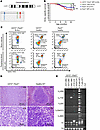 Figure 1
Pax5 and Cd72 heterozygosity cooperate in driving B-ALL. (A) Localization of PAX5, CD72, and CDKN2A on human chromosome 9. PAX5 and CDKN2A are frequently deleted in human B-ALL. Created with BioRender. (B) B-ALL–specific survival curve of Cd72+/–;Pax5+/– mice maintained in a specific pathogen–free (SPF) facility (red, n = 54), compared with Pax5+/– maintained in a conventional facility (CF) (blue, n = 41; P = 0.1137), Pax5+/– mice maintained in an SPF facility (black, n = 15; **P = 0.0083), and Cd72+/– mice maintained in an SPF facility (green, n = 14; *P = 0.0120) mice. Differences in Kaplan-Meier survival plots of transgenic and WT mice were analyzed using the log-rank (Mantel-Cox) test. (C) Flow cytometric analysis of the bone marrow and peripheral blood of a Cd72+/–;Pax5+/– (B834) mouse with leukemia. Representative plots of cell subsets are shown, alongside comparisons with healthy Cd72+/– (B924) and Pax5+/– (S907) mice. (D) Splenic H&E staining of Cd72+/–;Pax5+/– (A120) leukemic mouse shows infiltration of blast cells in spleen. Loss of normal architecture due to infiltrating leukemic cells can be seen. Tissues from a control littermate WT mouse are shown for reference. Scale bars: 100 μm (top) and 50 μm (bottom). (E) PCR analysis of immunoglobulin heavy-chain gene rearrangements in leukemia-infiltrated bone marrow (BM) and lymph nodes (LNs) of Cd72+/–;Pax5+/– mice with the disease (n = 5). Thymocytes (T cells) were included as a negative control, and sorted CD19+ B cells (B cells) from the spleens of healthy mice were included as a positive control for polyclonal rearrangements within the mature B cell population (indicated by numbers 1–8).
Cd72 haploinsufficiency drives B-ALL development in Pax5+/– mice. To functionally investigate the effects of single or combined Pax5 and Cd72 haploinsufficiency, we generated cohorts of Cd72+/– mice, Pax5+/– mice, and Cd72+/–;Pax5+/– double heterozygous mice by interbreeding, and examined whether Cd72+/–;Pax5+/– animals were prone to B-ALL development. Individual Pax5+/– or Cd72+/– mice, housed in specific pathogen–free (SPF) conditions, did not spontaneously develop B-ALL after 2 years, corroborating previous results (12, 13). However, B-ALL development was observed in 38.89% (21 of 54) of Cd72+/–;Pax5+/– animals maintained in SPF conditions (Supplemental Figure 2). The appearance of leukemia in Cd72+/–;Pax5+/– mice occurred between 5 and 20 months of age (Figure 1B). B-ALL manifested with splenomegaly, disruption of splenic architecture due to blast infiltration, and appearance of blast cells in the peripheral blood (PB) (Figure 1, C and D). FACS analysis revealed a CD19–B220+IgM–CKIT+/–CD25+/– phenotype of tumor cells, which extended through the bone marrow (BM), PB, spleen, and lymph nodes (LNs) (Figure 1C and Supplemental Figure 3) and also infiltrated nonlymphoid tissues, including the uterus, liver, kidney, lung, pancreas, and small intestine (Supplemental Figure 4). All B-ALL cells displayed clonal immature BCR rearrangement (Figure 1E). Similar to B-ALL cells generated in Pax5+/– mice following exposure to inflammatory stimuli (12, 13, 16–19), B-ALL blasts developing in Cd72+/–;Pax5+/– mice were also able to grow in the absence of IL-7 and to propagate the disease in secondary recipients. These leukemic Cd72+/–;Pax5+/– B-ALL cells were isolated from the BM of diseased mice, as B220+, by magnetic-activated cell sorting (MACS), and then cultured in medium containing IL-7 and, later, propagated in IL-7–independent culture conditions (9, 16). These leukemic Cd72+/–;Pax5+/– B-ALL cells were injected into syngenic mice (n = 10), and all animals developed B-ALL by day 14 when the disease was confirmed by the presence of blast cells in the PB. To identify the somatically acquired second hits leading to B-ALL development in Cd72+/–;Pax5+/– mice, we performed whole-genome sequencing of paired blood and germline tail DNA samples from 15 Cd72+/–;Pax5+/– animals. The percentage of leukemic cells in the sequenced blood samples ranged from 55% to 96%. We identified several somatically acquired recurrent mutations and copy number variations (CNVs) involving B cell transcription factors and key surface receptors in the blasts from diseased Cd72+/–;Pax5+/– mice (Figure 2 and Supplemental Figure 5), and mutations affecting the JAK/STAT and RAS signaling pathways were detected (Figure 2A). These patterns were similar to those previously observed in the leukemic cells from Pax5+/– mice following exposure to inflammatory stimuli or antibiotic treatment and in human B-ALL samples (12, 13, 16–19). However, there were no somatic genetic changes (either CNVs or single nucleotide variants [SNVs]) affecting the Cdkn2a genes and wild-type (WT) Cd72 allele (Figure 2B). Altogether, these results strongly suggest that haploinsufficiency of Pax5 and Cd72 is the true driver of B-ALL in cells harboring del9p.
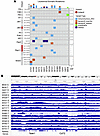 Figure 2
Genetic changes in B-ALL blasts from Cd72+/–;Pax5+/– mice. (A) Whole-genome sequencing (WGS) of leukemic blasts from Cd72+/–;Pax5+/– mice. Oncoprint summarizing somatic single nucleotide variants (SNVs) and copy number alterations across 15 leukemia samples from Cd72+/–;Pax5+/– mice. Alterations are grouped by gene. Tumor DNA was extracted from whole leukemic bone marrow, with matched tail DNA serving as the germline reference. Known hotspot mutations previously reported in human or mouse leukemia are highlighted in red. The mean variant allele frequency (VAF) for each SNV is displayed in the dot plot to the right. (B) Visualization of somatic alterations in leukemic Pax5+/–;Cd72+/– mice. No somatic Cd72 alterations were found in all the Pax5+/–;Cd72+/– mice analyzed by WGS, except the germline deletion for first 4 exons as expected. G, germline DNA; T, tumor DNA.
Cd72+/–;Pax5+/– precursor B cells exhibit an inflammatory transcriptional profile. To elucidate how the combined loss of these 2 genes might contribute to B-leukemogenesis, we next examined the effects of Cd72 downregulation in preleukemic B cells by examining B cell differentiation and transcriptional profiles of precursor B cells from Cd72+/–;Pax5+/– mice compared to Pax5+/– mice. We observed no differences in B cell developmental compartments in the BM and PB (Figure 3). Transcriptional profiling of Cd72+/–;Pax5+/– preleukemic precursor B cells revealed significant enrichment of inflammatory pathways and, as expected, downregulation of Cd72 (Figure 4 and Supplemental Tables 1–3). These results are in agreement with prior in vitro studies showing that proinflammatory cytokines like IL-6, IL-1β, and TNF-α (20), or TGF-β–dependent signaling (21, 22), can promote the malignant transformation of preleukemic B cells. Cd72+/–;Pax5+/– cells exhibited strong enrichment for transcriptomic signatures characteristic of proliferative and metabolic pathways such as MYC, E2F, p53, and MTORC1. In contrast, Pax5+/– cells were enriched for pathways associated with immune signaling, differentiation, and stress responses, including complement system, IL-2/STAT5 signaling, epithelial-mesenchymal transition, and hypoxia hallmarks. This scenario agrees with the identification of reactive oxygen species (ROS) signatures associated with the Pax5alt B-ALL subtype in human patients (23, 24). In addition, the expression of genes involved in the IFN-α response, TNF-α signaling via NF-κB, and IFN-γ response was augmented in Cd72+/–;Pax5+/– preleukemic precursor B cells (Figure 4A and Figure 5, A and B), a finding that is compatible with the Myd88 downregulation observed in Cd72+/–;Pax5+/– preleukemic cells (Figure 5C). This finding also conforms with previous results showing that Myd88 deficiency results in tissue-specific changes in cytokine induction and inflammation in infected mice (25).
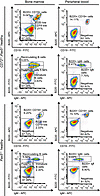 Figure 3
B cell differentiation of precursor B cells from Cd72+/–;Pax5+/– mice compared to Pax5+/– mice. Flow cytometric analysis of hematopoietic subsets in healthy CD72+/–;Pax5+/– mice compared to Pax5+/– mice. Representative plots of cell subsets from the bone marrow (BM) and peripheral blood (PB) are shown.
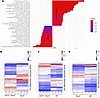 Figure 4
CD72+/–;Pax5+/– preleukemic cells are distinct from Pax5+/– or WT pro-B cells. (A) GSEA comparing Cd72+/–;Pax5+/– and Pax5+/– preleukemic pro-B cells in order to identify potential signatures of gene expression associated with different biological processes. The bar plot displays the normalized enrichment scores (NES) for Hallmark gene sets significantly enriched between the 2 cell populations. Positive NES values (right side) indicate gene sets enriched in Cd72+/–;Pax5+/– cells, while negative NES values (left side) indicate gene sets enriched in Pax5+/– cells. Bars are colored by the false discovery rate (FDR) q value, with the most statistically significant gene sets shown in red and less significant in blue, as indicated by the gradient scale. Cd72+/–;Pax5+/– cells exhibit strong enrichment for proliferative and metabolic pathways such as MYC, E2F, p53, and MTORC1. In contrast, Pax5+/– cells are enriched for pathways associated with immune signaling, differentiation, and stress responses, including complement system, IL-2/STAT5 signaling, epithelial-mesenchymal transition, and hypoxia hallmarks. Only gene sets with q values of less than 0.01 are displayed. These findings suggest distinct transcriptional programs underpin the biological differences between Cd72+/–;Pax5+/– and Pax5+/– populations. (B–D) Transcriptomic analysis of the indicated genotypes shows genes that were significantly induced or repressed within preleukemic B cells (bone marrow B220+ cells) of CD72+/–; Pax5+/– (B and C) and Pax5+/– (D) mice compared with Pax5+/– or WT cells. This was determined using significance analysis of microarrays with an |FC| of greater than 2 and P value of less than 0.05. Each row represents a separate gene, and each column denotes a separate mRNA sample. The level of expression of each gene in each sample is represented using a red–blue color scale (upregulated genes are displayed in red and downregulated genes in blue).
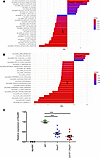 Figure 5
Pathways transcriptionally enriched in preleukemic CD72+/–;Pax5+/– and Pax5+/– cells. GSEA of Hallmark pathways comparing CD72+/–;Pax5+/– and WT pro-B cells (A) or Pax5+/– and WT pro-B cells (B). Bar plot displays the normalized enrichment scores (NES) for significantly enriched Hallmark gene sets, comparing the 2 experimental conditions indicated in each case. Gene sets with positive NES values (right side) are enriched in the CD72+/–;Pax5+/– or the Pax5+/– group, while those with negative NES values (left side) are enriched in the WT group. The bars are color coded according to the false discovery rate (FDR) q values, with more significant gene sets shown in red and less significant ones in blue, as indicated by the color gradient legend. Only pathways with FDR q values below the significance threshold are shown (q < 0.05). (C) CD72 heterozygosity promotes Myd88 downregulation in CD72+/–;Pax5+/– pro-B cells. Myd88 mRNA expression was quantified by qPCR in cultured CD72+/–;Pax5+/– (n = 4) and Pax5+/– (n = 4) pro-B cells. Total bone marrow from Myd88−/− mice was included as a negative control, and bone marrow pro-B cells from WT mice (n = 3) were used as a reference. Each dot represents an individual sample, and bars indicate the mean ± SEM. Data were analyzed by 1-way ANOVA (***P < 0.0001) followed by Dunnett’s multiple-comparison test versus the control group (WT pro-B cells), and multiplicity-adjusted P values are reported.
Longitudinal profiling of proinflammatory cytokines uncovers patterns of dysregulation and associations with B-ALL development in Cd72+/–;Pax5+/– mice. To determine whether the transformation of preleukemic B cells to full-blown B-ALL in Cd72+/–;Pax5+/– mice is in part due to dysregulated expression of inflammatory cytokines in Cd72+/–;Pax5+/– mice, we measured concentrations of 7 key inflammatory cytokines (IL-2, IL-4, IL-6, IL-10, IL-17a, TNF, and IFN-γ) in the serum of Cd72+/–;Pax5+/– mice that developed B-ALL, of Cd72+/–;Pax5+/– mice without B-ALL, and of age-matched healthy Pax5+/– mice. We observed that IL-6 and IL-10 cytokine dysregulation was detectable in serum samples taken at routine intervals at a healthy (non-leukemic) stage in Cd72+/–;Pax5+/– mice that would later develop B-ALL, prior to the first phenotypic signs of illness (Supplemental Figure 6). Thus, induction of a leukemogenic state is associated with an increase in IL-6 cytokine secretion in Cd72+/–;Pax5+/– mice. These results are in agreement with in vitro studies showing that proinflammatory cytokines like IL-6, IL-1β, and TNF-α (20) or TGF-β–dependent signaling (21, 22) promote malignant transformation of preleukemic B cells.
Reduced expression of Myd88 in preleukemic Cd72+/–;Pax5+/– precursor B cells. Transcriptional analyses suggested a dysregulation of MyD88-dependent inflammatory pathways in Cd72+/–;Pax5+/– preleukemic B cells. To this end, we have previously shown that reduced Myd88 expression in Pax5+/– precursor B cells is a driver of clonal evolution to B-ALL (18). This effect of reduced Myd88 expression on leukemia progression is independent of infection, as Myd88+/–;Pax5+/– mice develop leukemia even when the mice are kept in an SPF facility. To elucidate whether reduction of Myd88 expression is involved in the transition of premalignant Cd72+/–;Pax5+/– B cells to B-ALL, we next performed a real-time PCR (qPCR) quantification using pro-B cells from Cd72+/–;Pax5+/– and Pax5+/– mice. Compared with pro-B cells from Pax5+/– mice, Myd88 expression was significantly decreased in Cd72+/–;Pax5+/– cells (Figure 5C). Altogether, these findings reveal that progression to B-ALL in the context of Cd72 and Pax5 haploinsufficiency is leads to an inflammatory state characterized by a decrease in Myd88 expression, a pattern resembling that observed in the B-ALL triggered by infection exposure or antibiotic treatment of Pax5+/– mice (12, 13, 16–19).
-
Methods
Sex as a biological variable. Sex was not considered as a biological variable.
Mice. Pax5+/– (26), Cd72+/– (MMRRC:030139-MU [B6.129P2-Cd72tm1Jrp/Mmmh]) (27), and control WT mice of a mixed C57BL/6 × CBA background were born and kept at the SPF facility. Pax5+/– mice were crossed with Cd72+/– mice to generate animals of genotype Cd72+/–;Pax5+/– mice. The genetic background of the mice was tested using the miniMUGA array (28) performed through Transnetyx, confirming the presence of a mixed C57BL/6 × CBA/J hybrid background with a percentage of C57BL/6 ranging from 40.4% to 75.5%. There is a very small amount of 129 sequence in the immediate proximity of the mutated sequences of Pax5 and Cd72 genes in chromosome 4, a result of the fact that the knockouts were originally generated in 129 ES cells, and the selection for the mutated allele has kept this very small portion of 129 sequence in this region, but it is negligible in the total of the genome (0.2%–0.4%) and only in this region (see Supplemental Table 4 and Supplemental Data Set). Only a cohort of Pax5+/– mice was exposed to conventional pathogens present in non-SPF animal facilities (conventional facility, CF), as previously described (12). Housing environmental conditions included a temperature of 21°C ± 2°C, humidity of 55% ± 10%, and a 12-hour/12-hour light/dark cycle. Mice had access to food and water ad libitum. During housing, animals were monitored daily for health status. No data were excluded from the analyses. The inclusion criteria were based on the genotype of the mouse: transgenic versus control littermate. The experiments were not randomized and the investigators were not blinded to group allocation during experiments and outcome assessment. Upon signs of disease, mice were sacrificed and subjected to standard necropsy procedures. All major organs were examined under the dissecting microscope. Tissue samples were taken from homogeneous portions of the resected organ and fixed immediately after excision. The differences in the Kaplan-Meier survival plots of all cohorts of mice under study were analyzed using the log-rank (Mantel-Cox) test.
Flow cytometry. Nucleated cells were obtained from total mouse BM (flushing from the long bones), PB, thymus, LNs, or spleen. To prepare cells for flow cytometry, contaminating red blood cells were lysed with RCLB lysis buffer RCLB lysis buffer (0.155M NH4CL, 10mM KHCO3, 10mM EDTA; ph 7.4 [with 2M HCL]) and the remaining cells were then washed in PBS with 1% FCS. Nonspecific antibody binding was suppressed by preincubation of cells with CD16/CD32 Fc-block solution (BD Biosciences) at a dilution of 1:100 for 5 minutes at room temperature. For each analysis, a total of at least 50.000 viable (PI–) cells were assessed. Later, samples were stained with the mix of antibodies detailed below for 20 minutes at 4°C in the dark. Prior to acquisition in the flow cytometer, samples were washed with PBS with 1% FCS to eliminate the excess of antibody and then resuspended in PBS with 1% FCS containing 10 μg/mL PI to exclude dead cells from further analysis. The samples and the data were acquired in a Cytek Northern Lights 2000 spectral cytometer (2 lasers, red and blue) and analyzed with FCS Express software. Specific fluorescence of the fluorophores, as well as known forward and orthogonal light scattering properties of mouse cells, were used to establish gates. The gating strategy used in FACS analysis is shown in Supplemental Figure 7.
The following antibodies and concentrations were used for flow cytometry: anti-CD8a (BioLegend 100708; 1:250, clone 53-6.7), anti-CD4 (BioLegend 100516; 1:250, clone RM4-5), anti-CD25 (BD 553866; 1:500, clone PC61), anti-CD11b (BioLegend 101208; 1:200, clone M1/70), anti-CD19 (BioLegend 152404; 1:100, clone 1D3/CD19), anti-B220 (BioLegend 103206; 1:100, clone RA3-6B2; BioLegend 103212, 1:100, clone RA3-6B2), anti-IgM (BioLegend 406509; 1:100, clone RMM-1), anti-Ly6G/Ly6C (BioLegend 108412; 1:100, clone RB6-8C5), anti-CD117 (BioLegend 105805; 1:200, clone 2B8), anti-CD45 (BD 559864; 1:100, clone 30-F1 1), and anti-Ter119 (BioLegend 116208; 1:100, clone TER-199).
Histology. Animals were sacrificed by cervical dislocation; tissue samples were formalin-fixed and included in paraffin. Pathology assessment was performed on H&E-stained sections under the supervision of Oscar Blanco, an expert pathologist at the Salamanca University Hospital (Spain).
V(D)J recombination. Immunoglobulin rearrangements were amplified by PCR using the primers indicated in Table 1. Cycling conditions consisted of an initial heat activation at 95°C followed by 31–37 cycles of denaturation for 1 minute at 95°C, annealing for 1 minute at 65°C, and elongation for 1 minute, 45 seconds at 72°C. This was followed by a final elongation for 10 minutes at 72°C.
Microarray data analysis. The total RNA was first isolated using TRIzol (Life Technologies), and then it was subjected to purification with the RNeasy Mini Kit (Qiagen) using also the On-Column DNase treatment option. Quality and quantification of RNA samples were determined by electrophoresis.
Determination of the expression of the different genes in the RNA samples was performed using Affymetrix Mouse Gene 1.0 ST arrays. All bioinformatic analyses of the array data were performed using Applied Biosystems Transcriptome Analysis Console (TAC) software (v4.0.3). This software was utilized to identify differentially expressed genes by comparing the expression levels between different conditions. To determine statistical significance, a threshold of P value less than 0.05 and |fold change| (|FC|) greater than 2 was applied.
Enrichment analysis. In order to identify potential signatures of gene expression associated with different biological processes, gene set enrichment analysis (GSEA) was performed using the clusterProfiler suite of R packages (29–31). Gene sets were obtained from the Molecular Signatures Database (MSigDB) (32).
Whole-genome sequencing. Tumor DNA was derived from the BM where the percentage of blasts cells were between 55% and 96% in each B-ALL and germline control DNA was obtained from the tail when the mice were 4 weeks old. Genomic DNA libraries were prepared from sheared DNA with the HyperPrep Library Preparation Kit (Roche, 07962363001). Paired-end 150-cycle sequencing was performed on a NovaSeq 6000 (Illumina). Illumina paired-end reads were preprocessed and were mapped to the mouse reference genome (mm10) with BWA (33). We used an ensemble approach to call somatic mutations (SNV/indels) with multiple published tools, including Mutect2 (34), SomaticSniper (35), VarScan2 (36), MuSE (37), and Strelka2 (38). The consensus calls by at least 2 callers were considered as confident mutations. The consensus call sets were further manually reviewed for the read depth, mapping quality, and strand bias to remove additional artifacts. Somatic CNVs were determined by CNVkit (39). For somatic structural variants (SV), 4 SV callers were implemented in the workflow for SV calling, including Delly (40), Lumpy (41), Manta (42), and Gridss (43). The SV calls passing the default quality filters of each caller were merged using SURVIVOR (44) and genotyped by SVtyper (45). The intersected call sets were manually reviewed for the supporting soft-clipped and discordant read counts at both ends of a putative SV site using IGV (https://igv.org/).
Pro-B cell culture. Pro-B cell culture was carried out as previously described (12, 13, 16–19). Pro-B cells were purified from BM using MACS, selecting with anti-B220 beads (Milteny Biotec). Pro-B cells were maintained and expanded by culturing them in Iscove’s modified Dulbecco’s medium (IMDM) supplemented with 50 μM β-mercaptoethanol, 1 mM L-Gln, 2% heat-inactivated FCS, 1 mM penicillin-streptomycin (BioWhittaker), 0.03% (w/v) primatone RL (Sigma-Aldrich), and 5 ng/mL mrIL-7 (R&D Systems), in the presence of mitomycin C–treated ST2 feeder cells. Tumor pro-B cells that could grow independently of IL-7 were grown in the same medium without this cytokine.
Transplantation. Transplantation was carried out as previously described (12, 13, 16–19). IL-7–independent leukemic pro-B cells were intravenously injected into 12-week-old male syngenic (C57BL/6 × CBA) mice that had previously been sublethally irradiated (4 Gy). Leukemia development in the injected mice was confirmed by the presence of blast cells in PB.
Quantification of cytokine levels in serum. Quantification of cytokine levels in serum was carried out as previously described (41). Serum cytokine levels were analyzed using the Cytometric Bead Array immunoassay system (CBA) (BD Biosciences), which simultaneously assesses IL-2, IL-4, IL-6, IL-10, IL-17A, TNF-α, and IFN-γ in serum from the mice (Mouse Th1 Th2 Th17 Cytokine Kit; BD Biosciences, 560485). Data acquisition was performed on a FACSCanto II flow cytometer (BD Biosciences) using the FACSDiva software program (BD Biosciences). For the evaluation of cytokine serum levels or cytokine secretion into the culture supernatants, 50 μL of serum was collected. Briefly, 50 μL of the serum was incubated at room temperature for 2 hours at room temperature with 50 μL of anti-cytokine mAb–coated beads and with 50 μL of the appropriate phycoerythrin-conjugated (PE-conjugated) anticytokine antibody detector. After this incubation period, samples were washed once (5 minutes at 200g) in order to remove the excess of detector antibodies. Immediately afterwards, data acquisition was performed on a FACSCanto II flow cytometer (BD Biosciences) using the FACSDiva software program (BD Biosciences). During acquisition, information was stored for 3,000 events corresponding to each bead population analyzed per sample (total number of beads >9,000). For data analysis, the FCAP Array software v3.0 program (BD Biosciences) was used. The levels of cytokines are listed in Supplemental Table 5.
qPCR of Myd88. cDNA for use in qPCR studies was synthesized using reverse transcriptase (SuperScript VILO cDNA Synthesis Kit; Invitrogen). qPCR reactions were performed in an Eppendorf MasterCycler Realplex machine. Assays used for qPCR were from Integrated DNA Technologies: Myd88 (assay ID: Mm.PT.58.8716051.gs) and GAPDH (assay ID: Mm.PT.39a.1). In addition, the probes were designed so that genomic DNA would not be detected during the PCR. Measurement of GAPDH gene product expression was used as an endogenous control. Total bone marrow from Myd88–/– mice (B6.129P2(SJL)-Myd88tm1.1Defr/J) were used as negative control. All samples were run in triplicate. The comparative Ct method (ΔΔCt) was used to calculate relative expression of the transcript of interest and a positive control. The change in threshold cycle (ΔCt) of each sample was calculated as the Ct value of the tested gene (target) minus the Ct value of GAPDH (endogenous control). The ΔΔCt of each sample was obtained by subtracting the ΔCt value of the reference from the ΔCt value of the sample. The ΔCt reference value used was the ΔCt obtained from sorted BM pro-B cells of WT mice housed in the CF. The fold change in each group, calculated as 2–ΔΔCt, was compared. Differences among the 3 groups were assessed using 1-way ANOVA. Post hoc multiple comparisons were performed using Dunnett’s test to compare each experimental group with the control group (WT pro-B cells), with multiplicity-adjusted P values reported.
Statistics. Sample sizes were determined based on the literature describing mouse modeling of natural infection–driven leukemia (12–14, 46) and were justified by power calculations estimating 90% power to detect differential leukemia incidence. Statistical analyses were performed using Prism v8.2.1 (GraphPad Software). Differences in Kaplan-Meier survival plots of transgenic and WT mice were analyzed using the log-rank (Mantel-Cox) test. The level of significance was set at a P value of less than 0.05. In the figures, each dot represents an individual sample and the bars indicate the mean ± SEM, as indicated in the figure legend.
Study approval. All animal work has been conducted according to relevant national and international guidelines and it has been approved by the Bioethics Committee of University of Salamanca and by the Bioethics Subcommittee of Consejo Superior de Investigaciones Científicas (CSIC).
Data availability. Authors confirm that all relevant data are included in the paper and/or its supplemental material files. All data reported in this article are deposited in the NCBI’s Sequence Read Archive (SRA) and Gene Expression Omnibus (GEO) (47), under the umbrella BioProject accession number PRJNA1291066. All values underlying the figures, including individual data points and values underlying reported means, are provided in the Supporting Data Values file with separate, clearly labeled sheets for each figure panel, as well as in Supplemental Tables 1–5.


