
Research ArticleCell biologyOncology
Open Access |  10.1172/jci.insight.199352
Targeting KIFC1 to disrupt centrosome clustering and trigger anaphase catastrophe in small-cell lung cancer
Natsuki Nakagawa,1 Minemichi Toda,1 Akiko Kunita,2 Masafumi Horie,3,4 Masakatsu Tokunaga,1 Hiroaki Ikushima,1 Mirei Ka,5 Takahiro Iida,6 Manabu Shigeoka,3 Yukinobu Ito,4 Takahiro Ando,1 Kousuke Watanabe,2 Yasunori Ota,7 Xi Liu,8 Ethan Dmitrovsky,8 Hidenori Kage,1 and Masanori Kawakami1
1Department of Respiratory Medicine and
2Next-Generation Precision Medicine Development Laboratory, Graduate School of Medicine, The University of Tokyo, Tokyo, Japan.
3Division of Molecular and Genomic Pathology, Department of Pathology, Kobe University Graduate School of Medicine, Kobe, Japan.
4Department of Molecular and Cellular Pathology, Graduate School of Medical Sciences, Kanazawa University, Kanazawa, Japan.
5Division of Integrative Genomics and
6Department of Thoracic Surgery, Graduate School of Medicine, The University of Tokyo, Tokyo, Japan.
7Department of Pathology, Research Hospital, The Institute of Medical Science, The University of Tokyo, Tokyo, Japan.
8Molecular Pharmacology Program, Frederick National Laboratory for Cancer Research, Frederick, Maryland, USA.
Authorship note: NN and M Toda contributed equally to this work.
Find articles by Nakagawa, N. in: PubMed | Google Scholar
1Department of Respiratory Medicine and
2Next-Generation Precision Medicine Development Laboratory, Graduate School of Medicine, The University of Tokyo, Tokyo, Japan.
3Division of Molecular and Genomic Pathology, Department of Pathology, Kobe University Graduate School of Medicine, Kobe, Japan.
4Department of Molecular and Cellular Pathology, Graduate School of Medical Sciences, Kanazawa University, Kanazawa, Japan.
5Division of Integrative Genomics and
6Department of Thoracic Surgery, Graduate School of Medicine, The University of Tokyo, Tokyo, Japan.
7Department of Pathology, Research Hospital, The Institute of Medical Science, The University of Tokyo, Tokyo, Japan.
8Molecular Pharmacology Program, Frederick National Laboratory for Cancer Research, Frederick, Maryland, USA.
Authorship note: NN and M Toda contributed equally to this work.
Find articles by Toda, M. in: PubMed | Google Scholar
1Department of Respiratory Medicine and
2Next-Generation Precision Medicine Development Laboratory, Graduate School of Medicine, The University of Tokyo, Tokyo, Japan.
3Division of Molecular and Genomic Pathology, Department of Pathology, Kobe University Graduate School of Medicine, Kobe, Japan.
4Department of Molecular and Cellular Pathology, Graduate School of Medical Sciences, Kanazawa University, Kanazawa, Japan.
5Division of Integrative Genomics and
6Department of Thoracic Surgery, Graduate School of Medicine, The University of Tokyo, Tokyo, Japan.
7Department of Pathology, Research Hospital, The Institute of Medical Science, The University of Tokyo, Tokyo, Japan.
8Molecular Pharmacology Program, Frederick National Laboratory for Cancer Research, Frederick, Maryland, USA.
Authorship note: NN and M Toda contributed equally to this work.
Find articles by Kunita, A. in: PubMed | Google Scholar
1Department of Respiratory Medicine and
2Next-Generation Precision Medicine Development Laboratory, Graduate School of Medicine, The University of Tokyo, Tokyo, Japan.
3Division of Molecular and Genomic Pathology, Department of Pathology, Kobe University Graduate School of Medicine, Kobe, Japan.
4Department of Molecular and Cellular Pathology, Graduate School of Medical Sciences, Kanazawa University, Kanazawa, Japan.
5Division of Integrative Genomics and
6Department of Thoracic Surgery, Graduate School of Medicine, The University of Tokyo, Tokyo, Japan.
7Department of Pathology, Research Hospital, The Institute of Medical Science, The University of Tokyo, Tokyo, Japan.
8Molecular Pharmacology Program, Frederick National Laboratory for Cancer Research, Frederick, Maryland, USA.
Authorship note: NN and M Toda contributed equally to this work.
Find articles by Horie, M. in: PubMed | Google Scholar
1Department of Respiratory Medicine and
2Next-Generation Precision Medicine Development Laboratory, Graduate School of Medicine, The University of Tokyo, Tokyo, Japan.
3Division of Molecular and Genomic Pathology, Department of Pathology, Kobe University Graduate School of Medicine, Kobe, Japan.
4Department of Molecular and Cellular Pathology, Graduate School of Medical Sciences, Kanazawa University, Kanazawa, Japan.
5Division of Integrative Genomics and
6Department of Thoracic Surgery, Graduate School of Medicine, The University of Tokyo, Tokyo, Japan.
7Department of Pathology, Research Hospital, The Institute of Medical Science, The University of Tokyo, Tokyo, Japan.
8Molecular Pharmacology Program, Frederick National Laboratory for Cancer Research, Frederick, Maryland, USA.
Authorship note: NN and M Toda contributed equally to this work.
Find articles by Tokunaga, M. in: PubMed | Google Scholar
1Department of Respiratory Medicine and
2Next-Generation Precision Medicine Development Laboratory, Graduate School of Medicine, The University of Tokyo, Tokyo, Japan.
3Division of Molecular and Genomic Pathology, Department of Pathology, Kobe University Graduate School of Medicine, Kobe, Japan.
4Department of Molecular and Cellular Pathology, Graduate School of Medical Sciences, Kanazawa University, Kanazawa, Japan.
5Division of Integrative Genomics and
6Department of Thoracic Surgery, Graduate School of Medicine, The University of Tokyo, Tokyo, Japan.
7Department of Pathology, Research Hospital, The Institute of Medical Science, The University of Tokyo, Tokyo, Japan.
8Molecular Pharmacology Program, Frederick National Laboratory for Cancer Research, Frederick, Maryland, USA.
Authorship note: NN and M Toda contributed equally to this work.
Find articles by Ikushima, H. in: PubMed | Google Scholar
1Department of Respiratory Medicine and
2Next-Generation Precision Medicine Development Laboratory, Graduate School of Medicine, The University of Tokyo, Tokyo, Japan.
3Division of Molecular and Genomic Pathology, Department of Pathology, Kobe University Graduate School of Medicine, Kobe, Japan.
4Department of Molecular and Cellular Pathology, Graduate School of Medical Sciences, Kanazawa University, Kanazawa, Japan.
5Division of Integrative Genomics and
6Department of Thoracic Surgery, Graduate School of Medicine, The University of Tokyo, Tokyo, Japan.
7Department of Pathology, Research Hospital, The Institute of Medical Science, The University of Tokyo, Tokyo, Japan.
8Molecular Pharmacology Program, Frederick National Laboratory for Cancer Research, Frederick, Maryland, USA.
Authorship note: NN and M Toda contributed equally to this work.
Find articles by Ka, M. in: PubMed | Google Scholar
1Department of Respiratory Medicine and
2Next-Generation Precision Medicine Development Laboratory, Graduate School of Medicine, The University of Tokyo, Tokyo, Japan.
3Division of Molecular and Genomic Pathology, Department of Pathology, Kobe University Graduate School of Medicine, Kobe, Japan.
4Department of Molecular and Cellular Pathology, Graduate School of Medical Sciences, Kanazawa University, Kanazawa, Japan.
5Division of Integrative Genomics and
6Department of Thoracic Surgery, Graduate School of Medicine, The University of Tokyo, Tokyo, Japan.
7Department of Pathology, Research Hospital, The Institute of Medical Science, The University of Tokyo, Tokyo, Japan.
8Molecular Pharmacology Program, Frederick National Laboratory for Cancer Research, Frederick, Maryland, USA.
Authorship note: NN and M Toda contributed equally to this work.
Find articles by Iida, T. in: PubMed | Google Scholar
1Department of Respiratory Medicine and
2Next-Generation Precision Medicine Development Laboratory, Graduate School of Medicine, The University of Tokyo, Tokyo, Japan.
3Division of Molecular and Genomic Pathology, Department of Pathology, Kobe University Graduate School of Medicine, Kobe, Japan.
4Department of Molecular and Cellular Pathology, Graduate School of Medical Sciences, Kanazawa University, Kanazawa, Japan.
5Division of Integrative Genomics and
6Department of Thoracic Surgery, Graduate School of Medicine, The University of Tokyo, Tokyo, Japan.
7Department of Pathology, Research Hospital, The Institute of Medical Science, The University of Tokyo, Tokyo, Japan.
8Molecular Pharmacology Program, Frederick National Laboratory for Cancer Research, Frederick, Maryland, USA.
Authorship note: NN and M Toda contributed equally to this work.
Find articles by Shigeoka, M. in: PubMed | Google Scholar
1Department of Respiratory Medicine and
2Next-Generation Precision Medicine Development Laboratory, Graduate School of Medicine, The University of Tokyo, Tokyo, Japan.
3Division of Molecular and Genomic Pathology, Department of Pathology, Kobe University Graduate School of Medicine, Kobe, Japan.
4Department of Molecular and Cellular Pathology, Graduate School of Medical Sciences, Kanazawa University, Kanazawa, Japan.
5Division of Integrative Genomics and
6Department of Thoracic Surgery, Graduate School of Medicine, The University of Tokyo, Tokyo, Japan.
7Department of Pathology, Research Hospital, The Institute of Medical Science, The University of Tokyo, Tokyo, Japan.
8Molecular Pharmacology Program, Frederick National Laboratory for Cancer Research, Frederick, Maryland, USA.
Authorship note: NN and M Toda contributed equally to this work.
Find articles by Ito, Y. in: PubMed | Google Scholar
1Department of Respiratory Medicine and
2Next-Generation Precision Medicine Development Laboratory, Graduate School of Medicine, The University of Tokyo, Tokyo, Japan.
3Division of Molecular and Genomic Pathology, Department of Pathology, Kobe University Graduate School of Medicine, Kobe, Japan.
4Department of Molecular and Cellular Pathology, Graduate School of Medical Sciences, Kanazawa University, Kanazawa, Japan.
5Division of Integrative Genomics and
6Department of Thoracic Surgery, Graduate School of Medicine, The University of Tokyo, Tokyo, Japan.
7Department of Pathology, Research Hospital, The Institute of Medical Science, The University of Tokyo, Tokyo, Japan.
8Molecular Pharmacology Program, Frederick National Laboratory for Cancer Research, Frederick, Maryland, USA.
Authorship note: NN and M Toda contributed equally to this work.
Find articles by Ando, T. in: PubMed | Google Scholar
1Department of Respiratory Medicine and
2Next-Generation Precision Medicine Development Laboratory, Graduate School of Medicine, The University of Tokyo, Tokyo, Japan.
3Division of Molecular and Genomic Pathology, Department of Pathology, Kobe University Graduate School of Medicine, Kobe, Japan.
4Department of Molecular and Cellular Pathology, Graduate School of Medical Sciences, Kanazawa University, Kanazawa, Japan.
5Division of Integrative Genomics and
6Department of Thoracic Surgery, Graduate School of Medicine, The University of Tokyo, Tokyo, Japan.
7Department of Pathology, Research Hospital, The Institute of Medical Science, The University of Tokyo, Tokyo, Japan.
8Molecular Pharmacology Program, Frederick National Laboratory for Cancer Research, Frederick, Maryland, USA.
Authorship note: NN and M Toda contributed equally to this work.
Find articles by Watanabe, K. in: PubMed | Google Scholar
1Department of Respiratory Medicine and
2Next-Generation Precision Medicine Development Laboratory, Graduate School of Medicine, The University of Tokyo, Tokyo, Japan.
3Division of Molecular and Genomic Pathology, Department of Pathology, Kobe University Graduate School of Medicine, Kobe, Japan.
4Department of Molecular and Cellular Pathology, Graduate School of Medical Sciences, Kanazawa University, Kanazawa, Japan.
5Division of Integrative Genomics and
6Department of Thoracic Surgery, Graduate School of Medicine, The University of Tokyo, Tokyo, Japan.
7Department of Pathology, Research Hospital, The Institute of Medical Science, The University of Tokyo, Tokyo, Japan.
8Molecular Pharmacology Program, Frederick National Laboratory for Cancer Research, Frederick, Maryland, USA.
Authorship note: NN and M Toda contributed equally to this work.
Find articles by Ota, Y. in: PubMed | Google Scholar
1Department of Respiratory Medicine and
2Next-Generation Precision Medicine Development Laboratory, Graduate School of Medicine, The University of Tokyo, Tokyo, Japan.
3Division of Molecular and Genomic Pathology, Department of Pathology, Kobe University Graduate School of Medicine, Kobe, Japan.
4Department of Molecular and Cellular Pathology, Graduate School of Medical Sciences, Kanazawa University, Kanazawa, Japan.
5Division of Integrative Genomics and
6Department of Thoracic Surgery, Graduate School of Medicine, The University of Tokyo, Tokyo, Japan.
7Department of Pathology, Research Hospital, The Institute of Medical Science, The University of Tokyo, Tokyo, Japan.
8Molecular Pharmacology Program, Frederick National Laboratory for Cancer Research, Frederick, Maryland, USA.
Authorship note: NN and M Toda contributed equally to this work.
Find articles by Liu, X. in: PubMed | Google Scholar
1Department of Respiratory Medicine and
2Next-Generation Precision Medicine Development Laboratory, Graduate School of Medicine, The University of Tokyo, Tokyo, Japan.
3Division of Molecular and Genomic Pathology, Department of Pathology, Kobe University Graduate School of Medicine, Kobe, Japan.
4Department of Molecular and Cellular Pathology, Graduate School of Medical Sciences, Kanazawa University, Kanazawa, Japan.
5Division of Integrative Genomics and
6Department of Thoracic Surgery, Graduate School of Medicine, The University of Tokyo, Tokyo, Japan.
7Department of Pathology, Research Hospital, The Institute of Medical Science, The University of Tokyo, Tokyo, Japan.
8Molecular Pharmacology Program, Frederick National Laboratory for Cancer Research, Frederick, Maryland, USA.
Authorship note: NN and M Toda contributed equally to this work.
Find articles by Dmitrovsky, E. in: PubMed | Google Scholar
1Department of Respiratory Medicine and
2Next-Generation Precision Medicine Development Laboratory, Graduate School of Medicine, The University of Tokyo, Tokyo, Japan.
3Division of Molecular and Genomic Pathology, Department of Pathology, Kobe University Graduate School of Medicine, Kobe, Japan.
4Department of Molecular and Cellular Pathology, Graduate School of Medical Sciences, Kanazawa University, Kanazawa, Japan.
5Division of Integrative Genomics and
6Department of Thoracic Surgery, Graduate School of Medicine, The University of Tokyo, Tokyo, Japan.
7Department of Pathology, Research Hospital, The Institute of Medical Science, The University of Tokyo, Tokyo, Japan.
8Molecular Pharmacology Program, Frederick National Laboratory for Cancer Research, Frederick, Maryland, USA.
Authorship note: NN and M Toda contributed equally to this work.
Find articles by Kage, H. in: PubMed | Google Scholar
1Department of Respiratory Medicine and
2Next-Generation Precision Medicine Development Laboratory, Graduate School of Medicine, The University of Tokyo, Tokyo, Japan.
3Division of Molecular and Genomic Pathology, Department of Pathology, Kobe University Graduate School of Medicine, Kobe, Japan.
4Department of Molecular and Cellular Pathology, Graduate School of Medical Sciences, Kanazawa University, Kanazawa, Japan.
5Division of Integrative Genomics and
6Department of Thoracic Surgery, Graduate School of Medicine, The University of Tokyo, Tokyo, Japan.
7Department of Pathology, Research Hospital, The Institute of Medical Science, The University of Tokyo, Tokyo, Japan.
8Molecular Pharmacology Program, Frederick National Laboratory for Cancer Research, Frederick, Maryland, USA.
Authorship note: NN and M Toda contributed equally to this work.
Find articles by Kawakami, M. in: PubMed | Google Scholar
Published April 8, 2026 - More info
JCI Insight. 2026;11(7):e199352. https://doi.org/10.1172/jci.insight.199352.
© 2026 Nakagawa et al. This work is licensed under the Creative Commons Attribution 4.0 International License. To view a copy of this license, visit http://creativecommons.org/licenses/by/4.0/.
Received: August 26, 2025; Accepted: February 12, 2026


-
Results
KIFC1 overexpression and centrosome amplification in SCLC. We first analyzed mRNA expression levels of KIFC1 in SCLC using in silico databases. The analysis of the Cancer Cell Line Encyclopedia (CCLE) database revealed that KIFC1 expression in SCLC cell lines was the highest among all cancer types and noncancerous cells (Figure 1A). When KIFC1 expression across the four SCLC transcriptional subtypes (SCLC-A, -N, -P, and -I, defined by dominant expression of ASCL1, NEUROD1, POU2F3, and an inflamed gene signature, respectively) was examined, no significant difference was observed (Supplemental Figure 2). To extend this analysis to patient-derived transcriptomic data, we next analyzed clinical gene expression datasets in the Gene Expression Omnibus (GEO) database, which showed that KIFC1 expression was substantially higher in SCLC than in normal tissues and non–small cell lung cancer (NSCLC) (Figure 1B). We also examined the expression of PLK4, a key regulator of centrosome duplication. The analysis of the GEO database revealed that PLK4 expression was substantially elevated in SCLC as compared with normal tissues and NSCLC (Figure 1C). Since PLK4 overexpression is associated with centrosome amplification (57, 58), these findings suggest a high prevalence of supernumerary centrosomes in SCLC. Furthermore, strong positive correlation was found to exist between KIFC1 and PLK4 expression across cancer cell lines in the CCLE database (Figure 1D), and in clinical cancer samples from The Cancer Genome Atlas (TCGA) database (Figure 1E), indicating a potential link between KIFC1 and supernumerary centrosomes.
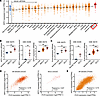 Figure 1
In silico analysis of KIFC1 and PLK4 expression in SCLC and other cancer types. (A) KIFC1 mRNA expression levels were compared among various cancer and noncancerous cell lines using the CCLE database. Bars indicate median values. TPM, transcripts per million. (B and C) KIFC1 (B) and PLK4 (C) mRNA expression levels in clinical samples were compared among SCLC, NSCLC, and normal tissues using datasets from the GEO database. GSE40275 includes 26 SCLC, 15 NSCLC, and 43 normal lung tissue samples. GSE43346 includes 23 SCLC and 43 normal tissue samples. GSE30219 includes 21 SCLC, 268 NSCLC, and 14 normal lung tissue samples. Bars represent median values and interquartile range. Two-sided t tests were performed with multiple comparisons adjusted using Tukey’s method. **P < 0.01. RPKM, Reads Per Kilobase of exon per Million mapped reads. (D) Correlation of KIFC1 and PLK4 mRNA expression levels was analyzed in all cancer-type cell lines (Pearson’s r = 0.76, P < 0.01) and SCLC cell lines (Pearson’s r = 0.67, P < 0.01) using the CCLE database. (E) Correlation between KIFC1 and PLK4 mRNA expression in clinical samples was analyzed using the TCGA database (Pearson’s r = 0.73, P < 0.01).
To validate these in silico findings, we examined the features of centrosomes in cell lines. Immunofluorescence staining for pericentrin, a component of the pericentriolar material and a centrosome marker, revealed a high frequency of supernumerary centrosomes in SCLC cells (Figure 2, A and B). Specifically, 25%–50% of mitotic SCLC cells harbored supernumerary centrosomes, as compared with only 5% of noncancerous normal human bronchial epithelial (NHBE) cells and 15% of NSCLC A549 cells (Figure 2B). We next assessed KIFC1 protein expression levels by immunoblotting, which showed higher expression profiles in SCLC cells than in NHBE and NSCLC cells (Figure 2C), consistent with the in silico mRNA results (Figure 1, A and B).
 Figure 2
Frequent supernumerary centrosomes and elevated KIFC1 protein levels in SCLC cells. (A) Representative immunofluorescence images of SCLC cells with or without supernumerary centrosomes. The blue signal is Hoechst 33342 staining (DNA), the red signal is α-tubulin staining (spindles), and the green signal is pericentrin staining (centrosomes). Scale bars: 5 μm. Data are representative of 3 independent experiments. (B) Proportions of cells with or without supernumerary centrosomes in SCLC, NSCLC, and noncancerous cells. (C) KIFC1 protein expression levels were assessed by immunoblotting in SCLC, NSCLC, and noncancerous cells.
We further evaluated KIFC1 expression in SCLC clinical samples by IHC using 2 independent tissue microarrays (TMAs) of specimens isolated from SCLC patients. Analysis of the first TMA, consisting of 70 paired SCLC and adjacent normal lung tissues, revealed that KIFC1 was highly expressed in most SCLC tissues, whereas it was typically undetected in adjacent normal tissues (Figure 3, A–C). To independently confirm and extend these findings, we analyzed a separate TMA from our institution that displayed 47 SCLC, 47 NSCLC, and 5 normal lung tissues, with gene expression data from these specimens available. Patient characteristics for this cohort are summarized in Supplemental Table 1. KIFC1 expression was significantly higher in SCLC samples than in the examined NSCLC and normal lung samples (Figure 4, A and B), validating the results from the first TMA shown above (Figure 3, A–C). When analyzed by transcriptional subtype, KIFC1 expression did not differ significantly among SCLC-A, -N, -P, and -I (Supplemental Figure 3A). However, when SCLC-A and SCLC-N, which both represent neuroendocrine-high subtypes, were combined and compared with SCLC-P/I, KIFC1 expression was significantly higher in the former group (Supplemental Figure 3B). Additionally, it was revealed that KIFC1 expression positively correlated with Ki67 levels, a marker of cellular proliferation (Figure 4, C and D). Consistent with its link to proliferative activity, survival analysis in our institutional TMA cohort showed a trend toward shorter overall survival with increasing KIFC1 expression (P = 0.021, log-rank test for trend; P = 0.053 for high vs. low groups; Supplemental Figure 4), suggesting that elevated KIFC1 expression may be associated with poor prognosis in SCLC. This correlation was further supported by the analyses of publicly available single-cell RNA sequencing (scRNA-seq) datasets (Figure 4, E–G). In silico analysis of scRNA-seq data identified a distinct subpopulation of SCLC cells with high KIFC1 expression, which overlapped with the highly proliferative Ki67-positive subpopulation (Figure 4, E–G). Characterization of transcriptomic features in these KIFC1-high cells revealed upregulation of multiple regulators of centrosome organization and mitotic control, including PLK4, AURKA, AURKB, TTK, PLK1, and CHEK2 (Supplemental Table 2 and Supplemental Figure 5A). Pathway analysis further indicated activation of cell cycle–, mitosis-, and checkpoint-related programs (Supplemental Figure 5B), consistent with a highly proliferative phenotype.
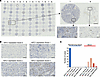 Figure 3
IHC analysis of KIFC1 protein expression in paired SCLC and adjacent normal lung tissues. (A–C) IHC for KIFC1 on a TMA consisting of 70 paired SCLC and adjacent normal lung tissues. (A) Representative images comparing KIFC1 immunostaining in SCLC (T) versus adjacent normal lung tissue (N) including a whole-slide TMA overview and magnified views at lower and higher magnification. Scale bars: 500 μm (lower magnification) and 50 μm (higher magnification). (B) Representative images for semiquantitative scoring of KIFC1 expression based on the percentage of positively stained cells: score 0 (<1%), score 1 (1%–10%), score 2 (10%–30%), and score 3 (30%–100%). Scale bars: 50 μm. (C) Distribution of KIFC1 expression scores in SCLC versus normal lung tissues.
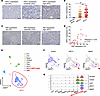 Figure 4
IHC analysis of KIFC1 protein expression in SCLC clinical samples using an independent in-house TMA and in silico scRNA-seq analysis. (A–E) IHC for KIFC1 on a separate TMA consisting of 47 SCLC, 47 NSCLC, and 5 normal lung tissue samples. (A and B) The percentage of KIFC1-positive cells was quantified. Representative images of low, moderate, and high levels of KIFC1 expression are shown in A. Scale bars: 50 μm. (B) KIFC1 expression levels were compared across SCLC, NSCLC, and normal lung tissues. Each dot represents a single case. **P < 0.01 (Tukey’s test). Bars represent median values and interquartile range. (C and D) Ki67 expression levels were evaluated on the same TMA. Representative images of low, moderate, and high Ki67 expression are shown in C. Scale bars: 50 μm. (D) Correlation between Ki67 and KIFC1 expression in SCLC cases was assessed (Pearson’s r = 0.52, P < 0.01). Each dot represents a single case. (E–G) scRNA-seq analysis of SCLC (GSE164404). (E) UMAP clustering of single-cell transcriptomes from SCLC. (F) Feature plots showing the expression of the neuroendocrine marker (CHGA), KIFC1, and MKI67 in SCLC. (G) Violin plots displaying the expression of neuroendocrine markers (CHGA, NCAM1, SYP), KIFC1, and MKI67 across different cell types.
Antineoplastic effects after KIFC1 inhibition in SCLC cells. To investigate the biological function of KIFC1 in SCLC, we inhibited KIFC1 in multiple SCLC cell lines using 3 approaches: pharmacological inhibition with AZ82, a specific KIFC1 inhibitor, and genetic inhibition by siRNAs and by the CRISPR/Cas9 system. Treatment with AZ82 reduced the viability of SCLC cell lines in a dose-dependent manner (Figure 5A). Knockdown of KIFC1 using siRNAs was confirmed by real-time quantitative reverse transcription PCR (RT-qPCR) and immunoblotting (Figure 5, B and C). Following KIFC1 knockdown, cell proliferation was significantly suppressed in SCLC cells (Figure 5D). Similarly, CRISPR/Cas9–mediated depletion of KIFC1, verified by immunoblotting (Figure 5E), significantly inhibited SCLC cell proliferation (Figure 5F). These findings demonstrate that KIFC1 inhibition suppressed the growth of SCLC cells. Because these experiments were performed using pooled cell populations rather than single-cell clones, a small amount of residual KIFC1 protein was detected after CRISPR/Cas9–mediated depletion, reflecting a partial but substantial reduction in KIFC1 protein levels.
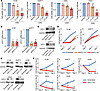 Figure 5
Antiproliferative effects of KIFC1 inhibition in SCLC cells. (A) Dose-dependent effects of AZ82 on cell viability in multiple SCLC cell lines are demonstrated. (B and C) Knockdown of KIFC1 expression using siRNAs was confirmed at the mRNA level by RT-qPCR (B) and at the protein level by immunoblotting (C). (D) Cell proliferation curves of SCLC cells following KIFC1 knockdown. (E) Depletion of KIFC1 using the CRISPR/Cas9 system was confirmed by immunoblotting. (F) Cell proliferation curves of SCLC cell lines following KIFC1 knockout. Error bars represent standard deviation. P values were calculated using 2-sided t tests with multiple comparisons adjusted using Dunnett’s method. *P < 0.05; **P < 0.01.
We next evaluated the effects of KIFC1 inhibition on apoptosis. Representative flow cytometry images of annexin V/propidium iodide double staining to assess apoptosis after treatment with vehicle or AZ82 are shown in Figure 6A. AZ82 treatment augmented apoptosis in a dose-dependent manner in the examined SCLC cells (Figure 6B). Apoptosis induction was confirmed by genetic inhibition of KIFC1 using siRNAs (Figure 6C) and the CRISPR/Cas9 system in SCLC cells (Figure 6D). To assess whether apoptosis functionally contributes to the growth inhibition caused by KIFC1 blockade, SCLC cells were treated with AZ82 in the presence or absence of the pan-caspase inhibitor Q-VD-OPh. A modest but reproducible rescue of viability was observed (Supplemental Figure 6), indicating that caspase-dependent apoptosis contributes to, but does not fully account for, the growth suppression induced by KIFC1 inhibition.
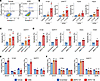 Figure 6
Apoptosis induction and cell cycle arrest in SCLC cells following KIFC1 inhibition. (A) Representative flow cytometric dot plots showing annexin V and propidium iodide double staining to assess apoptosis following KIFC1 inhibition. Data are representative of 3 independent experiments. (B) Percentages of apoptotic cells after AZ82 treatment in SCLC cells. (C) Percentages of apoptotic cells following KIFC1 knockdown by siRNAs in SCLC cells. (D) Percentages of apoptotic cells following KIFC1 knockout by the CRISPR/Cas9 system in SCLC cells. (E) Cell cycle distribution in SCLC cells after AZ82 treatment. (F) Cell cycle distribution in SCLC cells following KIFC1 knockdown by siRNAs. Error bars represent standard deviation. P values were calculated using 2-sided t tests with multiple comparisons adjusted using Dunnett’s method. *P < 0.05; **P < 0.01.
Finally, we investigated the effects of KIFC1 inhibition on cell cycle progression after synchronizing cells. KIFC1 inhibition induced G1-phase arrest in SCLC cells, either through AZ82 treatment (Figure 6E) or by siRNA-mediated knockdown (Figure 6F).
Anaphase catastrophe via KIFC1 inhibition in SCLC cells. To determine the mechanism underlying the antineoplastic effects of KIFC1 inhibition, we examined the mitotic status of SCLC cells by staining for α-tubulin and DNA. In addition to normal bipolar mitotic cells, multipolar mitotic cells were detected (Figure 7A). Treatment with AZ82 and KIFC1 knockdown using siRNAs markedly increased the proportion of cells undergoing multipolar anaphase (Figure 7, B and C). We next performed costaining with pericentrin to assess centrosome features. Based on spindle and centrosome configurations, these cells were categorized into 3 types: normal bipolar cells with 2 centrosomes and bipolar spindles, pseudo-bipolar cells with supernumerary centrosomes clustered into 2 poles and bipolar spindle formation, and multipolar cells with supernumerary centrosomes that failed to cluster, resulting in multipolar spindle formation (Figure 7D and Supplemental Figure 1). Notably, inhibition of KIFC1 either pharmacologically or genetically reduced the proportion of pseudo-bipolar cells and increased the proportion of multipolar cells (Figure 7, E and F, and Supplemental Figures 7 and 8), while the total proportion of cells with supernumerary centrosomes (pseudo-bipolar and multipolar cells) was not appreciably altered (Figure 7, E and F, and Supplemental Figure 7). These results indicate that KIFC1 inhibition disrupts the clustering of preexisting supernumerary centrosomes, thereby promoting multipolar mitosis and exerting antineoplastic effects, i.e., inducing anaphase catastrophe, in SCLC cells.
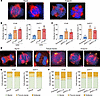 Figure 7
Induction of anaphase catastrophe in SCLC cells following KIFC1 inhibition. (A) Representative immunofluorescence images of SCLC cells undergoing bipolar and multipolar anaphase. The blue signal is Hoechst 33342 staining (DNA), and the red signal is α-tubulin staining (spindles). Scale bars: 5 μm. Data are representative of 3 independent experiments. (B and C) Percentages of SCLC cells undergoing multipolar anaphase after AZ82 treatment (B) and after KIFC1 knockdown using siRNAs (C). Error bars represent standard deviation. P values were calculated using Dunnett’s method. *P < 0.05; **P < 0.01. (D) Representative immunofluorescence images showing 3 mitotic phenotypes in SCLC cells: bipolar cells with 2 centrosomes and normal bipolar spindles (left panels), pseudo-bipolar cells with supernumerary centrosomes clustered into 2 poles forming bipolar spindles (middle panels), and multipolar cells with unclustered supernumerary centrosomes forming multipolar spindles (right panels). The blue signal is Hoechst 33342 staining (DNA), the red signal is α-tubulin staining (spindles), and the green signal is pericentrin staining (centrosomes). Scale bars: 5 μm. Data are representative of 3 independent experiments. (E and F) Distribution of bipolar, pseudo-bipolar, and multipolar SCLC cells after AZ82 treatment (E) and after KIFC1 knockdown using siRNAs (F).
Noncancerous cells show minimal sensitivity to KIFC1 inhibition. Anaphase catastrophe is expected to preferentially affect cancer cells harboring supernumerary centrosomes, while sparing normal cells with 2 centrosomes. To evaluate this selectivity, we examined the effects of KIFC1 inhibition in noncancerous bronchial epithelial cells, including NHBE cells and the immortalized but nontransformed bronchial epithelial cell line BEAS-2B. Treatment with AZ82 did not appreciably inhibit the growth of either NHBE or BEAS-2B cells (Supplemental Figure 9A) at concentrations that substantially reduced proliferation in SCLC cells (Figure 5A). We further silenced KIFC1 genetically using siRNAs transfected into these noncancerous cells. Although effective knockdown of KIFC1 was confirmed at both mRNA and protein levels (Supplemental Figure 9, B and C), cell proliferation remained unaffected (Supplemental Figure 9D). In addition, the mitotic analysis revealed that KIFC1 knockdown did not induce multipolar mitosis in either NHBE or BEAS-2B cells (Supplemental Figure 9E). Collectively, these results indicate that, under experimental conditions tested, KIFC1 inhibition exerts minimal effects on proliferation and mitotic spindle integrity in noncancerous bronchial epithelial cells, in contrast to its pronounced antineoplastic effects in SCLC cells.
Transcriptomic changes after KIFC1 inhibition in SCLC cells. To elucidate the molecular mechanisms underlying the antineoplastic effects and anaphase catastrophe after KIFC1 inhibition, we performed RNA sequencing and analyzed transcriptomic changes following KIFC1 knockdown in H146 SCLC cells. The top 50 differentially expressed genes are shown in Figure 8A. Using cutoffs of P < 0.05 and fold change > 1.5 or < –1.5, we identified 148 downregulated and 177 upregulated genes (Figure 8B and Supplemental Table 3). Notably, several genes involved in centrosome function, clustering, and faithful chromosome segregation, such as KIZ-AS1, CEP170, and NEK10, were significantly downregulated (Figure 8, A and B). Conversely, the upregulated genes included those associated with apoptosis and cell cycle checkpoint pathways (Figure 8, A and B). Gene Ontology analysis revealed downregulation of genes that negatively regulate apoptosis and upregulation of genes that negatively regulate growth following KIFC1 knockdown (Figure 8C). Furthermore, GSEA identified E2F targets, which play major roles during the G1/S transition, as significantly downregulated (Figure 8D). Together, these transcriptomic profiles indicate that disruption of centrosome clustering by KIFC1 inhibition activates transcriptional programs linked to mitotic stress, checkpoint activation, and apoptotic signaling. This provides molecular-level insight into how centrosome dysregulation translates into growth arrest and cell death in SCLC.
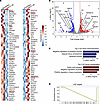 Figure 8
Transcriptomic profiles of SCLC cells following KIFC1 inhibition. (A) Heatmaps showing the top 50 differentially expressed genes in H146 cells after KIFC1 knockdown (left, downregulated genes; right, upregulated genes). (B) Volcano plots of differentially expressed genes after KIFC1 knockdown. Thresholds were set at P < 0.05 and absolute fold change > 1.5. Blue and red dots indicate downregulated and upregulated genes meeting these thresholds, respectively. Statistical significance was assessed using Wilcoxon’s rank-sum test (individual group comparison). (C) Top 3 downregulated and upregulated pathways identified by Gene Ontology (GO) analysis. (D) GSEA of downregulated gene sets following KIFC1 knockdown.
In vivo effects after KIFC1 inhibition. In vivo effects of KIFC1 inhibition were examined using AZ82 in human SCLC cell line–derived xenograft models. We conducted a preliminary study to determine the optimal dosage of AZ82. Intraperitoneal (i.p.) administration of AZ82 at doses of 15 μg/g or higher caused either death or substantial weight loss in the treated mice. Doses of 12.5 μg/g or lower were well tolerated with no weight loss observed during 2 weeks of test administration. Based on these findings, 12.5 μg/g i.p. was selected as the treatment dose for subsequent experiments.
H146 cells were subcutaneously injected into nude mice, followed by administration of either AZ82 (12.5 μg/g) or vehicle 4 times per week for 3 weeks. AZ82 treatment substantially suppressed tumor growth as compared with vehicle control (Figure 9, A and B). No appreciable body weight loss or behavioral changes were observed during treatment, indicating clinical tolerability of AZ82 in mice at this dosage (Figure 9C). Resected tumor weights after completion of treatment were significantly lower in the AZ82-treated group as compared with the vehicle-treated mice (Figure 9D). In addition, IHC staining for TUNEL revealed a higher apoptotic index in the AZ82-treated tumors, indicating enhanced apoptosis after AZ82 treatment (Figure 9E).
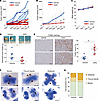 Figure 9
In vivo antitumor effects of AZ82 treatment in SCLC. (A and B) Comparison of tumor growth in H146-derived xenograft model treated with vehicle or AZ82. Spider plots showing tumor volume for each mouse are shown in A, and average tumor volumes over time are shown in B. Error bars represent standard deviation. P values were calculated using 2-sided t tests. *P < 0.05; **P < 0.01. (C) Body weights of mice during vehicle or AZ82 treatment. (D) Comparison of resected tumor weights after vehicle or AZ82 treatment. Top panels show representative photographs of resected tumors from each group. Each dot represents a single mouse. Bars indicate median values and interquartile range. P values were calculated using 2-sided t tests. *P < 0.05. (E) Quantification of apoptotic cells in resected tumors using TUNEL staining. Left panels show representative images of TUNEL-negative and TUNEL-positive samples from each group. Scale bars: 50 μm. Right panel shows the percentage of TUNEL-positive cells per mouse. Each dot represents a single mouse. Bars indicate median values and interquartile range. P values were calculated using a 2-sided t test. **P < 0.01. (F and G) Mitotic status and centrosome organization in resected tumors, evaluated by pericentrin staining with hematoxylin counterstaining. (F) Representative pericentrin-immunostained images showing 3 mitotic phenotypes in SCLC cells: bipolar cells with 2 centrosomes and normal bipolar spindles (left panels), pseudo-bipolar cells with clustered supernumerary centrosomes forming bipolar spindles (middle panels), and multipolar cells with unclustered supernumerary centrosomes forming multipolar spindles (right panels). Scale bars: 5 μm. (G) Percentages of bipolar, pseudo-bipolar, and multipolar mitotic cells in resected tumors are shown. Representative images shown in D–F were selected from tumors collected from all mice in each treatment group.
To investigate the in vivo effects of KIFC1 inhibition on mitosis and centrosome status, we stained resected tumors for pericentrin and counterstained with hematoxylin. As seen in vitro (Figure 7D), 3 types of mitotic cells were identified: normal bipolar, pseudo-bipolar (with clustered supernumerary centrosomes), and multipolar cells (with unclustered supernumerary centrosomes) (Figure 9F). Consistent with our in vitro findings, the proportion of pseudo-bipolar mitotic figures were reduced while multipolar mitoses were increased in the AZ82-treated tumors (Figure 9G), suggesting that KIFC1 inhibition disrupted centrosome clustering and induced anaphase catastrophe.
To further support the reproducibility of the in vivo antitumor effects of KIFC1 inhibition, we performed an additional xenograft study with the SCLC cell line SHP77. Using the same AZ82 dosing regimen as in the H146 model, AZ82 treatment similarly suppressed tumor growth in SHP77 xenografts without inducing appreciable body weight loss (Supplemental Figure 10). These findings demonstrate that the antitumor efficacy of KIFC1 inhibition in vivo can be reproduced in an additional SCLC xenograft model.
Taken together, the effects of KIFC1 inhibition on SCLC observed in vitro were largely recapitulated and reinforced in the in vivo xenograft models.
Combined effects of KIFC1 inhibition and PLK4 modulation. CFI-40095 is a selective modulator of PLK4 (59). At low concentrations, CFI-400945 interferes with the negative autoregulation of PLK4 and leads to accumulation of active PLK4, thereby inducing centrosome amplification and generating supernumerary centrosomes (59, 60).
Because concurrent centrosome amplification and inhibition of centrosome clustering are expected to enhance the induction of multipolar cell division, we examined the combined effects of AZ82 and CFI-400945 using 2 concentrations of each drug. As anticipated, the combination treatment resulted in significantly greater growth inhibition than either monotherapy (Figure 10). Bliss independence analysis indicated predominantly additive interactions, with mild synergy observed at certain concentration pairs.
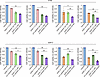 Figure 10
Cooperative growth-inhibitory effects of combined KIFC1 inhibition and PLK4 modulation in SCLC cells. Cell viability of SCLC cell lines treated with the KIFC1 inhibitor AZ82, the PLK4 modulator CFI-400945, or their combination at the indicated concentrations. Error bars represent standard deviation. P values were calculated by Dunnett’s test. *P < 0.05; **P < 0.01.
These results indicate that dual targeting of PLK4 and KIFC1 effectively enhances growth suppression through complementary mechanisms.


