
Research ArticleAIDS/HIVCardiology
Open Access |  10.1172/jci.insight.198647
Atorvastatin suppresses HIV/antiretroviral drug–induced cardiac fibrosis and dysfunction in mice by blocking platelet TGF-β1 signaling
Kumar Subramani,1 Denys Babii,1 Brienne Cole,1 Tayyab A. Afzal,1 Thamizhiniyan Venkatesan,1 Trevor Word,1 Sandra Gostynska,1 Sixia Chen,1,2 Kar-Ming Fung,1,2 Ali Danesh,3 Itzayana G. Miller,3 Paul Klotman,4 Brad R. Jones,3 Jeffrey Laurence,5 and Jasimuddin Ahamed1,2
1Cardiovascular Biology Research Program, Oklahoma Medical Research Foundation, Oklahoma City, Oklahoma, USA.
2University of Oklahoma Health Sciences Center, Oklahoma City, Oklahoma, USA.
3Division of Infectious Diseases, Weill Cornell Medical College, New York, New York, USA.
4Baylor College of Medicine, Houston, Texas, USA.
5Division of Hematology and Medical Oncology, Weill Cornell Medical College, New York, New York, USA.
Address correspondence to: Jasimuddin Ahamed, Cardiovascular Biology Research Program Oklahoma Medical Research Foundation (OMRF) 825 N.E. 13th Street, MS 45 Oklahoma City, Oklahoma 73104, USA. Email: ahamedj@omrf.org.
Find articles by Subramani, K. in: PubMed | Google Scholar
1Cardiovascular Biology Research Program, Oklahoma Medical Research Foundation, Oklahoma City, Oklahoma, USA.
2University of Oklahoma Health Sciences Center, Oklahoma City, Oklahoma, USA.
3Division of Infectious Diseases, Weill Cornell Medical College, New York, New York, USA.
4Baylor College of Medicine, Houston, Texas, USA.
5Division of Hematology and Medical Oncology, Weill Cornell Medical College, New York, New York, USA.
Address correspondence to: Jasimuddin Ahamed, Cardiovascular Biology Research Program Oklahoma Medical Research Foundation (OMRF) 825 N.E. 13th Street, MS 45 Oklahoma City, Oklahoma 73104, USA. Email: ahamedj@omrf.org.
Find articles by Babii, D. in: PubMed | Google Scholar
1Cardiovascular Biology Research Program, Oklahoma Medical Research Foundation, Oklahoma City, Oklahoma, USA.
2University of Oklahoma Health Sciences Center, Oklahoma City, Oklahoma, USA.
3Division of Infectious Diseases, Weill Cornell Medical College, New York, New York, USA.
4Baylor College of Medicine, Houston, Texas, USA.
5Division of Hematology and Medical Oncology, Weill Cornell Medical College, New York, New York, USA.
Address correspondence to: Jasimuddin Ahamed, Cardiovascular Biology Research Program Oklahoma Medical Research Foundation (OMRF) 825 N.E. 13th Street, MS 45 Oklahoma City, Oklahoma 73104, USA. Email: ahamedj@omrf.org.
Find articles by Cole, B. in: PubMed | Google Scholar
1Cardiovascular Biology Research Program, Oklahoma Medical Research Foundation, Oklahoma City, Oklahoma, USA.
2University of Oklahoma Health Sciences Center, Oklahoma City, Oklahoma, USA.
3Division of Infectious Diseases, Weill Cornell Medical College, New York, New York, USA.
4Baylor College of Medicine, Houston, Texas, USA.
5Division of Hematology and Medical Oncology, Weill Cornell Medical College, New York, New York, USA.
Address correspondence to: Jasimuddin Ahamed, Cardiovascular Biology Research Program Oklahoma Medical Research Foundation (OMRF) 825 N.E. 13th Street, MS 45 Oklahoma City, Oklahoma 73104, USA. Email: ahamedj@omrf.org.
Find articles by Afzal, T. in: PubMed | Google Scholar
1Cardiovascular Biology Research Program, Oklahoma Medical Research Foundation, Oklahoma City, Oklahoma, USA.
2University of Oklahoma Health Sciences Center, Oklahoma City, Oklahoma, USA.
3Division of Infectious Diseases, Weill Cornell Medical College, New York, New York, USA.
4Baylor College of Medicine, Houston, Texas, USA.
5Division of Hematology and Medical Oncology, Weill Cornell Medical College, New York, New York, USA.
Address correspondence to: Jasimuddin Ahamed, Cardiovascular Biology Research Program Oklahoma Medical Research Foundation (OMRF) 825 N.E. 13th Street, MS 45 Oklahoma City, Oklahoma 73104, USA. Email: ahamedj@omrf.org.
Find articles by Venkatesan, T. in: PubMed | Google Scholar
1Cardiovascular Biology Research Program, Oklahoma Medical Research Foundation, Oklahoma City, Oklahoma, USA.
2University of Oklahoma Health Sciences Center, Oklahoma City, Oklahoma, USA.
3Division of Infectious Diseases, Weill Cornell Medical College, New York, New York, USA.
4Baylor College of Medicine, Houston, Texas, USA.
5Division of Hematology and Medical Oncology, Weill Cornell Medical College, New York, New York, USA.
Address correspondence to: Jasimuddin Ahamed, Cardiovascular Biology Research Program Oklahoma Medical Research Foundation (OMRF) 825 N.E. 13th Street, MS 45 Oklahoma City, Oklahoma 73104, USA. Email: ahamedj@omrf.org.
Find articles by Word, T. in: PubMed | Google Scholar
1Cardiovascular Biology Research Program, Oklahoma Medical Research Foundation, Oklahoma City, Oklahoma, USA.
2University of Oklahoma Health Sciences Center, Oklahoma City, Oklahoma, USA.
3Division of Infectious Diseases, Weill Cornell Medical College, New York, New York, USA.
4Baylor College of Medicine, Houston, Texas, USA.
5Division of Hematology and Medical Oncology, Weill Cornell Medical College, New York, New York, USA.
Address correspondence to: Jasimuddin Ahamed, Cardiovascular Biology Research Program Oklahoma Medical Research Foundation (OMRF) 825 N.E. 13th Street, MS 45 Oklahoma City, Oklahoma 73104, USA. Email: ahamedj@omrf.org.
Find articles by Gostynska, S. in: PubMed | Google Scholar
1Cardiovascular Biology Research Program, Oklahoma Medical Research Foundation, Oklahoma City, Oklahoma, USA.
2University of Oklahoma Health Sciences Center, Oklahoma City, Oklahoma, USA.
3Division of Infectious Diseases, Weill Cornell Medical College, New York, New York, USA.
4Baylor College of Medicine, Houston, Texas, USA.
5Division of Hematology and Medical Oncology, Weill Cornell Medical College, New York, New York, USA.
Address correspondence to: Jasimuddin Ahamed, Cardiovascular Biology Research Program Oklahoma Medical Research Foundation (OMRF) 825 N.E. 13th Street, MS 45 Oklahoma City, Oklahoma 73104, USA. Email: ahamedj@omrf.org.
Find articles by Chen, S. in: PubMed | Google Scholar
1Cardiovascular Biology Research Program, Oklahoma Medical Research Foundation, Oklahoma City, Oklahoma, USA.
2University of Oklahoma Health Sciences Center, Oklahoma City, Oklahoma, USA.
3Division of Infectious Diseases, Weill Cornell Medical College, New York, New York, USA.
4Baylor College of Medicine, Houston, Texas, USA.
5Division of Hematology and Medical Oncology, Weill Cornell Medical College, New York, New York, USA.
Address correspondence to: Jasimuddin Ahamed, Cardiovascular Biology Research Program Oklahoma Medical Research Foundation (OMRF) 825 N.E. 13th Street, MS 45 Oklahoma City, Oklahoma 73104, USA. Email: ahamedj@omrf.org.
Find articles by Fung, K. in: PubMed | Google Scholar
1Cardiovascular Biology Research Program, Oklahoma Medical Research Foundation, Oklahoma City, Oklahoma, USA.
2University of Oklahoma Health Sciences Center, Oklahoma City, Oklahoma, USA.
3Division of Infectious Diseases, Weill Cornell Medical College, New York, New York, USA.
4Baylor College of Medicine, Houston, Texas, USA.
5Division of Hematology and Medical Oncology, Weill Cornell Medical College, New York, New York, USA.
Address correspondence to: Jasimuddin Ahamed, Cardiovascular Biology Research Program Oklahoma Medical Research Foundation (OMRF) 825 N.E. 13th Street, MS 45 Oklahoma City, Oklahoma 73104, USA. Email: ahamedj@omrf.org.
Find articles by Danesh, A. in: PubMed | Google Scholar
1Cardiovascular Biology Research Program, Oklahoma Medical Research Foundation, Oklahoma City, Oklahoma, USA.
2University of Oklahoma Health Sciences Center, Oklahoma City, Oklahoma, USA.
3Division of Infectious Diseases, Weill Cornell Medical College, New York, New York, USA.
4Baylor College of Medicine, Houston, Texas, USA.
5Division of Hematology and Medical Oncology, Weill Cornell Medical College, New York, New York, USA.
Address correspondence to: Jasimuddin Ahamed, Cardiovascular Biology Research Program Oklahoma Medical Research Foundation (OMRF) 825 N.E. 13th Street, MS 45 Oklahoma City, Oklahoma 73104, USA. Email: ahamedj@omrf.org.
Find articles by Miller, I. in: PubMed | Google Scholar
1Cardiovascular Biology Research Program, Oklahoma Medical Research Foundation, Oklahoma City, Oklahoma, USA.
2University of Oklahoma Health Sciences Center, Oklahoma City, Oklahoma, USA.
3Division of Infectious Diseases, Weill Cornell Medical College, New York, New York, USA.
4Baylor College of Medicine, Houston, Texas, USA.
5Division of Hematology and Medical Oncology, Weill Cornell Medical College, New York, New York, USA.
Address correspondence to: Jasimuddin Ahamed, Cardiovascular Biology Research Program Oklahoma Medical Research Foundation (OMRF) 825 N.E. 13th Street, MS 45 Oklahoma City, Oklahoma 73104, USA. Email: ahamedj@omrf.org.
Find articles by Klotman, P. in: PubMed | Google Scholar
1Cardiovascular Biology Research Program, Oklahoma Medical Research Foundation, Oklahoma City, Oklahoma, USA.
2University of Oklahoma Health Sciences Center, Oklahoma City, Oklahoma, USA.
3Division of Infectious Diseases, Weill Cornell Medical College, New York, New York, USA.
4Baylor College of Medicine, Houston, Texas, USA.
5Division of Hematology and Medical Oncology, Weill Cornell Medical College, New York, New York, USA.
Address correspondence to: Jasimuddin Ahamed, Cardiovascular Biology Research Program Oklahoma Medical Research Foundation (OMRF) 825 N.E. 13th Street, MS 45 Oklahoma City, Oklahoma 73104, USA. Email: ahamedj@omrf.org.
Find articles by Jones, B. in: PubMed | Google Scholar
1Cardiovascular Biology Research Program, Oklahoma Medical Research Foundation, Oklahoma City, Oklahoma, USA.
2University of Oklahoma Health Sciences Center, Oklahoma City, Oklahoma, USA.
3Division of Infectious Diseases, Weill Cornell Medical College, New York, New York, USA.
4Baylor College of Medicine, Houston, Texas, USA.
5Division of Hematology and Medical Oncology, Weill Cornell Medical College, New York, New York, USA.
Address correspondence to: Jasimuddin Ahamed, Cardiovascular Biology Research Program Oklahoma Medical Research Foundation (OMRF) 825 N.E. 13th Street, MS 45 Oklahoma City, Oklahoma 73104, USA. Email: ahamedj@omrf.org.
Find articles by Laurence, J. in: PubMed | Google Scholar
1Cardiovascular Biology Research Program, Oklahoma Medical Research Foundation, Oklahoma City, Oklahoma, USA.
2University of Oklahoma Health Sciences Center, Oklahoma City, Oklahoma, USA.
3Division of Infectious Diseases, Weill Cornell Medical College, New York, New York, USA.
4Baylor College of Medicine, Houston, Texas, USA.
5Division of Hematology and Medical Oncology, Weill Cornell Medical College, New York, New York, USA.
Address correspondence to: Jasimuddin Ahamed, Cardiovascular Biology Research Program Oklahoma Medical Research Foundation (OMRF) 825 N.E. 13th Street, MS 45 Oklahoma City, Oklahoma 73104, USA. Email: ahamedj@omrf.org.
Find articles by Ahamed, J. in: PubMed | Google Scholar
Published February 6, 2026 - More info
JCI Insight. 2026;11(13):e198647. https://doi.org/10.1172/jci.insight.198647.
© 2026 Subramani et al. This work is licensed under the Creative Commons Attribution 4.0 International License. To view a copy of this license, visit http://creativecommons.org/licenses/by/4.0/.
Received: July 30, 2025; Accepted: January 29, 2026


-
Results
HIV-Tg26 and HIV-PDX mice have higher cardiac fibrosis than littermate controls without HIV — an INSTI-based ART regimen and the protease inhibitor RTV further increased cardiac fibrosis. We previously showed that WT C57BL/6 mice treated with supratherapeutic doses of ritonavir (RTV) had an approximately 3-fold increase in cardiac fibrosis compared with untreated mice (~1.5% vs. ~0.5%) (22). PWH treated with protease inhibitor–based ART appear at greatest risk for CVD (14, 15), including cardiac fibrosis. Thus, we first tested whether HIV alone is associated with enhanced cardiac fibrosis in mice and then whether doses of RTV equivalent to that used clinically in RTV-boosted protease inhibitor regimens, or a common INSTI-based ART regimen, tenofovir (TDF), emtricitabine (FTC), and dolutegravir (DTG), enhance such fibrosis. Only 2 of 10 (20%) WT littermate control mice on an FVB/NJ, C57BL/6, or NSG background had mild cardiac fibrosis (~1.5% of the total cardiac area) at 4 months of age, as measured by Masson’s trichome and Picrosirius red staining. In contrast, 8 of 11 (73%) of HIV-Tg26 mice — those containing 7 HIV-1 genes but incapable of producing infectious virus — developed mild to moderate fibrosis (2%–4% of the total cardiac area). Administration of RTV or TDF-FTC-DTG, i.p. daily for 8 weeks, led to moderate cardiac fibrosis (3%–4% of the total cardiac area) in 12 of 15 (80%) of these mice. (P = 0.003 for WT control vs. HIV-Tg26 mice and P = 0.007 for HIV-Tg26 vs. RTV-treated HIV-Tg26 mice) (Figure 1, A, B, and D, and Supplemental Figure 2; supplemental material available online with this article; https://doi.org/10.1172/jci.insight.198647DS1).
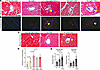 Figure 1
Effect of ART on cardiac fibrosis in HIV mice. (A) Representative images of Masson’s trichome staining of heart sections from FVB/NJ -No HIV controls, HIV-Tg26 mice, and HIV-Tg26 mice treated with ART ritonavir (RTV), darunavir (DRV), or the tenofovir-emtricitabine-dolutegravir (TDF-FTC-DTG) cocktail (TDFc) for 8 weeks. Excessive collagen is indicated in blue. (B) Representative images of Picrosirius red staining, showing fibrotic areas as a mixture of green, red, and yellow, under polarized light microscopy. (C) Representative images of Masson’s trichome staining of heart sections from NSG controls, HIV-infected (HIV-PDX) mice, and HIV-PDX mice treated with TDFc for 8 weeks. (D) Quantification of fibrotic areas in Masson’s trichome–stained and Picrosirius red images showed that HIV-infected mice had higher cardiac fibrosis than controls. ART-treated HIV-Tg26 mice, with the exception of those treated with DRV, had more fibrotic areas than untreated ones. (E) Blind scoring for fibrosis by microscopy on a 0–4 scale showed that ART-treated mice exhibited higher perivascular and interstitial fibrosis than untreated HIV-PDX control mice. Both patterns of fibrosis were quantified from whole-heart Masson’s trichome–stained and Picrosirius red images acquired from a slide scanner (Supplemental Figures 1, A–C). In D and E, total, perivascular, and interstitial fibrosis were quantified using the algorithm shown in Supplemental Figure 1A or blindly by a pathologist and a trained technician who were unaware of mouse genotype. Each dot in the bar graphs represents an individual mouse; data are presented as mean ± SD; P values < 0.05 were considered significant using standard 2-tailed Student’s t test.
As a control, we challenged HIV-Tg26 (Figure 1, A, B, and D) and WT C57BL/6 (Supplemental Figure 2) mice with clinically relevant doses of darunavir (DRV) alone. This protease inhibitor has not been linked clinically to CVD in the absence of RTV boosting (14). We found no elevation of cardiac fibrosis over pretreatment levels in either HIV-Tg26 or WT mice. Hematological values (including RBC, WBC, and platelet count) showed that Tg26 mice were mildly anemic and thrombocytopenic, but all other parameters were similar to those observed in control mice (Table 1). Platelet aggregation responses induced by ADP or thrombin were also similar in platelets isolated from Tg26 and control mice (data not shown).
Comparable results were observed in HIV-PDX mice infected with HIV with and without TDF-FTC-DTG treatment (Figure 1, C–E). Nine of 11 (82%) mice exhibited both perivascular and interstitial fibrosis with TDF-FTC-DTG treatment compared with 40% of HIV-PDX mice not exposed to these drugs, as assessed by Masson’s trichome and Picrosirius red staining and imaging under normal and polarized light, respectively (Figure 1, C–E).
Both an INSTI-based ART regimen and RTV induce diastolic dysfunction with preserved EF in HIV mice. To assess whether the degree of fibrosis seen in ART-treated HIV mice was of functional significance, we evaluated cardiac function by echocardiography. Systolic dysfunction was not observed based upon preservation of both EF and fractional shortening in WT and TDF-FTC-DTG–treated HIV-Tg26 mice (Supplemental Figure 3). Diastolic function in HIV-Tg26 mice was slightly impaired compared with HIV-negative WT controls in the absence of ART (P = 0.03). More severe diastolic dysfunction was noted in both INSTI- and RTV-challenged HIV-Tg26 mice compared with non–drug-treated HIV-Tg26 mice, which manifested as higher early-to-late (E/A) ventricular filling velocity ratios (Figure 2, A–C; P < 0.01). There was a significant correlation between cardiac fibrosis and diastolic indices, specifically E/A ratios, in HIV-Tg26 mice with and without ART compared with control Tg26 mice (Figure 2D).
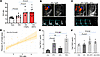 Figure 2
Effect of ART on cardiac function in HIV-Tg26 mice. (A) Bar plot showing increased early-to-late (E/A) ventricular filling velocity ratios indicating impaired diastolic function after 8 weeks of exposure to RTV or the TDF-FTC-DTG cocktail (TDFc) compared with untreated HIV-Tg26 control mice. (B and C) Representative ultrasound images (Vevo2100) showing 4-chamber views with color-Doppler (upper left; blood flow in red) across the mitral valve annulus (upper right) and power-Doppler (lower panels; peak E and A wave velocities) in HIV mice without (B) or with (C) RTV treatment for 8 weeks. (D) E/A ratios directly correlated with cardiac fibrosis in control and ART-treated HIV mice. (E and F) Bar plots showing total TGF-β1 levels as measured by ELISA in (E) platelet releasates (109 per mL) prepared from healthy human volunteers before and after stimulation with RTV (5 μM), darunavir (DRV; 15 μM), or TDFc. (F) Plasma prepared from HIV-Tg26 mice treated with RTV or TDFc. Each dot in the bar graphs represents an individual mouse; data are presented as mean ± SD; P values < 0.05 were considered significant using standard Student’s t test.
In terms of potential mechanisms, we previously showed that RTV induces release of TGF-β1 in vitro from human platelets (21). In the present study, we showed that RTV alone, as well as the TDF-FTC-DTG cocktail, induced release of TGF-β1 from freshly isolated human platelets, whereas the protease inhibitor DRV had no effect (Figure 2E). RTV and TDF-FTC-DTG also induced release of TGF-β1 in vivo as assessed in plasma from ART-treated HIV-Tg26 mice (Figure 2F).
ART-induced ectopic fat deposition in the heart is associated with cardiac fibrosis in HIV mice. Cardiac fat deposition is increased in ART-treated PWH and is associated with diastolic dysfunction (18, 19). However, its relationship to cardiac fibrosis in the setting of HIV/ART has not been examined. We evaluated the effect of RTV and TDF-FTC-DTG on fat accumulation in hearts of HIV-Tg26 and HIV-PDX mice. Both ART regimens resulted in higher cardiac fat deposition, as shown by Oil Red O staining (Figure 3, A and B). To determine whether these stained areas contained fat cells, they were immunostained with an antibody to perilipin, a marker of fat cells, which revealed clusters of perilipin-positive fat cells (Figure 3, A and B).
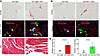 Figure 3
ART-induced ectopic fat deposition in the heart is associated with cardiac fibrosis in HIV-Tg26 and HIV-PDX mice. (A and B) HIV-Tg26 and HIV-PDX mice were challenged with RTV or TDF-FTC-DTG. Oil Red O–positive areas indicate lipid/fat cell deposition in the heart (upper panels), which were confirmed by perilipin immunofluorescence with confocal microscopy (middle panels) and by H&E staining (A, lower panels). Oil Red O–positive areas were also matched with fibrotic areas. Scale bars: 20 µm (C) Quantification of lipid (left) or fat cells (right) from Oil Red O–positive or perilipin-positive regions, respectively, in the hearts of ART-treated HIV-Tg26 and HIV-PDX mice. Each dot in the bar graphs represents an individual mouse; data are presented as mean ± SD; P values < 0.05 were considered significant using standard 2-tailed Student’s t test.
The same heart sections were then stained with Picrosirius red, Masson’s trichome, and H&E. Fibrotic areas with excessive collagen accumulation surrounded by fat cells were recognized in superimposed images (Figure 3A). Quantification confirmed the association between fibrosis and lipid/fat cell accumulation in ART-treated hearts of both HIV-Tg26 and HIV-PDX mice (Figure 3C). Taken together, these results indicate that ART-treated HIV mice with higher cardiac fibrosis also have greater cardiac fat cell deposition.
Platelet-derived TGF-β1 contributes to RTV-induced cardiac fibrosis and fat cell deposition. We previously showed that platelet TGF-β1 contributes to RTV-induced cardiac fibrosis in WT C57BL/6 mice (22). To test whether platelet TGF-β1 contributes to cardiac fibrosis in mice treated with various ART drugs in the context of HIV, we generated HIV-Tg26 mice with platelet TGF-β1–deficient (TGF-β1Platelet-ΔTg26) by crossing HIV-Tg26 mice with PF4CreTgfb1fl/fl mice. We found a more than 90% decrease in total TGF-β1 in platelets and serum and a 50% decrease in plasma of TGF-β1Platelet-ΔTg26 mice compared with littermate control HIV-Tg26 mice (Figure 4A). This indicates that platelets were the major source of circulating TGF-β1 in HIV mice. Although platelets are the most abundant source of TGF-β1, other cells, including macrophages, DCs, Tregs, and B cells, could also produce TGF-β1 (23).
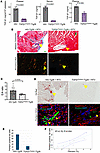 Figure 4
TGF-β1Platelet-ΔTg26 mice are partially protected from developing RTV-induced cardiac fibrosis and deterioration of diastolic function. (A) TGF-β1Platelet-ΔTg26 mice (purple) showed a more than 90% decrease in TGF-β1 in platelets and serum, and a more than 50% decrease in plasma TGF-β1, compared with littermate control HIV-Tg26 mice (gray), as measured by ELISA (n = 4). (B) Images of heart sections from RTV-challenged HIV-Tg26 or TGF-β1Platelet-ΔTg26 mice were captured under polarized light, revealing fibrotic areas in blue in Masson’s trichrome staining and as mixtures of green, red, and yellow in Picrosirius red staining. TGF-β1Platelet-ΔTg26 mice accumulated lower collagen levels than HIV-Tg26 mice, as confirmed by quantification of Picrosirius red staining, which revealed smaller fibrotic areas in TGF-β1Platelet-ΔTg26 mice (2.5% ± 0.5%) compared with HIV-Tg26 mice (3.3% ± 0.7%; P < 0.01 by Student’s t test). Scale bars: 200 μm. (C) E/A ratios measured by echocardiography, showing protection from impairment of diastolic dysfunction in TGF-β1Platelet-ΔTg26 mice (light gray). (D) Oil Red O and perilipin staining show reduced fat cell accumulation in heart tissue from RTV-challenged TGF-β1Platelet-ΔTg26 mice compared with RTV-challenged HIV-Tg26 mice. (E) Bar plot showing the number of perilipin-positive fat cells per heart in RTV-challenged TGF-β1Platelet-ΔTg26 and HIV-Tg26 mice, quantified from confocal microscopy images. Each bar represents the average of 2 heart sections. (F) Correlation plot showing the positive association between cardiac fibrosis and fat cell deposition in the hearts of HIV-Tg26 mice and TGF-β1Platelet-ΔTg26 mice challenged with RTV.
We observed reduced levels of cardiac fibrosis in RTV-treated TGF-β1Platelet-ΔTg26 mice (2.1% ± 0.25%) compared with RTV-treated HIV-Tg26 littermate mice (4.68% ± 0.85%; P < 0.01) (Figure 4B). The percentage of areas of fibrosis was 2.1% ± 0.25% in TGF-β1Platelet-ΔTg26 mice versus 4.68% ± 0.85% in HIV-Tg26 mice (P < 0.01). Reduced fibrosis in RTV-treated TGF-β1Platelet-ΔTg26 mice was accompanied by protection from diastolic dysfunction (Figure 4C). Since ART-induced accumulation of lipid/fat cells in the heart correlated with fibrosis, we also assessed lipid/fat cell accumulation in TGF-β1Platelet-ΔTg26 mice. Staining of RTV-treated TGF-β1Platelet-ΔTg26 mouse hearts with Oil Red O revealed lower lipid accumulation compared with HIV-Tg26 littermates challenged with RTV. Immunostaining with perilipin confirmed less accumulation of fat cells in these mice compared with littermate controls (Figure 4, D and E). The presence of fat cells correlated with levels of fibrosis in TGF-β1Platelet-ΔTg26 and HIV-Tg26 littermate control mice challenged with RTV (Figure 4F).
To test whether ART-associated release of TGF-β1 in vivo is likely to be primarily derived from platelets, we challenged TGF-β1Platelet-ΔTg26 mice with RTV and TDF-FTC-DTG. No increase in TGF-β1 levels over baseline was observed (data not shown), indicating that ART increases TGF-β1 in vivo primarily by activating platelets.
Atorvastatin suppresses TGF-β signaling, cardiac fibrosis and fat accumulation, and diastolic dysfunction without altering inflammatory cytokines and total cholesterol in HIV mice. The REPRIEVE trial showed that pitavastatin, a lipophilic statin, had a beneficial effect in reducing atherosclerotic CVD (2). We first tested whether another lipophilic statin, atorvastatin, could influence processes related to the second major type of CVD linked clinically to HIV/ART, fibrosis-associated HFpEF, by inhibiting TGF-β1–induced signaling. We used an engineered cell culture system in which TGF-β1 stimulation induces PAI1 luciferase activity in mink lung epithelial cells (MLECs) expressing a TGF-β–responsive PAI1 reporter fused with a luciferase gene (24). This signaling response was inhibited by atorvastatin in a dose-dependent manner (Figure 5A). This is consistent with the finding that TGF-β1–induced SMAD2/3 phosphorylation signaling was inhibited by atorvastatin, also in a dose-dependent manner (Figure 5, B and C). Atorvastatin also inhibited TGF-β1–induced signaling responses assessed by PAI1 and SMAD phosphorylation in vitro in the presence of RTV or TDF-FTC-DTG (Supplemental Figure 5, A–C).
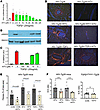 Figure 5
Atorvastatin suppresses TGF-β1 signaling, cardiac fibrosis, and fat cell deposition and improves diastolic dysfunction in HIV mice. (A) Atorvastatin (ATV) inhibited TGF-β1–mediated PAI1 luciferase activity and (B) SMAD2 phosphorylation in a dose-dependent manner in mink lung epithelial cells stimulated with platelet TGF-β1 (20 ng/mL) for 16–18 hours. (C) Quantification of dose-dependent inhibition of SMAD2 phosphorylation levels by ATV. (D) Picrosirius red staining of heart sections from HIV-Tg26 mice challenged with vehicle, ATV, RTV, or the TDF-FTC-DTG cocktail (TDFc) for 8 weeks, showing that ATV halted cardiac fibrosis, as visualized under polarized light. Original magnification ×20. (E) Quantification of Picrosirius red staining showing significantly lower fibrosis in ATV-cotreated mice compared with mice exposed to vehicle, RTV, or TDFc alone. Group comparisons were performed using Wilcoxon’s rank-sum test. (F) E/A ratios measured by echocardiography, showing lower impairment of diastolic function in HIV-Tg26 mice cotreated with ATV (yellow) compared with those exposed to RTV or TDFc alone. (G) Bar plot showing no significant difference in diastolic functions (as measured by E/A ratio) in combined PF4-Cre (n = 3) and G1b-Cre (n =3) Tgfb1fl/fl (TGF-β1Platelet-ΔTg26) mice treated with ATV for 8 weeks (light gray). Each dot represents Masson’s trichome staining or Picrosirius red quantifications from whole heart images from an individual mouse (Supplemental Figure 1, A–C); data are presented as mean ± SD; P values < 0.05 were considered significant using standard Student’s t test.
To investigate whether atorvastatin could prevent HIV-linked cardiac fibrosis in HIV mice in vivo, we administered 3 mg/kg in drinking water to HIV-Tg26 mice and measured cardiac fibrosis and heart function. This dose corresponds to 20 mg/d in an 80 kg human and is well tolerated in mice, without toxicity (25, 26). Less cardiac fibrosis and impairment of diastolic function was observed compared with untreated HIV-Tg26 mice over an 8-week period (Figure 5, D and E). Atorvastatin administration along with TDF-FTC-DTG or RTV to HIV-Tg26 mice also reduced cardiac fibrosis and preserved diastolic function compared with ART-exposed HIV-Tg26 mice not receiving atorvastatin (Figure 5, D–F, and Supplemental Figure 6). Treatment of TGF-β1Platelet-ΔTg26 mice with atorvastatin did not further deteriorate diastolic function compared with basal levels (Figure 5G), with no change in cardiac fibrosis levels (2.0% ± 0.2% in TGF-β1Platelet-ΔTg26 mice vs. 2.1% ± 0.5% in atorvastatin-treated mice), indicating that atorvastatin inhibits cardiac fibrosis and diastolic dysfunction by blocking platelet-TGF-β1–induced signaling.
Atorvastatin did not alter inflammatory cytokines IL-6 and TNF-α, PPAR-γ, or plasma total cholesterol and glucose levels in HIV-Tg26 mice with or without ART (Supplemental Figure 4 and Supplemental Figure 9). Staining of heart sections with Masson’s trichome, Picrosirius red, or Oil Red O and perilipin revealed lower fibrosis and lipid/fat cell accumulation in atorvastatin-treated versus vehicle treated mice challenged with TDF-FTC-DTG or RTV (Supplemental Figure 6). Collectively, these results indicated that atorvastatin inhibits cardiac fibrosis and diastolic dysfunction by blocking platelet TGF-β1–induced signaling.
Atorvastatin inhibits platelet activation and TGF-β signaling and suppresses myofibroblast transition and collagen expression in cardiac cells. Atorvastatin inhibits platelet activation induced by classic platelet agonists (27). We showed that atorvastatin inhibited human platelet activation in vitro and reduced plasma TGF-β1 levels in mice cotreated with certain ART drugs (Supplemental Figure 7). To test whether atorvastatin blocks TGF-β1 signaling in vivo, we performed multicolor immunofluorescence and confocal microscopy on HIV-Tg26 mouse hearts with and without atorvastatin treatment and in mice deficient in platelet TGF-β1 (TGF-β1Platelet-ΔTg26). HIV-Tg26 mice had higher TGF-β1 signaling, as revealed by of SMAD2 and SMAD3 (pSMAD2/3) phosphorylation in cells within areas of perivascular fibrosis (Figure 6 and Supplemental Figure 8). Cells positive for pSMAD3 were also positive for α–smooth muscle actin (α-SMA) and/or collagen or periostin (Figure 6A and Supplemental Figure 8), indicating that they were undergoing mesenchymal transition to myofibroblasts. Myofibroblasts produce excessive collagen in tissues undergoing pathological fibrosis (Figure 7) (28). HIV-Tg26 mice treated with atorvastatin had significantly lower levels of nuclear pSMAD2/3 translocation in cells coexpressing myofibroblast markers (Figure 6 and Supplemental Figure 8), suggesting that atorvastatin inhibits TGF-β1–induced signaling linked to fibrosis-related gene responses in vivo.
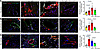 Figure 6
Atorvastatin inhibits SMAD signaling and mesenchymal transition in the hearts of HIV-Tg26 mice. Confocal microscopy images and immunofluorescence quantification of myofibroblast markers PDGFβR (fibroblasts) (A), CD31 (endothelial cells) (B), and CD206 (macrophages) (C) in the hearts of HIV-negative control mice, untreated, and RTV-treated HIV-Tg26 mice, and atorvastatin plus RTV cotreated HIV-Tg26 mice. Each dot in the bar graphs represents an individual mouse; data are presented as mean ± SD; P values < 0.05 were considered significant using standard 2-tailed Student’s t test. Scale bars: 10 μm
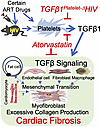 Figure 7
Graphic model showing that HIV-ART induces the release of TGF-β1 from platelets, which activates downstream TGF-β signaling in various cardiac cell types. This drives the mesenchymal transition of these cardiac cells into myofibroblasts, which produce excessive collagen, leading to cardiac fibrosis. These responses can be mitigated by atorvastatin administration, which inhibits TGF-β signaling and platelet activation.
To identify additional cells contributing to mesenchymal transition, producing excessive collagen via induction of TGF-β1 signaling and fibrosis, we costained heart sections with markers specific to fibroblasts (PDGFβR), endothelial cells (CD31), and macrophages (CD206). HIV-Tg26 mice treated with RTV or TDF-FTC-DTG had more cells coexpressing these markers along with α-SMA, collagen, periostin, and pSMAD3. In comparison, atorvastatin-treated HIV-Tg26 mice showed fewer cells with such colocalized signals and had significantly lower nuclear pSMAD2/3 translocation (Figure 6, A–C, and Supplemental Figure 8). This suggests that atorvastatin inhibits TGF-β1–induced fibrotic gene responses in vivo. Correspondingly, collagen-positive areas reflecting myofibroblast transition were lower in atorvastatin-treated HIV-Tg26 hearts compared with their vehicle-treated counterparts (Figure 6). Additionally, TGF-β1–induced expression of myofibroblast marker genes α-SMA (ACTA2) and collagen type 1 alpha 1 (COL1A1) were blocked in atorvastatin-treated HIV-Tg26 mice (Supplemental Figure 5D).
Taken together, these data indicate that platelet-derived TGF-β1–mediated signaling in cardiac cells, including endothelial cells, fibroblasts, and macrophages, can trigger their transformation into excessive collagen-producing myofibroblasts, inducing cardiac fibrosis. These processes can be mitigated by atorvastatin or by inhibiting or depleting platelet TGF-β1 (Figure 7).


