
Research ArticleCell biologyImmunologyNephrology
Open Access |  10.1172/jci.insight.198363
Functional characterization of podocyte-expressed THSD7A in experimental membranous nephropathy
Ming Huang,1,2 Moritz Lassé,1,2 Silke Dehde,1,2 Felicitas E. Hengel,1,2 Fatih Demir,3 Anja M. Billing,3 Ning Song,1,4 Larissa Seifert,1,2 Oliver Kretz,1,2,5 Florian Grahammer,1,2 Ulf Panzer,1,2,6 Sebastian Brähler,7,8 Tobias B. Huber,1,2,6 Gunther Zahner,1,2 Markus M. Rinschen,1,2,3 and Nicola M. Tomas1,2,6
1III. Department of Medicine, and
2Hamburg Center for Kidney Health (HCKH), University Medical Center Hamburg-Eppendorf, Hamburg, Germany.
3Department of Biomedicine, Aarhus University, Aarhus, Denmark.
4Beijing Anzhen Hospital, Capital Medical University, Beijing, China.
5UKE EM Core Facility and
6Hamburg Center for Translational Immunology (HCTI), University Medical Center Hamburg-Eppendorf, Hamburg, Germany.
7Centre for Molecular Medicine Cologne (CMMC) and
8Department II of Internal Medicine, Faculty of Medicine, and University Hospital Cologne, University of Cologne, Cologne, Germany.
Address correspondence to: Nicola M. Tomas, III. Department of Medicine, University Medical Center Hamburg-Eppendorf, Martinistrasse 52, D-20246 Hamburg, Germany. Phone: 49.152.0150.4503; Email: n.tomas@uke.de.
Authorship note: MH and ML contributed equally to this work and are co–first authors. GZ, MMR, and NMT contributed equally to this work and are co–last authors.
Find articles by Huang, M. in: PubMed | Google Scholar
1III. Department of Medicine, and
2Hamburg Center for Kidney Health (HCKH), University Medical Center Hamburg-Eppendorf, Hamburg, Germany.
3Department of Biomedicine, Aarhus University, Aarhus, Denmark.
4Beijing Anzhen Hospital, Capital Medical University, Beijing, China.
5UKE EM Core Facility and
6Hamburg Center for Translational Immunology (HCTI), University Medical Center Hamburg-Eppendorf, Hamburg, Germany.
7Centre for Molecular Medicine Cologne (CMMC) and
8Department II of Internal Medicine, Faculty of Medicine, and University Hospital Cologne, University of Cologne, Cologne, Germany.
Address correspondence to: Nicola M. Tomas, III. Department of Medicine, University Medical Center Hamburg-Eppendorf, Martinistrasse 52, D-20246 Hamburg, Germany. Phone: 49.152.0150.4503; Email: n.tomas@uke.de.
Authorship note: MH and ML contributed equally to this work and are co–first authors. GZ, MMR, and NMT contributed equally to this work and are co–last authors.
Find articles by
Lassé, M.
in:
PubMed
|
Google Scholar
|

1III. Department of Medicine, and
2Hamburg Center for Kidney Health (HCKH), University Medical Center Hamburg-Eppendorf, Hamburg, Germany.
3Department of Biomedicine, Aarhus University, Aarhus, Denmark.
4Beijing Anzhen Hospital, Capital Medical University, Beijing, China.
5UKE EM Core Facility and
6Hamburg Center for Translational Immunology (HCTI), University Medical Center Hamburg-Eppendorf, Hamburg, Germany.
7Centre for Molecular Medicine Cologne (CMMC) and
8Department II of Internal Medicine, Faculty of Medicine, and University Hospital Cologne, University of Cologne, Cologne, Germany.
Address correspondence to: Nicola M. Tomas, III. Department of Medicine, University Medical Center Hamburg-Eppendorf, Martinistrasse 52, D-20246 Hamburg, Germany. Phone: 49.152.0150.4503; Email: n.tomas@uke.de.
Authorship note: MH and ML contributed equally to this work and are co–first authors. GZ, MMR, and NMT contributed equally to this work and are co–last authors.
Find articles by Dehde, S. in: PubMed | Google Scholar
1III. Department of Medicine, and
2Hamburg Center for Kidney Health (HCKH), University Medical Center Hamburg-Eppendorf, Hamburg, Germany.
3Department of Biomedicine, Aarhus University, Aarhus, Denmark.
4Beijing Anzhen Hospital, Capital Medical University, Beijing, China.
5UKE EM Core Facility and
6Hamburg Center for Translational Immunology (HCTI), University Medical Center Hamburg-Eppendorf, Hamburg, Germany.
7Centre for Molecular Medicine Cologne (CMMC) and
8Department II of Internal Medicine, Faculty of Medicine, and University Hospital Cologne, University of Cologne, Cologne, Germany.
Address correspondence to: Nicola M. Tomas, III. Department of Medicine, University Medical Center Hamburg-Eppendorf, Martinistrasse 52, D-20246 Hamburg, Germany. Phone: 49.152.0150.4503; Email: n.tomas@uke.de.
Authorship note: MH and ML contributed equally to this work and are co–first authors. GZ, MMR, and NMT contributed equally to this work and are co–last authors.
Find articles by Hengel, F. in: PubMed | Google Scholar
1III. Department of Medicine, and
2Hamburg Center for Kidney Health (HCKH), University Medical Center Hamburg-Eppendorf, Hamburg, Germany.
3Department of Biomedicine, Aarhus University, Aarhus, Denmark.
4Beijing Anzhen Hospital, Capital Medical University, Beijing, China.
5UKE EM Core Facility and
6Hamburg Center for Translational Immunology (HCTI), University Medical Center Hamburg-Eppendorf, Hamburg, Germany.
7Centre for Molecular Medicine Cologne (CMMC) and
8Department II of Internal Medicine, Faculty of Medicine, and University Hospital Cologne, University of Cologne, Cologne, Germany.
Address correspondence to: Nicola M. Tomas, III. Department of Medicine, University Medical Center Hamburg-Eppendorf, Martinistrasse 52, D-20246 Hamburg, Germany. Phone: 49.152.0150.4503; Email: n.tomas@uke.de.
Authorship note: MH and ML contributed equally to this work and are co–first authors. GZ, MMR, and NMT contributed equally to this work and are co–last authors.
Find articles by Demir, F. in: PubMed | Google Scholar
1III. Department of Medicine, and
2Hamburg Center for Kidney Health (HCKH), University Medical Center Hamburg-Eppendorf, Hamburg, Germany.
3Department of Biomedicine, Aarhus University, Aarhus, Denmark.
4Beijing Anzhen Hospital, Capital Medical University, Beijing, China.
5UKE EM Core Facility and
6Hamburg Center for Translational Immunology (HCTI), University Medical Center Hamburg-Eppendorf, Hamburg, Germany.
7Centre for Molecular Medicine Cologne (CMMC) and
8Department II of Internal Medicine, Faculty of Medicine, and University Hospital Cologne, University of Cologne, Cologne, Germany.
Address correspondence to: Nicola M. Tomas, III. Department of Medicine, University Medical Center Hamburg-Eppendorf, Martinistrasse 52, D-20246 Hamburg, Germany. Phone: 49.152.0150.4503; Email: n.tomas@uke.de.
Authorship note: MH and ML contributed equally to this work and are co–first authors. GZ, MMR, and NMT contributed equally to this work and are co–last authors.
Find articles by Billing, A. in: PubMed | Google Scholar
1III. Department of Medicine, and
2Hamburg Center for Kidney Health (HCKH), University Medical Center Hamburg-Eppendorf, Hamburg, Germany.
3Department of Biomedicine, Aarhus University, Aarhus, Denmark.
4Beijing Anzhen Hospital, Capital Medical University, Beijing, China.
5UKE EM Core Facility and
6Hamburg Center for Translational Immunology (HCTI), University Medical Center Hamburg-Eppendorf, Hamburg, Germany.
7Centre for Molecular Medicine Cologne (CMMC) and
8Department II of Internal Medicine, Faculty of Medicine, and University Hospital Cologne, University of Cologne, Cologne, Germany.
Address correspondence to: Nicola M. Tomas, III. Department of Medicine, University Medical Center Hamburg-Eppendorf, Martinistrasse 52, D-20246 Hamburg, Germany. Phone: 49.152.0150.4503; Email: n.tomas@uke.de.
Authorship note: MH and ML contributed equally to this work and are co–first authors. GZ, MMR, and NMT contributed equally to this work and are co–last authors.
Find articles by Song, N. in: PubMed | Google Scholar
1III. Department of Medicine, and
2Hamburg Center for Kidney Health (HCKH), University Medical Center Hamburg-Eppendorf, Hamburg, Germany.
3Department of Biomedicine, Aarhus University, Aarhus, Denmark.
4Beijing Anzhen Hospital, Capital Medical University, Beijing, China.
5UKE EM Core Facility and
6Hamburg Center for Translational Immunology (HCTI), University Medical Center Hamburg-Eppendorf, Hamburg, Germany.
7Centre for Molecular Medicine Cologne (CMMC) and
8Department II of Internal Medicine, Faculty of Medicine, and University Hospital Cologne, University of Cologne, Cologne, Germany.
Address correspondence to: Nicola M. Tomas, III. Department of Medicine, University Medical Center Hamburg-Eppendorf, Martinistrasse 52, D-20246 Hamburg, Germany. Phone: 49.152.0150.4503; Email: n.tomas@uke.de.
Authorship note: MH and ML contributed equally to this work and are co–first authors. GZ, MMR, and NMT contributed equally to this work and are co–last authors.
Find articles by Seifert, L. in: PubMed | Google Scholar
1III. Department of Medicine, and
2Hamburg Center for Kidney Health (HCKH), University Medical Center Hamburg-Eppendorf, Hamburg, Germany.
3Department of Biomedicine, Aarhus University, Aarhus, Denmark.
4Beijing Anzhen Hospital, Capital Medical University, Beijing, China.
5UKE EM Core Facility and
6Hamburg Center for Translational Immunology (HCTI), University Medical Center Hamburg-Eppendorf, Hamburg, Germany.
7Centre for Molecular Medicine Cologne (CMMC) and
8Department II of Internal Medicine, Faculty of Medicine, and University Hospital Cologne, University of Cologne, Cologne, Germany.
Address correspondence to: Nicola M. Tomas, III. Department of Medicine, University Medical Center Hamburg-Eppendorf, Martinistrasse 52, D-20246 Hamburg, Germany. Phone: 49.152.0150.4503; Email: n.tomas@uke.de.
Authorship note: MH and ML contributed equally to this work and are co–first authors. GZ, MMR, and NMT contributed equally to this work and are co–last authors.
Find articles by Kretz, O. in: PubMed | Google Scholar
1III. Department of Medicine, and
2Hamburg Center for Kidney Health (HCKH), University Medical Center Hamburg-Eppendorf, Hamburg, Germany.
3Department of Biomedicine, Aarhus University, Aarhus, Denmark.
4Beijing Anzhen Hospital, Capital Medical University, Beijing, China.
5UKE EM Core Facility and
6Hamburg Center for Translational Immunology (HCTI), University Medical Center Hamburg-Eppendorf, Hamburg, Germany.
7Centre for Molecular Medicine Cologne (CMMC) and
8Department II of Internal Medicine, Faculty of Medicine, and University Hospital Cologne, University of Cologne, Cologne, Germany.
Address correspondence to: Nicola M. Tomas, III. Department of Medicine, University Medical Center Hamburg-Eppendorf, Martinistrasse 52, D-20246 Hamburg, Germany. Phone: 49.152.0150.4503; Email: n.tomas@uke.de.
Authorship note: MH and ML contributed equally to this work and are co–first authors. GZ, MMR, and NMT contributed equally to this work and are co–last authors.
Find articles by Grahammer, F. in: PubMed | Google Scholar
1III. Department of Medicine, and
2Hamburg Center for Kidney Health (HCKH), University Medical Center Hamburg-Eppendorf, Hamburg, Germany.
3Department of Biomedicine, Aarhus University, Aarhus, Denmark.
4Beijing Anzhen Hospital, Capital Medical University, Beijing, China.
5UKE EM Core Facility and
6Hamburg Center for Translational Immunology (HCTI), University Medical Center Hamburg-Eppendorf, Hamburg, Germany.
7Centre for Molecular Medicine Cologne (CMMC) and
8Department II of Internal Medicine, Faculty of Medicine, and University Hospital Cologne, University of Cologne, Cologne, Germany.
Address correspondence to: Nicola M. Tomas, III. Department of Medicine, University Medical Center Hamburg-Eppendorf, Martinistrasse 52, D-20246 Hamburg, Germany. Phone: 49.152.0150.4503; Email: n.tomas@uke.de.
Authorship note: MH and ML contributed equally to this work and are co–first authors. GZ, MMR, and NMT contributed equally to this work and are co–last authors.
Find articles by
Panzer, U.
in:
PubMed
|
Google Scholar
|
1III. Department of Medicine, and
2Hamburg Center for Kidney Health (HCKH), University Medical Center Hamburg-Eppendorf, Hamburg, Germany.
3Department of Biomedicine, Aarhus University, Aarhus, Denmark.
4Beijing Anzhen Hospital, Capital Medical University, Beijing, China.
5UKE EM Core Facility and
6Hamburg Center for Translational Immunology (HCTI), University Medical Center Hamburg-Eppendorf, Hamburg, Germany.
7Centre for Molecular Medicine Cologne (CMMC) and
8Department II of Internal Medicine, Faculty of Medicine, and University Hospital Cologne, University of Cologne, Cologne, Germany.
Address correspondence to: Nicola M. Tomas, III. Department of Medicine, University Medical Center Hamburg-Eppendorf, Martinistrasse 52, D-20246 Hamburg, Germany. Phone: 49.152.0150.4503; Email: n.tomas@uke.de.
Authorship note: MH and ML contributed equally to this work and are co–first authors. GZ, MMR, and NMT contributed equally to this work and are co–last authors.
Find articles by Brähler, S. in: PubMed | Google Scholar
1III. Department of Medicine, and
2Hamburg Center for Kidney Health (HCKH), University Medical Center Hamburg-Eppendorf, Hamburg, Germany.
3Department of Biomedicine, Aarhus University, Aarhus, Denmark.
4Beijing Anzhen Hospital, Capital Medical University, Beijing, China.
5UKE EM Core Facility and
6Hamburg Center for Translational Immunology (HCTI), University Medical Center Hamburg-Eppendorf, Hamburg, Germany.
7Centre for Molecular Medicine Cologne (CMMC) and
8Department II of Internal Medicine, Faculty of Medicine, and University Hospital Cologne, University of Cologne, Cologne, Germany.
Address correspondence to: Nicola M. Tomas, III. Department of Medicine, University Medical Center Hamburg-Eppendorf, Martinistrasse 52, D-20246 Hamburg, Germany. Phone: 49.152.0150.4503; Email: n.tomas@uke.de.
Authorship note: MH and ML contributed equally to this work and are co–first authors. GZ, MMR, and NMT contributed equally to this work and are co–last authors.
Find articles by
Huber, T.
in:
PubMed
|
Google Scholar
|
1III. Department of Medicine, and
2Hamburg Center for Kidney Health (HCKH), University Medical Center Hamburg-Eppendorf, Hamburg, Germany.
3Department of Biomedicine, Aarhus University, Aarhus, Denmark.
4Beijing Anzhen Hospital, Capital Medical University, Beijing, China.
5UKE EM Core Facility and
6Hamburg Center for Translational Immunology (HCTI), University Medical Center Hamburg-Eppendorf, Hamburg, Germany.
7Centre for Molecular Medicine Cologne (CMMC) and
8Department II of Internal Medicine, Faculty of Medicine, and University Hospital Cologne, University of Cologne, Cologne, Germany.
Address correspondence to: Nicola M. Tomas, III. Department of Medicine, University Medical Center Hamburg-Eppendorf, Martinistrasse 52, D-20246 Hamburg, Germany. Phone: 49.152.0150.4503; Email: n.tomas@uke.de.
Authorship note: MH and ML contributed equally to this work and are co–first authors. GZ, MMR, and NMT contributed equally to this work and are co–last authors.
Find articles by Zahner, G. in: PubMed | Google Scholar
1III. Department of Medicine, and
2Hamburg Center for Kidney Health (HCKH), University Medical Center Hamburg-Eppendorf, Hamburg, Germany.
3Department of Biomedicine, Aarhus University, Aarhus, Denmark.
4Beijing Anzhen Hospital, Capital Medical University, Beijing, China.
5UKE EM Core Facility and
6Hamburg Center for Translational Immunology (HCTI), University Medical Center Hamburg-Eppendorf, Hamburg, Germany.
7Centre for Molecular Medicine Cologne (CMMC) and
8Department II of Internal Medicine, Faculty of Medicine, and University Hospital Cologne, University of Cologne, Cologne, Germany.
Address correspondence to: Nicola M. Tomas, III. Department of Medicine, University Medical Center Hamburg-Eppendorf, Martinistrasse 52, D-20246 Hamburg, Germany. Phone: 49.152.0150.4503; Email: n.tomas@uke.de.
Authorship note: MH and ML contributed equally to this work and are co–first authors. GZ, MMR, and NMT contributed equally to this work and are co–last authors.
Find articles by
Rinschen, M.
in:
PubMed
|
Google Scholar
|
1III. Department of Medicine, and
2Hamburg Center for Kidney Health (HCKH), University Medical Center Hamburg-Eppendorf, Hamburg, Germany.
3Department of Biomedicine, Aarhus University, Aarhus, Denmark.
4Beijing Anzhen Hospital, Capital Medical University, Beijing, China.
5UKE EM Core Facility and
6Hamburg Center for Translational Immunology (HCTI), University Medical Center Hamburg-Eppendorf, Hamburg, Germany.
7Centre for Molecular Medicine Cologne (CMMC) and
8Department II of Internal Medicine, Faculty of Medicine, and University Hospital Cologne, University of Cologne, Cologne, Germany.
Address correspondence to: Nicola M. Tomas, III. Department of Medicine, University Medical Center Hamburg-Eppendorf, Martinistrasse 52, D-20246 Hamburg, Germany. Phone: 49.152.0150.4503; Email: n.tomas@uke.de.
Authorship note: MH and ML contributed equally to this work and are co–first authors. GZ, MMR, and NMT contributed equally to this work and are co–last authors.
Find articles by
Tomas, N.
in:
PubMed
|
Google Scholar
|
Published February 26, 2026 - More info
JCI Insight. 2026;11(8):e198363. https://doi.org/10.1172/jci.insight.198363.
© 2026 Huang et al. This work is licensed under the Creative Commons Attribution 4.0 International License. To view a copy of this license, visit http://creativecommons.org/licenses/by/4.0/.
Received: July 25, 2025; Accepted: February 19, 2026


-
Results
Induction of MN by anti-THSD7A IgG leads to glomerular injury and cellular rearrangement. To investigate mechanisms of antibody-mediated podocyte injury in MN, we employed an experimental THSD7A-associated MN model (Figure 1A) (15). Mice injected with rabbit anti-THSD7A IgG developed progressive albuminuria (Figure 1B), with granular IgG deposits colocalizing with THSD7A along the glomerular filtration barrier (Figure 1C). In contrast, control IgG-injected mice remained unaffected.
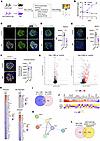 Figure 1
Temporal transcriptomic changes in experimental THSD7A-associated MN. (A) Workflow for histology and bulk RNA-Seq in control IgG– and anti-THSD7A IgG–injected mice. (B) Urinary albumin-to-creatinine ratio (g/g) over time. ***P < 0.001 (mixed-effects analysis with Bonferroni’s correction). Data are mean ± SEM, n = 8–12 per group. (C) Representative immunofluorescence staining of rabbit IgG (white) and THSD7A (green) at day 5. Scale bar: 10 μm. (D–F) Immunofluorescence for nephrin (D), NEPH1 (E), and DACH1/synaptopodin (F) in control and MN mice. Nuclei were counterstained with Hoechst (blue). Scale bar: 10 μm. Right panels: Quantification (MFI) of nephrin and NEPH1, and DACH1-positive podocytes per glomerular tuft. Data are mean ± SEM, n = 5. ***P < 0.001 (unpaired 2-tailed t test); n.s., not significant. (G) Volcano plot of bulk RNA-Seq differential expression. Differentially expressed genes (DEGs) are defined as Benjamini-Hochberg–adjusted P value less than 0.05 and |log2 fold change (FC)| > 0.5 (n = 4–5 biologically independent animals per group). Upregulated DEGs are red, downregulated DEGs blue, others black. (H) Heatmaps of log2FC of DEGs (day 1 and day 5 MN vs. control) for podocyte, slit diaphragm, and cell adhesion markers. Nonsignificant genes are in gray. (I) Venn diagram indicating the exclusive and overlapping DEGs of day 1 and day 5 MN versus control. (J) Top: heatmap of 26 DEGs shared between day 1 and day 5 (color indicates log2FC). Bottom: heatmap showing the relative expression levels (z score) of these genes across major glomerular cell types in a single-cell RNA-Seq dataset (21). Podo, podocytes; Mesan, mesangial cells; gEC, glomerular endothelial cell. (K) STRING protein-protein interaction network of key common DEGs of day 1 and day 5. (L) Venn diagram showing the exclusive and shared DEGs between day 5 MN versus control and patients with MN versus healthy controls (NEPTUNE glomerular microarray, GEO GSE200828).
Given the role of SD protein loss and cytoskeletal disruption in podocyte injury (12, 16–18), we assessed the expression of key podocyte markers. In MN mice, THSD7A and synaptopodin remained unchanged (Figure 1C and Supplemental Figure 1, A and B; supplemental material available online with this article; https://doi.org/10.1172/jci.insight.198363DS1), but nephrin and NEPH1 were markedly reduced (Figure 1, D and E, and Supplemental Figure 1, C and D). Podocyte number, based on DACH1 staining, was unaltered (Figure 1F), indicating that SD protein downregulation was independent of podocyte loss. Deposition of the central complement component C3 was observed at the glomerular filtration barrier of MN mice but not of controls (Supplemental Figure 1E).
To capture antibody-induced molecular changes, we performed bulk RNA-Seq on isolated glomeruli from control and MN mice at early (day 1, minimal albuminuria) and late (day 5, overt albuminuria) stages (Figure 1, A and B). Principal component analysis (PCA) showed distinct separation of day 5 MN samples, and day 1 samples partially overlapped with controls, suggesting early changes were modest (Supplemental Figure 2A). Differential expression analysis revealed 57 altered transcripts (50 upregulated and 7 downregulated) on day 1 of MN, increasing to 666 (489 upregulated and 177 upregulated) by day 5 (Figure 1G). Pathway analysis indicated upregulation of cell cycle, DNA repair, extracellular matrix–receptor interaction, and protein kinase signaling in day 5 MN mice (Supplemental Figure 2B). Podocyte-specific transcripts remained stable at day 1 but were mostly downregulated at day 5 (Figure 1H), including 2 SD transcripts, Magi2 and Thsd7a. Genes linked to podocyte adhesion, actin binding, and cytoskeletal remodeling were also dysregulated at day 5 (Figure 1H and Supplemental Figure 2C), reflecting antibody-induced podocyte injury (19, 20).
Across time points, 26 genes were consistently dysregulated (Figure 1, I and J), with more than half exhibiting higher expression in podocytes (21). Pathway enrichment analysis implicated inflammation and cellular stress, such as NGF-NTRK1 signaling, receptor tyrosine kinase activity, and O-glycosylation of thrombospondin type 1 repeat-containing proteins (Supplemental Figure 2D).
Protein network analysis via STRING (22) identified key hubs such as Tnfaip3 (23), a regulator of NF-κB signaling, and transcription factors Egr1, Egr3, Maff, Fosb, and Klf4 (Figure 1K), all previously implicated in cellular stress responses and injury pathways, including demonstrated roles in podocytes (24–27). We validated key genes by qPCR, which was in line with RNA-Seq findings (Supplemental Figure 2E).
To assess translational relevance, we mapped murine differentially expressed genes to glomerular transcriptomes from patients with MN in the NEPTUNE cohort. We identified 102 conserved transcripts with mostly consistent regulation patterns across species (Figure 1L and Supplemental Figure 3A), and approximately half showed high podocyte expression within glomerulus (Supplemental Figure 3B).
Together, these results define the transcriptomic landscape of anti-THSD7A IgG–induced MN, implicating pathways related to cellular stress, structural disassembly, and inflammation, with relevance to human disease.
Generation and characterization of podocyte-specific Thsd7a-KO mice. To investigate the role of THSD7A in anti-THSD7A IgG–induced transcriptional changes, we next generated podocyte-specific Thsd7a-KO (Thsd7a–/–) mice. By crossing Thsd7atm1c (Cre–/Thsd7afl/fl) mice with podocin-Cre mice, Thsd7atm1d mice (Cre+/Thsd7afl/fl mice) were established with efficient deletion of exon 4 of Thsd7a and selective THSD7A loss in podocytes (Figure 2A). Cre–/Thsd7afl/fl littermates, which possess a functionally WT Thsd7a locus, served as controls. Immunoblot analysis confirmed the absence of THSD7A protein in isolated glomeruli of Thsd7a–/– mice, with nephrin levels remaining unchanged (Figure 2B). Immunofluorescence showed THSD7A expression adjacent to nephrin in control animal podocytes, whereas THSD7A was absent in Thsd7a–/– mice (Figure 2C). Analysis across organs revealed highest THSD7A abundance in the kidneys and brain, with lower levels in the heart, lung, spleen, colon, and intestine, consistent with human protein atlas data (28, 29) (Supplemental Figure 4A). THSD7A protein levels remained unchanged in other organs and tubular cells of Thsd7a–/– mice, confirming KO specificity to podocytes (Supplemental Figures 4, A and B) (30).
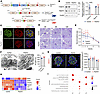 Figure 2
Generation and characterization of podocyte-specific Thsd7a–/– mice. (A) Schematic of generation of podocyte-specific Thsd7a–/– mice using KO-first strategy. Thsd7atm1c mice (Cre–/Thsd7afl/fl) used as control. (B) Representative immunoblotting images revealing decreased expression of THSD7A in isolated glomeruli of Thsd7a–/– mice (left panel). Individual protein intensity quantified by densitometry and normalized to intensity of β-actin (right panel). ****P < 0.0001 (unpaired 2-tailed t test). Data presented as mean ± SEM, n = 5. (C) Podocyte-specific deletion of THSD7A confirmed by immunofluorescence staining in Thsd7a–/– mice, and nephrin (red) used as a podocyte marker. Hoechst used as nuclear stain (blue). Scale bar: 10 μm. (D) PAS staining of kidney sections showing typical glomerular structures in control and Thsd7a–/– mice over time. Scale bar: 20 μm. (E) Albuminuria measured by albumin-to-creatinine ratio (g/g) over time in control and Thsd7a–/– mice. Data presented as mean ± SEM, n = 22–23 per group. (F) Electron microscopic analysis exhibiting glomerular filtration barrier ultrastructure in 6-month-old control and Thsd7a–/– mice (left panel) and quantification of foot process (FP) width (right panel). GBM, glomerular basement membrane. Scale bar: 500 nm. **P <0.01 (unpaired 2-tailed t test). Data presented as mean ± SEM, n = 5 per group. (G) Representative immunofluorescence staining showing DACH1-positive podocytes (left panel) at 4 months of age and quantification of DACH1-positive podocyte number per glomerular tuft area (right panel). Nuclei counterstained with Hoechst (blue). Scale bar: 10 μm. Data presented as mean ± SEM, n = 6 per group. (H) Heatmap of row-standardized protein expression (z scores of normalized intensities) showing key podocyte markers in control and Thsd7a–/– mice, measured by mass spectrometry. (I) GO enrichment analysis revealing significantly regulated biological processes (BP), cellular components (CC), and molecular functions (MF) in Thsd7a–/– mice using ClusterProfiler (adjusted P < 0.05).
Phenotypically, Thsd7a–/– mice monitored for 12 months showed no major glomerular alterations by light microscopy compared with controls (Figure 2D). Thsd7a–/– mice, but not control mice and podocin-Cre mice, exhibited a trend toward increased albuminuria during the first 6 months of life (Figure 2E and Supplemental Figure 4C) and a moderate but significant broadening of podocyte foot processes at 6 months (Figure 2F). Although podocyte density declined with age, no significant differences were found between Thsd7a–/– and control mice, as indicated by DACH1 staining (Figure 2G). These results suggest that podocyte-specific THSD7A deficiency mildly compromises the glomerular filtration barrier without causing severe damage up to 12 months of age.
Loss of Thsd7a is largely compensated by changes in scaffold proteins and metabolism. To better understand the mild structural and functional changes in Thsd7a–/– mice, we performed proteomic analysis of isolated glomeruli from Thsd7a–/– mice and controls. Among 7,247 identified proteins, THSD7A, SNTB2, and TSPAN5 were significantly downregulated in Thsd7a–/– mice (Supplemental Figure 4D), with THSD7A levels reduced approximately 50-fold in the KO mice. Notably, the syntrophin adaptor proteins SNTA1 and SNTB2, their cytoskeletal anchor utrophin (UTRN), the tetraspanin TSPAN5, and its interacting metalloprotease ADAM10 were markedly dysregulated (Figure 2H). Syntrophins function as scaffold proteins linking surface receptors, ion channels, and signaling proteins to dystrophin/utrophin complexes, thereby mediating signal transduction and critical cellular processes (31). TSPAN5, a tetraspanin of the C8 subgroup, regulates intracellular trafficking and ADAM10 activity (32), which was also downregulated in Thsd7a–/– glomeruli. Key SD-associated proteins remained unchanged (highlighted in orange in Supplemental Figure 4D). These findings suggest that THSD7A deficiency is partly compensated by alterations in scaffolding and proteolytic proteins, helping maintain physiological function in podocytes.
Gene set enrichment analysis revealed that proteins involved in metabolic pathways — such as acyl-CoA metabolism, fatty acid beta-oxidation, proton transmembrane transport, and oxidoreductase activity — were enriched in Thsd7a–/– glomeruli (Figure 2I). This enrichment indicates increased energy demand in the absence of THSD7A, potentially compensated by enhanced lipid and glucose metabolism. Overall, these data suggest that loss of THSD7A in podocytes triggers compositional changes in membrane proteins alongside elevated metabolic energy expenditure.
Thsd7a–/– mice are protected from proteinuria and podocyte damage in experimental THSD7A-associated MN. We next investigated whether podocyte-specific deletion of THSD7A confers protection against anti-THSD7A antibody–mediated glomerular injury. To test this question, both Thsd7a–/– mice and controls were injected with either control IgG or anti-THSD7A rabbit IgG (Figure 3A). Injection of anti-THSD7A IgG induced significant albuminuria in controls, whereas Thsd7a–/– mice were completely protected from albuminuria (Figure 3B). Immunofluorescence analysis revealed strong rabbit IgG positivity colocalizing with THSD7A along the glomerular filtration barrier in controls treated with anti-THSD7A IgG (Figure 3C). By contrast, no detectable rabbit IgG was observed in Thsd7a–/– mice injected with anti-THSD7A IgG or in mice receiving control IgG. Notably, nephrin (Figure 3C) and NEPH1 (Figure 3D), but not synaptopodin (Figure 3E), were markedly reduced and appeared scattered in anti-THSD7A IgG–injected controls, indicating severe SD disruption. Immunofluorescence staining for DACH1 showed no significant reduction in podocyte density across all groups (Figure 3F), indicating that the severe decreases in nephrin and NEPH1 reflect protein regulation changes rather than podocyte loss. Together, these findings demonstrate that Thsd7a–/– mice are protected from MN in the presence of anti-THSD7A antibodies.
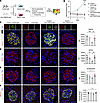 Figure 3
Podocyte-specific Thsd7a–/– mice are protected from antibody-induced podocyte injury. (A) Experimental workflow for control and Thsd7a–/– mice injected with control IgG and anti-THSD7A IgG. (B) Albumin-to-creatinine ratio (g/g) over time. ****P < 0.0001 (control mice + anti-THSD7A IgG vs. control mice + control IgG), ####P < 0.0001 (control mice + anti-THSD7A IgG vs. Thsd7a–/– mice + anti-THSD7A IgG) (2-way ANOVA with Bonferroni’s multiple-comparison test). Data shown as mean ± SEM, n = 7–8 per group. (C) Left: immunofluorescence stainings for rabbit IgG, nephrin, and THSD7A 5 days after injection of control IgG or anti-THSD7A IgG (left panel). Scale bars: 10 μm. Right: quantification (MFI) of nephrin. **P < 0.01, ***P < 0.001 (1-way ANOVA with Tukey’s multiple-comparison test). Data shown as mean ± SEM, n = 4 per group. (D and E) Left: immunofluorescence stainings for NEPH1 (D, left panel) and synaptopodin (E, left panel). Scale bars: 10 μm. Right: quantification (MFI) of NEPH1 (D) and synaptopodin (E). **P < 0.01 (1-way ANOVA with Tukey’s multiple-comparison test). Data shown as mean ± SEM, n = 4 per group. (F) Left: immunofluorescence stainings showing DACH-1–positive podocytes. Scale bar: 10 μm. Right: quantification of podocyte number per glomerular tuft area. Data shown as mean ± SEM, n = 4 per group analyzed (1-way ANOVA with Tukey’s multiple-comparison test); n.s., not significant.
Proteomic analysis of experimental THSD7A-associated MN. To further dissect the mechanisms underlying antibody-mediated injury in THSD7A-associated MN, we performed label-free quantitative data–independent proteomics on isolated glomeruli from experimental mice. In total, we identified 9,364 proteins, and PCA revealed clear separation between treatment groups according to the experimental conditions (Supplemental Figure 5A). Comparing controls injected with anti-THSD7A IgG to controls injected with control IgG, we detected 325 significantly regulated proteins (172 downregulated, 153 upregulated) (Figure 4A). When comparing controls with Thsd7a–/– mice, both injected with anti-THSD7A IgG, 407 proteins were significantly regulated (228 downregulated, 179 upregulated) (Figure 4B).
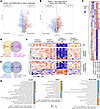 Figure 4
Proteome alterations in experimental THSD7A-associated MN. (A and B) Volcano plots of the differential expression analysis from proteomic analysis of isolated glomeruli from control mice and Thsd7a–/– mice treated with control or anti-THSD7A IgG. In A, the control + anti-THSD7A IgG group was compared with the control + control IgG group, n = 7–8. In B, the Thsd7a–/–+ anti-THSD7A IgG group was compared with the control + anti-THSD7A IgG group, n = 7–8. X axis represents the log2FC of label-free quantification intensity of proteins by comparisons relatively, and y axis indicates the -log10 P value. Proteins marked in red or blue are significantly upregulated or downregulated, respectively (Benjamini-Hochberg–adjusted P < 0.05, |log2FC| > 0.5). (C) Heatmap of protein expression showing row-wise z scores of normalized intensities (group means from 7–8 replicates per group) across the 4 treatment groups. The heatmap includes all proteins that were significantly regulated in the control + anti-THSD7A IgG group versus control + control IgG group. (D) Venn diagram showing the significant proteins upregulated in control + anti-THSD7A IgG versus control + control IgG groups and downregulated in Thsd7a–/–+ anti-THSD7A IgG versus control + anti-THSD7A IgG groups. (E) Venn diagram showing the significant proteins downregulated in control + anti-THSD7A IgG versus control + control IgG groups and upregulated in Thsd7a–/– + anti-THSD7A IgG versus control + anti-THSD7A IgG groups. (F) Heatmap showing row-standardized protein expression (z scores of normalized intensities) of podocyte slit diaphragm proteins, podocyte adhesion proteins, and actin binding or cytoskeleton proteins. (G) GO-BP, KEGG, and Reactome enrichment analysis of proteins significantly regulated in comparisons of control + anti-THSD7A IgG versus control + control IgG or Thsd7a–/– + anti-THSD7A versus control + anti-THSD7A IgG groups, using fgsea (adjusted P < 0.05).
Podocyte-specific KO of Thsd7a prevented the glomerular damage induced by anti-THSD7A IgG observed in controls (Figure 4C). Integrating the datasets from Figure 4, A and B, we identified 118 proteins consistently upregulated in controls injected with anti-THSD7A IgG but reversed in Thsd7a–/– mice (Figure 4D and Supplemental Figure 5B). These proteins were primarily involved in complement activation, oxidative stress response, and DNA damage pathways (Supplemental Figure 5B). Conversely, 120 proteins downregulated in anti-THSD7A IgG–injected controls were restored in Thsd7a–/– mice (Figure 4E and Supplemental Figure 5C), with functions linked to epithelial cell polarity, podocyte development, and cell migration.
Notably, several SD proteins such as MAGI2, nephrin, podocin, and NEPH1, but not THSD7A, were markedly decreased in anti-THSD7A IgG–injected controls, indicating disruption of the functional SD (Figure 4F). In contrast, these SD proteins remained at levels comparable to controls in anti-THSD7A IgG–injected Thsd7a–/– mice (Figure 4F). Furthermore, antibody binding in control MN animals led to complement activation (Supplemental Figure 5D) and downstream podocyte injury, reflected by changes in key adhesion proteins and actin-binding/cytoskeletal components, which were largely mitigated in Thsd7a–/– mice (Figure 4F and Supplemental Figure 5E).
Gene set enrichment analysis revealed strong activation of pathways related to complement activation, phagocytosis, DNA replication, and electron transport in MN (Figure 4G). Conversely, pathways associated with epithelial and organ morphogenesis, matrix adhesion regulation, MAPK signaling, RHO GTPase activity, and ephrin signaling were suppressed, suggesting glomerular injury characterized by impaired adhesion and cytoskeletal dynamics (Figure 4G). Importantly, KO of Thsd7a completely reversed these pathway alterations (Figure 4G).
Together, these results indicate that anti-THSD7A IgG induces extensive proteomic alterations and glomerular injury in controls, while podocyte-specific Thsd7a deletion confers robust protection against these changes.
Integration of transcriptomic and proteomic analyses reveals protein degradation as key mechanisms in experimental MN. To develop a comprehensive understanding of antibody-mediated injury in experimental THSD7A-associated MN, we integrated transcriptomic and proteomic datasets. We identified 276 significantly regulated gene products (transcripts or proteins) common to both datasets, filtered by adjusted P value less than 0.05 (Figure 5A). Among these, 53 gene products, including genes related to cytoskeletal remodeling and stress response (Anln, Maff, Plod2, Tagln, and Ednrb) and genes involved in DNA replication and cell cycle progression (such as Mcm2-7, Wdhd1, Top2a, Ncapg, Ncapg2, Cdk1, Smc2/4), were significantly upregulated at both mRNA and protein levels. Conversely, 19 genes, such as Ephb1, Magi2, Pak1, Pals1, and Pard3b — key players in epithelial cell signaling — were downregulated across both datasets. The high correlation between transcriptomic and proteomic changes (Pearson’s correlation = 0.81, Figure 5A) underscores the robustness and directional consistency of these alterations. Consistent with clinical observations where MN-specific antigens are elevated (33), THSD7A protein levels were increased; interestingly, however, Thsd7a transcript levels were decreased, suggesting altered protein translation and/or turnover. The discrepancy between the unchanged THSD7A pattern in immunofluorescence and the increased detection in the proteome analysis may be explained by reduced accessibility of the protein for the staining antibody in immunofluorescence or protein conformational changes as a consequence of the binding of rabbit anti-THSD7A antibodies in the model.
 Figure 5
Correlation of transcriptomic and proteomic data reveals protein degradation as a key mechanism in THSD7A-associated MN. (A) Correlation between transcriptomic and proteomic gene expression levels in experimental THSD7A-associated MN at day 5. After filtering by adjusted P value less than 0.05, the log2 FC of genes (day 5 MN vs. control) from RNA-Seq is plotted against the log2FC of proteins (control + anti-THSD7A IgG group vs. control + control IgG group). The horizontal and vertical dashed lines indicate the threshold log2FC = ± 0.5. Pearson’s correlation and P value were calculated. Colored dots correspond to the differentially expressed genes/proteins. In the legend, homodirectional means upregulated or downregulated both in transcriptome and proteome levels; opposite change is upregulated at one level while downregulated at the other; proteome means only significantly regulated in protein levels; transcriptome means only significantly regulated in transcript level. (B) Heatmaps declaring the log2FC of slit diaphragm genes and proteins in comparison of MN versus control groups. Nonsignificant genes are shown in gray. (C and D) Heatmaps showing the log2FC of protein degradation–associated proteins in proteomic data (C) or genes in bulk RNA-Seq data (D) in MN versus control comparisons. (E) Left: immunofluorescence stainings for ADAM15 (green) and nephrin (red) 5 days after injection of control IgG or anti-THSD7A IgG. Nuclei were counterstained with Hoechst (blue). Scale bars: 10 μm (zoom-out panels); 2 μm (zoom-in panels). Right: quantification (MFI) of ADAM15. **P < 0.01 (unpaired 2-tailed t test). Data shown as mean ± SEM, n = 4 per group.
This strong correlation between transcriptomic and proteomic changes extended to enriched pathways (Supplemental Figure 6). DNA replication and cell cycle pathways were predominantly enriched among commonly upregulated gene products in both datasets. In contrast, complement-related pathways were more enriched in the proteomic dataset, indicating the deposition of circulating complement factors rather than local complement production.
A notable discordance emerged regarding key SD components. Significant decreases were observed at the protein level for nephrin, podocin, NEPH1, ephrin B1 (EFNB1), CASK, and ROBO2 (Figure 5B), consistent with immunofluorescence and immunoblot data showing loss of nephrin and NEPH1 in glomeruli (Figure 1, D and E, Supplemental Figure 1, C and D, and Figure 3, C and D). Intriguingly, corresponding mRNA levels for these proteins did not show similar reductions (Figure 5B). Since podocyte density remained largely unchanged in MN (Figure 1F and Figure 3F), these findings suggest that reduced protein levels may not be driven by podocyte loss or transcriptional downregulation, but rather through posttranscriptional mechanisms, likely involving enhanced protein turnover and degradation.
To explore this possibility, we examined the involvement of proteolytic and protein degradation systems. The proteolytic pathways, especially the ubiquitin-proteasome system (UPS), were highly enriched in both transcriptomic and proteomic data (Supplemental Figure 7). The UPS and the autophagy-lysosomal system are major pathways maintaining cellular homeostasis, including in podocytes (34). Moreover, the superfamily of metalloproteinases, including ADAMs (a disintegrin and metalloproteinases), ADAMTS (a disintegrin and metalloproteinase with thrombospondin motifs), and MMPs (matrix metalloproteinases), catalyze extracellular matrix remodeling and pathological tissue changes (35). We found marked upregulation of various proteolysis-associated gene products in both proteomic and transcriptomic datasets (Figure 5, C and D). In particular, ADAM10, 12, 15, and 17, previously implicated in protein shedding during glomerulonephritis and fibrotic kidney disease (36–39), were markedly increased. Notably, ADAM10 has recently been shown to cleave both THSD7A and PLA2R1 (40). Additionally, multiple genes linked to the UPS were elevated in MN.
To validate these findings and to define their spatial localization, we performed immunofluorescence staining for ADAM15, the most upregulated metalloproteinase in MN mice (Figure 5C). The results confirmed a significant increase of ADAM15 within the glomeruli of MN mice compared with controls, with a prominent enrichment in podocytes (Figure 5E).
Together, these findings point to a potential role for specific protein degradation systems in the pathogenesis of MN, possibly through the direct or indirect promotion of critical SD protein loss, such as nephrin and NEPH1.
Complement C3 deficiency attenuates proteinuria but not SD protein loss in MN. To further dissect whether the observed effects in regard to SD protein loss and activation of proteolytic pathways depend on activation of the complement system, we next induced the MN model in genetically C3-deficient mice (C3–/– mice) and their C3wt littermates (Figure 6A). We used a control group consisting of both C3–/– and C3wt littermates, which received control rabbit IgG. After the injection of anti-THSD7A IgG, both C3wt and C3–/– mice developed significant albuminuria compared with the control group, and albuminuria was reduced by 38% in C3–/– MN mice at day 5 (mean albumin-to-creatinine ratio at day 5: 166.8 ± 39.8 vs. 103.4 ± 27.7 g/g in C3wt and C3–/– mice, respectively, Figure 6B). Anti-THSD7A–injected animals exhibited marked deposition of rabbit IgG along the glomerular filtration barrier (Figure 6C). As expected, C3 deposition was detected only in C3wt MN mice (Figure 6C).
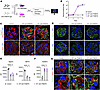 Figure 6
Complement C3 deficiency attenuates proteinuria but not slit diaphragm protein loss in MN. (A) Experimental workflow for C3wt controls and C3–/– mice injected with control and anti-THSD7A IgG. (B) Albumin-to-creatinine ratio (g/g) over time. *P < 0.05 (C3wt anti-THSD7A IgG vs. C3–/– anti-THSD7A IgG) (2-way ANOVA with Bonferroni’s multiple-comparison test). Data shown as mean ± SEM, n = 4 per group. (C) Representative immunofluorescence stainings for rabbit IgG and collagen IV (upper panel), and C3 and WGA (lower panel) in control group and anti-THSD7A IgG–treated C3wt and C3–/– groups. Scale bars: 10 μm. (D and E) Immunofluorescence stainings of nephrin (D, upper panel) and NEPH1 (D, lower panel), and quantification (MFI) (E). Scale bar: 10 μm. ****P < 0.0001 (1-way ANOVA with Tukey’s multiple-comparison test). Data shown as mean ± SEM, n = 4 per group. (F and G) Immunofluorescence stainings of ADAM15 (G) and quantification (MFI) (F). Scale bars: 10 μm (upper zoom-out panels); 2 μm (lower zoom-in panels). ****P < 0.0001 (1-way ANOVA with Tukey’s multiple-comparison test). Data shown as mean ± SEM, n = 4 per group; n.s., not significant.
Notably, the SD proteins nephrin and NEPH1 (Figure 6D) were significantly decreased in both MN groups, whereas no significant difference was identified between C3wt and C3–/– mice (Figure 6E). Furthermore, the metalloproteinase ADAM15 was equally upregulated in C3wt and C3–/– MN mice MN mice (Figure 6, F and G). Together, these experiments indicate that the loss of SD proteins and proteolytic activation are not a consequence of complement-mediated injury, but represent distinct, complement-independent pathomechanisms.
THSD7A interacts with integrins in glomeruli. In order to identify interactors of THSD7A in mouse and human glomeruli, we conducted co-IP experiments using mouse glomerular lysates and anti-THS7DA antibodies purified from patients with MN, followed by label-free quantitative data–independent mass spectrometry analysis. Among the 3,850 quantified proteins, 55 were significantly enriched in the anti-THSD7A co-IP group. Besides THSD7A itself, which was enriched approximately 1,000-fold, notable interactors included integrin α3 (ITGA3), integrin β1 (ITGB1), and podocyte-specific proteins such as the actin-based motor protein MYO10 and cortactin binding protein 2 (CTTNBP2) (Figure 7A). Additional potential binding partners included the nuclear membrane protein emerin, known for its actin-binding properties (41); α-sarcoglycan (SGCA), a component of the dystrophin-glycoprotein complex essential for linking the actin cytoskeleton to the extracellular matrix (42); Rho guanine nucleotide exchange factor 15 (ARHGEF15), which regulates RHO-family GTPases including RHOA, CDC42, and RAC (43, 44); and the G protein–coupled receptor kinase GRK5, a serine/tyrosine kinase involved in GPCR regulation (45). Proteins uniquely detected in the anti-THSD7A IgG co-IP group, but absent in the control IgG group, included additional putative interactors such as PODXL, CD81, and ROBO4 (Supplemental Figure 8A).
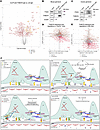 Figure 7
Integration of the THSD7A interactome with glomerular proteome dynamics and schematic model in MN. (A) Volcano plot showing the THSD7A interactome generated by co-IP/mass spectrometry from mouse glomeruli. –log10 P value is plotted against the log2 FC (THSD7A vs. control co-IP). Significant interactors are shown in red (limma moderated 2-tailed t test, Benjamini-Hochberg–adjusted P < 0.05, |log2FC| > 0.5); THSD7A and key interactors are highlighted in orange. (B and C) Co-IP validating integrin a3 (ITGA3) as a THSD7A interactor in mouse glomeruli (B) and human glomeruli (C) using anti-THSD7A IgG purified from patients with MN, and IgG from a healthy individual as a control. (D and E) Scatter plots comparing log2FC of the THSD7A co-IP/mass spectrometry interactome (x axis) versus log2FC of proteome (y axis) in Thsd7a–/– mice versus control mice (D), and MN versus control mice (E). Orange dots indicate proteins upregulated in both datasets, and red dots represent proteins upregulated in interactome while downregulated in proteome. Proteins significant in either dataset are shown as triangles, all others as circles. (F) Schematic model of glomerular dynamics in Thsd7a–/– and MN mice. Upper left: In healthy glomerulus, THSD7A localizes in podocyte foot processes (FPs) near slit diaphragm (SD) and indirectly associates with integrin α3β1. SD proteins maintain filtration barrier integrity. Upper right: in MN, SD disruption occurs without transcriptomic downregulation. Dysregulated protein degradation (ubiquitin-proteasome system, lysosomal proteolysis, proteases) and transcriptional reprogramming contribute to glomerular injury and proteinuria. Lower left: podocyte Thsd7a–/– mice show mild phenotypes featuring albuminuria and compromised glomerular filtration barrier, with compensation of scaffold proteins (SNTA1, SNTB2, UTRN) and transmembrane proteins (TSPAN5-ADAM10 complex). Lower right: Thsd7a–/– prevents anti-THSD7A IgG–induced MN phenotypes. GBM, glomerular basement membrane; TFs, transcription factors; C3, complement C3; DGs, dystroglycans; SGs, sarcoglycans. Created in BioRender.
These findings align with previous research implicating THSD7A in cytoskeletal regulation, focal adhesion, and membrane dynamics across various cell types, including podocytes (5, 6). Our results suggest that THSD7A plays a key role in the structural membrane organization of podocytes through interactions with these partners. In particular, integrin α3 and β1 usually form the heterodimeric integrin α3β1 receptor, which is critical for podocyte adhesion to the GBM (46). We further validated the specific interaction between THSD7A and ITGA3 in both mouse and human glomeruli by immunoblotting (Figure 7, B and C). Moreover, we tested whether THSD7A and ITGA3 interact directly by performing IP using recombinant protein instead of glomerular extracts. We found that THSD7A does not bind ITGA3 directly (Supplemental Figure 8B), suggesting that these 2 proteins are associated within a larger protein complex.
Integrating the THSD7A interactome with glomerular proteomes from podocyte-specific Thsd7a–/– mice and MN mice revealed disease-relevant regulatory patterns. Notably, proteins such as SNTB2 and ADAM10, which were downregulated in glomeruli of Thsd7a–/– mice, were enriched in THSD7A co-IP, suggesting functional and/or physical interactions with THSD7A (Figure 7D). Comparative analysis between the THSD7A interactome and MN proteome uncovered dysregulated interactors implicated in MN pathogenesis (Figure 7E), including proteins involved in RHO GTPase signaling (DOCK4, PAK1, PARD6B, MYO6, NHS, SRGAP1), ephrin signaling (EFNB1, PAK1, FYN), and axon guidance (ROBO2, EFNB1, PAK1, PARD6B, FYN, SRGAP1). Interestingly, we observed an enrichment of CTTNB2 in co-IP and a reduced expression of CTTNBP2 in MN. Given its role as a microtubule-stabilizing THSD7A interactor, our findings suggest its involvement in anti-THSD7A IgG–mediated cytoskeletal disruption.
Collectively, we validated THSD7A interactors in native mouse and human glomeruli and established their potential contributions to MN pathogenesis via dysregulation of cytoskeletal organization, focal adhesion dynamics, and membrane stability.


