
Research ArticleImmunologyOncology
Open Access |  10.1172/jci.insight.190149
Photon and particle radiotherapy induce redundant modular chemotaxis of human lymphocytes
Joscha A. Kraske,1,2,3 Michael M. Allers,2,3 Aleksei Smirnov,2,3 Bénédicte Lenoir,4 Azaz Ahmed,1,5 Meggy Suarez-Carmona,5,6 Mareike Hampel,4,5 Damir Krunic,7 Alexandra Tietz-Dalfuß,2,3 Tizian Beikert,2,3 Jonathan M. Schneeweiss,2,3 Stephan Brons,8,9 Dorothee Albrecht,2,3 Thuy Trinh,2,3 Muzi Liu,2,3 Nathalia A. Giese,10 Christin Glowa,2,9,11 Jakob Liermann,2,8,9 Ramon Lopez Perez,2,3 Dirk Jäger,1,4 Jürgen Debus,2,8,9,12 Niels Halama,1,5,6,13 Peter E. Huber,2,3,8,9 and Thomas Walle1,3
1Department of Medical Oncology, National Center for Tumor Diseases (NCT), and
2Department of Radiation Oncology, Heidelberg University Hospital, Medical Faculty Heidelberg, Heidelberg University, Heidelberg, Germany.
3Division of Molecular and Radiooncology, German Cancer Research Center (DKFZ), Heidelberg, Germany.
4Clinical Cooperation Unit Applied Tumor Immunity and
5Division of Translational Immunotherapy, DKFZ, Heidelberg, Germany.
6Helmholtz Center for Translational Oncology (HI-TRON), Department of Cancer Immunology & Cancer Immunotherapy, Mainz, Germany.
7Light Microscopy Facility, DKFZ, Heidelberg, Germany.
8Heidelberg Ion Therapy Center (HIT), Department of Radiation Oncology, Heidelberg University Hospital, Heidelberg, Germany.
9Heidelberg Institute for Radiation Oncology (HIRO), Heidelberg, Germany.
10Department of General, Visceral and Transplantation Surgery, Heidelberg University Hospital, Medical Faculty Heidelberg, Heidelberg University, Germany.
11Division of Medical Physics in Radiation Oncology and
12Clinical Cooperation Unit Radiation Oncology, DKFZ, Heidelberg, Germany.
13Institute of Immunology, Heidelberg University Hospital, Medical Faculty Heidelberg, Heidelberg University, Heidelberg, Germany.
Address correspondence to: Peter E. Huber, German Cancer Research Center, Im Neuenheimer Feld 280, 69120 Heidelberg, Germany. Phone: 00496221422516; Email: p.huber@dkfz.de. Or to: Thomas Walle, National Center for Tumor Diseases, Im Neuenheimer Feld 460, 69120 Heidelberg, Germany. Phone: 00496221560; Email: thomas.walle@med.uni-heidelberg.de.
Authorship note: PEH and TW are co–senior and co–corresponding authors.
Find articles by Kraske, J. in: PubMed | Google Scholar
1Department of Medical Oncology, National Center for Tumor Diseases (NCT), and
2Department of Radiation Oncology, Heidelberg University Hospital, Medical Faculty Heidelberg, Heidelberg University, Heidelberg, Germany.
3Division of Molecular and Radiooncology, German Cancer Research Center (DKFZ), Heidelberg, Germany.
4Clinical Cooperation Unit Applied Tumor Immunity and
5Division of Translational Immunotherapy, DKFZ, Heidelberg, Germany.
6Helmholtz Center for Translational Oncology (HI-TRON), Department of Cancer Immunology & Cancer Immunotherapy, Mainz, Germany.
7Light Microscopy Facility, DKFZ, Heidelberg, Germany.
8Heidelberg Ion Therapy Center (HIT), Department of Radiation Oncology, Heidelberg University Hospital, Heidelberg, Germany.
9Heidelberg Institute for Radiation Oncology (HIRO), Heidelberg, Germany.
10Department of General, Visceral and Transplantation Surgery, Heidelberg University Hospital, Medical Faculty Heidelberg, Heidelberg University, Germany.
11Division of Medical Physics in Radiation Oncology and
12Clinical Cooperation Unit Radiation Oncology, DKFZ, Heidelberg, Germany.
13Institute of Immunology, Heidelberg University Hospital, Medical Faculty Heidelberg, Heidelberg University, Heidelberg, Germany.
Address correspondence to: Peter E. Huber, German Cancer Research Center, Im Neuenheimer Feld 280, 69120 Heidelberg, Germany. Phone: 00496221422516; Email: p.huber@dkfz.de. Or to: Thomas Walle, National Center for Tumor Diseases, Im Neuenheimer Feld 460, 69120 Heidelberg, Germany. Phone: 00496221560; Email: thomas.walle@med.uni-heidelberg.de.
Authorship note: PEH and TW are co–senior and co–corresponding authors.
Find articles by Allers, M. in: PubMed | Google Scholar
1Department of Medical Oncology, National Center for Tumor Diseases (NCT), and
2Department of Radiation Oncology, Heidelberg University Hospital, Medical Faculty Heidelberg, Heidelberg University, Heidelberg, Germany.
3Division of Molecular and Radiooncology, German Cancer Research Center (DKFZ), Heidelberg, Germany.
4Clinical Cooperation Unit Applied Tumor Immunity and
5Division of Translational Immunotherapy, DKFZ, Heidelberg, Germany.
6Helmholtz Center for Translational Oncology (HI-TRON), Department of Cancer Immunology & Cancer Immunotherapy, Mainz, Germany.
7Light Microscopy Facility, DKFZ, Heidelberg, Germany.
8Heidelberg Ion Therapy Center (HIT), Department of Radiation Oncology, Heidelberg University Hospital, Heidelberg, Germany.
9Heidelberg Institute for Radiation Oncology (HIRO), Heidelberg, Germany.
10Department of General, Visceral and Transplantation Surgery, Heidelberg University Hospital, Medical Faculty Heidelberg, Heidelberg University, Germany.
11Division of Medical Physics in Radiation Oncology and
12Clinical Cooperation Unit Radiation Oncology, DKFZ, Heidelberg, Germany.
13Institute of Immunology, Heidelberg University Hospital, Medical Faculty Heidelberg, Heidelberg University, Heidelberg, Germany.
Address correspondence to: Peter E. Huber, German Cancer Research Center, Im Neuenheimer Feld 280, 69120 Heidelberg, Germany. Phone: 00496221422516; Email: p.huber@dkfz.de. Or to: Thomas Walle, National Center for Tumor Diseases, Im Neuenheimer Feld 460, 69120 Heidelberg, Germany. Phone: 00496221560; Email: thomas.walle@med.uni-heidelberg.de.
Authorship note: PEH and TW are co–senior and co–corresponding authors.
Find articles by Smirnov, A. in: PubMed | Google Scholar
1Department of Medical Oncology, National Center for Tumor Diseases (NCT), and
2Department of Radiation Oncology, Heidelberg University Hospital, Medical Faculty Heidelberg, Heidelberg University, Heidelberg, Germany.
3Division of Molecular and Radiooncology, German Cancer Research Center (DKFZ), Heidelberg, Germany.
4Clinical Cooperation Unit Applied Tumor Immunity and
5Division of Translational Immunotherapy, DKFZ, Heidelberg, Germany.
6Helmholtz Center for Translational Oncology (HI-TRON), Department of Cancer Immunology & Cancer Immunotherapy, Mainz, Germany.
7Light Microscopy Facility, DKFZ, Heidelberg, Germany.
8Heidelberg Ion Therapy Center (HIT), Department of Radiation Oncology, Heidelberg University Hospital, Heidelberg, Germany.
9Heidelberg Institute for Radiation Oncology (HIRO), Heidelberg, Germany.
10Department of General, Visceral and Transplantation Surgery, Heidelberg University Hospital, Medical Faculty Heidelberg, Heidelberg University, Germany.
11Division of Medical Physics in Radiation Oncology and
12Clinical Cooperation Unit Radiation Oncology, DKFZ, Heidelberg, Germany.
13Institute of Immunology, Heidelberg University Hospital, Medical Faculty Heidelberg, Heidelberg University, Heidelberg, Germany.
Address correspondence to: Peter E. Huber, German Cancer Research Center, Im Neuenheimer Feld 280, 69120 Heidelberg, Germany. Phone: 00496221422516; Email: p.huber@dkfz.de. Or to: Thomas Walle, National Center for Tumor Diseases, Im Neuenheimer Feld 460, 69120 Heidelberg, Germany. Phone: 00496221560; Email: thomas.walle@med.uni-heidelberg.de.
Authorship note: PEH and TW are co–senior and co–corresponding authors.
Find articles by Lenoir, B. in: PubMed | Google Scholar
1Department of Medical Oncology, National Center for Tumor Diseases (NCT), and
2Department of Radiation Oncology, Heidelberg University Hospital, Medical Faculty Heidelberg, Heidelberg University, Heidelberg, Germany.
3Division of Molecular and Radiooncology, German Cancer Research Center (DKFZ), Heidelberg, Germany.
4Clinical Cooperation Unit Applied Tumor Immunity and
5Division of Translational Immunotherapy, DKFZ, Heidelberg, Germany.
6Helmholtz Center for Translational Oncology (HI-TRON), Department of Cancer Immunology & Cancer Immunotherapy, Mainz, Germany.
7Light Microscopy Facility, DKFZ, Heidelberg, Germany.
8Heidelberg Ion Therapy Center (HIT), Department of Radiation Oncology, Heidelberg University Hospital, Heidelberg, Germany.
9Heidelberg Institute for Radiation Oncology (HIRO), Heidelberg, Germany.
10Department of General, Visceral and Transplantation Surgery, Heidelberg University Hospital, Medical Faculty Heidelberg, Heidelberg University, Germany.
11Division of Medical Physics in Radiation Oncology and
12Clinical Cooperation Unit Radiation Oncology, DKFZ, Heidelberg, Germany.
13Institute of Immunology, Heidelberg University Hospital, Medical Faculty Heidelberg, Heidelberg University, Heidelberg, Germany.
Address correspondence to: Peter E. Huber, German Cancer Research Center, Im Neuenheimer Feld 280, 69120 Heidelberg, Germany. Phone: 00496221422516; Email: p.huber@dkfz.de. Or to: Thomas Walle, National Center for Tumor Diseases, Im Neuenheimer Feld 460, 69120 Heidelberg, Germany. Phone: 00496221560; Email: thomas.walle@med.uni-heidelberg.de.
Authorship note: PEH and TW are co–senior and co–corresponding authors.
Find articles by Ahmed, A. in: PubMed | Google Scholar
1Department of Medical Oncology, National Center for Tumor Diseases (NCT), and
2Department of Radiation Oncology, Heidelberg University Hospital, Medical Faculty Heidelberg, Heidelberg University, Heidelberg, Germany.
3Division of Molecular and Radiooncology, German Cancer Research Center (DKFZ), Heidelberg, Germany.
4Clinical Cooperation Unit Applied Tumor Immunity and
5Division of Translational Immunotherapy, DKFZ, Heidelberg, Germany.
6Helmholtz Center for Translational Oncology (HI-TRON), Department of Cancer Immunology & Cancer Immunotherapy, Mainz, Germany.
7Light Microscopy Facility, DKFZ, Heidelberg, Germany.
8Heidelberg Ion Therapy Center (HIT), Department of Radiation Oncology, Heidelberg University Hospital, Heidelberg, Germany.
9Heidelberg Institute for Radiation Oncology (HIRO), Heidelberg, Germany.
10Department of General, Visceral and Transplantation Surgery, Heidelberg University Hospital, Medical Faculty Heidelberg, Heidelberg University, Germany.
11Division of Medical Physics in Radiation Oncology and
12Clinical Cooperation Unit Radiation Oncology, DKFZ, Heidelberg, Germany.
13Institute of Immunology, Heidelberg University Hospital, Medical Faculty Heidelberg, Heidelberg University, Heidelberg, Germany.
Address correspondence to: Peter E. Huber, German Cancer Research Center, Im Neuenheimer Feld 280, 69120 Heidelberg, Germany. Phone: 00496221422516; Email: p.huber@dkfz.de. Or to: Thomas Walle, National Center for Tumor Diseases, Im Neuenheimer Feld 460, 69120 Heidelberg, Germany. Phone: 00496221560; Email: thomas.walle@med.uni-heidelberg.de.
Authorship note: PEH and TW are co–senior and co–corresponding authors.
Find articles by Suarez-Carmona, M. in: PubMed | Google Scholar
1Department of Medical Oncology, National Center for Tumor Diseases (NCT), and
2Department of Radiation Oncology, Heidelberg University Hospital, Medical Faculty Heidelberg, Heidelberg University, Heidelberg, Germany.
3Division of Molecular and Radiooncology, German Cancer Research Center (DKFZ), Heidelberg, Germany.
4Clinical Cooperation Unit Applied Tumor Immunity and
5Division of Translational Immunotherapy, DKFZ, Heidelberg, Germany.
6Helmholtz Center for Translational Oncology (HI-TRON), Department of Cancer Immunology & Cancer Immunotherapy, Mainz, Germany.
7Light Microscopy Facility, DKFZ, Heidelberg, Germany.
8Heidelberg Ion Therapy Center (HIT), Department of Radiation Oncology, Heidelberg University Hospital, Heidelberg, Germany.
9Heidelberg Institute for Radiation Oncology (HIRO), Heidelberg, Germany.
10Department of General, Visceral and Transplantation Surgery, Heidelberg University Hospital, Medical Faculty Heidelberg, Heidelberg University, Germany.
11Division of Medical Physics in Radiation Oncology and
12Clinical Cooperation Unit Radiation Oncology, DKFZ, Heidelberg, Germany.
13Institute of Immunology, Heidelberg University Hospital, Medical Faculty Heidelberg, Heidelberg University, Heidelberg, Germany.
Address correspondence to: Peter E. Huber, German Cancer Research Center, Im Neuenheimer Feld 280, 69120 Heidelberg, Germany. Phone: 00496221422516; Email: p.huber@dkfz.de. Or to: Thomas Walle, National Center for Tumor Diseases, Im Neuenheimer Feld 460, 69120 Heidelberg, Germany. Phone: 00496221560; Email: thomas.walle@med.uni-heidelberg.de.
Authorship note: PEH and TW are co–senior and co–corresponding authors.
Find articles by Hampel, M. in: PubMed | Google Scholar
1Department of Medical Oncology, National Center for Tumor Diseases (NCT), and
2Department of Radiation Oncology, Heidelberg University Hospital, Medical Faculty Heidelberg, Heidelberg University, Heidelberg, Germany.
3Division of Molecular and Radiooncology, German Cancer Research Center (DKFZ), Heidelberg, Germany.
4Clinical Cooperation Unit Applied Tumor Immunity and
5Division of Translational Immunotherapy, DKFZ, Heidelberg, Germany.
6Helmholtz Center for Translational Oncology (HI-TRON), Department of Cancer Immunology & Cancer Immunotherapy, Mainz, Germany.
7Light Microscopy Facility, DKFZ, Heidelberg, Germany.
8Heidelberg Ion Therapy Center (HIT), Department of Radiation Oncology, Heidelberg University Hospital, Heidelberg, Germany.
9Heidelberg Institute for Radiation Oncology (HIRO), Heidelberg, Germany.
10Department of General, Visceral and Transplantation Surgery, Heidelberg University Hospital, Medical Faculty Heidelberg, Heidelberg University, Germany.
11Division of Medical Physics in Radiation Oncology and
12Clinical Cooperation Unit Radiation Oncology, DKFZ, Heidelberg, Germany.
13Institute of Immunology, Heidelberg University Hospital, Medical Faculty Heidelberg, Heidelberg University, Heidelberg, Germany.
Address correspondence to: Peter E. Huber, German Cancer Research Center, Im Neuenheimer Feld 280, 69120 Heidelberg, Germany. Phone: 00496221422516; Email: p.huber@dkfz.de. Or to: Thomas Walle, National Center for Tumor Diseases, Im Neuenheimer Feld 460, 69120 Heidelberg, Germany. Phone: 00496221560; Email: thomas.walle@med.uni-heidelberg.de.
Authorship note: PEH and TW are co–senior and co–corresponding authors.
Find articles by Krunic, D. in: PubMed | Google Scholar
1Department of Medical Oncology, National Center for Tumor Diseases (NCT), and
2Department of Radiation Oncology, Heidelberg University Hospital, Medical Faculty Heidelberg, Heidelberg University, Heidelberg, Germany.
3Division of Molecular and Radiooncology, German Cancer Research Center (DKFZ), Heidelberg, Germany.
4Clinical Cooperation Unit Applied Tumor Immunity and
5Division of Translational Immunotherapy, DKFZ, Heidelberg, Germany.
6Helmholtz Center for Translational Oncology (HI-TRON), Department of Cancer Immunology & Cancer Immunotherapy, Mainz, Germany.
7Light Microscopy Facility, DKFZ, Heidelberg, Germany.
8Heidelberg Ion Therapy Center (HIT), Department of Radiation Oncology, Heidelberg University Hospital, Heidelberg, Germany.
9Heidelberg Institute for Radiation Oncology (HIRO), Heidelberg, Germany.
10Department of General, Visceral and Transplantation Surgery, Heidelberg University Hospital, Medical Faculty Heidelberg, Heidelberg University, Germany.
11Division of Medical Physics in Radiation Oncology and
12Clinical Cooperation Unit Radiation Oncology, DKFZ, Heidelberg, Germany.
13Institute of Immunology, Heidelberg University Hospital, Medical Faculty Heidelberg, Heidelberg University, Heidelberg, Germany.
Address correspondence to: Peter E. Huber, German Cancer Research Center, Im Neuenheimer Feld 280, 69120 Heidelberg, Germany. Phone: 00496221422516; Email: p.huber@dkfz.de. Or to: Thomas Walle, National Center for Tumor Diseases, Im Neuenheimer Feld 460, 69120 Heidelberg, Germany. Phone: 00496221560; Email: thomas.walle@med.uni-heidelberg.de.
Authorship note: PEH and TW are co–senior and co–corresponding authors.
Find articles by Tietz-Dalfuß, A. in: PubMed | Google Scholar
1Department of Medical Oncology, National Center for Tumor Diseases (NCT), and
2Department of Radiation Oncology, Heidelberg University Hospital, Medical Faculty Heidelberg, Heidelberg University, Heidelberg, Germany.
3Division of Molecular and Radiooncology, German Cancer Research Center (DKFZ), Heidelberg, Germany.
4Clinical Cooperation Unit Applied Tumor Immunity and
5Division of Translational Immunotherapy, DKFZ, Heidelberg, Germany.
6Helmholtz Center for Translational Oncology (HI-TRON), Department of Cancer Immunology & Cancer Immunotherapy, Mainz, Germany.
7Light Microscopy Facility, DKFZ, Heidelberg, Germany.
8Heidelberg Ion Therapy Center (HIT), Department of Radiation Oncology, Heidelberg University Hospital, Heidelberg, Germany.
9Heidelberg Institute for Radiation Oncology (HIRO), Heidelberg, Germany.
10Department of General, Visceral and Transplantation Surgery, Heidelberg University Hospital, Medical Faculty Heidelberg, Heidelberg University, Germany.
11Division of Medical Physics in Radiation Oncology and
12Clinical Cooperation Unit Radiation Oncology, DKFZ, Heidelberg, Germany.
13Institute of Immunology, Heidelberg University Hospital, Medical Faculty Heidelberg, Heidelberg University, Heidelberg, Germany.
Address correspondence to: Peter E. Huber, German Cancer Research Center, Im Neuenheimer Feld 280, 69120 Heidelberg, Germany. Phone: 00496221422516; Email: p.huber@dkfz.de. Or to: Thomas Walle, National Center for Tumor Diseases, Im Neuenheimer Feld 460, 69120 Heidelberg, Germany. Phone: 00496221560; Email: thomas.walle@med.uni-heidelberg.de.
Authorship note: PEH and TW are co–senior and co–corresponding authors.
Find articles by Beikert, T. in: PubMed | Google Scholar
1Department of Medical Oncology, National Center for Tumor Diseases (NCT), and
2Department of Radiation Oncology, Heidelberg University Hospital, Medical Faculty Heidelberg, Heidelberg University, Heidelberg, Germany.
3Division of Molecular and Radiooncology, German Cancer Research Center (DKFZ), Heidelberg, Germany.
4Clinical Cooperation Unit Applied Tumor Immunity and
5Division of Translational Immunotherapy, DKFZ, Heidelberg, Germany.
6Helmholtz Center for Translational Oncology (HI-TRON), Department of Cancer Immunology & Cancer Immunotherapy, Mainz, Germany.
7Light Microscopy Facility, DKFZ, Heidelberg, Germany.
8Heidelberg Ion Therapy Center (HIT), Department of Radiation Oncology, Heidelberg University Hospital, Heidelberg, Germany.
9Heidelberg Institute for Radiation Oncology (HIRO), Heidelberg, Germany.
10Department of General, Visceral and Transplantation Surgery, Heidelberg University Hospital, Medical Faculty Heidelberg, Heidelberg University, Germany.
11Division of Medical Physics in Radiation Oncology and
12Clinical Cooperation Unit Radiation Oncology, DKFZ, Heidelberg, Germany.
13Institute of Immunology, Heidelberg University Hospital, Medical Faculty Heidelberg, Heidelberg University, Heidelberg, Germany.
Address correspondence to: Peter E. Huber, German Cancer Research Center, Im Neuenheimer Feld 280, 69120 Heidelberg, Germany. Phone: 00496221422516; Email: p.huber@dkfz.de. Or to: Thomas Walle, National Center for Tumor Diseases, Im Neuenheimer Feld 460, 69120 Heidelberg, Germany. Phone: 00496221560; Email: thomas.walle@med.uni-heidelberg.de.
Authorship note: PEH and TW are co–senior and co–corresponding authors.
Find articles by Schneeweiss, J. in: PubMed | Google Scholar
1Department of Medical Oncology, National Center for Tumor Diseases (NCT), and
2Department of Radiation Oncology, Heidelberg University Hospital, Medical Faculty Heidelberg, Heidelberg University, Heidelberg, Germany.
3Division of Molecular and Radiooncology, German Cancer Research Center (DKFZ), Heidelberg, Germany.
4Clinical Cooperation Unit Applied Tumor Immunity and
5Division of Translational Immunotherapy, DKFZ, Heidelberg, Germany.
6Helmholtz Center for Translational Oncology (HI-TRON), Department of Cancer Immunology & Cancer Immunotherapy, Mainz, Germany.
7Light Microscopy Facility, DKFZ, Heidelberg, Germany.
8Heidelberg Ion Therapy Center (HIT), Department of Radiation Oncology, Heidelberg University Hospital, Heidelberg, Germany.
9Heidelberg Institute for Radiation Oncology (HIRO), Heidelberg, Germany.
10Department of General, Visceral and Transplantation Surgery, Heidelberg University Hospital, Medical Faculty Heidelberg, Heidelberg University, Germany.
11Division of Medical Physics in Radiation Oncology and
12Clinical Cooperation Unit Radiation Oncology, DKFZ, Heidelberg, Germany.
13Institute of Immunology, Heidelberg University Hospital, Medical Faculty Heidelberg, Heidelberg University, Heidelberg, Germany.
Address correspondence to: Peter E. Huber, German Cancer Research Center, Im Neuenheimer Feld 280, 69120 Heidelberg, Germany. Phone: 00496221422516; Email: p.huber@dkfz.de. Or to: Thomas Walle, National Center for Tumor Diseases, Im Neuenheimer Feld 460, 69120 Heidelberg, Germany. Phone: 00496221560; Email: thomas.walle@med.uni-heidelberg.de.
Authorship note: PEH and TW are co–senior and co–corresponding authors.
Find articles by Brons, S. in: PubMed | Google Scholar
1Department of Medical Oncology, National Center for Tumor Diseases (NCT), and
2Department of Radiation Oncology, Heidelberg University Hospital, Medical Faculty Heidelberg, Heidelberg University, Heidelberg, Germany.
3Division of Molecular and Radiooncology, German Cancer Research Center (DKFZ), Heidelberg, Germany.
4Clinical Cooperation Unit Applied Tumor Immunity and
5Division of Translational Immunotherapy, DKFZ, Heidelberg, Germany.
6Helmholtz Center for Translational Oncology (HI-TRON), Department of Cancer Immunology & Cancer Immunotherapy, Mainz, Germany.
7Light Microscopy Facility, DKFZ, Heidelberg, Germany.
8Heidelberg Ion Therapy Center (HIT), Department of Radiation Oncology, Heidelberg University Hospital, Heidelberg, Germany.
9Heidelberg Institute for Radiation Oncology (HIRO), Heidelberg, Germany.
10Department of General, Visceral and Transplantation Surgery, Heidelberg University Hospital, Medical Faculty Heidelberg, Heidelberg University, Germany.
11Division of Medical Physics in Radiation Oncology and
12Clinical Cooperation Unit Radiation Oncology, DKFZ, Heidelberg, Germany.
13Institute of Immunology, Heidelberg University Hospital, Medical Faculty Heidelberg, Heidelberg University, Heidelberg, Germany.
Address correspondence to: Peter E. Huber, German Cancer Research Center, Im Neuenheimer Feld 280, 69120 Heidelberg, Germany. Phone: 00496221422516; Email: p.huber@dkfz.de. Or to: Thomas Walle, National Center for Tumor Diseases, Im Neuenheimer Feld 460, 69120 Heidelberg, Germany. Phone: 00496221560; Email: thomas.walle@med.uni-heidelberg.de.
Authorship note: PEH and TW are co–senior and co–corresponding authors.
Find articles by Albrecht, D. in: PubMed | Google Scholar
1Department of Medical Oncology, National Center for Tumor Diseases (NCT), and
2Department of Radiation Oncology, Heidelberg University Hospital, Medical Faculty Heidelberg, Heidelberg University, Heidelberg, Germany.
3Division of Molecular and Radiooncology, German Cancer Research Center (DKFZ), Heidelberg, Germany.
4Clinical Cooperation Unit Applied Tumor Immunity and
5Division of Translational Immunotherapy, DKFZ, Heidelberg, Germany.
6Helmholtz Center for Translational Oncology (HI-TRON), Department of Cancer Immunology & Cancer Immunotherapy, Mainz, Germany.
7Light Microscopy Facility, DKFZ, Heidelberg, Germany.
8Heidelberg Ion Therapy Center (HIT), Department of Radiation Oncology, Heidelberg University Hospital, Heidelberg, Germany.
9Heidelberg Institute for Radiation Oncology (HIRO), Heidelberg, Germany.
10Department of General, Visceral and Transplantation Surgery, Heidelberg University Hospital, Medical Faculty Heidelberg, Heidelberg University, Germany.
11Division of Medical Physics in Radiation Oncology and
12Clinical Cooperation Unit Radiation Oncology, DKFZ, Heidelberg, Germany.
13Institute of Immunology, Heidelberg University Hospital, Medical Faculty Heidelberg, Heidelberg University, Heidelberg, Germany.
Address correspondence to: Peter E. Huber, German Cancer Research Center, Im Neuenheimer Feld 280, 69120 Heidelberg, Germany. Phone: 00496221422516; Email: p.huber@dkfz.de. Or to: Thomas Walle, National Center for Tumor Diseases, Im Neuenheimer Feld 460, 69120 Heidelberg, Germany. Phone: 00496221560; Email: thomas.walle@med.uni-heidelberg.de.
Authorship note: PEH and TW are co–senior and co–corresponding authors.
Find articles by Trinh, T. in: PubMed | Google Scholar
1Department of Medical Oncology, National Center for Tumor Diseases (NCT), and
2Department of Radiation Oncology, Heidelberg University Hospital, Medical Faculty Heidelberg, Heidelberg University, Heidelberg, Germany.
3Division of Molecular and Radiooncology, German Cancer Research Center (DKFZ), Heidelberg, Germany.
4Clinical Cooperation Unit Applied Tumor Immunity and
5Division of Translational Immunotherapy, DKFZ, Heidelberg, Germany.
6Helmholtz Center for Translational Oncology (HI-TRON), Department of Cancer Immunology & Cancer Immunotherapy, Mainz, Germany.
7Light Microscopy Facility, DKFZ, Heidelberg, Germany.
8Heidelberg Ion Therapy Center (HIT), Department of Radiation Oncology, Heidelberg University Hospital, Heidelberg, Germany.
9Heidelberg Institute for Radiation Oncology (HIRO), Heidelberg, Germany.
10Department of General, Visceral and Transplantation Surgery, Heidelberg University Hospital, Medical Faculty Heidelberg, Heidelberg University, Germany.
11Division of Medical Physics in Radiation Oncology and
12Clinical Cooperation Unit Radiation Oncology, DKFZ, Heidelberg, Germany.
13Institute of Immunology, Heidelberg University Hospital, Medical Faculty Heidelberg, Heidelberg University, Heidelberg, Germany.
Address correspondence to: Peter E. Huber, German Cancer Research Center, Im Neuenheimer Feld 280, 69120 Heidelberg, Germany. Phone: 00496221422516; Email: p.huber@dkfz.de. Or to: Thomas Walle, National Center for Tumor Diseases, Im Neuenheimer Feld 460, 69120 Heidelberg, Germany. Phone: 00496221560; Email: thomas.walle@med.uni-heidelberg.de.
Authorship note: PEH and TW are co–senior and co–corresponding authors.
Find articles by Liu, M. in: PubMed | Google Scholar
1Department of Medical Oncology, National Center for Tumor Diseases (NCT), and
2Department of Radiation Oncology, Heidelberg University Hospital, Medical Faculty Heidelberg, Heidelberg University, Heidelberg, Germany.
3Division of Molecular and Radiooncology, German Cancer Research Center (DKFZ), Heidelberg, Germany.
4Clinical Cooperation Unit Applied Tumor Immunity and
5Division of Translational Immunotherapy, DKFZ, Heidelberg, Germany.
6Helmholtz Center for Translational Oncology (HI-TRON), Department of Cancer Immunology & Cancer Immunotherapy, Mainz, Germany.
7Light Microscopy Facility, DKFZ, Heidelberg, Germany.
8Heidelberg Ion Therapy Center (HIT), Department of Radiation Oncology, Heidelberg University Hospital, Heidelberg, Germany.
9Heidelberg Institute for Radiation Oncology (HIRO), Heidelberg, Germany.
10Department of General, Visceral and Transplantation Surgery, Heidelberg University Hospital, Medical Faculty Heidelberg, Heidelberg University, Germany.
11Division of Medical Physics in Radiation Oncology and
12Clinical Cooperation Unit Radiation Oncology, DKFZ, Heidelberg, Germany.
13Institute of Immunology, Heidelberg University Hospital, Medical Faculty Heidelberg, Heidelberg University, Heidelberg, Germany.
Address correspondence to: Peter E. Huber, German Cancer Research Center, Im Neuenheimer Feld 280, 69120 Heidelberg, Germany. Phone: 00496221422516; Email: p.huber@dkfz.de. Or to: Thomas Walle, National Center for Tumor Diseases, Im Neuenheimer Feld 460, 69120 Heidelberg, Germany. Phone: 00496221560; Email: thomas.walle@med.uni-heidelberg.de.
Authorship note: PEH and TW are co–senior and co–corresponding authors.
Find articles by Giese, N. in: PubMed | Google Scholar
1Department of Medical Oncology, National Center for Tumor Diseases (NCT), and
2Department of Radiation Oncology, Heidelberg University Hospital, Medical Faculty Heidelberg, Heidelberg University, Heidelberg, Germany.
3Division of Molecular and Radiooncology, German Cancer Research Center (DKFZ), Heidelberg, Germany.
4Clinical Cooperation Unit Applied Tumor Immunity and
5Division of Translational Immunotherapy, DKFZ, Heidelberg, Germany.
6Helmholtz Center for Translational Oncology (HI-TRON), Department of Cancer Immunology & Cancer Immunotherapy, Mainz, Germany.
7Light Microscopy Facility, DKFZ, Heidelberg, Germany.
8Heidelberg Ion Therapy Center (HIT), Department of Radiation Oncology, Heidelberg University Hospital, Heidelberg, Germany.
9Heidelberg Institute for Radiation Oncology (HIRO), Heidelberg, Germany.
10Department of General, Visceral and Transplantation Surgery, Heidelberg University Hospital, Medical Faculty Heidelberg, Heidelberg University, Germany.
11Division of Medical Physics in Radiation Oncology and
12Clinical Cooperation Unit Radiation Oncology, DKFZ, Heidelberg, Germany.
13Institute of Immunology, Heidelberg University Hospital, Medical Faculty Heidelberg, Heidelberg University, Heidelberg, Germany.
Address correspondence to: Peter E. Huber, German Cancer Research Center, Im Neuenheimer Feld 280, 69120 Heidelberg, Germany. Phone: 00496221422516; Email: p.huber@dkfz.de. Or to: Thomas Walle, National Center for Tumor Diseases, Im Neuenheimer Feld 460, 69120 Heidelberg, Germany. Phone: 00496221560; Email: thomas.walle@med.uni-heidelberg.de.
Authorship note: PEH and TW are co–senior and co–corresponding authors.
Find articles by Glowa, C. in: PubMed | Google Scholar
1Department of Medical Oncology, National Center for Tumor Diseases (NCT), and
2Department of Radiation Oncology, Heidelberg University Hospital, Medical Faculty Heidelberg, Heidelberg University, Heidelberg, Germany.
3Division of Molecular and Radiooncology, German Cancer Research Center (DKFZ), Heidelberg, Germany.
4Clinical Cooperation Unit Applied Tumor Immunity and
5Division of Translational Immunotherapy, DKFZ, Heidelberg, Germany.
6Helmholtz Center for Translational Oncology (HI-TRON), Department of Cancer Immunology & Cancer Immunotherapy, Mainz, Germany.
7Light Microscopy Facility, DKFZ, Heidelberg, Germany.
8Heidelberg Ion Therapy Center (HIT), Department of Radiation Oncology, Heidelberg University Hospital, Heidelberg, Germany.
9Heidelberg Institute for Radiation Oncology (HIRO), Heidelberg, Germany.
10Department of General, Visceral and Transplantation Surgery, Heidelberg University Hospital, Medical Faculty Heidelberg, Heidelberg University, Germany.
11Division of Medical Physics in Radiation Oncology and
12Clinical Cooperation Unit Radiation Oncology, DKFZ, Heidelberg, Germany.
13Institute of Immunology, Heidelberg University Hospital, Medical Faculty Heidelberg, Heidelberg University, Heidelberg, Germany.
Address correspondence to: Peter E. Huber, German Cancer Research Center, Im Neuenheimer Feld 280, 69120 Heidelberg, Germany. Phone: 00496221422516; Email: p.huber@dkfz.de. Or to: Thomas Walle, National Center for Tumor Diseases, Im Neuenheimer Feld 460, 69120 Heidelberg, Germany. Phone: 00496221560; Email: thomas.walle@med.uni-heidelberg.de.
Authorship note: PEH and TW are co–senior and co–corresponding authors.
Find articles by Liermann, J. in: PubMed | Google Scholar
1Department of Medical Oncology, National Center for Tumor Diseases (NCT), and
2Department of Radiation Oncology, Heidelberg University Hospital, Medical Faculty Heidelberg, Heidelberg University, Heidelberg, Germany.
3Division of Molecular and Radiooncology, German Cancer Research Center (DKFZ), Heidelberg, Germany.
4Clinical Cooperation Unit Applied Tumor Immunity and
5Division of Translational Immunotherapy, DKFZ, Heidelberg, Germany.
6Helmholtz Center for Translational Oncology (HI-TRON), Department of Cancer Immunology & Cancer Immunotherapy, Mainz, Germany.
7Light Microscopy Facility, DKFZ, Heidelberg, Germany.
8Heidelberg Ion Therapy Center (HIT), Department of Radiation Oncology, Heidelberg University Hospital, Heidelberg, Germany.
9Heidelberg Institute for Radiation Oncology (HIRO), Heidelberg, Germany.
10Department of General, Visceral and Transplantation Surgery, Heidelberg University Hospital, Medical Faculty Heidelberg, Heidelberg University, Germany.
11Division of Medical Physics in Radiation Oncology and
12Clinical Cooperation Unit Radiation Oncology, DKFZ, Heidelberg, Germany.
13Institute of Immunology, Heidelberg University Hospital, Medical Faculty Heidelberg, Heidelberg University, Heidelberg, Germany.
Address correspondence to: Peter E. Huber, German Cancer Research Center, Im Neuenheimer Feld 280, 69120 Heidelberg, Germany. Phone: 00496221422516; Email: p.huber@dkfz.de. Or to: Thomas Walle, National Center for Tumor Diseases, Im Neuenheimer Feld 460, 69120 Heidelberg, Germany. Phone: 00496221560; Email: thomas.walle@med.uni-heidelberg.de.
Authorship note: PEH and TW are co–senior and co–corresponding authors.
Find articles by Lopez Perez, R. in: PubMed | Google Scholar
1Department of Medical Oncology, National Center for Tumor Diseases (NCT), and
2Department of Radiation Oncology, Heidelberg University Hospital, Medical Faculty Heidelberg, Heidelberg University, Heidelberg, Germany.
3Division of Molecular and Radiooncology, German Cancer Research Center (DKFZ), Heidelberg, Germany.
4Clinical Cooperation Unit Applied Tumor Immunity and
5Division of Translational Immunotherapy, DKFZ, Heidelberg, Germany.
6Helmholtz Center for Translational Oncology (HI-TRON), Department of Cancer Immunology & Cancer Immunotherapy, Mainz, Germany.
7Light Microscopy Facility, DKFZ, Heidelberg, Germany.
8Heidelberg Ion Therapy Center (HIT), Department of Radiation Oncology, Heidelberg University Hospital, Heidelberg, Germany.
9Heidelberg Institute for Radiation Oncology (HIRO), Heidelberg, Germany.
10Department of General, Visceral and Transplantation Surgery, Heidelberg University Hospital, Medical Faculty Heidelberg, Heidelberg University, Germany.
11Division of Medical Physics in Radiation Oncology and
12Clinical Cooperation Unit Radiation Oncology, DKFZ, Heidelberg, Germany.
13Institute of Immunology, Heidelberg University Hospital, Medical Faculty Heidelberg, Heidelberg University, Heidelberg, Germany.
Address correspondence to: Peter E. Huber, German Cancer Research Center, Im Neuenheimer Feld 280, 69120 Heidelberg, Germany. Phone: 00496221422516; Email: p.huber@dkfz.de. Or to: Thomas Walle, National Center for Tumor Diseases, Im Neuenheimer Feld 460, 69120 Heidelberg, Germany. Phone: 00496221560; Email: thomas.walle@med.uni-heidelberg.de.
Authorship note: PEH and TW are co–senior and co–corresponding authors.
Find articles by Jäger, D. in: PubMed | Google Scholar
1Department of Medical Oncology, National Center for Tumor Diseases (NCT), and
2Department of Radiation Oncology, Heidelberg University Hospital, Medical Faculty Heidelberg, Heidelberg University, Heidelberg, Germany.
3Division of Molecular and Radiooncology, German Cancer Research Center (DKFZ), Heidelberg, Germany.
4Clinical Cooperation Unit Applied Tumor Immunity and
5Division of Translational Immunotherapy, DKFZ, Heidelberg, Germany.
6Helmholtz Center for Translational Oncology (HI-TRON), Department of Cancer Immunology & Cancer Immunotherapy, Mainz, Germany.
7Light Microscopy Facility, DKFZ, Heidelberg, Germany.
8Heidelberg Ion Therapy Center (HIT), Department of Radiation Oncology, Heidelberg University Hospital, Heidelberg, Germany.
9Heidelberg Institute for Radiation Oncology (HIRO), Heidelberg, Germany.
10Department of General, Visceral and Transplantation Surgery, Heidelberg University Hospital, Medical Faculty Heidelberg, Heidelberg University, Germany.
11Division of Medical Physics in Radiation Oncology and
12Clinical Cooperation Unit Radiation Oncology, DKFZ, Heidelberg, Germany.
13Institute of Immunology, Heidelberg University Hospital, Medical Faculty Heidelberg, Heidelberg University, Heidelberg, Germany.
Address correspondence to: Peter E. Huber, German Cancer Research Center, Im Neuenheimer Feld 280, 69120 Heidelberg, Germany. Phone: 00496221422516; Email: p.huber@dkfz.de. Or to: Thomas Walle, National Center for Tumor Diseases, Im Neuenheimer Feld 460, 69120 Heidelberg, Germany. Phone: 00496221560; Email: thomas.walle@med.uni-heidelberg.de.
Authorship note: PEH and TW are co–senior and co–corresponding authors.
Find articles by Debus, J. in: PubMed | Google Scholar
1Department of Medical Oncology, National Center for Tumor Diseases (NCT), and
2Department of Radiation Oncology, Heidelberg University Hospital, Medical Faculty Heidelberg, Heidelberg University, Heidelberg, Germany.
3Division of Molecular and Radiooncology, German Cancer Research Center (DKFZ), Heidelberg, Germany.
4Clinical Cooperation Unit Applied Tumor Immunity and
5Division of Translational Immunotherapy, DKFZ, Heidelberg, Germany.
6Helmholtz Center for Translational Oncology (HI-TRON), Department of Cancer Immunology & Cancer Immunotherapy, Mainz, Germany.
7Light Microscopy Facility, DKFZ, Heidelberg, Germany.
8Heidelberg Ion Therapy Center (HIT), Department of Radiation Oncology, Heidelberg University Hospital, Heidelberg, Germany.
9Heidelberg Institute for Radiation Oncology (HIRO), Heidelberg, Germany.
10Department of General, Visceral and Transplantation Surgery, Heidelberg University Hospital, Medical Faculty Heidelberg, Heidelberg University, Germany.
11Division of Medical Physics in Radiation Oncology and
12Clinical Cooperation Unit Radiation Oncology, DKFZ, Heidelberg, Germany.
13Institute of Immunology, Heidelberg University Hospital, Medical Faculty Heidelberg, Heidelberg University, Heidelberg, Germany.
Address correspondence to: Peter E. Huber, German Cancer Research Center, Im Neuenheimer Feld 280, 69120 Heidelberg, Germany. Phone: 00496221422516; Email: p.huber@dkfz.de. Or to: Thomas Walle, National Center for Tumor Diseases, Im Neuenheimer Feld 460, 69120 Heidelberg, Germany. Phone: 00496221560; Email: thomas.walle@med.uni-heidelberg.de.
Authorship note: PEH and TW are co–senior and co–corresponding authors.
Find articles by Halama, N. in: PubMed | Google Scholar
1Department of Medical Oncology, National Center for Tumor Diseases (NCT), and
2Department of Radiation Oncology, Heidelberg University Hospital, Medical Faculty Heidelberg, Heidelberg University, Heidelberg, Germany.
3Division of Molecular and Radiooncology, German Cancer Research Center (DKFZ), Heidelberg, Germany.
4Clinical Cooperation Unit Applied Tumor Immunity and
5Division of Translational Immunotherapy, DKFZ, Heidelberg, Germany.
6Helmholtz Center for Translational Oncology (HI-TRON), Department of Cancer Immunology & Cancer Immunotherapy, Mainz, Germany.
7Light Microscopy Facility, DKFZ, Heidelberg, Germany.
8Heidelberg Ion Therapy Center (HIT), Department of Radiation Oncology, Heidelberg University Hospital, Heidelberg, Germany.
9Heidelberg Institute for Radiation Oncology (HIRO), Heidelberg, Germany.
10Department of General, Visceral and Transplantation Surgery, Heidelberg University Hospital, Medical Faculty Heidelberg, Heidelberg University, Germany.
11Division of Medical Physics in Radiation Oncology and
12Clinical Cooperation Unit Radiation Oncology, DKFZ, Heidelberg, Germany.
13Institute of Immunology, Heidelberg University Hospital, Medical Faculty Heidelberg, Heidelberg University, Heidelberg, Germany.
Address correspondence to: Peter E. Huber, German Cancer Research Center, Im Neuenheimer Feld 280, 69120 Heidelberg, Germany. Phone: 00496221422516; Email: p.huber@dkfz.de. Or to: Thomas Walle, National Center for Tumor Diseases, Im Neuenheimer Feld 460, 69120 Heidelberg, Germany. Phone: 00496221560; Email: thomas.walle@med.uni-heidelberg.de.
Authorship note: PEH and TW are co–senior and co–corresponding authors.
Find articles by Huber, P. in: PubMed | Google Scholar
1Department of Medical Oncology, National Center for Tumor Diseases (NCT), and
2Department of Radiation Oncology, Heidelberg University Hospital, Medical Faculty Heidelberg, Heidelberg University, Heidelberg, Germany.
3Division of Molecular and Radiooncology, German Cancer Research Center (DKFZ), Heidelberg, Germany.
4Clinical Cooperation Unit Applied Tumor Immunity and
5Division of Translational Immunotherapy, DKFZ, Heidelberg, Germany.
6Helmholtz Center for Translational Oncology (HI-TRON), Department of Cancer Immunology & Cancer Immunotherapy, Mainz, Germany.
7Light Microscopy Facility, DKFZ, Heidelberg, Germany.
8Heidelberg Ion Therapy Center (HIT), Department of Radiation Oncology, Heidelberg University Hospital, Heidelberg, Germany.
9Heidelberg Institute for Radiation Oncology (HIRO), Heidelberg, Germany.
10Department of General, Visceral and Transplantation Surgery, Heidelberg University Hospital, Medical Faculty Heidelberg, Heidelberg University, Germany.
11Division of Medical Physics in Radiation Oncology and
12Clinical Cooperation Unit Radiation Oncology, DKFZ, Heidelberg, Germany.
13Institute of Immunology, Heidelberg University Hospital, Medical Faculty Heidelberg, Heidelberg University, Heidelberg, Germany.
Address correspondence to: Peter E. Huber, German Cancer Research Center, Im Neuenheimer Feld 280, 69120 Heidelberg, Germany. Phone: 00496221422516; Email: p.huber@dkfz.de. Or to: Thomas Walle, National Center for Tumor Diseases, Im Neuenheimer Feld 460, 69120 Heidelberg, Germany. Phone: 00496221560; Email: thomas.walle@med.uni-heidelberg.de.
Authorship note: PEH and TW are co–senior and co–corresponding authors.
Find articles by Walle, T. in: PubMed | Google Scholar
Published August 14, 2025 - More info
JCI Insight. 2025;10(18):e190149. https://doi.org/10.1172/jci.insight.190149.
© 2025 Kraske et al. This work is licensed under the Creative Commons Attribution 4.0 International License. To view a copy of this license, visit http://creativecommons.org/licenses/by/4.0/.
Received: December 12, 2024; Accepted: August 11, 2025

-
Results
Modular SASP chemokine expression and leukocyte infiltration in irradiated patients with PDAC. To identify cell type–specific patterns of chemokine expression, we analyzed a single-nucleus sequencing dataset of 21 patients with PDAC (97,987 cells), who received neoadjuvant photon chemoradiotherapy (normo-/hypofractionated or SBRT) (Figure 1A and Supplemental Figure 1, A and B; supplemental material available online with this article; https://doi.org/10.1172/jci.insight.190149DS1) (35). In the nonimmune cell populations, chemokines showed cell type–specific expression patterns, with cancer cells showing the highest chemokine expression after radiotherapy (Figure 1B). Cancer cells expressed multiple SASP-associated CC (e.g., CCL20) and CXC (e.g., CXCL1, CXCL8, CXCL16) chemokines, which have been shown to be induced by radiotherapy in preclinical models (20, 21, 36–38) (Figure 1B). Several chemokines were primarily expressed in cancer cells (CXCL16, CXCL5, CCL20, CXCL3) while other chemokines were preferentially expressed by endothelial cells (CXCL12) or fibroblasts (CCL19), suggesting that chemokine expression patterns in irradiated tumors may be greatly influenced by cell type composition (Figure 1B).
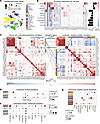 Figure 1
Modular chemokine expression enables redundant leukocyte cancer cell interactions in irradiated pancreatic cancer. (A) Schema and uniform manifold approximation and projection (UMAP) of single-nucleus RNA-sequencing data from pancreatic cancers after chemoradiotherapy from Hwang et al. (35) with color code indicating cell type (n = 97,987 cells). The most frequently applied protocols included FOLFIRINOX (± nivolumab, ± losartan) followed by hypofractionated (hypofrct.10 × 3 Gy), normofractionated (normofrct., 28 × 1.8 Gy), and stereotactic body radiotherapy (SBRT, 6 × 6 Gy) with concurrent capecitabine or 5-fluorouracil. (B) Chemokines in the irradiated pancreas are predominantly expressed in cancer cells. Heatmap indicating mean z-scored (across n = 97,987 cells) chemokine expression per cell type and row average per cell type. (C) Chemokine expression in cancer cells (left, n = 10,862) and chemokine receptor expression in immune cells (right, n = 9,768) is highly modular. Heatmaps indicating Spearman’s correlation coefficients and correlated chemokine/chemokine receptor modules retrieved by hierarchical clustering are highlighted by colored side bars. Connecting lines between modules indicate the significance of potential receptor–ligand interactions as estimated by a permutation test. (D) Chemokine modules are expressed across multiple patients (n = 21). (E) Chemokine receptor modules show cell type–specific expression (n = 12 cell types). (F) Chemokine modules are correlated with infiltration of specific leukocyte subsets expressing cognate receptors. Spearman’s correlation coefficients between mean chemokine module scores and abundance of infiltrating immune cells (as % of leukocytes) per patient (n = 21) are indicated as color code and the P values as dot sizes.
Cancer cells were the main nonimmune cell source of chemokines in the irradiated pancreatic cancer microenvironment (Figure 1B). We therefore asked whether these chemokines were modularly or homogenously expressed across cancer cells. Clustering of chemokine-chemokine correlation patterns revealed 4 distinct expression modules in cancer cells (Figure 1C), which were computationally robust and not driven by individual patients (Supplemental Figure 1C). While most patients expressed at least 1 module (19 of 21, 90.5%), we observed relevant interpatient heterogeneity (Figure 1D and Supplemental Figure 2). Module 4 included canonical SASP chemokines like CCL2, CXCL1, and CXCL8 (Figure 1C) and was expressed most promiscuously in 18 of 21 patients (85.7%) (Figure 1D). Module 3 was expressed in only 9 of 21 patients (42.9%) (Figure 1D) and included chemokines such as CCL3 and CCL7 (Figure 1C). Module 1 featured chemokines more strongly expressed on stromal cells, such as CCL19, CCL21, and CXCL12, but also the SASP chemokines CCL5 and CXCL10 (Figure 1C). Module 1 was strongly expressed in cancer cells from 2 patients, likely reflecting pancreatic cancer with a more mesenchymal phenotype (Figure 1D).
On immune cells, cognate chemokine receptors showed similar modularity, which was also computationally robust and not driven by individual patients (Figure 1C and Supplemental Figure 1C). Many modules were cell type specific (Figure 1E), like receptor module 3 (CD56dim NK cells) and receptor module 2 (granulocytes). Receptor modules 1, 4, and 7 were expressed across multiple T, NK, and myeloid cell populations. Hence, our results suggest modular expression of both chemokines in cancer cells as well as their cognate receptors in leukocytes.
We hypothesized that the observed expression modularity may result in redundant interactions between modules of chemokines in cancer cells and modules of receptors in immune cells, which explain radiation-induced chemotaxis into tumor tissue. To test this hypothesis, we modified an established permutation test (23) to assess whether receptor–ligand (RL) interactions between chemokine and receptor modules were more frequent than expected by chance. This revealed significant redundancies in possible interactions between chemokine receptor and ligand modules (Figure 1C). Chemokine module 1 interacted significantly with receptor module 4 (22 RL interactions, P = 0.026), which was expressed on multiple cell types (myeloid, T, NK, and B cells). Chemokine module 2 interacted mainly with receptor module 2 on granulocytes (6 RL interactions P = 0.0015) while chemokine modules 3 and 4 showed broad interactions with multiple receptor modules. Supporting that these candidate RL interactions were relevant for leukocyte infiltration, we found a positive correlation of chemokine module 1, 2, and 4 expression in cancer cells with the infiltration of multiple cell types of the myeloid, T, B, and NK lineages (Figure 1F). Hence, cancer cells express chemokine modules after chemoradiotherapy, which can establish redundant interactions with cognate receptor modules on immune cells and correlate with leukocyte infiltration.
Radiotherapy induces modular SASP in a patient-derived pancreatic tumor explant model. Interindividual heterogeneity and the difficulty of obtaining repeated longitudinal tissue biopsies complicate studying radiotherapy-induced SASP in patients with cancer. Cell lines and organoid systems can only partially account for the complex cell type composition, which determines chemokine concentrations in the irradiated TME because of cell type–specific expression patterns (Figure 1). We therefore established a patient-derived pancreatic tumor explant model to study SASP responses to radiotherapy in tissue ex vivo. After surgical resection, pancreatic primary tumors or hepatic metastases were sectioned into thin slices and immediately irradiated with 10 or 20 Gy or left untreated (Figure 2A and Supplemental Table 2). Cellularity and tissue integrity were comparable between treated and untreated samples (Supplemental Figure 3A). Radiotherapy induced p21 expression (Figure 2, B and C, and Supplemental Figure 3B) and senescence-associated β-galactosidase (SA-β-Gal) activity (Figure 2D) as well as established SASP factors (Figure 2E, Supplemental Figure 3C, and Supplemental Table 3), suggesting potent ex vivo induction of senescence in pancreatic tumor tissue.
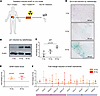 Figure 2
Photon irradiation induces modular SASP chemokine responses in an ex vivo pancreatic tumor model. (A) Schema of experimental design. (B and C) p21 is expressed in cell lysates of irradiated pancreatic cancer explants. Shown are (B) a representative immunoblot image and (C) dot plot (mean ± SD) indicating p21 density normalized to β-actin as determined in 3 independent Western blot experiments with explants from 3 patients. P value was calculated using unpaired t test. (D) SA-β-Gal is expressed in explants treated with 10 or 20 Gy photon radiation. Shown are representative microscopy images of SA-β-Gal and eosin staining of pancreatic cancer explant sections. (E) Radiotherapy induces SASP factors in explants. Dot plots showing SASP factor scores (mean fold change of 10 established SASP factors, CCL2, CCL4, CCL5, CXCL1, CXCL8, CXCL10, ICAM1, IL1a, IL6, TNFa, ± SD relative to 0 Gy) in n = 3 patients in 3 independent experiments. P values were calculated using 2-tailed 1-sample t tests. (F) Chemokines are secreted by pancreatic tumor explants after irradiation. Dot plots showing mean relative concentrations (fold change of unirradiated) ± SD of indicated chemokines (n = 3 patients).
We next asked whether photon irradiation of our explant model induced the chemokine modules we identified above in PDAC tissue of patients who received neoadjuvant chemoradiotherapy. Irradiation with a single dose of 10 or 20 Gy homogenously induced module 1 chemokines (CCL4, CCL5, CXCL9, CXCL10, CXCL12) and module 4 chemokines (CCL2, CCL11, CCL27, CXCL1, CXCL8) (Figure 2F), while module 3 chemokines (CCL3, CCL7) remained largely unaffected (Supplemental Figure 3C).
Hence, radiotherapy simultaneously induces senescence features and modular chemokine release in primary human tumor tissue.
Radiation induces modular chemotaxis by cancer cell–intrinsic effects. Radiation can induce chemokines by cancer cell–intrinsic effects, such as cGAS/stimulator of interferon genes (STING) and NF-κB signaling, or through activation of tumor-infiltrating immune cells or fibroblasts sensing tumor cell death (2, 13).
To test whether cell-intrinsic effects induced modular chemokine expression after radiotherapy, we also studied radiation effects on human cancer cell lines in vitro.
Using semiautomated microscopic quantification, we determined the dose dependencies and kinetics of cellular senescence based on SA-β-Gal staining (Methods and Supplemental Figure 4). Photon irradiation consistently induced senescence in different cancer cell types, including pancreatic adenocarcinoma (PANC-1), melanoma (SK-MEL-28), and osteosarcoma (SJSA-1) (Figure 3A and Supplemental Figure 5A). This effect was time and dose dependent, with SA-β-Gal induction starting after 4 days at doses of at least 4 Gy, with the largest effects occurring at 40 Gy (PANC-1: 6.88-fold, P < 0.001; SK-MEL-28: 9.17-fold, P < 0.001; SJSA-1: 6.85-fold, P < 0.001) (Figure 3, A and B, and Supplemental Figure 5). This suggests that photon radiation robustly elicits dose-dependent senescence features in cancer cell lines.
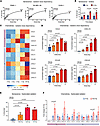 Figure 3
Photon irradiation induces dose-dependent senescence and chemokine release in vitro. (A) Photon irradiation induces the senescence marker β-galactosidase in human pancreatic cancer (PANC-1), melanoma (SK-MEL-28), and osteosarcoma (SJSA-1) cells as quantified by semiautomated microscopy (Methods). Shown is the percentage of SA-β-Gal–positive cells in 3 independent experiments (mean ± SD) 4 days after irradiation. P values were calculated using 1-way ANOVA, and significance was determined using the Holm-Šídák method. *P < 0.05, **P < 0.01, ****P < 0.0001. (B) Cellular senescence in PANC-1 cells is time dependent. Shown is the percentage of SA-β-Gal–positive cells in 3 independent experiments (mean ± SD). P values were calculated using paired t tests. (C and D) Induction of module 1 and 4 chemokines in PANC-1 cancer cells by photon irradiation is dose dependent. Chemokine concentrations in conditioned media after application of indicated radiation doses were determined in n = 3 independent experiments by flow cytometric bead-based immunoassays. (C) Shown are mean z-scored concentrations of indicated chemokines. (D) Shown are concentrations (mean ± SD) of indicated chemokines. (E) Fractioned radiotherapy induces cellular senescence. PANC-1 cancer cells were irradiated with indicated doses. For fractionation, cells were irradiated for 5 consecutive days. Shown is the percentage of SA-β-Gal–positive cells in 3 independent experiments (mean ± SD) on day 7 after start of radiotherapy. (D and E) P values were calculated with 1-way ANOVA and significance testing using the Holm-Šídák method for multiple comparisons. (F) Fractionated radiotherapy induces chemokine secretion. Indicated are relative chemokine concentrations in conditioned media of PANC-1 cancer cells irradiated with 0 Gy or 5 × 2 Gy normalized to control (mean ± SD). P values were calculated using unpaired t tests.
We next analyzed chemokine release from irradiated senescent cancer cells using multiplex protein assays. We found that radiation dose-dependently induced several chemokines in cancer cells, as observed in our tissue chemokine modules. Doses of at least 4 Gy induced module 1 (e.g., CCL5, CXCL10) and module 4 (e.g., CCL20, CXCL8) chemokines in pancreatic cancer cells, with larger effects using higher radiation doses (Figure 3, C and D). Senescence induction was conserved using clinically relevant fractionation protocols with 2 or 8 Gy single fractions administered for 5 consecutive days (5 × 2 Gy, 5 × 8 Gy) (Figure 3E). Correspondingly, 5 × 2 Gy increased secretion of module 1 (CCL5) and module 4 (CXCL8) chemokines by cancer cells (Figure 3F). Given the observed radiation dose dependency of senescence induction and chemokine release, we subsequently focused on high-dose radiotherapy to study leukocyte chemotaxis.
Similar to their expression across different patients with cancer, radiotherapy with 40 Gy induced module 1 and 4 chemokines across various investigated cell lines (Figure 4A). This was most evident for CCL5 (PANC-1: 2.89-fold, P = 0.013; SK-MEL-28: 2.76-fold, P = 0.212; SJSA-1: 9.80-fold, P = 0.001) and CXCL8 (PANC-1: 4.43-fold, P = 0.002; SK-MEL-28: 5.51-fold, P = 0.001; SJSA-1: 4.83-fold, P = 0.009). Our data suggest that cell-intrinsic effects are sufficient for the induction of multiple chemokines by photon irradiation.
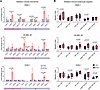 Figure 4
Photon irradiation–induced SASP triggers directional lymphocyte chemotaxis in vitro. (A) Photon irradiation (40 Gy) induces chemokine release by cancer cells as determined using a flow cytometric bead-based immunoassay. Shown are relative chemokine concentrations normalized to 0 Gy (mean ± SD). P values were calculated using unpaired t tests. (B) Photon irradiation of cancer cells causes human lymphocyte chemotaxis as determined by a flow cytometric modified Boyden chamber assay. Shown are migration indices (boxes indicating interquartile range, bar median, and whiskers range) of indicated immune cell types from 3 independent experiments and n = 6 healthy donors per cell line. P values were calculated using paired t tests.
In patients with PDAC we found chemokine modules correlating with multiple immune cell populations, suggesting redundant chemokine receptor interactions with their cognate receptors (Figure 1). To experimentally test whether radiotherapy resulted in the simultaneous recruitment of different immune cell subsets, we established a modified Boyden chamber migration assay with primary human peripheral blood mononuclear cells (Methods and Supplemental Figure 6A). The flow cytometric readout allowed us to measure chemotaxis of 5 distinct immune cell populations in parallel. Consistent with the redundant migration patterns predicted in PDAC tissue, we observed radiation-induced migration of different T and NK cell subsets (Figure 4B and Supplemental Figure 6B). In line with the induction of CXCL8 across cancer cell lines, radiation consistently induced directional migration of CD56dim NK cells (PANC-1: 1.34-fold, P = 0.007; SK-MEL-28: 1.66-fold, P = 0.010; SJSA-1: 1.36-fold, P = 0.031) (Figure 4B) — a cell type expressing the cognate receptors CXCR1 and CXCR2 (8, 39). Moreover, we observed higher CD56bright NK cell migration toward SK-MEL-28 melanoma (1.34-fold, P = 0.001) and SJSA-1 osteosarcoma cells (1.27-fold, P = 0.042) but not toward PANC-1 pancreatic cancer cells (Figure 4B). We also detected cell line–specific chemotactic patterns: CD4+ T cell migration increased toward irradiated PANC-1 pancreatic cancer cells (1.39-fold, P = 0.021), whereas CD8+ T cell chemotaxis increased toward irradiated SJSA-1 osteosarcoma cells (1.26-fold, P = 0.029). Furthermore, NKT cells significantly migrated toward SK-MEL-28 melanoma cells (1.63-fold, P = 0.007) (Figure 4B).
Hence, radiation induced the simultaneous expression of several SASP chemokines by cancer cell–intrinsic effects, resulting in the chemotaxis of multiple lymphocyte subsets bearing cognate receptors.
Radiation-induced modular chemotaxis is conserved across photon and particle radiotherapy. Radiotherapy using charged particles, such as protons or carbon ions, is an advanced radiation treatment strategy enabling more precise physical dose distribution with higher RBE. While many effects of particle radiation have been well characterized, e.g., on clonogenic survival and proliferation (31, 40, 41), its effects on SASP and chemokine release are less well studied. Therefore, we asked whether particle and photon radiotherapy differed in SASP induction and compared both physical equivalent radiation doses as well as doses leading to similar clonogenic survival (biological equivalent radiation doses) of photons, protons, and carbon ions.
In line with previous studies (42, 43), physical equivalent doses of carbon ions had a higher biological effectiveness regarding clonogenic survival as compared with photons or protons (PANC-1: RBE10 = 2.55, SK-MEL-28: RBE10 = 1.63, SJSA-1: RBE10 = 2.44) (Figure 5A). As expected, protons did not show a significant difference in RBE when compared with photons (PANC-1: RBE10 = 0.99, SK-MEL-28: RBE10 = 0.96, SJSA1: RBE10 = 0.95) (Figure 5A). At the same physical dose, carbon ion irradiation induced higher rates of senescence as compared with photon irradiation (Figure 5B, Supplemental Figure 7A, and Supplemental Figure 8A), which strongly correlated with its effects on clonogenic survival (Supplemental Figure 7B). Biological equivalent doses (based on clonogenic survival RBE10) of carbon ions, protons, and photons induced similar rates of senescence in the investigated cancer cell lines, indicating that lower physical doses of carbon ions are sufficient to achieve the same level of senescence (PANC-1: photon 10 Gy: 7.60-fold, P < 0.001; proton 10 Gy: 6.40-fold, P < 0.001; carbon 4 Gy: 5.21-fold, P = 0.001; carbon 10 Gy: 11.14-fold, P < 0.001; SK-MEL-28: photon 10 Gy: 3.28-fold, P = 0.001; proton 10 Gy: 3.08-fold, P = 0.001; carbon 6 Gy: 3.55-fold, P < 0.001; carbon 10 Gy: 4.07-fold, P < 0.001; SJSA-1: photon 10 Gy: 15.61-fold, P = 0.001; proton 10 Gy: 15.70-fold, P = 0.004; carbon 4 Gy: 15.49-fold, P = 0.007; carbon 10 Gy: 19.02-fold, P = 0.001) (Figure 5B). Hence, carbon ions show higher biological effectiveness in inducing senescence compared with photons.
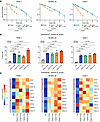 Figure 5
Particle irradiation induces cellular senescence and SASP. (A) Carbon ion irradiation inhibits clonogenic survival more strongly as compared with protons or photons. Dots indicate the surviving fraction of cells (mean ± SD) from n = 3 independent experiments. The connecting regression line was fitted using a linear quadratic model. P values were calculated using a mixed effects model. (B) Photon and particle irradiation induce SA-β-Gal. Shown is the percentage (mean ± SD) of SA-β-Gal–positive cells treated as indicated from n = 3 independent experiments. P values were calculated using 1-way ANOVA with determination of significance using the Holm-Šídák method or unpaired t tests (zig-zag line). (C) Photon and particle irradiation induce chemokine modules 1 and 4. Indicated are mean z-scored concentrations from n = 5 (PANC-1), n = 6 (SK-MEL-28), or n = 3 (SJSA-1) independent experiments as determined by flow cytometric bead-based immunoassays.
Having established the robust induction of senescence by particle irradiation, we next compared the induction of senescence-associated chemokines. At biological equivalent doses, particle and photon irradiation induced comparable release of module 1 and 4 chemokines (Figure 5C). However, physical equivalent doses of carbon ion irradiation did not substantially increase the release of most chemokines despite its much higher biological effectiveness. This suggests a plateau effect, after which dose escalation does not result in stronger chemokine release (Figure 5C). Notably, in SK-MEL-28 cells, physical equivalent doses of carbon ions resulted in a moderately higher expression of CCL20 and CXCL8 (Figure 5C and Supplemental Figure 8, B and C). This may be attributed to the greater resistance of these cells to high-dose radiation, which may have prevented them from reaching the effect plateau with 10 Gy photon radiation or biological equivalent doses of particles.
Moreover, we found similar chemotactic patterns comparing photon and particle radiation–induced immune cell chemotaxis with PANC-1 and SK-MEL 28 cells using modified Boyden chamber assays (Supplemental Figure 6A). CD56dim NK cells migrated toward irradiated cancer cell lines regardless of radiation type (Figure 6, A and B). Additionally, we observed comparable chemotaxis of CD4+ T cells and CD8+ T cells by PANC-1 pancreatic cancer cells after photon, proton, or carbon ion irradiation with biological and physical equivalent doses (Figure 6A). In line with its effect on CCL20 and CXCL8 chemokine release, physical equivalent carbon ion irradiation of SK-MEL-28 cells induced a moderately higher rate of CD56dim NK cell migration and a significant chemotaxis of NKT cells, which we did not see after photon irradiation (Figure 6B). This is likely due to the discussed radioresistance of this cell line and suggests that the effect plateau was not yet reached with 10 Gy photon radiation or biological equivalent particle doses.
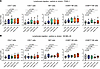 Figure 6
Particle irradiation induces directional lymphocyte migration. Photon, proton, and carbon ion irradiation of (A) PANC-1 or (B) SK-MEL-28 cancer cells induces lymphocyte chemotaxis in a flow cytometric modified Boyden chamber assay. Indicated are migration indices (boxes indicating interquartile range, bar median, and whiskers range) of immune cell subsets from n = 8 donors for each cell line from 4 independent experiments. P values were calculated using paired t tests.
Collectively, our results suggest that modular induction of multiple chemokines is a conserved feature of radiotherapy-induced SASP across different radiation types, which is associated with chemotaxis of several lymphocyte subsets. However, radiation-induced chemokine secretion saturates at higher dose ranges, resulting in similar chemokine release and chemotactic patterns after high-dose particle or photon radiotherapy.


