
Research ArticleHepatologyImmunologyMetabolism
Open Access |  10.1172/jci.insight.189882
Crosstalk between CD8+ T cells and systemic bile acid metabolism shapes antiviral immunity and immunopathology
Felix Clemens Richter,1,2 Zsofia Keszei,1,2 Csilla Viczenczova,1,2 Maximilian Baumgartner,2 Henrique G. Colaço,1,2 Magdalena Siller,1,2 Lisa Holnsteiner,3 Hatoon Baazim,2,4 Anna Hofmann,1,2 Aubrey Burrett,1,2 Anna Schönbichler,1,5 Lukas Endler,1 Joel Xu En Wong,1,2 Laura Antonio-Herrera,1,2 Oleksandr Petrenko,2,6,7,8 Fabian Amman,1,2 Jakob-Wendelin Genger,1,2 Claudia D. Fuchs,6 Hubert Scharnagl,9 Hanns-Ulrich Marschall,10 Thomas Reiberger,2,6,7 Karl S. Lang,3 Clarissa Campbell,2 Michael Trauner,6 and Andreas Bergthaler1,2
1Department of Pathophysiology, Infectiology and Immunology, Medical University of Vienna, Vienna, Austria.
2CeMM Research Center for Molecular Medicine of the Austrian Academy of Sciences, Vienna, Austria.
3Institute of Immunology, University Hospital Essen, Essen, Germany.
4Sabri Ülker Center for Metabolic Research, Department of Molecular Metabolism, Harvard T.H. Chan School of Public Health, Boston, Massachusetts, USA.
5Animal Breeding and Genetics, University of Veterinary Medicine Vienna, Vienna, Austria.
6Division of Gastroenterology and Hepatology, Department of Medicine III, and
7Vienna Hepatic Experimental Hemodynamic (HEPEX) Laboratory, Division of Gastroenterology and Hepatology, Department of Medicine III, Medical University of Vienna, Vienna, Austria.
8Ukrainian Institute for Systems Biology and Medicine, Kyiv, Ukraine.
9Clinical Institute of Medical and Chemical Laboratory Diagnostics, Medical University of Graz, Graz, Austria.
10Wallenberg Laboratory and Department of Molecular and Clinical Medicine, Institute of Medicine, Sahlgrenska Academy, University of Gothenburg, Gothenburg, Sweden.
Address correspondence to: Andreas Bergthaler, Medical University of Vienna, Institute for Hygiene and Applied Immunology, Center for Pathophysiology, Infectiology and Immunology, Kinderspitalsgasse 15, 1090 Vienna, Austria. Phone: 43.1.40160.33001; Email: andreas.bergthaler@meduniwien.ac.at.
Authorship note: FCR and ZK contributed equally to this work. HUM is deceased.
Find articles by Richter, F. in: PubMed | Google Scholar
1Department of Pathophysiology, Infectiology and Immunology, Medical University of Vienna, Vienna, Austria.
2CeMM Research Center for Molecular Medicine of the Austrian Academy of Sciences, Vienna, Austria.
3Institute of Immunology, University Hospital Essen, Essen, Germany.
4Sabri Ülker Center for Metabolic Research, Department of Molecular Metabolism, Harvard T.H. Chan School of Public Health, Boston, Massachusetts, USA.
5Animal Breeding and Genetics, University of Veterinary Medicine Vienna, Vienna, Austria.
6Division of Gastroenterology and Hepatology, Department of Medicine III, and
7Vienna Hepatic Experimental Hemodynamic (HEPEX) Laboratory, Division of Gastroenterology and Hepatology, Department of Medicine III, Medical University of Vienna, Vienna, Austria.
8Ukrainian Institute for Systems Biology and Medicine, Kyiv, Ukraine.
9Clinical Institute of Medical and Chemical Laboratory Diagnostics, Medical University of Graz, Graz, Austria.
10Wallenberg Laboratory and Department of Molecular and Clinical Medicine, Institute of Medicine, Sahlgrenska Academy, University of Gothenburg, Gothenburg, Sweden.
Address correspondence to: Andreas Bergthaler, Medical University of Vienna, Institute for Hygiene and Applied Immunology, Center for Pathophysiology, Infectiology and Immunology, Kinderspitalsgasse 15, 1090 Vienna, Austria. Phone: 43.1.40160.33001; Email: andreas.bergthaler@meduniwien.ac.at.
Authorship note: FCR and ZK contributed equally to this work. HUM is deceased.
Find articles by Keszei, Z. in: PubMed | Google Scholar
1Department of Pathophysiology, Infectiology and Immunology, Medical University of Vienna, Vienna, Austria.
2CeMM Research Center for Molecular Medicine of the Austrian Academy of Sciences, Vienna, Austria.
3Institute of Immunology, University Hospital Essen, Essen, Germany.
4Sabri Ülker Center for Metabolic Research, Department of Molecular Metabolism, Harvard T.H. Chan School of Public Health, Boston, Massachusetts, USA.
5Animal Breeding and Genetics, University of Veterinary Medicine Vienna, Vienna, Austria.
6Division of Gastroenterology and Hepatology, Department of Medicine III, and
7Vienna Hepatic Experimental Hemodynamic (HEPEX) Laboratory, Division of Gastroenterology and Hepatology, Department of Medicine III, Medical University of Vienna, Vienna, Austria.
8Ukrainian Institute for Systems Biology and Medicine, Kyiv, Ukraine.
9Clinical Institute of Medical and Chemical Laboratory Diagnostics, Medical University of Graz, Graz, Austria.
10Wallenberg Laboratory and Department of Molecular and Clinical Medicine, Institute of Medicine, Sahlgrenska Academy, University of Gothenburg, Gothenburg, Sweden.
Address correspondence to: Andreas Bergthaler, Medical University of Vienna, Institute for Hygiene and Applied Immunology, Center for Pathophysiology, Infectiology and Immunology, Kinderspitalsgasse 15, 1090 Vienna, Austria. Phone: 43.1.40160.33001; Email: andreas.bergthaler@meduniwien.ac.at.
Authorship note: FCR and ZK contributed equally to this work. HUM is deceased.
Find articles by Viczenczova, C. in: PubMed | Google Scholar
1Department of Pathophysiology, Infectiology and Immunology, Medical University of Vienna, Vienna, Austria.
2CeMM Research Center for Molecular Medicine of the Austrian Academy of Sciences, Vienna, Austria.
3Institute of Immunology, University Hospital Essen, Essen, Germany.
4Sabri Ülker Center for Metabolic Research, Department of Molecular Metabolism, Harvard T.H. Chan School of Public Health, Boston, Massachusetts, USA.
5Animal Breeding and Genetics, University of Veterinary Medicine Vienna, Vienna, Austria.
6Division of Gastroenterology and Hepatology, Department of Medicine III, and
7Vienna Hepatic Experimental Hemodynamic (HEPEX) Laboratory, Division of Gastroenterology and Hepatology, Department of Medicine III, Medical University of Vienna, Vienna, Austria.
8Ukrainian Institute for Systems Biology and Medicine, Kyiv, Ukraine.
9Clinical Institute of Medical and Chemical Laboratory Diagnostics, Medical University of Graz, Graz, Austria.
10Wallenberg Laboratory and Department of Molecular and Clinical Medicine, Institute of Medicine, Sahlgrenska Academy, University of Gothenburg, Gothenburg, Sweden.
Address correspondence to: Andreas Bergthaler, Medical University of Vienna, Institute for Hygiene and Applied Immunology, Center for Pathophysiology, Infectiology and Immunology, Kinderspitalsgasse 15, 1090 Vienna, Austria. Phone: 43.1.40160.33001; Email: andreas.bergthaler@meduniwien.ac.at.
Authorship note: FCR and ZK contributed equally to this work. HUM is deceased.
Find articles by Baumgartner, M. in: PubMed | Google Scholar
1Department of Pathophysiology, Infectiology and Immunology, Medical University of Vienna, Vienna, Austria.
2CeMM Research Center for Molecular Medicine of the Austrian Academy of Sciences, Vienna, Austria.
3Institute of Immunology, University Hospital Essen, Essen, Germany.
4Sabri Ülker Center for Metabolic Research, Department of Molecular Metabolism, Harvard T.H. Chan School of Public Health, Boston, Massachusetts, USA.
5Animal Breeding and Genetics, University of Veterinary Medicine Vienna, Vienna, Austria.
6Division of Gastroenterology and Hepatology, Department of Medicine III, and
7Vienna Hepatic Experimental Hemodynamic (HEPEX) Laboratory, Division of Gastroenterology and Hepatology, Department of Medicine III, Medical University of Vienna, Vienna, Austria.
8Ukrainian Institute for Systems Biology and Medicine, Kyiv, Ukraine.
9Clinical Institute of Medical and Chemical Laboratory Diagnostics, Medical University of Graz, Graz, Austria.
10Wallenberg Laboratory and Department of Molecular and Clinical Medicine, Institute of Medicine, Sahlgrenska Academy, University of Gothenburg, Gothenburg, Sweden.
Address correspondence to: Andreas Bergthaler, Medical University of Vienna, Institute for Hygiene and Applied Immunology, Center for Pathophysiology, Infectiology and Immunology, Kinderspitalsgasse 15, 1090 Vienna, Austria. Phone: 43.1.40160.33001; Email: andreas.bergthaler@meduniwien.ac.at.
Authorship note: FCR and ZK contributed equally to this work. HUM is deceased.
Find articles by Colaço, H. in: PubMed | Google Scholar
1Department of Pathophysiology, Infectiology and Immunology, Medical University of Vienna, Vienna, Austria.
2CeMM Research Center for Molecular Medicine of the Austrian Academy of Sciences, Vienna, Austria.
3Institute of Immunology, University Hospital Essen, Essen, Germany.
4Sabri Ülker Center for Metabolic Research, Department of Molecular Metabolism, Harvard T.H. Chan School of Public Health, Boston, Massachusetts, USA.
5Animal Breeding and Genetics, University of Veterinary Medicine Vienna, Vienna, Austria.
6Division of Gastroenterology and Hepatology, Department of Medicine III, and
7Vienna Hepatic Experimental Hemodynamic (HEPEX) Laboratory, Division of Gastroenterology and Hepatology, Department of Medicine III, Medical University of Vienna, Vienna, Austria.
8Ukrainian Institute for Systems Biology and Medicine, Kyiv, Ukraine.
9Clinical Institute of Medical and Chemical Laboratory Diagnostics, Medical University of Graz, Graz, Austria.
10Wallenberg Laboratory and Department of Molecular and Clinical Medicine, Institute of Medicine, Sahlgrenska Academy, University of Gothenburg, Gothenburg, Sweden.
Address correspondence to: Andreas Bergthaler, Medical University of Vienna, Institute for Hygiene and Applied Immunology, Center for Pathophysiology, Infectiology and Immunology, Kinderspitalsgasse 15, 1090 Vienna, Austria. Phone: 43.1.40160.33001; Email: andreas.bergthaler@meduniwien.ac.at.
Authorship note: FCR and ZK contributed equally to this work. HUM is deceased.
Find articles by Siller, M. in: PubMed | Google Scholar
1Department of Pathophysiology, Infectiology and Immunology, Medical University of Vienna, Vienna, Austria.
2CeMM Research Center for Molecular Medicine of the Austrian Academy of Sciences, Vienna, Austria.
3Institute of Immunology, University Hospital Essen, Essen, Germany.
4Sabri Ülker Center for Metabolic Research, Department of Molecular Metabolism, Harvard T.H. Chan School of Public Health, Boston, Massachusetts, USA.
5Animal Breeding and Genetics, University of Veterinary Medicine Vienna, Vienna, Austria.
6Division of Gastroenterology and Hepatology, Department of Medicine III, and
7Vienna Hepatic Experimental Hemodynamic (HEPEX) Laboratory, Division of Gastroenterology and Hepatology, Department of Medicine III, Medical University of Vienna, Vienna, Austria.
8Ukrainian Institute for Systems Biology and Medicine, Kyiv, Ukraine.
9Clinical Institute of Medical and Chemical Laboratory Diagnostics, Medical University of Graz, Graz, Austria.
10Wallenberg Laboratory and Department of Molecular and Clinical Medicine, Institute of Medicine, Sahlgrenska Academy, University of Gothenburg, Gothenburg, Sweden.
Address correspondence to: Andreas Bergthaler, Medical University of Vienna, Institute for Hygiene and Applied Immunology, Center for Pathophysiology, Infectiology and Immunology, Kinderspitalsgasse 15, 1090 Vienna, Austria. Phone: 43.1.40160.33001; Email: andreas.bergthaler@meduniwien.ac.at.
Authorship note: FCR and ZK contributed equally to this work. HUM is deceased.
Find articles by Holnsteiner, L. in: PubMed | Google Scholar
1Department of Pathophysiology, Infectiology and Immunology, Medical University of Vienna, Vienna, Austria.
2CeMM Research Center for Molecular Medicine of the Austrian Academy of Sciences, Vienna, Austria.
3Institute of Immunology, University Hospital Essen, Essen, Germany.
4Sabri Ülker Center for Metabolic Research, Department of Molecular Metabolism, Harvard T.H. Chan School of Public Health, Boston, Massachusetts, USA.
5Animal Breeding and Genetics, University of Veterinary Medicine Vienna, Vienna, Austria.
6Division of Gastroenterology and Hepatology, Department of Medicine III, and
7Vienna Hepatic Experimental Hemodynamic (HEPEX) Laboratory, Division of Gastroenterology and Hepatology, Department of Medicine III, Medical University of Vienna, Vienna, Austria.
8Ukrainian Institute for Systems Biology and Medicine, Kyiv, Ukraine.
9Clinical Institute of Medical and Chemical Laboratory Diagnostics, Medical University of Graz, Graz, Austria.
10Wallenberg Laboratory and Department of Molecular and Clinical Medicine, Institute of Medicine, Sahlgrenska Academy, University of Gothenburg, Gothenburg, Sweden.
Address correspondence to: Andreas Bergthaler, Medical University of Vienna, Institute for Hygiene and Applied Immunology, Center for Pathophysiology, Infectiology and Immunology, Kinderspitalsgasse 15, 1090 Vienna, Austria. Phone: 43.1.40160.33001; Email: andreas.bergthaler@meduniwien.ac.at.
Authorship note: FCR and ZK contributed equally to this work. HUM is deceased.
Find articles by Baazim, H. in: PubMed | Google Scholar
1Department of Pathophysiology, Infectiology and Immunology, Medical University of Vienna, Vienna, Austria.
2CeMM Research Center for Molecular Medicine of the Austrian Academy of Sciences, Vienna, Austria.
3Institute of Immunology, University Hospital Essen, Essen, Germany.
4Sabri Ülker Center for Metabolic Research, Department of Molecular Metabolism, Harvard T.H. Chan School of Public Health, Boston, Massachusetts, USA.
5Animal Breeding and Genetics, University of Veterinary Medicine Vienna, Vienna, Austria.
6Division of Gastroenterology and Hepatology, Department of Medicine III, and
7Vienna Hepatic Experimental Hemodynamic (HEPEX) Laboratory, Division of Gastroenterology and Hepatology, Department of Medicine III, Medical University of Vienna, Vienna, Austria.
8Ukrainian Institute for Systems Biology and Medicine, Kyiv, Ukraine.
9Clinical Institute of Medical and Chemical Laboratory Diagnostics, Medical University of Graz, Graz, Austria.
10Wallenberg Laboratory and Department of Molecular and Clinical Medicine, Institute of Medicine, Sahlgrenska Academy, University of Gothenburg, Gothenburg, Sweden.
Address correspondence to: Andreas Bergthaler, Medical University of Vienna, Institute for Hygiene and Applied Immunology, Center for Pathophysiology, Infectiology and Immunology, Kinderspitalsgasse 15, 1090 Vienna, Austria. Phone: 43.1.40160.33001; Email: andreas.bergthaler@meduniwien.ac.at.
Authorship note: FCR and ZK contributed equally to this work. HUM is deceased.
Find articles by Hofmann, A. in: PubMed | Google Scholar
1Department of Pathophysiology, Infectiology and Immunology, Medical University of Vienna, Vienna, Austria.
2CeMM Research Center for Molecular Medicine of the Austrian Academy of Sciences, Vienna, Austria.
3Institute of Immunology, University Hospital Essen, Essen, Germany.
4Sabri Ülker Center for Metabolic Research, Department of Molecular Metabolism, Harvard T.H. Chan School of Public Health, Boston, Massachusetts, USA.
5Animal Breeding and Genetics, University of Veterinary Medicine Vienna, Vienna, Austria.
6Division of Gastroenterology and Hepatology, Department of Medicine III, and
7Vienna Hepatic Experimental Hemodynamic (HEPEX) Laboratory, Division of Gastroenterology and Hepatology, Department of Medicine III, Medical University of Vienna, Vienna, Austria.
8Ukrainian Institute for Systems Biology and Medicine, Kyiv, Ukraine.
9Clinical Institute of Medical and Chemical Laboratory Diagnostics, Medical University of Graz, Graz, Austria.
10Wallenberg Laboratory and Department of Molecular and Clinical Medicine, Institute of Medicine, Sahlgrenska Academy, University of Gothenburg, Gothenburg, Sweden.
Address correspondence to: Andreas Bergthaler, Medical University of Vienna, Institute for Hygiene and Applied Immunology, Center for Pathophysiology, Infectiology and Immunology, Kinderspitalsgasse 15, 1090 Vienna, Austria. Phone: 43.1.40160.33001; Email: andreas.bergthaler@meduniwien.ac.at.
Authorship note: FCR and ZK contributed equally to this work. HUM is deceased.
Find articles by Burrett, A. in: PubMed | Google Scholar
1Department of Pathophysiology, Infectiology and Immunology, Medical University of Vienna, Vienna, Austria.
2CeMM Research Center for Molecular Medicine of the Austrian Academy of Sciences, Vienna, Austria.
3Institute of Immunology, University Hospital Essen, Essen, Germany.
4Sabri Ülker Center for Metabolic Research, Department of Molecular Metabolism, Harvard T.H. Chan School of Public Health, Boston, Massachusetts, USA.
5Animal Breeding and Genetics, University of Veterinary Medicine Vienna, Vienna, Austria.
6Division of Gastroenterology and Hepatology, Department of Medicine III, and
7Vienna Hepatic Experimental Hemodynamic (HEPEX) Laboratory, Division of Gastroenterology and Hepatology, Department of Medicine III, Medical University of Vienna, Vienna, Austria.
8Ukrainian Institute for Systems Biology and Medicine, Kyiv, Ukraine.
9Clinical Institute of Medical and Chemical Laboratory Diagnostics, Medical University of Graz, Graz, Austria.
10Wallenberg Laboratory and Department of Molecular and Clinical Medicine, Institute of Medicine, Sahlgrenska Academy, University of Gothenburg, Gothenburg, Sweden.
Address correspondence to: Andreas Bergthaler, Medical University of Vienna, Institute for Hygiene and Applied Immunology, Center for Pathophysiology, Infectiology and Immunology, Kinderspitalsgasse 15, 1090 Vienna, Austria. Phone: 43.1.40160.33001; Email: andreas.bergthaler@meduniwien.ac.at.
Authorship note: FCR and ZK contributed equally to this work. HUM is deceased.
Find articles by Schönbichler, A. in: PubMed | Google Scholar
1Department of Pathophysiology, Infectiology and Immunology, Medical University of Vienna, Vienna, Austria.
2CeMM Research Center for Molecular Medicine of the Austrian Academy of Sciences, Vienna, Austria.
3Institute of Immunology, University Hospital Essen, Essen, Germany.
4Sabri Ülker Center for Metabolic Research, Department of Molecular Metabolism, Harvard T.H. Chan School of Public Health, Boston, Massachusetts, USA.
5Animal Breeding and Genetics, University of Veterinary Medicine Vienna, Vienna, Austria.
6Division of Gastroenterology and Hepatology, Department of Medicine III, and
7Vienna Hepatic Experimental Hemodynamic (HEPEX) Laboratory, Division of Gastroenterology and Hepatology, Department of Medicine III, Medical University of Vienna, Vienna, Austria.
8Ukrainian Institute for Systems Biology and Medicine, Kyiv, Ukraine.
9Clinical Institute of Medical and Chemical Laboratory Diagnostics, Medical University of Graz, Graz, Austria.
10Wallenberg Laboratory and Department of Molecular and Clinical Medicine, Institute of Medicine, Sahlgrenska Academy, University of Gothenburg, Gothenburg, Sweden.
Address correspondence to: Andreas Bergthaler, Medical University of Vienna, Institute for Hygiene and Applied Immunology, Center for Pathophysiology, Infectiology and Immunology, Kinderspitalsgasse 15, 1090 Vienna, Austria. Phone: 43.1.40160.33001; Email: andreas.bergthaler@meduniwien.ac.at.
Authorship note: FCR and ZK contributed equally to this work. HUM is deceased.
Find articles by Endler, L. in: PubMed | Google Scholar
1Department of Pathophysiology, Infectiology and Immunology, Medical University of Vienna, Vienna, Austria.
2CeMM Research Center for Molecular Medicine of the Austrian Academy of Sciences, Vienna, Austria.
3Institute of Immunology, University Hospital Essen, Essen, Germany.
4Sabri Ülker Center for Metabolic Research, Department of Molecular Metabolism, Harvard T.H. Chan School of Public Health, Boston, Massachusetts, USA.
5Animal Breeding and Genetics, University of Veterinary Medicine Vienna, Vienna, Austria.
6Division of Gastroenterology and Hepatology, Department of Medicine III, and
7Vienna Hepatic Experimental Hemodynamic (HEPEX) Laboratory, Division of Gastroenterology and Hepatology, Department of Medicine III, Medical University of Vienna, Vienna, Austria.
8Ukrainian Institute for Systems Biology and Medicine, Kyiv, Ukraine.
9Clinical Institute of Medical and Chemical Laboratory Diagnostics, Medical University of Graz, Graz, Austria.
10Wallenberg Laboratory and Department of Molecular and Clinical Medicine, Institute of Medicine, Sahlgrenska Academy, University of Gothenburg, Gothenburg, Sweden.
Address correspondence to: Andreas Bergthaler, Medical University of Vienna, Institute for Hygiene and Applied Immunology, Center for Pathophysiology, Infectiology and Immunology, Kinderspitalsgasse 15, 1090 Vienna, Austria. Phone: 43.1.40160.33001; Email: andreas.bergthaler@meduniwien.ac.at.
Authorship note: FCR and ZK contributed equally to this work. HUM is deceased.
Find articles by Wong, J. in: PubMed | Google Scholar
1Department of Pathophysiology, Infectiology and Immunology, Medical University of Vienna, Vienna, Austria.
2CeMM Research Center for Molecular Medicine of the Austrian Academy of Sciences, Vienna, Austria.
3Institute of Immunology, University Hospital Essen, Essen, Germany.
4Sabri Ülker Center for Metabolic Research, Department of Molecular Metabolism, Harvard T.H. Chan School of Public Health, Boston, Massachusetts, USA.
5Animal Breeding and Genetics, University of Veterinary Medicine Vienna, Vienna, Austria.
6Division of Gastroenterology and Hepatology, Department of Medicine III, and
7Vienna Hepatic Experimental Hemodynamic (HEPEX) Laboratory, Division of Gastroenterology and Hepatology, Department of Medicine III, Medical University of Vienna, Vienna, Austria.
8Ukrainian Institute for Systems Biology and Medicine, Kyiv, Ukraine.
9Clinical Institute of Medical and Chemical Laboratory Diagnostics, Medical University of Graz, Graz, Austria.
10Wallenberg Laboratory and Department of Molecular and Clinical Medicine, Institute of Medicine, Sahlgrenska Academy, University of Gothenburg, Gothenburg, Sweden.
Address correspondence to: Andreas Bergthaler, Medical University of Vienna, Institute for Hygiene and Applied Immunology, Center for Pathophysiology, Infectiology and Immunology, Kinderspitalsgasse 15, 1090 Vienna, Austria. Phone: 43.1.40160.33001; Email: andreas.bergthaler@meduniwien.ac.at.
Authorship note: FCR and ZK contributed equally to this work. HUM is deceased.
Find articles by Antonio-Herrera, L. in: PubMed | Google Scholar
1Department of Pathophysiology, Infectiology and Immunology, Medical University of Vienna, Vienna, Austria.
2CeMM Research Center for Molecular Medicine of the Austrian Academy of Sciences, Vienna, Austria.
3Institute of Immunology, University Hospital Essen, Essen, Germany.
4Sabri Ülker Center for Metabolic Research, Department of Molecular Metabolism, Harvard T.H. Chan School of Public Health, Boston, Massachusetts, USA.
5Animal Breeding and Genetics, University of Veterinary Medicine Vienna, Vienna, Austria.
6Division of Gastroenterology and Hepatology, Department of Medicine III, and
7Vienna Hepatic Experimental Hemodynamic (HEPEX) Laboratory, Division of Gastroenterology and Hepatology, Department of Medicine III, Medical University of Vienna, Vienna, Austria.
8Ukrainian Institute for Systems Biology and Medicine, Kyiv, Ukraine.
9Clinical Institute of Medical and Chemical Laboratory Diagnostics, Medical University of Graz, Graz, Austria.
10Wallenberg Laboratory and Department of Molecular and Clinical Medicine, Institute of Medicine, Sahlgrenska Academy, University of Gothenburg, Gothenburg, Sweden.
Address correspondence to: Andreas Bergthaler, Medical University of Vienna, Institute for Hygiene and Applied Immunology, Center for Pathophysiology, Infectiology and Immunology, Kinderspitalsgasse 15, 1090 Vienna, Austria. Phone: 43.1.40160.33001; Email: andreas.bergthaler@meduniwien.ac.at.
Authorship note: FCR and ZK contributed equally to this work. HUM is deceased.
Find articles by Petrenko, O. in: PubMed | Google Scholar
1Department of Pathophysiology, Infectiology and Immunology, Medical University of Vienna, Vienna, Austria.
2CeMM Research Center for Molecular Medicine of the Austrian Academy of Sciences, Vienna, Austria.
3Institute of Immunology, University Hospital Essen, Essen, Germany.
4Sabri Ülker Center for Metabolic Research, Department of Molecular Metabolism, Harvard T.H. Chan School of Public Health, Boston, Massachusetts, USA.
5Animal Breeding and Genetics, University of Veterinary Medicine Vienna, Vienna, Austria.
6Division of Gastroenterology and Hepatology, Department of Medicine III, and
7Vienna Hepatic Experimental Hemodynamic (HEPEX) Laboratory, Division of Gastroenterology and Hepatology, Department of Medicine III, Medical University of Vienna, Vienna, Austria.
8Ukrainian Institute for Systems Biology and Medicine, Kyiv, Ukraine.
9Clinical Institute of Medical and Chemical Laboratory Diagnostics, Medical University of Graz, Graz, Austria.
10Wallenberg Laboratory and Department of Molecular and Clinical Medicine, Institute of Medicine, Sahlgrenska Academy, University of Gothenburg, Gothenburg, Sweden.
Address correspondence to: Andreas Bergthaler, Medical University of Vienna, Institute for Hygiene and Applied Immunology, Center for Pathophysiology, Infectiology and Immunology, Kinderspitalsgasse 15, 1090 Vienna, Austria. Phone: 43.1.40160.33001; Email: andreas.bergthaler@meduniwien.ac.at.
Authorship note: FCR and ZK contributed equally to this work. HUM is deceased.
Find articles by Amman, F. in: PubMed | Google Scholar
1Department of Pathophysiology, Infectiology and Immunology, Medical University of Vienna, Vienna, Austria.
2CeMM Research Center for Molecular Medicine of the Austrian Academy of Sciences, Vienna, Austria.
3Institute of Immunology, University Hospital Essen, Essen, Germany.
4Sabri Ülker Center for Metabolic Research, Department of Molecular Metabolism, Harvard T.H. Chan School of Public Health, Boston, Massachusetts, USA.
5Animal Breeding and Genetics, University of Veterinary Medicine Vienna, Vienna, Austria.
6Division of Gastroenterology and Hepatology, Department of Medicine III, and
7Vienna Hepatic Experimental Hemodynamic (HEPEX) Laboratory, Division of Gastroenterology and Hepatology, Department of Medicine III, Medical University of Vienna, Vienna, Austria.
8Ukrainian Institute for Systems Biology and Medicine, Kyiv, Ukraine.
9Clinical Institute of Medical and Chemical Laboratory Diagnostics, Medical University of Graz, Graz, Austria.
10Wallenberg Laboratory and Department of Molecular and Clinical Medicine, Institute of Medicine, Sahlgrenska Academy, University of Gothenburg, Gothenburg, Sweden.
Address correspondence to: Andreas Bergthaler, Medical University of Vienna, Institute for Hygiene and Applied Immunology, Center for Pathophysiology, Infectiology and Immunology, Kinderspitalsgasse 15, 1090 Vienna, Austria. Phone: 43.1.40160.33001; Email: andreas.bergthaler@meduniwien.ac.at.
Authorship note: FCR and ZK contributed equally to this work. HUM is deceased.
Find articles by Genger, J. in: PubMed | Google Scholar
1Department of Pathophysiology, Infectiology and Immunology, Medical University of Vienna, Vienna, Austria.
2CeMM Research Center for Molecular Medicine of the Austrian Academy of Sciences, Vienna, Austria.
3Institute of Immunology, University Hospital Essen, Essen, Germany.
4Sabri Ülker Center for Metabolic Research, Department of Molecular Metabolism, Harvard T.H. Chan School of Public Health, Boston, Massachusetts, USA.
5Animal Breeding and Genetics, University of Veterinary Medicine Vienna, Vienna, Austria.
6Division of Gastroenterology and Hepatology, Department of Medicine III, and
7Vienna Hepatic Experimental Hemodynamic (HEPEX) Laboratory, Division of Gastroenterology and Hepatology, Department of Medicine III, Medical University of Vienna, Vienna, Austria.
8Ukrainian Institute for Systems Biology and Medicine, Kyiv, Ukraine.
9Clinical Institute of Medical and Chemical Laboratory Diagnostics, Medical University of Graz, Graz, Austria.
10Wallenberg Laboratory and Department of Molecular and Clinical Medicine, Institute of Medicine, Sahlgrenska Academy, University of Gothenburg, Gothenburg, Sweden.
Address correspondence to: Andreas Bergthaler, Medical University of Vienna, Institute for Hygiene and Applied Immunology, Center for Pathophysiology, Infectiology and Immunology, Kinderspitalsgasse 15, 1090 Vienna, Austria. Phone: 43.1.40160.33001; Email: andreas.bergthaler@meduniwien.ac.at.
Authorship note: FCR and ZK contributed equally to this work. HUM is deceased.
Find articles by Fuchs, C. in: PubMed | Google Scholar
1Department of Pathophysiology, Infectiology and Immunology, Medical University of Vienna, Vienna, Austria.
2CeMM Research Center for Molecular Medicine of the Austrian Academy of Sciences, Vienna, Austria.
3Institute of Immunology, University Hospital Essen, Essen, Germany.
4Sabri Ülker Center for Metabolic Research, Department of Molecular Metabolism, Harvard T.H. Chan School of Public Health, Boston, Massachusetts, USA.
5Animal Breeding and Genetics, University of Veterinary Medicine Vienna, Vienna, Austria.
6Division of Gastroenterology and Hepatology, Department of Medicine III, and
7Vienna Hepatic Experimental Hemodynamic (HEPEX) Laboratory, Division of Gastroenterology and Hepatology, Department of Medicine III, Medical University of Vienna, Vienna, Austria.
8Ukrainian Institute for Systems Biology and Medicine, Kyiv, Ukraine.
9Clinical Institute of Medical and Chemical Laboratory Diagnostics, Medical University of Graz, Graz, Austria.
10Wallenberg Laboratory and Department of Molecular and Clinical Medicine, Institute of Medicine, Sahlgrenska Academy, University of Gothenburg, Gothenburg, Sweden.
Address correspondence to: Andreas Bergthaler, Medical University of Vienna, Institute for Hygiene and Applied Immunology, Center for Pathophysiology, Infectiology and Immunology, Kinderspitalsgasse 15, 1090 Vienna, Austria. Phone: 43.1.40160.33001; Email: andreas.bergthaler@meduniwien.ac.at.
Authorship note: FCR and ZK contributed equally to this work. HUM is deceased.
Find articles by Scharnagl, H. in: PubMed | Google Scholar
1Department of Pathophysiology, Infectiology and Immunology, Medical University of Vienna, Vienna, Austria.
2CeMM Research Center for Molecular Medicine of the Austrian Academy of Sciences, Vienna, Austria.
3Institute of Immunology, University Hospital Essen, Essen, Germany.
4Sabri Ülker Center for Metabolic Research, Department of Molecular Metabolism, Harvard T.H. Chan School of Public Health, Boston, Massachusetts, USA.
5Animal Breeding and Genetics, University of Veterinary Medicine Vienna, Vienna, Austria.
6Division of Gastroenterology and Hepatology, Department of Medicine III, and
7Vienna Hepatic Experimental Hemodynamic (HEPEX) Laboratory, Division of Gastroenterology and Hepatology, Department of Medicine III, Medical University of Vienna, Vienna, Austria.
8Ukrainian Institute for Systems Biology and Medicine, Kyiv, Ukraine.
9Clinical Institute of Medical and Chemical Laboratory Diagnostics, Medical University of Graz, Graz, Austria.
10Wallenberg Laboratory and Department of Molecular and Clinical Medicine, Institute of Medicine, Sahlgrenska Academy, University of Gothenburg, Gothenburg, Sweden.
Address correspondence to: Andreas Bergthaler, Medical University of Vienna, Institute for Hygiene and Applied Immunology, Center for Pathophysiology, Infectiology and Immunology, Kinderspitalsgasse 15, 1090 Vienna, Austria. Phone: 43.1.40160.33001; Email: andreas.bergthaler@meduniwien.ac.at.
Authorship note: FCR and ZK contributed equally to this work. HUM is deceased.
Find articles by
Marschall, H.
in:
PubMed
|
Google Scholar
|

1Department of Pathophysiology, Infectiology and Immunology, Medical University of Vienna, Vienna, Austria.
2CeMM Research Center for Molecular Medicine of the Austrian Academy of Sciences, Vienna, Austria.
3Institute of Immunology, University Hospital Essen, Essen, Germany.
4Sabri Ülker Center for Metabolic Research, Department of Molecular Metabolism, Harvard T.H. Chan School of Public Health, Boston, Massachusetts, USA.
5Animal Breeding and Genetics, University of Veterinary Medicine Vienna, Vienna, Austria.
6Division of Gastroenterology and Hepatology, Department of Medicine III, and
7Vienna Hepatic Experimental Hemodynamic (HEPEX) Laboratory, Division of Gastroenterology and Hepatology, Department of Medicine III, Medical University of Vienna, Vienna, Austria.
8Ukrainian Institute for Systems Biology and Medicine, Kyiv, Ukraine.
9Clinical Institute of Medical and Chemical Laboratory Diagnostics, Medical University of Graz, Graz, Austria.
10Wallenberg Laboratory and Department of Molecular and Clinical Medicine, Institute of Medicine, Sahlgrenska Academy, University of Gothenburg, Gothenburg, Sweden.
Address correspondence to: Andreas Bergthaler, Medical University of Vienna, Institute for Hygiene and Applied Immunology, Center for Pathophysiology, Infectiology and Immunology, Kinderspitalsgasse 15, 1090 Vienna, Austria. Phone: 43.1.40160.33001; Email: andreas.bergthaler@meduniwien.ac.at.
Authorship note: FCR and ZK contributed equally to this work. HUM is deceased.
Find articles by
Reiberger, T.
in:
PubMed
|
Google Scholar
|
1Department of Pathophysiology, Infectiology and Immunology, Medical University of Vienna, Vienna, Austria.
2CeMM Research Center for Molecular Medicine of the Austrian Academy of Sciences, Vienna, Austria.
3Institute of Immunology, University Hospital Essen, Essen, Germany.
4Sabri Ülker Center for Metabolic Research, Department of Molecular Metabolism, Harvard T.H. Chan School of Public Health, Boston, Massachusetts, USA.
5Animal Breeding and Genetics, University of Veterinary Medicine Vienna, Vienna, Austria.
6Division of Gastroenterology and Hepatology, Department of Medicine III, and
7Vienna Hepatic Experimental Hemodynamic (HEPEX) Laboratory, Division of Gastroenterology and Hepatology, Department of Medicine III, Medical University of Vienna, Vienna, Austria.
8Ukrainian Institute for Systems Biology and Medicine, Kyiv, Ukraine.
9Clinical Institute of Medical and Chemical Laboratory Diagnostics, Medical University of Graz, Graz, Austria.
10Wallenberg Laboratory and Department of Molecular and Clinical Medicine, Institute of Medicine, Sahlgrenska Academy, University of Gothenburg, Gothenburg, Sweden.
Address correspondence to: Andreas Bergthaler, Medical University of Vienna, Institute for Hygiene and Applied Immunology, Center for Pathophysiology, Infectiology and Immunology, Kinderspitalsgasse 15, 1090 Vienna, Austria. Phone: 43.1.40160.33001; Email: andreas.bergthaler@meduniwien.ac.at.
Authorship note: FCR and ZK contributed equally to this work. HUM is deceased.
Find articles by Lang, K. in: PubMed | Google Scholar
1Department of Pathophysiology, Infectiology and Immunology, Medical University of Vienna, Vienna, Austria.
2CeMM Research Center for Molecular Medicine of the Austrian Academy of Sciences, Vienna, Austria.
3Institute of Immunology, University Hospital Essen, Essen, Germany.
4Sabri Ülker Center for Metabolic Research, Department of Molecular Metabolism, Harvard T.H. Chan School of Public Health, Boston, Massachusetts, USA.
5Animal Breeding and Genetics, University of Veterinary Medicine Vienna, Vienna, Austria.
6Division of Gastroenterology and Hepatology, Department of Medicine III, and
7Vienna Hepatic Experimental Hemodynamic (HEPEX) Laboratory, Division of Gastroenterology and Hepatology, Department of Medicine III, Medical University of Vienna, Vienna, Austria.
8Ukrainian Institute for Systems Biology and Medicine, Kyiv, Ukraine.
9Clinical Institute of Medical and Chemical Laboratory Diagnostics, Medical University of Graz, Graz, Austria.
10Wallenberg Laboratory and Department of Molecular and Clinical Medicine, Institute of Medicine, Sahlgrenska Academy, University of Gothenburg, Gothenburg, Sweden.
Address correspondence to: Andreas Bergthaler, Medical University of Vienna, Institute for Hygiene and Applied Immunology, Center for Pathophysiology, Infectiology and Immunology, Kinderspitalsgasse 15, 1090 Vienna, Austria. Phone: 43.1.40160.33001; Email: andreas.bergthaler@meduniwien.ac.at.
Authorship note: FCR and ZK contributed equally to this work. HUM is deceased.
Find articles by Campbell, C. in: PubMed | Google Scholar
1Department of Pathophysiology, Infectiology and Immunology, Medical University of Vienna, Vienna, Austria.
2CeMM Research Center for Molecular Medicine of the Austrian Academy of Sciences, Vienna, Austria.
3Institute of Immunology, University Hospital Essen, Essen, Germany.
4Sabri Ülker Center for Metabolic Research, Department of Molecular Metabolism, Harvard T.H. Chan School of Public Health, Boston, Massachusetts, USA.
5Animal Breeding and Genetics, University of Veterinary Medicine Vienna, Vienna, Austria.
6Division of Gastroenterology and Hepatology, Department of Medicine III, and
7Vienna Hepatic Experimental Hemodynamic (HEPEX) Laboratory, Division of Gastroenterology and Hepatology, Department of Medicine III, Medical University of Vienna, Vienna, Austria.
8Ukrainian Institute for Systems Biology and Medicine, Kyiv, Ukraine.
9Clinical Institute of Medical and Chemical Laboratory Diagnostics, Medical University of Graz, Graz, Austria.
10Wallenberg Laboratory and Department of Molecular and Clinical Medicine, Institute of Medicine, Sahlgrenska Academy, University of Gothenburg, Gothenburg, Sweden.
Address correspondence to: Andreas Bergthaler, Medical University of Vienna, Institute for Hygiene and Applied Immunology, Center for Pathophysiology, Infectiology and Immunology, Kinderspitalsgasse 15, 1090 Vienna, Austria. Phone: 43.1.40160.33001; Email: andreas.bergthaler@meduniwien.ac.at.
Authorship note: FCR and ZK contributed equally to this work. HUM is deceased.
Find articles by Trauner, M. in: PubMed | Google Scholar
1Department of Pathophysiology, Infectiology and Immunology, Medical University of Vienna, Vienna, Austria.
2CeMM Research Center for Molecular Medicine of the Austrian Academy of Sciences, Vienna, Austria.
3Institute of Immunology, University Hospital Essen, Essen, Germany.
4Sabri Ülker Center for Metabolic Research, Department of Molecular Metabolism, Harvard T.H. Chan School of Public Health, Boston, Massachusetts, USA.
5Animal Breeding and Genetics, University of Veterinary Medicine Vienna, Vienna, Austria.
6Division of Gastroenterology and Hepatology, Department of Medicine III, and
7Vienna Hepatic Experimental Hemodynamic (HEPEX) Laboratory, Division of Gastroenterology and Hepatology, Department of Medicine III, Medical University of Vienna, Vienna, Austria.
8Ukrainian Institute for Systems Biology and Medicine, Kyiv, Ukraine.
9Clinical Institute of Medical and Chemical Laboratory Diagnostics, Medical University of Graz, Graz, Austria.
10Wallenberg Laboratory and Department of Molecular and Clinical Medicine, Institute of Medicine, Sahlgrenska Academy, University of Gothenburg, Gothenburg, Sweden.
Address correspondence to: Andreas Bergthaler, Medical University of Vienna, Institute for Hygiene and Applied Immunology, Center for Pathophysiology, Infectiology and Immunology, Kinderspitalsgasse 15, 1090 Vienna, Austria. Phone: 43.1.40160.33001; Email: andreas.bergthaler@meduniwien.ac.at.
Authorship note: FCR and ZK contributed equally to this work. HUM is deceased.
Find articles by Bergthaler, A. in: PubMed | Google Scholar
Published June 22, 2026 - More info
JCI Insight. 2026;11(12):e189882. https://doi.org/10.1172/jci.insight.189882.
© 2026 Richter et al. This work is licensed under the Creative Commons Attribution 4.0 International License. To view a copy of this license, visit http://creativecommons.org/licenses/by/4.0/.
Received: December 3, 2024; Accepted: April 24, 2026


-
Results
Chronic LCMV infection shifts BA levels and composition. To establish whether BA metabolism is affected by viral hepatitis, we quantified total BA species in the serum of mice infected with LCMV Cl13. We observed an increase in total serum BAs, which was most pronounced 12 days after infection (Figure 1A), confirming previous observations with the LCMV strain WE (37). To validate our results and gain new insights into the composition of BA levels during LCMV infection, we performed a more sensitive analysis by targeted liquid chromatography/mass spectrometry (LC-MS) across several time points on liver and serum samples. Supporting our initial findings, we observed a profound alteration in BA profiles as the viral infection progressed (Figure 1B). This shift was marked by an enrichment of predominantly host-derived and conjugated BAs in both serum and liver, which was most pronounced 8 days after infection (Supplemental Figure 1, A and B; supplemental material available online with this article; https://doi.org/10.1172/jci.insight.189882DS1), which coincides with the peak of CD8+ T cell responses (38).
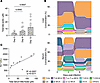 Figure 1
Viral hepatitis alters hepatic and systemic BA levels and composition. (A) Total serum BA levels of C57BL/6J mice infected with LCMV Cl13 quantified by colorimetric total BA assay. Data were pooled from 4 independent experiments (n = 12–14 mice per group) and analyzed with Kruskal-Wallis test. (B) Composition of serum and liver BA species in uninfected and LCMV Cl13–infected mice at 8 and 12 days after infection measured by LC-MS. The bump plot shows the relative proportion of each BA and its rank at distinct time points including at day 0 (uninfected), day 2, day 8, and day 12. Data are representative of 2 independent experiments (n = 5 mice per group). (C) Correlation of the hepatic damage marker ALT with systemic BA levels in the serum of C57BL/6J mice infected with LCMV Cl13 at day 12 after infection measured by LC-MS. Data were pooled from 2 independent experiments (n = 9 mice) and analyzed as simple linear regression.
Host-derived conjugated BAs are deconjugated by BSHs in the lower gastrointestinal tract. This process is pivotal for subsequent microbial modifications (5, 39). During LCMV infection, the gut microbiota undergoes a substantial compositional shift, causing gut dysbiosis (40). To examine whether the shift toward host-derived conjugated BA species may be caused by a decrease of BSH-expressing gut microbes, we performed 16S rRNA sequencing on mice infected with LCMV Cl13 or uninfected control mice and isolated fecal and cecal samples at day 8 after infection. Microbial composition was subsequently analyzed using the PICRUSt algorithm (41). Interestingly, the relative abundance of BSH-expressing bacteria was unchanged in both fecal and cecal samples (Supplemental Figure 1, C and D). In line with these findings, measurement of ex vivo BSH activity was comparable between uninfected and LCMV Cl13–infected mice (Supplemental Figure 1E). Collectively, this suggests that the accumulation of host-derived conjugated BAs in the serum and liver is likely not driven by an inability of the microbiota to process these BAs.
Alternatively, it seemed likely that the systemic accumulation of BAs could result from a direct effect of liver damage (12). Indeed, there was a positive correlation between the hepatocyte damage marker alanine aminotransferase (ALT) and the total concentration of BAs at day 12 after LCMV infection as quantified by LC-MS BA profiling (Figure 1C). Thus, direct release of host-derived conjugated BAs into the bloodstream due to hepatocyte damage may contribute to the observed shift in circulating BA profiles.
Chronic LCMV infection decreases hepatic BA metabolism gene expression. In addition to the systemic changes in BA levels and composition, we wanted to assess the impact of LCMV infection on organismal BA metabolism. Using a published dataset (42), we investigated changes in hepatic BA metabolism by LCMV Cl13 infection at both the transcriptomic and the proteomic level. Kyoto Encyclopedia of Genes and Genomes (KEGG) pathway enrichment analysis revealed a broad metabolic reprogramming in the liver during viral infection, with numerous metabolism-related KEGG pathways downregulated, especially on day 8 after infection (Supplemental Figure 2A). In contrast, ample immune-related pathways were upregulated as expected (Supplemental Figure 2B). Bile secretion was among the most downregulated KEGG pathways, together with other terms related to fatty acid and steroid metabolism (Supplemental Figure 2A). Regulated genes in this pathway included those responsible for primary BA synthesis and basolateral BA transport from the blood to the hepatocyte, as well as bile secretion, as shown in the schematic (Figure 2A). Transcripts of basolateral BA uptake transporter genes (Slc10a1, Slco1a1, Slco1a4, Slco1b2), the canalicular BA export pump gene Abcb11, and BA biosynthesis genes (Cyp7a1, Cyp27a1, Cyp2c70, Cyp39a1) were all found to be downregulated at least at one time point in transcript and protein levels (Figure 2B and Supplemental Table 2).
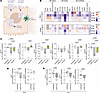 Figure 2
Chronic LCMV infection decreases the expression of genes involved in hepatic BA regulation, synthesis, and transport. (A) Overview schematic of BA homeostasis–related genes in hepatocytes that are significantly downregulated at both the transcript and protein levels at one or more time points. (B) Expression of BA homeostasis–related genes and proteins during infection with LCMV Cl13 infection based on Lercher et al. (42). FC, fold change. (C) Hepatic gene expression of BA-metabolic genes in response to LCMV Cl13 infection or pair feeding. Data are representative of 3 independent experiments (n = 4–5 mice per group) and were analyzed using 1-way ANOVA with post hoc Tukey’s multiple-comparison test. (D) Gene expression in ileum of uninfected mice and LCMV Cl13–infected mice at day 8 after infection. Data are representative of 3 independent experiments (n = 4–5 mice per group) and were analyzed using unpaired 2-tailed Student’s t test. (E) Expression of hepatic genes involved in FGF15/SHP signaling. Data were pooled from 2 independent experiments (n = 8 mice per group) and analyzed using unpaired 2-tailed Student’s t test.
We next sought to identify the driving factors behind these transcriptional changes. Chronic LCMV infection induces anorectic behavior (40, 43), which can substantially impact the regulation of BA metabolism and associated gene expression (14, 44). To confirm that the alterations in gene expression are not solely due to reduced food intake, we evaluated the expression of BA transporters and the rate-limiting BA synthesis enzyme Cyp7a1 in uninfected mice that were pair-fed an amount of food equivalent to that consumed by their Cl13-infected counterparts. We observed similar expression levels in the liver of both uninfected and pair-fed mice (Figure 2C), except for Slco1a1 and Cyp2c70, indicating that the alterations in transcript levels are not solely influenced by reduced food intake, but likely require an inflammatory response.
The downregulation of hepatic BA metabolism during chronic LCMV infection could result from an increased ileal FGF15 signaling via the hepatic FGFR4/SHP axis (14). Alternatively, hepatic BA sensing via FXR may directly induce Nr0b2 (encoding SHP) or regulate BA synthesis and transport genes (15–20, 45). To assess the role of the FGF15/FGFR4/SHP axis, we measured target gene expression in ileum and liver. Ileal Fgf15 expression was reduced, while the BA uptake transporter Slc10a2, encoding ASBT, remained unchanged (Figure 2D), arguing against increased FGF15 signaling. Consistent with this, hepatic Nr1h4 (encoding FXR) and Nr0b2 (encoding SHP) transcript levels were decreased (Figure 2E), as was the FXR-target gene Cyp7a1 in LCMV Cl13–infected mice (Figure 2E). Together, these findings suggest that suppression of genes related to hepatic BA metabolism may be largely independent of ileal FGF15 signaling and reduced food intake.
CD8+ T cells play an important role in downregulating BA transporter expression. Infection with LCMV is characterized by an early type I interferon (IFN-I) response, a potent innate antiviral cytokine, which can drive substantial metabolic alterations in the liver (42). To test whether IFN-I signaling controls BA transporter expression during viral infection, we genetically ablated the IFN-α receptor (Ifnar) in the whole mouse (Ifnar1–/–) or specifically in hepatocytes (Alb-Cre Ifnar1fl/fl). Upon infection with LCMV Cl13, mice with either whole-body or hepatocyte-specific Ifnar deficiency exhibited similar reductions in hepatic BA transporter expression (Supplemental Figure 3, A and B) compared with littermate controls. This suggests that the downregulation of BA transporters is independent of IFN-I signaling.
To address whether the adaptive immune response to Cl13 is required for the changes in BA-metabolic gene expression, we infected Rag2–/– mice, which are unable to produce mature T and B lymphocytes (46), with LCMV Cl13. Interestingly, Rag2–/– mice were protected from infection-associated downregulation of all tested genes (Figure 3A). This implicated the adaptive immune response in regulating genes involved in BA transport and synthesis. To further pinpoint the key players involved, we sought to determine whether CD8+ T cells drive the downregulation of these transporters. Administration of CD8α-depleting antibodies or genetic deletion of β2-microglobulin (B2m) successfully depleted CD8+ T cells from circulation (Supplemental Figure 3, C and D) and resulted in modulation of BA-metabolic gene expression similar to that seen in Rag2–/– mice, albeit with slightly attenuated outcomes (Figure 3, B and C).
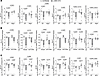 Figure 3
Downregulation of hepatic BA transporters is partially due to CD8+ T cells during LCMV Cl13 infection. (A) Hepatic expression of BA metabolism genes in response to LCMV Cl13 infection in C57BL/6J and Rag2-deficient mice at day 8 after infection. Data were pooled from 2 independent experiments (n = 5–9 mice per group) and analyzed using 2-way ANOVA with post hoc uncorrected Fisher’s least significant difference (LSD). (B) Hepatic BA metabolism gene expression in response to LCMV Cl13 infection and CD8α-depleting antibody administration at day 8 after infection. Data were pooled from 2 independent experiments (n = 6 mice per group) and analyzed using 2-way ANOVA with post hoc uncorrected Fisher’s LSD. (C) Hepatic BA metabolism gene expression in C57BL/6J and B2m-deficient mice in response to LCMV Cl13 infection at day 8 after infection. Data were pooled from 3 independent experiments (n = 5–11 mice per group) and analyzed using 2-way ANOVA with post hoc uncorrected Fisher’s LSD.
CD8+ T cells can influence target cells through the secretion of various inflammatory cytokines. To assess the impact of CD8+ T cell effector cytokines on BA transporter gene expression, we administered blocking antibodies against IL-6, TNF-α, or IFN-γ every second day. None of these treatments prevented the LCMV-induced downregulation of most BA transporters, with the exception of Abcb11 (encoding BSEP), whose suppression was partially attenuated upon IL-6 and TNF-α blockade (Supplemental Figure 4, A–D). This is in line with previous reports indicating that TNF-α can regulate Abcb11 expression in vitro (47), and suggests that IL-6 and TNF-α signaling modulates Abcb11 expression during LCMV Cl13 infection.
To test whether classical cytotoxic function of CD8+ T cells may drive the downregulation of BA metabolism genes, we infected perforin-1–knockout mice (Prf1–/–) with LCMV Cl13. Loss of Prf1 led to the expected decrease of hepatic injury as measured through ALT levels and also partly decreased other tissue damage markers including aspartate aminotransferase (AST) and lactate dehydrogenase (LDH) (Supplemental Figure 4E). Interestingly, Prf1-deficient mice only partially recovered the expression of BA metabolism genes (Supplemental Figure 4F), suggesting that additional factors may control their transcriptional regulation.
Taken together, our data demonstrate the role of adaptive immunity, particularly CD8+ T cells, in the transcriptional downregulation of hepatic BA transporters during LCMV Cl13 infection. Beyond cytokine expression and cytotoxicity of CD8+ T cells, additional CD8+-mediated mechanisms appear to modulate gene regulation of hepatic BA metabolism. These results further support our hypothesis that immune activation drives alterations in BA levels and BA transporter expression, highlighting the central role of CD8+ T cells in these changes.
Pharmacological inhibition of NTCP increases hepatic damage without affecting CD8+ T cell responses. LCMV Cl13 infection altered systemic BA metabolism and disrupted hepatic BA transporter expression, prompting us to assess whether the enterohepatic reuptake via NTCP and OATP1A/1B may affect CD8+ T cell responses. Upon infection, splenic CD8+ T cells upregulated the BA efflux transporter MDR1 (encoded by Abcb1a and Abcb1b), as well as Slco3a1 (Supplemental Figure 5, A–C), which is consistent with findings from hepatocarcinoma models (48) and intestinal CD8+ T cells (49, 50) and suggests that CD8+ T cells sense the altered BA environment.
Since LCMV infection shifted the BA pool toward conjugated host-derived species, we pharmacologically inhibited the conjugated BA transporter NTCP using Myrcludex B (Figure 4A) (7). Expectedly, NTCP inhibition boosted total serum BA levels upon infection with LCMV Cl13 (Figure 4B), potentially synergizing with the infection-induced downregulation of Slco1a and Slco1b transporters (51).
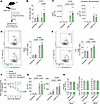 Figure 4
Inhibition of NTCP via systemic Myrcludex B administration increases hepatic damage, while having limited effects on the CD8+ T cell response. (A) Experimental setup. Mice were injected daily subcutaneously with 50 μg Myrcludex B over an 8-day time course. (B) Total BA levels in serum at day 8 after LCMV Cl13 infection. (C) Total CD8+ T cell numbers in liver and spleen at day 8 after LCMV Cl13 infection. (D) Frequency of CD69+ splenic CD8+ T cells at day 8 after infection. (E) Frequency of CD69+ CD8+ T cells in the liver at day 8 after infection. (F) Body weight development during LCMV Cl13 infection or in uninfected mice injected daily with either vehicle or Myrcludex B. (G) Blood levels of the hepatic damage markers ALT and AST at day 8 after LCMV Cl13 infection. (H) Viral loads in LCMV Cl13–infected mice upon vehicle or Myrcludex B treatment in blood, liver, and spleen at day 8 after infection. Data were pooled from 2 independent experiments (n = 4–8 mice per group) and analyzed using 2-way ANOVA with post hoc uncorrected Fisher’s LSD (B–G) or Mann-Whitney test (H).
Next, we addressed the effects of these elevated BA levels on CD8+ T cell responses. Although total CD8+ T cell numbers in spleen and liver remained comparable upon LCMV Cl13 infection (Figure 4C), we found that CD8+ T cells in both organs had a modest but consistently higher expression of the activation and tissue residency marker CD69 (Figure 4, D and E). In contrast, NTCP inhibition showed no effect on CD8+ T cell proliferation or effector functions upon LCMV Cl13 infection (Supplemental Figure 6, A–C).
Given that LCMV Cl13 infection induces CD8+ T cell–dependent liver immunopathology, we next evaluated the pathophysiological effects of NTCP inhibition during LCMV Cl13 infection. Interestingly, NTCP inhibition led to a more severe body weight loss in mice infected with LCMV Cl13 (Figure 4F) and elevated levels of the hepatic tissue damage markers ALT and AST (Figure 4G). This indicated an aggravated hepatotoxicity, while viral titers remained comparable between the infected groups (Figure 4H). These findings suggest that NTCP inhibition exacerbates liver injury largely independently of the CD8+ T cell response. Collectively, our data indicate that functional loss of NTCP increases systemic BA levels and hepatic injury, while having limited impact on the underlying CD8+ T cell response.
CD8+ T cell response is impaired in mice with genetic loss of Slco1a/1b BA transporters. Next we sought to test the consequences of loss of unconjugated BA transporter family Slco1a/1b (hereafter referred to as Slco–/–), which results in systemically high levels of unconjugated BAs (10). First, we confirmed the deletion of genes involved in the cassette, including Slco1a1 in the liver (Supplemental Figure 7A). As previously described (10), this deletion led to elevated levels of total serum BAs (Supplemental Figure 7B) and bilirubin (Supplemental Figure 7C) in uninfected mice. Following LCMV Cl13 infection (Figure 5A), Slco–/– mice showed a decrease in virus-specific CD8+ T cells in the spleen compared with littermate controls (Figure 5, B and C), despite having comparable total CD8+ T cell numbers in the spleen (Supplemental Figure 7D). Interestingly, upon infection, splenic CD8+ T cells in Slco–/– mice displayed reduced expression of the activation markers CD44 and PD-1 (Figure 5, D and E) and expression of the cellular proliferation marker Ki-67+ (Supplemental Figure 7E), indicating an impaired activation and proliferation of splenic CD8+ T cells in Slco–/– mice.
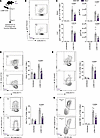 Figure 5
Impaired splenic CD8+ T cell response to LCMV Cl13 infection in mice with systemically elevated BAs. (A) Schematic of experimental design of LCMV infection in Slco–/– mice. (B) Representative flow cytometry plot of LCMV GP33–specific CD8+ T cells in the spleen 8 days after LCMV Cl13 infection. (C) Frequency and total number of LCMV GP33–specific CD8+ T cells in spleen and liver at day 8 after infection. (D and E) Frequency of CD44-expressing (D) and PD-1–expressing (E) CD8+ T cells in the spleen at day 8 after LCMV Cl13 infection. (F) Frequency of IFN-γ–producing splenic CD8+ T cells after 4 hours of restimulation with PMA and ionomycin at 8 days after infection. (G) Frequency of GZMB+PRF+ splenic CD8+ T cells at day 8 after LCMV Cl13 infection. Data were pooled from 2 independent experiments (n = 4–8 mice per group) and analyzed using 2-way ANOVA with post hoc Šidák’s multiple-comparison test (C–G).
Next, we tested whether this resulted in reduced functionality. Upon PMA/ionomycin restimulation, total CD8+ T cells from Slco–/– mice produced less IFN-γ (Figure 5F), and fewer cells expressed the cytolytic proteins granzyme B (GZMB) and perforin (PRF) (Figure 5G). These findings align with the reduced activation and presence of virus-specific CD8+ T cells in the spleen of Slco–/– mice. However, antigen-specific restimulation with immunodominant viral epitope GP33–41 showed no differences in the production of effector molecules among GP33-specific CD8+ T cells (Supplemental Figure 7F), suggesting that virus-specific CD8+ T cells in Slco–/– mice are functional upon encountering their cognate antigen, but suffer from impaired activation and expansion.
Consistent with our results in the spleen, we found a reduction in LCMV-specific CD8+ T cells in the liver (Figure 5C), which was also accompanied by a reduction in total CD8+ T cells (Supplemental Figure 8A). This led to a reduction in total numbers of activated CD8+ T cells (Supplemental Figure 8, B and C). Interestingly, CD8+ T cells of Slco–/– mice produced cytokines and cytolytic proteins similarly to CD8+ T cells of their littermate controls upon restimulation (Supplemental Figure 8D), indicating that liver-infiltrating CD8+ T cells are reduced in number, but functional.
To address whether the impaired CD8+ T cell response was lasting, we quantified CD8+ T cells in LCMV Cl13–infected Slco–/– mice and littermate controls at day 12 after infection. At this time point, we found that the CD8+ T cell response in Slco–/– mice had largely caught up to levels similar to those in littermate controls in both spleen and liver (Supplemental Figure 9, A and B). Yet, splenic virus-specific CD8+ T cells as well as the frequency of CD8+ T cells expressing CD44+ and effector molecules (IFN-γ+ and GZMB+PRF+) still tended to be reduced in Slco–/– mice (Supplemental Figure 9A).
Taken together, these results indicate that Slco1a/1b ablation impairs CD8+ T cell activation and expansion in the spleen and delays virus-specific T cell accumulation, leading to overall reduced effector response.
Loss of BA transporter family Slco1a/1b attenuates liver damage. Based on the observed impairment in CD8+ T cell activation in the Slco–/– mouse model, we wanted to assess its impact on pathophysiology and pathogen load upon viral infection. Slco–/– mice infected with LCMV exhibited a delayed onset of body weight loss compared with littermate controls (Figure 6A). Based on the reduced virus-specific T cell response, we hypothesized that viral clearance may be affected at day 8 after infection. Indeed, Slco–/– mice displayed increased viremia, and higher viral loads in the liver and spleen (Figure 6B). Consistent with the reduced T cell response and increased viremia, we found that genetic ablation of Slco1a/1b transporters led to reduced levels of the liver damage markers ALT and AST (Figure 6C). Histological assessment of liver pathology showed a decreased presence of cellular infiltrates (Figure 6D), which is in line with a decreased presence of virus-specific CD8+ T cells in the liver of Slco–/– mice infected with LCMV Cl13 (Figure 5C). To confirm the altered inflammatory state of the liver, we assessed the expression of acute-phase proteins and found that these were slightly reduced in Slco–/– mice (Figure 6E). At a later time point, Slco–/– mice caught up to comparable levels of viremia and hepatic damage compared with littermate controls (Supplemental Figure 9, C–G). This is in line with the expansion of their CD8+ T cell compartment to levels similar to those in littermate controls (Supplemental Figure 9, A and B). Together, our data suggest that loss of Slco1a/1b substantially delays CD8+ T cell responses and thereby prevents initial CD8+ T cell–driven immunopathology, possibly as a result of the high unconjugated BA levels.
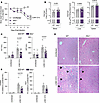 Figure 6
Loss of the BA transporters Slco1a and Slco1b reduces T cell–mediated liver damage during LCMV Cl13 infection. (A) Body weight development of Slco–/– mice or littermates infected with LCMV Cl13. (B) LCMV Cl13 titers in blood, liver, and spleen at 8 days after infection in Slco–/– mice or littermate controls. (C) Serum ALT and AST levels in Slco–/– mice or littermate controls at 8 days after infection. (D) Representative H&E staining of liver sections from WT or Slco–/– mice at day 8 after infection or left uninfected. Arrows indicate cellular infiltrates. Original magnification: ×20. (E) Hepatic gene expression of acute-phase proteins in Slco–/– mice or littermate controls at 8 days after infection. Data were pooled from 2 independent experiments (n = 4–8 mice per group) and analyzed using 2-way ANOVA (A), using 2-way ANOVA blocked for the experiment (C and E), or using 2-tailed Mann-Whitney t test (B).


