
Research ArticleCell biologyOncology
Open Access |  10.1172/jci.insight.187799
Emerin is an effector of oncogenic KRAS-driven nuclear dynamics in pancreatic cancer
Luis F. Flores,1 David L. Marks,1 Renzo E. Vera,1 Ashley N. Sigafoos,1 Ezequiel J. Tolosa,1 Luciana L. Almada,1 David R. Pease,1 Merih D. Toruner,1 Brian Chang,1 Brooke R. Tader,1 Kayla C. LaRue-Nolan,1 Ryan M. Carr,1 Rondell P. Graham,2 Catherine E. Hagen,2 Matthew R. Brown,3 Aleksey V. Matveyenko,3 Katherine L. Wilson,4 David W. Dawson,5 Christopher L. Pin,6 Kyle J. Roux,7 and Martin E. Fernandez-Zapico1
1Division of Oncology Research,
2Division of Anatomic Pathology, Department of Laboratory Medicine and Pathology, and
3Department of Physiology and Biomedical Engineering, Mayo Clinic, Rochester, Minnesota, USA.
4Department of Cell Biology, The Johns Hopkins University School of Medicine, Baltimore, Maryland, USA.
5Department of Pathology and Laboratory Medicine, David Geffen School of Medicine, UCLA, Los Angeles, California, USA.
6Departments of Physiology and Pharmacology, Oncology, and Pediatrics, Schulich School of Medicine, University of Western Ontario, Verspeeten Family Cancer Centre, London, Ontario, Canada.
7Sanford Research, Enabling Technologies Group, Sioux Falls, South Dakota, USA.
Address correspondence to: Martin E. Fernandez-Zapico, Division of Oncology Research, Mayo Clinic, 305 4th Ave. SW, Rochester, Minnesota, 55902, USA. Phone: 507.255.0285; Email: fernandezzapico.martin@mayo.edu.
Find articles by Flores, L. in: PubMed | Google Scholar
1Division of Oncology Research,
2Division of Anatomic Pathology, Department of Laboratory Medicine and Pathology, and
3Department of Physiology and Biomedical Engineering, Mayo Clinic, Rochester, Minnesota, USA.
4Department of Cell Biology, The Johns Hopkins University School of Medicine, Baltimore, Maryland, USA.
5Department of Pathology and Laboratory Medicine, David Geffen School of Medicine, UCLA, Los Angeles, California, USA.
6Departments of Physiology and Pharmacology, Oncology, and Pediatrics, Schulich School of Medicine, University of Western Ontario, Verspeeten Family Cancer Centre, London, Ontario, Canada.
7Sanford Research, Enabling Technologies Group, Sioux Falls, South Dakota, USA.
Address correspondence to: Martin E. Fernandez-Zapico, Division of Oncology Research, Mayo Clinic, 305 4th Ave. SW, Rochester, Minnesota, 55902, USA. Phone: 507.255.0285; Email: fernandezzapico.martin@mayo.edu.
Find articles by Marks, D. in: PubMed | Google Scholar
1Division of Oncology Research,
2Division of Anatomic Pathology, Department of Laboratory Medicine and Pathology, and
3Department of Physiology and Biomedical Engineering, Mayo Clinic, Rochester, Minnesota, USA.
4Department of Cell Biology, The Johns Hopkins University School of Medicine, Baltimore, Maryland, USA.
5Department of Pathology and Laboratory Medicine, David Geffen School of Medicine, UCLA, Los Angeles, California, USA.
6Departments of Physiology and Pharmacology, Oncology, and Pediatrics, Schulich School of Medicine, University of Western Ontario, Verspeeten Family Cancer Centre, London, Ontario, Canada.
7Sanford Research, Enabling Technologies Group, Sioux Falls, South Dakota, USA.
Address correspondence to: Martin E. Fernandez-Zapico, Division of Oncology Research, Mayo Clinic, 305 4th Ave. SW, Rochester, Minnesota, 55902, USA. Phone: 507.255.0285; Email: fernandezzapico.martin@mayo.edu.
Find articles by Vera, R. in: PubMed | Google Scholar
1Division of Oncology Research,
2Division of Anatomic Pathology, Department of Laboratory Medicine and Pathology, and
3Department of Physiology and Biomedical Engineering, Mayo Clinic, Rochester, Minnesota, USA.
4Department of Cell Biology, The Johns Hopkins University School of Medicine, Baltimore, Maryland, USA.
5Department of Pathology and Laboratory Medicine, David Geffen School of Medicine, UCLA, Los Angeles, California, USA.
6Departments of Physiology and Pharmacology, Oncology, and Pediatrics, Schulich School of Medicine, University of Western Ontario, Verspeeten Family Cancer Centre, London, Ontario, Canada.
7Sanford Research, Enabling Technologies Group, Sioux Falls, South Dakota, USA.
Address correspondence to: Martin E. Fernandez-Zapico, Division of Oncology Research, Mayo Clinic, 305 4th Ave. SW, Rochester, Minnesota, 55902, USA. Phone: 507.255.0285; Email: fernandezzapico.martin@mayo.edu.
Find articles by
Sigafoos, A.
in:
PubMed
|
Google Scholar
|

1Division of Oncology Research,
2Division of Anatomic Pathology, Department of Laboratory Medicine and Pathology, and
3Department of Physiology and Biomedical Engineering, Mayo Clinic, Rochester, Minnesota, USA.
4Department of Cell Biology, The Johns Hopkins University School of Medicine, Baltimore, Maryland, USA.
5Department of Pathology and Laboratory Medicine, David Geffen School of Medicine, UCLA, Los Angeles, California, USA.
6Departments of Physiology and Pharmacology, Oncology, and Pediatrics, Schulich School of Medicine, University of Western Ontario, Verspeeten Family Cancer Centre, London, Ontario, Canada.
7Sanford Research, Enabling Technologies Group, Sioux Falls, South Dakota, USA.
Address correspondence to: Martin E. Fernandez-Zapico, Division of Oncology Research, Mayo Clinic, 305 4th Ave. SW, Rochester, Minnesota, 55902, USA. Phone: 507.255.0285; Email: fernandezzapico.martin@mayo.edu.
Find articles by
Tolosa, E.
in:
PubMed
|
Google Scholar
|
1Division of Oncology Research,
2Division of Anatomic Pathology, Department of Laboratory Medicine and Pathology, and
3Department of Physiology and Biomedical Engineering, Mayo Clinic, Rochester, Minnesota, USA.
4Department of Cell Biology, The Johns Hopkins University School of Medicine, Baltimore, Maryland, USA.
5Department of Pathology and Laboratory Medicine, David Geffen School of Medicine, UCLA, Los Angeles, California, USA.
6Departments of Physiology and Pharmacology, Oncology, and Pediatrics, Schulich School of Medicine, University of Western Ontario, Verspeeten Family Cancer Centre, London, Ontario, Canada.
7Sanford Research, Enabling Technologies Group, Sioux Falls, South Dakota, USA.
Address correspondence to: Martin E. Fernandez-Zapico, Division of Oncology Research, Mayo Clinic, 305 4th Ave. SW, Rochester, Minnesota, 55902, USA. Phone: 507.255.0285; Email: fernandezzapico.martin@mayo.edu.
Find articles by Almada, L. in: PubMed | Google Scholar
1Division of Oncology Research,
2Division of Anatomic Pathology, Department of Laboratory Medicine and Pathology, and
3Department of Physiology and Biomedical Engineering, Mayo Clinic, Rochester, Minnesota, USA.
4Department of Cell Biology, The Johns Hopkins University School of Medicine, Baltimore, Maryland, USA.
5Department of Pathology and Laboratory Medicine, David Geffen School of Medicine, UCLA, Los Angeles, California, USA.
6Departments of Physiology and Pharmacology, Oncology, and Pediatrics, Schulich School of Medicine, University of Western Ontario, Verspeeten Family Cancer Centre, London, Ontario, Canada.
7Sanford Research, Enabling Technologies Group, Sioux Falls, South Dakota, USA.
Address correspondence to: Martin E. Fernandez-Zapico, Division of Oncology Research, Mayo Clinic, 305 4th Ave. SW, Rochester, Minnesota, 55902, USA. Phone: 507.255.0285; Email: fernandezzapico.martin@mayo.edu.
Find articles by Pease, D. in: PubMed | Google Scholar
1Division of Oncology Research,
2Division of Anatomic Pathology, Department of Laboratory Medicine and Pathology, and
3Department of Physiology and Biomedical Engineering, Mayo Clinic, Rochester, Minnesota, USA.
4Department of Cell Biology, The Johns Hopkins University School of Medicine, Baltimore, Maryland, USA.
5Department of Pathology and Laboratory Medicine, David Geffen School of Medicine, UCLA, Los Angeles, California, USA.
6Departments of Physiology and Pharmacology, Oncology, and Pediatrics, Schulich School of Medicine, University of Western Ontario, Verspeeten Family Cancer Centre, London, Ontario, Canada.
7Sanford Research, Enabling Technologies Group, Sioux Falls, South Dakota, USA.
Address correspondence to: Martin E. Fernandez-Zapico, Division of Oncology Research, Mayo Clinic, 305 4th Ave. SW, Rochester, Minnesota, 55902, USA. Phone: 507.255.0285; Email: fernandezzapico.martin@mayo.edu.
Find articles by Toruner, M. in: PubMed | Google Scholar
1Division of Oncology Research,
2Division of Anatomic Pathology, Department of Laboratory Medicine and Pathology, and
3Department of Physiology and Biomedical Engineering, Mayo Clinic, Rochester, Minnesota, USA.
4Department of Cell Biology, The Johns Hopkins University School of Medicine, Baltimore, Maryland, USA.
5Department of Pathology and Laboratory Medicine, David Geffen School of Medicine, UCLA, Los Angeles, California, USA.
6Departments of Physiology and Pharmacology, Oncology, and Pediatrics, Schulich School of Medicine, University of Western Ontario, Verspeeten Family Cancer Centre, London, Ontario, Canada.
7Sanford Research, Enabling Technologies Group, Sioux Falls, South Dakota, USA.
Address correspondence to: Martin E. Fernandez-Zapico, Division of Oncology Research, Mayo Clinic, 305 4th Ave. SW, Rochester, Minnesota, 55902, USA. Phone: 507.255.0285; Email: fernandezzapico.martin@mayo.edu.
Find articles by Chang, B. in: PubMed | Google Scholar
1Division of Oncology Research,
2Division of Anatomic Pathology, Department of Laboratory Medicine and Pathology, and
3Department of Physiology and Biomedical Engineering, Mayo Clinic, Rochester, Minnesota, USA.
4Department of Cell Biology, The Johns Hopkins University School of Medicine, Baltimore, Maryland, USA.
5Department of Pathology and Laboratory Medicine, David Geffen School of Medicine, UCLA, Los Angeles, California, USA.
6Departments of Physiology and Pharmacology, Oncology, and Pediatrics, Schulich School of Medicine, University of Western Ontario, Verspeeten Family Cancer Centre, London, Ontario, Canada.
7Sanford Research, Enabling Technologies Group, Sioux Falls, South Dakota, USA.
Address correspondence to: Martin E. Fernandez-Zapico, Division of Oncology Research, Mayo Clinic, 305 4th Ave. SW, Rochester, Minnesota, 55902, USA. Phone: 507.255.0285; Email: fernandezzapico.martin@mayo.edu.
Find articles by Tader, B. in: PubMed | Google Scholar
1Division of Oncology Research,
2Division of Anatomic Pathology, Department of Laboratory Medicine and Pathology, and
3Department of Physiology and Biomedical Engineering, Mayo Clinic, Rochester, Minnesota, USA.
4Department of Cell Biology, The Johns Hopkins University School of Medicine, Baltimore, Maryland, USA.
5Department of Pathology and Laboratory Medicine, David Geffen School of Medicine, UCLA, Los Angeles, California, USA.
6Departments of Physiology and Pharmacology, Oncology, and Pediatrics, Schulich School of Medicine, University of Western Ontario, Verspeeten Family Cancer Centre, London, Ontario, Canada.
7Sanford Research, Enabling Technologies Group, Sioux Falls, South Dakota, USA.
Address correspondence to: Martin E. Fernandez-Zapico, Division of Oncology Research, Mayo Clinic, 305 4th Ave. SW, Rochester, Minnesota, 55902, USA. Phone: 507.255.0285; Email: fernandezzapico.martin@mayo.edu.
Find articles by LaRue-Nolan, K. in: PubMed | Google Scholar
1Division of Oncology Research,
2Division of Anatomic Pathology, Department of Laboratory Medicine and Pathology, and
3Department of Physiology and Biomedical Engineering, Mayo Clinic, Rochester, Minnesota, USA.
4Department of Cell Biology, The Johns Hopkins University School of Medicine, Baltimore, Maryland, USA.
5Department of Pathology and Laboratory Medicine, David Geffen School of Medicine, UCLA, Los Angeles, California, USA.
6Departments of Physiology and Pharmacology, Oncology, and Pediatrics, Schulich School of Medicine, University of Western Ontario, Verspeeten Family Cancer Centre, London, Ontario, Canada.
7Sanford Research, Enabling Technologies Group, Sioux Falls, South Dakota, USA.
Address correspondence to: Martin E. Fernandez-Zapico, Division of Oncology Research, Mayo Clinic, 305 4th Ave. SW, Rochester, Minnesota, 55902, USA. Phone: 507.255.0285; Email: fernandezzapico.martin@mayo.edu.
Find articles by Carr, R. in: PubMed | Google Scholar
1Division of Oncology Research,
2Division of Anatomic Pathology, Department of Laboratory Medicine and Pathology, and
3Department of Physiology and Biomedical Engineering, Mayo Clinic, Rochester, Minnesota, USA.
4Department of Cell Biology, The Johns Hopkins University School of Medicine, Baltimore, Maryland, USA.
5Department of Pathology and Laboratory Medicine, David Geffen School of Medicine, UCLA, Los Angeles, California, USA.
6Departments of Physiology and Pharmacology, Oncology, and Pediatrics, Schulich School of Medicine, University of Western Ontario, Verspeeten Family Cancer Centre, London, Ontario, Canada.
7Sanford Research, Enabling Technologies Group, Sioux Falls, South Dakota, USA.
Address correspondence to: Martin E. Fernandez-Zapico, Division of Oncology Research, Mayo Clinic, 305 4th Ave. SW, Rochester, Minnesota, 55902, USA. Phone: 507.255.0285; Email: fernandezzapico.martin@mayo.edu.
Find articles by
Graham, R.
in:
PubMed
|
Google Scholar
|
1Division of Oncology Research,
2Division of Anatomic Pathology, Department of Laboratory Medicine and Pathology, and
3Department of Physiology and Biomedical Engineering, Mayo Clinic, Rochester, Minnesota, USA.
4Department of Cell Biology, The Johns Hopkins University School of Medicine, Baltimore, Maryland, USA.
5Department of Pathology and Laboratory Medicine, David Geffen School of Medicine, UCLA, Los Angeles, California, USA.
6Departments of Physiology and Pharmacology, Oncology, and Pediatrics, Schulich School of Medicine, University of Western Ontario, Verspeeten Family Cancer Centre, London, Ontario, Canada.
7Sanford Research, Enabling Technologies Group, Sioux Falls, South Dakota, USA.
Address correspondence to: Martin E. Fernandez-Zapico, Division of Oncology Research, Mayo Clinic, 305 4th Ave. SW, Rochester, Minnesota, 55902, USA. Phone: 507.255.0285; Email: fernandezzapico.martin@mayo.edu.
Find articles by Hagen, C. in: PubMed | Google Scholar
1Division of Oncology Research,
2Division of Anatomic Pathology, Department of Laboratory Medicine and Pathology, and
3Department of Physiology and Biomedical Engineering, Mayo Clinic, Rochester, Minnesota, USA.
4Department of Cell Biology, The Johns Hopkins University School of Medicine, Baltimore, Maryland, USA.
5Department of Pathology and Laboratory Medicine, David Geffen School of Medicine, UCLA, Los Angeles, California, USA.
6Departments of Physiology and Pharmacology, Oncology, and Pediatrics, Schulich School of Medicine, University of Western Ontario, Verspeeten Family Cancer Centre, London, Ontario, Canada.
7Sanford Research, Enabling Technologies Group, Sioux Falls, South Dakota, USA.
Address correspondence to: Martin E. Fernandez-Zapico, Division of Oncology Research, Mayo Clinic, 305 4th Ave. SW, Rochester, Minnesota, 55902, USA. Phone: 507.255.0285; Email: fernandezzapico.martin@mayo.edu.
Find articles by
Brown, M.
in:
PubMed
|
Google Scholar
|
1Division of Oncology Research,
2Division of Anatomic Pathology, Department of Laboratory Medicine and Pathology, and
3Department of Physiology and Biomedical Engineering, Mayo Clinic, Rochester, Minnesota, USA.
4Department of Cell Biology, The Johns Hopkins University School of Medicine, Baltimore, Maryland, USA.
5Department of Pathology and Laboratory Medicine, David Geffen School of Medicine, UCLA, Los Angeles, California, USA.
6Departments of Physiology and Pharmacology, Oncology, and Pediatrics, Schulich School of Medicine, University of Western Ontario, Verspeeten Family Cancer Centre, London, Ontario, Canada.
7Sanford Research, Enabling Technologies Group, Sioux Falls, South Dakota, USA.
Address correspondence to: Martin E. Fernandez-Zapico, Division of Oncology Research, Mayo Clinic, 305 4th Ave. SW, Rochester, Minnesota, 55902, USA. Phone: 507.255.0285; Email: fernandezzapico.martin@mayo.edu.
Find articles by
Matveyenko, A.
in:
PubMed
|
Google Scholar
|
1Division of Oncology Research,
2Division of Anatomic Pathology, Department of Laboratory Medicine and Pathology, and
3Department of Physiology and Biomedical Engineering, Mayo Clinic, Rochester, Minnesota, USA.
4Department of Cell Biology, The Johns Hopkins University School of Medicine, Baltimore, Maryland, USA.
5Department of Pathology and Laboratory Medicine, David Geffen School of Medicine, UCLA, Los Angeles, California, USA.
6Departments of Physiology and Pharmacology, Oncology, and Pediatrics, Schulich School of Medicine, University of Western Ontario, Verspeeten Family Cancer Centre, London, Ontario, Canada.
7Sanford Research, Enabling Technologies Group, Sioux Falls, South Dakota, USA.
Address correspondence to: Martin E. Fernandez-Zapico, Division of Oncology Research, Mayo Clinic, 305 4th Ave. SW, Rochester, Minnesota, 55902, USA. Phone: 507.255.0285; Email: fernandezzapico.martin@mayo.edu.
Find articles by Wilson, K. in: PubMed | Google Scholar
1Division of Oncology Research,
2Division of Anatomic Pathology, Department of Laboratory Medicine and Pathology, and
3Department of Physiology and Biomedical Engineering, Mayo Clinic, Rochester, Minnesota, USA.
4Department of Cell Biology, The Johns Hopkins University School of Medicine, Baltimore, Maryland, USA.
5Department of Pathology and Laboratory Medicine, David Geffen School of Medicine, UCLA, Los Angeles, California, USA.
6Departments of Physiology and Pharmacology, Oncology, and Pediatrics, Schulich School of Medicine, University of Western Ontario, Verspeeten Family Cancer Centre, London, Ontario, Canada.
7Sanford Research, Enabling Technologies Group, Sioux Falls, South Dakota, USA.
Address correspondence to: Martin E. Fernandez-Zapico, Division of Oncology Research, Mayo Clinic, 305 4th Ave. SW, Rochester, Minnesota, 55902, USA. Phone: 507.255.0285; Email: fernandezzapico.martin@mayo.edu.
Find articles by
Dawson, D.
in:
PubMed
|
Google Scholar
|
1Division of Oncology Research,
2Division of Anatomic Pathology, Department of Laboratory Medicine and Pathology, and
3Department of Physiology and Biomedical Engineering, Mayo Clinic, Rochester, Minnesota, USA.
4Department of Cell Biology, The Johns Hopkins University School of Medicine, Baltimore, Maryland, USA.
5Department of Pathology and Laboratory Medicine, David Geffen School of Medicine, UCLA, Los Angeles, California, USA.
6Departments of Physiology and Pharmacology, Oncology, and Pediatrics, Schulich School of Medicine, University of Western Ontario, Verspeeten Family Cancer Centre, London, Ontario, Canada.
7Sanford Research, Enabling Technologies Group, Sioux Falls, South Dakota, USA.
Address correspondence to: Martin E. Fernandez-Zapico, Division of Oncology Research, Mayo Clinic, 305 4th Ave. SW, Rochester, Minnesota, 55902, USA. Phone: 507.255.0285; Email: fernandezzapico.martin@mayo.edu.
Find articles by Pin, C. in: PubMed | Google Scholar
1Division of Oncology Research,
2Division of Anatomic Pathology, Department of Laboratory Medicine and Pathology, and
3Department of Physiology and Biomedical Engineering, Mayo Clinic, Rochester, Minnesota, USA.
4Department of Cell Biology, The Johns Hopkins University School of Medicine, Baltimore, Maryland, USA.
5Department of Pathology and Laboratory Medicine, David Geffen School of Medicine, UCLA, Los Angeles, California, USA.
6Departments of Physiology and Pharmacology, Oncology, and Pediatrics, Schulich School of Medicine, University of Western Ontario, Verspeeten Family Cancer Centre, London, Ontario, Canada.
7Sanford Research, Enabling Technologies Group, Sioux Falls, South Dakota, USA.
Address correspondence to: Martin E. Fernandez-Zapico, Division of Oncology Research, Mayo Clinic, 305 4th Ave. SW, Rochester, Minnesota, 55902, USA. Phone: 507.255.0285; Email: fernandezzapico.martin@mayo.edu.
Find articles by Roux, K. in: PubMed | Google Scholar
1Division of Oncology Research,
2Division of Anatomic Pathology, Department of Laboratory Medicine and Pathology, and
3Department of Physiology and Biomedical Engineering, Mayo Clinic, Rochester, Minnesota, USA.
4Department of Cell Biology, The Johns Hopkins University School of Medicine, Baltimore, Maryland, USA.
5Department of Pathology and Laboratory Medicine, David Geffen School of Medicine, UCLA, Los Angeles, California, USA.
6Departments of Physiology and Pharmacology, Oncology, and Pediatrics, Schulich School of Medicine, University of Western Ontario, Verspeeten Family Cancer Centre, London, Ontario, Canada.
7Sanford Research, Enabling Technologies Group, Sioux Falls, South Dakota, USA.
Address correspondence to: Martin E. Fernandez-Zapico, Division of Oncology Research, Mayo Clinic, 305 4th Ave. SW, Rochester, Minnesota, 55902, USA. Phone: 507.255.0285; Email: fernandezzapico.martin@mayo.edu.
Find articles by Fernandez-Zapico, M. in: PubMed | Google Scholar
Published June 10, 2025 - More info
JCI Insight. 2025;10(14):e187799. https://doi.org/10.1172/jci.insight.187799.
© 2025 Flores et al. This work is licensed under the Creative Commons Attribution 4.0 International License. To view a copy of this license, visit http://creativecommons.org/licenses/by/4.0/.
Received: October 14, 2024; Accepted: June 3, 2025


-
Results
Oncogenic KRAS reduces nuclear size in PDAC cells. To define the biological significance and mechanisms underlying nuclear size dysregulation in PDAC, we initially used a mouse cell line (1012U) derived from a doxycycline-inducible (Dox-inducible) PDAC model driven by oncogenic KrasG12D — a driver mutation present in ~ 40% of human PDAC cases (9, 10). Expression of KrasG12D led to a significant reduction in median nuclear surface area and nuclear volume of doxycycline treated (+Dox) versus nontreated cells (–Dox), as observed by DAPI nuclear staining (Figure 1A). In +Dox cells, elevated KRAS signaling was confirmed by quantitative PCR (qPCR) for Kras expression and by Western blots for the levels of phosphorylated ERK (pERK), a known downstream effector of KRAS and established marker for this activity of this GTPase (11) (Supplemental Figure 1A; supplemental material available online with this article; https://doi.org/10.1172/jci.insight.187799DS1). These results were validated in a second doxycycline-inducible KrasG12D mouse cell line (4292F) (Supplemental Figure 1B).
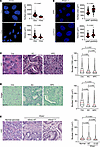 Figure 1
KRASG12D induces nuclear size reduction in PDAC. (A) –Dox and +Dox 1012U cells (DAPI stained) with quantification of nuclear surface area and nuclear volume (–Dox n = 405; +Dox n = 383 nuclei). Scale bar: 20 μm. Scatter dot plot: median ± interquartile range. Significant difference was determined by Mann Whitney U test. (B) DAPI stained iPANC-1 cells expressing either shNT or shKRAS with quantification of nuclear surface area and volume (shNT n = 121; shKRAS n = 120 nuclei). Scale bar: 10 μm. Scatter dot plot: median ± interquartile range. Significant difference was determined by Mann Whitney U test. (C) H&E staining of mouse pancreas tissue with quantification of nuclear CSA (Cre n = 159,742; KC n = 500,001; KPC n = 589,902 nuclei). Scale bar: 25 μm. Violin plot: median ± interquartile range. Significant difference was determined by Kruskal-Wallis test, followed by Dunn’s multiple-comparison test. (D) Feulgen staining of Cre, KC, and KPC mice with quantification of nuclear CSA (Cre n = 75,697; KC n = 97,900; KPC n = 97,865 nuclei). Scale bar: 200 μm. Violin plot: median ± interquartile range. Significant difference was determined by Kruskal-Wallis test, followed by Dunn’s multiple-comparison test. (E) H&E stained human normal pancreata and PDAC tissues with quantification of nuclear CSA from normal, WT and mutant (KrasG12D) samples (n = 5/case) (Normal n = 56,046; Kras WT n = 89,336; KrasG12D n = 79,679 nuclei). Scale bar: 50 μm. Violin plot: median ± interquartile range. Significant difference was determined by Kruskal-Wallis test, followed by Dunn’s multiple-comparison test.
To assess the dependency on KRAS for the nuclear size changes, we first investigated if the effect of mutant KRAS can be reversed. We grew 1012U cells in a sequential fashion in –Dox media for 72 hours (basal state) and then in +Dox media for 72 hours (induced state), followed by –Dox media for 72 hours (deinduced state). Analysis of DAPI-stained nuclei established that KRAS-driven reduction in nuclear size was reversible upon deinduction of KRASG12D (Supplemental Figure 2, A and B). Changes in Kras expression and activity were confirmed by qPCR and the levels of pERK, respectively (Supplemental Figure 2, C and D). We then evaluated the effect on nuclear size and surface in human PDAC cells (inducible PANC-1 [iPANC-1]) containing a KRASG12D mutation. In this system, doxycycline induces a shRNA against oncogenic KRAS or a shNT (nontargeting) control (Figure 1B and Supplemental Figure 1C). A second cell line was also tested using PANC-1 cells by transfecting with either KRAS or NT siRNAs (Supplemental Figure 1D). These results were confirmed in a third mutant KRAS line, nestin+ epithelial (HPNE) cells stably expressing the second most common PDAC mutation KRASG12V (HPNE-p16shRNA-KRASG12V) (9, 10), which demonstrated that knockdown of KRAS resulted in an increased nuclear size (Supplemental Figure 1E). Together, all these experiments demonstrate the requirement of mutant KRAS in the regulation of nuclear size.
To determine if other KRAS mutations can drive similar nuclear phenotype, nuclear size was examined in PDAC lines carrying KRASG12C mutation (MiaPaCa-2), and in WT lines for KRAS (BxPC3, Hs766T and HPNE) and HPNE-p16shRNA-KRASG12V. Nuclear volume and surface area were measured, and results revealed that when compared with the normal pancreatic line, HPNE, both WT KRAS cell lines (BxPC3 and Hs766T) were comparable (not significant) in nuclear size. All KRAS mutant lines containing either G12V, G12C, or G12D (PANC-1) mutations were significantly decreased in nuclear volume and surface area compared with normal or WT KRAS (Supplemental Figure 3, A and B). Based on the above results, we sought to define if disrupting the MEK/ERK signaling, the most common downstream effector of all KRAS mutants (12), affects nuclear size changes. The 1012U cells induced (+Dox) for 48 hours were treated with vehicle (DMSO) or MEKi (U0126) and imaged for immunofluorescence (IF) analysis and Western blot 24 hours after treatment. IF images showed an increase of both nuclear volume and surface area in the MEKi-treated cells compared with vehicle. Western blot analysis confirmed the efficacy of the MEKi on the pERK (Supplemental Figure 4, A–C). These data demonstrate that any mutation on KRAS resulted in reduced cell size and that inhibiting the MEK/ERK signaling cascade prevented the decreased nuclear size that was observed in PDAC cells with intact MEK/ERK signaling.
One feature of KRASG12D is the activation of mitogenic signaling, increasing the rate of cell proliferation (9, 10). It has been reported that changes in cell proliferation could affect nuclear (and overall cellular) size. Therefore, to further understand the effects on nuclear size regulation common to other PDAC mitogenic signaling, we transfected cMYC and constitutively nuclear CYCLIN D1T286A in –Dox 1012U cells (13, 14). Interestingly, overexpression of these oncogenes did not alter nuclear size (Supplemental Figure 5, A and B) but did promote cell proliferation (Supplemental Figure 5C). Expression control and localization of cMYC or nuclear CYCLIN D1T268A were performed by Western blotting and IF, respectively. Results confirmed similar expression of both cMYC and CYCLIN D1T268A in –Dox 1012U cells (Supplemental Figure 5D) and nuclear localization (Supplemental Figure 6A). These findings show that the nuclear size changes induced by KRASG12D are not common to other pathways driving PDAC cell growth. Cell crowding can affect cellular size and morphology; therefore, we aimed to define this variable by measuring the Delaunay internuclear distance (Supplemental Figure 7, A and B) and corrected for differences in nuclear size by taking the internuclear distance divided by the nuclear diameter. Our results reveal no statistical differences between –/+Dox condition (1012U) or HPNE versus HPNE-p16shRNA-KRASG12V, indicating comparable crowding under both conditions (Supplemental Figure 7, A and B). Based on these findings, we evaluated the effect of mutant KRAS on cytoplasmic size; to this end, 1012U cells in –/+Dox condition were stained with DAPI (nuclear) and ViaFluor (cytoplasmic) (Supplemental Figure 8A). Nuclear and cytoplasmic volume were measured by imaging analysis and revealed that, in +Dox condition, both were statistically reduced compared with –Dox condition, indicating that the overall size of the cell was reduced in mutant KRAS expression (Supplemental Figure 8B).
Mouse and human Mutant KRASG12D PDAC associates with smaller nuclear size. To determine if similar nuclear size changes are present in pancreatic cancer in vivo, we used 2 independent mouse PDAC models, exocrine-pancreas–specific Cre-activated mutant KRASG12D (KC) and exocrine-pancreas–specific Cre-activated KRASG12D in combination with deletion of Tp53 (KPC) (15, 16) (Supplemental Figure 9, A and B). Normal and PDAC tissues from these models were IHC stained for pERK to confirm the activation of the downstream effector of KRAS (Supplemental Figure 10A) and H&E stained to analyze nuclear size (Figure 1C). Analysis of nuclear cross-sectional area (CSA) using QuPath quantitative pathology software demonstrated reduced median nuclear CSA in tumor samples versus normal exocrine cells (Cre control) in both models (Figure 1C). Next, we evaluate if KRAS also induces nuclear changes in the most common preneoplastic conditions, the pancreatic intraepithelial neoplasia (PanIN) in KC mice, a model with a high incidence of PanIN. Nuclear CSA analysis showed PanIN’s reduced nuclear size compared with WT (Cre) mice and yet had larger nuclei compared with tumor (Supplemental Figure 11, A and B). These results indicate that, while oncogenic KRAS does affect PanIN nuclear size, lesions of PDAC still have a greater nuclear size reduction. Nuclear CSA quantification was further validated utilizing Feulgen staining and ImagePro quantitative software in Cre, KC, and KPC tissues in which we confirmed the same decrease in nuclear size in oncogenic KRAS samples as seen previously (Figure 1D). Finally, we assessed the relevance to human PDAC from KRAS mutant specimens containing tumor versus adjacent normal tissues. Consistent with observations in mouse PDAC, quantitative analysis of nuclear CSA revealed that nuclei from human mutant KRAS pancreatic tumor tissue were reduced in size compared with adjacent normal or KRAS WT PDACs (Figure 1E). IHC validation of pERK activation was done, and interestingly, while there was a range of pERK activation of WT KRAS and mutant KRAS, overall pERK expression was higher in mutant KRAS PDAC cases (Supplemental Figure 10B). We conclude that oncogenic KRAS expression decreases nuclear size in PDAC models, and our evidence suggests that decreased nuclear size in human PDAC may also be a consequence of oncogenic KRAS signaling.
EMD is an effector of oncogenic KRAS to control nuclear size. Alterations of NE protein levels play a role in nuclear size regulation under normal and disease conditions (3–5, 17–19). Therefore, we examined changes of widely known components of the NE (20) upon induction of KRASG12D. RNA-Seq analysis showed dysregulation of several genes encoding NE proteins following KRASG12D induction in 1012U line (Figure 2A). We confirmed RNA-Seq changes by Western blotting for select, well-known NE proteins ranging from highly expressed mRNAs in mutant KRAS expressing cells (1012U +Dox) — i.e., LAP2β (gene name Tmpo) — to lowly expressed mRNAs — i.e., EMD and SUN2 (Figure 2, B and D). Densitometry analysis was performed to determine protein levels relative to vinculin loading control (Figure 2, C and E). Notably, EMD protein levels were significantly increased in KRASG12D-expressing cells despite a lack of increase in its mRNA expression (Figure 2, D and E). These results were further validated in a second inducible mouse and human models, 4292F and iPANC-1, respectively. Western blot and its corresponding densitometry showed an increase of relative EMD protein levels in 4292F under mutant KRAS (+Dox) condition. Conversely, knockdown of KRAS in iPANC-1 cells lowered the levels of EMD (Supplemental Figure 12, A and B). EMD is an interesting candidate, as it is canonically an inner NE transmembrane protein, with a wide range of roles including tethering chromatin to the nuclear periphery, acting as an effector of mechanotransduction activity, and functioning as a structural component of the nucleus (21–24). EMD has also been implicated in metastatic potential of other cancer types (25–27). EMD had a significant increase in protein levels in KRASG12D-induced cells, without a significant increase in mRNA levels (Figure 2E), suggesting alterations in protein stability. We postulated that increased EMD protein levels in KRASG12D-expressing cells were due to an enhanced protein half-life. Therefore, we performed a cycloheximide chase assay and confirmed that EMD’s half-life was increased in KRASG12D-induced cells (Figure 2F).
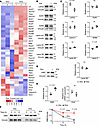 Figure 2
EMD protein levels are stabilized by oncogenic KRAS. (A) RNA-Seq heatmap of nuclear envelope genes from –Dox and +Dox 1012U cells (n = 3/group) 72 hours after doxycycline treatment. (B) Western blot screen of nuclear envelope proteins in 1012U cell under –/+Dox condition. (C) Densitometry for nuclear envelope proteins normalized to Vinculin (n = 3/group). Scatter dot plot: mean ± SEM. Significant difference was determined by Student’s t test. (D) Western blot of EMD protein with Vinculin loading control in 1012U –/+Dox condition. (E) Densitometry for EMD protein levels normalized to Vinculin and qPCR of EMD gene expression relative to mPrt/Tbp (n ≥ 3). Scatter dot plot: mean ± SEM. Significant difference was determined by Student’s t test (protein expression) and Mann Whitney U test (mRNA expression). (F) Cycloheximide assay for 0-, 6-, and 12-hour time points in 1012U –/+Dox condition followed by EMD Western blot with densitometry quantification relative to Vinculin (n = 3/group). Line plot: mean ± SEM. Significant difference at each time point was determined by Student’s t test.
Having identified EMD as candidate effector of KRAS, we tested its ability to regulate nuclear size. EMD depletion by small interfering-RNA (siRNA) (shown by IF) led to increased median nuclear surface area and volume in both KRASG12D mutant induced murine 1012U (+Dox) cells and in human PANC-1 cells carrying the same mutant KRAS (Figure 3, A and B). Increase in nuclear size due to EMD depletion in +Dox 1012U cells was validated using an independent EMD siRNA pool (Supplemental Figure 13A). Thus, we identified EMD as a NE protein increased upon KRASG12D induction and showed that its depletion suppressed nuclear size reduction in KRASG12D-expressing cells (1012U +Dox), suggesting that EMD is a candidate effector of KRASG12D induced changes.
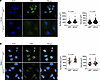 Figure 3
EMD is required by KRASG12D to regulate nuclear size. (A) IF of +Dox condition 1012U cells transfected with siNT and siEMD, with quantification of nuclear surface area and volume (siNT n = 226; siEMD n = 233 nuclei). (B) Nuclear surface and volume quantification (siNT n = 143; siEMD n = 115 nuclei) of PANC-1 cells transfected with siNT and siEMD. (A and B) Scale bars: 10 μm. Scatter dot plot: median ± interquartile range. Significant difference was determined by Mann Whitney U test.
To gain further insight into the specificity of nuclear size regulation by EMD, we performed siRNA-mediated depletion of additional NE proteins, Lamin A/C and Lamin B1, in KRASG12D-induced cells (1012U +Dox). Interestingly, nuclear size was not affected by Lamin A/C or Lamin B1 depletion (Supplemental Figure 14, A and B). We suspect that lamin depletion does not affect nuclear size as EMD does for a number of reasons. First, EMD is distinct from lamins by having its own unique set of binding partners. Second, A- and B-type lamins may compensate for one another, masking the effects of knockdowns. Third, EMD is known to localize to various compartments outside the nucleus such as the outer nuclear membrane and endoplasmic reticulum, providing broader ways to affect cell biology. Finally, neither A- or B-type lamin protein levels change in oncogenic KRAS–expressing PDAC cells, suggesting that lamin protein levels do not contribute to the nuclear phenotype produced by oncogenic KRAS signaling.
We then performed line scans to determine the localization of EMD with and without KRASG12D in 1012U cells. Results confirmed increased enrichment of EMD to nuclear periphery under +Dox versus –Dox condition with 72% and 52%, respectively (Supplemental Figure 15, A and B). Additional IF was performed to determine if depletion of EMD affects cellular structural components such as α-tubulin and centrin (Supplemental Figure 16, A and B) or phalloidin and cytokeratins (Supplemental Figure 17, A and B) as markers of cilia, microtubules, cytoskeleton, and epithelial cells, respectively. Images indicated that 1012U +Dox under siNT or siEMD treatment appeared similar in localization, organization, and expression in both conditions.
EMD modulates KRAS-induced pancreatic carcinogenesis. Next, to determine if EMD could regulate KRAS oncogenic function, we knocked down EMD and performed proliferation assays on 2 different cell lines. We found that, upon EMD knockdown in both mouse and human cell lines (1012U +Dox and HPNE-p16shRNA-KRASG12V), there is a statically significant decrease in proliferation at both 48 and 72 hours (Supplemental Figure 18A). Western blots were performed and confirmed protein reduction of EMD at 48- and 72-hour time points (Supplemental Figure 18B). These findings prompted us to study the in vivo role of EMD in PDAC biology and nuclear size regulation. To accomplish this, we generated exocrine pancreas–specific Emd-KO (Emd+/– or Emd–/–) mice using the established pancreas-specific p48-Cre-lox recombination mouse model Cre-Emd+/– or Emd–/– (CE) (Supplemental Figure 19A). Proper mice recombination and decreased Emd expression were confirmed via PCR and qPCR, respectively (Supplemental Figure 19B). Due to Emd being a x-linked gene, all heterozygous mice for Emd are female. Previous work involving mice lacking Emd demonstrated that there were no overt phenotypes (23, 28), and as expected, Cre and CE mice were viable and born at the expected Mendelian ratio. Tissue analysis of pancreas from Cre control mice and CE mice demonstrated normal pancreatic development (Supplemental Figure 19D). Furthermore, we examined pancreatic markers of differentiation and function by IF and observed similar staining patterns of amylase (exocrine pancreas), insulin, and glucagon (endocrine pancreas) expression and showed comparable percent β cell area between Cre and CE mice (Supplemental Figure 19, C and E). Thus, we conclude that animals with Emd loss do not present apparent developmental abnormalities and have pancreata within normal limits similar to WT mice.
We generated KPC and KPC with Emd–/– KO (KPCE) mice (Figure 4A) to investigate how Emd affected nuclear size and PDAC biology in vivo. A mouse model was confirmed with proper recombination, decreased mRNA expression, and loss of protein levels for EMD in mouse pancreas tissue (Figure 4, B–D). Tumor incidence between the 3 genotypes was similar, with a slight increase of tumor incidence in the KPCE–/– cohort (89%) versus KPC and KPCE+/– (71% and 70%, respectively) cohorts (Supplemental Figure 20A). Additionally, tumor weight, body weight, and percent tumor were not observed to be different among the 3 genotypes (P = 0.64, 0.57, and 0.60) (Supplemental Figure 20B). Kaplan-Meier analysis of overall survival showed no significant difference (P = 0.3028) between KPC, KPCE+/–, or KPCE–/–, with median survival being 209, 199, and 175 days, respectively (Supplemental Figure 20C). IHC was performed to demonstrate the reduction of EMD in KPCE+/– and KPCE–/– compared with the KPC group (Figure 4E). Next, utilizing whole-slide imaging, we quantified nuclear CSA in H&E images of pancreatic tumors and observed that Emd depletion led to increased nuclear size in vivo (Figure 4, E and F). Similar to the in vitro models, we determine the Delaunay internuclear distances in H&E images that were used to measure nuclear CSA from KC, KPC, KPCE+/–, or KPCE–/– (Supplemental Figure 21A). When using the Delaunay internuclear distance divided by the diameter of nucleus, to correct for nuclear size differences, results showed no statistical difference in crowding of KC, KPC, KPCE+/–, and KPCE–/– (Supplemental Figure 21B). Emd depletion in PDAC tissue also led to an increased percentage of mice with moderately differentiated tumors, which is associated with a more positive outcome in PDAC (Figure 4G). Finally, we examined the expression of EMD in human PDAC and its association with tumor grade. In agreement with the mouse model results, poorly differentiated tumors showed higher levels of EMD (Figure 4H).
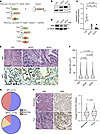 Figure 4
EMD is an effector of nuclear size change downstream of oncogenic KRAS in vivo. (A) Schematic representing animal crosses to generate Ptf1a-Cre, LSL-KrasG12D, Trp53+/–, EMD+/–, or EMD–/– (KPCE) mice using Ptf1a-Cre, LSL-KrasG12D, or Trp53+/– (KPC) with EMD+/– or EMD–/– mice. (B) Pancreatic tissue confirmation of EMD recombination. WT = 349 bp, Emd+/– = 349/490 bp, Emd–/– = 490 bp. (C) qPCR of Emd expression relative to mPrt/Tbp in pancreata from KPC (n = 4), KPCE+/– (n = 3), and KPCE–/– (n = 9) mice. Scatter dot plot: mean ± SEM. Significant difference was determined by ANOVA, followed by Tukey’s multiple-comparison test. (D) Western blot of mice pancreas for EMD protein level with α-tubulin loading control. (E) H&E-stained pancreatic tumors from KPC, KPCE+/–, and KPCE–/– mice. Scale bar: 50 μm. IHC staining of EMD; arrow heads indicate positive EMD expression. Scale bar: 200 μm. (F) Quantification of nuclear CSA from H&E-stained pancreatic tumors from KPC, KPCE+/–,, and KPCE–/– mice (KPC n = 456,858 nuclei; KPCE+/– n = 572,027 nuclei; KPCE–/– n = 451,757 nuclei). Violin plot: median ± interquartile range. Significant difference was determined by Kruskal-Wallis test, followed by Dunn’s multiple-comparison test. (G) Histopathological analysis of KPC (n = 11) and KPCE–/– (n = 16) pancreatic tumors. (H) H&E and IHC staining of EMD in moderately and poorly differentiated human PDAC samples, and quantification of EMD intensity by grade. Moderately differentiated PDAC nuclei = 47,963 from n = 22 cases, poorly differentiated PDAC nuclei = 50,056 nuclei from n = 15 cases. Scale bar: 80 μm. Violin plot: median ± interquartile range. Significant difference was determined by Mann Whitney U test.
It is generally accepted that nuclei become enlarged at initial stages of PDAC development; however, to our knowledge, there has not been a thorough analysis of nuclear size in PDAC cell lines and primary tissue (29). Our observations show that a reduced nuclear size is specific to oncogenic Kras and not cMyc or Cyclin D1T286A expression in PDAC cells; this may partially explain why cancer types reliant on distinct oncogenic signaling networks have an increase in nuclear size, while others have a decreased nuclear size. Considering our findings in the current paradigm of PDAC nuclear size, we propose that nuclear size dysregulation in PDAC may result in some nuclei that are larger than those of normal tissue; however, at the population level, there is a significant shift toward smaller nuclei, which can be attributed to robust oncogenic KRAS signaling.


