
Research ArticleEndocrinologyGenetics
Open Access |  10.1172/jci.insight.184140
Noncoding variation near UBE2E2 orchestrates cardiometabolic pathophenotypes through polygenic effectors
Yang Zhang,1,2,3 Natalie L. David,2 Tristan Pesaresi,2,3 Rosemary E. Andrews,2 G.V. Naveen Kumar,2 Hongyin Chen,1 Wanning Qiao,1 Jinzhao Yang,1 Kareena Patel,2,4 Tania Amorim,2,5 Ankit X. Sharma,2 Silvia Liu,6,7 and Matthew L. Steinhauser2,3,8
1School of Public Health (Shenzhen), Sun Yat-sen University, Shenzhen, Guangdong, China.
2Aging Institute, University of Pittsburgh School of Medicine, Pittsburgh, Pennsylvania, USA.
3Division of Genetics, Brigham and Women’s Hospital, Harvard Medical School, Boston, Massachusetts, USA.
4Department of Human Genetics, University of Pittsburgh, School of Public Health, Pittsburgh, Pennsylvania, USA.
5Division of Endocrinology and Metabolism, Department of Medicine, University of Pittsburgh School of Medicine, Pittsburgh, Pennsylvania, USA.
6Department of Pathology, University of Pittsburgh School of Medicine, Pittsburgh, Pennsylvania, USA.
7Pittsburgh Liver Research Center, University of Pittsburgh, Pittsburgh, Pennsylvania, USA.
8Division of Cardiology, Department of Medicine, University of Pittsburgh School of Medicine, Pittsburgh, Pennsylvania, USA.
Address correspondence to: Matthew L. Steinhauser, 100 Technology Drive, Bridgeside Point 1 Pittsburgh Pennsylvania 15219, USA. Email: msteinhauser@pitt.edu.
Find articles by Zhang, Y. in: PubMed | Google Scholar
1School of Public Health (Shenzhen), Sun Yat-sen University, Shenzhen, Guangdong, China.
2Aging Institute, University of Pittsburgh School of Medicine, Pittsburgh, Pennsylvania, USA.
3Division of Genetics, Brigham and Women’s Hospital, Harvard Medical School, Boston, Massachusetts, USA.
4Department of Human Genetics, University of Pittsburgh, School of Public Health, Pittsburgh, Pennsylvania, USA.
5Division of Endocrinology and Metabolism, Department of Medicine, University of Pittsburgh School of Medicine, Pittsburgh, Pennsylvania, USA.
6Department of Pathology, University of Pittsburgh School of Medicine, Pittsburgh, Pennsylvania, USA.
7Pittsburgh Liver Research Center, University of Pittsburgh, Pittsburgh, Pennsylvania, USA.
8Division of Cardiology, Department of Medicine, University of Pittsburgh School of Medicine, Pittsburgh, Pennsylvania, USA.
Address correspondence to: Matthew L. Steinhauser, 100 Technology Drive, Bridgeside Point 1 Pittsburgh Pennsylvania 15219, USA. Email: msteinhauser@pitt.edu.
Find articles by David, N. in: PubMed | Google Scholar
1School of Public Health (Shenzhen), Sun Yat-sen University, Shenzhen, Guangdong, China.
2Aging Institute, University of Pittsburgh School of Medicine, Pittsburgh, Pennsylvania, USA.
3Division of Genetics, Brigham and Women’s Hospital, Harvard Medical School, Boston, Massachusetts, USA.
4Department of Human Genetics, University of Pittsburgh, School of Public Health, Pittsburgh, Pennsylvania, USA.
5Division of Endocrinology and Metabolism, Department of Medicine, University of Pittsburgh School of Medicine, Pittsburgh, Pennsylvania, USA.
6Department of Pathology, University of Pittsburgh School of Medicine, Pittsburgh, Pennsylvania, USA.
7Pittsburgh Liver Research Center, University of Pittsburgh, Pittsburgh, Pennsylvania, USA.
8Division of Cardiology, Department of Medicine, University of Pittsburgh School of Medicine, Pittsburgh, Pennsylvania, USA.
Address correspondence to: Matthew L. Steinhauser, 100 Technology Drive, Bridgeside Point 1 Pittsburgh Pennsylvania 15219, USA. Email: msteinhauser@pitt.edu.
Find articles by Pesaresi, T. in: PubMed | Google Scholar
1School of Public Health (Shenzhen), Sun Yat-sen University, Shenzhen, Guangdong, China.
2Aging Institute, University of Pittsburgh School of Medicine, Pittsburgh, Pennsylvania, USA.
3Division of Genetics, Brigham and Women’s Hospital, Harvard Medical School, Boston, Massachusetts, USA.
4Department of Human Genetics, University of Pittsburgh, School of Public Health, Pittsburgh, Pennsylvania, USA.
5Division of Endocrinology and Metabolism, Department of Medicine, University of Pittsburgh School of Medicine, Pittsburgh, Pennsylvania, USA.
6Department of Pathology, University of Pittsburgh School of Medicine, Pittsburgh, Pennsylvania, USA.
7Pittsburgh Liver Research Center, University of Pittsburgh, Pittsburgh, Pennsylvania, USA.
8Division of Cardiology, Department of Medicine, University of Pittsburgh School of Medicine, Pittsburgh, Pennsylvania, USA.
Address correspondence to: Matthew L. Steinhauser, 100 Technology Drive, Bridgeside Point 1 Pittsburgh Pennsylvania 15219, USA. Email: msteinhauser@pitt.edu.
Find articles by Andrews, R. in: PubMed | Google Scholar
1School of Public Health (Shenzhen), Sun Yat-sen University, Shenzhen, Guangdong, China.
2Aging Institute, University of Pittsburgh School of Medicine, Pittsburgh, Pennsylvania, USA.
3Division of Genetics, Brigham and Women’s Hospital, Harvard Medical School, Boston, Massachusetts, USA.
4Department of Human Genetics, University of Pittsburgh, School of Public Health, Pittsburgh, Pennsylvania, USA.
5Division of Endocrinology and Metabolism, Department of Medicine, University of Pittsburgh School of Medicine, Pittsburgh, Pennsylvania, USA.
6Department of Pathology, University of Pittsburgh School of Medicine, Pittsburgh, Pennsylvania, USA.
7Pittsburgh Liver Research Center, University of Pittsburgh, Pittsburgh, Pennsylvania, USA.
8Division of Cardiology, Department of Medicine, University of Pittsburgh School of Medicine, Pittsburgh, Pennsylvania, USA.
Address correspondence to: Matthew L. Steinhauser, 100 Technology Drive, Bridgeside Point 1 Pittsburgh Pennsylvania 15219, USA. Email: msteinhauser@pitt.edu.
Find articles by Kumar, G. in: PubMed | Google Scholar
1School of Public Health (Shenzhen), Sun Yat-sen University, Shenzhen, Guangdong, China.
2Aging Institute, University of Pittsburgh School of Medicine, Pittsburgh, Pennsylvania, USA.
3Division of Genetics, Brigham and Women’s Hospital, Harvard Medical School, Boston, Massachusetts, USA.
4Department of Human Genetics, University of Pittsburgh, School of Public Health, Pittsburgh, Pennsylvania, USA.
5Division of Endocrinology and Metabolism, Department of Medicine, University of Pittsburgh School of Medicine, Pittsburgh, Pennsylvania, USA.
6Department of Pathology, University of Pittsburgh School of Medicine, Pittsburgh, Pennsylvania, USA.
7Pittsburgh Liver Research Center, University of Pittsburgh, Pittsburgh, Pennsylvania, USA.
8Division of Cardiology, Department of Medicine, University of Pittsburgh School of Medicine, Pittsburgh, Pennsylvania, USA.
Address correspondence to: Matthew L. Steinhauser, 100 Technology Drive, Bridgeside Point 1 Pittsburgh Pennsylvania 15219, USA. Email: msteinhauser@pitt.edu.
Find articles by Chen, H. in: PubMed | Google Scholar
1School of Public Health (Shenzhen), Sun Yat-sen University, Shenzhen, Guangdong, China.
2Aging Institute, University of Pittsburgh School of Medicine, Pittsburgh, Pennsylvania, USA.
3Division of Genetics, Brigham and Women’s Hospital, Harvard Medical School, Boston, Massachusetts, USA.
4Department of Human Genetics, University of Pittsburgh, School of Public Health, Pittsburgh, Pennsylvania, USA.
5Division of Endocrinology and Metabolism, Department of Medicine, University of Pittsburgh School of Medicine, Pittsburgh, Pennsylvania, USA.
6Department of Pathology, University of Pittsburgh School of Medicine, Pittsburgh, Pennsylvania, USA.
7Pittsburgh Liver Research Center, University of Pittsburgh, Pittsburgh, Pennsylvania, USA.
8Division of Cardiology, Department of Medicine, University of Pittsburgh School of Medicine, Pittsburgh, Pennsylvania, USA.
Address correspondence to: Matthew L. Steinhauser, 100 Technology Drive, Bridgeside Point 1 Pittsburgh Pennsylvania 15219, USA. Email: msteinhauser@pitt.edu.
Find articles by Qiao, W. in: PubMed | Google Scholar
1School of Public Health (Shenzhen), Sun Yat-sen University, Shenzhen, Guangdong, China.
2Aging Institute, University of Pittsburgh School of Medicine, Pittsburgh, Pennsylvania, USA.
3Division of Genetics, Brigham and Women’s Hospital, Harvard Medical School, Boston, Massachusetts, USA.
4Department of Human Genetics, University of Pittsburgh, School of Public Health, Pittsburgh, Pennsylvania, USA.
5Division of Endocrinology and Metabolism, Department of Medicine, University of Pittsburgh School of Medicine, Pittsburgh, Pennsylvania, USA.
6Department of Pathology, University of Pittsburgh School of Medicine, Pittsburgh, Pennsylvania, USA.
7Pittsburgh Liver Research Center, University of Pittsburgh, Pittsburgh, Pennsylvania, USA.
8Division of Cardiology, Department of Medicine, University of Pittsburgh School of Medicine, Pittsburgh, Pennsylvania, USA.
Address correspondence to: Matthew L. Steinhauser, 100 Technology Drive, Bridgeside Point 1 Pittsburgh Pennsylvania 15219, USA. Email: msteinhauser@pitt.edu.
Find articles by Yang, J. in: PubMed | Google Scholar
1School of Public Health (Shenzhen), Sun Yat-sen University, Shenzhen, Guangdong, China.
2Aging Institute, University of Pittsburgh School of Medicine, Pittsburgh, Pennsylvania, USA.
3Division of Genetics, Brigham and Women’s Hospital, Harvard Medical School, Boston, Massachusetts, USA.
4Department of Human Genetics, University of Pittsburgh, School of Public Health, Pittsburgh, Pennsylvania, USA.
5Division of Endocrinology and Metabolism, Department of Medicine, University of Pittsburgh School of Medicine, Pittsburgh, Pennsylvania, USA.
6Department of Pathology, University of Pittsburgh School of Medicine, Pittsburgh, Pennsylvania, USA.
7Pittsburgh Liver Research Center, University of Pittsburgh, Pittsburgh, Pennsylvania, USA.
8Division of Cardiology, Department of Medicine, University of Pittsburgh School of Medicine, Pittsburgh, Pennsylvania, USA.
Address correspondence to: Matthew L. Steinhauser, 100 Technology Drive, Bridgeside Point 1 Pittsburgh Pennsylvania 15219, USA. Email: msteinhauser@pitt.edu.
Find articles by Patel, K. in: PubMed | Google Scholar
1School of Public Health (Shenzhen), Sun Yat-sen University, Shenzhen, Guangdong, China.
2Aging Institute, University of Pittsburgh School of Medicine, Pittsburgh, Pennsylvania, USA.
3Division of Genetics, Brigham and Women’s Hospital, Harvard Medical School, Boston, Massachusetts, USA.
4Department of Human Genetics, University of Pittsburgh, School of Public Health, Pittsburgh, Pennsylvania, USA.
5Division of Endocrinology and Metabolism, Department of Medicine, University of Pittsburgh School of Medicine, Pittsburgh, Pennsylvania, USA.
6Department of Pathology, University of Pittsburgh School of Medicine, Pittsburgh, Pennsylvania, USA.
7Pittsburgh Liver Research Center, University of Pittsburgh, Pittsburgh, Pennsylvania, USA.
8Division of Cardiology, Department of Medicine, University of Pittsburgh School of Medicine, Pittsburgh, Pennsylvania, USA.
Address correspondence to: Matthew L. Steinhauser, 100 Technology Drive, Bridgeside Point 1 Pittsburgh Pennsylvania 15219, USA. Email: msteinhauser@pitt.edu.
Find articles by Amorim, T. in: PubMed | Google Scholar
1School of Public Health (Shenzhen), Sun Yat-sen University, Shenzhen, Guangdong, China.
2Aging Institute, University of Pittsburgh School of Medicine, Pittsburgh, Pennsylvania, USA.
3Division of Genetics, Brigham and Women’s Hospital, Harvard Medical School, Boston, Massachusetts, USA.
4Department of Human Genetics, University of Pittsburgh, School of Public Health, Pittsburgh, Pennsylvania, USA.
5Division of Endocrinology and Metabolism, Department of Medicine, University of Pittsburgh School of Medicine, Pittsburgh, Pennsylvania, USA.
6Department of Pathology, University of Pittsburgh School of Medicine, Pittsburgh, Pennsylvania, USA.
7Pittsburgh Liver Research Center, University of Pittsburgh, Pittsburgh, Pennsylvania, USA.
8Division of Cardiology, Department of Medicine, University of Pittsburgh School of Medicine, Pittsburgh, Pennsylvania, USA.
Address correspondence to: Matthew L. Steinhauser, 100 Technology Drive, Bridgeside Point 1 Pittsburgh Pennsylvania 15219, USA. Email: msteinhauser@pitt.edu.
Find articles by Sharma, A. in: PubMed | Google Scholar
1School of Public Health (Shenzhen), Sun Yat-sen University, Shenzhen, Guangdong, China.
2Aging Institute, University of Pittsburgh School of Medicine, Pittsburgh, Pennsylvania, USA.
3Division of Genetics, Brigham and Women’s Hospital, Harvard Medical School, Boston, Massachusetts, USA.
4Department of Human Genetics, University of Pittsburgh, School of Public Health, Pittsburgh, Pennsylvania, USA.
5Division of Endocrinology and Metabolism, Department of Medicine, University of Pittsburgh School of Medicine, Pittsburgh, Pennsylvania, USA.
6Department of Pathology, University of Pittsburgh School of Medicine, Pittsburgh, Pennsylvania, USA.
7Pittsburgh Liver Research Center, University of Pittsburgh, Pittsburgh, Pennsylvania, USA.
8Division of Cardiology, Department of Medicine, University of Pittsburgh School of Medicine, Pittsburgh, Pennsylvania, USA.
Address correspondence to: Matthew L. Steinhauser, 100 Technology Drive, Bridgeside Point 1 Pittsburgh Pennsylvania 15219, USA. Email: msteinhauser@pitt.edu.
Find articles by Liu, S. in: PubMed | Google Scholar
1School of Public Health (Shenzhen), Sun Yat-sen University, Shenzhen, Guangdong, China.
2Aging Institute, University of Pittsburgh School of Medicine, Pittsburgh, Pennsylvania, USA.
3Division of Genetics, Brigham and Women’s Hospital, Harvard Medical School, Boston, Massachusetts, USA.
4Department of Human Genetics, University of Pittsburgh, School of Public Health, Pittsburgh, Pennsylvania, USA.
5Division of Endocrinology and Metabolism, Department of Medicine, University of Pittsburgh School of Medicine, Pittsburgh, Pennsylvania, USA.
6Department of Pathology, University of Pittsburgh School of Medicine, Pittsburgh, Pennsylvania, USA.
7Pittsburgh Liver Research Center, University of Pittsburgh, Pittsburgh, Pennsylvania, USA.
8Division of Cardiology, Department of Medicine, University of Pittsburgh School of Medicine, Pittsburgh, Pennsylvania, USA.
Address correspondence to: Matthew L. Steinhauser, 100 Technology Drive, Bridgeside Point 1 Pittsburgh Pennsylvania 15219, USA. Email: msteinhauser@pitt.edu.
Find articles by
Steinhauser, M.
in:
PubMed
|
Google Scholar
|

Published December 10, 2024 - More info
JCI Insight. 2025;10(2):e184140. https://doi.org/10.1172/jci.insight.184140.
© 2025 Zhang et al. This work is licensed under the Creative Commons Attribution 4.0 International License. To view a copy of this license, visit http://creativecommons.org/licenses/by/4.0/.
Received: June 21, 2024; Accepted: November 26, 2024

-
Results
UBE2E2 loss of function in mice partially phenocopies human GWAS prediction. We previously identified UBE2E2 as a regulator of adipocyte differentiation using shRNA-mediated loss of function in an ex vivo adipogenesis assay with primary murine AP cells (12). When coupled with human GWAS demonstrating associations between SNVs at the UBE2E2 locus T2D and with visceral — as opposed to s.c. — adiposity, we formulated the hypothesis that UBE2E2 loss of function drives negative metabolic sequelae by impairing adipogenesis and healthy adipose tissue development in metabolically protective s.c. depots — i.e., that UBE2E2 loss of function would lead to a phenotype on the lipodystrophic spectrum.
To investigate the functional importance of UBE2E2, in vivo, we generated Ube2e2–/– mice using a CRISPR approach (Figure 1A and Supplemental Figure 1; supplemental material available online with this article; https://doi.org/10.1172/jci.insight.184140DS1). We first tested Ube2e2 loss of function in mice with an ex vivo adipogenesis assay. In this manuscript, we utilized different cellular adipogenesis models, guided by specific experimental goals and practical considerations: (a) isolation of small populations of primary AP cells for characterization of genetic mouse models such as Ube2e2–/– mice; (b) a human mesenchymal stem cell line for experiments in which a human genome was critical; and (c) murine 3T3L1 preadipocytes for parallel functional loss-of-function analyses of panels of genes, given their high adipogenic efficiency and amenability to viral transgenesis. Indeed, ex vivo analysis of primary APs from Ube2e2–/– mice provided a first indication of functional consequences to UBE2E2 loss of function, as progenitors isolated from the KO strain demonstrated attenuated adipogenesis relative to cells isolated from WT mice (Supplemental Figure 1), consistent with previously observed attenuation of adipogenesis in primary AP cells when Ube2e2 was targeted short hairpin RNA (shRNA) (12).
 Figure 1
Increased adiposity in mice with Ube2e2 loss of function. (A) Schematic depicting characterization of Ube2e2–/– mice, relative to WT controls. Ten-week-old mice were subjected to metabolic stress of diet-induced obesity. Metrics of adiposity and glucose metabolism were assessed after 12 weeks of high-fat feeding. (B) Total body mass and adipose tissue masses measured after 12 weeks of high-fat diet. Significance was assessed by 2-way ANOVA with P values reported for genotype effect inclusive of both sexes. Line indicates mean. n = 13–14. (C) Adipocyte size indicated by mean cross-sectional for each mouse depot. Significance assessed by 2-way ANOVA with P values reported for genotype effect inclusive of both sexes. Line indicates mean. n = 13–14. (D) Metrics of glucose metabolism assessed after 12 weeks of high-fat feeding, indicating no significant difference relative to WT mice. Box plots show median, with interquartile range and whiskers indicating maximum and minimum. n = 13–14.
We next examined whether the Ube2e2–/– mice would recapitulate adiposity phenotypes, using the diet-induced obesity model. We did not observe a gross difference in body weight (BW) in adult mice after 12 weeks of high-fat feeding (Figures 1B and Supplemental Figure 1). However, Ube2e2–/– mice exhibited increased inguinal fat mass and a trend toward increased gonadal fat mass, without a difference in classical brown adipose tissue. Consistent with the increase in adiposity, we also detected increased adipocyte size (Figure 1C). Given T2D SNV near UBE2E2, we tested for impaired metrics of glucose homeostasis in diet-induced obese Ube2e2–/– mice. We measured glucose after 4 and 16 hours of fasting, detecting no difference between WT and Ube2e2–/– mice (Figure 1D). Similarly, we found no significant difference in glucose or insulin tolerance testing between WT and Ube2e2–/– mice (Figures 1D and Supplemental Figure 1). Collectively, these data suggest that UBE2E2 loss of function in mice results in modestly increased adiposity without overt obesity and without an obvious disruption of glucose homeostasis. Unlike the human GWAS, which suggested increased visceral fat relative to s.c. fat, in Ube2e2–/– mice, we observed a directionally consistent effect in the 2 white adipose depots with only the s.c. inguinal depot reaching statistical significance. While these data are consistent with an adiposity phenotype, they do not suggest a lipodystrophic phenotype as we had hypothesized.
Identification of multiple candidate causal genes in the topological neighborhood of UBE2E2. Our initial identification of UBE2E2 as a candidate gene regulating visceral adiposity relied on a nearest gene assumption as the lead SNV resides in noncoding DNA (12). Distinct SNVs linked to T2D and not in linkage disequilibrium with our lead SNV are also in noncoding DNA. Given only partial recapitulation of the phenotypes predicted by GWAS with UBE2E2 loss of function in mice, we revisited our hypothesis of UBE2E2 as the causal gene. We first applied functional assays, previously applied in the prioritization of UBE2E2 (12), but broadened the analysis to include additional genes in the topological neighborhood, as defined by residing within 500 kb of the UBE2E2 locus or within the predicted UBE2E2 topologically associating domain (TAD) (Figure 2A). This included UBE2E2 and UBE2E1 — both of which have supporting expression quantitative trait locus (eQTL) evidence for SNV regulatory effects, albeit not consistently in adipose tissue itself — and additional genes without known SNV associated eQTL (GTEx database V10). Although we cannot exclude the possibility of non-UBE2E2 causal genes located within or beyond the TAD, we reasoned that this approach would capture genes most likely affected by UBE2E2-associated SNV. In mesenchymal stem cells (MSC) directed to adipocyte differentiation, we observed dynamic changes in UBE2E2 expression by quantitative PCR (qPCR), as well as other genes in the topological neighborhood (Figures 2B and Supplemental Figure 2). With shRNA knockdown of genes in the topological neighborhood in murine 3T3L1 cells, we found reproducible attenuation of adipogenesis when targeting Ube2e1 with 2 different shRNAs (Figure 2C). For several other neighborhood genes, 1 out of 2 shRNAs attenuated adipogenesis, including Nkiras1, Rpl15, Rarb, and Top2b. Such differences could not be easily explained by correlative differences in estimated knockdown efficiency (Supplemental Table 1). Though we do not exclude an adipogenic function for genes where there was a discrepant result between 2 targeting hairpins, we advance Ube2e1 as a candidate adipogenic factor with higher confidence given that both targeting hairpins had a functional effect.
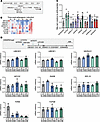 Figure 2
Identification of multiple candidate causal genes in the topological neighborhood of UBE2E2. (A) UBE2E2 neighborhood gene map. (B) Heatmap showing relative changes in expression of neighborhood genes by qPCR during adipogenic differentiation of mesenchymal stem cells (MSC) in vitro. (C) Adipogenesis assay with shRNA knockdown of neighborhood genes normalized to sh-scramble control (dotted line at 1.0) with Ube2e2 knockdown shown as positive control. Each dot represents the mean of technical replicates for an individual biological replicate experiment (n = 5, except Nrld2a, which is n = 3). For each gene knockdown, significance was assessed by 1-sample t test relative to null expectation equal to scramble control value of 1: *P < 0.05; **P < 0.01; ***P < 0.005; ****P < 0.001. (D) CRISPR/Cas9 excision of ~200 bp SNV containing regions in cultured MSC. Expression of genes in the UBE2E2 topological neighborhood was assessed by qPCR, with each dot indicating mean of technical replicates for an independent biological replicate experiment. To merge different biological replicate experiments (n = 4), data were expressed relative to control and P values were calculated by 1-sample t test relative to expected null value = 1.
In the absence of a single clear functionally important gene, we next tested whether CRISPR/Cas9 targeting of the noncoding regions containing adiposity/T2D SNVs near UBE2E2 would modulate its expression or expression of other genes in the topological neighborhood. We delivered CRISPR/Cas9 and guide RNA (gRNA) flanking approximate 100–200 bp regions, inclusive of the lead SNVs, to hMSC (Figure 2D). We performed 4 independent biological replicate experiments and assessed the modulation of UBE2E2 and additional genes contained within the topological neighborhood by qPCR (Figure 2D). Targeting of the noncoding region containing the lead SNV from the GWAS metaanalysis that identified UBE2E2 as a candidate gene for visceral adiposity led to a significant reduction (approximately 25%) in UBE2E2 expression. Overall, targeting 3 of 5 SNV regions resulted in statistically significant reductions in UBE2E2 expression. When we considered additional genes contained within the topological neighborhood, we discovered a more consistent effect on UBE2E1, with significant reduction in expression with targeting each of the 5 SNV-containing regions. The expression of 2 neighborhood genes, NR1D1 and NKIRAS1, were not modified by editing any of the 5 SNV regions. While most edits led to reduced expression, excision of a region containing rs6780569 resulted in an approximate 4-fold increase in expression of THRB. These data collectively suggest that multiple genes in the topological neighborhood of UBE2E2 display evidence of potential functionality, including UBE2E1, which met multiple criteria as a second potential candidate causal gene (Table 1).
Overlap of putative cis-regulators of UBE2E2 and UBE2E1. Given that UBE2E1 was most consistently implicated as a second potential causal gene (Table 1), we next investigated potential polygenic effects of noncoding variation at the UBE2E2 locus involving both UBE2E2 and UBE2E1. We integrated ATAC-Seq analyses of hMSC with CRISPR interference (CRISPRi) screening to identify potential regulatory regions controlling UBE2E2 expression and/or UBE2E1 expression. For the CRISPRi screen, we utilized in situ RNA probes to report on UBE2E2 or UBE2E1 expression in hMSC coupled with flow cytometry as a transcriptional readout as demonstrated by others (18, 19) (Figure 3A). This entailed introduction of a custom gRNA library by viral transgenesis covering a region of hg19.Chr3: 22,500–24,500 kb, inclusive of all known SNVs associated with the UBE2E2 and UBE2E1 genes and all known regulatory regions within a single TAD across different cell types (20). MSC were sorted by flow cytometry to select and sequence cell populations that corresponded to high or low UBE2E2 or UBE2E1 expression.
 Figure 3
Integration of ATAC-Seq and CRISPRi screen to define cis-regulatory landscape at the UBE2E2 locus. (A) Schematic depicting CRISPRi protocol to identify candidate cis-regulatory domains for UBE2E2 and UBE2E1 expression as quantified by RNA FISH and flow cytometry in hMSC. (B) Graphs of log2fold change in gRNA enrichment as a function of sliding window location on chromosome 3 at the putative UBE2E2 and UBE2E1 promoters. (C) ATAC-Seq tracks of hMSC showing peaks (arrows) near GWAS SNV and shown by gray shading in D. (D) gRNA enrichment in the vicinity of the 5 GWAS SNV for adiposity and T2D traits. (E) Venn diagrams showing partial overlap of candidate UBE2E2 and UBE2E1 regulatory domains using 2 different levels of stringency: left, candidate domains identified by CRISPRi; right, candidate domains identified by both CRISPRi and ATAC-Seq. (F) GTEX data extracted for both UBE2E2 and UBE2E1 showing correlation of the respective transcript levels across tissues.
We applied a sliding window analysis of consecutive gRNA to identify candidate regulatory domains. Principal component analysis (PCA) demonstrated discrimination of different cell populations, with clearest distinction of UBE2E2lo and UBE2E2med and UBE2E1hi and UBE2E1med from the respective high-expressing populations (Supplemental Figure 3). We performed pairwise comparisons of gRNA enrichment focusing on differential gRNA enrichment between either of the 2 low-expressing populations relative to the high-expressing population. By contrast to what has previously been shown when this method has been used to identify potent cis-regulatory domains at loci that are hyperexpressed, such as MYC in cancer cells, hotspots of gRNA enrichment were modest in scale, which is consistent with similarly modest effects on gene expression with CRISPR excision of SNV-containing regions. For example, when we focused specifically on gRNA-targeting regions in proximity to putative promoters within 1,000 bp of the transcriptional start site (TSS) upstream of exon 1 (Figure 3B), we observed enrichment of gRNA in the suppressed populations with log2-fold differences in the range of 0.5–1. While the on-target action of CRISPRi results in recruitment of a repressive complex to putative cis-regulatory domains, it has previously been noted that additional regulatory mechanisms may also be operative, including paradoxical augmentation of gene expression through sequestration of repressive factors. Consistent with this dichotomy, we found evidence of differential gRNA enrichment consistent with both mechanisms; for example, in the vicinity of the UBE2E1 TSS, we observed enrichment of gRNA in UBE2E1lo cells and in UBE2E2hi cells (Figure 3B).
We next examined genomic regions in the vicinity of the 5 GWAS SNVs (Figure 3, C and D). In each case, different patterns became evident with respect to the SNV proximity to ATAC peaks or gRNA hotspots. Two of the SNVs (rs7374732, rs9812056) mapped to an ATAC peak, 2 were within 5 kb of an ATAC peak (rs6780569, rs6792370), and 1 was approximately 17 kb from the nearest ATAC peak (rs7612463) (Figure 3, C and D, and Table 2). Each of the SNVs mapped near 1 or more candidate regulatory domains identified by the CRISPRi screens for both UBE2E2 and UBE2E1, with 1 prominent example of closely overlapping signals of gRNA enrichment in low expressing cells near rs7612463 (Figure 3D). We next leveraged these data to examine the degree of potential overlap of candidate UBE2E2 and UBE2E1 regulatory domains. We applied a permissive filter of a nominal P < 0.05 for pairwise comparisons and then secondarily limited the analysis to gRNA enrichment signals consistent with an on-target CRISPRi effect (gRNA enrichment in cells with lower gene expression) or candidate regulatory domains that correlated with ATAC-Seq peaks. At each level of stringency, we found a subset of candidate cis-regulatory domains common to both UBE2E2 and UBE2E1 (Figure 3E). If there was coregulation of UBE2E2 and UBE2E1, then we predicted that expression of these 2 genes might be correlated. To test this, we interrogated the GTEX database and assessed for a correlation at the transcriptomic level across cells/tissues (Figure 3F). Indeed, we discovered a strong positive correlation (R2 = 0.4, P < 0.0001). Collectively, these data are consistent with a model whereby noncoding variants at the UBE2E2 locus may regulate both the nearest gene (UBE2E2) and the more distant UBE2E1.
 Table 2
Base pair distance of each SNV to the nearest ATAC peak or putative UBE2E2 and UBE2E1 cis-regulatory domains identified by CRISPRi window
Functional divergence of UBE2E2 and UBE2E1. UBE2E2 and UBE2E1 are both members of the same family of E2 conjugating enzymes, raising the question of whether they are functionally redundant, particularly given that genetic targeting of both genes inhibited adipogenesis, in vitro. Moreover, neither member has been extensively studied; therefore, the current literature does not provide a clear indication of shared protein targets or E3 ligase cooperativity. To explore this question, we sought to test for molecular redundancy. We transduced 3T3L1 cells with previously validated shRNA plasmids targeting Ube2e2 or Ube2e1 and confirmed inhibition of adipogenesis using Oil Red O staining and qPCR for adipogenic genes as complementary readouts to the fluorescence-based screen shown in Figure 2C (Supplemental Figure 4). We then performed comparative tandem mass tag–based (TMT-based) quantitative proteomics on confluent 3T3L1 cells and again 24 hours after adipogenic induction (Figure 4A). At each time point, differential proteins included products of genes previously demonstrated to regulate adipogenesis or linked to T2D (Figure 4B). There were generally a greater number of proteins that increased with targeting of either Ube2e2 or Ube2e1, consistent with the canonical role of E2 conjugating enzymes in proteosome-mediated degradation (Figure 4C). Although a subset of differential proteins was shared between Ube2e2- and Ube2e1-knockdown cells at each time point, the majority were distinct.
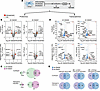 Figure 4
Functional divergence of UBE2E2 and UBE2E1. (A) Schematic depicting multi-omics investigation of molecular programs with Ube2e2 and Ube2e1 loss of function. 3T3L1 cells expressing shUbe2e2, shUbe2e1, or scramble control were analyzed at confluency or after adipogenic induction (DMI). (B) Volcano plots demonstrate differential protein levels in cell homogenates. Proteins previously linked to adipogenesis or T2D are indicated. (C) Venn diagrams showing overlap of differentially regulated proteins. (D) RNA-Seq data visualized by volcano plot. (E) Venn diagrams showing overlap of differentially regulated gene programs as assessed by GSEA.
We also performed RNA-Seq in cells under similar culture conditions to determine if the proteomic level differences would translate into different gene programs (Figures 4D). We performed gene set enrichment analysis (GSEA) to test the degree to which differentially regulated pathways were shared. We included hallmark gene sets (MH; normalized P < 0.05), curated canonical pathways (M2, normalized P < 0.01), and Biological Process ontology (M5, normalized P < 0.01) gene sets from the GSEA Mouse MSigDB Collections and found limited overlap between Ube2e2- and Ube2e1-knockdown cells, regardless of adipogenic induction (Figure 4E and Supplemental Figure 4). This unbiased multiomics characterization of the UBE2E2- and UBE2E1-dependent molecular programs in 3T3L1 preadipocytes links the regulatory functions of these 2 proteins to pathways of relevance to adipocyte development and/or function, while arguing against molecular redundancy.
UBE2E1 loss of function disrupts glucose homeostasis in mice. Given the collective data suggesting UBE2E1 as an alternative candidate causal gene for GWAS SNV near UBE2E2, we next explored whether genetic loss of UBE2E1 would drive adiposity and metabolic phenotypes. We employed CRISPR/Cas9 to target Ube2e1, generating 2 lines that exhibited disruption of the target exon by sequencing (Supplemental Figure 5). Like Ube2e2-null mice, primary AP cells isolated from Ube2e1-null mice exhibited an adipogenesis defect ex vivo (Supplemental Figure 5). In an early experiment, we also discovered evidence of impaired glucose tolerance after 12 weeks of high-fat feeding (Supplemental Figure 5). This motivated a second, better-powered diet-induced obesity experiment (Figure 5A). Over 12 weeks of high-fat feeding, BW of WT and Ube2e1-null mice remained similar except for a transient period when the weights of male Ube2e1–/– mice lagged WT controls, an effect that was no longer evident at completion of the 12-week feeding period (Figure 5B). In contrast to Ube2e2-null mice (Figure 1B), Ube2e1–/– mice had a less overt adiposity phenotype with a significant difference in fat mass only observed in the gonadal depot of 1 of the 2 KO lines (Figure 5C), although there was an increase in adipocyte size with Ube2e1 loss of function (Figure 5, D and E). In presacrifice glucose-tolerance testing (Figure 5F), we observed impaired glucose tolerance that was directionally consistent in both sexes and in line with the initial pilot experiment (Supplemental Figure 5), yet it was more robustly evident in female mice (Figure 5F). In neither sex did we observe a difference in insulin tolerance (Figure 5G). Collectively, these data point to mild disruption in glucose homeostasis with global Ube2e1 targeting.
 Figure 5
UBE2E1 loss of function in mice impairs glucose metabolism with diet-induced obesity. (A) Schematic depicting experimental protocol. Eight-week-old mice were entered into the study. Female, n = 8–9; male, n = 10–15. (B) Body weight evolution with diet-induced obesity in Ube2e1-KO mice. Female mice showed no difference in body weight over time. Curves for the 2 Ube2e1 mutant lines diverged from control in male mice but converged to control by the end of the 12-week high-fat feeding period. Left: male mice; right: female mice. No. 1086, #P < 0.05; No. 1083, *P < 0.05. (C) Terminal body mass and adipose tissue weights at time of sacrifice after 12 weeks of diet-induced obesity. Reported P values for 2-way ANOVA; genotype effect is inclusive of both sexes. (D) Adipocyte size indicated by mean cross-sectional area for inguinal white adipose tissue (iWAT). Significance assessed by 2-way ANOVA with P value reported for genotype effect. Line indicates mean. (E) Adipocyte size as in D for gonadal white adipose tissue (gWAT). Significance assessed by 2-way ANOVA with P value reported for genotype effect. Line indicates mean. (F) GTT of mice in B after 12 weeks of high-fat feeding. Two-way ANOVA with P value for genotype × time effect reported in the bottom left corner. After Dunnett’s adjustment: * 1083 P < 0.05; ** 1083 P < 0.005. (G) ITT of mice in “b” after 12 weeks high fat feeding.
Compound heterozygous loss of Ube2e2 and Ube2e1 recapitulates GWAS phenotypes. No single genetic manipulation in our functional genomics analyses replicated the full range of predicted adipose and metabolic outcomes. If UBE2E2 and UBE2E1 do indeed regulate distinct molecular programs, however, targeting both genes might be necessary to fully recapitulate metabolic phenotypes. Moreover, the total loss-of-function model is extreme relative to the modest effects on gene expression observed with targeting of noncoding regions near UBE2E2. Therefore, we reasoned that compound heterozygous loss of function of Ube2e2 and Ube2e1 would more closely reflect the observed effects of targeting putative regulatory domains in the noncoding regions around Ube2e2. Therefore, we subjected Ube2e2+/– Ube2e1+/– and Ube2e2+/+ Ube2e1+/+ control mice to diet-induced obesity (Figure 6A). Male mice exhibited similar BW trajectories with high-fat diet, whereas female compound heterozygous mutant mice gained more weight than WT controls (Figure 6B). Compound heterozygous loss of Ube2e2 and Ube2e1 also resulted in increased adiposity evident across depots (Figure 6C). Glucose- and insulin-tolerance testing demonstrated modest effects in female mice (Figure 6, D and E). The negative effect on metabolic health was more evident in terminal measurements of insulin and HOMA-IR, where targeting Ube2e2 and Ube2e1 augmented both metrics (Figure 6, F and G). Interestingly, despite no difference in BW between male control and mutant mice, insulin and HOMA-IR measures were directionally consistent with the female mice that did exhibit an overt BW phenotype. Nonetheless, sex may be an additional modifying factor of importance even though this study did not perform the additional metabolic phenotyping (e.g., metabolic cage studies) that might reveal candidate mechanisms for the modifying effect of sex on BW gain.
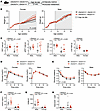 Figure 6
Augmented adiposity and dysregulated glucose homeostasis with compound heterozygous loss of Ube2e2 and Ube2e1. (A) Schematic depicting experimental protocol. Eight-week-old mice were entered into the study. (B) Body weight evolution with diet induced obesity (n = 11–13). P value for genotype effect in 2-way ANOVA. (C) Terminal adipose tissue and liver weights at time of sacrifice after 12 weeks of diet-induced obesity. Reported P values for 2-way ANOVA, genotype effect inclusive of both sexes (n = 9–12). (D) GTT after 12 weeks of high-fat feeding. Two-way ANOVA with P value for genotype × time effect. (E) ITT after 12 weeks of high-fat feeding. Two-way ANOVA with P value for genotype × time effect reported in the bottom left corner (n = 11–12). After Šidák adjustment: *P < 0.05. (F) Terminal serum insulin levels. Reported P value for 2-way ANOVA, genotype effect (n = 11–12). (G) Terminal HOMA-IR. Reported P value for 2-way ANOVA, genotype effect (n = 11–12). (H) Attenuation of adipose tissue function as assessed by terminal serum adiponectin:leptin ratio. Reported P value for 2-way ANOVA, genotype effect (n = 11–12). Sensitivity analysis performed by removing WT female outlier with resultant P = 0.031.
The ratio of serum adiponectin to leptin is an emerging metric of adipose tissue function (21, 22). We measured each adipokine at the time of sacrifice, finding a reduction in this ratio in compound heterozygous mice consistent with adipose tissue dysfunction (Figure 6H and Supplemental Figure 5). Therefore, these collective data demonstrate that targeting Ube2e2 and Ube2e1 with partial loss of function — as might be observed with disruption of a noncoding domain regulating both genes — is sufficient to drive increased adiposity, adipose tissue dysfunction, and diabetic pathophenotypes.


