
Research ArticleImmunologyOncology
Open Access |  10.1172/jci.insight.153963
Tumor-infiltrating exhausted CD8+ T cells dictate reduced survival in premenopausal estrogen receptor–positive breast cancer
Colt A. Egelston,1 Weihua Guo,1 Jiayi Tan,1 Christian Avalos,1 Diana L. Simons,1 Min Hui Lim,1 Yinghui J. Huang,1 Michael S. Nelson,2 Arnab Chowdhury,3 Daniel B. Schmolze,4 John H. Yim,5 Laura Kruper,5 Laleh Melstrom,5 Kim Margolin,6 Joanne E. Mortimer,6 Yuan Yuan,6 James R. Waisman,6 and Peter P. Lee1
1Department of Immuno-Oncology, Beckman Research Institute;
2Light Microscopy Digital Imaging Core, Beckman Research Institute;
3Division of Biostatistics, Department of Computational and Quantitative Medicine, Beckman Research Institute; and
4Department of Pathology,
5Department of Surgery, and
6Department of Medical Oncology & Therapeutics Research, City of Hope, Duarte, California, USA.
Address correspondence to: Peter P. Lee, City of Hope Comprehensive Cancer Center, Beckman Center, room 5117, 1500 East Duarte Road, Duarte, California 91010, USA. Phone: 626.218.2519; Email: plee@coh.org.
Authorship note: CAE and WG contributed equally to this work.
Find articles by
Egelston, C.
in:
PubMed
|
Google Scholar
|

1Department of Immuno-Oncology, Beckman Research Institute;
2Light Microscopy Digital Imaging Core, Beckman Research Institute;
3Division of Biostatistics, Department of Computational and Quantitative Medicine, Beckman Research Institute; and
4Department of Pathology,
5Department of Surgery, and
6Department of Medical Oncology & Therapeutics Research, City of Hope, Duarte, California, USA.
Address correspondence to: Peter P. Lee, City of Hope Comprehensive Cancer Center, Beckman Center, room 5117, 1500 East Duarte Road, Duarte, California 91010, USA. Phone: 626.218.2519; Email: plee@coh.org.
Authorship note: CAE and WG contributed equally to this work.
Find articles by
Guo, W.
in:
PubMed
|
Google Scholar
|
1Department of Immuno-Oncology, Beckman Research Institute;
2Light Microscopy Digital Imaging Core, Beckman Research Institute;
3Division of Biostatistics, Department of Computational and Quantitative Medicine, Beckman Research Institute; and
4Department of Pathology,
5Department of Surgery, and
6Department of Medical Oncology & Therapeutics Research, City of Hope, Duarte, California, USA.
Address correspondence to: Peter P. Lee, City of Hope Comprehensive Cancer Center, Beckman Center, room 5117, 1500 East Duarte Road, Duarte, California 91010, USA. Phone: 626.218.2519; Email: plee@coh.org.
Authorship note: CAE and WG contributed equally to this work.
Find articles by
Tan, J.
in:
PubMed
|
Google Scholar
|
1Department of Immuno-Oncology, Beckman Research Institute;
2Light Microscopy Digital Imaging Core, Beckman Research Institute;
3Division of Biostatistics, Department of Computational and Quantitative Medicine, Beckman Research Institute; and
4Department of Pathology,
5Department of Surgery, and
6Department of Medical Oncology & Therapeutics Research, City of Hope, Duarte, California, USA.
Address correspondence to: Peter P. Lee, City of Hope Comprehensive Cancer Center, Beckman Center, room 5117, 1500 East Duarte Road, Duarte, California 91010, USA. Phone: 626.218.2519; Email: plee@coh.org.
Authorship note: CAE and WG contributed equally to this work.
Find articles by Avalos, C. in: PubMed | Google Scholar
1Department of Immuno-Oncology, Beckman Research Institute;
2Light Microscopy Digital Imaging Core, Beckman Research Institute;
3Division of Biostatistics, Department of Computational and Quantitative Medicine, Beckman Research Institute; and
4Department of Pathology,
5Department of Surgery, and
6Department of Medical Oncology & Therapeutics Research, City of Hope, Duarte, California, USA.
Address correspondence to: Peter P. Lee, City of Hope Comprehensive Cancer Center, Beckman Center, room 5117, 1500 East Duarte Road, Duarte, California 91010, USA. Phone: 626.218.2519; Email: plee@coh.org.
Authorship note: CAE and WG contributed equally to this work.
Find articles by Simons, D. in: PubMed | Google Scholar
1Department of Immuno-Oncology, Beckman Research Institute;
2Light Microscopy Digital Imaging Core, Beckman Research Institute;
3Division of Biostatistics, Department of Computational and Quantitative Medicine, Beckman Research Institute; and
4Department of Pathology,
5Department of Surgery, and
6Department of Medical Oncology & Therapeutics Research, City of Hope, Duarte, California, USA.
Address correspondence to: Peter P. Lee, City of Hope Comprehensive Cancer Center, Beckman Center, room 5117, 1500 East Duarte Road, Duarte, California 91010, USA. Phone: 626.218.2519; Email: plee@coh.org.
Authorship note: CAE and WG contributed equally to this work.
Find articles by Lim, M. in: PubMed | Google Scholar
1Department of Immuno-Oncology, Beckman Research Institute;
2Light Microscopy Digital Imaging Core, Beckman Research Institute;
3Division of Biostatistics, Department of Computational and Quantitative Medicine, Beckman Research Institute; and
4Department of Pathology,
5Department of Surgery, and
6Department of Medical Oncology & Therapeutics Research, City of Hope, Duarte, California, USA.
Address correspondence to: Peter P. Lee, City of Hope Comprehensive Cancer Center, Beckman Center, room 5117, 1500 East Duarte Road, Duarte, California 91010, USA. Phone: 626.218.2519; Email: plee@coh.org.
Authorship note: CAE and WG contributed equally to this work.
Find articles by
Huang, Y.
in:
PubMed
|
Google Scholar
|
1Department of Immuno-Oncology, Beckman Research Institute;
2Light Microscopy Digital Imaging Core, Beckman Research Institute;
3Division of Biostatistics, Department of Computational and Quantitative Medicine, Beckman Research Institute; and
4Department of Pathology,
5Department of Surgery, and
6Department of Medical Oncology & Therapeutics Research, City of Hope, Duarte, California, USA.
Address correspondence to: Peter P. Lee, City of Hope Comprehensive Cancer Center, Beckman Center, room 5117, 1500 East Duarte Road, Duarte, California 91010, USA. Phone: 626.218.2519; Email: plee@coh.org.
Authorship note: CAE and WG contributed equally to this work.
Find articles by
Nelson, M.
in:
PubMed
|
Google Scholar
|
1Department of Immuno-Oncology, Beckman Research Institute;
2Light Microscopy Digital Imaging Core, Beckman Research Institute;
3Division of Biostatistics, Department of Computational and Quantitative Medicine, Beckman Research Institute; and
4Department of Pathology,
5Department of Surgery, and
6Department of Medical Oncology & Therapeutics Research, City of Hope, Duarte, California, USA.
Address correspondence to: Peter P. Lee, City of Hope Comprehensive Cancer Center, Beckman Center, room 5117, 1500 East Duarte Road, Duarte, California 91010, USA. Phone: 626.218.2519; Email: plee@coh.org.
Authorship note: CAE and WG contributed equally to this work.
Find articles by
Chowdhury, A.
in:
PubMed
|
Google Scholar
|
1Department of Immuno-Oncology, Beckman Research Institute;
2Light Microscopy Digital Imaging Core, Beckman Research Institute;
3Division of Biostatistics, Department of Computational and Quantitative Medicine, Beckman Research Institute; and
4Department of Pathology,
5Department of Surgery, and
6Department of Medical Oncology & Therapeutics Research, City of Hope, Duarte, California, USA.
Address correspondence to: Peter P. Lee, City of Hope Comprehensive Cancer Center, Beckman Center, room 5117, 1500 East Duarte Road, Duarte, California 91010, USA. Phone: 626.218.2519; Email: plee@coh.org.
Authorship note: CAE and WG contributed equally to this work.
Find articles by
Schmolze, D.
in:
PubMed
|
Google Scholar
|
1Department of Immuno-Oncology, Beckman Research Institute;
2Light Microscopy Digital Imaging Core, Beckman Research Institute;
3Division of Biostatistics, Department of Computational and Quantitative Medicine, Beckman Research Institute; and
4Department of Pathology,
5Department of Surgery, and
6Department of Medical Oncology & Therapeutics Research, City of Hope, Duarte, California, USA.
Address correspondence to: Peter P. Lee, City of Hope Comprehensive Cancer Center, Beckman Center, room 5117, 1500 East Duarte Road, Duarte, California 91010, USA. Phone: 626.218.2519; Email: plee@coh.org.
Authorship note: CAE and WG contributed equally to this work.
Find articles by Yim, J. in: PubMed | Google Scholar
1Department of Immuno-Oncology, Beckman Research Institute;
2Light Microscopy Digital Imaging Core, Beckman Research Institute;
3Division of Biostatistics, Department of Computational and Quantitative Medicine, Beckman Research Institute; and
4Department of Pathology,
5Department of Surgery, and
6Department of Medical Oncology & Therapeutics Research, City of Hope, Duarte, California, USA.
Address correspondence to: Peter P. Lee, City of Hope Comprehensive Cancer Center, Beckman Center, room 5117, 1500 East Duarte Road, Duarte, California 91010, USA. Phone: 626.218.2519; Email: plee@coh.org.
Authorship note: CAE and WG contributed equally to this work.
Find articles by
Kruper, L.
in:
PubMed
|
Google Scholar
|
1Department of Immuno-Oncology, Beckman Research Institute;
2Light Microscopy Digital Imaging Core, Beckman Research Institute;
3Division of Biostatistics, Department of Computational and Quantitative Medicine, Beckman Research Institute; and
4Department of Pathology,
5Department of Surgery, and
6Department of Medical Oncology & Therapeutics Research, City of Hope, Duarte, California, USA.
Address correspondence to: Peter P. Lee, City of Hope Comprehensive Cancer Center, Beckman Center, room 5117, 1500 East Duarte Road, Duarte, California 91010, USA. Phone: 626.218.2519; Email: plee@coh.org.
Authorship note: CAE and WG contributed equally to this work.
Find articles by Melstrom, L. in: PubMed | Google Scholar
1Department of Immuno-Oncology, Beckman Research Institute;
2Light Microscopy Digital Imaging Core, Beckman Research Institute;
3Division of Biostatistics, Department of Computational and Quantitative Medicine, Beckman Research Institute; and
4Department of Pathology,
5Department of Surgery, and
6Department of Medical Oncology & Therapeutics Research, City of Hope, Duarte, California, USA.
Address correspondence to: Peter P. Lee, City of Hope Comprehensive Cancer Center, Beckman Center, room 5117, 1500 East Duarte Road, Duarte, California 91010, USA. Phone: 626.218.2519; Email: plee@coh.org.
Authorship note: CAE and WG contributed equally to this work.
Find articles by
Margolin, K.
in:
PubMed
|
Google Scholar
|
1Department of Immuno-Oncology, Beckman Research Institute;
2Light Microscopy Digital Imaging Core, Beckman Research Institute;
3Division of Biostatistics, Department of Computational and Quantitative Medicine, Beckman Research Institute; and
4Department of Pathology,
5Department of Surgery, and
6Department of Medical Oncology & Therapeutics Research, City of Hope, Duarte, California, USA.
Address correspondence to: Peter P. Lee, City of Hope Comprehensive Cancer Center, Beckman Center, room 5117, 1500 East Duarte Road, Duarte, California 91010, USA. Phone: 626.218.2519; Email: plee@coh.org.
Authorship note: CAE and WG contributed equally to this work.
Find articles by Mortimer, J. in: PubMed | Google Scholar
1Department of Immuno-Oncology, Beckman Research Institute;
2Light Microscopy Digital Imaging Core, Beckman Research Institute;
3Division of Biostatistics, Department of Computational and Quantitative Medicine, Beckman Research Institute; and
4Department of Pathology,
5Department of Surgery, and
6Department of Medical Oncology & Therapeutics Research, City of Hope, Duarte, California, USA.
Address correspondence to: Peter P. Lee, City of Hope Comprehensive Cancer Center, Beckman Center, room 5117, 1500 East Duarte Road, Duarte, California 91010, USA. Phone: 626.218.2519; Email: plee@coh.org.
Authorship note: CAE and WG contributed equally to this work.
Find articles by Yuan, Y. in: PubMed | Google Scholar
1Department of Immuno-Oncology, Beckman Research Institute;
2Light Microscopy Digital Imaging Core, Beckman Research Institute;
3Division of Biostatistics, Department of Computational and Quantitative Medicine, Beckman Research Institute; and
4Department of Pathology,
5Department of Surgery, and
6Department of Medical Oncology & Therapeutics Research, City of Hope, Duarte, California, USA.
Address correspondence to: Peter P. Lee, City of Hope Comprehensive Cancer Center, Beckman Center, room 5117, 1500 East Duarte Road, Duarte, California 91010, USA. Phone: 626.218.2519; Email: plee@coh.org.
Authorship note: CAE and WG contributed equally to this work.
Find articles by Waisman, J. in: PubMed | Google Scholar
1Department of Immuno-Oncology, Beckman Research Institute;
2Light Microscopy Digital Imaging Core, Beckman Research Institute;
3Division of Biostatistics, Department of Computational and Quantitative Medicine, Beckman Research Institute; and
4Department of Pathology,
5Department of Surgery, and
6Department of Medical Oncology & Therapeutics Research, City of Hope, Duarte, California, USA.
Address correspondence to: Peter P. Lee, City of Hope Comprehensive Cancer Center, Beckman Center, room 5117, 1500 East Duarte Road, Duarte, California 91010, USA. Phone: 626.218.2519; Email: plee@coh.org.
Authorship note: CAE and WG contributed equally to this work.
Find articles by
Lee, P.
in:
PubMed
|
Google Scholar
|
Published February 8, 2022 - More info
JCI Insight. 2022;7(3):e153963. https://doi.org/10.1172/jci.insight.153963.
© 2022 Egelston et al. This work is licensed under the Creative Commons Attribution 4.0 International License. To view a copy of this license, visit http://creativecommons.org/licenses/by/4.0/.
Received: August 10, 2021; Accepted: December 21, 2021


-
Results
Exhausted CD8+ T cells are enriched in subsets of BC patient tumors. We examined BC patient peripheral blood mononuclear cells (PBMCs), tumor-negative tumor-draining lymph nodes (T– LNs), tumor-positive tumor-draining lymph nodes (T+ LNs), primary tumors, and noncancerous breast tissue (NCBT) by flow cytometry for the presence of CD8+ T cells expressing T cell exhaustion markers PD-1 and CD39 (Figure 1A; gating strategy in Supplemental Figure 1; supplemental material available online with this article; https://doi.org/10.1172/jci.insight.153963DS1). Among antigen-experienced (CD45RA–) CD8+ T cells, PD-1+ cells were common in all tissues, but frequencies of PD-1+CD39+CD8+ T cells were highest in primary tumors, followed by T+ LNs (Figure 1B). PD-1+CD39+CD8+ T cells were rarely detected in PBMCs and never in NCBT. Notably, T+ LNs and T– LNs displayed no significant differences in frequencies of PD-1+CD39+CD8+ T cells. We observed high variability in the frequency of PD-1+CD39+ within CD8+ TILs and a higher frequency on average in TNBC tumors than ER+ tumors (Figure 1C). Overall, the frequency of PD-1+CD39+CD8+ TILs did not correlate with Ki-67 status, tumor size (pathological T status), or patient stage (Supplemental Figure 2). Higher grade ER+ tumors tended to have increased frequencies of PD-1+CD39+CD8+ TILs as compared with lower grade ER+ tumors, but this observation lacked statistical significance because of high interpatient variability.
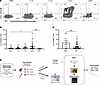 Figure 1
PD-1+CD39+CD8+ T cells in BC patient tissues. (A) Single-cell suspensions from peripheral blood mononuclear cells (PBMCs), tumor-negative lymph nodes (T– LNs), tumor-positive lymph nodes (T+ LNs), tumor, and noncancerous breast tissue (NCBT) were examined by flow cytometry for expression of PD-1 and CD39 among antigen-experienced (CD45RA–) CD8+ T cells. (B) Frequencies of PD-1+CD39+ cells within CD45RA–CD8+ T cells in various tissues are shown (PBMC n = 30, T– LN n = 21, T+ LN n = 24, tumor n = 77, NCBT n = 32). (C) PD-1+CD39+ frequencies are displayed within triple-negative breast cancer (TNBC) and estrogen receptor–positive (ER+) tumors (TNBC n = 11, ER+ n = 66). (D) Experimental workflow for analysis of CD8+ T cells and patient tissues. Statistics generated by 1-way ANOVA with Holm-Šídák multiple comparisons test (B) or unpaired Student’s t tests (C and D). *, P < 0.05; ***, P < 0.001.
We next set out to elucidate the relationship between PD-1+CD39+CD8+ TILs, TME features, and patient survival using a multiomics approach (Figure 1D). Further characterization of BC patient PD-1+CD39+CD8+ TILs’ protein expression was performed by flow cytometry to determine if they met canonical definitions of T cell exhaustion. PD-1 levels were significantly higher on PD-1+CD39+CD8+ TILs relative to PD-1+CD39–CD8+ TILs (Figure 2A and Supplemental Figure 3A), identifying them as PD-1 “high” CD8+ T cells described in other tumor types (15). Relative to other CD8+ TILs, higher percentages of PD-1+CD39+CD8+ TILs expressed molecules TIM-3, T cell immunoreceptor with Ig and ITIM domains (TIGIT), 2B4, and CD38 (Figure 2, B–E, and Supplemental Figure 3, B–E). Similarly, higher percentages of PD-1+CD39+CD8+ TILs expressed resident memory markers CD69 and CD103 as compared with other CD8+ TILs (Figure 2, F and G, and Supplemental Figure 3, F and G).
 Figure 2
Phenotypic characterization of PD-1+CD39+CD8+ T cells in breast tumors. CD8+ TILs from patient tumors were examined by flow cytometry for expression of various proteins. (A) Normalized PD-1 expression of PD-1+CD39– (orange) and PD-1+CD39+ (red) CD8+ TILs, calculated by subtracting MFI values of PD-1–CD8+ TILs in the same sample (n = 45). Frequencies of PD-1–CD39–, PD-1+CD39–, and PD-1+CD39+ (red) CD8+ TILs expressing (B) TIM-3 (n = 25), (C) TIGIT (n = 14), (D) 2B4 (n = 33), (E) CD38 (n = 15), (F) CD69 (n = 33), and (G) CD103 (n = 36). Frequencies of PD-1–CD39–, PD-1+CD39–, and PD-1+CD39+CD8+ TIL populations producing (H) IFN-γ (I) TNF-α, and (J) IL-2 (n = 29) after stimulation with PMA and ionomycin. (K) Frequencies of each cell population for CD127 and KLRG1 expression profiles (n = 30). All data were collected from 39 ER+ primary tumors and 6 TNBC primary tumors. Statistics generated by unpaired Student’s t tests (A) or 1-way ANOVA with Holm-Šídák multiple comparisons test (B–K). *, P < 0.05; **, P < 0.01; ***, P < 0.001; ****, P < 0.0001.
We then confirmed PD-1+CD39+CD8+ TILs as functionally exhausted compared with other CD8+ TILs by examining their capacity to produce effector cytokines IFN-γ, TNF-α, and IL-2 (Figure 2, H–J, and Supplemental Figure 3H). PD-1+CD39– and PD-1–CD39–CD8+ TILs displayed no differences in IFN-γ, TNF-α, or IL-2 production capacity, highlighting our previous findings that PD-1 expression alone does not identify an exhausted phenotype (18). In contrast, PD-1+CD39+CD8+ TILs demonstrated marked loss in production capacity of both TNF-α and IL-2, while mostly retaining IFN-γ production capacity. Such functional data formally identify PD-1+CD39+CD8+ TILs in human breast tumors as CD8+ TEX with similar functional and phenotypic profiles of TEX described by others in the context of other cancer malignancies and chronic disease settings (16, 17, 21, 22).
Next, we examined expression of proteins CD127 (IL-7Rα) and killer cell lectin like receptor G1 (KLRG1) to assess PD-1+CD39+CD8+ TILs for evidence of terminal differentiation (Figure 2K and Supplemental Figure 3I). CD127 expression is critical for homeostatic proliferation and maintenance of memory T cells, while KLRG1 expression signifies an effector T cell status (23). Loss of both CD127 and KLRG1 has been associated with a severe T cell exhaustion phenotype (24, 25). PD-1+CD39+CD8+ TILs primarily displayed a CD127–KLRG1– phenotype. Comparatively, both PD-1+CD39– and PD-1–CD39–CD8+ TILs contained cell populations with mixed expression of CD127 and KLRG1. Taken together this phenotyping illustrates PD-1+CD39+CD8+ TILs found in BC tumors as highly activated cells with both exhausted and tissue residency characteristics.
Exhausted CD8+ T cells in human breast tumors are transcriptionally distinct. CD8+ T cell exhaustion has been demonstrated as a transcriptionally and epigenetically discrete functional state in various disease settings (26–29). To assess this in the context of BC, we employed single-cell RNA sequencing of patient CD8+ T cells from 10 patients with BC, including 9 primary tumors, 2 T+ LNs, 3 NCBTs, and 7 matched PBMC samples (Supplemental Figure 4). CD8+ T cells stained for PD-1, CD39, CD103, CD69, CD137, and CCR7 were single-cell index sorted for downstream whole-transcriptome analysis. Unbiased Seurat cluster analysis found CD8+ T cells to be composed of 4 major clusters with discrete gene expression patterns (Figure 3, A and B). As expected, PD-1+CD39+ T cells occupied a unique cluster, while surprisingly PD-1+CD39– and PD-1–CD39– were indiscriminately found in all other T cell clusters and showed no major differences in gene expression (Figure 3, C and D).
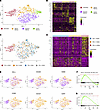 Figure 3
Transcriptional features of CD8+ TEX in breast tumors. CD8+ T cells from 8 ER+ BC and 2 TNBC patient tissues were single-cell index sorted for whole-transcriptome analysis in the context of several cell surface proteins. (A) t-Distributed stochastic neighbor embedding (t-SNE) projection of 4 major clusters of CD8+ T cells identified and annotated as exhausted T cells, resident effector memory T cells, effector memory T cells, and central memory T cells. (B) Top 10 most differentially expressed genes for each CD8+ T cell cluster. (C) t-SNE overlay of CD8+ T cells identified as PD-1–CD39– (blue), PD-1+CD39– (orange), PD-1+CD39+ (red), or PD-1–CD39+ (gray). (D) Genes most significantly differentially expressed by PD-1+CD39+CD8+ T cells. (E) Overlay of cell surface protein expression onto t-SNE cluster projections. Protein expression for PD-1, CD103, CD69, CD39, CD137, and CCR7 acquired from index sort information and shown here as positively (purple) or negatively (yellow) expressed for each cell. Gene Set Enrichment Analysis (GSEA) of PD-1+CD39+CD8+ T cell differentially expressed genes as compared with TEX signatures identified from (F) lung cancer and (G) melanoma publications. Gene rank shown is derived from the current data set. (n = 10 BC patients; 9 tumors; 2 T+LNs; 3 NCBTs; 7 matched PBMCs.)
Cell surface protein expression information collected by index sorting was then used to annotate the 4 CD8+ T cell clusters as TEX (PD-1+CD39+), resident effector memory T cells (CD39–, CD103+, CD69+), effector memory T cells (CD39–, CD103+/–, CD69+/–), and central memory T cells (CCR7+) (Figure 3E). CD137 was found almost exclusively in the exhausted T cell cluster. CD103 and CD69 expression across several clusters suggests the potential acquisition of a CD103+CD69+ phenotype as T cells transition through these phenotypes. Unsurprisingly, the CCR7-expressing central memory T cell cluster was largely identified in PBMC-derived T cells.
Analysis of gene expression differences between clusters revealed several key differences between T cell populations. The central memory T cell cluster, mostly of PBMC origin, expressed genes related to proliferation capacity (PASK, IL16) and antiapoptosis (BIRC2), along with the memory T cell–associated gene S100A6 (30). The activated effector memory T cell cluster expressed genes linked to T cell activation (LMNA, ANXA1), effector function (FGFBP2, KLRB1), and T cell trafficking (SELL, KLF2) (31, 32). Intriguingly, the resident effector memory T cluster demonstrated highly differentiated upregulation of histone genes and regulatory elements (SERTAD1, ZNF331) that may play a role in cell cycle regulation. The resident effector memory T cell cluster also displayed upregulated GZMK, in contrast with GZMB and PRF1 upregulation in the exhausted T cell cluster. This observed T cell subset–specific granzyme utilization likely reflects T cell differentiation stage–specific changes in granzyme expression profiles observed by others (33). Finally, the exhausted T cell cluster showed transcriptional upregulation of genes associated with increased cytolytic activation (GZMB, PRF1), T cell activation (HLA-DRA), IFN response elements (IFI6, MX1, IFI27), and the B cell chemoattractant CXCL13. Additionally, we observed downregulation of activator protein 1 complex molecules JUNB and FOS; downregulation of these genes has been shown by others to mark chronically activated TEX (34, 35).
We next generated an exhausted T cell gene signature composed of genes significantly elevated in TEX relative to other CD8+ T cell populations. Log2 fold changes of genetic markers were considered the weights in the signature. Our exhausted T cell gene signature contains 25 genes, including CXCL13, GZMB, IFI6, HLA-DRA, HLA-DQA2, HLA-DRB5, PRF1, and MX1. The full gene signature and relative gene fold changes are shown in Supplemental Table 3. We then compared our exhausted T cell gene expression signature to exhausted T cell gene signatures produced by other groups using GSEA. We found that our exhausted T cell signature shared significant similarities to those identified from lung cancer and melanoma TILs (Figure 3, F and G) (21, 36). We also verified that our exhausted T cell gene signature had significant overlap with those produced in lymphocytic choriomeningitis virus murine models of T cell exhaustion (Supplemental Figure 5) (35, 37). Thus, the transcriptional signature of TEX in patients with BC shared common features to both those seen in other disease states and classically defined TEX. Together our single-cell data confirm CD8+ TEX as an activated, transcriptionally distinct CD8+ TIL population that has likely clonally expanded in response to cognate tumor antigens.
Increased CD8+ TEX are associated with IFN-γ signature–rich and immunologically distinct tumors. Given that CD8+ TEX identified in BC patient tumors displayed a highly activated phenotype and largely retained the capacity to produce IFN-γ, we next asked how their presence correlated with differences in TME features. ER+ tumors with known fractions of CD8+ TEX as identified by flow cytometry were curated into TEX “high” (TEXhi) and TEX “low” (TEXlo) tumors as defined by above and below the overall median for percentage TEX of CD8+ TILs (8%), respectively. Pathologist assessment of CD8, CD20, and programmed death ligand 1 (PD-L1) expression was then performed on these tumors with immunohistochemistry-stained slides (Figure 4A). CD8+ T cell infiltration was higher in several, but not all, TEXhi tumors (Figure 4B). In contrast, CD20+ B cell infiltration was higher in the majority of TEXhi tumors (Figure 4C). Although PD-L1 expression was found to be highly variable in samples, strikingly, all tumors with stroma scoring PD-L1+ of 5% or higher were found in TEXhi tumors (Figure 4D).
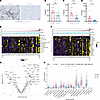 Figure 4
Altered immune TME in TEXhi breast tumors. ER+ breast tumors defined as TEXhi (top 50%) or TEXlo (bottom 50%) by flow cytometry were assayed by immunohistochemistry (IHC) for CD8+ T cell infiltration (teal), CD20+ B cell infiltration (purple), and PD-L1 expression (brown). (A) Representative high-power fields (original magnification, 20×; scale bar: 50 μm). Clinical pathologist scoring for (B) CD8, (C) CD20, and (D) PD-L1 (TEXhi n = 18, TEXlo n = 18; unpaired Student’s t test). TME features of ER+ breast tumors were assessed by NanoString PanCancer Immune transcriptional profiling (n = 36). (E) Absolute abundance of cell type scores and (F) inflammation-related gene expression are displayed as heatmaps normalized across all tissues by cell type or gene (row). Tumor tissues (columns) are annotated by FACS TEX frequency of CD8+ TILs normalized to %CD8 by IHC (%TEX; red), IHC CD8+ T cell infiltration score (%CD8; blue), and IHC PD-L1 expression score (%PD-L1; brown). (G) Top 30 genes differentially expressed (uncorrected Student’s t test P < 0.01) between TEXhi and TEXlo tumors are shown. (H) CIBERSORTx analysis of relative immune populations in TEXhi (top 25%, n = 275) and TEXlo (bottom 25%, n = 275) ER+ breast tumors in METABRIC database. Statistics generated by Wilcoxon’s rank-sum test. *, P < 0.05; **, P < 0.01; ***, P < 0.001; ****, P < 0.0001.
ER+ tumors with known abundance of CD8+ TEX from flow cytometry were assessed with the NanoString nCounter PanCancer Immune Profiling Panel for immune cell composition and differential gene expression. CD8+ TEX in tumors correlated with higher abundance of a variety of immune subsets, including B cells, overall CD8+ T cells, exhausted CD8+ T cells, Th1 cells, Tregs, and CD56dim NK cells as identified by standard NanoString signatures (Figure 4E). Given the association between activated T cells, IFN-γ production, and PD-L1 expression in the TME, we assessed the expression of the previously reported “tumor inflammation signature,” which is mainly composed of IFN-γ–regulated genes (38). Several of these genes were significantly correlated with the presence of CD8+ TEX, including CXCL10, IDO1, CXCL9, STAT1, CD274 (PD-L1), and LAG3 (Figure 4F). Interestingly, CD276 and CXCL2 expression was not positively correlated with CD8+ TEX. Other genes significantly upregulated in TEXhi tumors included IFNG itself, TARP, GNLY, MX1, and TAP2. Notably, genes SPP1, CCL28, CXCL3, SELE, and CCL26 were all decreased in TEXhi tumors (Figure 4G).
To expand on our tissue-based observations of TEXhi and TEXlo ER+ tumors, we turned to the Molecular Taxonomy of Breast Cancer International Consortium (METABRIC) public data source for gene expression analysis in a larger cohort of BC tumors (39). We designated ER+ tumors as TEXhi (top 25%) and TEXlo (bottom 25%) based on expression of our exhausted T cell gene signature derived from single-cell sequencing and performed differential gene expression analysis. TEXhi tumors demonstrated significantly increased expression of numerous genes involved in immune surveillance and activation marked by increased expression of allograft rejection, inflammatory response, and interferon response Hallmark pathways (Supplemental Figure 6). In concurrence with NanoString analysis of our own tumor samples, these included IFN-γ signaling genes STAT1, CXCL10, and IDO1; antigen presentation molecules HLA-DQA1 and HLA-DRB1; important T cell molecules GZMB and IL7R; and B cell–related molecules CD79A and CXCL13. Next, we utilized CIBERSORTx to interrogate differences in immune composition between TEXhi and TEXlo tumors by assessing relative abundance of various immune populations (40). Notably, TEXhi tumors were composed of higher fractions of M1 macrophages, NK cells, γ/δ T cells, and CD8+ T cells (Figure 4H). In comparison, TEXlo tumors were composed of higher fractions of M2 macrophages, M0 macrophages, mast cells, and naive B cells. In summary, TEXhi tumors display an “inflamed tumor” phenotype, with upregulation of numerous IFN-γ–associated genes, increased chemokines, antigen presentation–related molecules, and antitumor immune subsets, such as M1 macrophages, NK cells, and effector CD8+ T cells.
Exhausted T cell signatures denote prognostic outcome in patients with BC. We next aimed to unravel the relationship between CD8+ TEX, BC tumor characteristics, and patient outcomes within the METABRIC data set. As expected, increased expression of CD8A was found in TNBC tumors compared with ER+ tumors (Figure 5A). We next found signature scores for TEX were higher in TNBC tumors as compared with ER+ tumors (Figure 5B), as also observed in our flow cytometry data. In line with these observations, PAM50 molecular classification of tumors demonstrated that exhausted T cell signatures were highest in basal tumors and slightly higher in luminal B tumors than luminal A tumors (Supplemental Figure 7A). As tumor-infiltrating TEX have been shown to be specific for somatic mutation–derived neoantigens, we next investigated if increased tumor mutation burden coincided with increased TEX in patients with BC (41). Surprisingly, within both TNBC and ER+ METABRIC cohorts, TEXhi tumors had a statistically significant decreased number of somatic mutations detected (Supplemental Figure 7, B and C). However, the difference in mean mutation burden between TEXhi and TEXlo tumors was only 2 somatic variations. To confirm the lack of association between TEX infiltration and high tumor mutation burden, we next performed tumor mutation load (TML) analysis on our own ER+ tumor tissues using a targeted TML panel. Again, observed TML did not correlate in any way with the TEX frequencies of CD8+ TILs identified by flow cytometry (Supplemental Figure 7D). Taken together, these observations suggest that increased levels of TEX CD8+ TILs in patients with BC cannot necessarily be accounted for by increased tumor mutation burden, although we do not discount the possibility that TEX CD8+ TILs may be neoantigen specific.
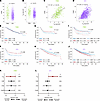 Figure 5
TEXhi tumors denote decreased survival in ER+ BC. METABRIC tumors were used to examine (A) CD8A expression and (B) TEX expression in TNBC (green) and ER+ (purple) tumors. Coexpression of CD8A and a TEX signature in both (C) TNBC and (D) ER+ tumors. Tumors were stratified by CD8A expression into CD8hi (top 25%) and CD8lo (bottom 25%) groups to examine overall survival in (E) TNBC and (F) ER+ BC. Similarly, tumors were stratified by TEX signature expression into TEXhi (top 25%) and TEXlo (bottom 25%) groups to examine overall survival in (G) TNBC and (H) ER+ BC. Tumors were further stratified into cohort quartiles as CD8hiTEXhi (top 50% TEX of top 50% CD8), CD8hiTEXlo (bottom 50% TEX of top 50% CD8), CD8loTEXhi (top 50% TEX of bottom 50% CD8), and CD8loTEXlo (bottom 50% TEX of bottom 50% CD8) within (I) TNBC and (J) ER+ tumors. Influence of TEX signature on overall survival in (K) TNBC and (L) ER+ BC patients was compared to CD8A, CD3G, and PTPRC (CD45) gene expression by multivariate Cox hazard ratio assessment. Statistics generated by unpaired Student’s t test (A and B), nonparametric Spearman rank correlation (C and D), log-rank test (E–J), or Wald’s test (K and L).
CD8A expression and TEX signature expression showed a modest positive correlation in both TNBC (R = 0.6) and ER+ (R = 0.5) METABRIC tumors, revealing that high levels of CD8+ TEX could be found in tumors with both high and low levels of CD8+ T cells (Figure 5, C and D). To investigate potential divergent contributions of overall CD8+ T cell infiltration and CD8+ TEX infiltration, we stratified ER+ and TNBC tumors into CD8hi or CD8lo and TEXhi or TEXlo based on top 25% and bottom 25% cutoffs (Supplemental Figure 7, E, F, H, and I). As expected, TNBC patients with CD8hi tumors had marked increases in survival as compared with those with CD8lo tumors (Figure 5E). However, in ER+ BC, patients with CD8hi tumors and CD8lo tumors demonstrated no differences in survival (Figure 5F). TNBC patients with TEXhi (top 25%) tumors had no improved survival relative to those with TEXlo (bottom 25%) tumors (Figure 5G). In stark contrast, ER+ patients with TEXhi tumors had significantly reduced survival (Figure 5H).
We next set out to reconcile our observations regarding CD8+ TEX and overall CD8+ T cell infiltration by assessing survival in the context of both variables. For survival analysis in the context of both CD8+ T cells and TEX, we further stratified tumors into 4 groups: CD8hiTEXhi, CD8hiTEXlo, CD8loTEXhi, and CD8loTEXlo (Supplemental Figure 7, G and J). Patients with TNBC with CD8hiTEXhi and CD8hiTEXlo tumors demonstrated the best survival (Figure 5I). Strikingly, ER+ patients with CD8hiTEXlo and CD8loTEXlo tumors demonstrated the best survival (Figure 5J). We next performed multivariate analysis of these gene signatures to confirm our observed contrast in the contribution of CD8+ T cell infiltration and exhausted T cell infiltration to survival in patients with TNBC and ER+ BC. In patients with TNBC increased overall survival was primarily driven by increased CD8A expression and to a lesser degree expression of TEX (Figure 5K). In patients with ER+ BC, again survival had no association with CD8A expression and significantly decreased as expression of TEX increased (Figure 5L). For context we compared hazard ratios to gene expression of CD3G and PTPRC (CD45). We found our exhausted T cell signature to be more predictive of outcome than immune (PTPRC) or T cell infiltration levels alone (CD3G or CD8A) in patients with ER+ BC.
Increased expression of IFN response genes has been associated with worse patient outcomes in ER+ BC (42). We continued to explore the relationship between tumor IFN signaling, the presence of TEX, and survival in patients with ER+ BC. In METABRIC patients with ER+ BC, we found a strong correlation between the IFN-γ tumor signature and our exhausted T cell signature (Supplemental Figure 8A). In comparing TEXhi and TEXlo ER+ BC tumors by differential gene expression, several of the most upregulated genes in TEXhi tumors were involved in IFN-γ signaling and response, including CXCL10, CXCL9, IFI27, IFI44, IFI44L, IFI6, IFIT1, IFIT2, IFIT3, ISG15, MX1, OAS1, OASL, and STAT1 (Supplemental Figure 8B). We then assessed these IFN-γ–associated genes within cancer cells specifically by using internal single-cell sequencing data from ER+ BC tumors in which we knew the fraction of TEX CD8+ TILs as determined by flow cytometry. Again, we categorized tumors as TEXhi and TEXlo by being above or below the overall median for percentage TEX of CD8+ TILs (8%). All the 14 IFN-γ–associated genes we examined, with the exception of CXCL9, were found to be significantly elevated in cancer cells within TEXhi tumors (Supplemental Figure 8C). Finally, a hazard ratio analysis of patients with ER+ BC found a significantly increased risk for lower survival with increased tumor expression of IFI27, IFI44, IFI44L, IFI6, IFIT1, IFIT2, IFIT3, ISG15, MX1, OAS1, and OASL (Supplemental Figure 8D). In summary, we identify a strong connection between TEX CD8+ TILs, IFN-γ signaling in BC cells, and reduced overall survival in patients with ER+ BC.
Unfavorable survival in premenopausal ER+ BC patients with high exhausted T cell tumor infiltration. To further dissect features of TEXhi ER+ BC patient tumors, we examined The Cancer Genome Atlas (TCGA) repository data to validate and expand on our findings in the METABRIC cohort. Hallmark pathway analysis similarly found increased expression of several immune-related pathways in ER+ tumors, including allograft rejection, interferon responses, and inflammatory responses (Figure 6A). Intriguingly, our analysis of TEXhi ER+ tumors also identified increased expression of genes related to epithelial-mesenchymal transition and decreased expression of early estrogen response genes, potentially suggesting an association between TEX CD8+ TILs and more aggressive tumor features (Figure 6, B and C). Indeed, within the ER+ METABRIC cohort, we found that exhausted T cell signatures generally increased in ER+ tumors as the grade of the tumor increased, although high expression of TEX was still identified in both grade 1 and grade 2 tumors (Figure 6D). Furthermore, exhausted T cell signatures were increased in ER+ tumors with either Basal or Luminal B PAM50 subclassification and tended to have diminished progesterone receptor expression (Supplemental Figure 9, A and B). Importantly, we also found that as compared with TEXlo ER+ tumors, TEXhi ER+ tumors had a significantly increased proliferation signature (Figure 6E). No associations were identified between the presence of TEX CD8+ TILs, patient stage, tumor size, menopause state, or age (Supplemental Figure 9, C–F).
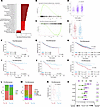 Figure 6
Reduced overall survival in premenopausal women with ER+ TEXhi tumors. (A) Differential expression of Hallmark pathway gene sets between TEXhi and TEXlo TCGA ER+ BC tumors was performed. Normalized enrichment scores are shown for all pathways with P < 0.05. Gene set enrichment for genes upregulated in TEXhi tumors are shown for (B) epithelial-mesenchymal transition and (C) estrogen response early pathways. (D) METABRIC ER+ tumors were assessed for the TEX signature among tumor grades. (E) TEXhi and TEXlo tumors were compared for a proliferation signature score. METABRIC-defined postmenopausal ER+ patient tumors were stratified by TEX signature expression into TEXhi (top 25%) and TEXlo (bottom 25%) groups to examine (F) overall survival and (G) relapse-free survival. (H) Overall survival was also compared between CD8hiTEXhi (top 50% TEX of top 50% CD8), CD8hiTEXlo (bottom 50% TEX of top 50% CD8), CD8loTEXhi (top 50% TEX of bottom 50% CD8), and CD8loTEXlo (bottom 50% TEX of bottom 50% CD8). In the same way, (I) overall survival and (J) relapse-free survival were compared in premenopausal ER+ patient TEXhi and TEXlo groups. (K) Overall survival in premenopausal CD8hiTEXhi, CD8hiTEXlo, CD8loTEXhi, and CD8loTEXlo subgroups. Premenopausal ER+ BC patient tumor (L) grade, (M) PAM50 molecular subset, (N) and proliferation signature score in TEXhi and TEXlo tumors. (O) Multivariate Cox hazard ratios for overall survival in relation to TEX signature expression among varying age groups in ER+ and TNBC METABRIC patients. Statistics generated as noted or by 1-way ANOVA with Holm-Šídák multiple comparisons t test (D), by unpaired Student’s t test (E and N), or by log-rank test (F–K).
Given the findings of a more aggressive tumor phenotype in TEXhi ER+ tumors, including decreased estrogen response–related gene expression, we hypothesized that survival characteristics may be different in premenopausal and postmenopausal patients with ER+ BC. Using the menopausal status as defined by METABRIC (cutoff of 50 years old), we separately examined overall survival and relapse-free survival in premenopausal and postmenopausal patients with ER+ BC. In postmenopausal women, overall survival trended to be reduced in patients with TEXhi tumors (Figure 6F). However, no significant differences in relapse-free survival were found (Figure 6G). Similarly, dividing postmenopausal tumors into CD8hiTEXhi, CD8hiTEXlo, CD8loTEXhi, and CD8loTEXlo did not distinguish significant survival differences (Figure 6H). On the other hand, premenopausal women with TEXhi tumors had dramatically reduced overall survival and relapse-free survival as compared with premenopausal women with TEXlo tumors (Figure 6, I and J). Further analysis of CD8hiTEXhi, CD8hiTEXlo, CD8loTEXhi, and CD8loTEXlo groups showed again that diminished survival was strictly associated with a TEXhi phenotype, regardless of being CD8hi or CD8lo (Figure 6K). As clinical presentation of premenopausal and postmenopausal women may vary, we repeated and validated our survival findings in grade 1 and 2 only ER+ patients and stage 4–excluded ER+ patients (Supplemental Figure 10). Within premenopausal patients, TEXhi tumors were increasingly composed of higher grade and Luminal B, HER2+, and basal molecular subset tumors, highlighting heterogeneity in the features of TEXhi tumors (Figure 6, L and M). More striking was a highly increased proliferation signature in premenopausal TEXhi tumors as compared with premenopausal TEXlo tumors (Figure 6N). A hazard ratio analysis of survival risk imparted by our TEX signature identified women aged 35–45 as a group with the lowest overall survival and that survival risk associated with TEX steadily declined with age (Figure 6O). Together these findings connect significantly reduced survival in younger premenopausal women that can be defined by high infiltration of TEX CD8+ TILs.
High expression of an exhausted T cell signature identifies high-risk premenopausal patients with intermediate Oncotype DX Breast Recurrence Scores. Additional biomarkers to guide clinical care of patients with early-stage ER+ BC are needed. Gene expression testing to evaluate risk of recurrence is now standard of care for patients with early-stage BC. A prominent example of such gene expression testing is the Oncotype DX Breast Recurrence Score (BRS). Currently, treatment strategies for ER+ BC patients with intermediate BRSs are less clear. With this in mind, we next hypothesized that added stratification of ER+ tumors by our TEX signature could provide additional prognostication value in the context of patients with intermediate Oncotype DX BRS.
Without exact BRSs available, we utilized the gene expression of the Oncotype DX 21-gene assay to calculate a BRS signature (43). TEX signature expression and relative BRS were weakly associated (R = 0.3) in all, postmenopausal only, or premenopausal only METABRIC ER+ patients (Supplemental Figure 11). We did, however, observe that TEXhi tumors appeared to be a subset of tumors with an intermediate BRS, suggesting that the TEX signature could be used to further segregate these patients into distinct survival outcomes.
To investigate this, we next defined METABRIC ER+ patients as having a high (top 15%) Oncotype DX BRS (OncDXhi), intermediate (middle 70%) Oncotype DX BRS (OncDXint), or low (bottom 15%) Oncotype DX BRS (OncDXlo) based on observable distributions among patients and published frequencies of these clinical phenotypes (44). Within postmenopausal OncDXint patients, TEXhi and TEXlo tumors did not display significant differences in overall survival or relapse-free survival (Figure 7, A and B). Additionally, multivariate analysis did not show any significant influence of TEX signature expression on overall survival (Figure 7C). In contrast, within premenopausal OncDXint patients, patients with TEXhi tumors demonstrated significantly reduced overall survival and relapse-free survival as compared with those with TEXlo tumors (Figure 7, D and E). Multivariate analysis further showed that increased TEX signature expression significantly associated with decreased overall survival and more so than patient age, tumor grade, tumor size, or even Oncotype DX BRS in premenopausal OncDXint patients (Figure 7F).
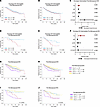 Figure 7
A TEXhi signature identifies reduced survival in premenopausal patients with intermediate Oncotype DX BRSs. A relative Oncotype DX BRS was calculated for METABRIC ER+ tumors. Tumors were classified as Oncotype DX BRS high (top 15%), low (bottom 15%), and intermediate (middle 70%). Postmenopausal patients within intermediate Oncotype DX BRS (OncDXint) patients were further stratified as TEXhi (top 25%) and TEXlo (bottom 25%) and examined for differences in (A) overall survival, (B) relapse-free survival, and (C) influence on overall survival by multivariate Cox hazard ratio assessment. Similarly, premenopausal patients within OncDXint patients were further stratified as TEXhi and TEXlo and examined for differences in (D) overall survival, (E) relapse-free survival, and (F) influence on overall survival by multivariate Cox hazard ratio assessment. Overall survival and relapse-free survival were then compared among postmenopausal (G and H) and premenopausal (I and J) ER+ patients between those defined as OncDXhi, OncDXint + TEXlo, OncDXint + TEXhi, and OncDXlo. Statistics generated by log-rank test (A, B, D, E, and G–J). Cox hazard ratios were calculated using multivariate accounting for variables shown (C and F).
We next performed a stepwise model selection to prune the multivariate analysis to estimate hazard ratios for survival (Supplemental Figure 12). To ensure that the influence of our TEX signature was associated with survival independently of overall immune and T cell infiltration, we also included gene expression of CD8A, CD3G, and PTPRC in addition to patient age, tumor grade, tumor size, and LN status. Of all variables, TEX was found to be the most influential for both overall survival and relapse-free survival.
For overall survival, each additional unit of TEX signature was associated with a 91% (P value = 0.03) increase in risk for OncDXint patients. For relapse-free survival, each additional unit of TEX signature was associated with a 76% (P value = 0.01) for OncDXint patients.
Our findings demonstrated the value of using our TEX signature to further prognosticate OncDXint patients. We therefore next examined patient survival characteristics in the context of 4 subgroups distilled from Oncotype DX BRS and TEX signature expression: OncDXhi, OncDXint + TEXlo, OncDXint + TEXhi, and OncDXlo. In postmenopausal patients, OncDXhi patients and OncDXlo patients had the shortest and longest survival outcomes, respectively, but OncDXint + TEXhi patients did not demonstrate significantly different survival characteristics from OncDXint + TEXlo patients (Figure 7, G and H). In premenopausal patients, OncDXhi patients again had the shortest survival outcomes, but OncDXint + TEXhi patients demonstrated dramatically decreased survival characteristics as compared with OncDXint + TEXlo patients (Figure 7, I and J). Surprisingly, OncDXint + TEXlo patients had remarkably similar survival characteristics to OncDXlo patients. These findings establish a TEX signature as a useful means to further segregate high-risk and low-risk patients within premenopausal OncDXint patients.


