
Research ArticleImmunology
Open Access |  10.1172/jci.insight.201552
β-Catenin stabilization protects against alveolar hemorrhage through amphiregulin- and BATF-mediated Tregs
Fiona Mason,1 Hui Xiong,2 Ali Mobeen,1 Md Saddam Hossain,1 Sara Mahmudlu,1 Rosanne Trevail,1 Mikyal Mobeen,1 Li Chen,3 Sunny Lee,1 Tuncay Delibasi,4 Jyoti Misra Sen,5,6 and Mobin Karimi1
1Department of Microbiology and Immunology, SUNY Upstate Medical University, Syracuse, New York, USA.
2School of Medical Imaging, Nanchang Medical College, Nanchang, Jiangxi, China.
3Department of Pathology, and
4Division of Endocrinology, Diabetes and Metabolism, Department of Medicine, SUNY Upstate Medical University, Syracuse, NY, USA.
5National Institute on Aging, NIH, Baltimore, Maryland, USA.
6 Center on Aging and Immune Remodeling, Immunology Program, Department of Medicine, Johns Hopkins University, Baltimore, Maryland, USA.
Address correspondence to: Mobin Karimi, Assistant Professor of Immunology and Microbiology, SUNY Upstate Medical University, 766 Irving Ave., Weiskotten Hall Suite 2281, Syracuse, New York, 13210, USA. Phone: 315.464.2344 or 315.464.7652; Email: karimim@upstate.edu.
Authorship note: FM and HX contributed equally to this work.
Find articles by Mason, F. in: PubMed | Google Scholar
1Department of Microbiology and Immunology, SUNY Upstate Medical University, Syracuse, New York, USA.
2School of Medical Imaging, Nanchang Medical College, Nanchang, Jiangxi, China.
3Department of Pathology, and
4Division of Endocrinology, Diabetes and Metabolism, Department of Medicine, SUNY Upstate Medical University, Syracuse, NY, USA.
5National Institute on Aging, NIH, Baltimore, Maryland, USA.
6 Center on Aging and Immune Remodeling, Immunology Program, Department of Medicine, Johns Hopkins University, Baltimore, Maryland, USA.
Address correspondence to: Mobin Karimi, Assistant Professor of Immunology and Microbiology, SUNY Upstate Medical University, 766 Irving Ave., Weiskotten Hall Suite 2281, Syracuse, New York, 13210, USA. Phone: 315.464.2344 or 315.464.7652; Email: karimim@upstate.edu.
Authorship note: FM and HX contributed equally to this work.
Find articles by Xiong, H. in: PubMed | Google Scholar
1Department of Microbiology and Immunology, SUNY Upstate Medical University, Syracuse, New York, USA.
2School of Medical Imaging, Nanchang Medical College, Nanchang, Jiangxi, China.
3Department of Pathology, and
4Division of Endocrinology, Diabetes and Metabolism, Department of Medicine, SUNY Upstate Medical University, Syracuse, NY, USA.
5National Institute on Aging, NIH, Baltimore, Maryland, USA.
6 Center on Aging and Immune Remodeling, Immunology Program, Department of Medicine, Johns Hopkins University, Baltimore, Maryland, USA.
Address correspondence to: Mobin Karimi, Assistant Professor of Immunology and Microbiology, SUNY Upstate Medical University, 766 Irving Ave., Weiskotten Hall Suite 2281, Syracuse, New York, 13210, USA. Phone: 315.464.2344 or 315.464.7652; Email: karimim@upstate.edu.
Authorship note: FM and HX contributed equally to this work.
Find articles by Mobeen, A. in: PubMed | Google Scholar
1Department of Microbiology and Immunology, SUNY Upstate Medical University, Syracuse, New York, USA.
2School of Medical Imaging, Nanchang Medical College, Nanchang, Jiangxi, China.
3Department of Pathology, and
4Division of Endocrinology, Diabetes and Metabolism, Department of Medicine, SUNY Upstate Medical University, Syracuse, NY, USA.
5National Institute on Aging, NIH, Baltimore, Maryland, USA.
6 Center on Aging and Immune Remodeling, Immunology Program, Department of Medicine, Johns Hopkins University, Baltimore, Maryland, USA.
Address correspondence to: Mobin Karimi, Assistant Professor of Immunology and Microbiology, SUNY Upstate Medical University, 766 Irving Ave., Weiskotten Hall Suite 2281, Syracuse, New York, 13210, USA. Phone: 315.464.2344 or 315.464.7652; Email: karimim@upstate.edu.
Authorship note: FM and HX contributed equally to this work.
Find articles by Hossain, M. in: PubMed | Google Scholar
1Department of Microbiology and Immunology, SUNY Upstate Medical University, Syracuse, New York, USA.
2School of Medical Imaging, Nanchang Medical College, Nanchang, Jiangxi, China.
3Department of Pathology, and
4Division of Endocrinology, Diabetes and Metabolism, Department of Medicine, SUNY Upstate Medical University, Syracuse, NY, USA.
5National Institute on Aging, NIH, Baltimore, Maryland, USA.
6 Center on Aging and Immune Remodeling, Immunology Program, Department of Medicine, Johns Hopkins University, Baltimore, Maryland, USA.
Address correspondence to: Mobin Karimi, Assistant Professor of Immunology and Microbiology, SUNY Upstate Medical University, 766 Irving Ave., Weiskotten Hall Suite 2281, Syracuse, New York, 13210, USA. Phone: 315.464.2344 or 315.464.7652; Email: karimim@upstate.edu.
Authorship note: FM and HX contributed equally to this work.
Find articles by Mahmudlu, S. in: PubMed | Google Scholar
1Department of Microbiology and Immunology, SUNY Upstate Medical University, Syracuse, New York, USA.
2School of Medical Imaging, Nanchang Medical College, Nanchang, Jiangxi, China.
3Department of Pathology, and
4Division of Endocrinology, Diabetes and Metabolism, Department of Medicine, SUNY Upstate Medical University, Syracuse, NY, USA.
5National Institute on Aging, NIH, Baltimore, Maryland, USA.
6 Center on Aging and Immune Remodeling, Immunology Program, Department of Medicine, Johns Hopkins University, Baltimore, Maryland, USA.
Address correspondence to: Mobin Karimi, Assistant Professor of Immunology and Microbiology, SUNY Upstate Medical University, 766 Irving Ave., Weiskotten Hall Suite 2281, Syracuse, New York, 13210, USA. Phone: 315.464.2344 or 315.464.7652; Email: karimim@upstate.edu.
Authorship note: FM and HX contributed equally to this work.
Find articles by Trevail, R. in: PubMed | Google Scholar
1Department of Microbiology and Immunology, SUNY Upstate Medical University, Syracuse, New York, USA.
2School of Medical Imaging, Nanchang Medical College, Nanchang, Jiangxi, China.
3Department of Pathology, and
4Division of Endocrinology, Diabetes and Metabolism, Department of Medicine, SUNY Upstate Medical University, Syracuse, NY, USA.
5National Institute on Aging, NIH, Baltimore, Maryland, USA.
6 Center on Aging and Immune Remodeling, Immunology Program, Department of Medicine, Johns Hopkins University, Baltimore, Maryland, USA.
Address correspondence to: Mobin Karimi, Assistant Professor of Immunology and Microbiology, SUNY Upstate Medical University, 766 Irving Ave., Weiskotten Hall Suite 2281, Syracuse, New York, 13210, USA. Phone: 315.464.2344 or 315.464.7652; Email: karimim@upstate.edu.
Authorship note: FM and HX contributed equally to this work.
Find articles by Mobeen, M. in: PubMed | Google Scholar
1Department of Microbiology and Immunology, SUNY Upstate Medical University, Syracuse, New York, USA.
2School of Medical Imaging, Nanchang Medical College, Nanchang, Jiangxi, China.
3Department of Pathology, and
4Division of Endocrinology, Diabetes and Metabolism, Department of Medicine, SUNY Upstate Medical University, Syracuse, NY, USA.
5National Institute on Aging, NIH, Baltimore, Maryland, USA.
6 Center on Aging and Immune Remodeling, Immunology Program, Department of Medicine, Johns Hopkins University, Baltimore, Maryland, USA.
Address correspondence to: Mobin Karimi, Assistant Professor of Immunology and Microbiology, SUNY Upstate Medical University, 766 Irving Ave., Weiskotten Hall Suite 2281, Syracuse, New York, 13210, USA. Phone: 315.464.2344 or 315.464.7652; Email: karimim@upstate.edu.
Authorship note: FM and HX contributed equally to this work.
Find articles by Chen, L. in: PubMed | Google Scholar
1Department of Microbiology and Immunology, SUNY Upstate Medical University, Syracuse, New York, USA.
2School of Medical Imaging, Nanchang Medical College, Nanchang, Jiangxi, China.
3Department of Pathology, and
4Division of Endocrinology, Diabetes and Metabolism, Department of Medicine, SUNY Upstate Medical University, Syracuse, NY, USA.
5National Institute on Aging, NIH, Baltimore, Maryland, USA.
6 Center on Aging and Immune Remodeling, Immunology Program, Department of Medicine, Johns Hopkins University, Baltimore, Maryland, USA.
Address correspondence to: Mobin Karimi, Assistant Professor of Immunology and Microbiology, SUNY Upstate Medical University, 766 Irving Ave., Weiskotten Hall Suite 2281, Syracuse, New York, 13210, USA. Phone: 315.464.2344 or 315.464.7652; Email: karimim@upstate.edu.
Authorship note: FM and HX contributed equally to this work.
Find articles by Lee, S. in: PubMed | Google Scholar
1Department of Microbiology and Immunology, SUNY Upstate Medical University, Syracuse, New York, USA.
2School of Medical Imaging, Nanchang Medical College, Nanchang, Jiangxi, China.
3Department of Pathology, and
4Division of Endocrinology, Diabetes and Metabolism, Department of Medicine, SUNY Upstate Medical University, Syracuse, NY, USA.
5National Institute on Aging, NIH, Baltimore, Maryland, USA.
6 Center on Aging and Immune Remodeling, Immunology Program, Department of Medicine, Johns Hopkins University, Baltimore, Maryland, USA.
Address correspondence to: Mobin Karimi, Assistant Professor of Immunology and Microbiology, SUNY Upstate Medical University, 766 Irving Ave., Weiskotten Hall Suite 2281, Syracuse, New York, 13210, USA. Phone: 315.464.2344 or 315.464.7652; Email: karimim@upstate.edu.
Authorship note: FM and HX contributed equally to this work.
Find articles by Delibasi, T. in: PubMed | Google Scholar
1Department of Microbiology and Immunology, SUNY Upstate Medical University, Syracuse, New York, USA.
2School of Medical Imaging, Nanchang Medical College, Nanchang, Jiangxi, China.
3Department of Pathology, and
4Division of Endocrinology, Diabetes and Metabolism, Department of Medicine, SUNY Upstate Medical University, Syracuse, NY, USA.
5National Institute on Aging, NIH, Baltimore, Maryland, USA.
6 Center on Aging and Immune Remodeling, Immunology Program, Department of Medicine, Johns Hopkins University, Baltimore, Maryland, USA.
Address correspondence to: Mobin Karimi, Assistant Professor of Immunology and Microbiology, SUNY Upstate Medical University, 766 Irving Ave., Weiskotten Hall Suite 2281, Syracuse, New York, 13210, USA. Phone: 315.464.2344 or 315.464.7652; Email: karimim@upstate.edu.
Authorship note: FM and HX contributed equally to this work.
Find articles by Sen, J. in: PubMed | Google Scholar
1Department of Microbiology and Immunology, SUNY Upstate Medical University, Syracuse, New York, USA.
2School of Medical Imaging, Nanchang Medical College, Nanchang, Jiangxi, China.
3Department of Pathology, and
4Division of Endocrinology, Diabetes and Metabolism, Department of Medicine, SUNY Upstate Medical University, Syracuse, NY, USA.
5National Institute on Aging, NIH, Baltimore, Maryland, USA.
6 Center on Aging and Immune Remodeling, Immunology Program, Department of Medicine, Johns Hopkins University, Baltimore, Maryland, USA.
Address correspondence to: Mobin Karimi, Assistant Professor of Immunology and Microbiology, SUNY Upstate Medical University, 766 Irving Ave., Weiskotten Hall Suite 2281, Syracuse, New York, 13210, USA. Phone: 315.464.2344 or 315.464.7652; Email: karimim@upstate.edu.
Authorship note: FM and HX contributed equally to this work.
Find articles by
Karimi, M.
in:
PubMed
|
Google Scholar
|

Published January 27, 2026 - More info
JCI Insight. 2026;11(6):e201552. https://doi.org/10.1172/jci.insight.201552.
© 2026 Mason et al. This work is licensed under the Creative Commons Attribution 4.0 International License. To view a copy of this license, visit http://creativecommons.org/licenses/by/4.0/.
Received: October 21, 2025; Accepted: January 22, 2026


-
Results
β-Catenin stabilization alters the CD8+ T cell phenotype. β-Catenin is required for both αβ and γδ T cell development (21–23). To determine whether stabilization of β-catenin under the Lck promoter (Cat-Tg mice) (24, 25), alters αβ T cell differentiation, we analyzed T cell subsets in WT and CAT-Tg mice, both in the C57BL/6 (B6) background. Because αβ T cell phenotype reflects differentiation status, effector function, and persistence relevant to therapeutic efficacy (26–29), freshly isolated splenic CD3+ T cells were analyzed by flow cytometry. Cells were gated on total T cells and subdivided into CD4+ and CD8+ populations, which were further classified as naive, CM, or EM subsets based on CD44 and CD62L expression (30, 31). CD62L mediates homing to secondary lymphoid tissues, whereas CD44 is associated with activation and migration to peripheral or inflamed sites (32–35). CAT-Tg mice exhibited a significantly increased proportion of CM and EM CD8+ T cells compared with WT controls (Figure 1, A–E). In contrast, the distribution of naive, CM, and EM subsets within the CD4+ T cell compartment was unchanged between CAT-Tg and WT mice (Figure 1, F–J). These findings indicate that β-catenin stabilization preferentially drives memory differentiation in CD8+ T cells, a subset critical for long-term antitumor immunity.
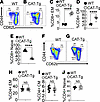 Figure 1
β-Catenin stabilization alters the CD8+ T cell memory phenotype. Freshly isolated splenocytes were gated on CD3+ T cells and subdivided into CD4+ and CD8+ populations. Within CD8+ T cells, CD44 and CD62L expression was analyzed by flow cytometry (A and B). CD44+CD62L– cells were defined as effector memory (EM), CD44+CD62L+ as central memory (CM), and CD44–CD62L+ as naive CD8+ T cells. Representative flow plots from WT and CAT-Tg mice are shown, with quantification of EM, CM, and naive CD8+ T cell frequencies (C–E). CD4+ T cells were analyzed using the same gating strategy, with representative plots and quantification of EM, CM, and naive subsets shown (F–J). Data are presented as mean ± SEM (n = 10 mice per group; indicated in panels). Each experiment was repeated 6 times. Statistical significance was determined using the appropriate test; ****P < 0.0001.
CD8+ T cells from CAT-Tg mice display increased activation markers with attenuated signaling. We previously showed that T cells with attenuated T cell receptor signaling can exhibit elevated activation markers without inducing alloimmunity (25, 30, 36–38). Consistent with this, flow cytometric analysis revealed significantly increased CD44 expression on CD3+CD8+ T cells from CAT-Tg mice compared with WT controls, as demonstrated by representative plots and quantitative analyses (Figure 2, A and B). We next examined transcriptional regulators of CD8+ T cell memory differentiation. T-bet and Eomes cooperatively promote memory formation by inducing CD122, a critical component of IL-2 and IL-15 signaling (39, 40). In line with enhanced memory potential, CD8+ T cells from CAT-Tg mice expressed significantly higher levels of T-bet, Eomes, and CD122 than WT CD8+ T cells (Figure 2, C–H).
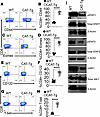 Figure 2
CAT-Tg CD8+ T cells display increased activation/memory markers with reduced JAK/STAT signaling. Freshly isolated splenocytes from WT and CAT-Tg mice were gated on CD3+CD8+ T cells. CD44 expression is shown by representative flow plots (A) with quantification (B). CD122 expression is shown by representative flow plots (E) with quantification (F). Intracellular staining for Eomes and T-bet is shown by representative flow plots (C and G) with quantification in WT and CAT-Tg mice (D and H) (n = 10 per group; indicated in panels). Each experiment was repeated 6 times. For signaling analyses, CD3+ T cells were MACS-purified, stimulated with anti-CD3/anti-CD28 for 3 minutes, lysed, and analyzed by immunoblotting for pSTAT1/STAT1, pSTAT3/STAT3, and JAK1, with β-actin as a loading control (I). Each experiment was repeated 3 times. Data are presented as mean ± SEM. Statistical significance was determined by 2-tailed Student’s t test; ****P < 0.0001.
Finally, we examined whether β-catenin stabilization alters proximal T cell signaling. STAT1, STAT3, and JAK1 are central components of the JAK/STAT pathway that regulate T cell growth, differentiation, and immune responses (41, 42). After CD3/CD28 stimulation, CAT-Tg T cells exhibited reduced phosphorylation of STAT1, STAT3, and JAK1 compared with WT controls (Figure 2I). These findings indicate that β-catenin stabilization promotes a highly activated, memory-prone CD8+ T cell phenotype while concurrently attenuating JAK/STAT signaling. Previous research showed β-catenin stabilization markedly reduced severe inflammatory autoimmunity, including AH, bronchiectasis, and related autoimmune manifestations (42).
β-Catenin stabilization protects mice from AH. To determine whether β-catenin stabilization exacerbates or ameliorates AH, 6–8-week-old WT and CAT-Tg mice were analyzed. Baseline urine and serum samples were collected prior to i.p. injection of pristane (0.5 mL per 20 g body weight) to induce AH (26, 43, 44). Mice were monitored daily for weight loss and clinical signs of disease; no significant weight loss was observed over the 14-day experimental period. On day 14, mice were euthanized and lungs were harvested (Figure 3A). Gross examination revealed marked protection from AH in CAT-Tg mice compared with WT controls (Figure 3, B–E). Histological analysis of lung sections stained with H&E confirmed reduced AH in CAT-Tg mice. All lung sections were independently evaluated by a blinded pathologist, and double-blind pathological scoring validated the protective effect of β-catenin stabilization (Figure 3F). Additional organs, including the kidney, liver, and spleen, showed no significant differences between WT and CAT-Tg mice at the 14-day time point (Supplemental Figure 1, A–L; supplemental material available online with this article; https://doi.org/10.1172/jci.insight.201552DS1). In contrast, substantial pathological differences were observed in these organs at 3 months (data not shown).
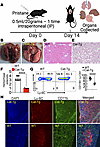 Figure 3
β-Catenin stabilization protects mice from pristane-induced alveolar hemorrhage. (A) Experimental schematic. WT and CAT-Tg mice were injected with pristane to induce alveolar hemorrhage (AH) and euthanized on day 14 for tissue collection. (B–D) Representative gross images of lungs from WT and CAT-Tg mice. (E) Representative H&E-stained lung sections. (F) Quantification of blinded histopathological scoring. (G) Representative flow cytometry plots and quantification of lung-infiltrating inflammatory monocytes, gated as CD11b+Ly6C+. (H) Representative immunofluorescence images of lungs at day 14 after pristane showing DAPI (blue), Ly6C (red), and CD11b (green), with merged images. Data are presented as mean ± SEM (n = 10 mice per group). Each experiment was repeated 3 times. Statistical significance was determined by 2-tailed Student’s t test; ****P < 0.0001.
To characterize immune cell infiltration during AH (45), pristane-induced AH was established in WT and CAT-Tg mice. Lungs were harvested 14 days after pristane injection; one cohort was processed for flow cytometric analysis, and a second cohort was prepared for IHC. Because inflammatory monocytes are known contributors to lung injury in AH, lung leukocytes were analyzed for CD11b and Ly6C expression (46–48). Lungs from WT mice contained a high frequency (80%–90%) of CD11b+Ly6C+hi inflammatory monocytes. In contrast, CD11b+ monocytes from CAT-Tg mice expressed significantly lower levels of Ly6C, indicating reduced inflammatory infiltration (Figure 3G). Consistent with these findings, IHC analysis confirmed the presence of CD11b+Ly6C+ infiltrates within lung tissue (Figure 3H), with representative images showing DAPI (blue), Ly6C (red), and CD11b (green). Together, these data establish pristane-induced AH as a highly inflammatory model and demonstrate that β-catenin stabilization markedly attenuates inflammatory monocyte accumulation in the lung. Having established a protective effect of β-catenin stabilization, we next investigated the immunological mechanisms underlying this protection.
β-Catenin stabilization reduces proteinuria and suppresses proinflammatory cytokines during AH. Proteinuria, a hallmark of pulmonary-renal syndrome, frequently accompanies AH in systemic autoimmune disease and serves as an early indicator of kidney involvement (49). To assess renal injury, proteinuria was measured by ELISA in WT and CAT-Tg mice before and after pristane-induced AH. WT mice exhibited a significant increase in proteinuria by day 14 after pristane injection compared with baseline levels. In contrast, CAT-Tg mice showed no significant change in proteinuria after pristane treatment, indicating that β-catenin stabilization protects against AH-associated renal injury (Figure 4, A–C). Given that pristane-induced AH is characterized by robust inflammatory responses (Figure 3), we next evaluated circulating proinflammatory cytokines. IFN-γ and TNF-α are key mediators of AH pathogenesis, acting synergistically to promote tissue factor expression and procoagulant activity (50). WT mice displayed significant increases in both IFN-γ and TNF-α at day 14 after pristane injection, whereas CAT-Tg mice exhibited no significant changes in these cytokines relative to baseline (Figure 4, D and E). Because IL-6 and IL-18 are key mediators of lung injury and hemorrhage (51, 52), we next assessed their serum levels. IL-6 promotes neutrophil recruitment, a hallmark of hemorrhagic inflammation, whereas IL-18 amplifies inflammasome-driven cascades that increase vascular permeability and alveolar bleeding. After AH induction, CAT-Tg mice exhibited significantly lower levels of both IL-6 and IL-18 compared with WT controls (Figure 4, F–H). IL-17 has also been implicated in lung injury, edema, and AH (53–55); consistent with a protective phenotype, CAT-Tg mice displayed markedly reduced IL-17 induction relative to WT mice (Figure 4H). IL-5 showed increased production in CAT-Tg mice at day 14 after pristane-induced AH (Figure 4J). We next examined whether β-catenin stabilization enhances antiinflammatory cytokine production. Serum from CAT-Tg mice contained significantly higher levels of IL-4, IL-13, and IL-10 compared with WT mice (Figure 4, K–L). In contrast, IL-12 and IL-9 levels were not significantly different between groups (Supplemental Figure 2), indicating selective modulation of antiinflammatory pathways (56, 57). These data demonstrate that β-catenin stabilization protects against AH by concurrently suppressing proinflammatory cytokines (IFN-γ, TNF-α, IL-6, IL-18, and IL-17) and enhancing antiinflammatory cytokines (IL-4, IL-13, and IL-10). Having established both structural and cytokine-level protection, we next investigated the mechanistic basis by which β-catenin attenuates AH severity.
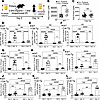 Figure 4
β-Catenin stabilization reduces proteinuria, suppresses proinflammatory cytokines, and enhances antiinflammatory cytokines during alveolar hemorrhage. (A) Experimental schematic. WT and CAT-Tg mice were injected with pristane to induce alveolar hemorrhage (AH). Urine and blood were collected at baseline (pre-pristane) and on day 14, followed by euthanasia. (B and C) Urinary protein was quantified by BCA assay, with comparisons between pre- and post-pristane samples in each group. (D–L) Serum cytokines were quantified by multiplex bead-based assay, including IFN-γ, TNF-α, IL-6, IL-18, IL-17, IL-4, IL-5, IL-13, and IL-10, and compared between pre- and post-pristane conditions. Data are presented as mean ± SEM; sample sizes (n = 15–25 mice per group) are indicated in panels. Each experiment was repeated 3 times. Statistical significance was determined using 2-tailed Student’s t test, 1-way ANOVA, or 2-way ANOVA as appropriate; **P < 0.01, ***P < 0.001, ****P < 0.0001.
β-Catenin stabilization enhances AREG and BATF expression in Tregs. The role of Tregs in ameliorating AH has not been well defined. Tregs are established mediators of immune suppression and tissue repair, acting through the release of antiinflammatory cytokines such as IL-10 to limit neutrophil and inflammatory monocyte activity and to restore immune balance after injury (58, 59). In addition, Tregs directly promote tissue repair after inflammatory damage (58, 60). To determine whether β-catenin stabilization affects Tregs, splenocytes and lungs from WT and CAT-Tg mice were analyzed by flow cytometry. CD3+CD4+ T cells were gated and assessed for CD25 and FOXP3 expression. CAT-Tg mice exhibited a significantly increased frequency of Tregs, including both conventional CD25+FOXP3+ and noncanonical CD25–FOXP3+ subsets (30, 61), compared with WT controls (Figure 5, A–E). These data suggest that β-catenin stabilization promotes Treg expansion during AH. To further define Treg-mediated protective mechanisms, we examined Areg, an epidermal growth factor receptor ligand that promotes tissue repair independently of classical Treg suppressive functions (16, 62–64). CD25+FOXP3+ Tregs were FACS-sorted from the lungs of WT and CAT-Tg mice using FOXP3–RFP reporter expression (Figure 5, C and D), and Areg expression was assessed by immunoblotting. Tregs from CAT-Tg mice expressed substantially higher levels of Areg than WT controls (Figure 5F), indicating enhanced tissue-repair capacity. Consistent with this phenotype, CAT-Tg Tregs also expressed significantly higher levels of the transcription factor BATF, which is required for Treg homeostasis, differentiation, and stability (65) (Figure 5F). BATF sustains FOXP3 expression, and these findings indicate that β-catenin stabilization not only expands Treg populations but also reinforces their lineage stability and suppressive function, thereby limiting uncontrolled inflammation. Collectively, these results demonstrate that β-catenin stabilization programs a protective, lineage-stable Treg phenotype with enhanced expansion and tissue-repair capacity. We next tested the functional consequences of CAT-Tg–derived Tregs in vivo.
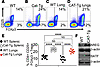 Figure 5
β-Catenin stabilization increases Tregs and enhances AREG and BATF expression. (A and B) Flow cytometry of splenocytes from WT and CAT-Tg mice. Cells were gated on CD3+CD4+ T cells and analyzed for CD25 and intracellular FOXP3 expression. (C and D) Lung leukocytes from WT and CAT-Tg mice were analyzed for Tregs using the same gating strategy (CD3+CD4+CD25+FOXP3+). (E) Representative flow plots and quantification of CD4+CD25+FOXP3+ Treg frequencies. (F) CD25+FOXP3+ Tregs were FACS-sorted from lung tissue and analyzed by immunoblot for AREG and BATF, with β-actin as a loading control. Data are presented as mean ± SEM; sample sizes (n = 15–25 mice per group) are indicated in panels. Each experiment was repeated 3 times. Statistical significance was determined using 2-tailed Student’s t test, 1-way ANOVA, or 2-way ANOVA as appropriate; **P < 0.01, ***P < 0.001, ****P < 0.0001.
Adoptive transfer of CAT-Tg Tregs rescues AH in vivo. To determine whether Tregs from CAT-Tg mice, characterized by elevated Areg and BATF expression, confer protection against AH in vivo, we performed adoptive transfer experiments. WT mice were divided into 3 groups: untreated controls, recipients of WT Tregs, and recipients of CAT-Tg Tregs. Baseline serum and urine samples were collected prior to pristane administration. AH was induced by pristane injection, and disease was allowed to establish for 10 days. At day 10 after pristane injection, splenic CD3+CD4+CD25+FOXP3+ Tregs were FACS-purified from WT or CAT-Tg donor mice and adoptively transferred (1 × 10⁶ cells per mouse) into WT recipients, while one cohort remained untreated. At day 21 after pristane injection, lungs, serum, and urine were collected for analysis (Figure 6, A–D). Gross pathological examination revealed severe AH in untreated pristane-injected WT mice (Figure 6D). In contrast, mice receiving Tregs from CAT-Tg mice were fully protected, with lungs appearing grossly normal, whereas recipients of WT Tregs exhibited only partial protection. Consistent with lung pathology, proteinuria was markedly elevated in untreated and WT Treg–recipient mice compared with baseline levels, whereas adoptive transfer of CAT-Tg Tregs completely prevented proteinuria (Figure 6, E–G). Together, these findings demonstrate that CAT-Tg Tregs confer superior protection against both pulmonary and renal injury during AH. Cytokine analyses further demonstrated the superior protective capacity of CAT-Tg Tregs. WT mice receiving CAT-Tg Tregs exhibited significantly reduced levels of IFN-γ and TNF-α compared with mice receiving WT Tregs (Figure 6, H and I). IL-17 levels were unchanged in CAT-Tg Treg recipients, whereas WT Tregs only modestly reduced IL-17 relative to untreated mice, which remained significantly higher than levels observed in CAT-Tg Treg recipients (Figure 6J). Importantly, adoptive transfer of CAT-Tg Tregs induced a robust increase in IL-10, a key antiinflammatory cytokine, compared with both untreated and WT Treg–treated mice (Figure 6K). Together, these findings indicate that β-catenin stabilization enhances Treg-mediated protection against AH by suppressing proinflammatory cytokines while promoting IL-10 production.
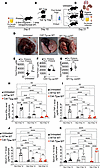 Figure 6
Adoptive transfer of CAT-Tg Tregs rescues pristane-induced alveolar hemorrhage in vivo. (A) Experimental schematic. WT recipient mice were assigned to 3 groups, and baseline urine and blood were collected. (B) CD25+FOXP3+ Tregs were isolated from WT or CAT-Tg donor mice by flow cytometry. (C) Recipients were left untreated or received 1 × 10⁶ WT Tregs or 1 × 10⁶ CAT-Tg Tregs by adoptive transfer. (D) Representative gross lung images from pristane-injected WT mice (untreated) and from mice receiving WT or CAT-Tg Tregs. (E–G) Urinary protein was quantified by BCA assay before and after pristane challenge. (H–K) Serum cytokines (IFN-γ, TNF-α, IL-17, and IL-10) were quantified in each group at baseline and after pristane challenge (Figure 4I). Data are presented as mean ± SEM; sample sizes (n = 15–25 mice per group) are indicated in panels. Each experiment was repeated 3 times. Statistical significance was determined using 2-tailed Student’s t test or 2-way ANOVA as appropriate; **P < 0.01, ***P < 0.001, ****P < 0.0001.
To assess the persistence and tissue trafficking of donor Tregs, adoptive transfer experiments were repeated using congenic CD45.2 WT recipients and CD45.1 donor mice. At day 21 after transfer, both donor- and host-derived Tregs were detected in the spleen (Supplemental Figure 3, A–B). IHC analysis of lung tissue identified donor Tregs within inflamed lungs, confirmed by colocalization of CD4 (green), donor CD45.1 (blue), and FOXP3 (red) signals (Supplemental Figure 2A). These data confirm engraftment and lung homing of donor CAT-Tg Tregs. Collectively, these results demonstrate that CAT-Tg Tregs, enriched for AREG and BATF, confer superior protection against AH compared with WT Tregs by suppressing proinflammatory cytokines, enhancing IL-10 production, and efficiently trafficking to sites of lung inflammation.
β-Catenin agonists recapitulate the protective effects of genetic stabilization. To determine whether pharmacological activation of β-catenin can mimic genetic stabilization in vivo, we treated WT mice with Wnt/β-catenin agonists (MedChemExpress; HY-114321) (66–68), in a pristane-induced AH model. WT mice were injected with pristane, and urine and blood were collected for baseline and posttreatment analyses. Mice received either vehicle (DMSO) or a β-catenin agonist (10 μg per 20 g body weight) twice weekly for 14 days (Figure 7, A and B). Animals were euthanized on day 14, and lungs were harvested for analysis. Treatment with β-catenin agonists significantly increased the frequency of FOXP3+ Tregs in the lungs compared with vehicle-treated controls (Figure 7, C and D). As expected, pristane-injected WT mice exhibited severe lung injury relative to untreated controls, with extensive AH confirmed by H&E staining (Figure 7, D–H). In contrast, WT mice treated with the β-catenin agonist showed minimal lung damage despite pristane challenge, whereas vehicle-treated mice displayed substantial hemorrhage (Figure 7, I and J). Quantitative assessment demonstrated significantly reduced red blood cell accumulation and tissue injury in the β-catenin agonist–treated group (Figure 7, K–M). Collectively, these findings demonstrate that pharmacological activation of β-catenin phenocopies genetic stabilization, protecting against pristane-induced AH by promoting a suppressive Treg-mediated immune program.
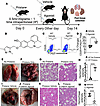 Figure 7
β-Catenin agonist treatment phenocopies genetic β-catenin stabilization and protects against pristane-induced alveolar hemorrhage. (A) Experimental schematic. WT mice were injected with pristane to induce alveolar hemorrhage (AH) and assigned to treatment groups as indicated. (B) Chemical structure of the β-catenin agonist. (C and D) Representative flow plots and quantification of lung Tregs (CD4+CD25+FOXP3+) in WT mice treated with vehicle or β-catenin agonist; lungs were harvested on day 14. (E and F) Gross and histological comparison of untreated WT controls and pristane-only WT mice (no vehicle or agonist). (G and H) Representative H&E-stained lung sections and corresponding pathology scores for cohorts in E and F. (I and J) Gross and histological comparison of pristane-injected WT mice treated with vehicle versus β-catenin agonist (10 μg per 20 g body weight). (K–M) Representative H&E-stained lung sections and quantitative pathology scoring for cohorts in I and J. Data are presented as mean ± SEM; sample sizes (n = 15–25 mice per group) are indicated in panels. Each experiment was repeated 3 times. Statistical significance was determined using the appropriate test; **P < 0.01, ***P < 0.001, ****P < 0.0001. Scale bar:50 μm.
β-Catenin agonists reduce proteinuria and proinflammatory cytokines in the AH model. To determine whether pharmacological β-catenin activation suppresses inflammatory responses during AH, AH was induced as described above (Figure 7 and Figure 8A). Urine analysis revealed that WT mice injected with pristane and treated with vehicle developed significantly increased proteinuria compared with pre-pristane baseline levels. In contrast, WT mice treated with β-catenin agonists exhibited no significant change in proteinuria before versus after pristane injection, indicating protection from renal injury (Figure 8, B and C). Consistent with these findings, β-catenin agonist–treated mice displayed significantly reduced serum levels of IFN-γ and TNF-α compared with untreated or vehicle-treated controls. However, cytokine suppression was incomplete and did not reach the magnitude observed with genetic β-catenin stabilization (Figure 8, D and E). Similarly, levels of IL-6 and IL-17 were reduced after β-catenin agonist treatment, albeit to a lesser extent than in the genetic model (Figure 8, F and G). Notably, β-catenin agonist treatment significantly increased IL-10 production relative to untreated and vehicle-treated controls (Figure 8H). In contrast, no significant differences were observed in IL-12 or IL-13 levels (Supplemental Figure 4). These data showed that pharmacological β-catenin activation amplifies Treg-associated antiinflammatory responses while suppressing proinflammatory cytokine production, supporting its therapeutic potential for AH.
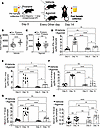 Figure 8
β-Catenin agonists reduce proteinuria and modulate cytokine responses in the AH model. (A) Experimental schematic. Urine and blood were collected at baseline (pre-pristane). WT mice were injected with pristane to induce alveolar hemorrhage (AH) and treated with vehicle (DMSO) or β-catenin agonist (dose as indicated). On day 14, mice were euthanized and urine and serum were collected. (B–D) Urinary protein was quantified by BCA assay, with comparisons between pre- and post-pristane samples within each group. (E–H) Serum cytokines (IFN-γ, TNF-α, IL-6, IL-18, and IL-10) were quantified by multiplex bead-based assay and compared across groups and time points as indicated. Data are presented as mean ± SEM; sample sizes (n = 15–25 mice per group) are indicated in panels. Each experiment was repeated 3 times. Statistical significance was determined using 2-tailed Student’s t test or 2-way ANOVA as appropriate; **P < 0.01, ***P < 0.001, ****P < 0.0001.
β-Catenin stabilization regulates gene expression during AH. Our findings demonstrate that β-catenin stabilization protects the lung from AH and promotes expansion of Tregs expressing Areg and BATF, which contribute to tissue repair and suppression of inflammatory cytokines. However, the global transcriptomic programs regulated by β-catenin stabilization during AH remained undefined. To address this, AH was induced with pristane as described above, and lung tissues were harvested at day 14 for bulk RNA-Seq. Principal component analysis (PCA) revealed clear segregation between WT and CAT-Tg samples (PC1: 53.05%, PC2: 25.60%, PC3: 12.05%) (Figure 9A). Differential expression analysis identified 2,688 genes (FDR ≤ 0.05, |log2FC| ≥ 0.5), with 1,464 genes downregulated and 1,224 genes upregulated in CAT-Tg lungs compared with WT controls (Figure 9B). Hierarchical clustering of normalized expression values separated these genes into 2 modules: module 1, comprising genes downregulated in CAT-Tg samples, and module 2, comprising genes upregulated in CAT-Tg samples (Figure 9C). Gene Ontology (GO) analysis of module 1 revealed enrichment of pathways related to stress responses, immune activation, and inflammation. In contrast, module 2 was enriched for pathways associated with cell projection assembly, cell motility, and tissue organization. Gene set enrichment analysis (GSEA) using Hallmark pathways from MSigDB (73) demonstrated broad enrichment of inflammatory, stress-response, metabolic, and cell-cycle pathways — including TNF-α/NF-κB, IL-6/JAK/STAT3, IFN-γ response, oxidative stress, coagulation, and hypoxia — in WT lungs relative to CAT-Tg samples (Figure 9, D–H). Conversely, KRAS signaling (down) was selectively enriched in CAT-Tg lungs. Collectively, these data demonstrate that β-catenin stabilization rewires lung transcriptional programs during AH, suppressing inflammatory and stress-response pathways while activating cell motility and tissue-repair programs, thereby establishing a protective and regenerative immune environment.
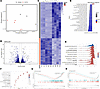 Figure 9
β-Catenin stabilization reprograms lung gene expression during pristane-induced alveolar hemorrhage. (A) Principal component analysis (PCA) showing separation of WT and CAT-Tg lung transcriptomes at day 14 after pristane-induced AH (n = 4 per group). (B) Volcano plot of differentially expressed genes (DEGs; FDR ≤ 0.05, |log2FC| ≥ 0.5) between CAT-Tg and WT lungs; positive log2FC indicates higher expression in CAT-Tg. (C) Hierarchical clustering heatmap of row-scaled normalized expression for DEGs across all samples (n = 4 per group). (D) Summary of Hallmark pathway enrichment by GSEA, highlighting pathways enriched in WT versus CAT-Tg lungs following AH. (E) Ridge plot showing normalized enrichment score (NES) distributions for selected Hallmark gene sets. (F) Dot plot summarizing gene ratios for selected Hallmark gene sets; dot size reflects the number of genes contributing to enrichment. (G and H) Representative GSEA enrichment plots for selected Hallmark pathways, including DNA repair and oxidative phosphorylation (G) and allograft rejection and coagulation (H).
β-Catenin agonists affect gene expression during AH. To determine whether pharmacological β-catenin activation recapitulates the transcriptomic effects of genetic stabilization during AH, WT mice were subjected to pristane-induced AH and treated with either vehicle or a β-catenin agonist, as described above. At day 14, lungs were harvested for bulk RNA-Seq. Differential expression analysis identified 2,565 genes (μμμFDR ≤ 0.05, |log2FC| ≥ 0.5) between agonist- and vehicle-treated lungs, with 1,583 genes downregulated and 982 genes upregulated in agonist-treated samples (Figure 10B). PCA demonstrated clear separation between agonist- and vehicle-treated groups (PC1: 65.84%, PC2: 20.22%, PC3: 6.82%) (Figure 10A). GO enrichment analysis of downregulated genes (module 1) revealed pathways associated with immune activation, stress responses, and proliferative signaling, including BCR stimulation, immune system processes, E2F-associated complexes, and cell cycle–related pathways. In contrast, upregulated genes (module 2) were enriched for pathways related to cell projection assembly, microtubule organization, cilium-dependent motility, and cytoskeletal remodeling. GSEA using Hallmark pathways demonstrated significant negative enrichment of inflammatory, stress-response, and proliferative programs in agonist-treated lungs, including IFN-γ response, TNF-α/NF-κB signaling, IL-6/JAK/STAT3 signaling, transcription factor E2F targets, G2M checkpoint, mTORC1 signaling, epithelial-mesenchymal transition, and oxidative phosphorylation (Figure 10, C–G). These findings show that pharmacological β-catenin activation recapitulates the transcriptomic reprogramming observed with genetic stabilization by suppressing inflammatory and stress-response pathways while enhancing motility- and repair-associated programs, supporting a mechanistic basis for therapeutic protection during AH.
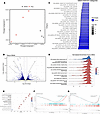 Figure 10
β-Catenin agonist treatment reprograms lung gene expression during pristane-induced alveolar hemorrhage. (A) Principal component analysis (PCA) showing separation of vehicle- and β-catenin agonist–treated lung transcriptomes at day 14 after pristane-induced AH (n = 3 vehicle, n = 4 agonist). (B) Volcano plot of differentially expressed genes (DEGs; FDR ≤ 0.05, |log2FC| ≥ 0.5) between agonist- and vehicle-treated lungs; positive log2FC indicates higher expression in agonist-treated samples. (C) Summary of Hallmark pathway enrichment by GSEA, highlighting pathways enriched in vehicle versus agonist-treated lungs. (D) Ridge plot showing normalized enrichment score (NES) distributions for selected Hallmark gene sets. (E) Dot plot summarizing gene ratios for selected Hallmark gene sets; dot size reflects the number of genes contributing to enrichment. (F and G) Representative GSEA enrichment plots for selected Hallmark pathways, including DNA repair and oxidative phosphorylation (F) and allograft rejection and coagulation (G).


