
Abstract
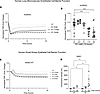
The mechanisms by which e-cigarette vaping (EV) affects lung health remain unclear. Clusters of EV-associated lung injury indicate that EV damages distal lung parenchyma and increases vulnerability to second-hit injury, including respiratory viral infections. Using human lung endothelial and epithelial cells and precision-cut lung slices, we investigated the mechanisms underlying distal lung cell injury and repair triggered by brief (24-hour) EV exposure. RNA-seq of lung tissue from golden Syrian hamsters evaluated the persistence of lung stress responses (10 days after 5 days of EV exposure) and the effect of EV on host defense against influenza A virus and SARS-CoV-2. EV disrupted the barrier function of human distal lung cells through JNK stress response signaling, triggered autophagy with impaired flux, suppressed mTOR signaling and cell proliferation, and culminated in apoptosis. Transcriptional responses in EV-exposed hamster lungs revealed persistent activation of JNK signaling, autophagy, barrier dysfunction, tissue remodeling, and impaired Th1 immunity. EV increased SARS-CoV-2 viral burden, downregulated antiviral genes (Ifit1, Isg15, Nfkbia), and amplified oxidative stress and IL-12 signaling. Short-term EV exposure triggered stress-induced distal lung cell injury with persistent changes in antiviral immunity and molecular pathways associated with tissue remodeling. That may increase susceptibility to viral infections and contribute to lung disease.
Authors
Tanner C. Rivera, Kelly S. Schweitzer, Christina Cornell, Jordan Nall, Nicholas Egersdorf, Courtney Moeder, Riley A. Cooney, Eszter K. Vladar, Steve D. Groshong, Gregory P. Downey, James P. Bridges, Richard Bowen, Hong Wei Chu, Irina Petrache
This file is in Adobe Acrobat (PDF) format. If you have not installed and configured the Adobe Acrobat Reader on your system.
Having trouble reading a PDF?
PDFs are designed to be printed out and read, but if you prefer to read them online, you may find it easier if you increase the view size to 125%.
Having trouble saving a PDF?
Many versions of the free Acrobat Reader do not allow Save. You must instead save the PDF from the JCI Online page you downloaded it from. PC users: Right-click on the Download link and choose the option that says something like "Save Link As...". Mac users should hold the mouse button down on the link to get these same options.
Having trouble printing a PDF?
- Try printing one page at a time or to a newer printer.
- Try saving the file to disk before printing rather than opening it "on the fly." This requires that you configure your browser to "Save" rather than "Launch Application" for the file type "application/pdf", and can usually be done in the "Helper Applications" options.
- Make sure you are using the latest version of Adobe's Acrobat Reader.


