
Research ArticleGastroenterologyOncology
Open Access |  10.1172/jci.insight.194290
Nectin-4 reduces T cell effector function and is a therapeutic target in pancreatic cancer
Max Heiduk,1,2,3,4,5 Carolin Beer,1 Sarah Cronjaeger,1,2,3,4,5 Emily A. Kawaler,6 Ulrich Sommer,7,8 Franziska Baenke,1,2,3,4,5,9 David Digomann,1,2,3,4,5,9 Loreen Natusch Bufe,1,2,3,4,5,9 Charlotte Reiche,1,2,3,4,5 Jessica Glück,1 Franziska Hoffmann,1 Sungsik Kim,10 Daniel E. Stange,1,2,3,4,5,9 Diane M. Simeone,10 Jürgen Weitz,1,2,3,4,5,9 Lena Seifert,1,2,3,4,5,9,11 and Adrian M. Seifert1,2,3,4,5,9
1Department of Visceral, Thoracic and Vascular Surgery, University Hospital Carl Gustav Carus, Technische Universität Dresden, Dresden, Germany.
2National Center for Tumor Diseases (NCT), Dresden, Germany.
3German Cancer Research Center (DKFZ), Heidelberg, Germany.
4Faculty of Medicine and University Hospital Carl Gustav Carus, Technische Universität Dresden, Dresden, Germany.
5Helmholtz-Zentrum Dresden - Rossendorf (HZDR), Dresden, Germany.
6Perlmutter Cancer Center, NYU Langone Health, New York, New York, USA.
7Institute of Pathology, Faculty of Medicine Carl Gustav Carus, and
8National Center for Tumor Diseases (NCT), Biobank Dresden, University Hospital Carl Gustav Carus, Technische Universität Dresden, Dresden, Germany.
9German Cancer Consortium (DKTK), Partner Site Dresden, German Cancer Research Center (DKFZ), Heidelberg, Germany.
10Department of Surgery, Moores Cancer Center, UC San Diego Health, San Diego, California, USA.
11Else Kröner Clinician Scientist Professor for Translational Tumor Immunological Research, Dresden, Germany.
Address correspondence to: Adrian Seifert, Department of Visceral, Thoracic and Vascular Surgery, University Hospital Carl Gustav Carus, Technische Universität Dresden, Fetscherstr, 74, 01307 Dresden, Germany. Phone: 49.351.4580; Email: adrian.seifert@ukdd.de.
Authorship note: MH and CB are co–first authors. LS and AMS are co–senior authors.
Find articles by
Heiduk, M.
in:
PubMed
|
Google Scholar
|

1Department of Visceral, Thoracic and Vascular Surgery, University Hospital Carl Gustav Carus, Technische Universität Dresden, Dresden, Germany.
2National Center for Tumor Diseases (NCT), Dresden, Germany.
3German Cancer Research Center (DKFZ), Heidelberg, Germany.
4Faculty of Medicine and University Hospital Carl Gustav Carus, Technische Universität Dresden, Dresden, Germany.
5Helmholtz-Zentrum Dresden - Rossendorf (HZDR), Dresden, Germany.
6Perlmutter Cancer Center, NYU Langone Health, New York, New York, USA.
7Institute of Pathology, Faculty of Medicine Carl Gustav Carus, and
8National Center for Tumor Diseases (NCT), Biobank Dresden, University Hospital Carl Gustav Carus, Technische Universität Dresden, Dresden, Germany.
9German Cancer Consortium (DKTK), Partner Site Dresden, German Cancer Research Center (DKFZ), Heidelberg, Germany.
10Department of Surgery, Moores Cancer Center, UC San Diego Health, San Diego, California, USA.
11Else Kröner Clinician Scientist Professor for Translational Tumor Immunological Research, Dresden, Germany.
Address correspondence to: Adrian Seifert, Department of Visceral, Thoracic and Vascular Surgery, University Hospital Carl Gustav Carus, Technische Universität Dresden, Fetscherstr, 74, 01307 Dresden, Germany. Phone: 49.351.4580; Email: adrian.seifert@ukdd.de.
Authorship note: MH and CB are co–first authors. LS and AMS are co–senior authors.
Find articles by Beer, C. in: PubMed | Google Scholar
1Department of Visceral, Thoracic and Vascular Surgery, University Hospital Carl Gustav Carus, Technische Universität Dresden, Dresden, Germany.
2National Center for Tumor Diseases (NCT), Dresden, Germany.
3German Cancer Research Center (DKFZ), Heidelberg, Germany.
4Faculty of Medicine and University Hospital Carl Gustav Carus, Technische Universität Dresden, Dresden, Germany.
5Helmholtz-Zentrum Dresden - Rossendorf (HZDR), Dresden, Germany.
6Perlmutter Cancer Center, NYU Langone Health, New York, New York, USA.
7Institute of Pathology, Faculty of Medicine Carl Gustav Carus, and
8National Center for Tumor Diseases (NCT), Biobank Dresden, University Hospital Carl Gustav Carus, Technische Universität Dresden, Dresden, Germany.
9German Cancer Consortium (DKTK), Partner Site Dresden, German Cancer Research Center (DKFZ), Heidelberg, Germany.
10Department of Surgery, Moores Cancer Center, UC San Diego Health, San Diego, California, USA.
11Else Kröner Clinician Scientist Professor for Translational Tumor Immunological Research, Dresden, Germany.
Address correspondence to: Adrian Seifert, Department of Visceral, Thoracic and Vascular Surgery, University Hospital Carl Gustav Carus, Technische Universität Dresden, Fetscherstr, 74, 01307 Dresden, Germany. Phone: 49.351.4580; Email: adrian.seifert@ukdd.de.
Authorship note: MH and CB are co–first authors. LS and AMS are co–senior authors.
Find articles by Cronjaeger, S. in: PubMed | Google Scholar
1Department of Visceral, Thoracic and Vascular Surgery, University Hospital Carl Gustav Carus, Technische Universität Dresden, Dresden, Germany.
2National Center for Tumor Diseases (NCT), Dresden, Germany.
3German Cancer Research Center (DKFZ), Heidelberg, Germany.
4Faculty of Medicine and University Hospital Carl Gustav Carus, Technische Universität Dresden, Dresden, Germany.
5Helmholtz-Zentrum Dresden - Rossendorf (HZDR), Dresden, Germany.
6Perlmutter Cancer Center, NYU Langone Health, New York, New York, USA.
7Institute of Pathology, Faculty of Medicine Carl Gustav Carus, and
8National Center for Tumor Diseases (NCT), Biobank Dresden, University Hospital Carl Gustav Carus, Technische Universität Dresden, Dresden, Germany.
9German Cancer Consortium (DKTK), Partner Site Dresden, German Cancer Research Center (DKFZ), Heidelberg, Germany.
10Department of Surgery, Moores Cancer Center, UC San Diego Health, San Diego, California, USA.
11Else Kröner Clinician Scientist Professor for Translational Tumor Immunological Research, Dresden, Germany.
Address correspondence to: Adrian Seifert, Department of Visceral, Thoracic and Vascular Surgery, University Hospital Carl Gustav Carus, Technische Universität Dresden, Fetscherstr, 74, 01307 Dresden, Germany. Phone: 49.351.4580; Email: adrian.seifert@ukdd.de.
Authorship note: MH and CB are co–first authors. LS and AMS are co–senior authors.
Find articles by
Kawaler, E.
in:
PubMed
|
Google Scholar
|
1Department of Visceral, Thoracic and Vascular Surgery, University Hospital Carl Gustav Carus, Technische Universität Dresden, Dresden, Germany.
2National Center for Tumor Diseases (NCT), Dresden, Germany.
3German Cancer Research Center (DKFZ), Heidelberg, Germany.
4Faculty of Medicine and University Hospital Carl Gustav Carus, Technische Universität Dresden, Dresden, Germany.
5Helmholtz-Zentrum Dresden - Rossendorf (HZDR), Dresden, Germany.
6Perlmutter Cancer Center, NYU Langone Health, New York, New York, USA.
7Institute of Pathology, Faculty of Medicine Carl Gustav Carus, and
8National Center for Tumor Diseases (NCT), Biobank Dresden, University Hospital Carl Gustav Carus, Technische Universität Dresden, Dresden, Germany.
9German Cancer Consortium (DKTK), Partner Site Dresden, German Cancer Research Center (DKFZ), Heidelberg, Germany.
10Department of Surgery, Moores Cancer Center, UC San Diego Health, San Diego, California, USA.
11Else Kröner Clinician Scientist Professor for Translational Tumor Immunological Research, Dresden, Germany.
Address correspondence to: Adrian Seifert, Department of Visceral, Thoracic and Vascular Surgery, University Hospital Carl Gustav Carus, Technische Universität Dresden, Fetscherstr, 74, 01307 Dresden, Germany. Phone: 49.351.4580; Email: adrian.seifert@ukdd.de.
Authorship note: MH and CB are co–first authors. LS and AMS are co–senior authors.
Find articles by Sommer, U. in: PubMed | Google Scholar
1Department of Visceral, Thoracic and Vascular Surgery, University Hospital Carl Gustav Carus, Technische Universität Dresden, Dresden, Germany.
2National Center for Tumor Diseases (NCT), Dresden, Germany.
3German Cancer Research Center (DKFZ), Heidelberg, Germany.
4Faculty of Medicine and University Hospital Carl Gustav Carus, Technische Universität Dresden, Dresden, Germany.
5Helmholtz-Zentrum Dresden - Rossendorf (HZDR), Dresden, Germany.
6Perlmutter Cancer Center, NYU Langone Health, New York, New York, USA.
7Institute of Pathology, Faculty of Medicine Carl Gustav Carus, and
8National Center for Tumor Diseases (NCT), Biobank Dresden, University Hospital Carl Gustav Carus, Technische Universität Dresden, Dresden, Germany.
9German Cancer Consortium (DKTK), Partner Site Dresden, German Cancer Research Center (DKFZ), Heidelberg, Germany.
10Department of Surgery, Moores Cancer Center, UC San Diego Health, San Diego, California, USA.
11Else Kröner Clinician Scientist Professor for Translational Tumor Immunological Research, Dresden, Germany.
Address correspondence to: Adrian Seifert, Department of Visceral, Thoracic and Vascular Surgery, University Hospital Carl Gustav Carus, Technische Universität Dresden, Fetscherstr, 74, 01307 Dresden, Germany. Phone: 49.351.4580; Email: adrian.seifert@ukdd.de.
Authorship note: MH and CB are co–first authors. LS and AMS are co–senior authors.
Find articles by
Baenke, F.
in:
PubMed
|
Google Scholar
|
1Department of Visceral, Thoracic and Vascular Surgery, University Hospital Carl Gustav Carus, Technische Universität Dresden, Dresden, Germany.
2National Center for Tumor Diseases (NCT), Dresden, Germany.
3German Cancer Research Center (DKFZ), Heidelberg, Germany.
4Faculty of Medicine and University Hospital Carl Gustav Carus, Technische Universität Dresden, Dresden, Germany.
5Helmholtz-Zentrum Dresden - Rossendorf (HZDR), Dresden, Germany.
6Perlmutter Cancer Center, NYU Langone Health, New York, New York, USA.
7Institute of Pathology, Faculty of Medicine Carl Gustav Carus, and
8National Center for Tumor Diseases (NCT), Biobank Dresden, University Hospital Carl Gustav Carus, Technische Universität Dresden, Dresden, Germany.
9German Cancer Consortium (DKTK), Partner Site Dresden, German Cancer Research Center (DKFZ), Heidelberg, Germany.
10Department of Surgery, Moores Cancer Center, UC San Diego Health, San Diego, California, USA.
11Else Kröner Clinician Scientist Professor for Translational Tumor Immunological Research, Dresden, Germany.
Address correspondence to: Adrian Seifert, Department of Visceral, Thoracic and Vascular Surgery, University Hospital Carl Gustav Carus, Technische Universität Dresden, Fetscherstr, 74, 01307 Dresden, Germany. Phone: 49.351.4580; Email: adrian.seifert@ukdd.de.
Authorship note: MH and CB are co–first authors. LS and AMS are co–senior authors.
Find articles by
Digomann, D.
in:
PubMed
|
Google Scholar
|
1Department of Visceral, Thoracic and Vascular Surgery, University Hospital Carl Gustav Carus, Technische Universität Dresden, Dresden, Germany.
2National Center for Tumor Diseases (NCT), Dresden, Germany.
3German Cancer Research Center (DKFZ), Heidelberg, Germany.
4Faculty of Medicine and University Hospital Carl Gustav Carus, Technische Universität Dresden, Dresden, Germany.
5Helmholtz-Zentrum Dresden - Rossendorf (HZDR), Dresden, Germany.
6Perlmutter Cancer Center, NYU Langone Health, New York, New York, USA.
7Institute of Pathology, Faculty of Medicine Carl Gustav Carus, and
8National Center for Tumor Diseases (NCT), Biobank Dresden, University Hospital Carl Gustav Carus, Technische Universität Dresden, Dresden, Germany.
9German Cancer Consortium (DKTK), Partner Site Dresden, German Cancer Research Center (DKFZ), Heidelberg, Germany.
10Department of Surgery, Moores Cancer Center, UC San Diego Health, San Diego, California, USA.
11Else Kröner Clinician Scientist Professor for Translational Tumor Immunological Research, Dresden, Germany.
Address correspondence to: Adrian Seifert, Department of Visceral, Thoracic and Vascular Surgery, University Hospital Carl Gustav Carus, Technische Universität Dresden, Fetscherstr, 74, 01307 Dresden, Germany. Phone: 49.351.4580; Email: adrian.seifert@ukdd.de.
Authorship note: MH and CB are co–first authors. LS and AMS are co–senior authors.
Find articles by Bufe, L. in: PubMed | Google Scholar
1Department of Visceral, Thoracic and Vascular Surgery, University Hospital Carl Gustav Carus, Technische Universität Dresden, Dresden, Germany.
2National Center for Tumor Diseases (NCT), Dresden, Germany.
3German Cancer Research Center (DKFZ), Heidelberg, Germany.
4Faculty of Medicine and University Hospital Carl Gustav Carus, Technische Universität Dresden, Dresden, Germany.
5Helmholtz-Zentrum Dresden - Rossendorf (HZDR), Dresden, Germany.
6Perlmutter Cancer Center, NYU Langone Health, New York, New York, USA.
7Institute of Pathology, Faculty of Medicine Carl Gustav Carus, and
8National Center for Tumor Diseases (NCT), Biobank Dresden, University Hospital Carl Gustav Carus, Technische Universität Dresden, Dresden, Germany.
9German Cancer Consortium (DKTK), Partner Site Dresden, German Cancer Research Center (DKFZ), Heidelberg, Germany.
10Department of Surgery, Moores Cancer Center, UC San Diego Health, San Diego, California, USA.
11Else Kröner Clinician Scientist Professor for Translational Tumor Immunological Research, Dresden, Germany.
Address correspondence to: Adrian Seifert, Department of Visceral, Thoracic and Vascular Surgery, University Hospital Carl Gustav Carus, Technische Universität Dresden, Fetscherstr, 74, 01307 Dresden, Germany. Phone: 49.351.4580; Email: adrian.seifert@ukdd.de.
Authorship note: MH and CB are co–first authors. LS and AMS are co–senior authors.
Find articles by Reiche, C. in: PubMed | Google Scholar
1Department of Visceral, Thoracic and Vascular Surgery, University Hospital Carl Gustav Carus, Technische Universität Dresden, Dresden, Germany.
2National Center for Tumor Diseases (NCT), Dresden, Germany.
3German Cancer Research Center (DKFZ), Heidelberg, Germany.
4Faculty of Medicine and University Hospital Carl Gustav Carus, Technische Universität Dresden, Dresden, Germany.
5Helmholtz-Zentrum Dresden - Rossendorf (HZDR), Dresden, Germany.
6Perlmutter Cancer Center, NYU Langone Health, New York, New York, USA.
7Institute of Pathology, Faculty of Medicine Carl Gustav Carus, and
8National Center for Tumor Diseases (NCT), Biobank Dresden, University Hospital Carl Gustav Carus, Technische Universität Dresden, Dresden, Germany.
9German Cancer Consortium (DKTK), Partner Site Dresden, German Cancer Research Center (DKFZ), Heidelberg, Germany.
10Department of Surgery, Moores Cancer Center, UC San Diego Health, San Diego, California, USA.
11Else Kröner Clinician Scientist Professor for Translational Tumor Immunological Research, Dresden, Germany.
Address correspondence to: Adrian Seifert, Department of Visceral, Thoracic and Vascular Surgery, University Hospital Carl Gustav Carus, Technische Universität Dresden, Fetscherstr, 74, 01307 Dresden, Germany. Phone: 49.351.4580; Email: adrian.seifert@ukdd.de.
Authorship note: MH and CB are co–first authors. LS and AMS are co–senior authors.
Find articles by Glück, J. in: PubMed | Google Scholar
1Department of Visceral, Thoracic and Vascular Surgery, University Hospital Carl Gustav Carus, Technische Universität Dresden, Dresden, Germany.
2National Center for Tumor Diseases (NCT), Dresden, Germany.
3German Cancer Research Center (DKFZ), Heidelberg, Germany.
4Faculty of Medicine and University Hospital Carl Gustav Carus, Technische Universität Dresden, Dresden, Germany.
5Helmholtz-Zentrum Dresden - Rossendorf (HZDR), Dresden, Germany.
6Perlmutter Cancer Center, NYU Langone Health, New York, New York, USA.
7Institute of Pathology, Faculty of Medicine Carl Gustav Carus, and
8National Center for Tumor Diseases (NCT), Biobank Dresden, University Hospital Carl Gustav Carus, Technische Universität Dresden, Dresden, Germany.
9German Cancer Consortium (DKTK), Partner Site Dresden, German Cancer Research Center (DKFZ), Heidelberg, Germany.
10Department of Surgery, Moores Cancer Center, UC San Diego Health, San Diego, California, USA.
11Else Kröner Clinician Scientist Professor for Translational Tumor Immunological Research, Dresden, Germany.
Address correspondence to: Adrian Seifert, Department of Visceral, Thoracic and Vascular Surgery, University Hospital Carl Gustav Carus, Technische Universität Dresden, Fetscherstr, 74, 01307 Dresden, Germany. Phone: 49.351.4580; Email: adrian.seifert@ukdd.de.
Authorship note: MH and CB are co–first authors. LS and AMS are co–senior authors.
Find articles by Hoffmann, F. in: PubMed | Google Scholar
1Department of Visceral, Thoracic and Vascular Surgery, University Hospital Carl Gustav Carus, Technische Universität Dresden, Dresden, Germany.
2National Center for Tumor Diseases (NCT), Dresden, Germany.
3German Cancer Research Center (DKFZ), Heidelberg, Germany.
4Faculty of Medicine and University Hospital Carl Gustav Carus, Technische Universität Dresden, Dresden, Germany.
5Helmholtz-Zentrum Dresden - Rossendorf (HZDR), Dresden, Germany.
6Perlmutter Cancer Center, NYU Langone Health, New York, New York, USA.
7Institute of Pathology, Faculty of Medicine Carl Gustav Carus, and
8National Center for Tumor Diseases (NCT), Biobank Dresden, University Hospital Carl Gustav Carus, Technische Universität Dresden, Dresden, Germany.
9German Cancer Consortium (DKTK), Partner Site Dresden, German Cancer Research Center (DKFZ), Heidelberg, Germany.
10Department of Surgery, Moores Cancer Center, UC San Diego Health, San Diego, California, USA.
11Else Kröner Clinician Scientist Professor for Translational Tumor Immunological Research, Dresden, Germany.
Address correspondence to: Adrian Seifert, Department of Visceral, Thoracic and Vascular Surgery, University Hospital Carl Gustav Carus, Technische Universität Dresden, Fetscherstr, 74, 01307 Dresden, Germany. Phone: 49.351.4580; Email: adrian.seifert@ukdd.de.
Authorship note: MH and CB are co–first authors. LS and AMS are co–senior authors.
Find articles by Kim, S. in: PubMed | Google Scholar
1Department of Visceral, Thoracic and Vascular Surgery, University Hospital Carl Gustav Carus, Technische Universität Dresden, Dresden, Germany.
2National Center for Tumor Diseases (NCT), Dresden, Germany.
3German Cancer Research Center (DKFZ), Heidelberg, Germany.
4Faculty of Medicine and University Hospital Carl Gustav Carus, Technische Universität Dresden, Dresden, Germany.
5Helmholtz-Zentrum Dresden - Rossendorf (HZDR), Dresden, Germany.
6Perlmutter Cancer Center, NYU Langone Health, New York, New York, USA.
7Institute of Pathology, Faculty of Medicine Carl Gustav Carus, and
8National Center for Tumor Diseases (NCT), Biobank Dresden, University Hospital Carl Gustav Carus, Technische Universität Dresden, Dresden, Germany.
9German Cancer Consortium (DKTK), Partner Site Dresden, German Cancer Research Center (DKFZ), Heidelberg, Germany.
10Department of Surgery, Moores Cancer Center, UC San Diego Health, San Diego, California, USA.
11Else Kröner Clinician Scientist Professor for Translational Tumor Immunological Research, Dresden, Germany.
Address correspondence to: Adrian Seifert, Department of Visceral, Thoracic and Vascular Surgery, University Hospital Carl Gustav Carus, Technische Universität Dresden, Fetscherstr, 74, 01307 Dresden, Germany. Phone: 49.351.4580; Email: adrian.seifert@ukdd.de.
Authorship note: MH and CB are co–first authors. LS and AMS are co–senior authors.
Find articles by Stange, D. in: PubMed | Google Scholar
1Department of Visceral, Thoracic and Vascular Surgery, University Hospital Carl Gustav Carus, Technische Universität Dresden, Dresden, Germany.
2National Center for Tumor Diseases (NCT), Dresden, Germany.
3German Cancer Research Center (DKFZ), Heidelberg, Germany.
4Faculty of Medicine and University Hospital Carl Gustav Carus, Technische Universität Dresden, Dresden, Germany.
5Helmholtz-Zentrum Dresden - Rossendorf (HZDR), Dresden, Germany.
6Perlmutter Cancer Center, NYU Langone Health, New York, New York, USA.
7Institute of Pathology, Faculty of Medicine Carl Gustav Carus, and
8National Center for Tumor Diseases (NCT), Biobank Dresden, University Hospital Carl Gustav Carus, Technische Universität Dresden, Dresden, Germany.
9German Cancer Consortium (DKTK), Partner Site Dresden, German Cancer Research Center (DKFZ), Heidelberg, Germany.
10Department of Surgery, Moores Cancer Center, UC San Diego Health, San Diego, California, USA.
11Else Kröner Clinician Scientist Professor for Translational Tumor Immunological Research, Dresden, Germany.
Address correspondence to: Adrian Seifert, Department of Visceral, Thoracic and Vascular Surgery, University Hospital Carl Gustav Carus, Technische Universität Dresden, Fetscherstr, 74, 01307 Dresden, Germany. Phone: 49.351.4580; Email: adrian.seifert@ukdd.de.
Authorship note: MH and CB are co–first authors. LS and AMS are co–senior authors.
Find articles by Simeone, D. in: PubMed | Google Scholar
1Department of Visceral, Thoracic and Vascular Surgery, University Hospital Carl Gustav Carus, Technische Universität Dresden, Dresden, Germany.
2National Center for Tumor Diseases (NCT), Dresden, Germany.
3German Cancer Research Center (DKFZ), Heidelberg, Germany.
4Faculty of Medicine and University Hospital Carl Gustav Carus, Technische Universität Dresden, Dresden, Germany.
5Helmholtz-Zentrum Dresden - Rossendorf (HZDR), Dresden, Germany.
6Perlmutter Cancer Center, NYU Langone Health, New York, New York, USA.
7Institute of Pathology, Faculty of Medicine Carl Gustav Carus, and
8National Center for Tumor Diseases (NCT), Biobank Dresden, University Hospital Carl Gustav Carus, Technische Universität Dresden, Dresden, Germany.
9German Cancer Consortium (DKTK), Partner Site Dresden, German Cancer Research Center (DKFZ), Heidelberg, Germany.
10Department of Surgery, Moores Cancer Center, UC San Diego Health, San Diego, California, USA.
11Else Kröner Clinician Scientist Professor for Translational Tumor Immunological Research, Dresden, Germany.
Address correspondence to: Adrian Seifert, Department of Visceral, Thoracic and Vascular Surgery, University Hospital Carl Gustav Carus, Technische Universität Dresden, Fetscherstr, 74, 01307 Dresden, Germany. Phone: 49.351.4580; Email: adrian.seifert@ukdd.de.
Authorship note: MH and CB are co–first authors. LS and AMS are co–senior authors.
Find articles by
Weitz, J.
in:
PubMed
|
Google Scholar
|
1Department of Visceral, Thoracic and Vascular Surgery, University Hospital Carl Gustav Carus, Technische Universität Dresden, Dresden, Germany.
2National Center for Tumor Diseases (NCT), Dresden, Germany.
3German Cancer Research Center (DKFZ), Heidelberg, Germany.
4Faculty of Medicine and University Hospital Carl Gustav Carus, Technische Universität Dresden, Dresden, Germany.
5Helmholtz-Zentrum Dresden - Rossendorf (HZDR), Dresden, Germany.
6Perlmutter Cancer Center, NYU Langone Health, New York, New York, USA.
7Institute of Pathology, Faculty of Medicine Carl Gustav Carus, and
8National Center for Tumor Diseases (NCT), Biobank Dresden, University Hospital Carl Gustav Carus, Technische Universität Dresden, Dresden, Germany.
9German Cancer Consortium (DKTK), Partner Site Dresden, German Cancer Research Center (DKFZ), Heidelberg, Germany.
10Department of Surgery, Moores Cancer Center, UC San Diego Health, San Diego, California, USA.
11Else Kröner Clinician Scientist Professor for Translational Tumor Immunological Research, Dresden, Germany.
Address correspondence to: Adrian Seifert, Department of Visceral, Thoracic and Vascular Surgery, University Hospital Carl Gustav Carus, Technische Universität Dresden, Fetscherstr, 74, 01307 Dresden, Germany. Phone: 49.351.4580; Email: adrian.seifert@ukdd.de.
Authorship note: MH and CB are co–first authors. LS and AMS are co–senior authors.
Find articles by
Seifert, L.
in:
PubMed
|
Google Scholar
|
1Department of Visceral, Thoracic and Vascular Surgery, University Hospital Carl Gustav Carus, Technische Universität Dresden, Dresden, Germany.
2National Center for Tumor Diseases (NCT), Dresden, Germany.
3German Cancer Research Center (DKFZ), Heidelberg, Germany.
4Faculty of Medicine and University Hospital Carl Gustav Carus, Technische Universität Dresden, Dresden, Germany.
5Helmholtz-Zentrum Dresden - Rossendorf (HZDR), Dresden, Germany.
6Perlmutter Cancer Center, NYU Langone Health, New York, New York, USA.
7Institute of Pathology, Faculty of Medicine Carl Gustav Carus, and
8National Center for Tumor Diseases (NCT), Biobank Dresden, University Hospital Carl Gustav Carus, Technische Universität Dresden, Dresden, Germany.
9German Cancer Consortium (DKTK), Partner Site Dresden, German Cancer Research Center (DKFZ), Heidelberg, Germany.
10Department of Surgery, Moores Cancer Center, UC San Diego Health, San Diego, California, USA.
11Else Kröner Clinician Scientist Professor for Translational Tumor Immunological Research, Dresden, Germany.
Address correspondence to: Adrian Seifert, Department of Visceral, Thoracic and Vascular Surgery, University Hospital Carl Gustav Carus, Technische Universität Dresden, Fetscherstr, 74, 01307 Dresden, Germany. Phone: 49.351.4580; Email: adrian.seifert@ukdd.de.
Authorship note: MH and CB are co–first authors. LS and AMS are co–senior authors.
Find articles by
Seifert, A.
in:
PubMed
|
Google Scholar
|
Published December 9, 2025 - More info
JCI Insight. 2026;11(2):e194290. https://doi.org/10.1172/jci.insight.194290.
© 2025 Heiduk et al. This work is licensed under the Creative Commons Attribution 4.0 International License. To view a copy of this license, visit http://creativecommons.org/licenses/by/4.0/.
Received: April 7, 2025; Accepted: December 3, 2025


-
Results
TIGIT, CD226, and CD96 are expressed by tumor-infiltrating T cells. To identify the distribution of receptors and ligands of the TIGIT axis in the pancreatic tumor microenvironment, we analyzed the known receptors of the TIGIT axis. TIGIT, CD226, and CD96 are important immune regulatory receptors involved in modulating T cell activity in antitumor immunity (10). The expression of these receptors by T cells isolated from blood and matched PDAC tumor samples was analyzed by multicolor flow cytometry (Figure 1, A–C). Patient characteristics are shown in Supplemental Table 1 (supplemental material available online with this article; https://doi.org/10.1172/jci.insight.194290DS1). TIGIT was highly expressed by Treg in blood and PDAC and significantly increased in Tconv and Treg in PDAC compared with blood (Figure 1A). CD226 expression by intratumoral CD8+ T cells and Treg (Figure 1B) and CD96 expression by Tconv was significantly reduced in PDAC (Figure 1C). While the distribution of the ICR coexpressing subsets of CD8+ T cells was largely similar between blood and PDAC, TIGIT–CD226+CD96+ cells constituted the main subset among blood Tconv but were significantly decreased in PDAC (Figure 1D). Cells were significantly increased among PDAC Tconv. TIGIT+CD226–CD96+ Treg were increased in PDAC, whereas Treg with no expression of these ICRs were almost absent in PDAC. Notably, TIGIT and CD96 expression showed a strong positive correlation between T cell subsets in blood and PDAC (Figure 1E and Supplemental Tables 2 and 3). CD226 and TIGIT expression by CD8+ T cells in PDAC correlated negatively. Furthermore, different transcription factors were investigated to assess their association with ICR expression (Supplemental Figure 1, D–F). Representative gating is shown in Supplemental Figure 1, A–C. The proliferation marker Ki-67 was particularly high among CD226+ Treg but also significantly increased among TIGIT+CD8+ T cells and TIGIT+ Tconv, indicating an increased proliferation of these subsets (Supplemental Figure 1D). Eomesodermin (Eomes), which drives CD8+ T cell exhaustion (11), was significantly higher in TIGIT+ but was lower in CD226+ and CD96+ CD8+ T cells (Supplemental Figure 1E). Most interestingly, GATA3, a transcription factor known to drive the differentiation toward a rather antiinflammatory and tumor-protective phenotype (12), was significantly increased among TIGIT+CD8+ T cells and Tconv but was not associated with expression of the other ICRs (Supplemental Figure 1F). In the blood, T cells present significantly different phenotypes based on their ICR expression, with Ki-67, Eomes, and GATA3 expression being associated with TIGIT positivity.
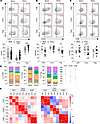 Figure 1
TIGIT, CD226, and CD96 are expressed by tumor-infiltrating T cells. (A) Representative contour flow plots for expression of TIGIT and percentage of TIGIT by CD8+ T cells, Tconv, and Treg in matched blood and PDAC (n = 84). (B) Representative contour flow plots for expression of CD226 and percentage of CD226 by CD8+ T cells, Tconv and Treg in matched blood and PDAC (n = 19). (C) Representative contour flow plots for expression of CD96 and percentage of CD96 by CD8+ T cells, Tconv, and Treg in matched blood and PDAC (n = 19). Each point represents data from 1 patient. Medians are shown as horizontal red lines. Paired 2-tailed t tests with Holm-Šídák correction were used. (D) Stacked columns showing the mean coexpression of TIGIT, CD226, and CD96 among CD8+ T cells, Tconv, and Treg (from left to right) in blood versus PDAC. *P < 0.05; **P < 0.01; ***P < 0.001; ****P < 0.0001. (E) Heatmap showing Pearson correlation coefficient (rPearson) for correlation between ICR expressions by indicated T cell subsets in blood (left) and PDAC (right). To correct for multiple comparisons in correlation analysis, significance levels were set at *P < 0.01; **P < 0.001.
Nectin-4 expression is associated with poor outcome in PDAC. Subsequently, the expression and prognostic relevance of the TIGIT ligands, namely PVR (CD155), PVRL1 (Nectin-1), PVRL2 (Nectin-2), PVRL3 (Nectin-3), and PVRL4 (Nectin-4) was examined using the TCGA dataset (Supplemental Figure 2, A and B). Intriguingly, high PVR expression was associated with significantly improved overall survival in PDAC, whereas PVR and PVRL1 expression was linked to reduced survival in hepatocellular carcinoma. Most interestingly, while PVRL4 expression was associated with favorable survival in gastric cancer, it was associated with reduced survival in PDAC. These differences suggest disease-specific prognostic relevance of these proteins. Based on these data, our analyses focused on CD155 and Nectin-4. The correlation between PVRL4 expression and that of several genes of interest was investigated within the TCGA data set (Supplemental Figure 2C). PVRL4 showed a positive correlation with PVRL2 but was negatively associated with immune cell–related genes, particularly T and NK cell genes, and to a lesser extent with different myeloid cell genes. The expression of PVRL4 and ICR genes, which are predominantly expressed by T cells, consistently showed a negative correlation. The lowest correlation coefficient between PVRL4 and any immune-associated gene was with CD226 (r = 0.560). In contrast, PVRL4 correlated positively with LGALS3 (Galectin-3), another ligand known to be involved in immune escape in PDAC (13), and 2 epithelial genes representative of ductal tumor cells. There was no or a negative association with genes related to fibroblasts or extracellular matrix formation, indicating that Nectin-4 is mainly expressed by tumor cells rather than within the stromal compartment. PVRL2 also positively correlated with PVR and was the only ligand that showed a minor negative correlation with immune-related genes (Supplemental Table 4). By IHC, tumor cells showed a distinct CD155 and Nectin-4 staining pattern (Figure 2A). No significant differences in expression between the tumor core and periphery were detected, nor was any association observed with other histological features. The intensity and percentage of positive tumor cells were scored to calculate the immune reactive scores (IRS) (Figure 2B). An IRS of 0–4 was classified to be low and an IRS of 6–12 as high expression. Of note, Nectin-4 staining was absent in only 2 of the 68 patients (2.9%). Approximately 70% of PDAC samples had high and very high Nectin-4 expression, whereas CD155 had a low intensity in more than 60% of the samples (Figure 2C). CD155 expression was not significantly associated with prognosis in the univariate analysis, but high Nectin-4 expression was strongly associated with reduced survival of patients with PDAC (Figure 2D). Notably, in the multivariate analysis, high CD155 expression was significantly associated with increased survival, while high Nectin-4 expression was a significant risk for reduced survival (Figure 2E). No significant association was observed between expression of either protein and any clinicopathologic characteristics (Supplemental Table 5).
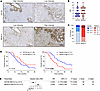 Figure 2
Nectin-4 expression is associated with poor outcome in PDAC. (A) Representative images of CD155 (top) and Nectin-4 (bottom) IHC staining with low and high intensity. Scale bar: 100 μm. (B) Dot plot showing the distribution of immune reactive scores (IRS; CD155, n = 69; Nectin-4, n = 68). (C) Stacked columns depicting the proportion of patients with CD155 and Nectin-4 expression according to intensity. (D) Kaplan-Meier analysis of overall survival of R0-resected patients with PDAC according to low or high CD155 (left) or Nectin-4 (right) expression. P values of log rank test are indicated. (E) Table and forest plot depicting survival hazard ratios (HR) with 95% CI of CD155 and Nectin-4 IRS in multivariate Cox proportional hazards regression analysis including both R0- and R1-resected patients, shown as a function of clinicopathological parameters. *P < 0.05; **P < 0.01.
Nectin-4 expression is associated with reduced immune cell infiltration in PDAC. Next, the correlation between ligand expression and intratumoral T cell infiltration and phenotypes was evaluated. CD155 expression was not associated with the frequency of T cell subsets in blood (Figure 3A) or tumor (Figure 3B). Furthermore, the expression of TIGIT, CD226, and CD96 in blood T cell subsets (Figure 3C) was independent of CD155 tumor tissue expression, but PDAC-infiltrating Tconv and Treg showed decreased TIGIT expression in CD155hi PDAC (Figure 3D). While the PDAC cohort with high CD155 expression was small, no significant difference in CD226 and CD96 expression was detected compared with CD155lo PDAC samples. All intratumoral T cell subsets in the CD155hi cohort showed a trend toward increased CD226 expression. Strikingly, Nectin-4hi tumors displayed no differences in the general T cell frequency and subset frequency in the blood (Figure 4A), but a significantly reduced frequency of T cells among all immune cells in the tumor, but without alterations in T cell subset composition (Figure 4B). Again, high Nectin-4 expression was not associated with changes of the ICR expression by blood T cell subsets (Figure 4C), but PDAC-infiltrating Treg showed increased TIGIT expression, with a similar trend for CD8+ T cells and Tconv (Figure 4D). Intratumoral T cells from Nectin-4hi PDAC had slightly reduced CD226 expression but significantly reduced CD96 expression among all T cell subsets.
 Figure 3
CD155 expression is associated with reduced TIGIT expression by PDAC-infiltrating Tconv and Tregs. (A and B) Percentage of T cells among all immune cells (left) and percentage of indicated T cell subsets among all T cells (right) in blood (A) and PDAC (B) for low and high CD155 expression (n = 69). (C and D) Percentage of TIGIT, CD226 and CD96 expression (from left to right) for indicated T cell subsets in blood (C) and PDAC (D) for low and high CD155 expression. Each point represents data from 1 patient. Medians are shown as horizontal lines. Unpaired 2-tailed t tests with Holm-Šídák correction. **P < 0.01; ***P < 0.001.
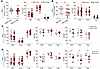 Figure 4
Nectin-4 expression is associated with reduced immune cell infiltration in PDAC. (A and B) Percentage of T cells among all immune cells (left) and percentage of indicated T cell subsets among all T cells (right) in blood (A) and PDAC (B) for low and high Nectin-4 expression (n = 68). (C and D) Percentage of TIGIT, CD226 and CD96 expression (from left to right) for indicated T cell subsets in blood (C) and PDAC (D) for low and high Nectin-4 expression. Each point represents data from 1 patient. Medians are shown as horizontal lines. Unpaired 2-tailed t tests with Holm-Šídák correction. *P < 0.05.
Nectin-4 is exclusively expressed by tumor cells in PDAC. To further validate the relevance of Nectin-4 in PDAC, we analyzed 17 primary tumor and 9 liver metastasis samples using scRNA-Seq (Figure 5 and Supplemental Figure 3, A–C). TIGIT, CD226, and CD96 were expressed by all T cell subsets and NK cells to varying degrees, with CD8+ T cells exhibiting the highest expression of CD96, while Treg had high TIGIT expression in PDAC (Figure 5A). Notably, PVRL4 (Nectin-4) was expressed exclusively by tumor cells, while PVRL2 (Nectin-2) was expressed by various cell types, including CAFs, myeloid, malignant epithelial, and endothelial cells. A low percentage of endothelial and tumor cells expressed PVR (CD155). Expression patterns were broadly similar between treatment-naive PDAC, PDAC treated with chemotherapy, and treatment-naive PDAC liver metastases (Supplemental Figure 3A). Interestingly, while PVR and PVRL4 were also expressed by tumor cells in PDAC liver metastases, the expression of PVR was significantly increased in the metastatic cells (Supplemental Figure 3B), and PVRL4 showed higher expression within the tumor cells from the primary tumor (Figure 5B). PVR and PVRL4 expression correlated negatively in PDAC (Supplemental Figure 3C). Furthermore, a trend for a negative correlation between PVRL4, but not PVR, and the proportion of cells per sample in the T cell compartment, a proxy for lymphocyte infiltration, was observed (Figure 5C and Supplemental Figure 3C).
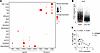 Figure 5
Nectin-4 is exclusively expressed by tumor cells in PDAC. (A) Dot plot depicting gene expression of TIGIT family receptors and ligands in several compartments within human primary PDAC (n = 17). The dot size represents the percentage of cells expressing the gene, and the color represents the average expression within those cells. (B) Violin plot of PVRL4 expression in all malignant epithelial cells in primary PDAC (n = 11) compared with PDAC liver metastases (n = 9) from treatment-naive patients. (C) Scatter plot showing the correlation between PVRL4 expression in malignant epithelial cells and percentage of T cells among all analyzed cells per sample in treatment-naive (n = 11) and chemotherapeutically-treated (n = 6) primary PDAC. Pearson correlation coefficients and P values are depicted. Each dot represents 1 sample. Wilcoxon signed-rank test for comparison of expression levels. ****P < 0.0001.
Enfortumab vedotin has antitumor efficacy in PDAC PDOs. Upon activation, T cells produce proinflammatory cytokines like IFN-γ and TNF-α, which are crucial for mediating antitumoral immune responses. To assess the effect of Nectin-4 on T cell function, we cultured activated T cells from patients with PDAC in the presence of plate-bound (pb) (n = 8) or soluble Nectin-4 (sNectin-4, n = 4). After 3 days, T cells cultured with pbNectin-4 exhibited a significant reduction of IFN-γ and TNF-α secretion, compared with the control without Nectin-4 (Figure 6A). In the presence of sNectin-4, cytokine expression was also significantly reduced but to a lesser extent. Next, we tested several patient-derived organoids (PDO) from patients with PDAC for their Nectin-4 expression using RT-qPCR (Figure 6B) and Western blotting (Figure 6C). PDAC PDOs showed varying PVRL4 mRNA expression, which corresponded to Nectin-4 protein expression. Due to its tumor-specific and generally high expression in PDAC, Nectin-4 may be a potential therapeutic target. Therefore, we investigated the antitumor effiacacy of enfortumab vedotin (EV) in in vitro drug screens on PDAC PDOs. Therapeutic responses were compared with the effiacacy of the chemotherapy regimens FOLFIRINOX and gemcitabine plus paclitaxel (Gem/Pac). Here, a wide range of responses was observed for each treatment (Figure 6D). Z scores of relative AUCs were calculated to detect different response patterns within the same line, demonstrating drug-sensitivity to EV in 4 (DD593, DD882, DD1391, and DD1404) PDAC PDOs (Figure 6E). DD1391 and DD1404 showed sensitivity to all treatments, whereas DD728 was resistant. Interestingly, DD593 and DD882 exhibited resistance to either 1 or both chemotherapeutic regimens, while displaying sensitivity to EV. To further explore the effect of EV on the chemotherapy-resistant PDOs DD593 and DD882, we evaluated apoptosis by caspase-3 staining. Strikingly, after 3 days of incubation, DD593 and DD882 underwent early apoptosis upon treatment with EV, while treatment with FOLFIRINOX and Gem/Pac resulted in only a few apoptotic cells (Figure 6F). Collectively, EV demonstrated antitumoral efficacy in approximately 50% of PDAC PDOs.
 Figure 6
Enfortumab vedotin has antitumor efficacy in PDAC PDOs. (A) IFN-γ and TNF-α production by peripheral T cells from patients with PDAC after in vitro stimulation with anti-CD3 and anti-CD28 in the presence of plate-bound (pb, n = 8) or soluble (s, n = 4) Nectin-4. Each point represents data from 1 patient. Data are shown as mean ± SD. Unpaired 2-tailed t tests with Welch’s correction. *P < 0.05; **P < 0.001; ***P < 0.001; ****P < 0.0001. (B) Representative expression level of PVRL4 by qPCR (bars indicate mean of technical duplicates). (C) Nectin-4 expression in PDAC PDOs by Western blot. (D) Dose response curves from PDAC PDOs treated with FOLFIRINOX, gemcitabine plus paclitaxel (Gem/Pac), or enfortumab vedotin. The relative viability in percentage at a given drug concentration of 2 independent biological replicates is shown. (E) Z scores generated from relative AUC from dose response curves from PDAC PDOs either treated with FOLFIRINOX, Gem/Pac, or enfortumab vedotin. (F) Representative images of 2 PDAC PDOs either treated with the standard regimen FOLFIRINOX, Gem/Pac, or enfortumab vedotin. PDOs were stained with caspase-3 dye profiling apoptosis (green) and imaged after 3 days. Scale bar: 50 μm.


